

42nd Constitutional Amendment Act, 1976
Known as the Mini-Constitution, the 42nd Constitutional Amendment of 1976 reshaped India’s polity by centralizing power and limiting judicial independence.
Known as the Mini-Constitution, the 42nd Constitutional Amendment of 1976 reshaped India’s polity by centralizing power and limiting judicial independence.

India–U.S. Tariff tensions escalate as the U.S. imposes 25% duties on Indian goods, linking trade to foreign policy and Russia-related concerns.
The government has approved ₹2,000 crore for NCDC to boost cooperative-led rural development, focusing on agriculture, allied sectors, and job creation.
Low legal aid access and underutilised funds highlight the urgent need to strengthen NALSA and decentralise legal aid delivery
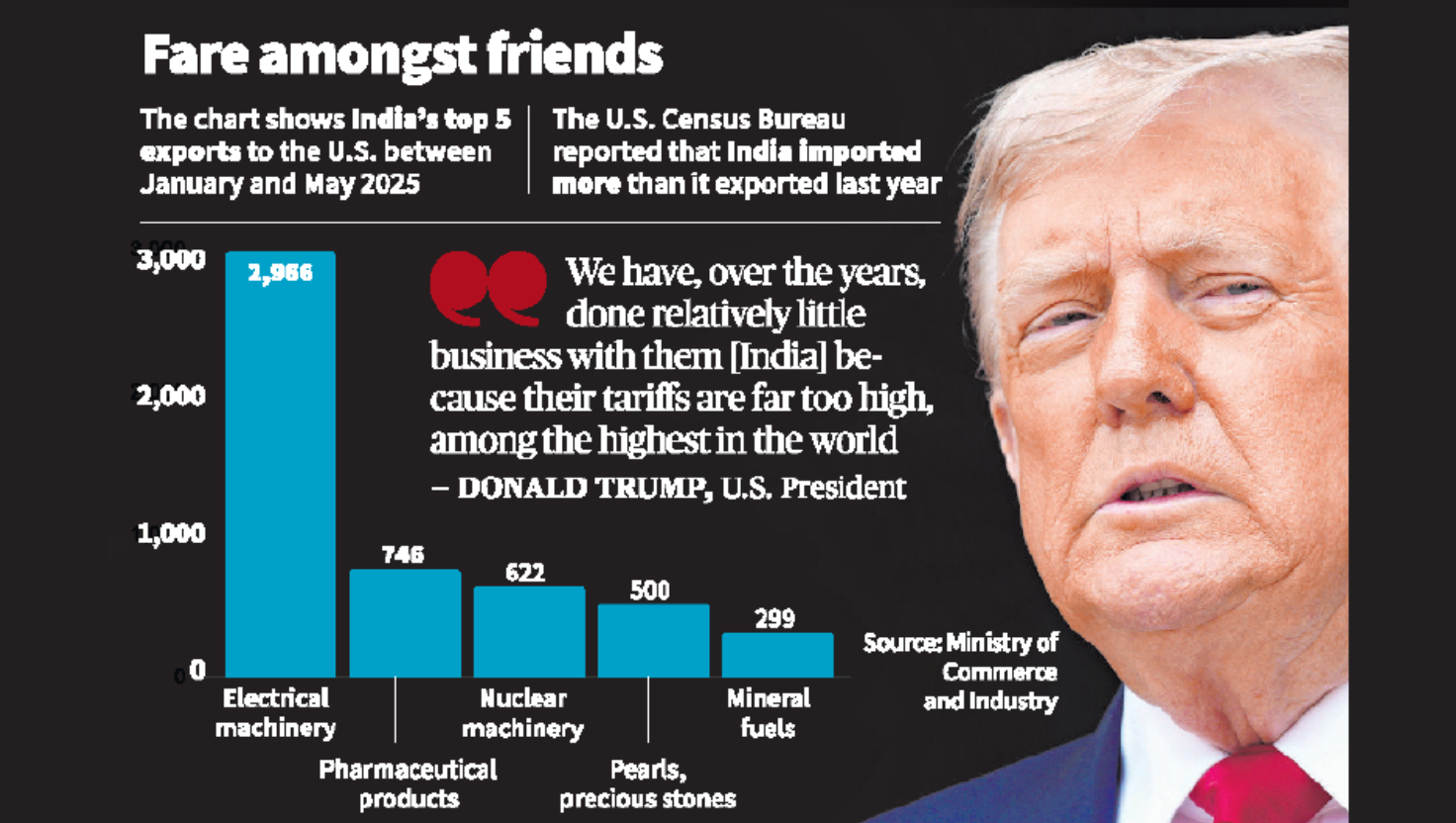
The U.S. has imposed a 25% tariff on Indian imports, citing trade imbalance and India’s continued defence and energy ties with Russia.
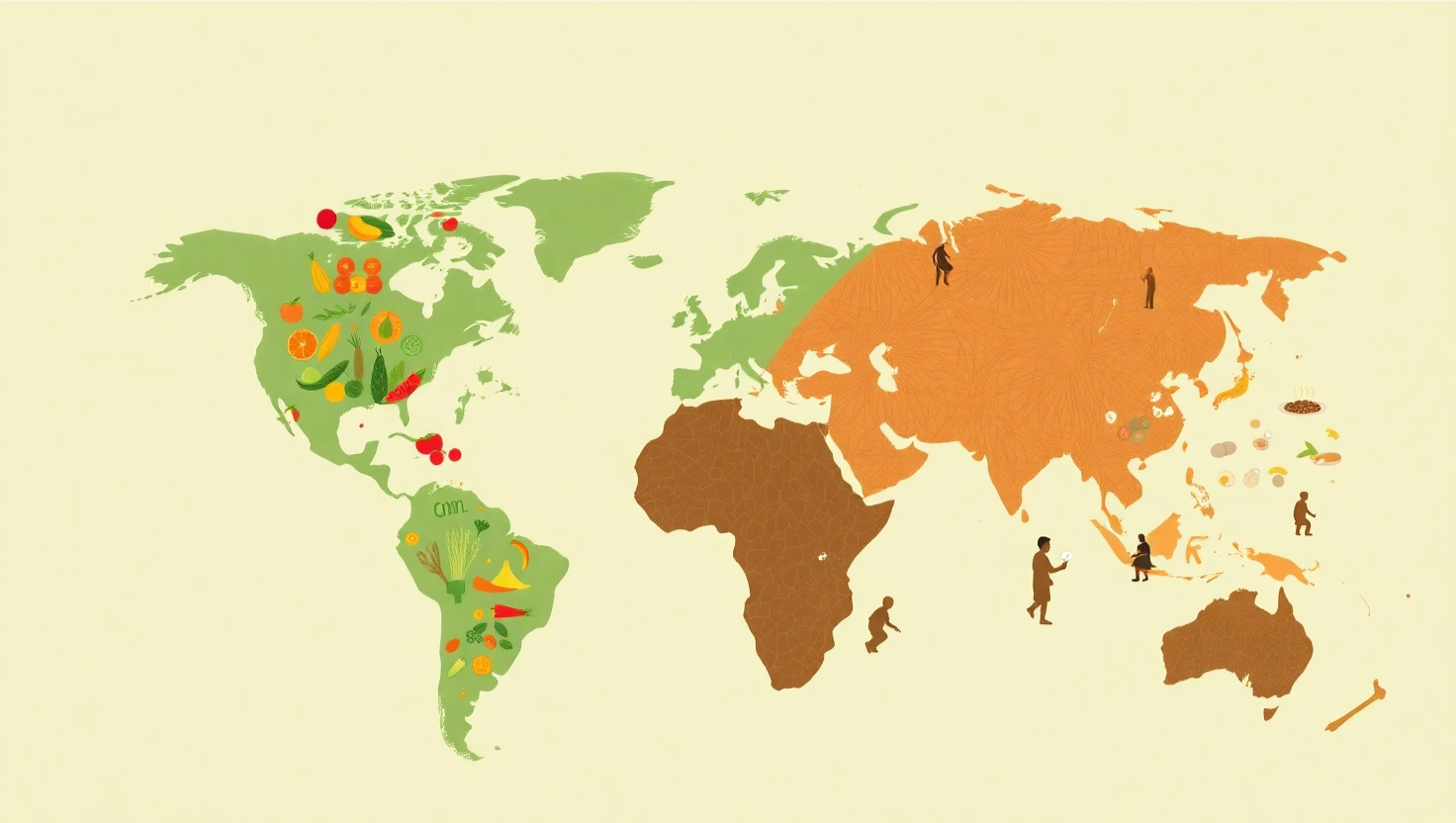
The SOFI 2025 report highlights global hunger, food insecurity, and India’s nutrition crisis, urging urgent reforms for SDG-2 progress.
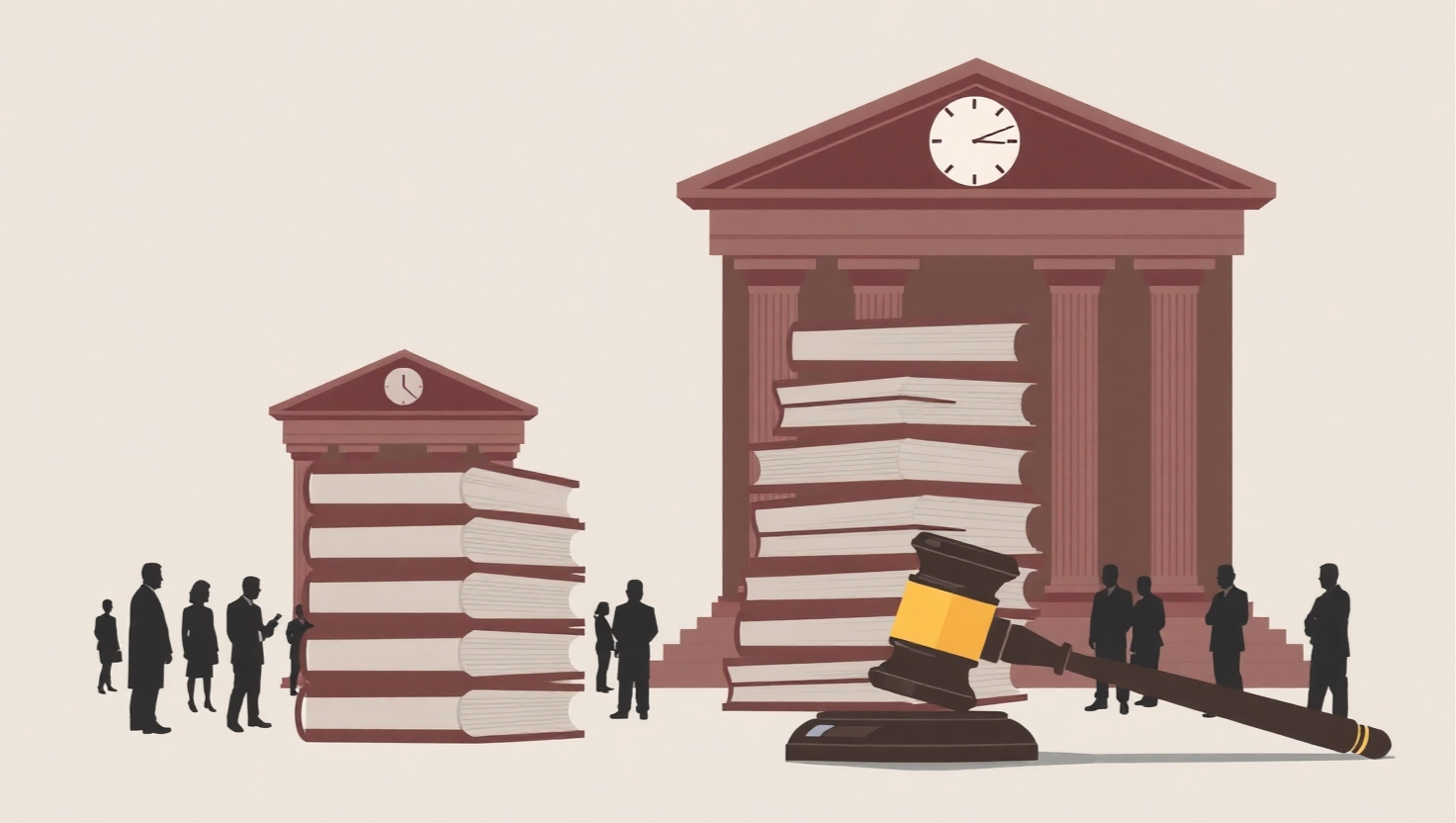
India’s judicial system faces a backlog of over 5 crore cases. SOFI urges urgent reforms for timely and accessible judicial justice delivery.
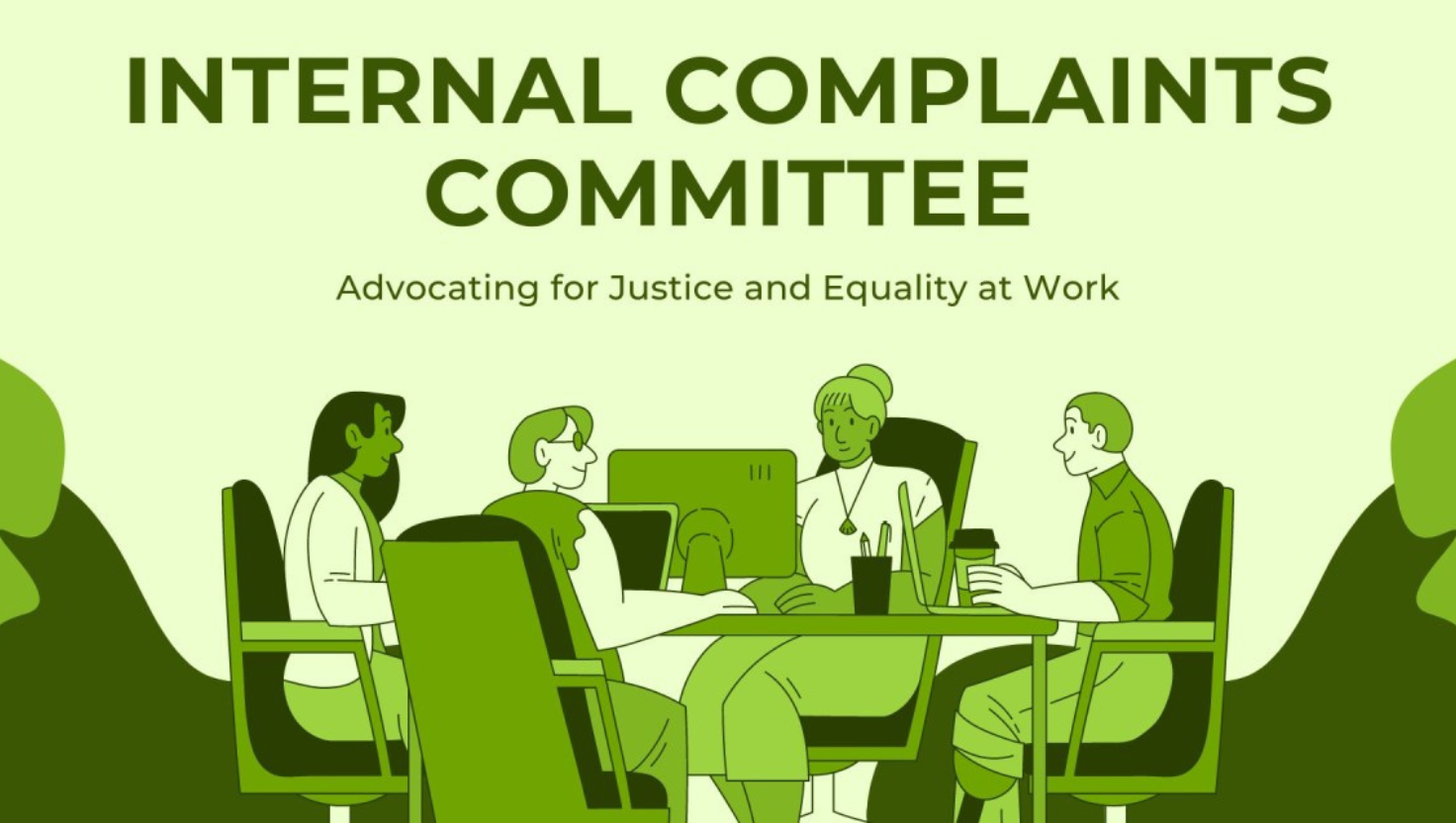
The Internal Complaints Committee under the POSH Act ensures safe, fair, and confidential redressal of workplace sexual harassment cases.
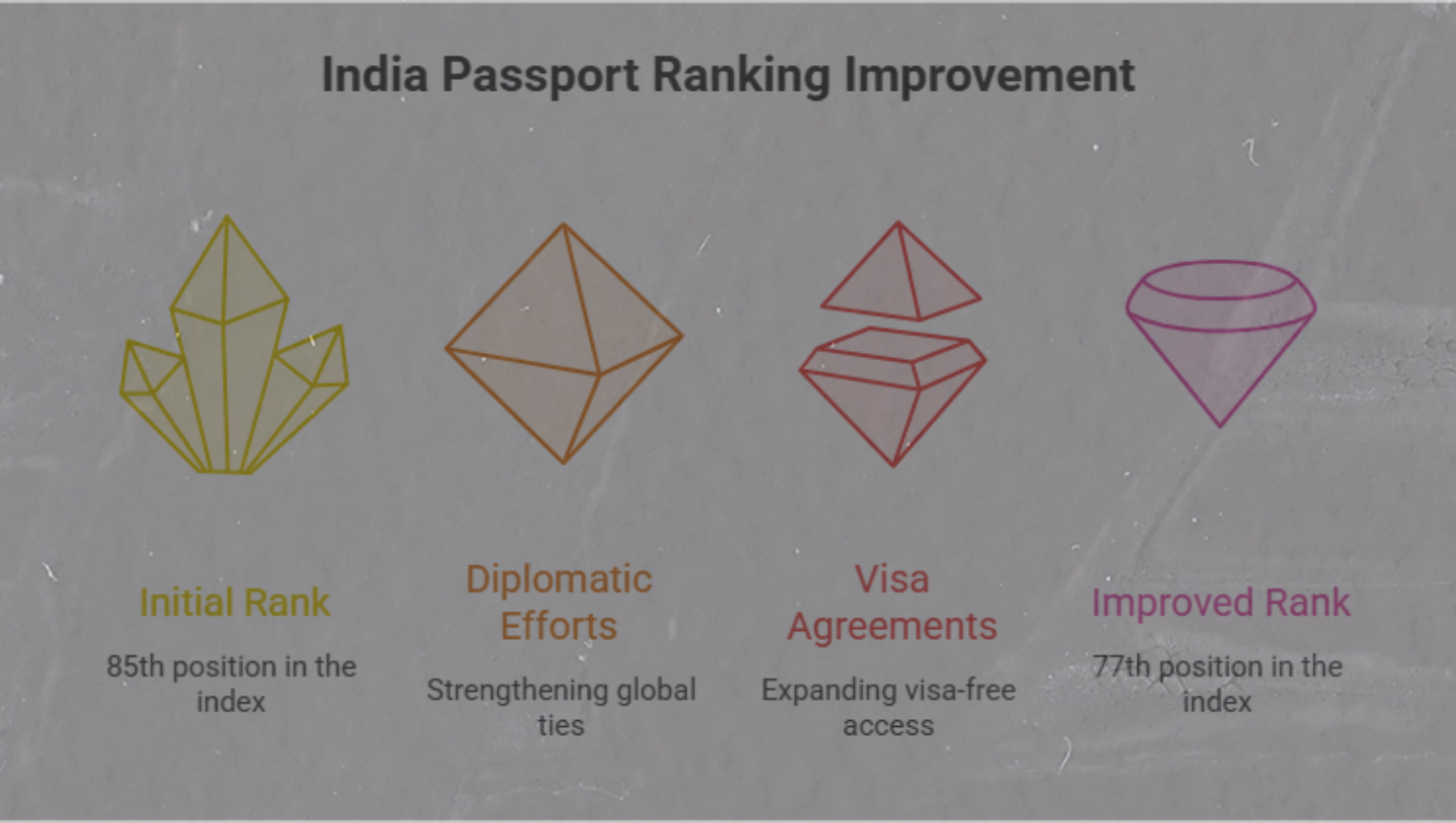
India ranks 77th in the Henley Passport Index 2025, its best-ever position, with visa-free or visa-on-arrival access to 59 countries.
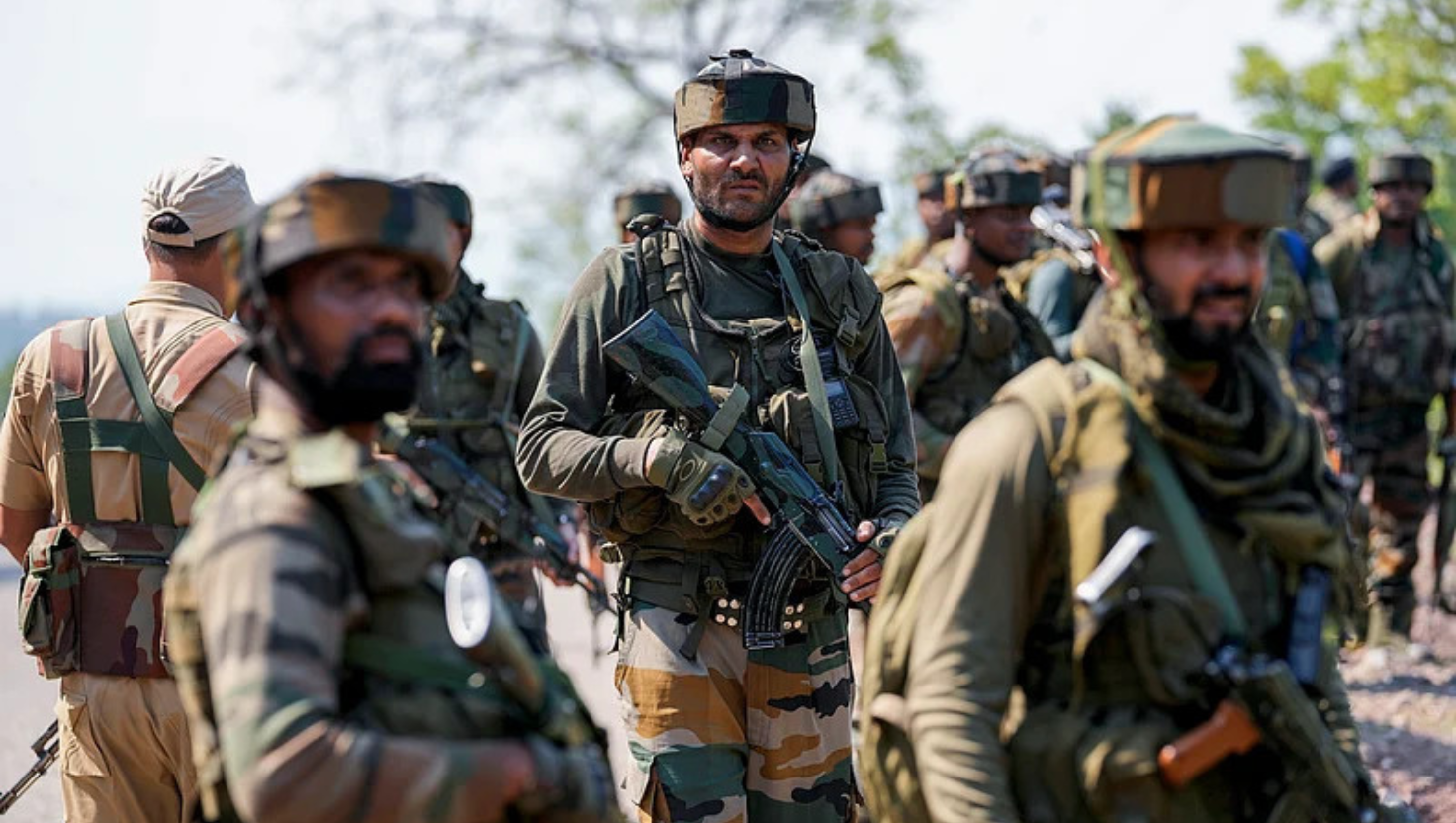
NALSA launches ‘Veer Parivar Sahayata Yojana’ to provide free legal aid to armed forces and families, linking welfare with internal security.

Excerpt: UNESCO has added three Indian sites to its Tentative

Explore ICMR-CHAMP at Keylong, Himachal Pradesh—its objectives, research areas, importance

Himachal Pradesh High Court halts forest road construction and tarring
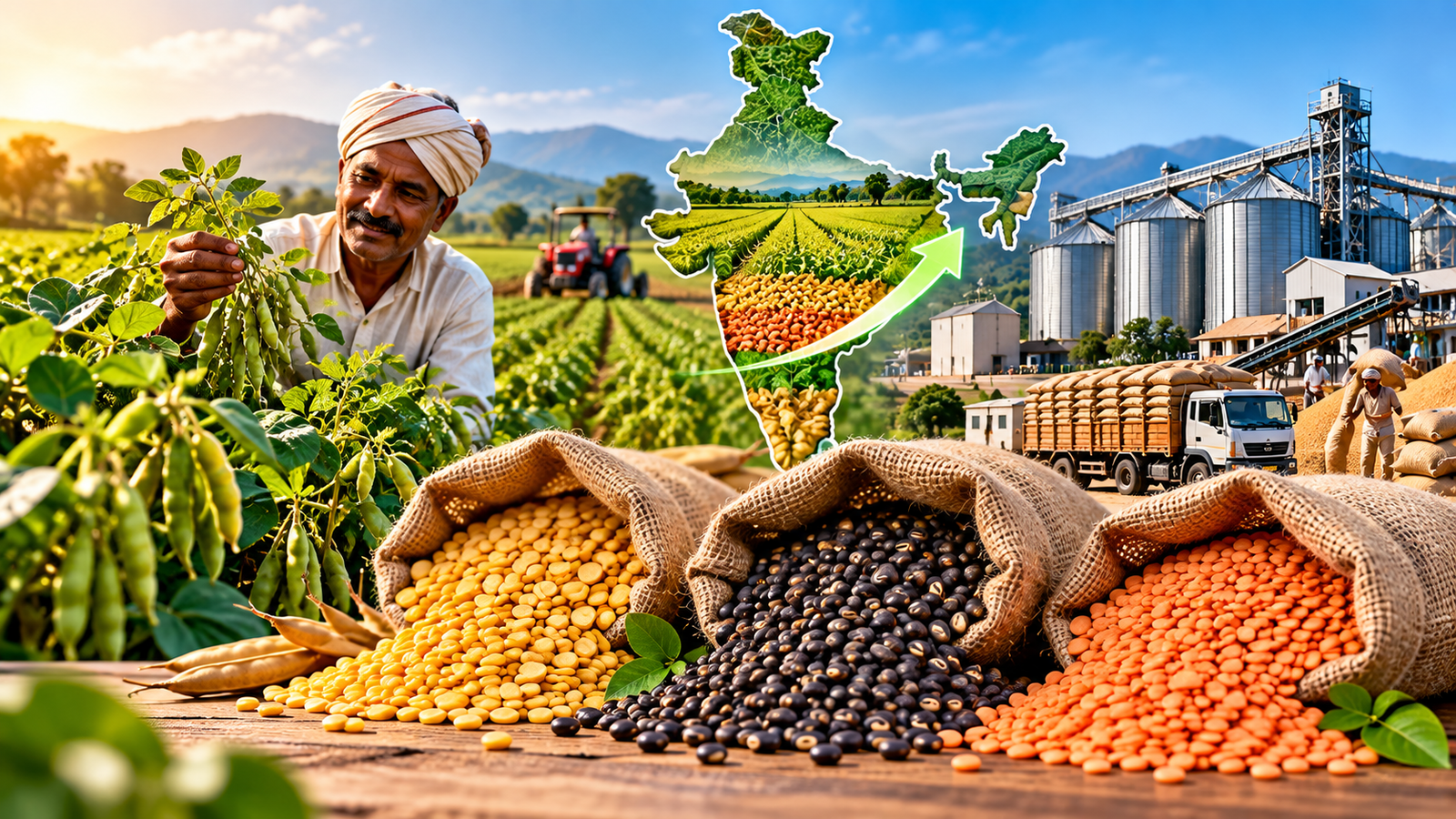
Mission for Aatmanirbharta in Pulses 2026: Explore the ₹11,440 crore

Living Planet Report 2026: Explore the 73% decline in monitored
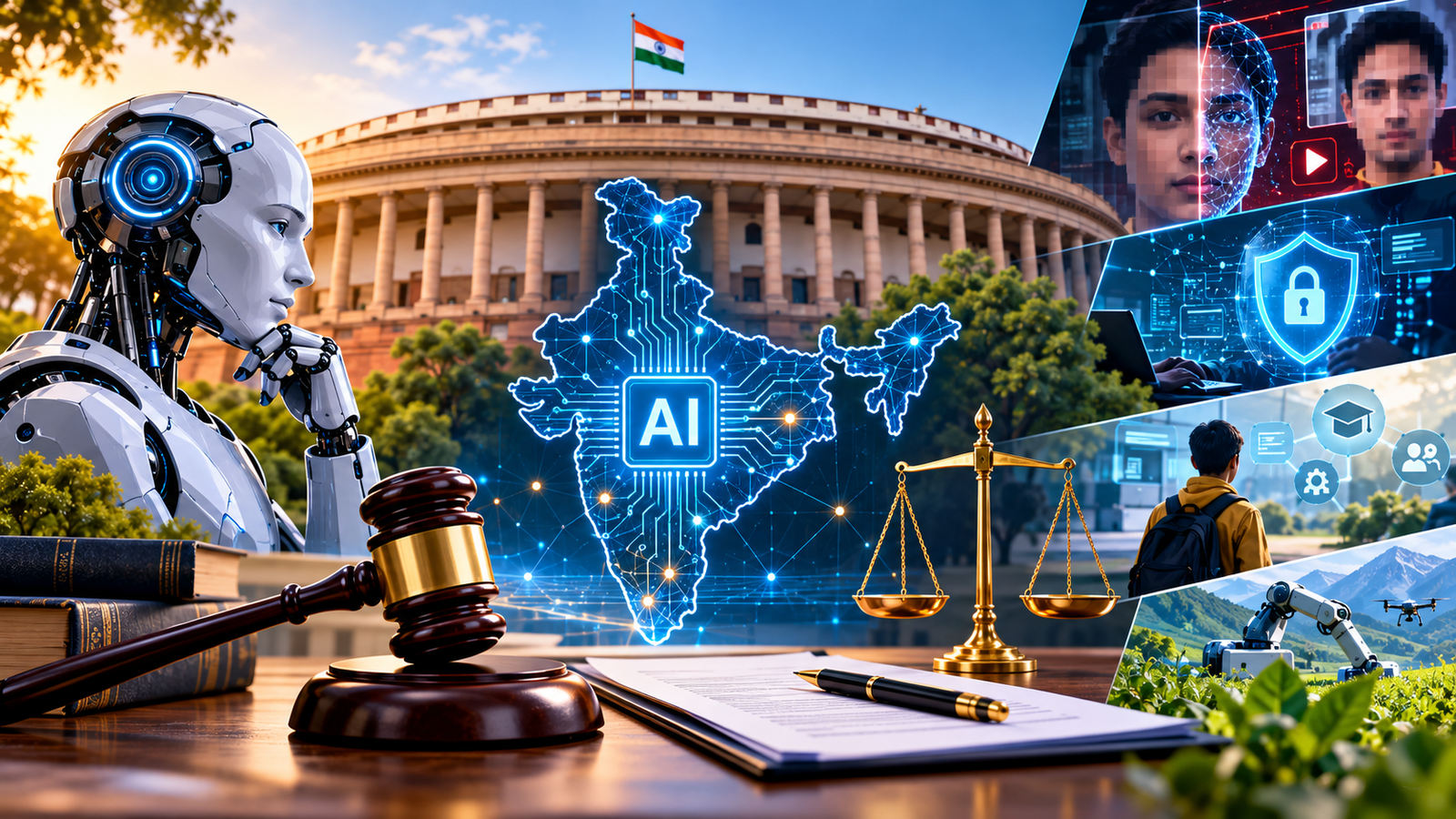
India AI Regulation 2026: Understand the proposed AI regulatory framework,