
Maneka Gandhi vs Union of India (1978)
Landmark case expanding Article 21; established the Golden Triangle of Articles 14, 19 & 21, ensuring fair, just, and reasonable laws.
Landmark case expanding Article 21; established the Golden Triangle of Articles 14, 19 & 21, ensuring fair, just, and reasonable laws.
The Brij Bhushan case (1950) upheld press freedom, ruling that pre-censorship violates Article 19(1)(a) unless justified by public order.
The 1986 Bijoe Emmanuel vs State of Kerala case upheld the right to freedom of religion and expression, affirming that patriotism cannot be forced.
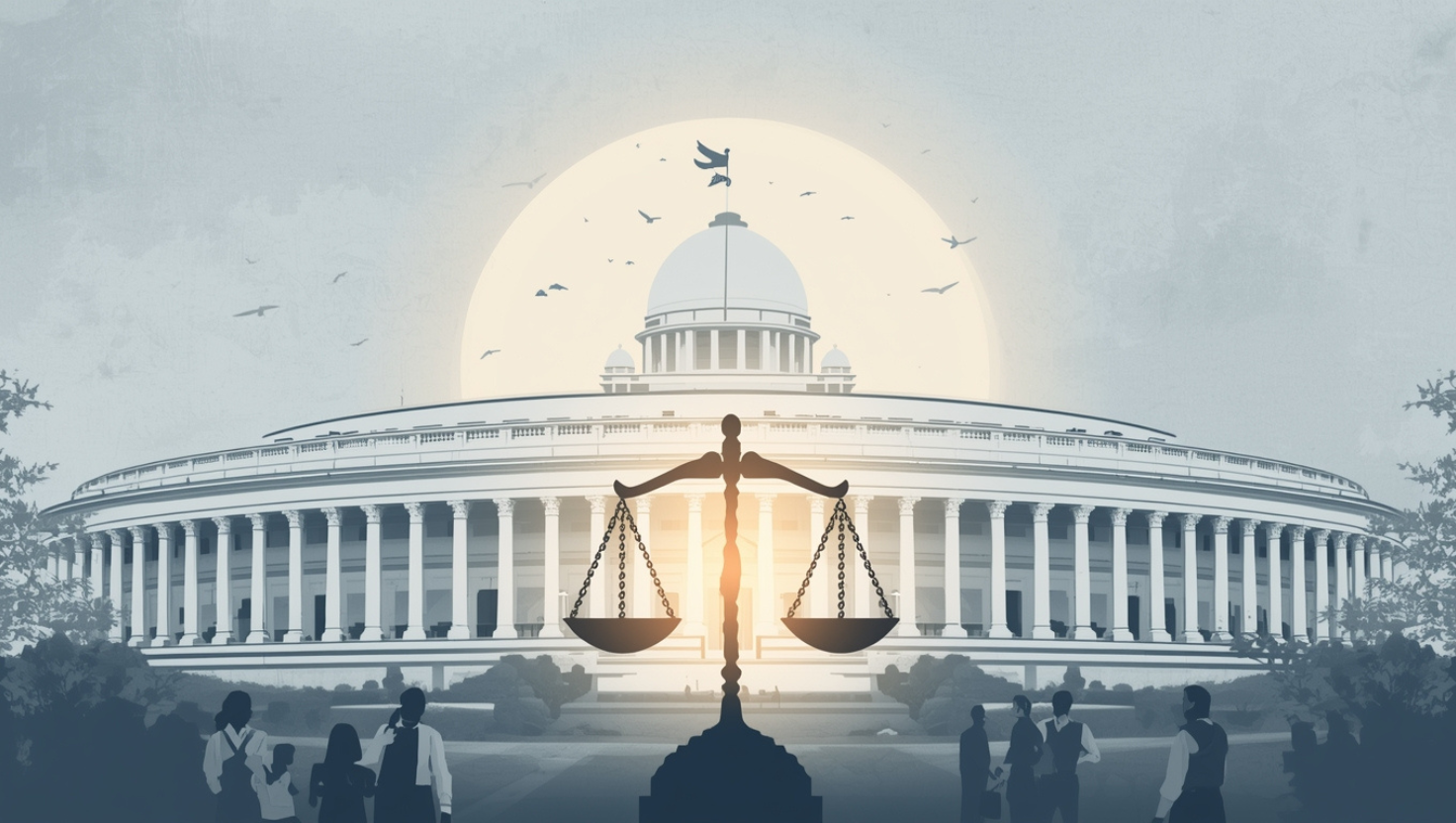
Lokpal, India’s anti-corruption body, faces declining complaints, weak transparency, and calls for reform to regain public trust and credibility.

Part I – The Union and Its Territory explains India’s political structure, state formation, and the flexibility of its federal system.

India remains vigilant against Polio resurgence amid rising cases in neighbouring countries, reinforcing its commitment to sustained immunisation and surveillance.
India’s new policies aim at Reversing the Brain Drain by bringing global talent home through research reforms, incentives, and innovation.

RTI Act at 20 shows declining transparency due to vacancies, weak enforcement, and new privacy laws undermining citizens’ right to information.
Gender-Affirming Care is vital for the dignity, mental health, and inclusion of India’s transgender and gender-diverse communities.
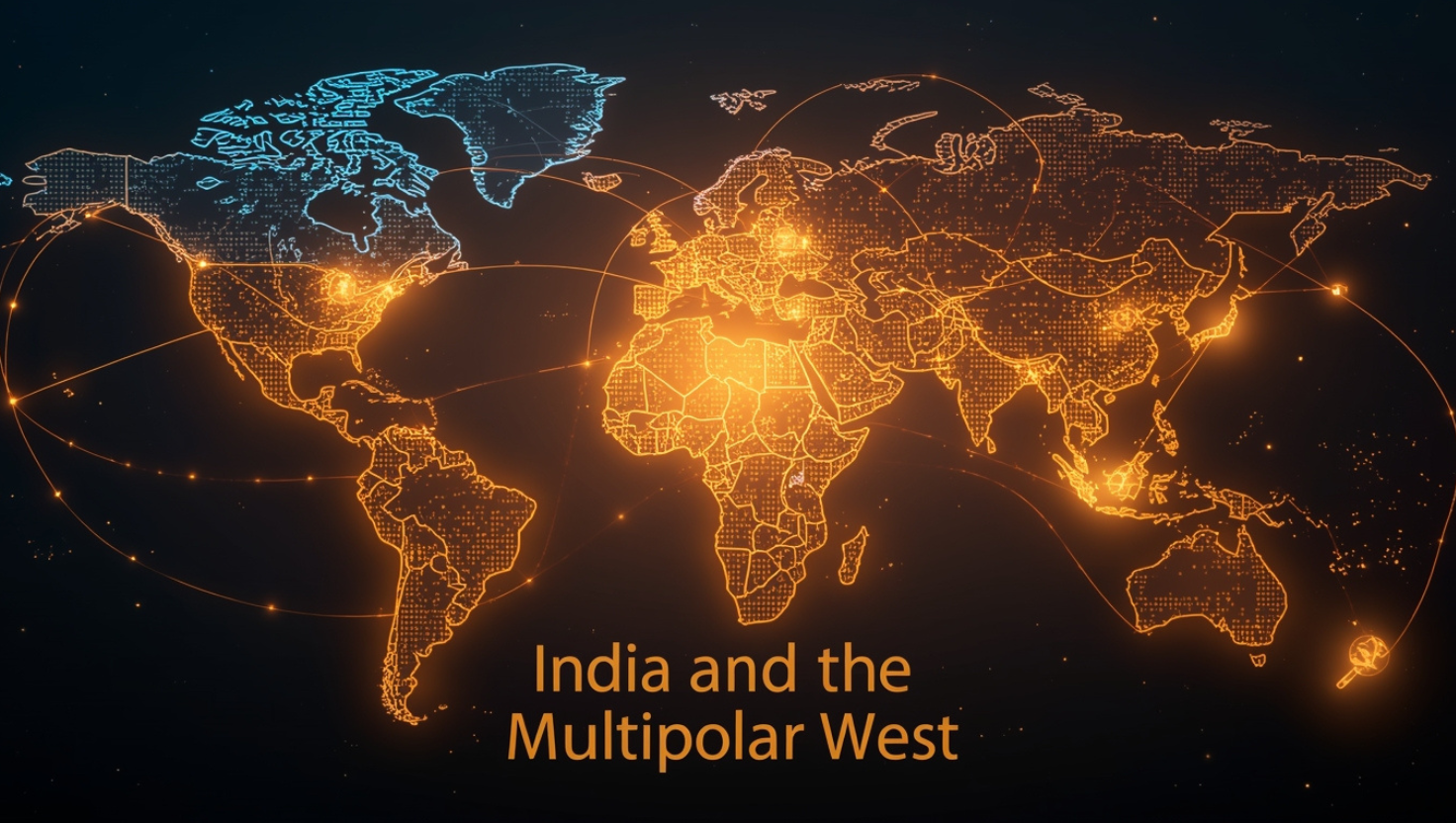
India and the Multipolar West: India navigates a divided Western order, balancing partnerships for growth, security, and global influence.
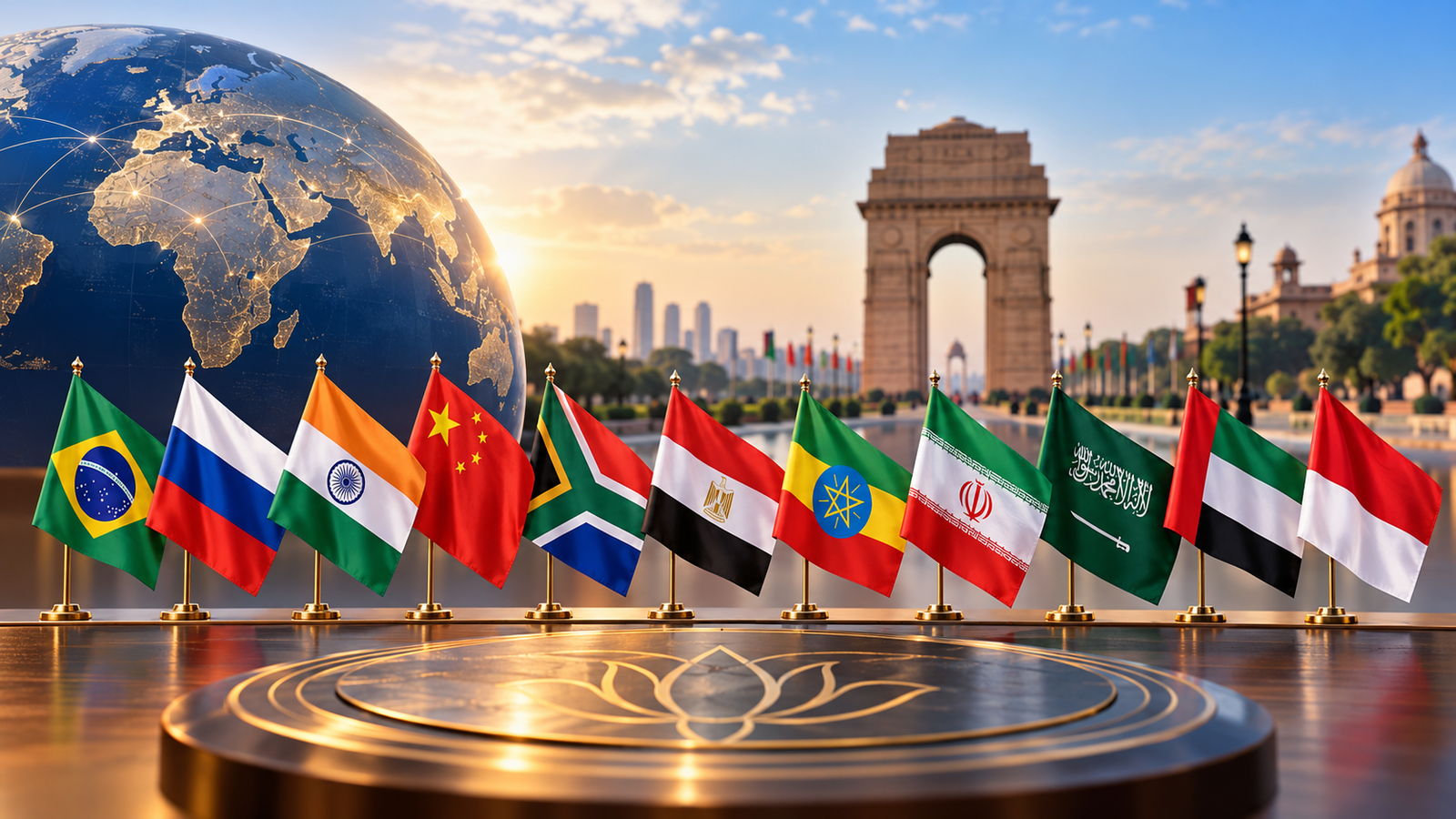
BRICS 2026: Explore the 18th BRICS Summit in New Delhi,
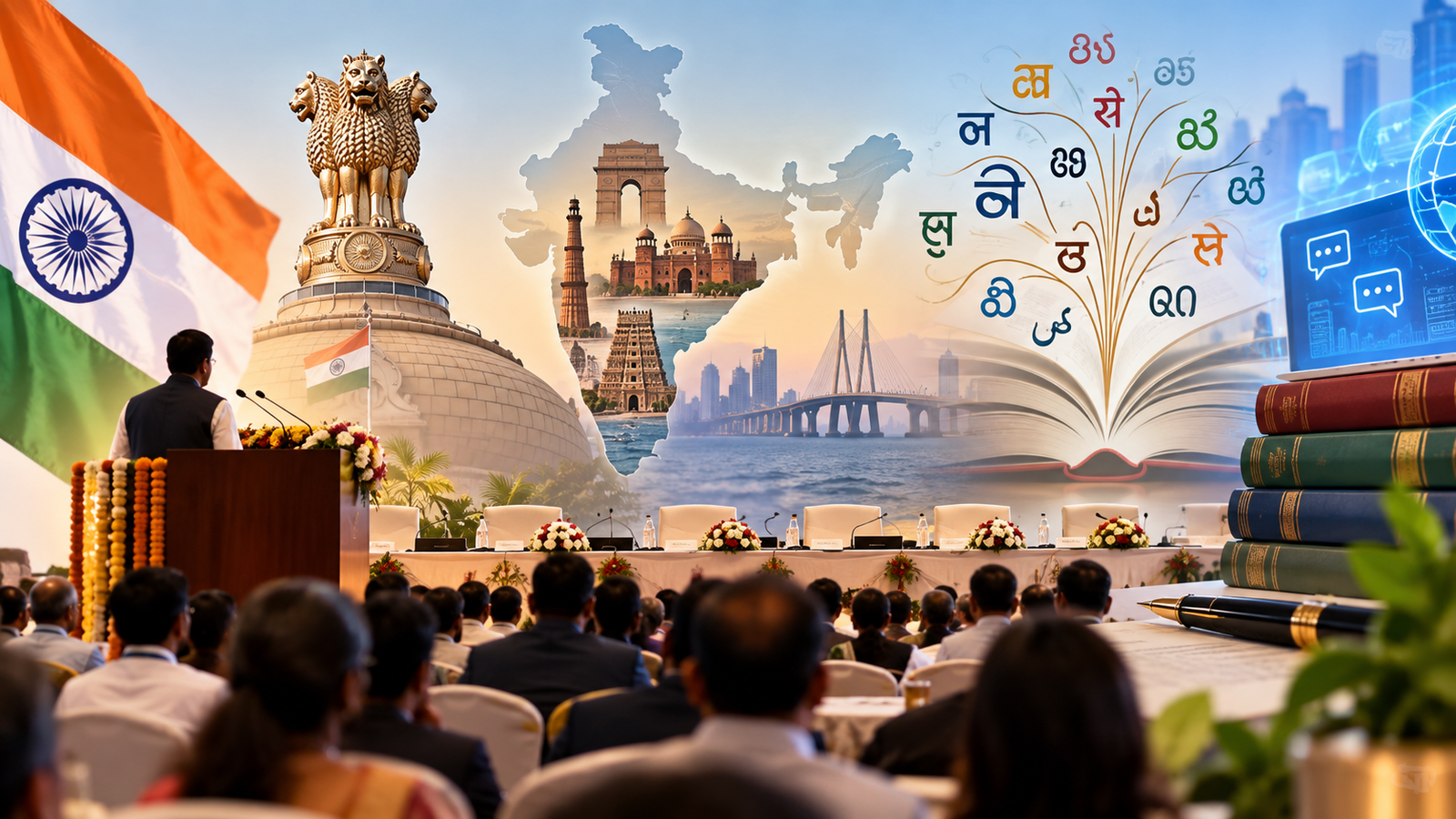
6th All India Official Language Conference 2026 in Navi Mumbai:
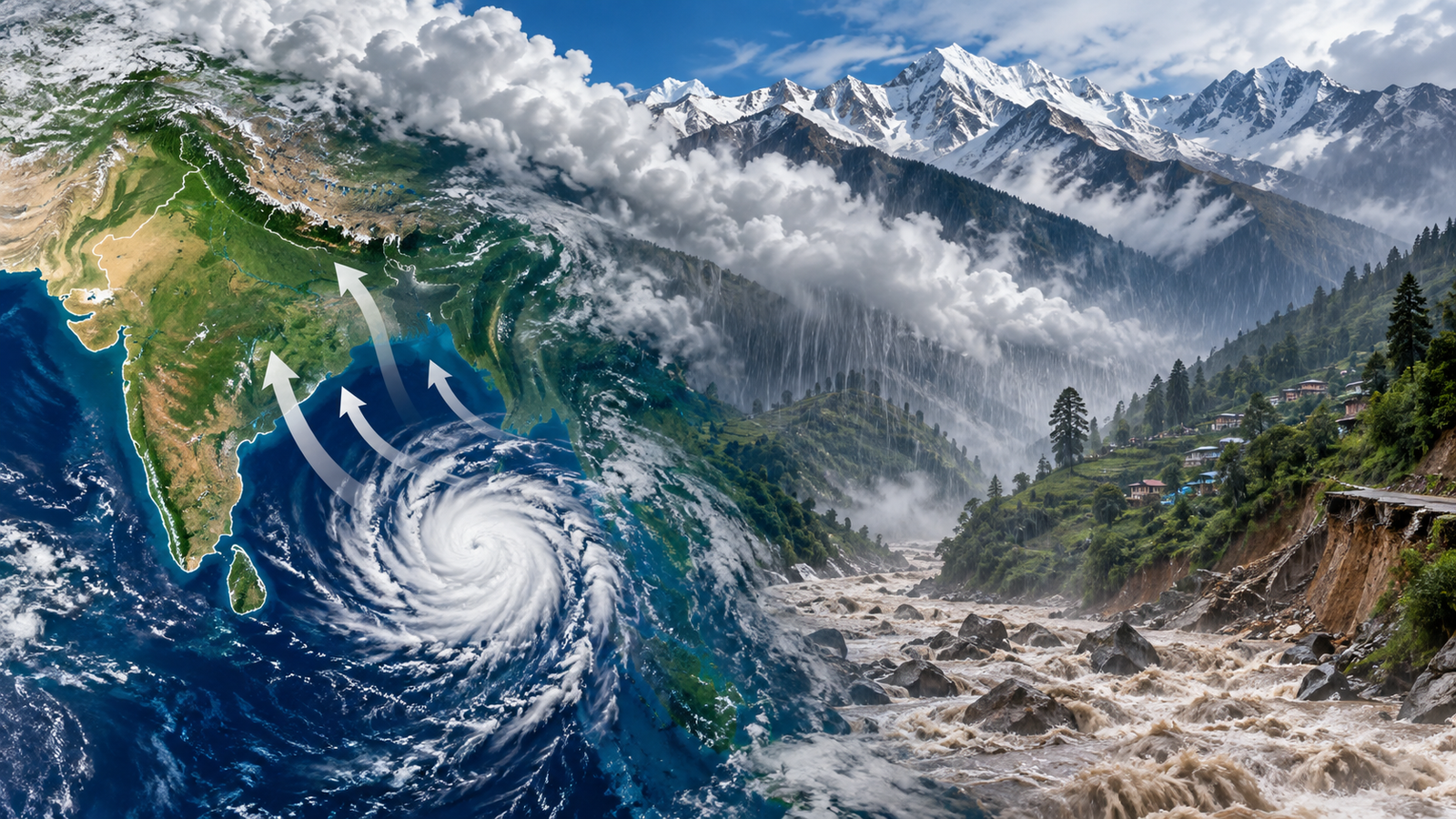
Discover how Bay of Bengal low-pressure systems shape India’s monsoon,
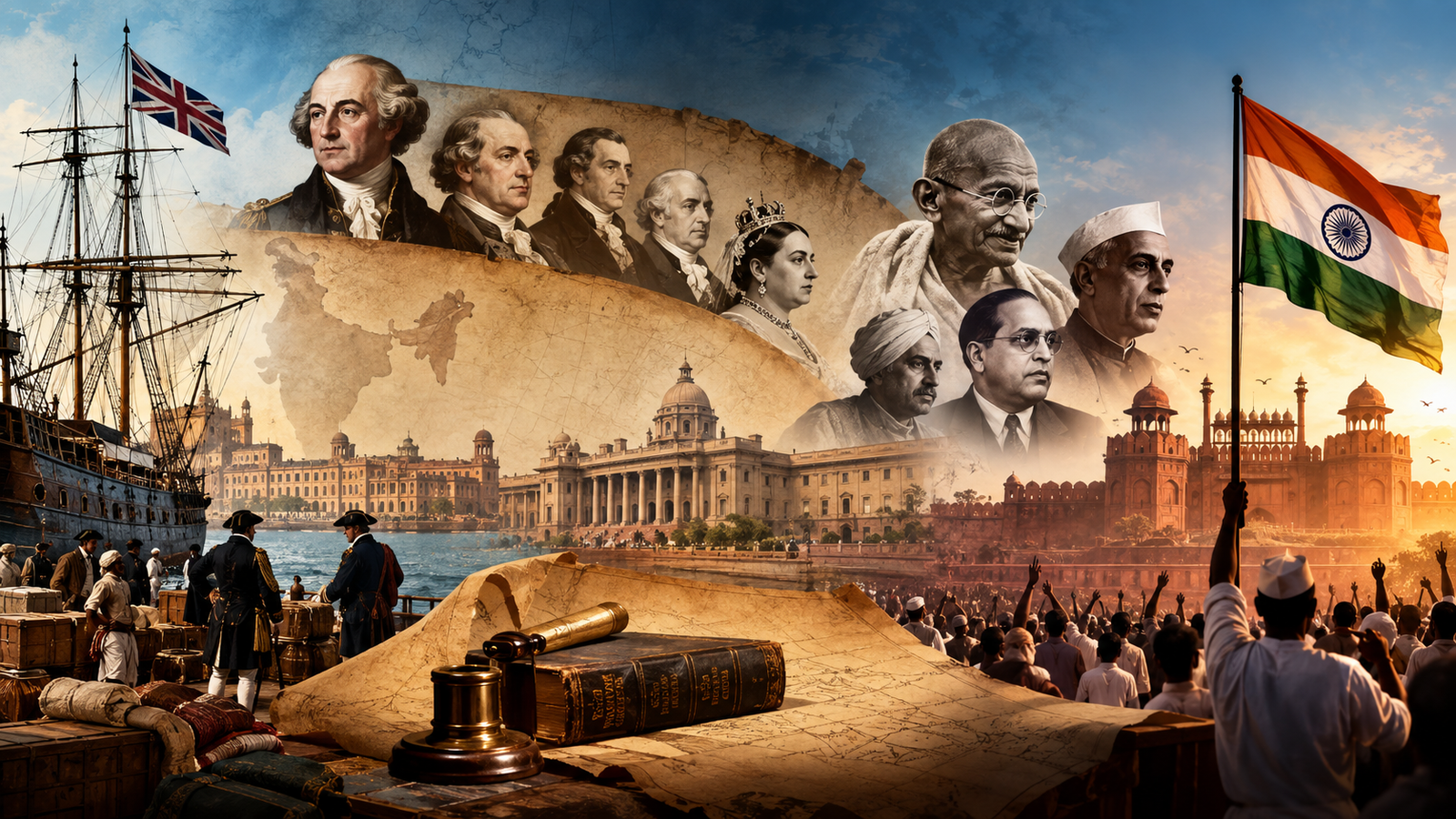
Explore the constitutional evolution of India from East India Company
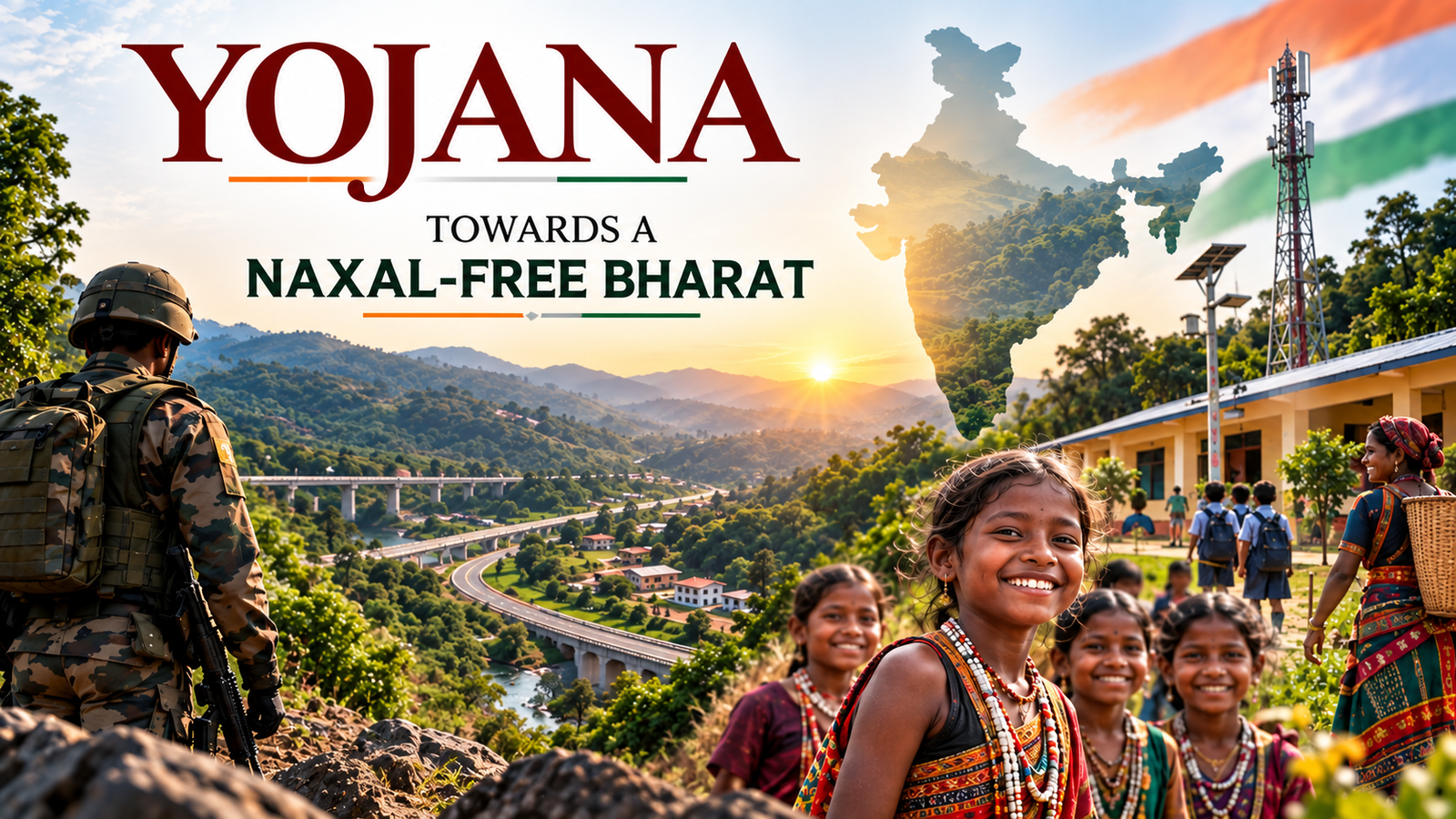
Yojana June 2026 explores India’s journey towards a Naxal-free Bharat,
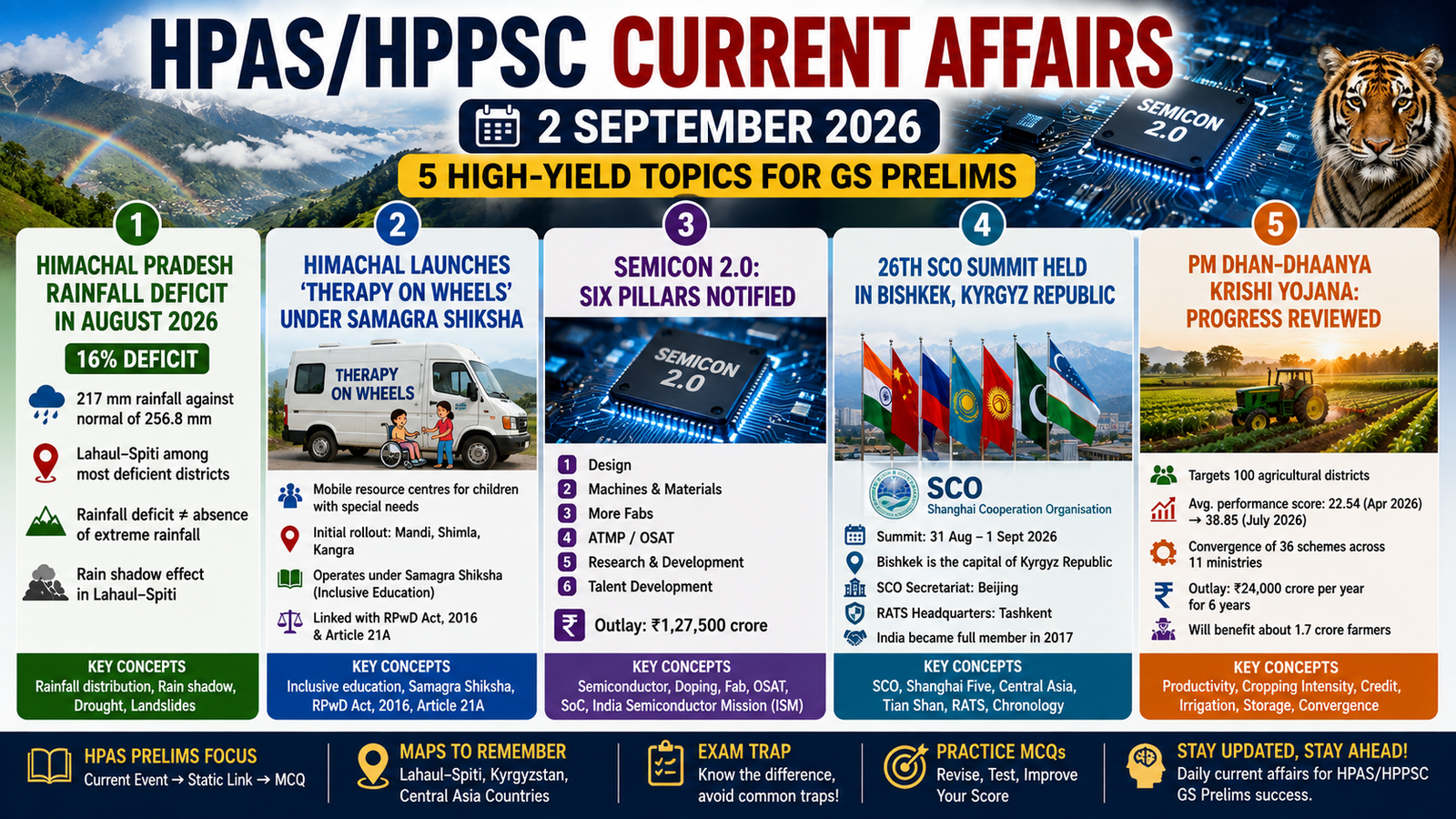
HPAS/HPPSC Current Affairs 2 September 2026: Himachal rainfall deficit, Therapy