
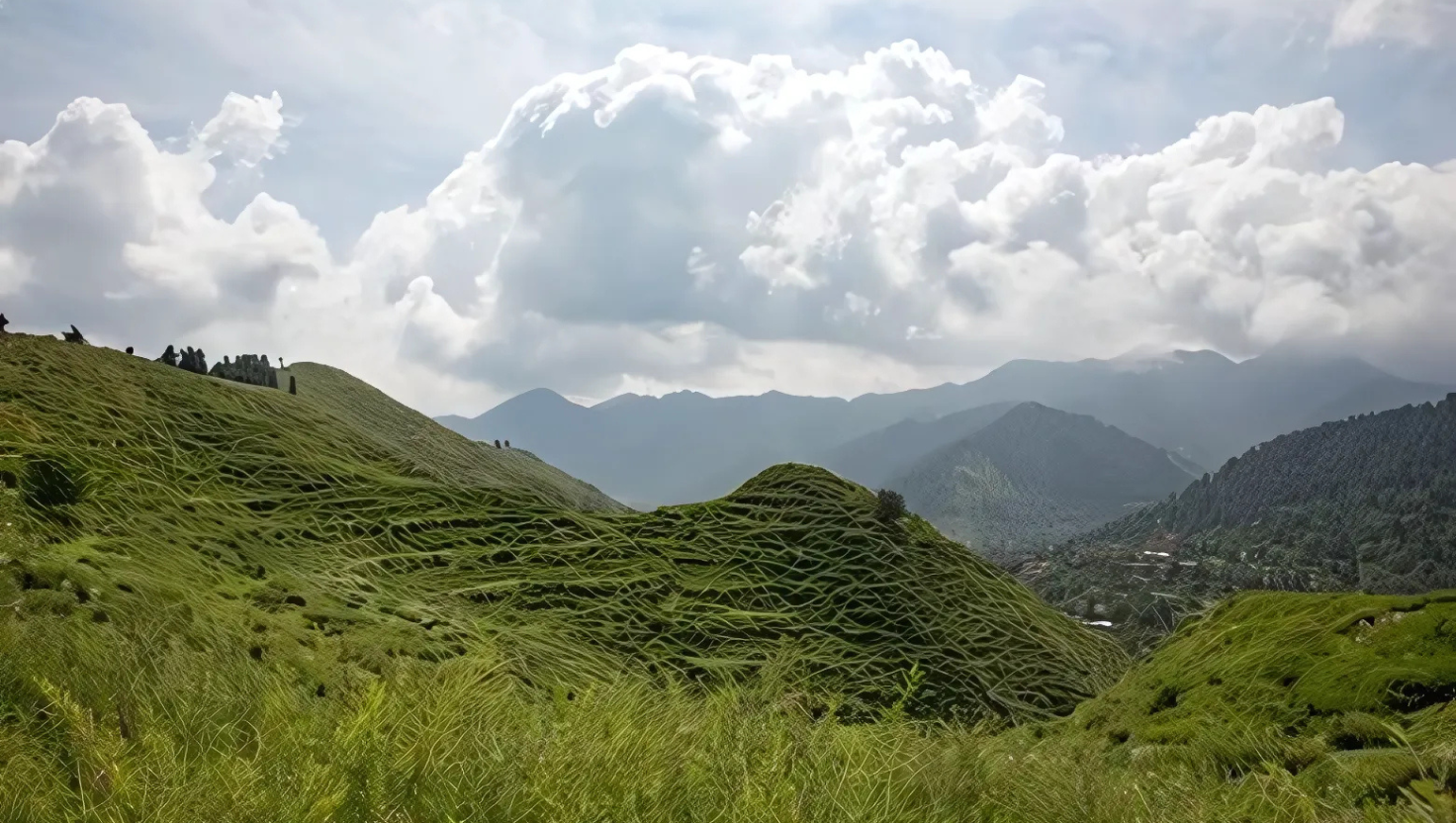
Tirah Valley
Tirah Valley in Pakistan’s Khyber Pakhtunkhwa is a tribal stronghold, historically resistant and strategically vital near the Afghan border.
Tirah Valley in Pakistan’s Khyber Pakhtunkhwa is a tribal stronghold, historically resistant and strategically vital near the Afghan border.
Transgender Rights in India need a shift from welfare promises to real inclusion in education, jobs, healthcare, and politics.
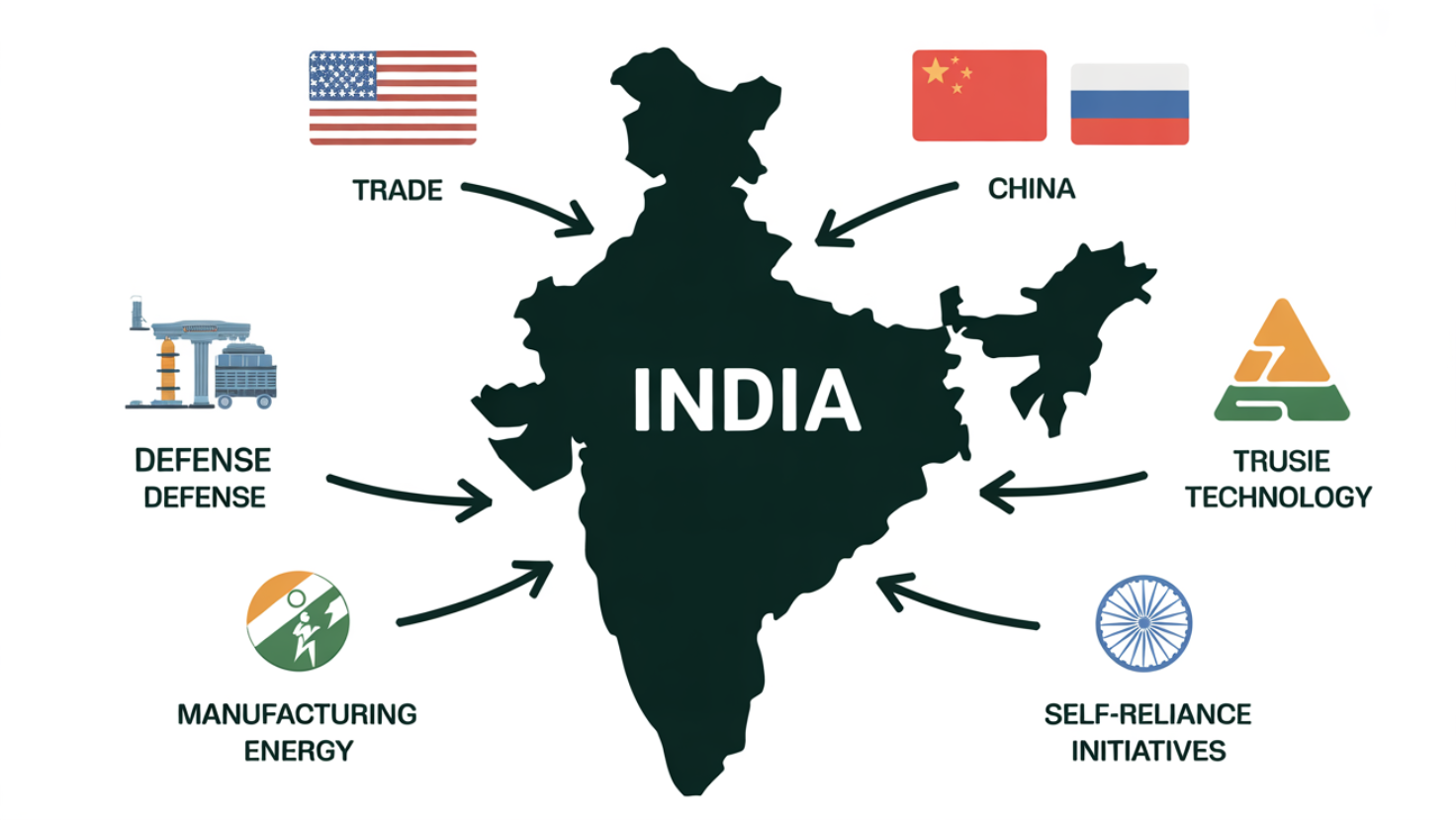
India relies on the US, China, and Russia for trade, defense, and tech; self-reliance initiatives aim to reduce this dependence.
The Supreme Court reaffirmed housing as a right under Article 21, urging reforms to protect homebuyers and ensure affordable, dignified housing.
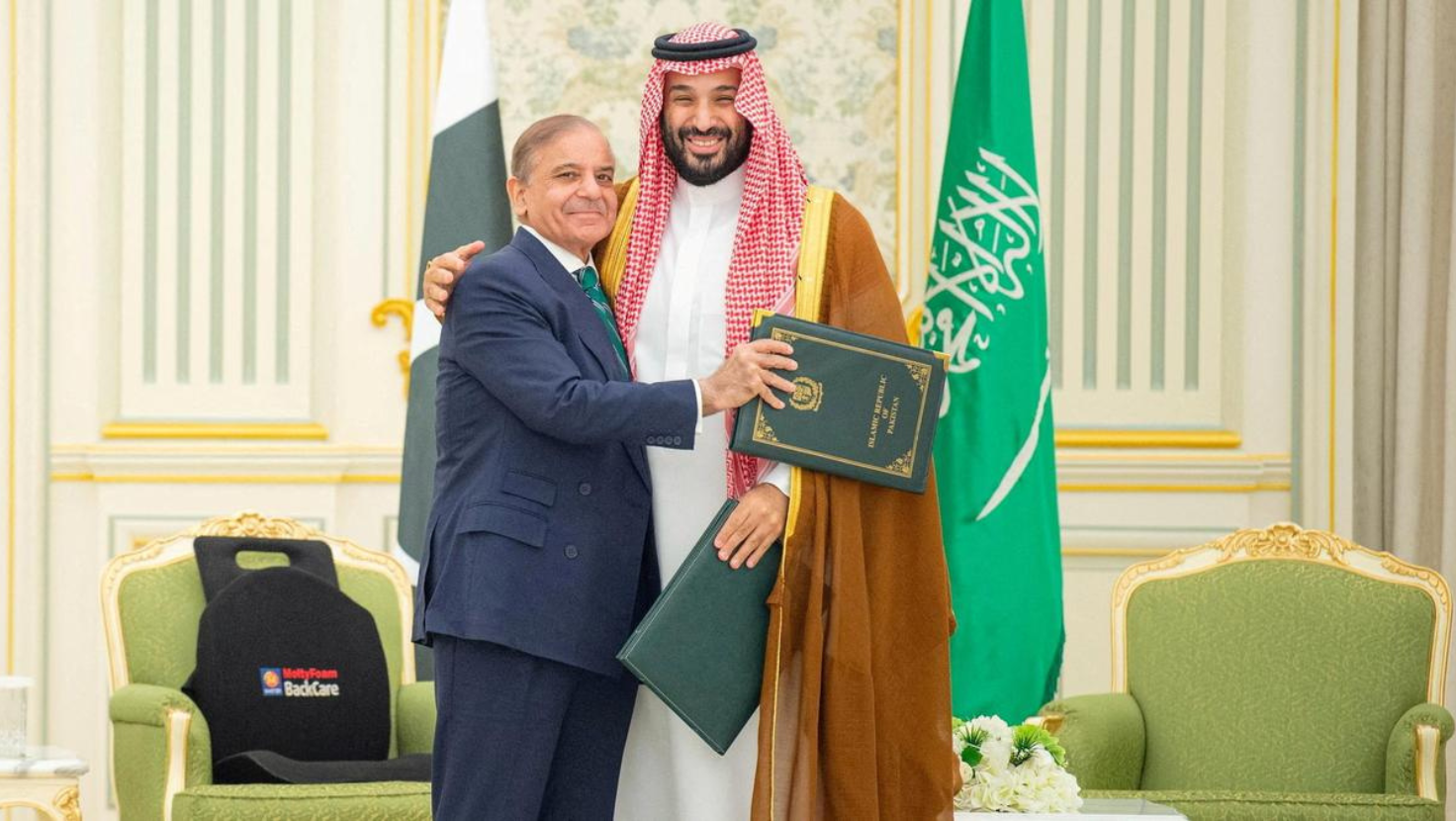
Saudi Arabia and Pakistan signed the Strategic Mutual Defence Agreement (SMDA), boosting defence ties with wider regional implications.
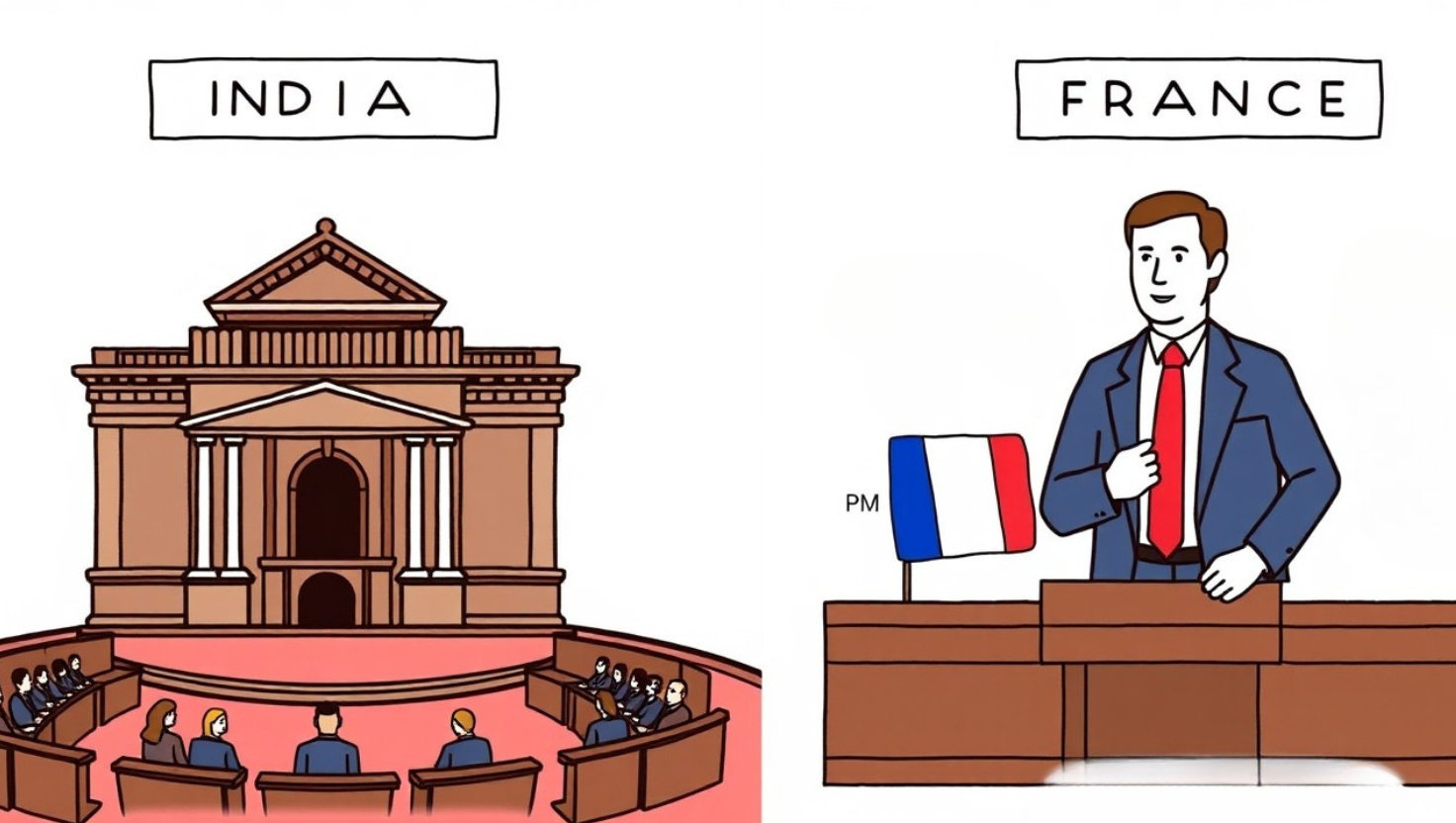
A comparison of India’s and France’s systems shows how confidence votes differ, highlighting India’s parliamentary supremacy and France’s dual executive model.
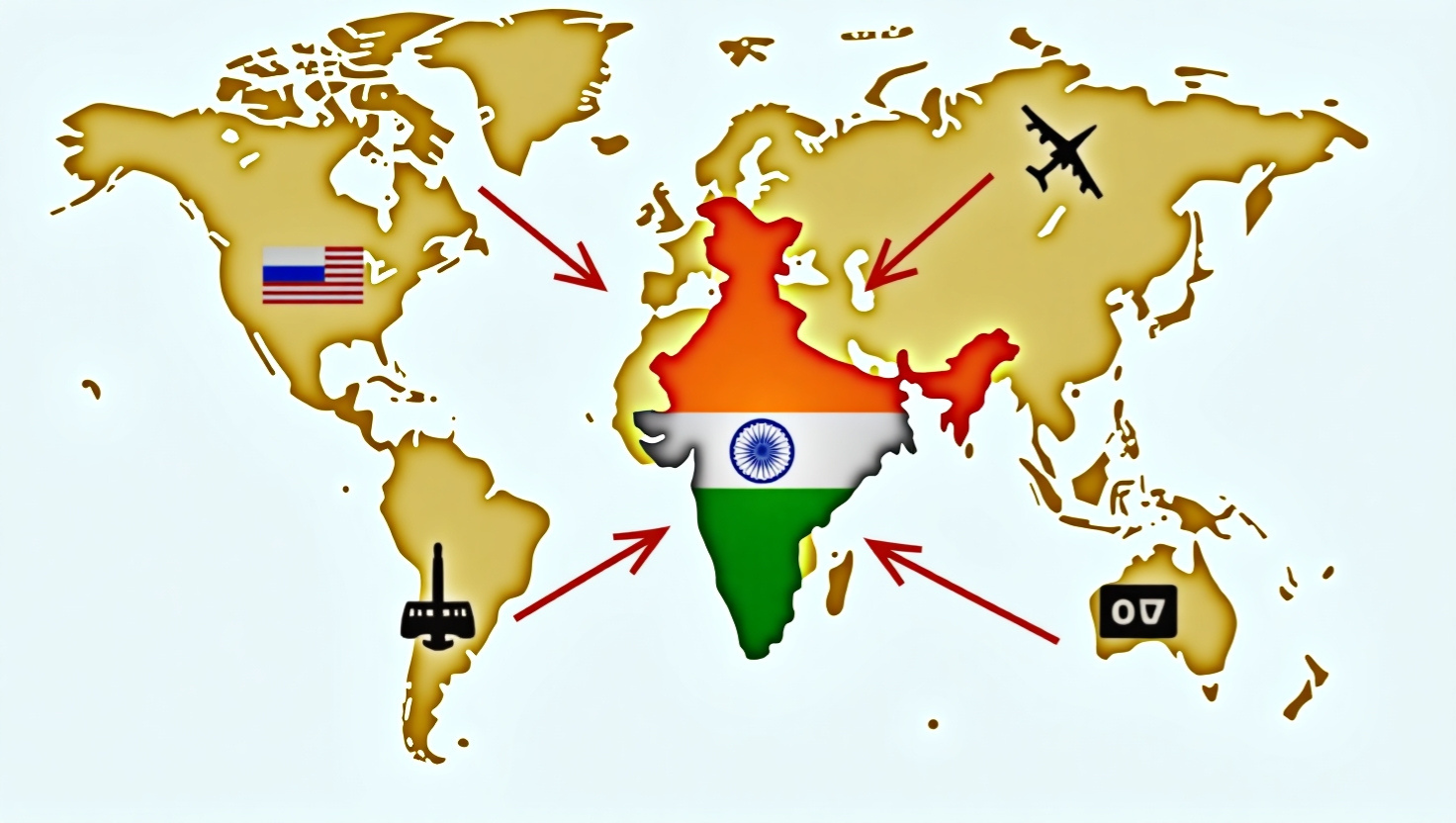
India’s strategic autonomy enables independent foreign policy choices in a multipolar world, balancing major powers while safeguarding sovereignty and growth.
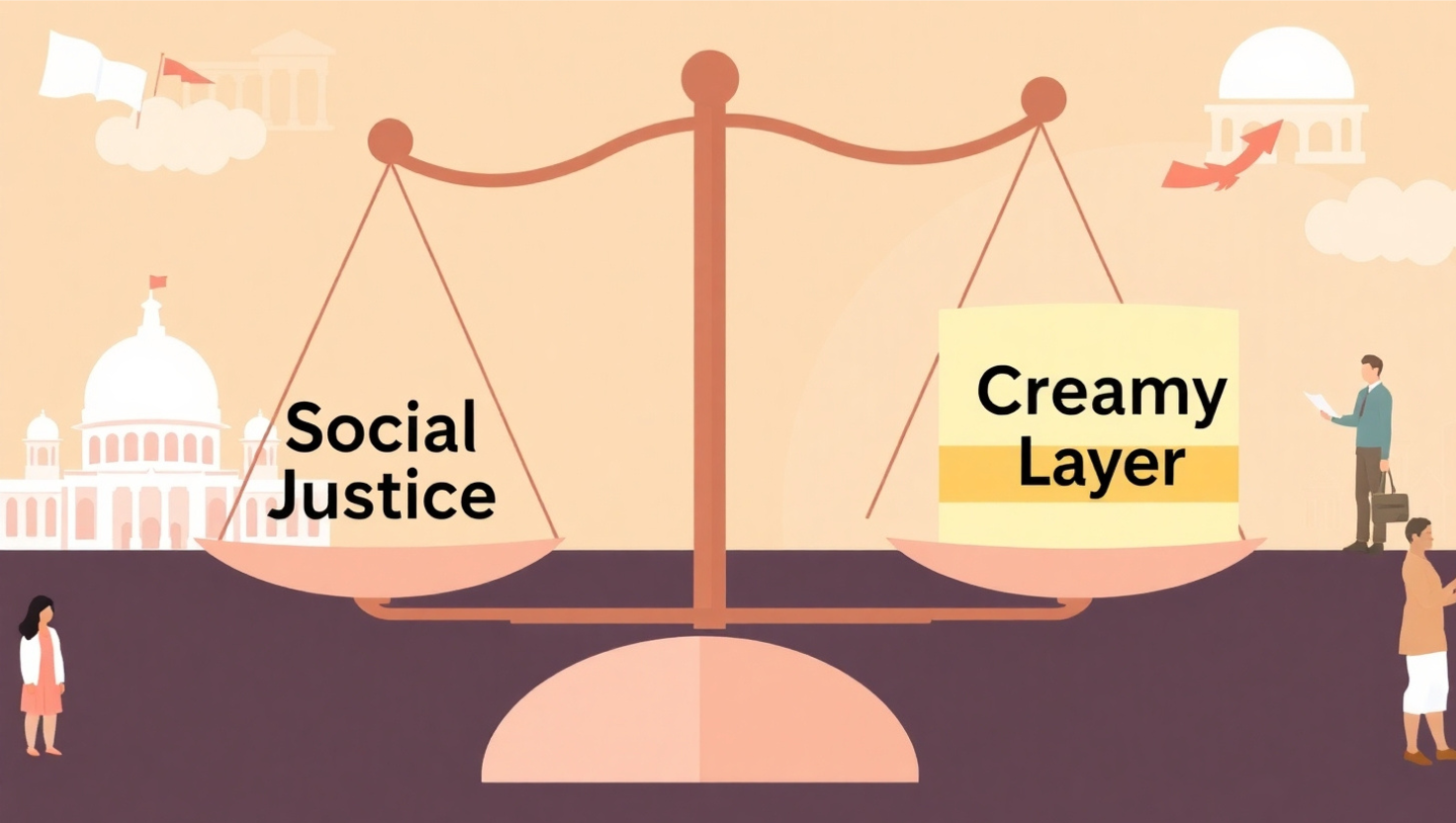
Uniform creamy layer norms for OBCs aim to remove anomalies, ensure fairness, and strengthen social justice in reservations.

AI in Education is shifting from providing quick answers to acting as a Socratic partner, encouraging inquiry, critical thinking, and deeper learning.
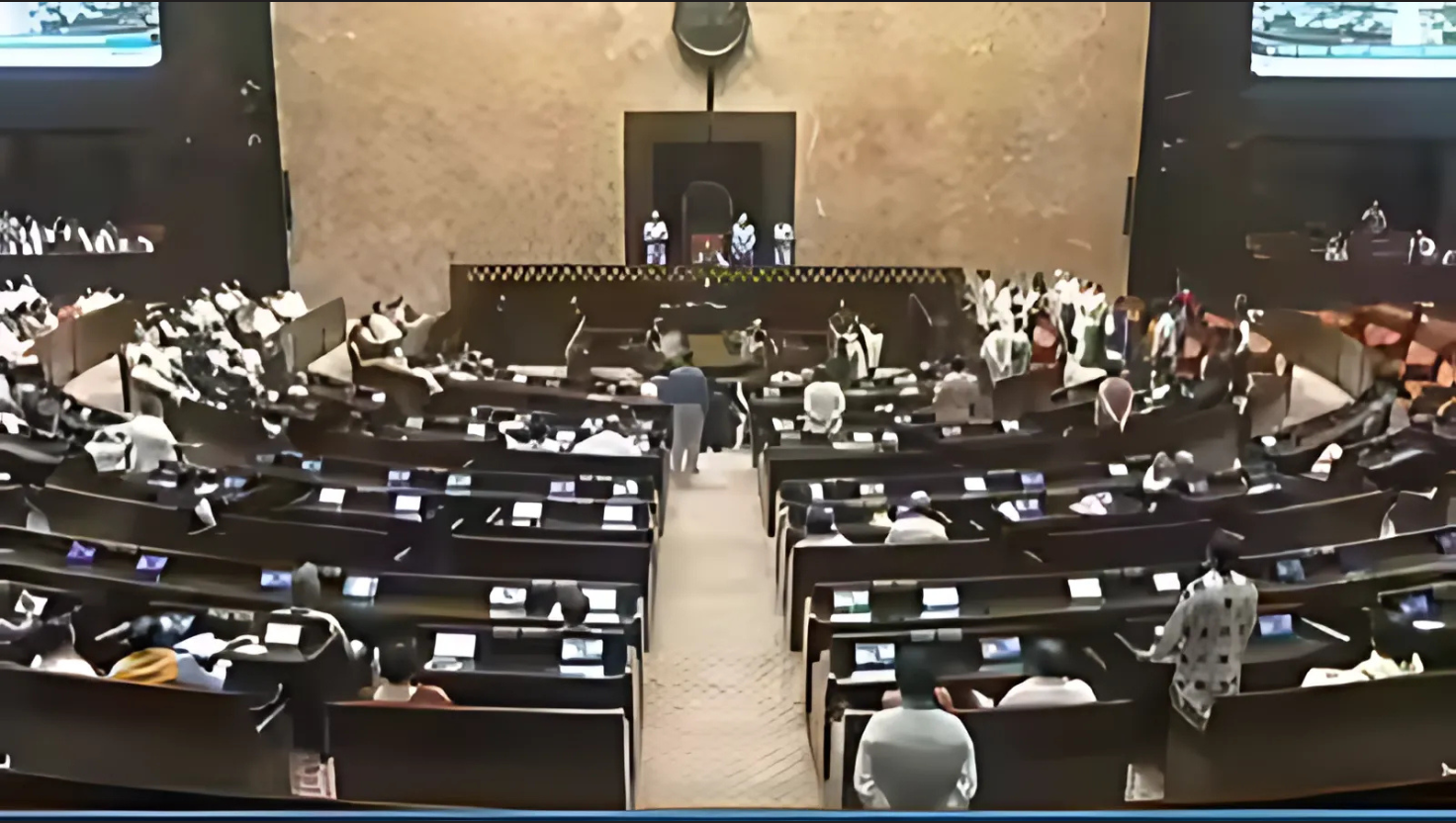
Parliament extends President’s Rule in Manipur by six months, continuing central governance under Article 356 due to constitutional breakdown.
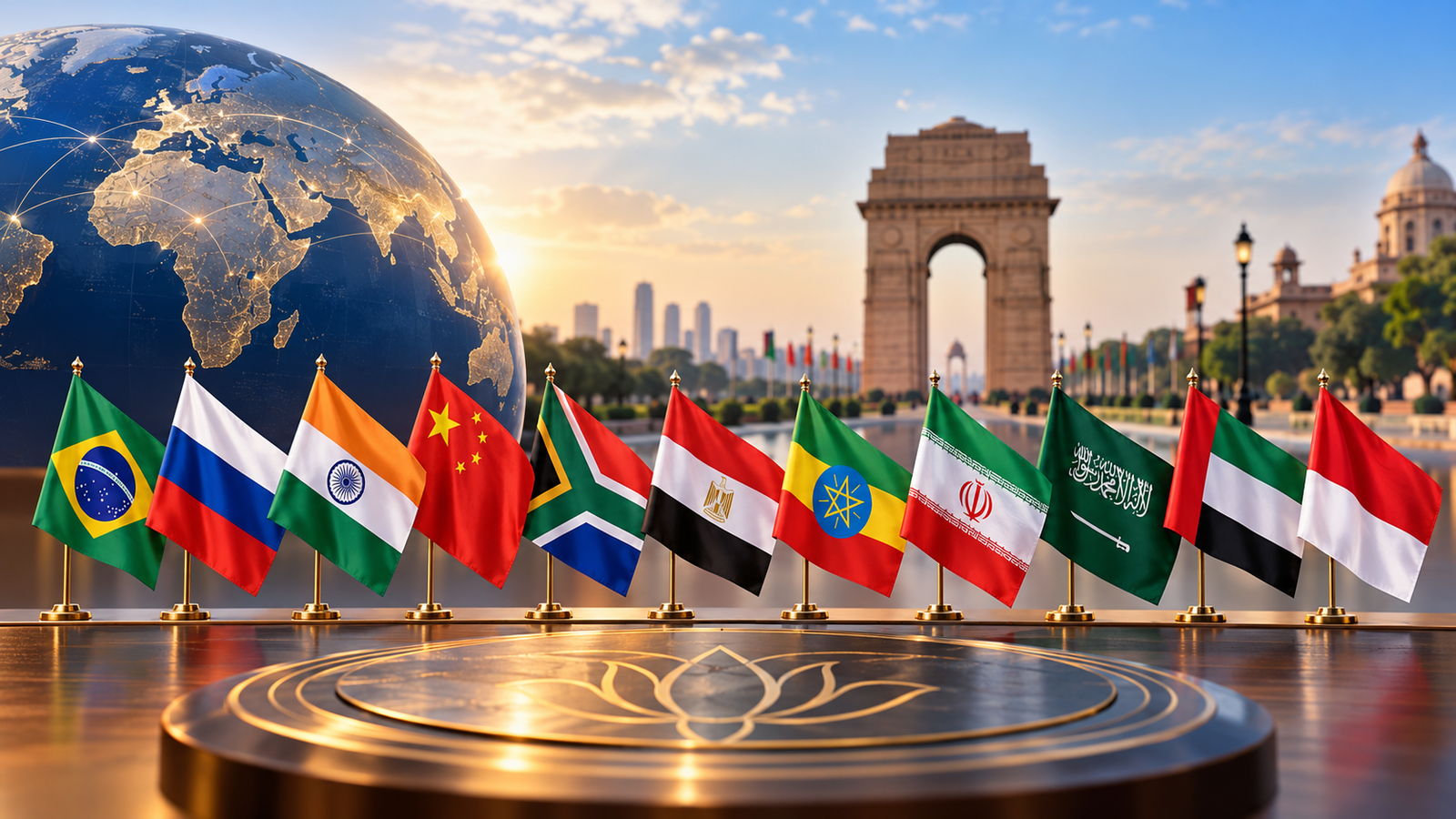
BRICS 2026: Explore the 18th BRICS Summit in New Delhi,
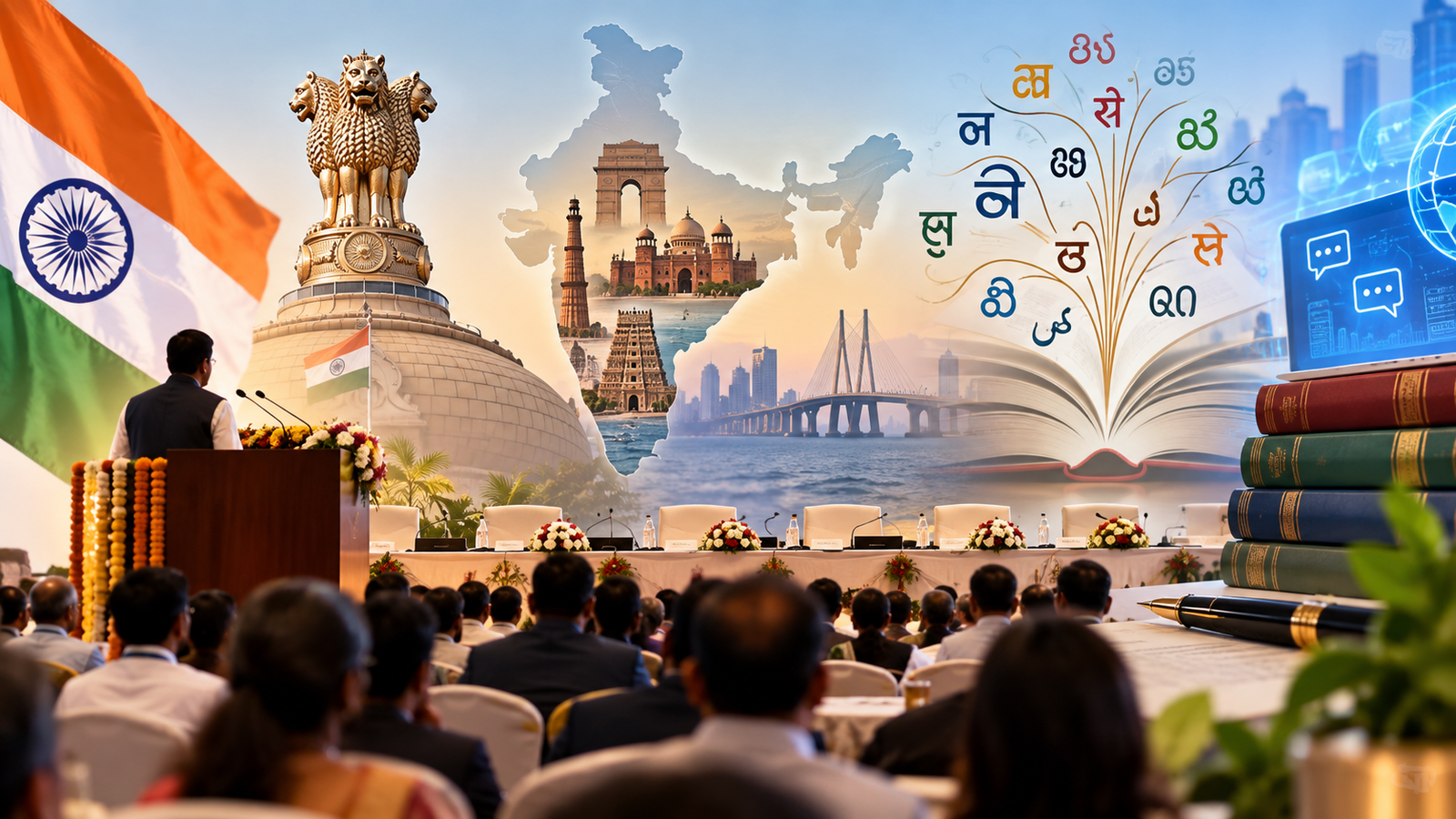
6th All India Official Language Conference 2026 in Navi Mumbai:
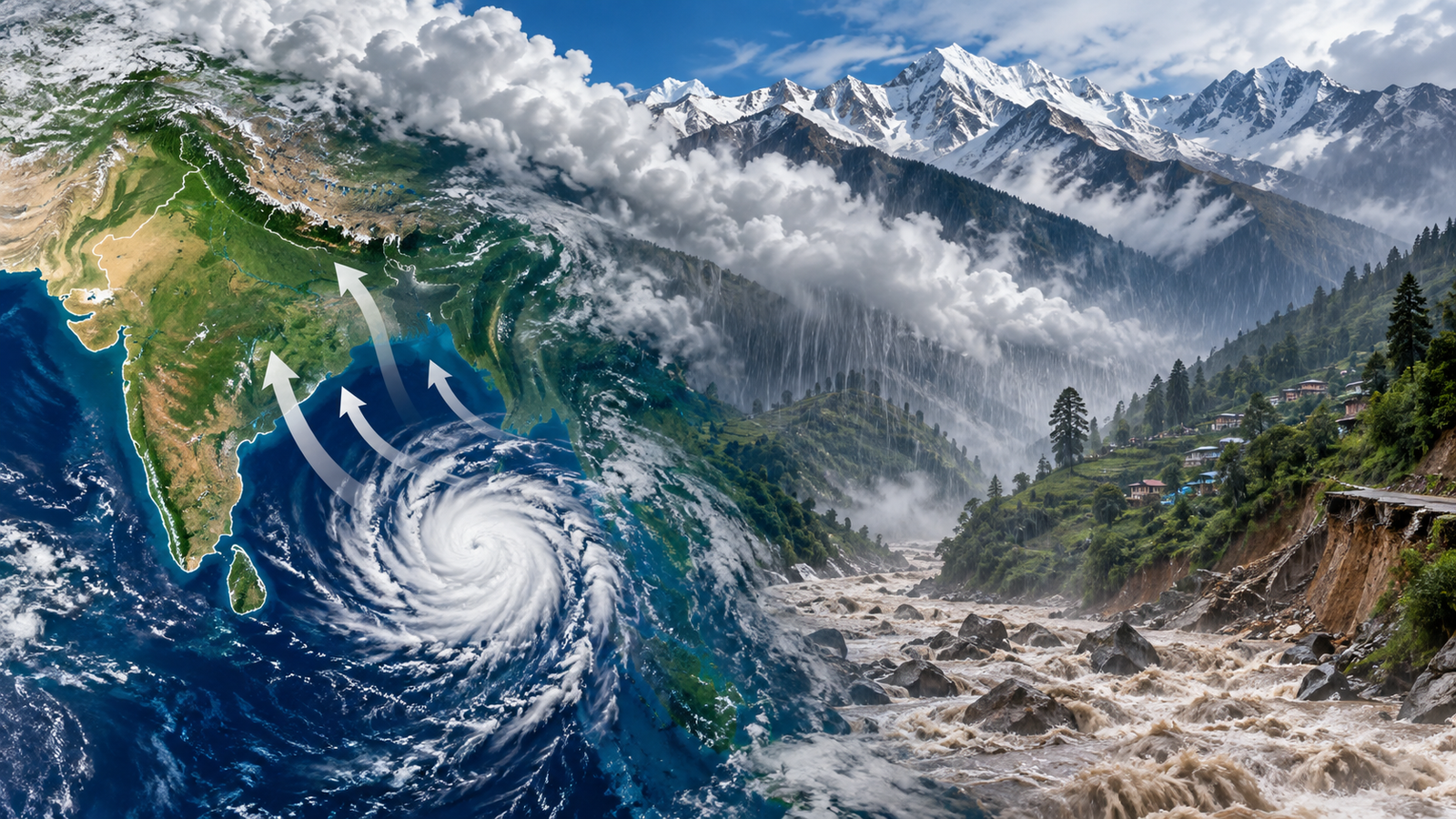
Discover how Bay of Bengal low-pressure systems shape India’s monsoon,
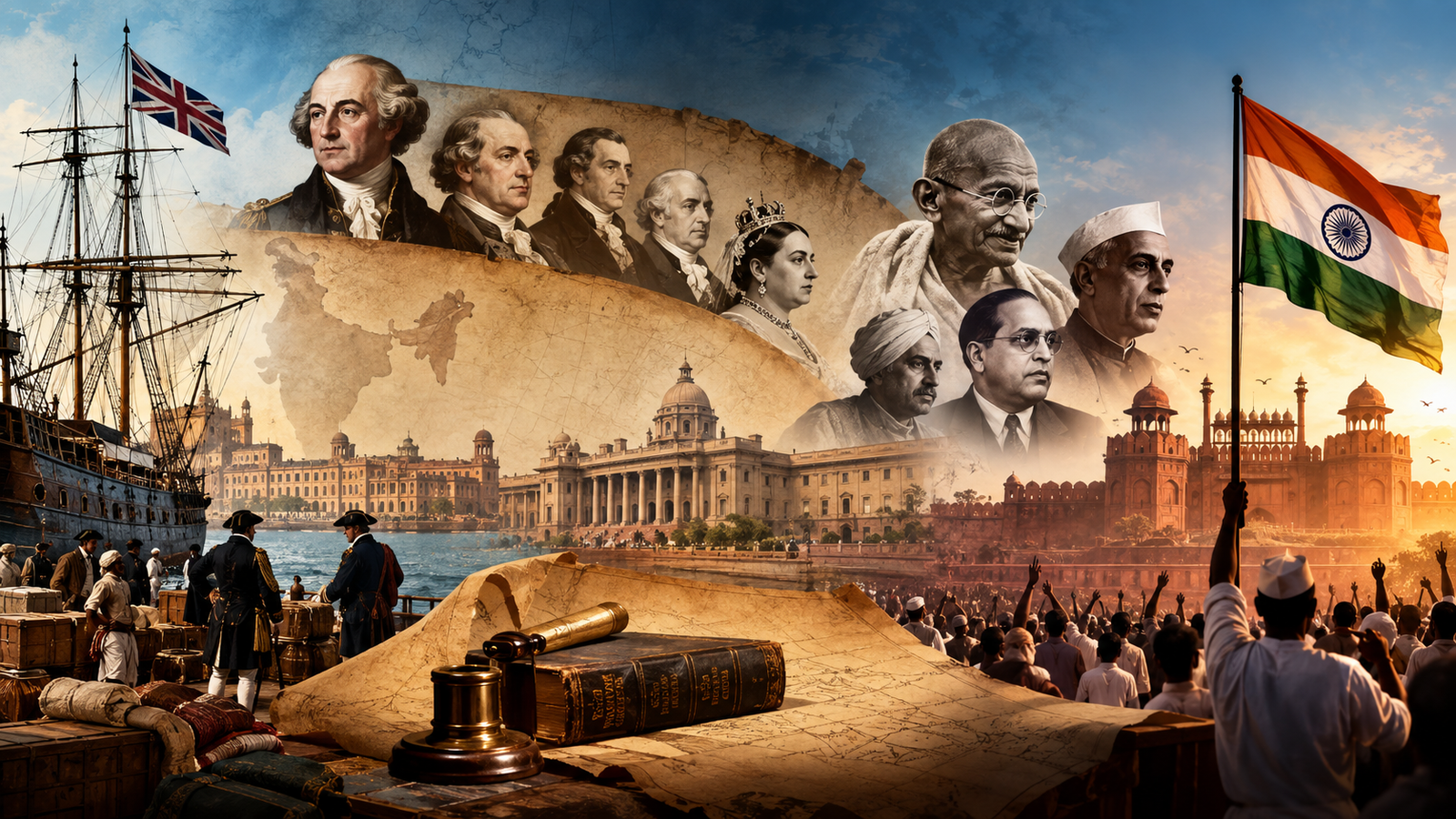
Explore the constitutional evolution of India from East India Company
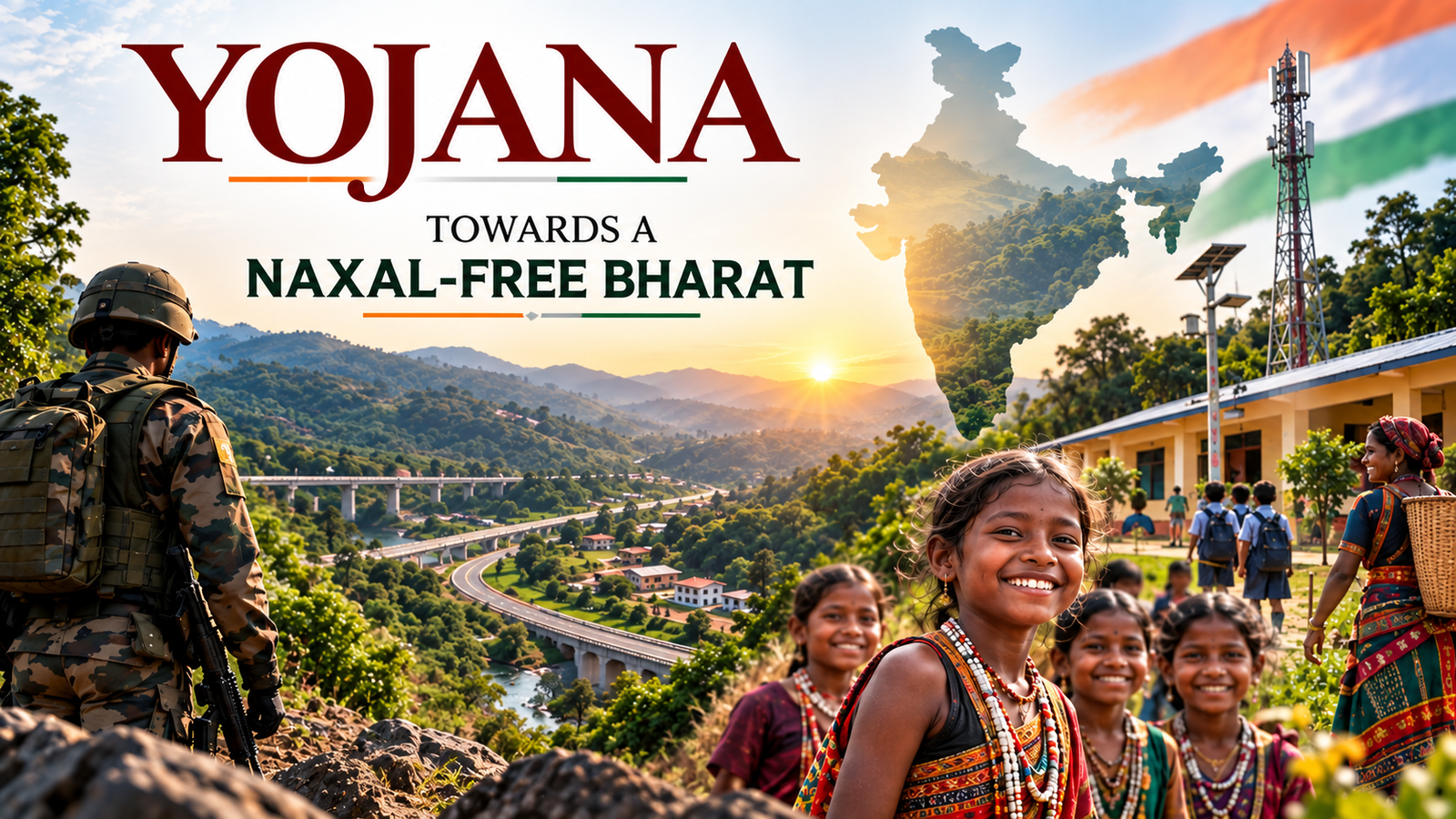
Yojana June 2026 explores India’s journey towards a Naxal-free Bharat,
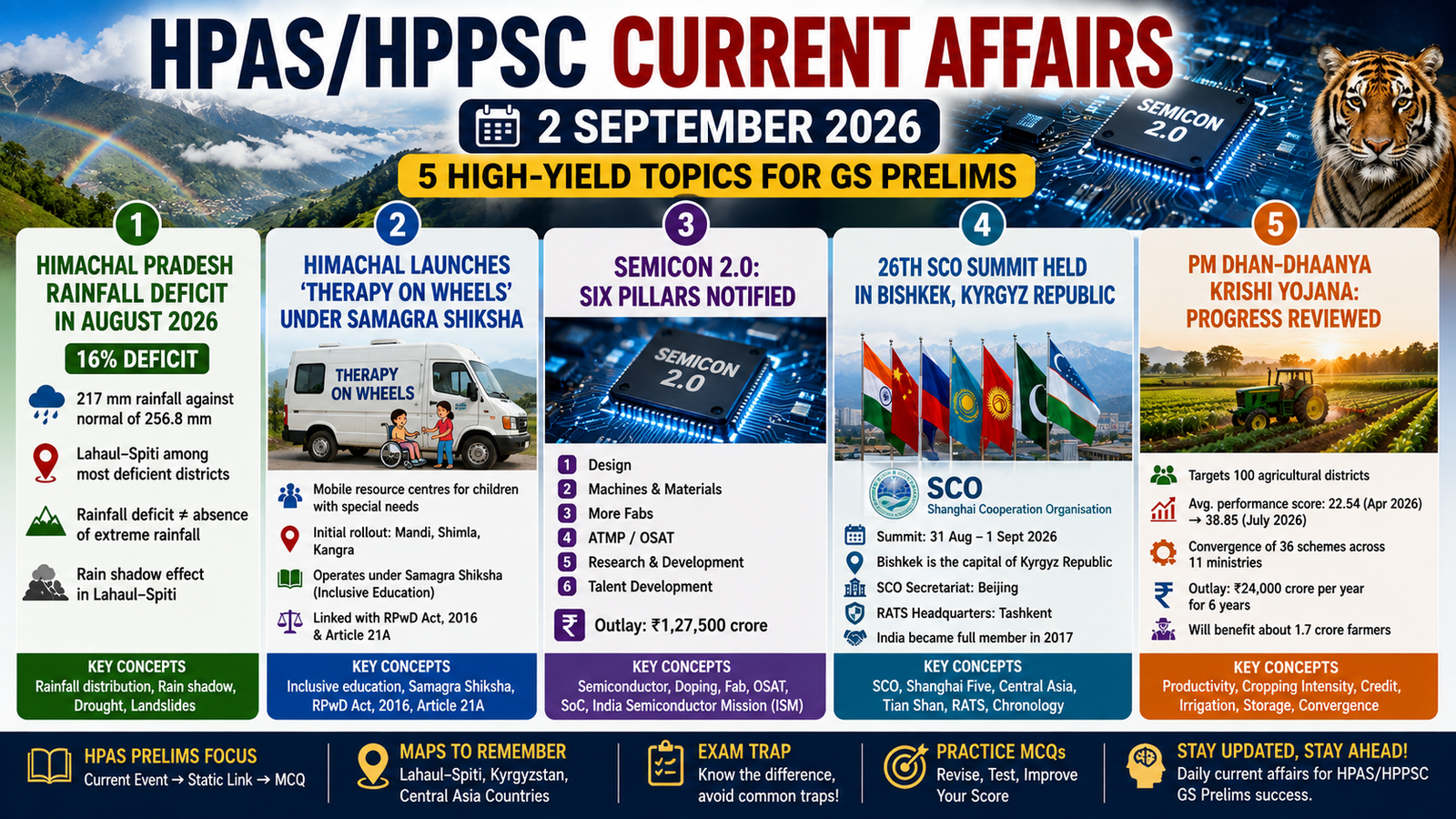
HPAS/HPPSC Current Affairs 2 September 2026: Himachal rainfall deficit, Therapy