
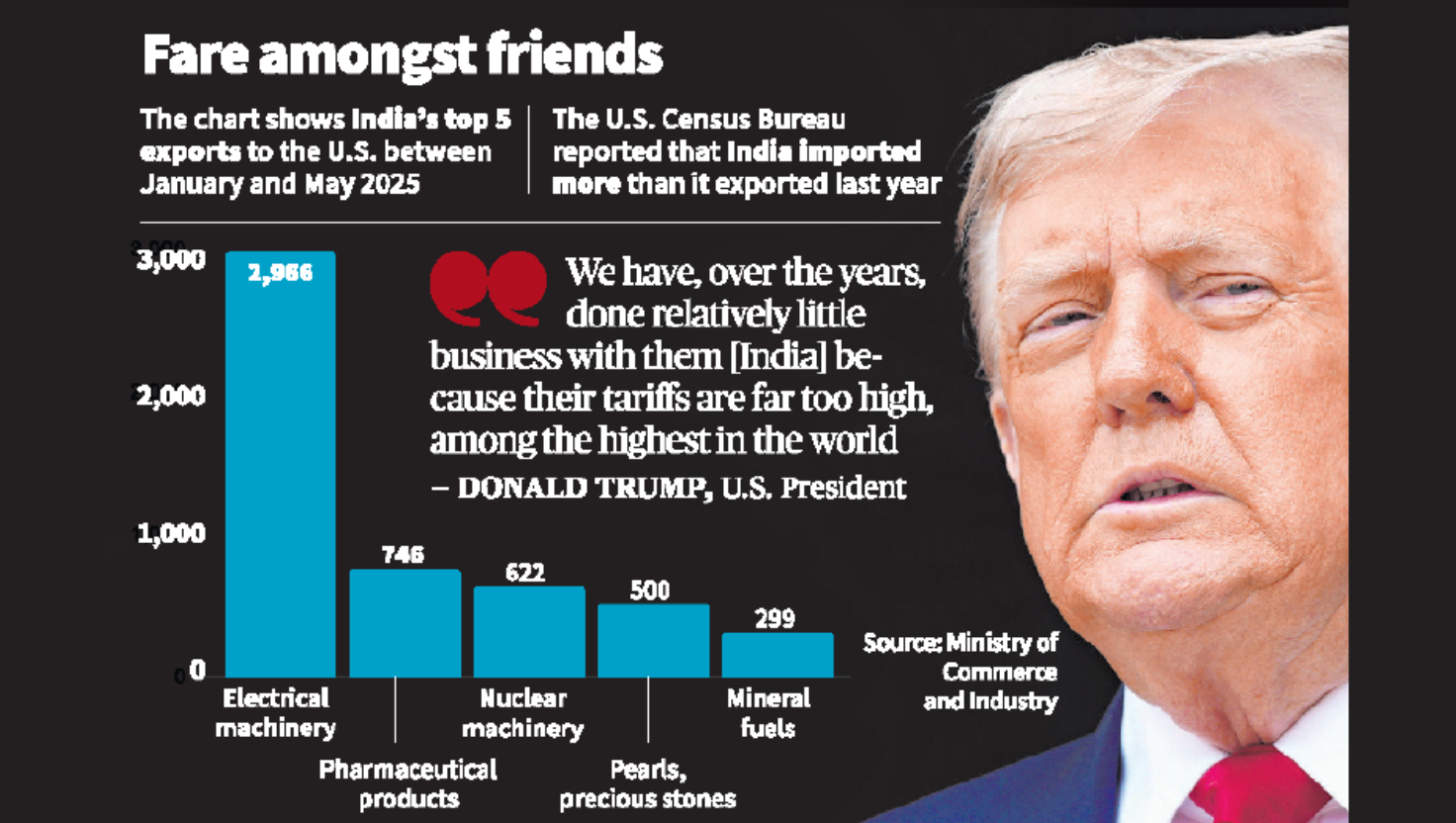
25% Tariff on Indian Goods Marks New Low in India–U.S. Trade Talks
The U.S. has imposed a 25% tariff on Indian imports, citing trade imbalance and India’s continued defence and energy ties with Russia.
The U.S. has imposed a 25% tariff on Indian imports, citing trade imbalance and India’s continued defence and energy ties with Russia.
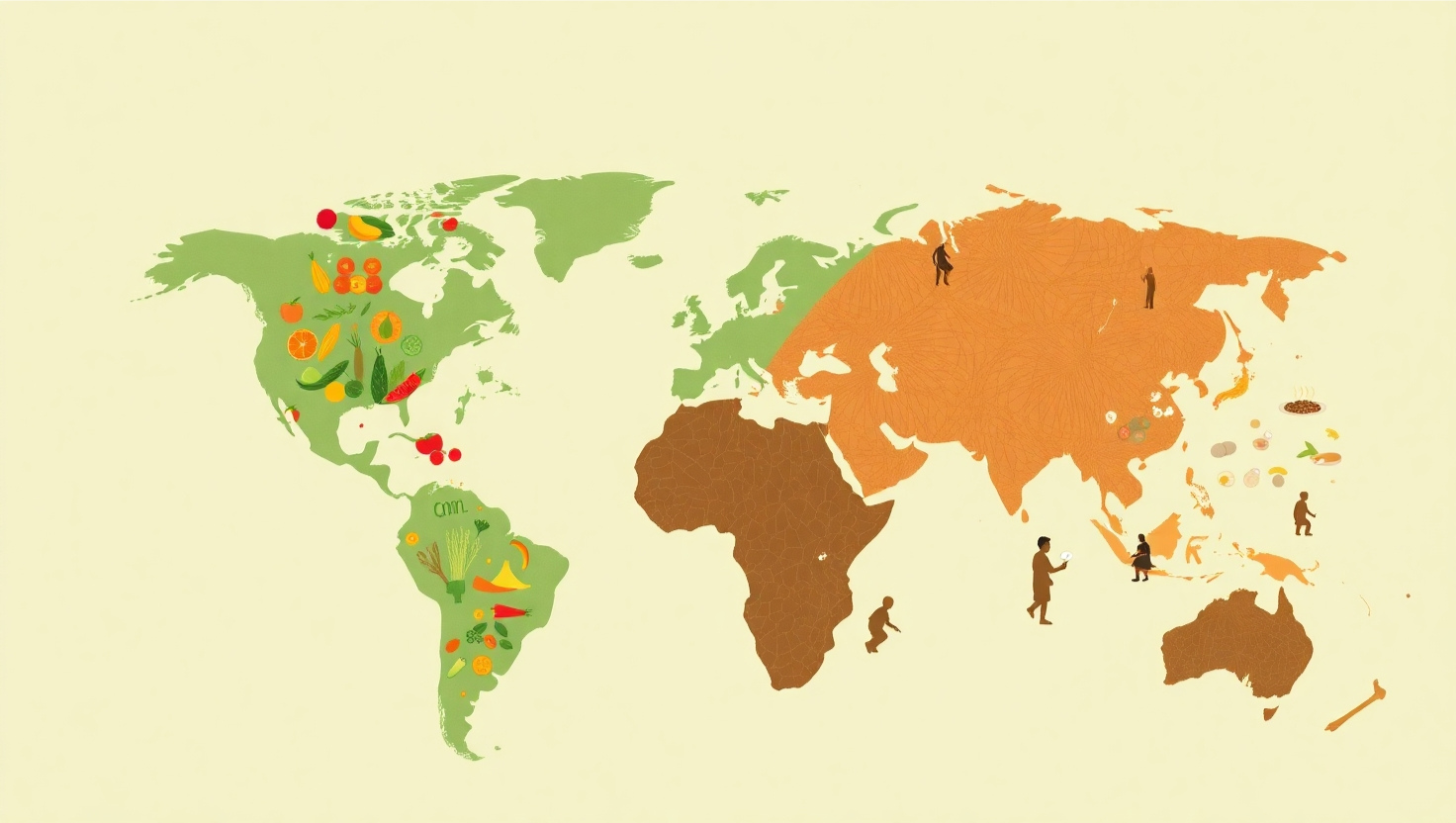
The SOFI 2025 report highlights global hunger, food insecurity, and India’s nutrition crisis, urging urgent reforms for SDG-2 progress.
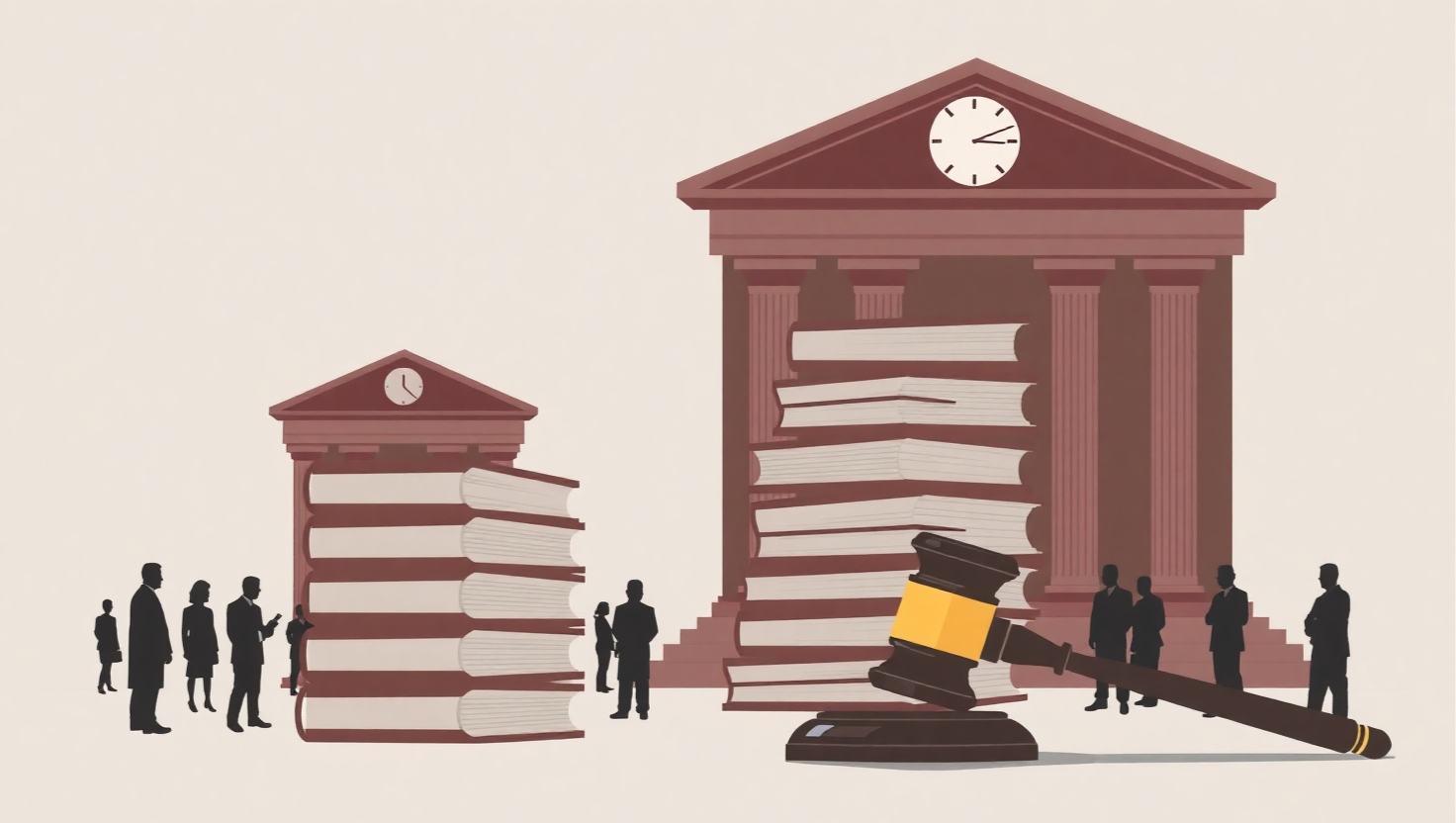
India’s judicial system faces a backlog of over 5 crore cases. SOFI urges urgent reforms for timely and accessible judicial justice delivery.
The Internal Complaints Committee under the POSH Act ensures safe, fair, and confidential redressal of workplace sexual harassment cases.
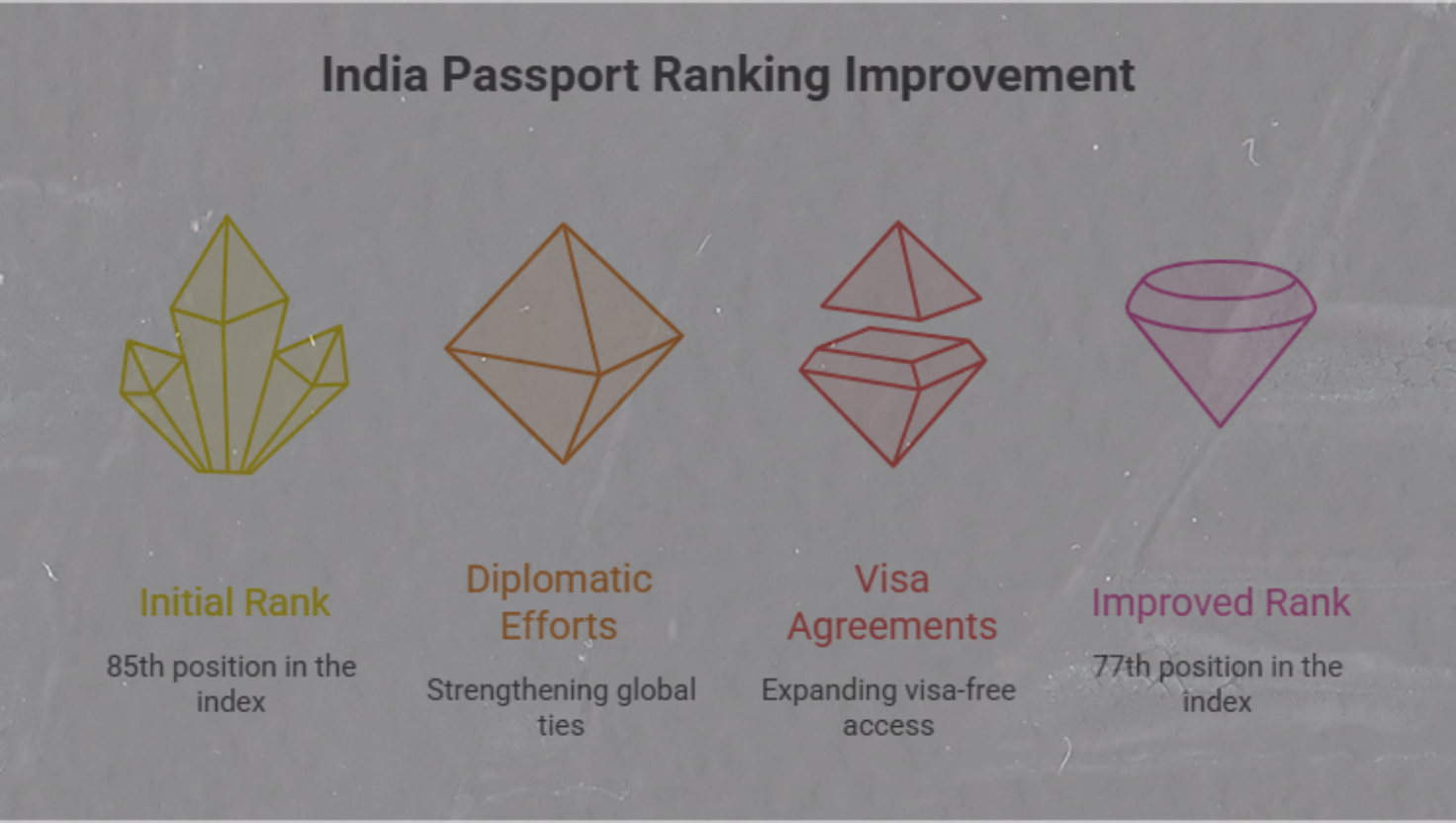
India ranks 77th in the Henley Passport Index 2025, its best-ever position, with visa-free or visa-on-arrival access to 59 countries.
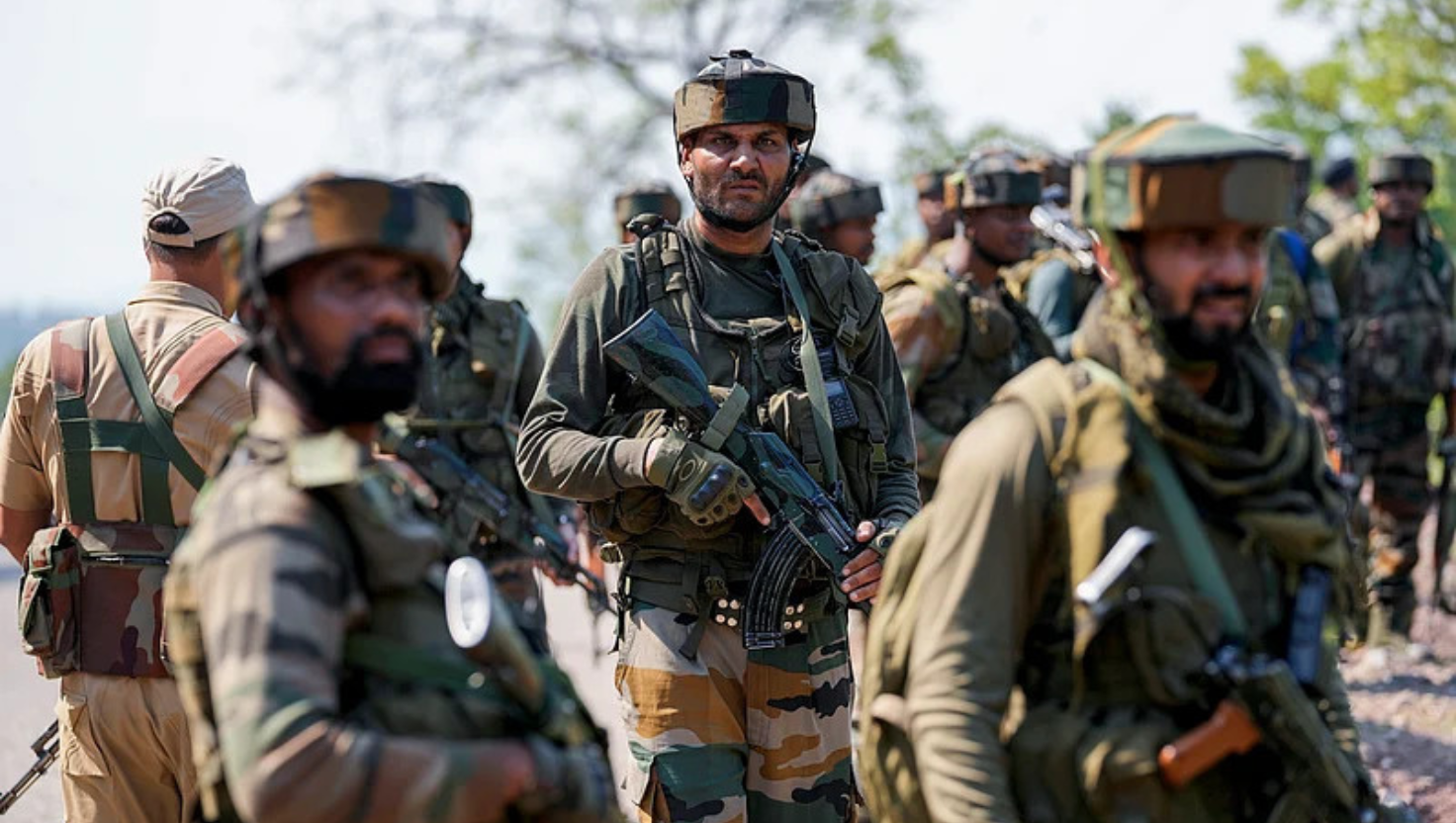
NALSA launches ‘Veer Parivar Sahayata Yojana’ to provide free legal aid to armed forces and families, linking welfare with internal security.
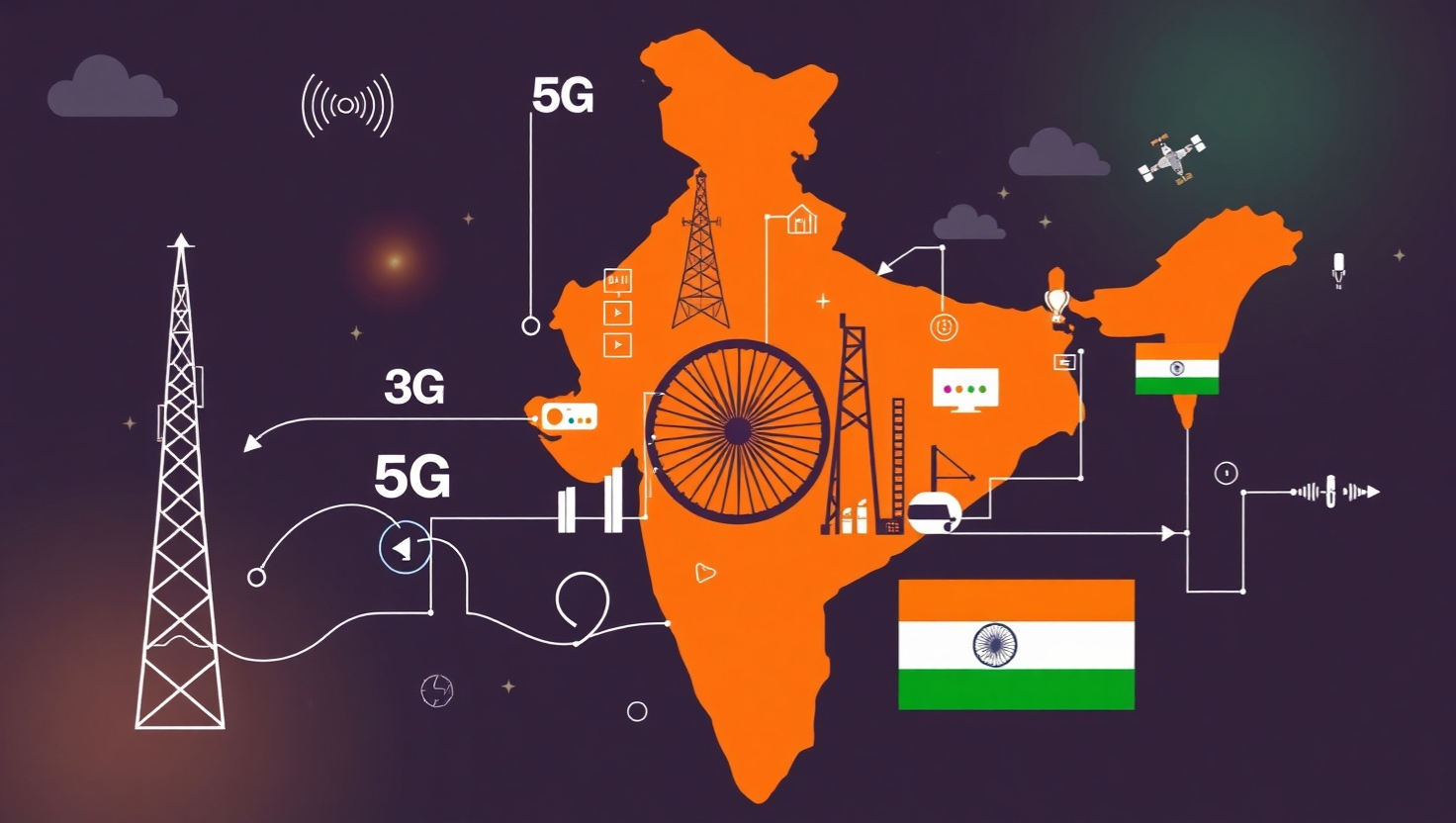
The Draft National Telecom Policy 2025 aims to boost self-reliance, expand 5G access, and promote innovation in India’s telecom sector.
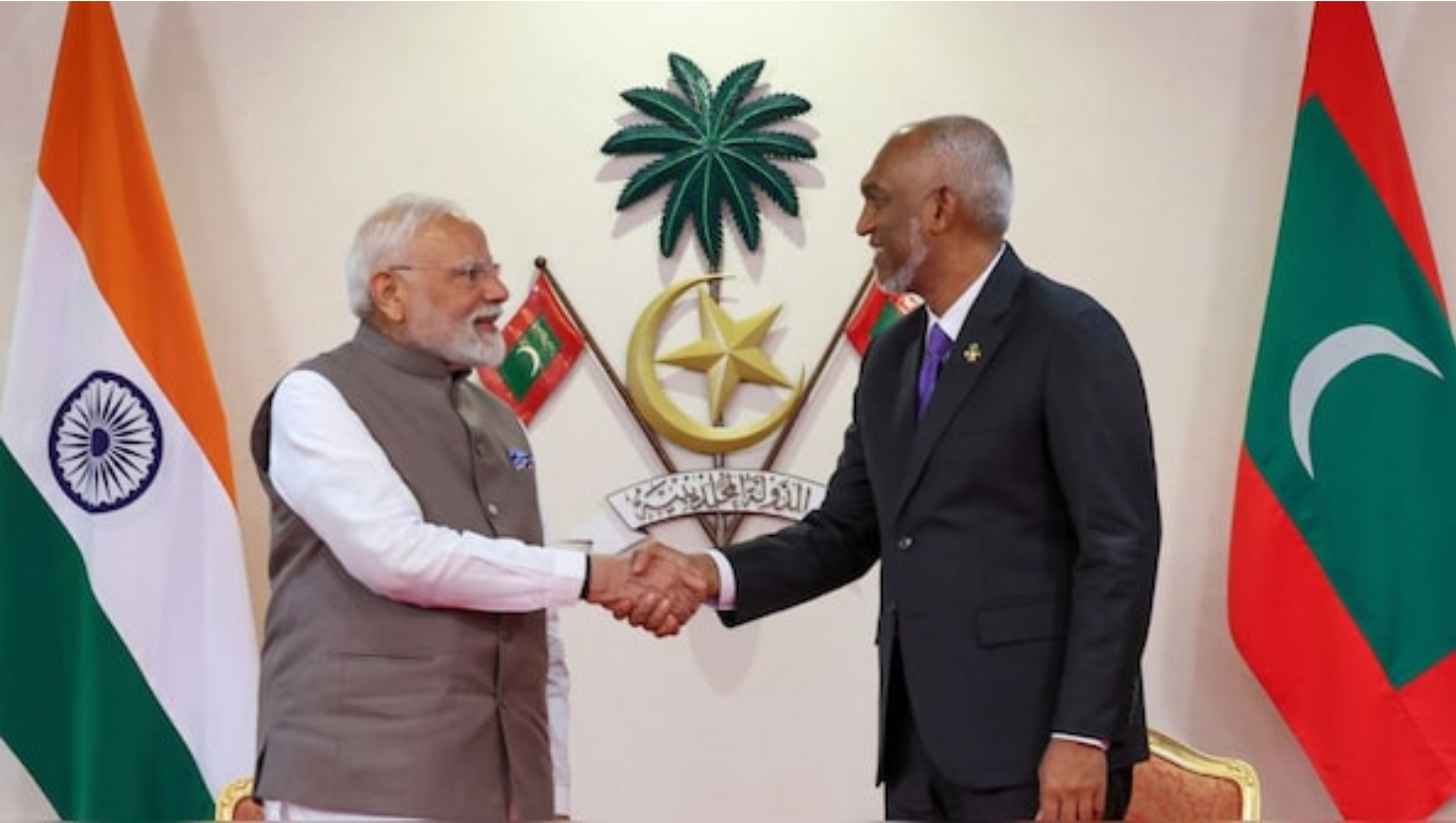
India–Maldives ties deepen as PM Modi’s 2025 visit seals 8 key pacts on fintech, defence, and infra under Neighbourhood First & SAGAR policies.

Indian voters proudly display their inked fingers after casting their vote, symbolising democratic participation and civic responsibility.
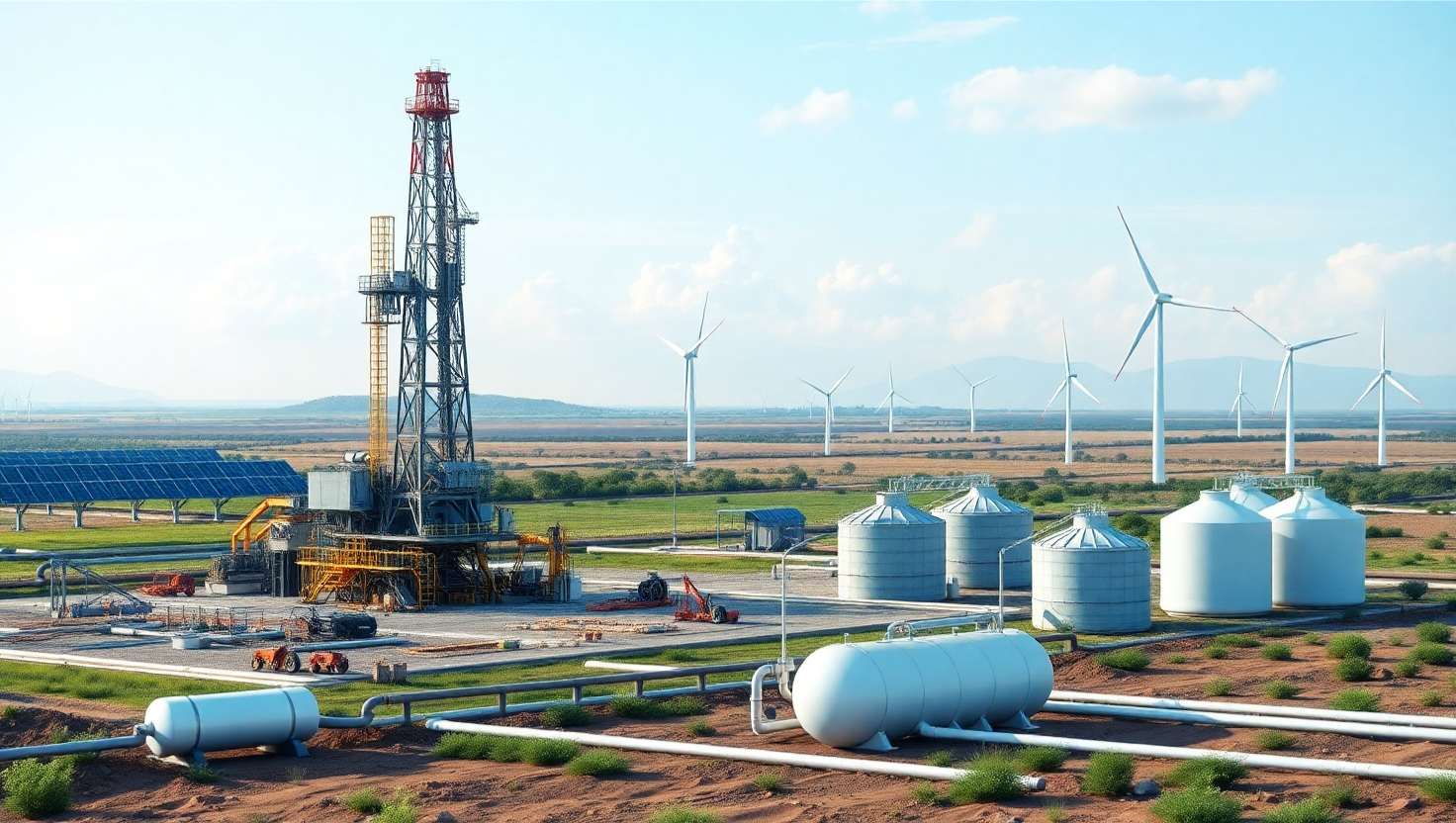
Draft Petroleum & Natural Gas Rules 2025 aim to modernise India’s upstream sector with climate safeguards, investor reforms, and digital governance.
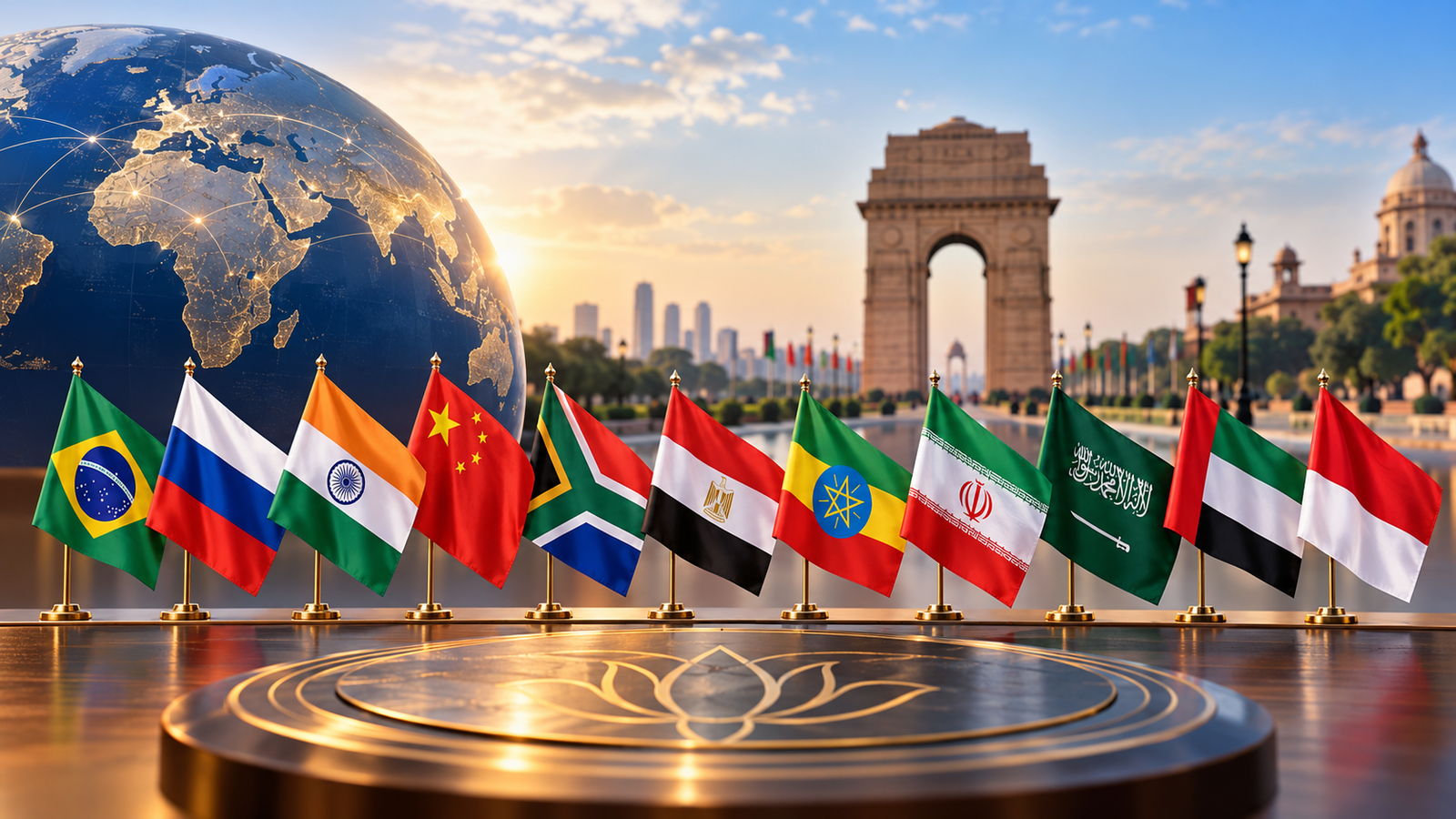
BRICS 2026: Explore the 18th BRICS Summit in New Delhi,
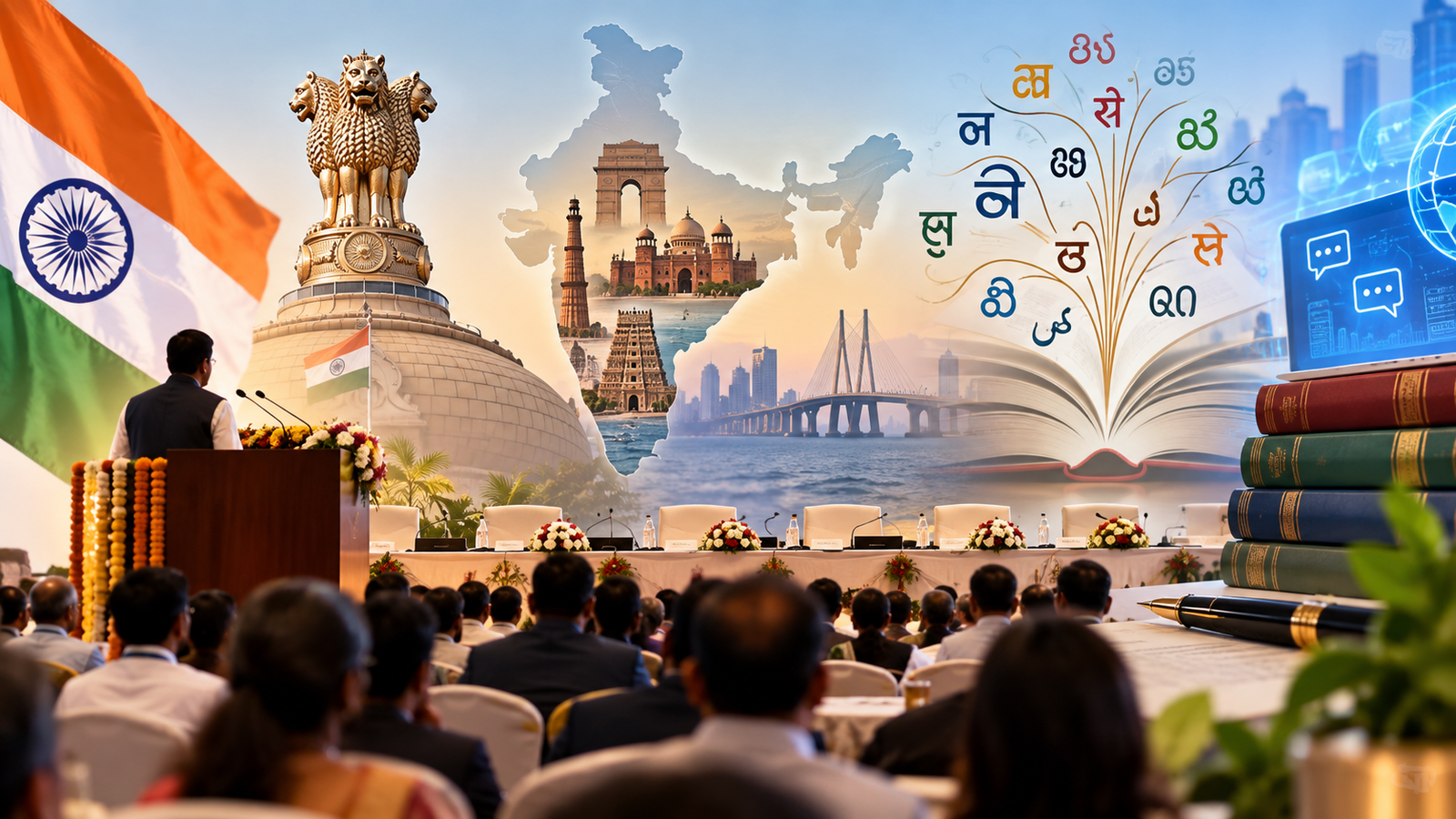
6th All India Official Language Conference 2026 in Navi Mumbai:
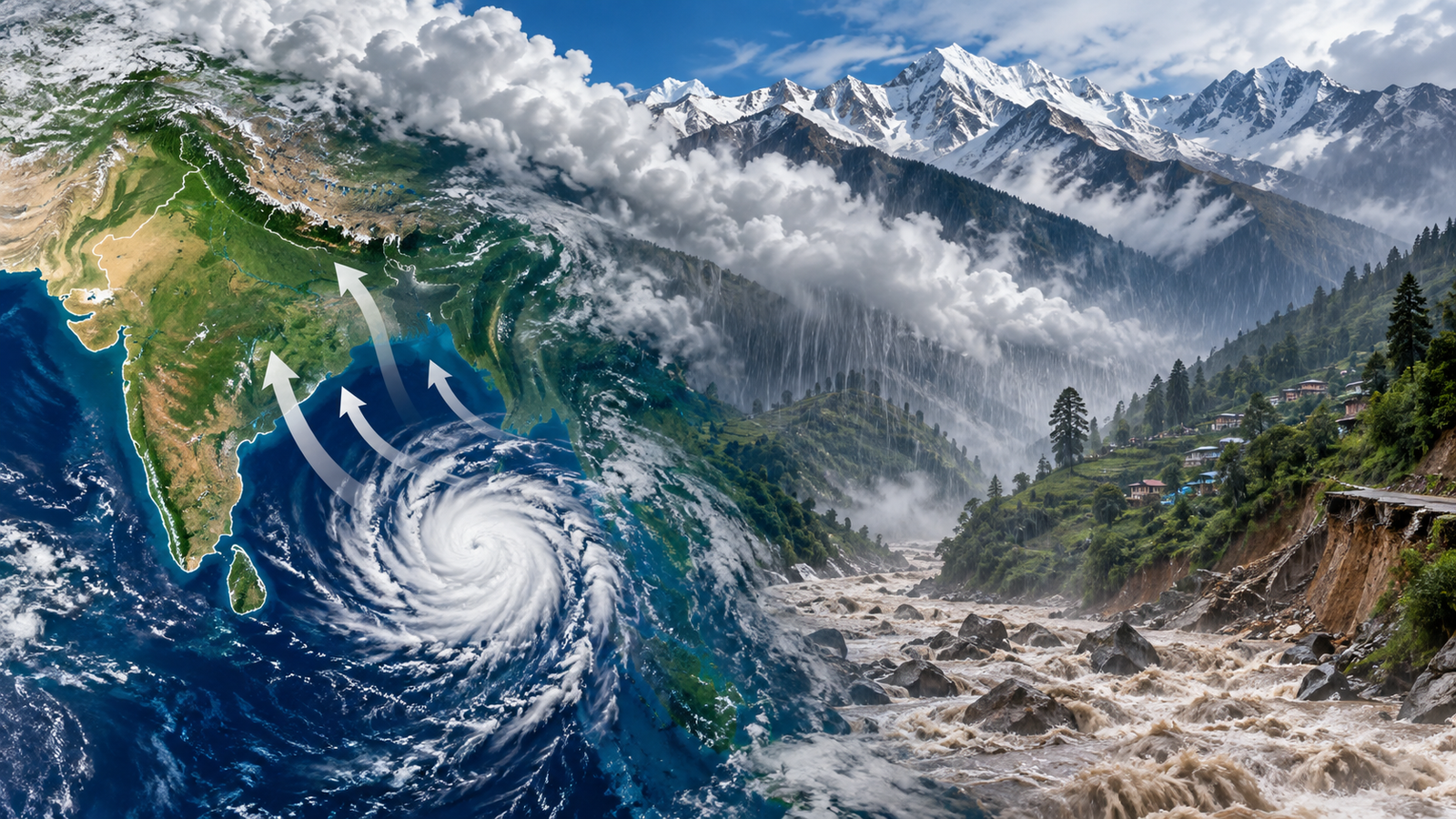
Discover how Bay of Bengal low-pressure systems shape India’s monsoon,
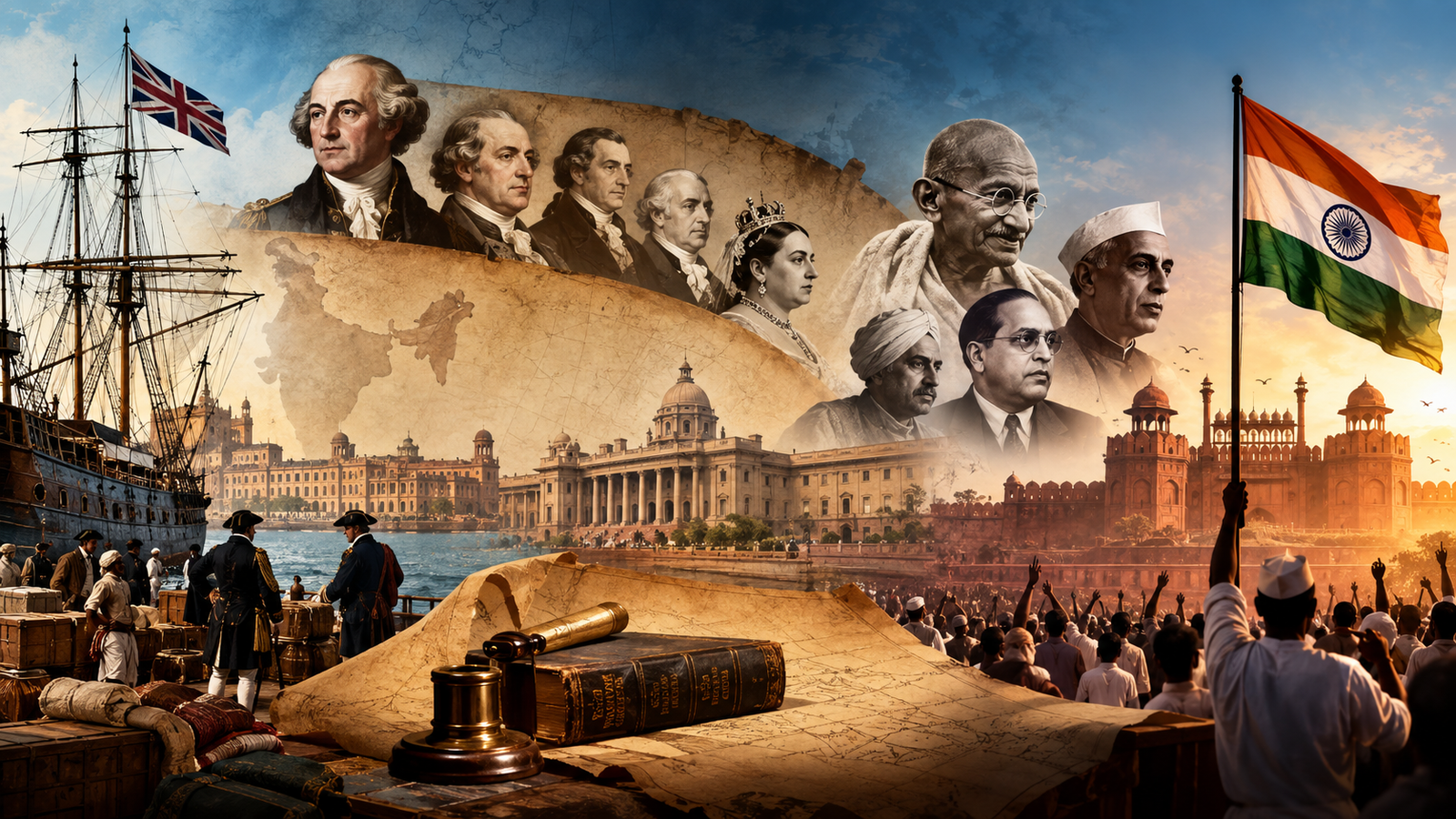
Explore the constitutional evolution of India from East India Company
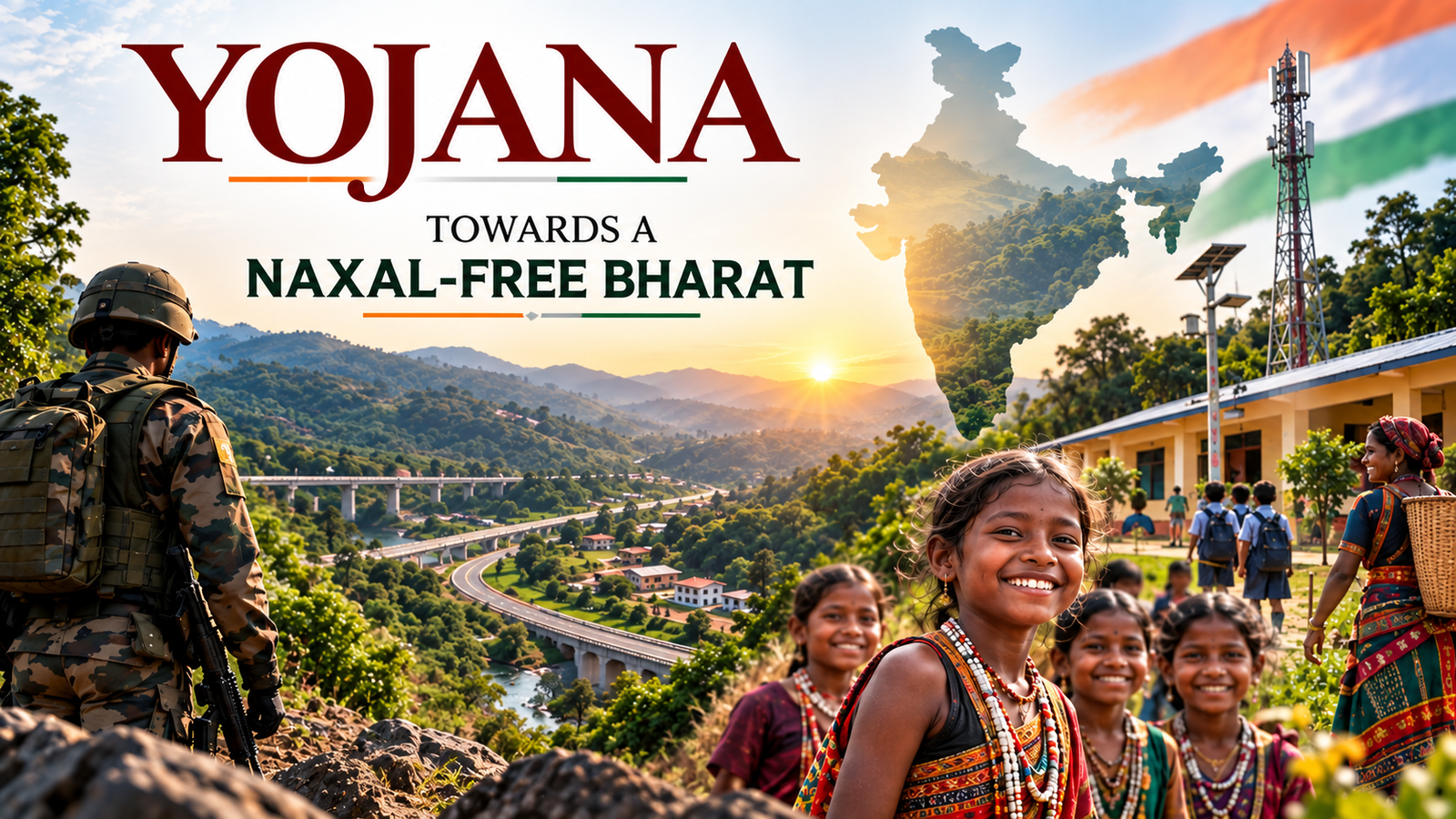
Yojana June 2026 explores India’s journey towards a Naxal-free Bharat,
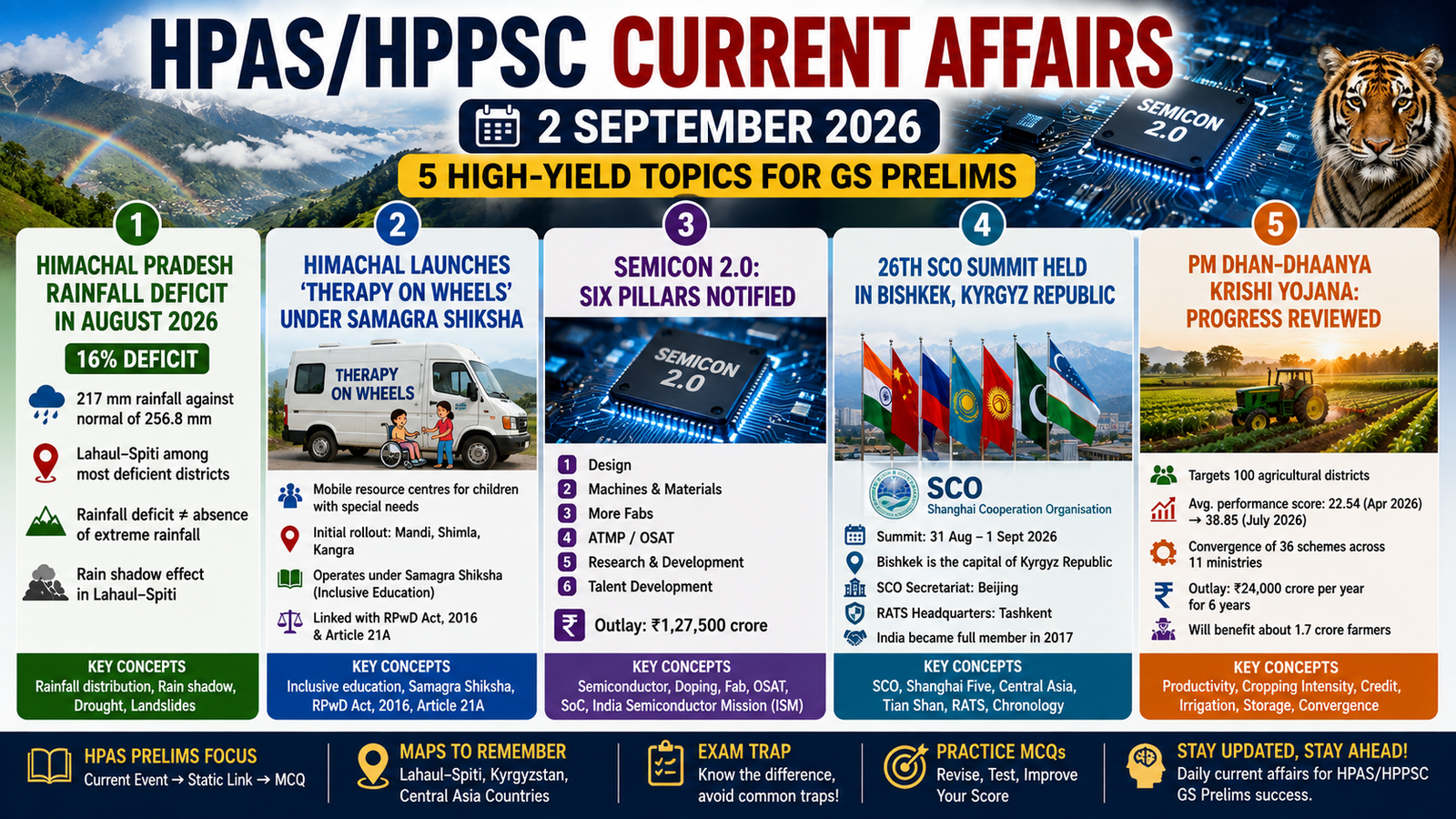
HPAS/HPPSC Current Affairs 2 September 2026: Himachal rainfall deficit, Therapy