

Pakistan’s 27th Constitutional Amendment Bill
Pakistan’s 27th Constitutional Amendment Bill centralises military power, weakens judicial oversight, and grants sweeping immunity to top officers.
Pakistan’s 27th Constitutional Amendment Bill centralises military power, weakens judicial oversight, and grants sweeping immunity to top officers.
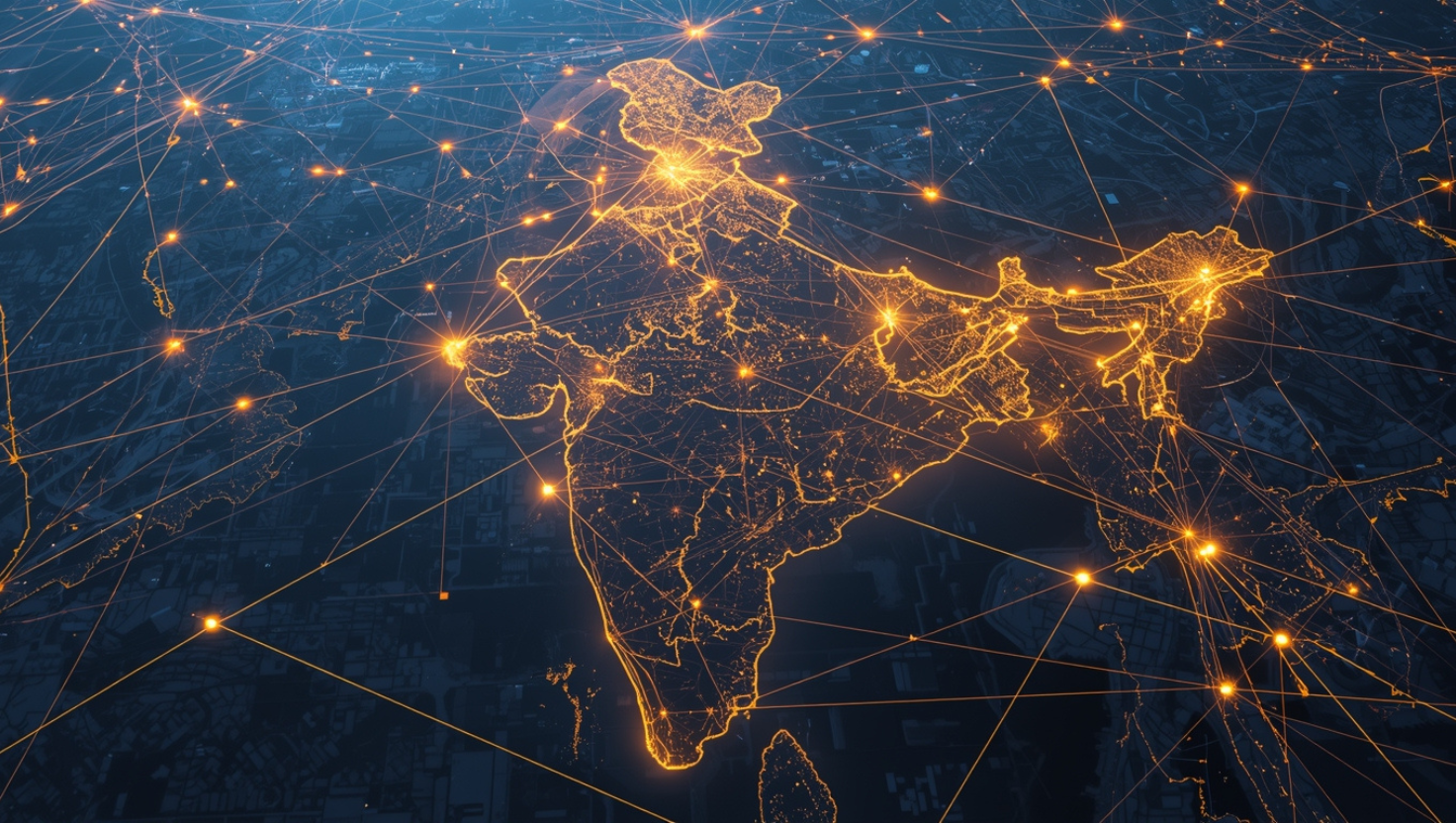
PM GatiShakti is a digital, GIS-based infrastructure master plan aimed at reducing logistics costs through synchronized, multimodal connectivity.

Ayushman Bharat aims to achieve Universal Health Coverage through Ayushman Arogya Mandirs and PM-JAY, providing ₹5 lakh health cover and nationwide primary care.

The 85th Amendment (2001) grants SC/ST employees reservation in promotions with consequential seniority, applied retrospectively from 1995.

The 81st and 82nd Amendments strengthened SC/ST representation by allowing carry-forward of reserved vacancies and relaxing promotion standards.

The 81st Amendment Bill, 1996 proposed one-third reservation for women in Parliament and State Assemblies, building on earlier local body reforms.

The 77th Amendment (1995) restored reservation in promotions for SCs/STs after the Indra Sawhney ruling, ensuring their adequate representation in government services.

The Model Code of Conduct ensures free and fair elections by regulating political behaviour and preventing misuse of government power during polls.

At 80, the UN faces declining relevance; calls grow for reform and a new, inclusive multilateralism in a multipolar world.

SC held Sri Aurobindo Society not a religious denomination; upheld Auroville Act, 1980 as valid and non-violative of fundamental rights.

BRICS 2026: Explore the 18th BRICS Summit in New Delhi,
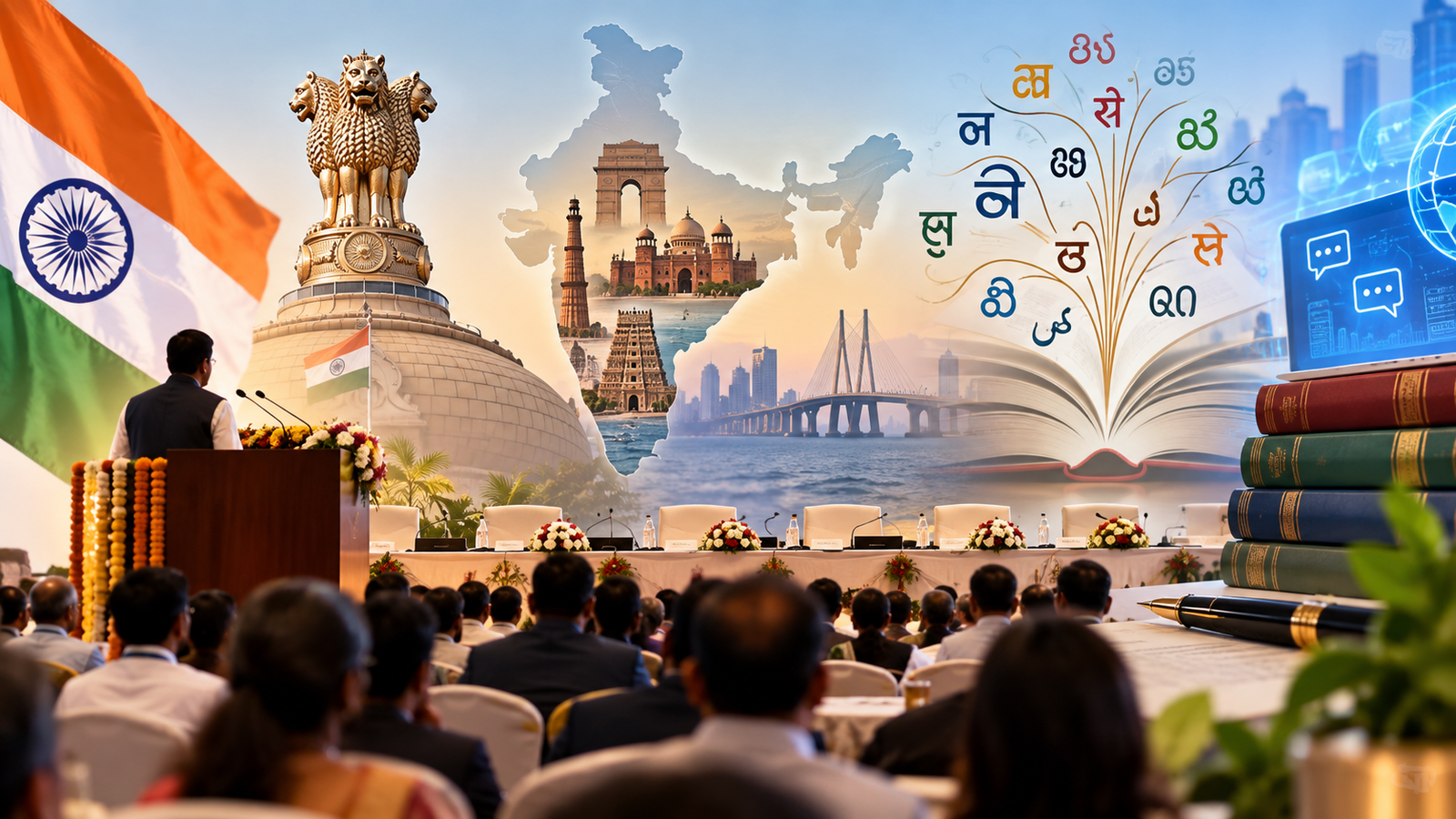
6th All India Official Language Conference 2026 in Navi Mumbai:
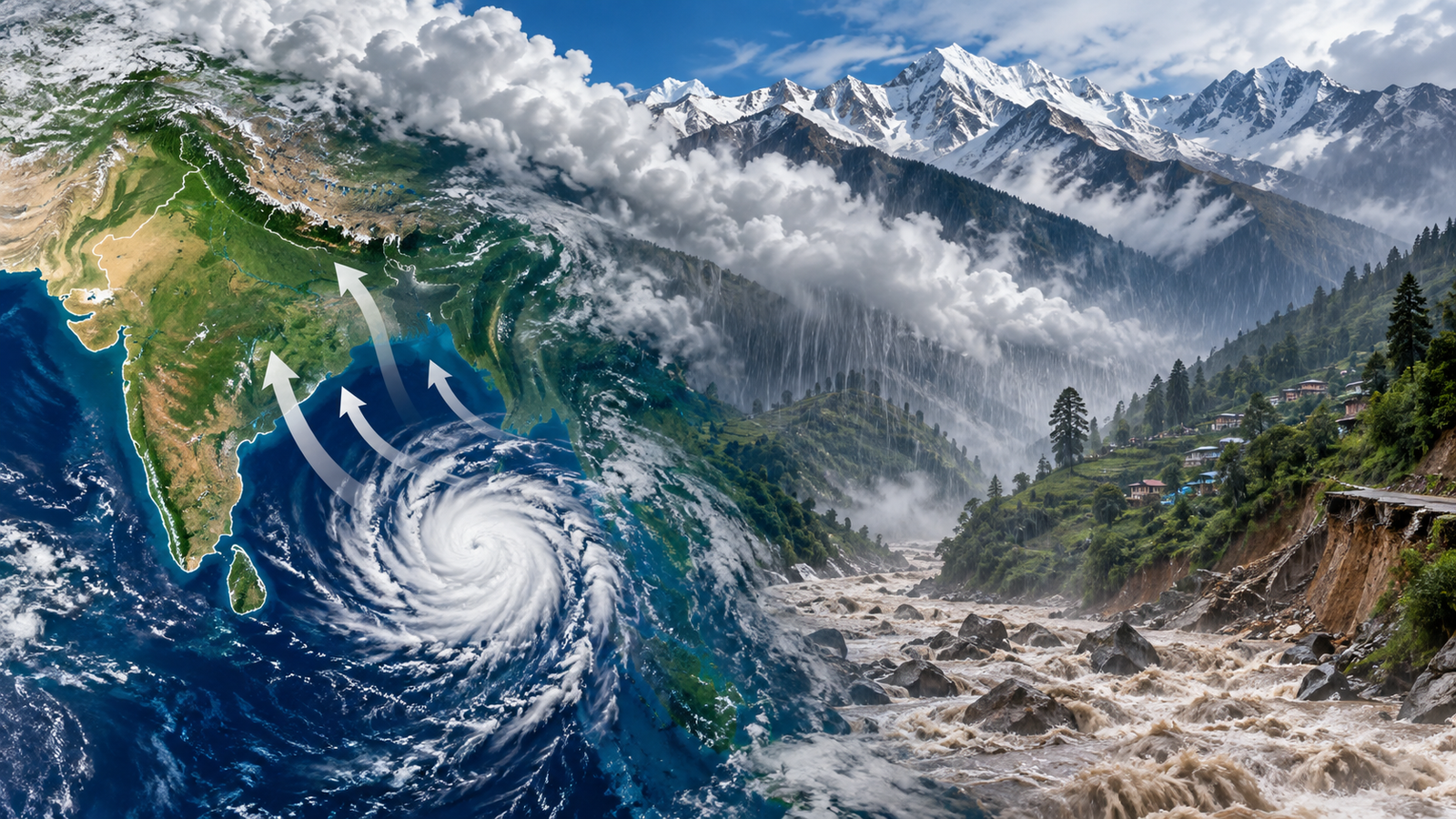
Discover how Bay of Bengal low-pressure systems shape India’s monsoon,
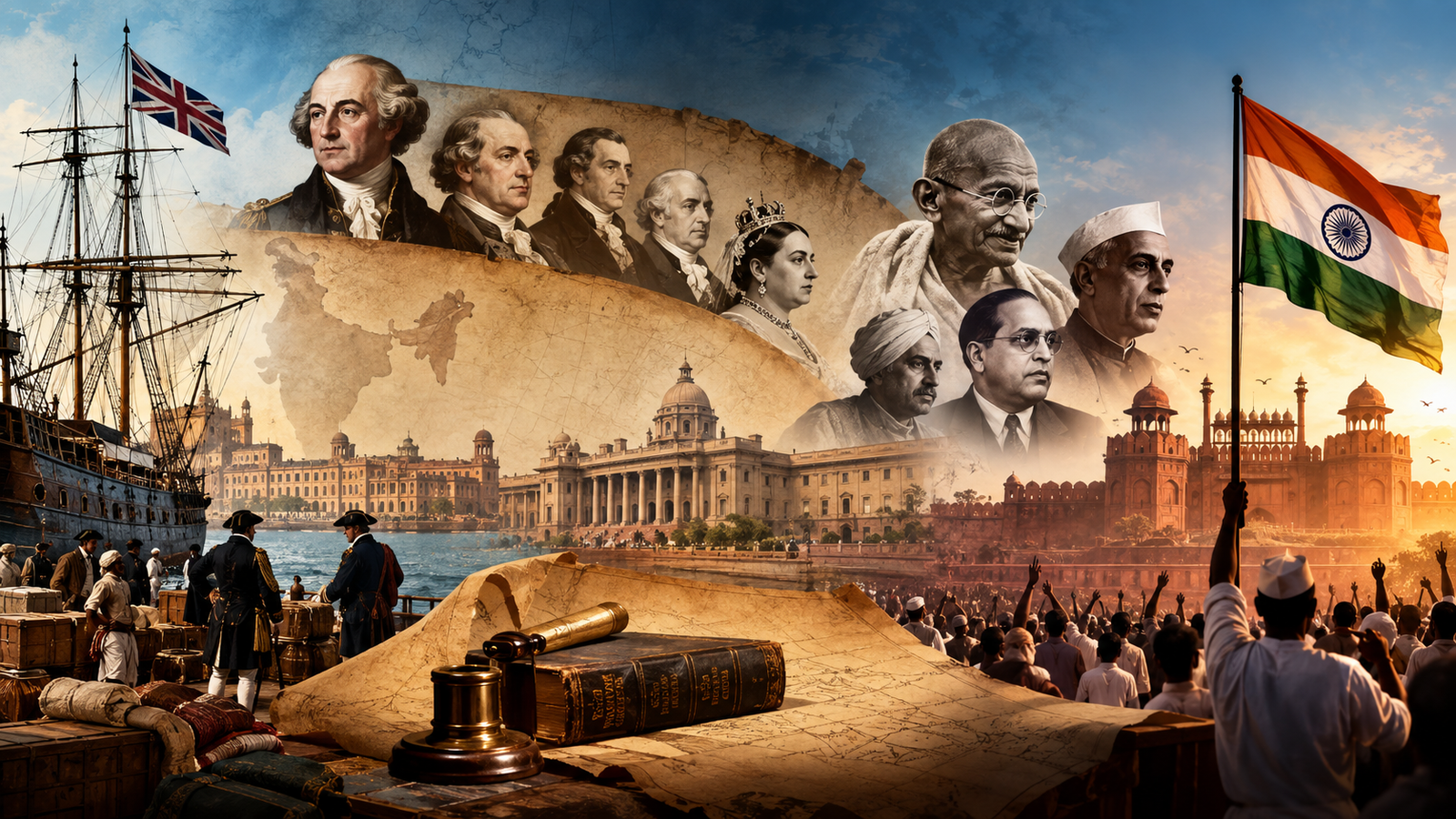
Explore the constitutional evolution of India from East India Company

Yojana June 2026 explores India’s journey towards a Naxal-free Bharat,
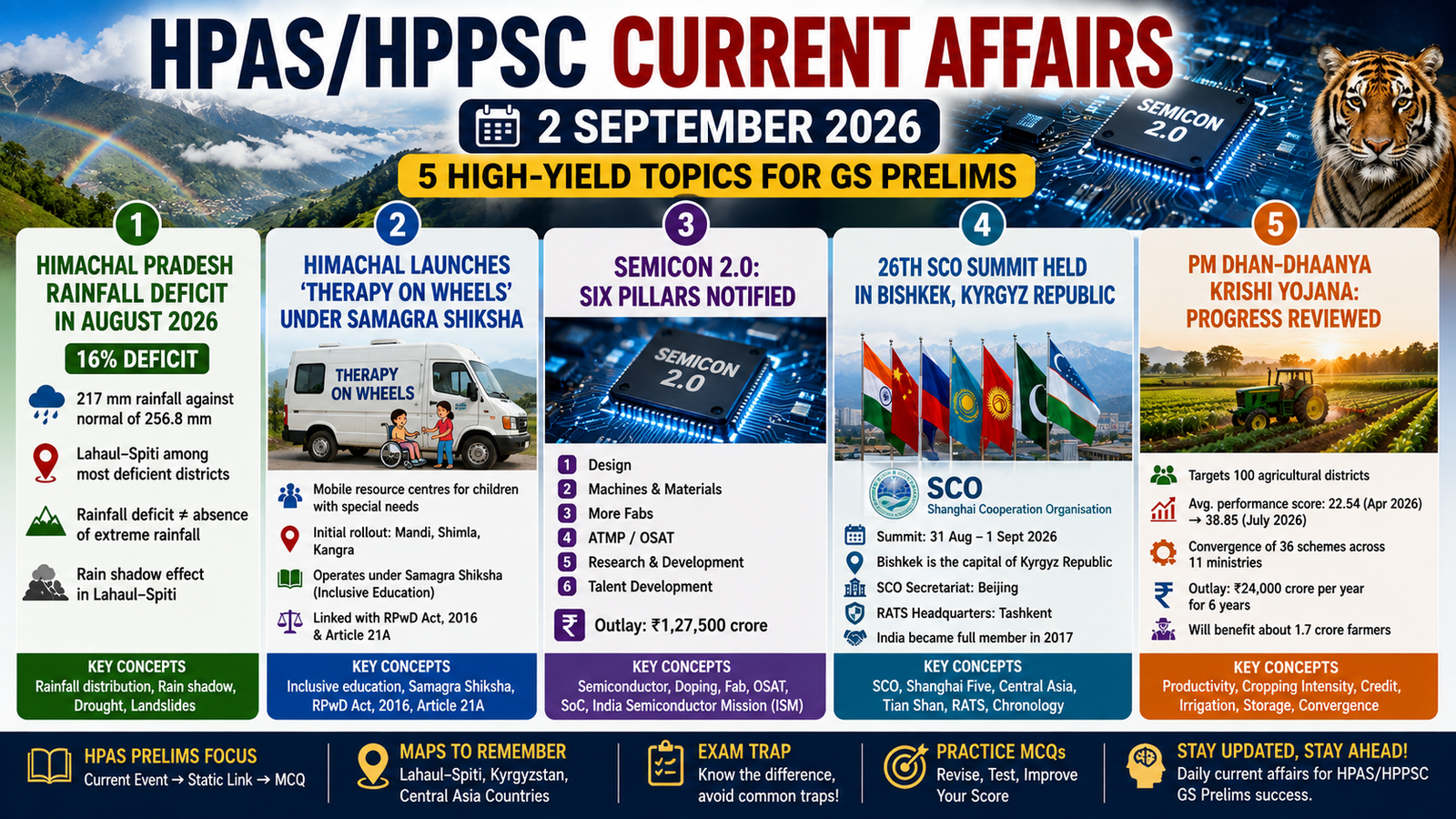
HPAS/HPPSC Current Affairs 2 September 2026: Himachal rainfall deficit, Therapy