
India and the Multipolar West
Syllabus: International Relations (UPSC GS II)
Source: The Indian Express
Context
India’s foreign policy is adapting to a changing global landscape where the “West” itself is becoming multipolar. Internal differences among Western powers and Europe’s growing push for “strategic autonomy” are reshaping global politics. This shift brings both opportunities and challenges for India’s diplomacy.
The Changing Nature of the West
- Strategic Autonomy in Europe
- Leaders like Emmanuel Macron and Ursula von der Leyen are promoting Europe’s defence and technological independence from the US.
- The EU seeks to be a global actor rather than a junior partner to Washington.
- Fragmented Western Unity
- Western influence is now divided among several power centres — the US, EU, UK, and Japan — each pursuing its own priorities.
- Rise of Middle Powers
- Countries such as India, Australia, and South Korea are building stronger ties with Europe in areas like trade, technology, and security.
Why the West Is Divided
- America First Policy: US nationalism under Donald Trump weakened faith in alliances like NATO.
- Different Security Concerns: Europe worries about Russia, while the US and its Asian allies focus on China.
- Tech and Trade Disputes: Conflicts over data control, industrial policy, and AI regulation are widening trans-Atlantic rifts.
- Cultural Polarisation: Ideological divides within the US are spilling into Western discourse, affecting cooperation.
Implications for Global Politics
- New Openings for India
- A divided West lets India pursue independent relations with multiple partners—US, UK, EU—without being tied to one bloc.
- Weakened Collective Action
- Disunity among Western nations may reduce their ability to counter authoritarian regimes like China and Russia.
- Regional Balancing by Europe
- Europe’s Indo-Pacific engagement creates space for India to play a leading role in regional security and connectivity.
India’s Strategic Response
- From Non-Alignment to Multi-Alignment
- India now builds issue-based coalitions with diverse powers while maintaining strategic autonomy.
- Central Role in Europe’s Indo-Pacific Vision
- The EU’s 2025 Joint Communication identifies India as a key partner for maintaining stability and open trade in the Indo-Pacific.
- Economic and Technological Partnerships
- India’s trade deals with EFTA, UK, and EU deepen its integration with Western markets.
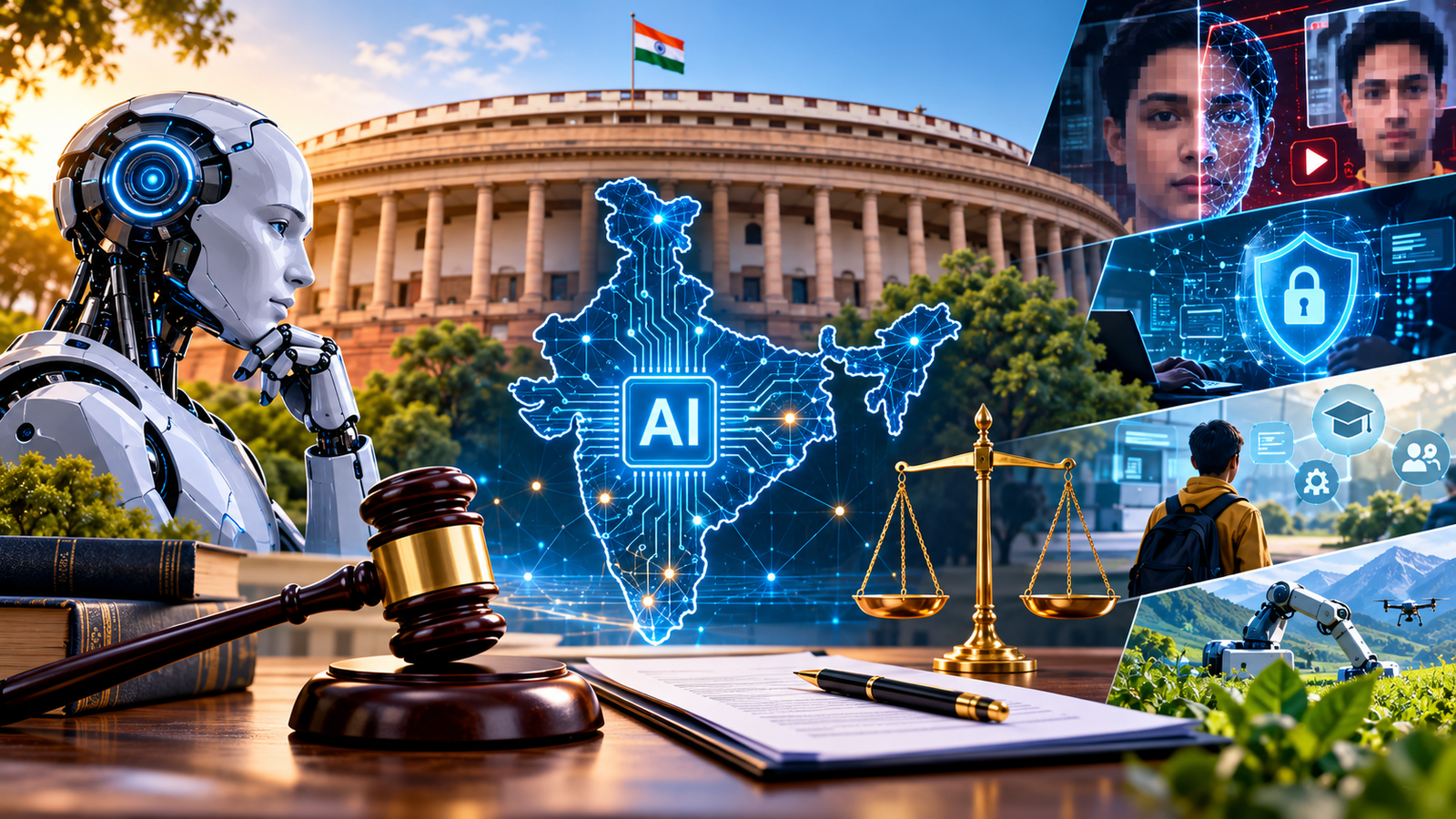
- Collaboration on green technology, AI governance, and digital infrastructure enhances India’s role in global standard-setting.
- Defence and Connectivity Cooperation
- Initiatives like the EU’s Global Gateway promote joint defence production, resilient supply chains, and maritime links.
Opportunities for India
- Diplomatic Flexibility: India can engage bilaterally with multiple Western powers.
- Strategic Bridge: It can act as a link between the US, Europe, and the Global South.
- Economic Gains: Western diversification away from China benefits Indian trade and investment.
- Enhanced Global Image: Active participation in G20, Quad, and EU-India forums boosts India’s status as a responsible middle power.
Key Challenges
- Fragmented Western Coordination: Weak unity may limit collective responses to global issues.
- Diplomatic Overstretch: Managing ties with the US, EU, and Russia simultaneously can strain resources.
- Domestic Readiness: Slow reforms and bureaucratic hurdles can restrict India’s ability to seize new openings.
Way Forward
- Internal Modernisation:
- Strengthen institutional capacity, innovation, and administrative efficiency to match global ambitions.
- Pragmatic Diplomacy:
- Stay flexible and partnership-driven, not tied to rigid alliances.
- Strategic Equilibrium:
- Balance relations with the US, Europe, and the Global South to preserve autonomy.
- Vision for the Future:
- Combine economic reforms at home with proactive diplomacy abroad to emerge as a stabilising power in a multipolar order.
Conclusion
India’s rise in a multipolar West depends on combining agility abroad with reform at home. By aligning diplomacy with internal transformation, India can turn this phase of global flux into a defining moment of leadership.