
GST Reforms and State Compensation Debate
GST slab rationalisation promises simplicity and competitiveness, but uneven revenue losses raise debate on compensating states for fiscal stability.
GST slab rationalisation promises simplicity and competitiveness, but uneven revenue losses raise debate on compensating states for fiscal stability.
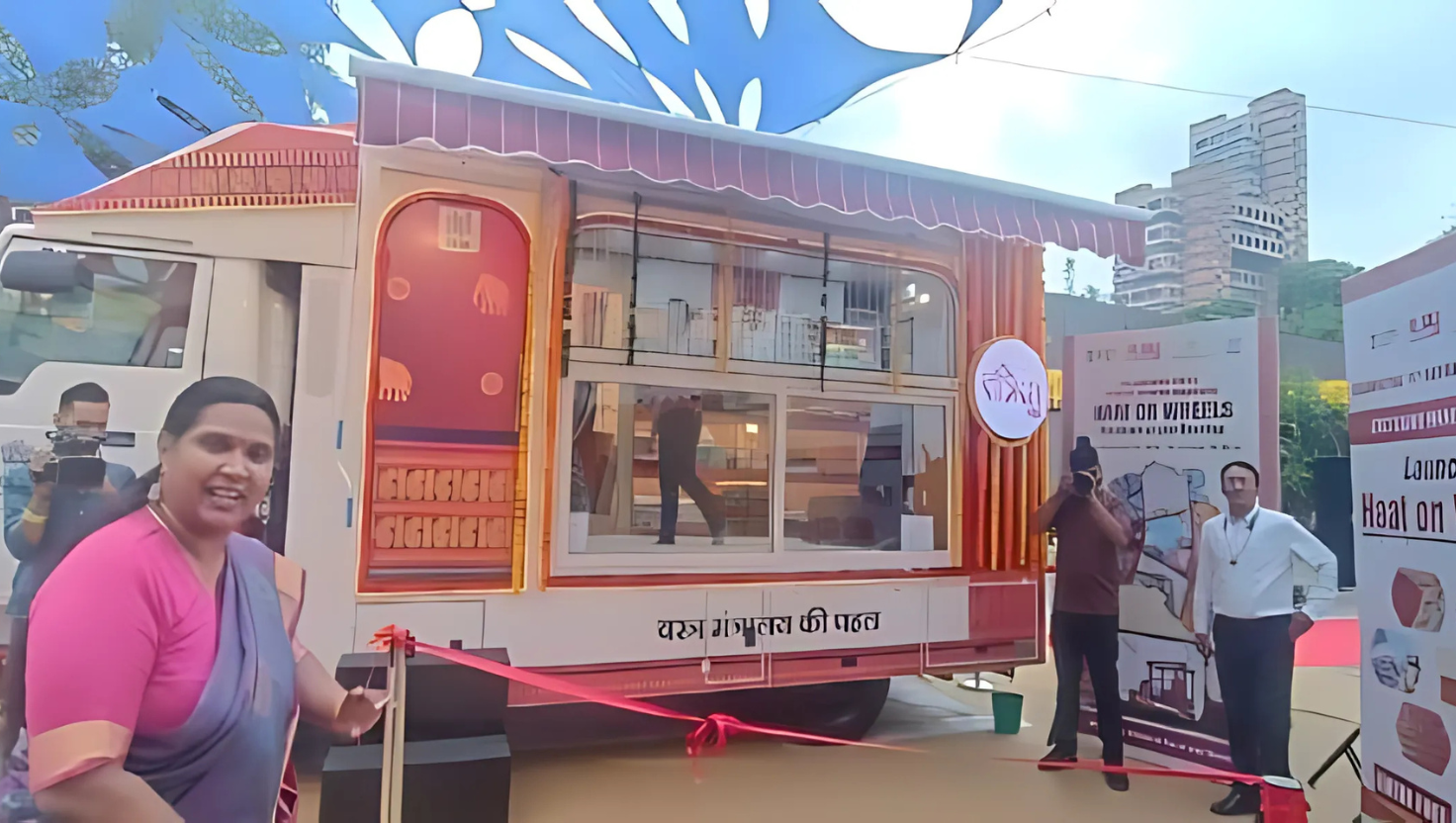
Haat on Wheels brings 116 regional weaves to urban buyers via mobile vans, boosting weavers’ income and promoting India’s handloom heritage.

27 States approved for PM Ekta Malls to promote ODOP, GI, and handicraft products with ₹4,795 Cr sanctioned under the SASCI scheme.
The government has approved ₹2,000 crore for NCDC to boost cooperative-led rural development, focusing on agriculture, allied sectors, and job creation.
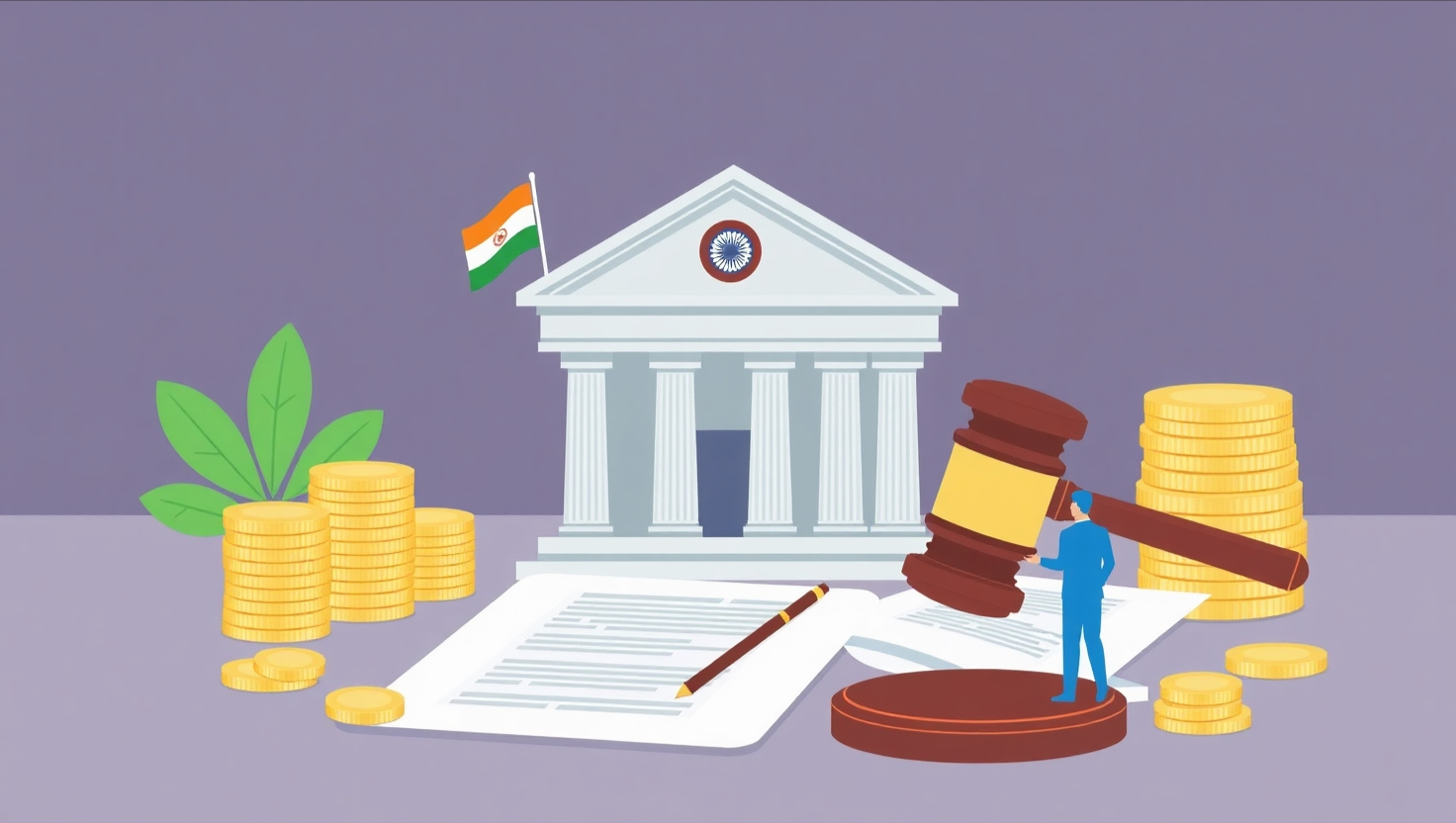
The Banking Laws (Amendment) Act, 2025 brings key reforms in governance, audit, depositor protection, and cooperative bank regulation.
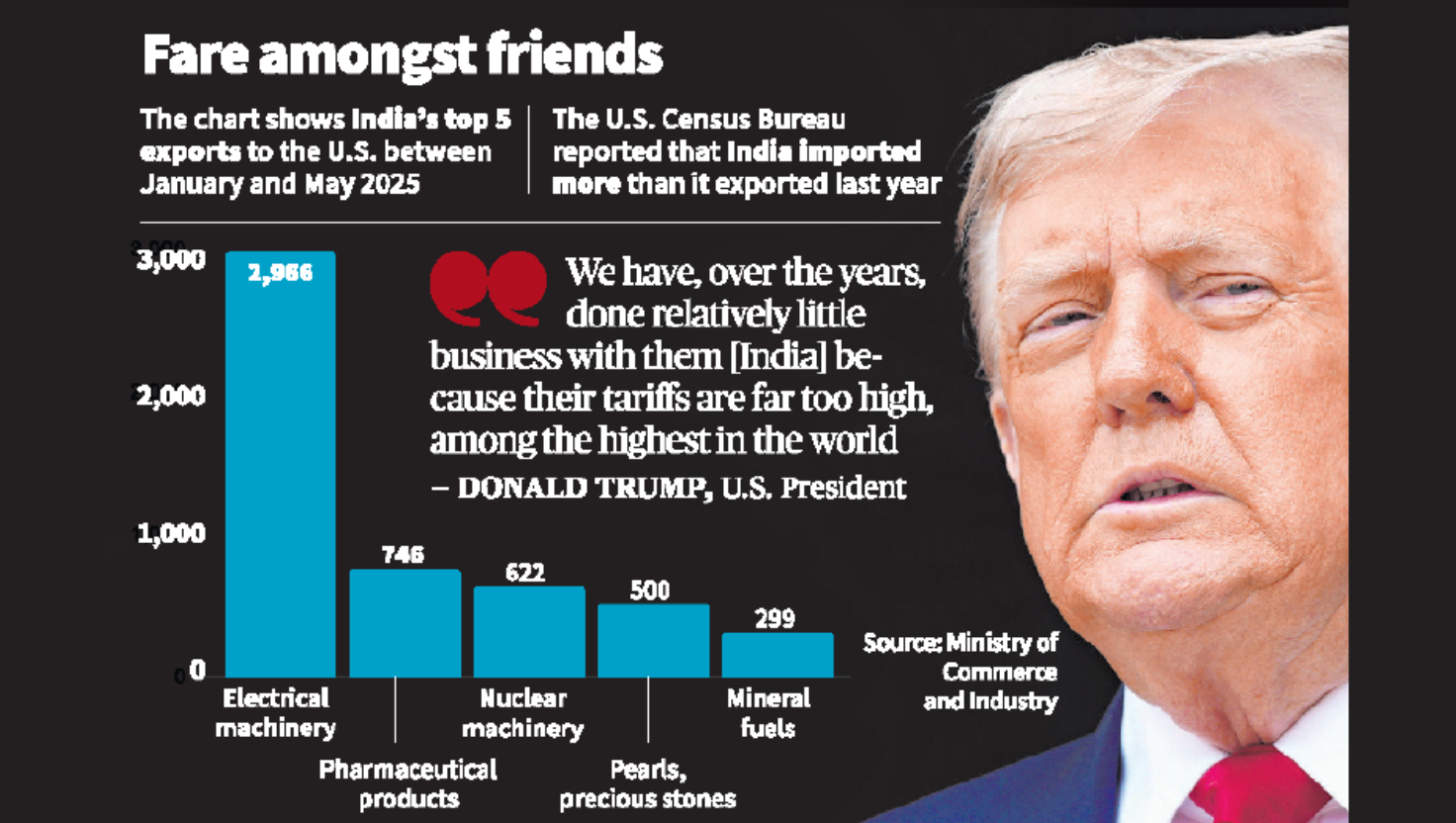
The U.S. has imposed a 25% tariff on Indian imports, citing trade imbalance and India’s continued defence and energy ties with Russia.
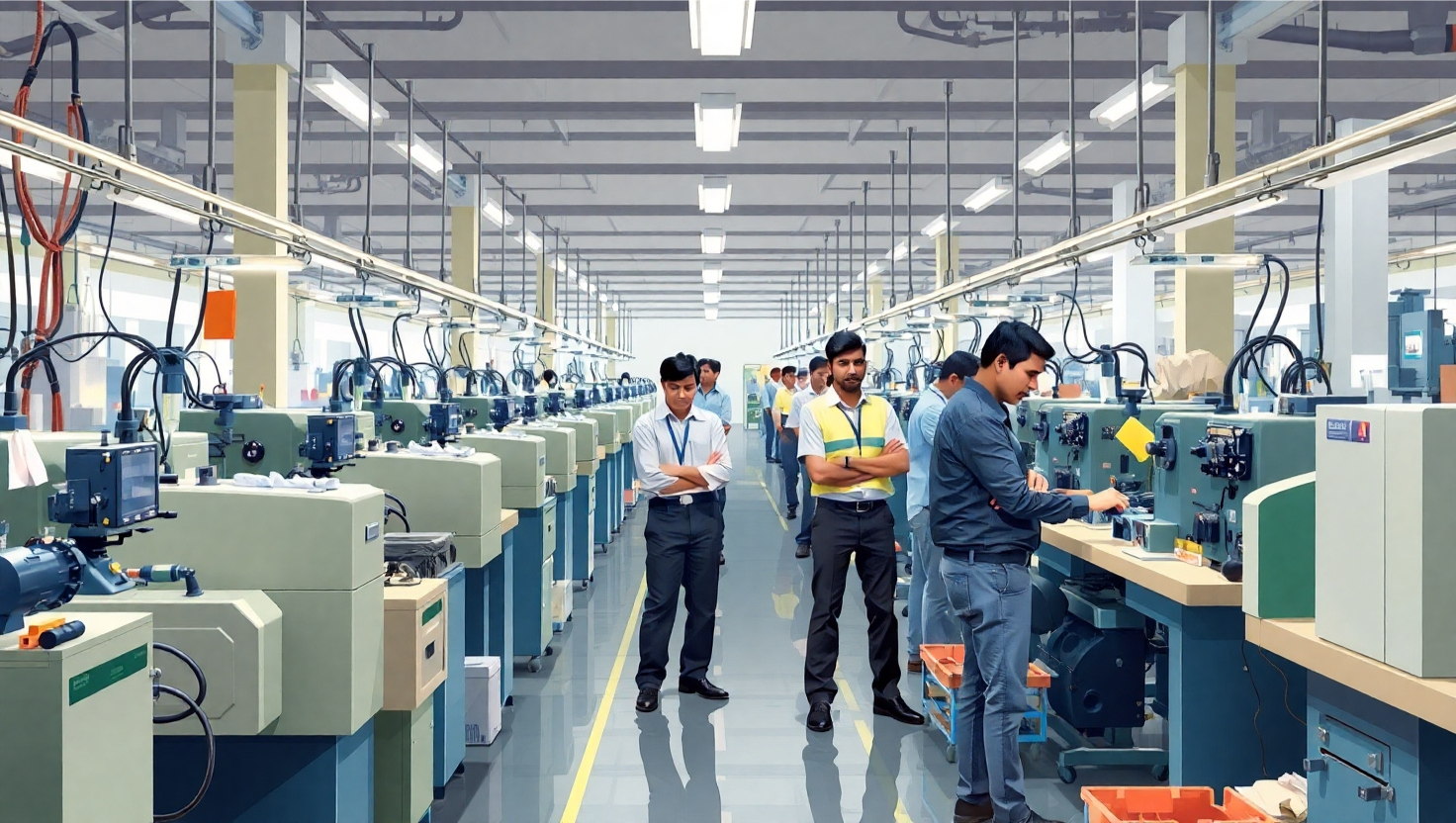
Rising contractualisation in India’s formal manufacturing sector is reducing productivity, widening wage gaps, and weakening long-term workforce quality.

Catastrophe Bonds (Cat Bonds) are high-risk, high-return financial instruments that transfer disaster-related risks to global capital markets.
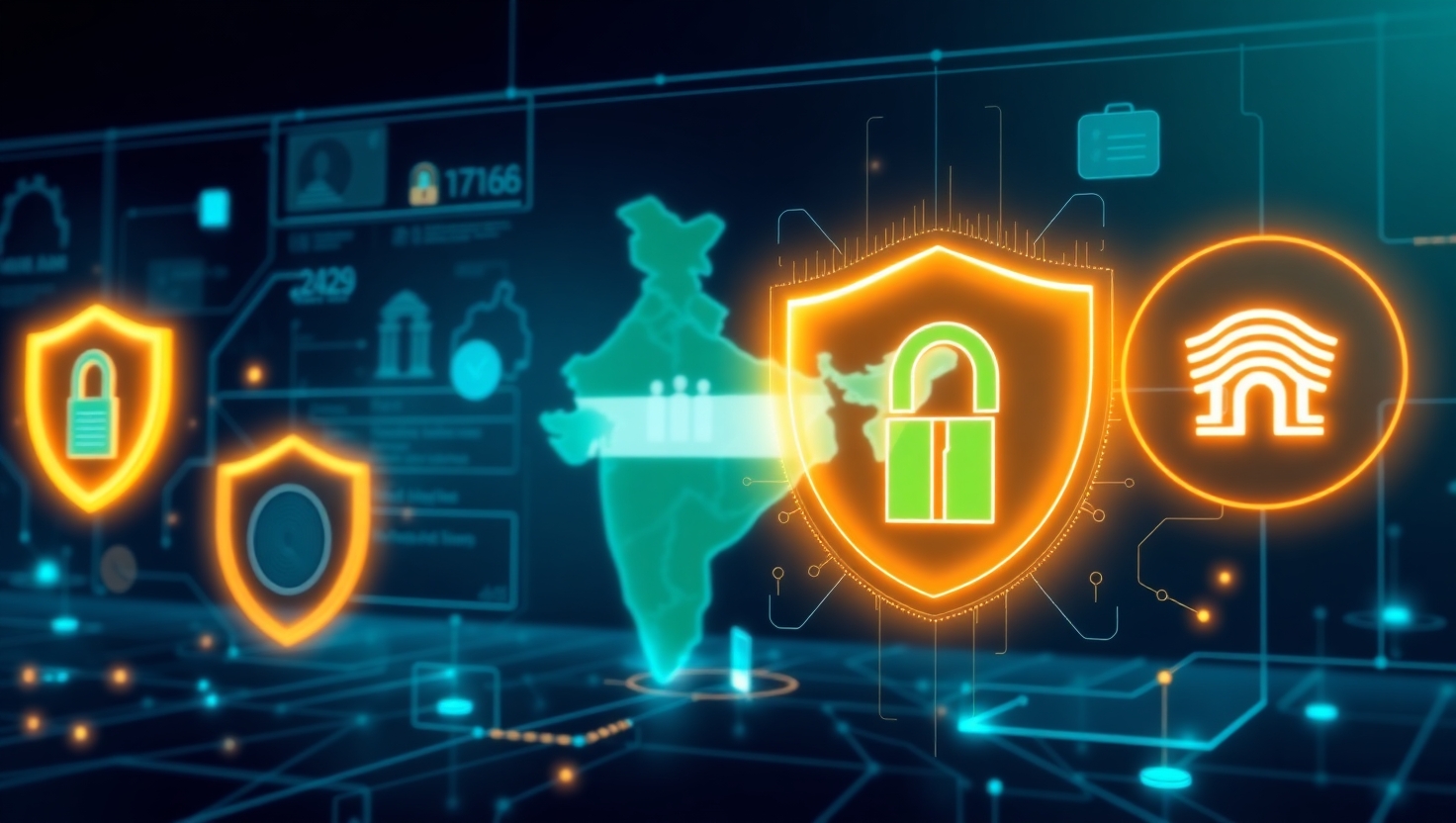
Why In News: Digital Payment Intelligence Platform The Reserve Bank of India (RBI), along with public and private sector banks, is working on the development of a Digital Payment Intelligence Platform (DPIP). This platform will function as a Digital Public Infrastructure (DPI) to strengthen the security and trust in digital payments. What is Digital Public Infrastructure (DPI)? DPI refers to essential digital systems that are: These systems support key public services. Examples include Aadhaar, Unified Payments Interface (UPI), and DigiLocker.

BRICS 2026: Explore the 18th BRICS Summit in New Delhi,
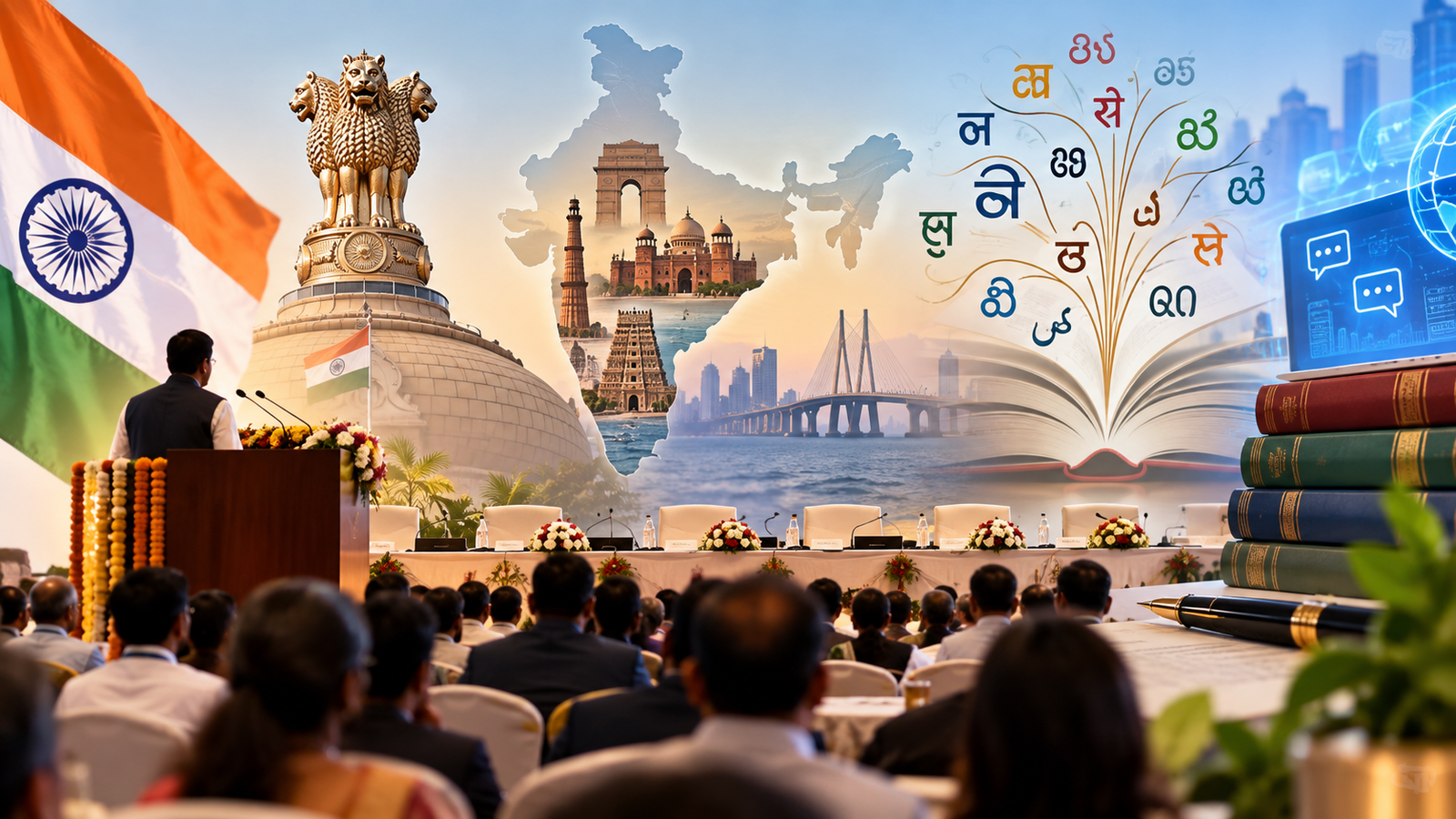
6th All India Official Language Conference 2026 in Navi Mumbai:
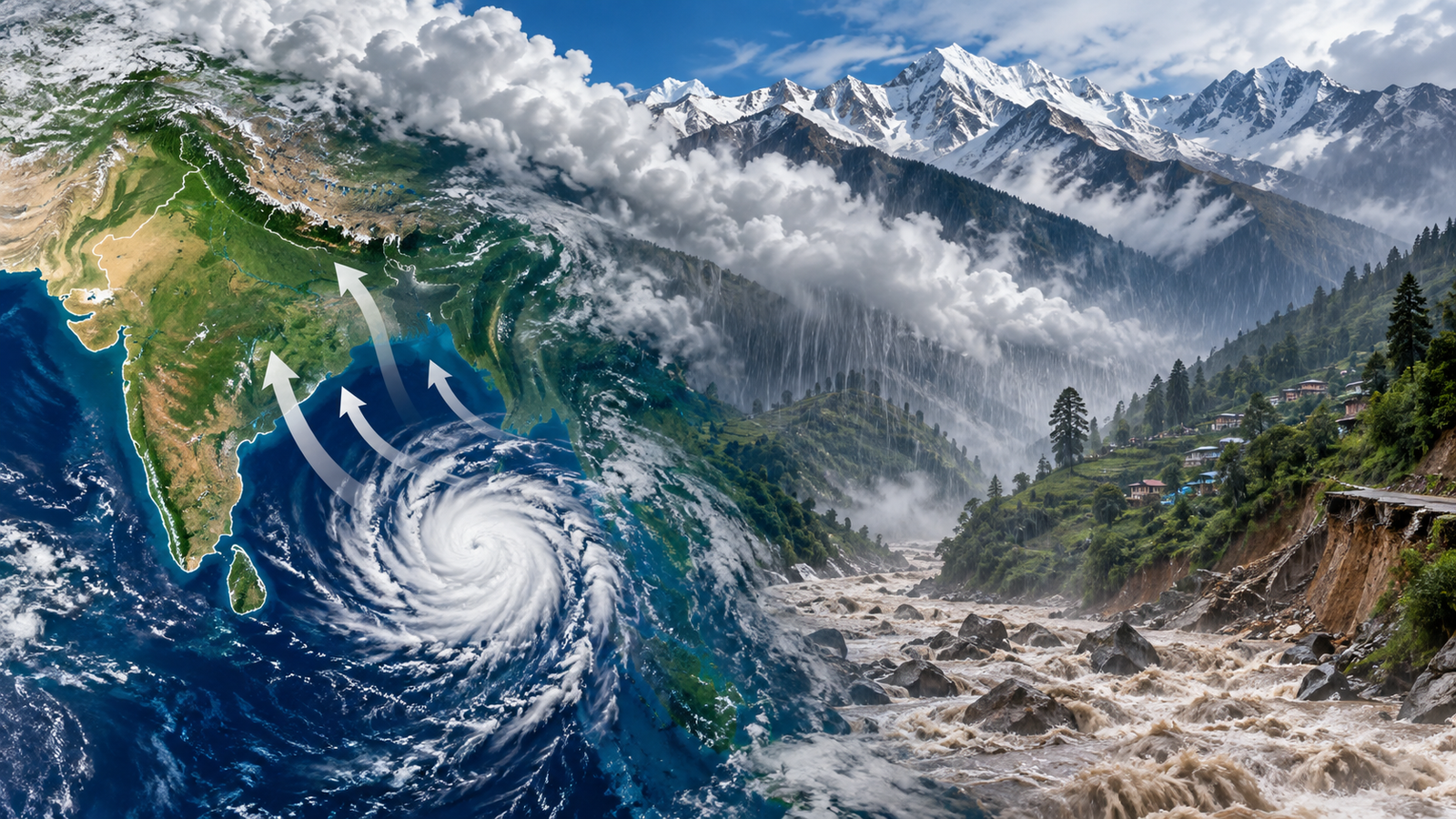
Discover how Bay of Bengal low-pressure systems shape India’s monsoon,
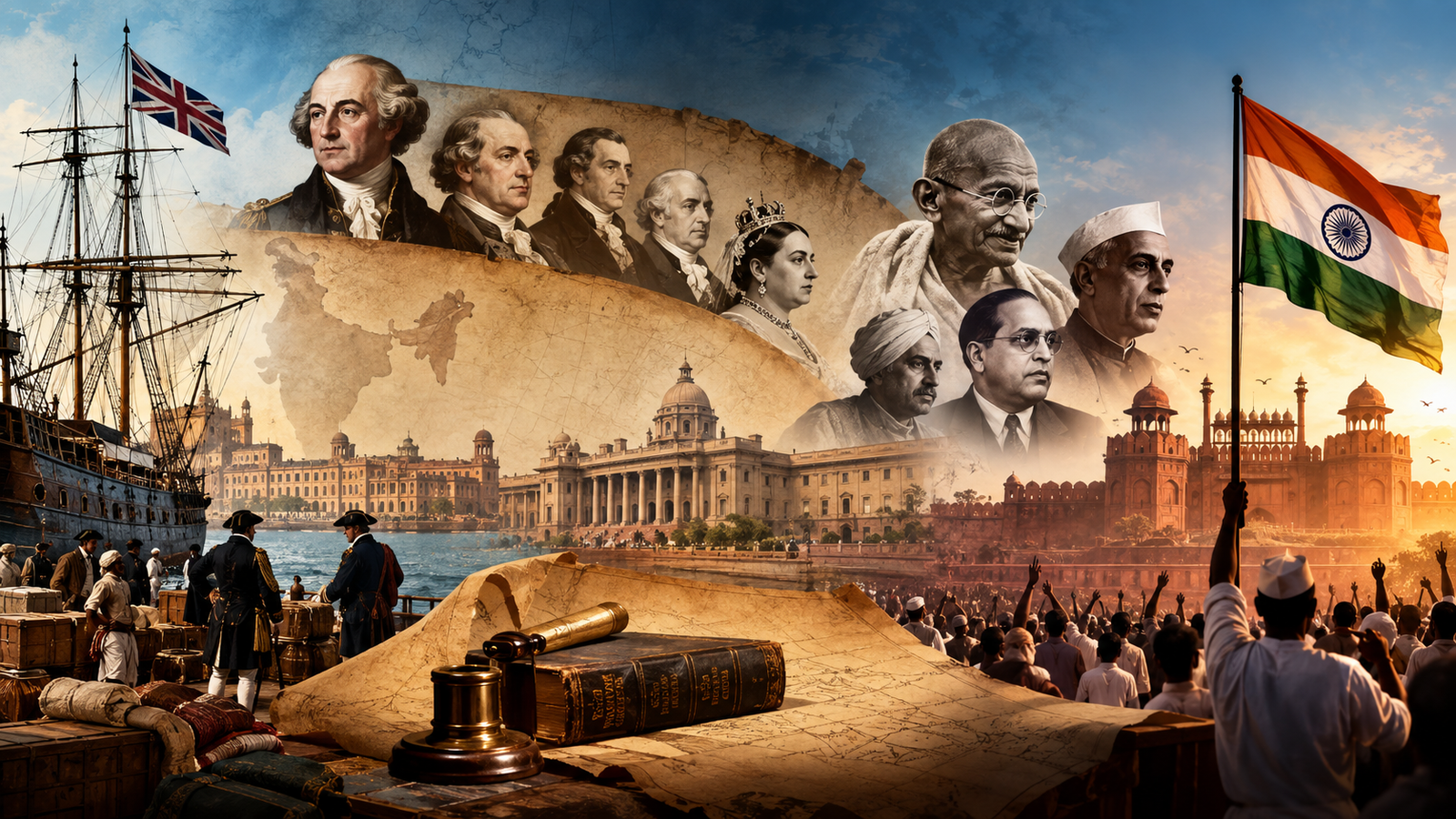
Explore the constitutional evolution of India from East India Company

Yojana June 2026 explores India’s journey towards a Naxal-free Bharat,
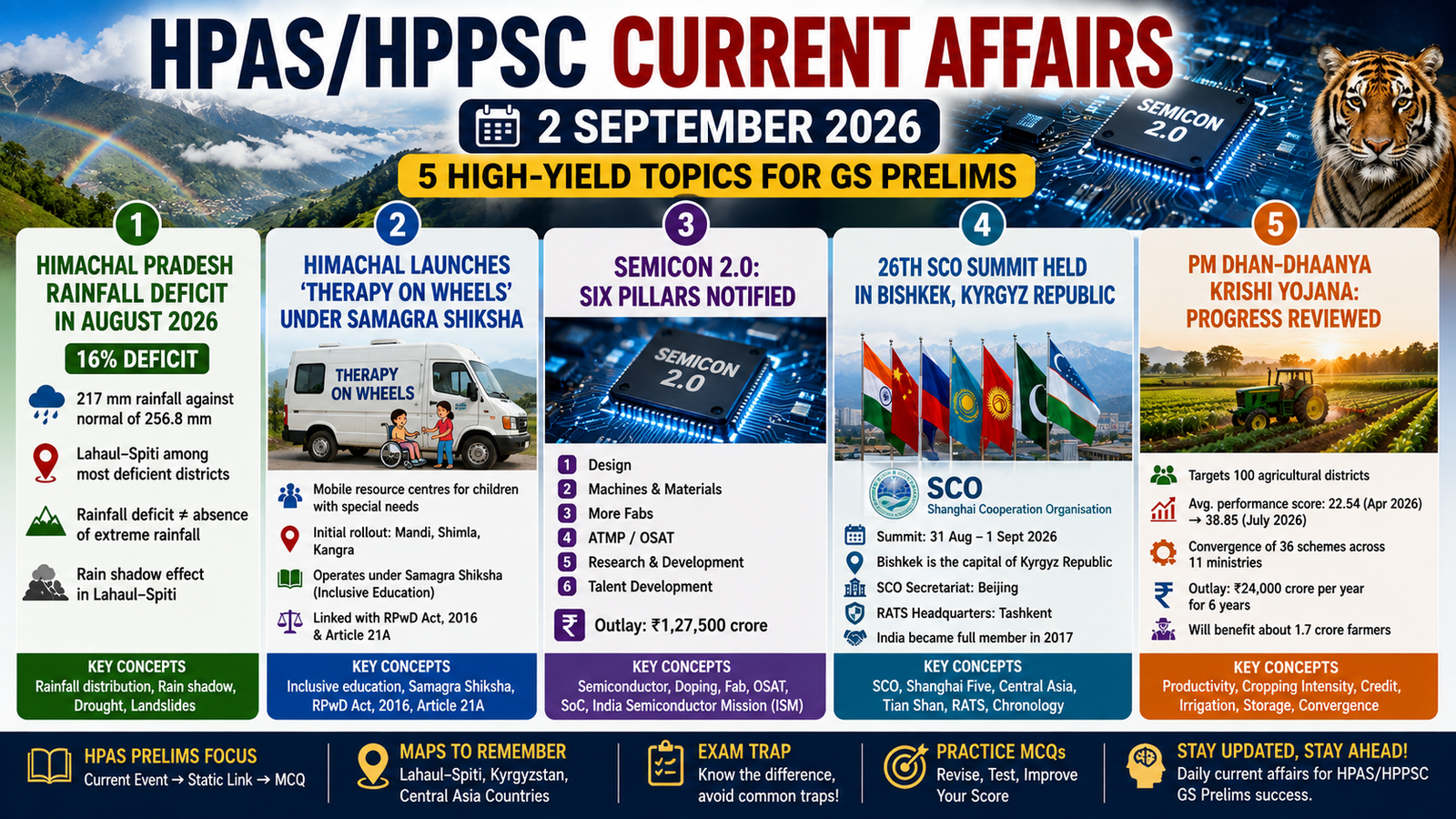
HPAS/HPPSC Current Affairs 2 September 2026: Himachal rainfall deficit, Therapy