

The 8th Central Pay Commission (CPC)
The 8th Central Pay Commission (CPC) will revise pay, pensions, and allowances for government employees from January 2026.
The 8th Central Pay Commission (CPC) will revise pay, pensions, and allowances for government employees from January 2026.

India’s Forex Reserves hit a record high, driven by rising gold holdings and RBI’s prudent management, strengthening currency stability and economic resilience.

NITI Aayog’s report outlines a roadmap for sustainable deep-sea and offshore fisheries, boosting exports, livelihoods, and India’s Blue Economy.
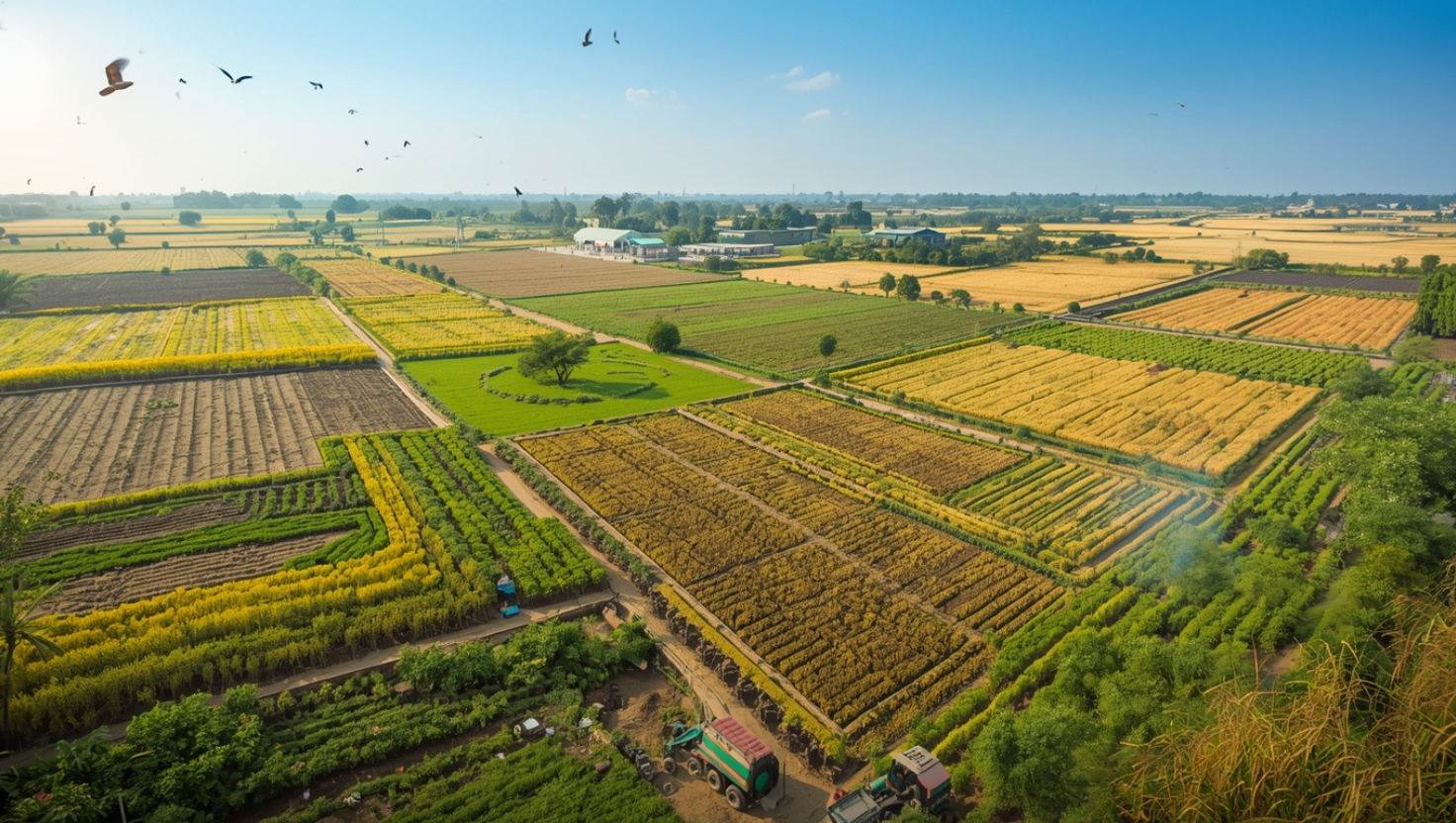
PM launches Mission for Aatmanirbharta in Pulses (2025–31) to boost production to 350 lakh tonnes, ensure MSP, expand cultivation, and enhance farmer incomes.

IBC completes nine years, resolving ₹26 lakh crore debt and cutting NPAs to record lows, strengthening India’s credit and corporate governance.

Educated unemployment in India reveals a deep skill-job mismatch, risking the loss of its demographic dividend.
FUNDAMENTALS OF ECONOMICS: An easy guide covering systems, growth, poverty, inflation, policies, and key concepts for clear understanding

India’s Digital Economy faces rising cyber frauds; stronger policing, bank vigilance, and digital awareness are key to building online trust.

The Weakening Rupee in 2025 reflects trade imbalances and weak capital flows, raising inflation risks but offering export competitiveness.
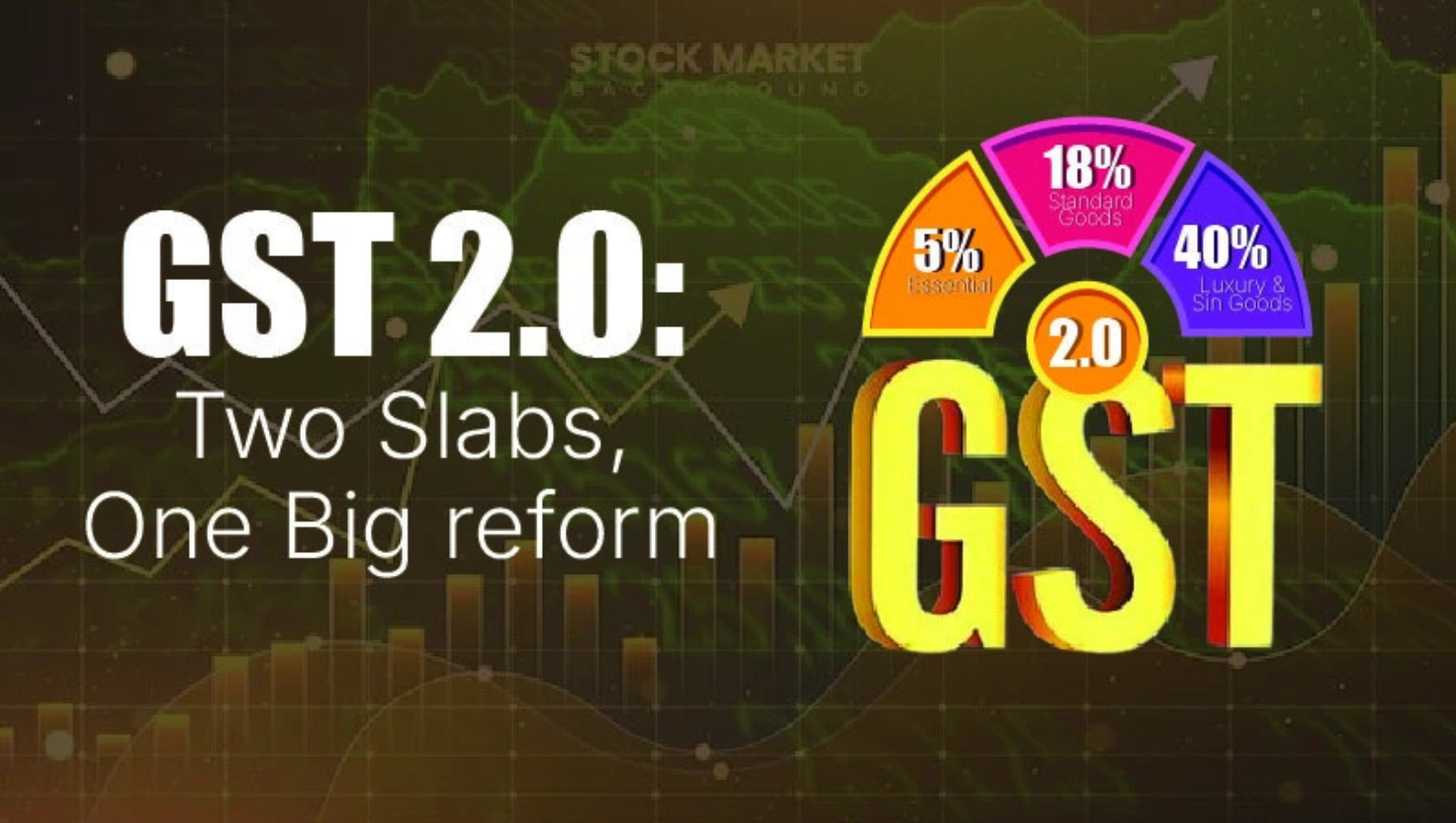
GST 2.0 simplifies tax slabs, lowers rates on essentials, boosts consumption, and encourages investment across key sectors.

Excerpt: UNESCO has added three Indian sites to its Tentative

Explore ICMR-CHAMP at Keylong, Himachal Pradesh—its objectives, research areas, importance

Himachal Pradesh High Court halts forest road construction and tarring

Mission for Aatmanirbharta in Pulses 2026: Explore the ₹11,440 crore

Living Planet Report 2026: Explore the 73% decline in monitored

India AI Regulation 2026: Understand the proposed AI regulatory framework,