
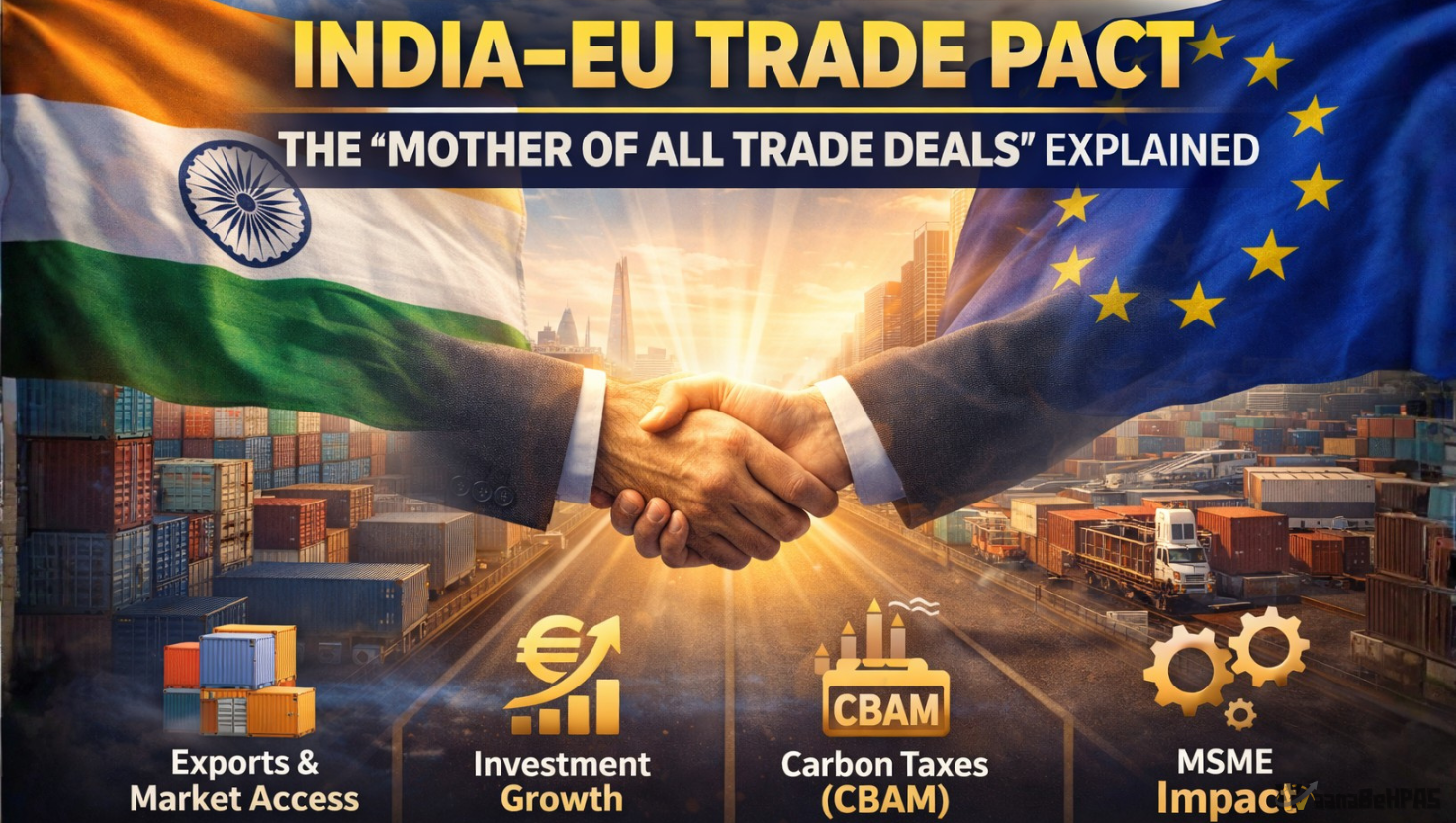
India–EU FTA 2026: Trade Diplomacy and Economic Opportunities
The India–EU trade pact, called the “mother of all trade deals,” aims to boost exports, investment and supply chains while addressing CBAM, services access and MSME competitiveness.
The India–EU trade pact, called the “mother of all trade deals,” aims to boost exports, investment and supply chains while addressing CBAM, services access and MSME competitiveness.
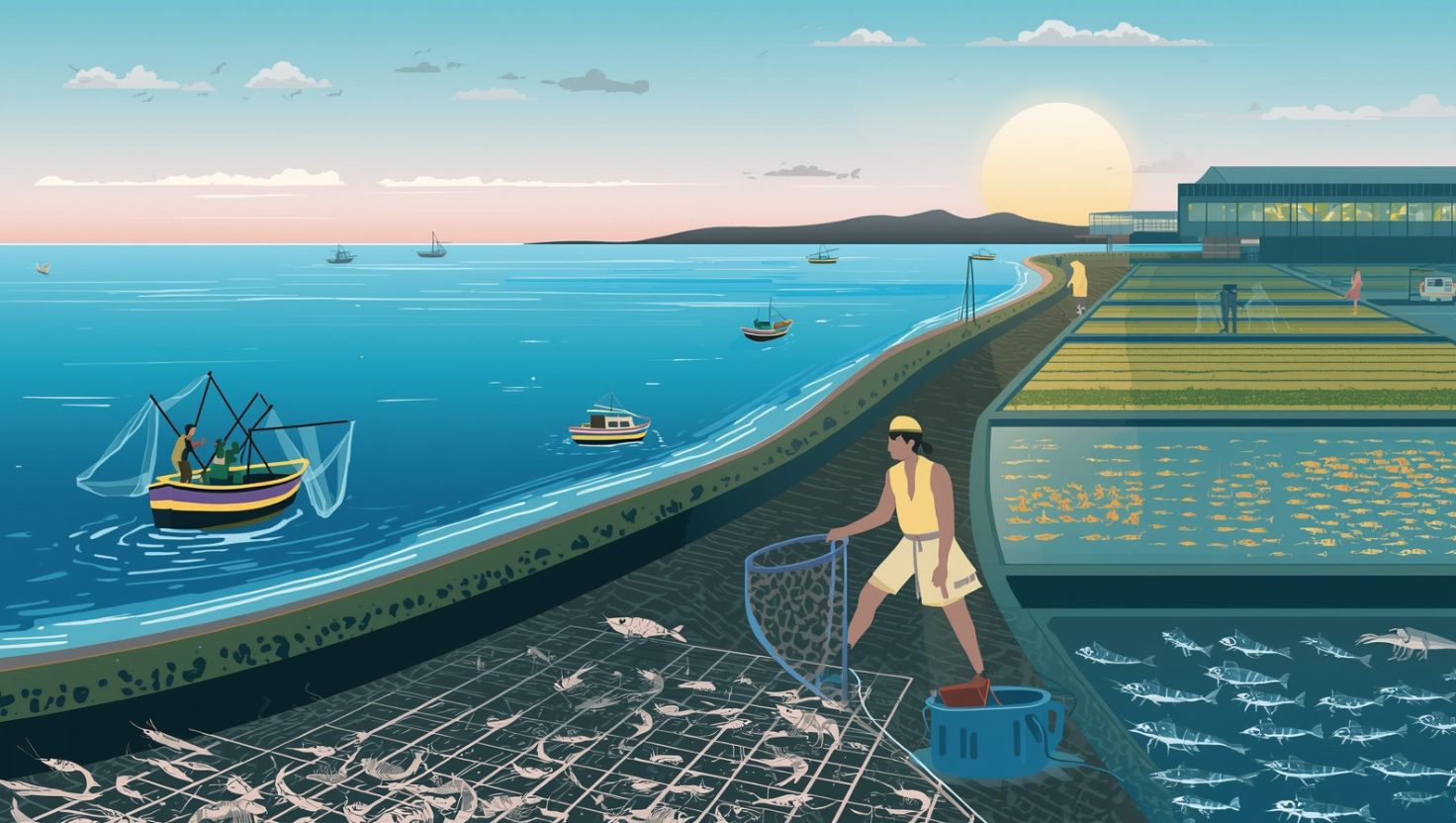
India’s fisheries and aquaculture sector is growing rapidly, driven by inland production, exports, and new policies supporting a sustainable blue economy.

The Wholesale Price Index (WPI) tracks bulk price changes in goods, helping assess wholesale inflation and supply-demand trends in India’s economy.

Core inflation tracks long-term price trends by excluding volatile food and fuel costs. It helps central banks assess demand pressures and set effective monetary policy.
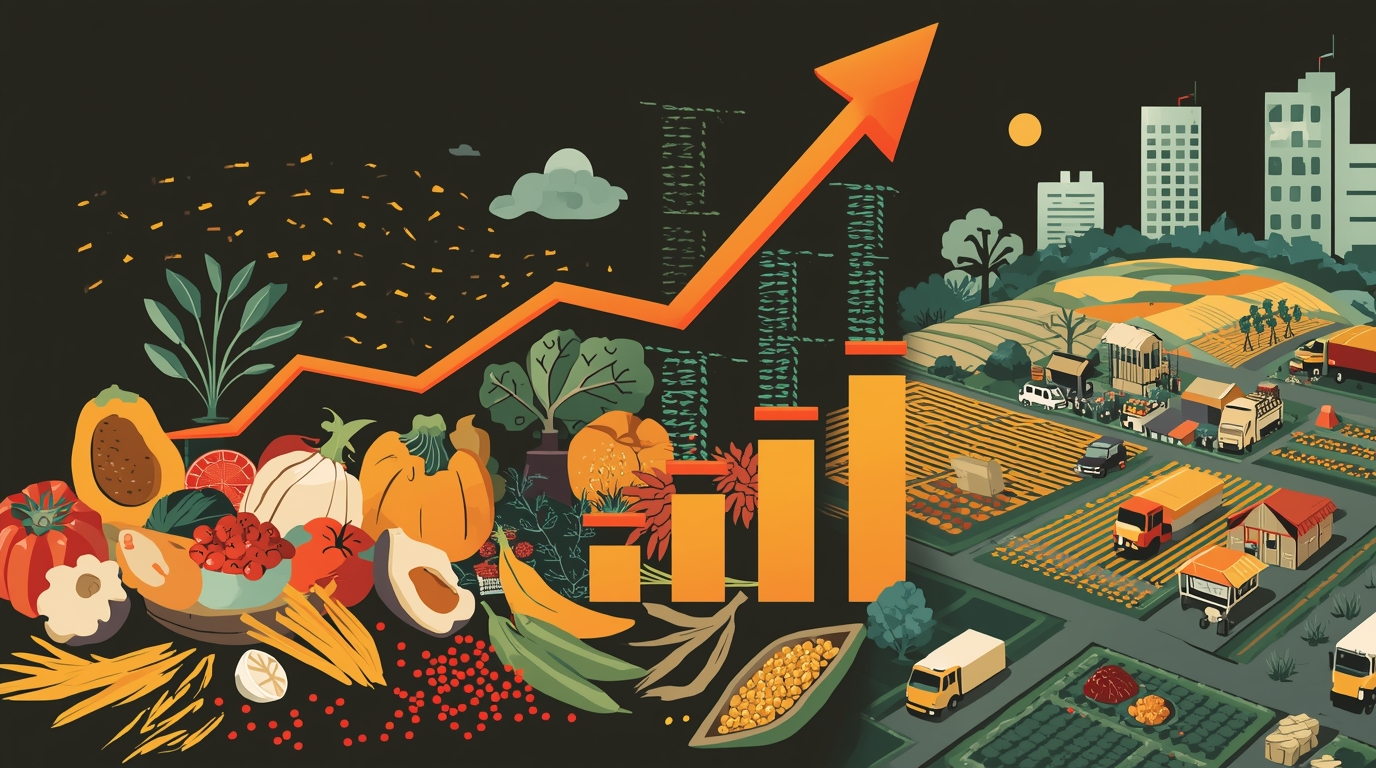
Food inflation in India remains volatile despite easing headline inflation, driven by weather shocks, supply disruptions, and rising costs of key food items.
India’s CPI inflation for FY 2024-25 remained moderate, driven by easing core inflation but pressured by food prices, keeping inflation within RBI’s target band.

India Skills Report 2026 shows employability rising to 56.35%, driven by tech skills, women’s participation, and a growing shift toward a skills-first workforce.

Bharat Taxi, India’s first cooperative cab service, empowers drivers as owners, ensuring fair income, transparency, and affordable mobility.

India’s economy rests on primary, secondary, and tertiary sectors, with growing focus on technology-driven quaternary and policy-led quinary sectors.

The 8th Central Pay Commission (CPC) will revise pay, pensions, and allowances for government employees from January 2026.
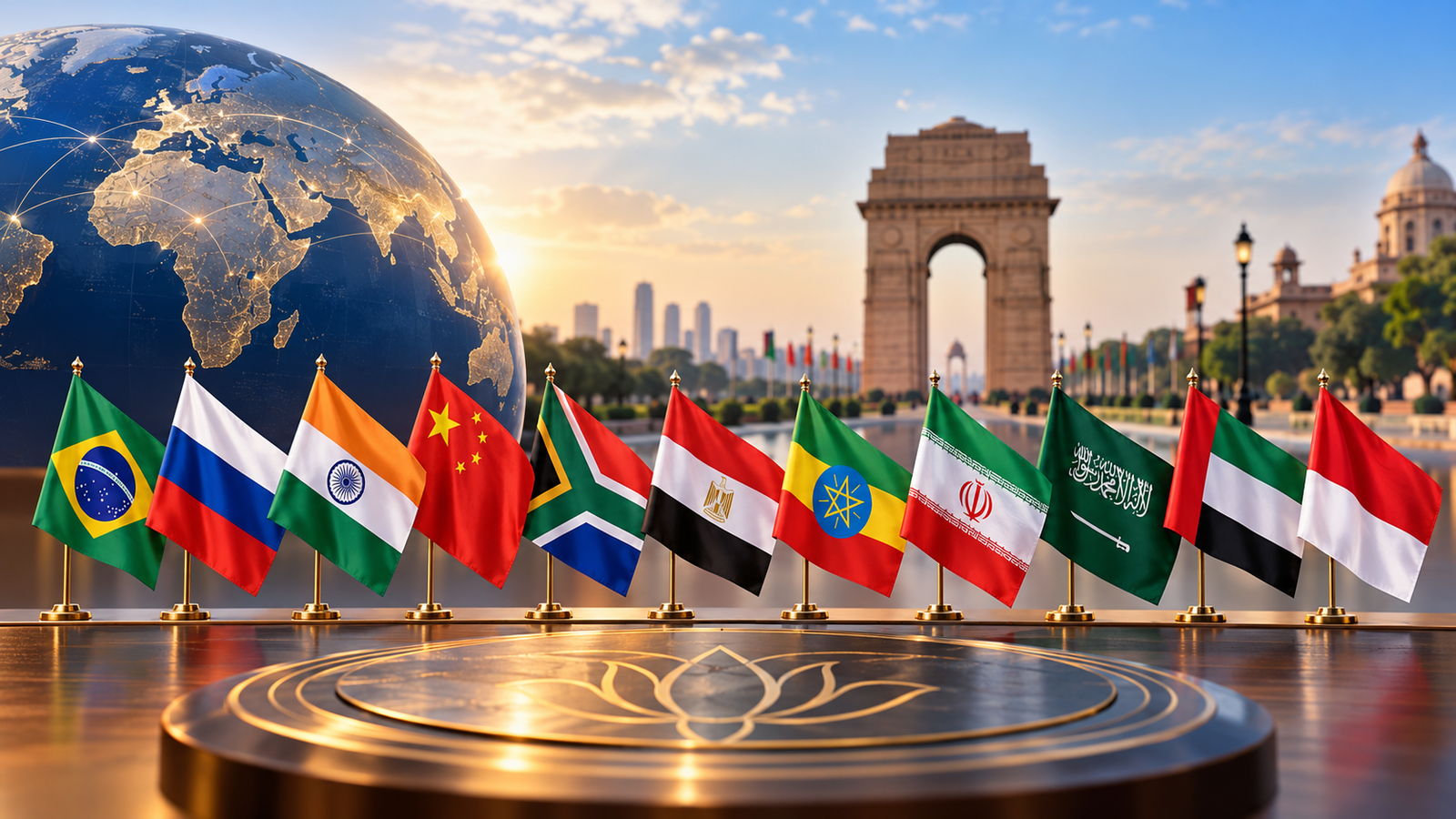
BRICS 2026: Explore the 18th BRICS Summit in New Delhi,
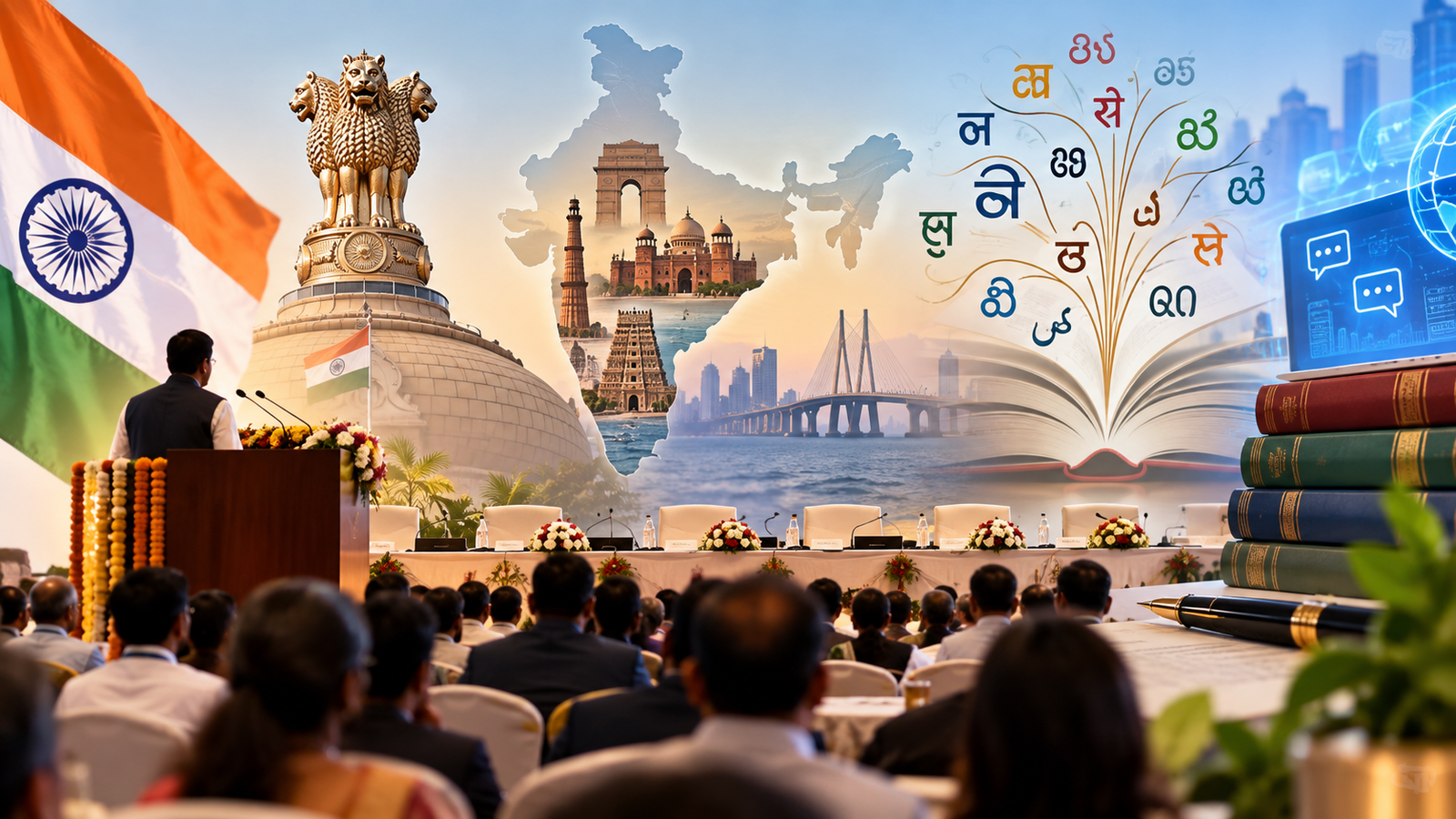
6th All India Official Language Conference 2026 in Navi Mumbai:

Discover how Bay of Bengal low-pressure systems shape India’s monsoon,
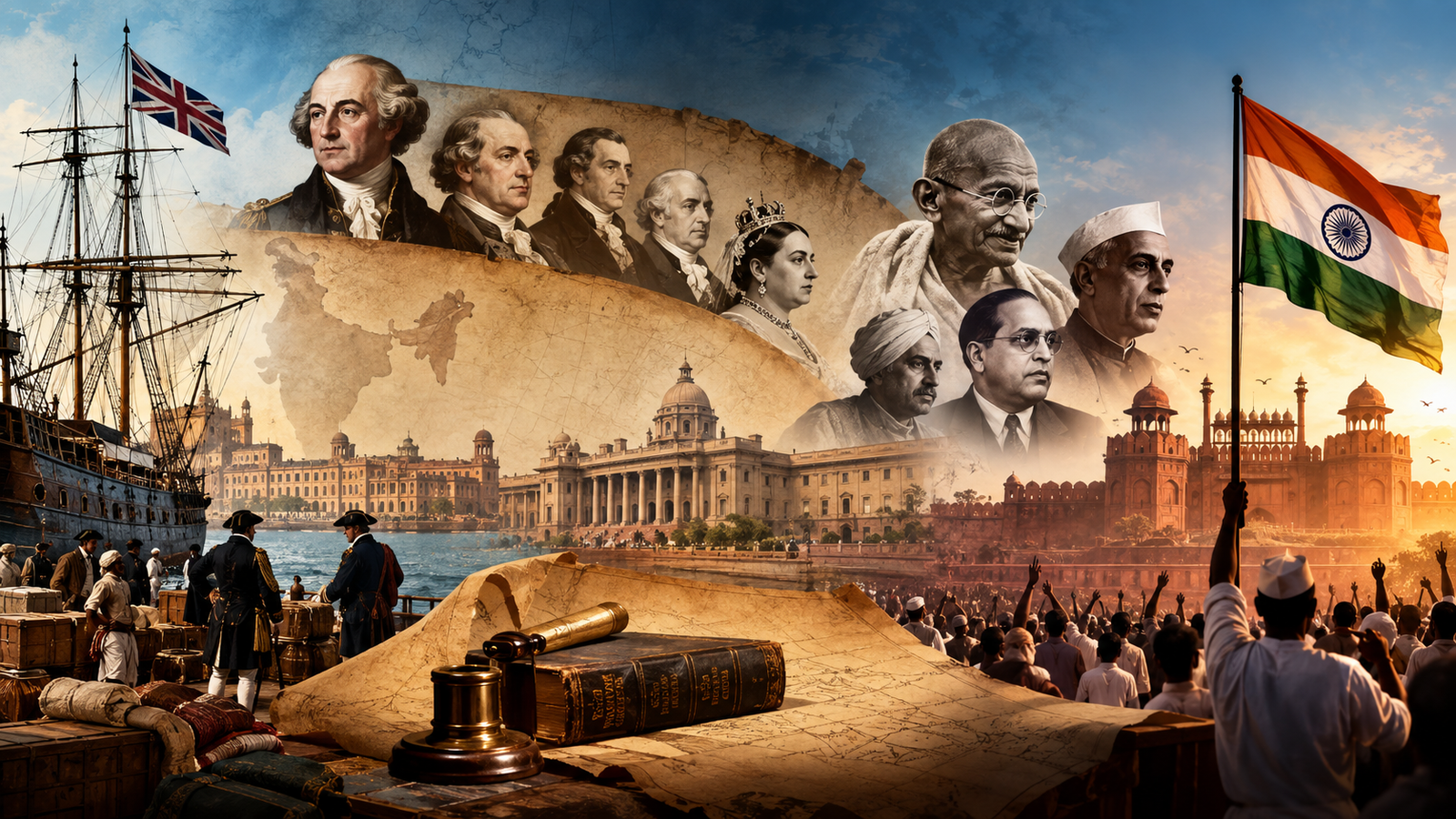
Explore the constitutional evolution of India from East India Company

Yojana June 2026 explores India’s journey towards a Naxal-free Bharat,
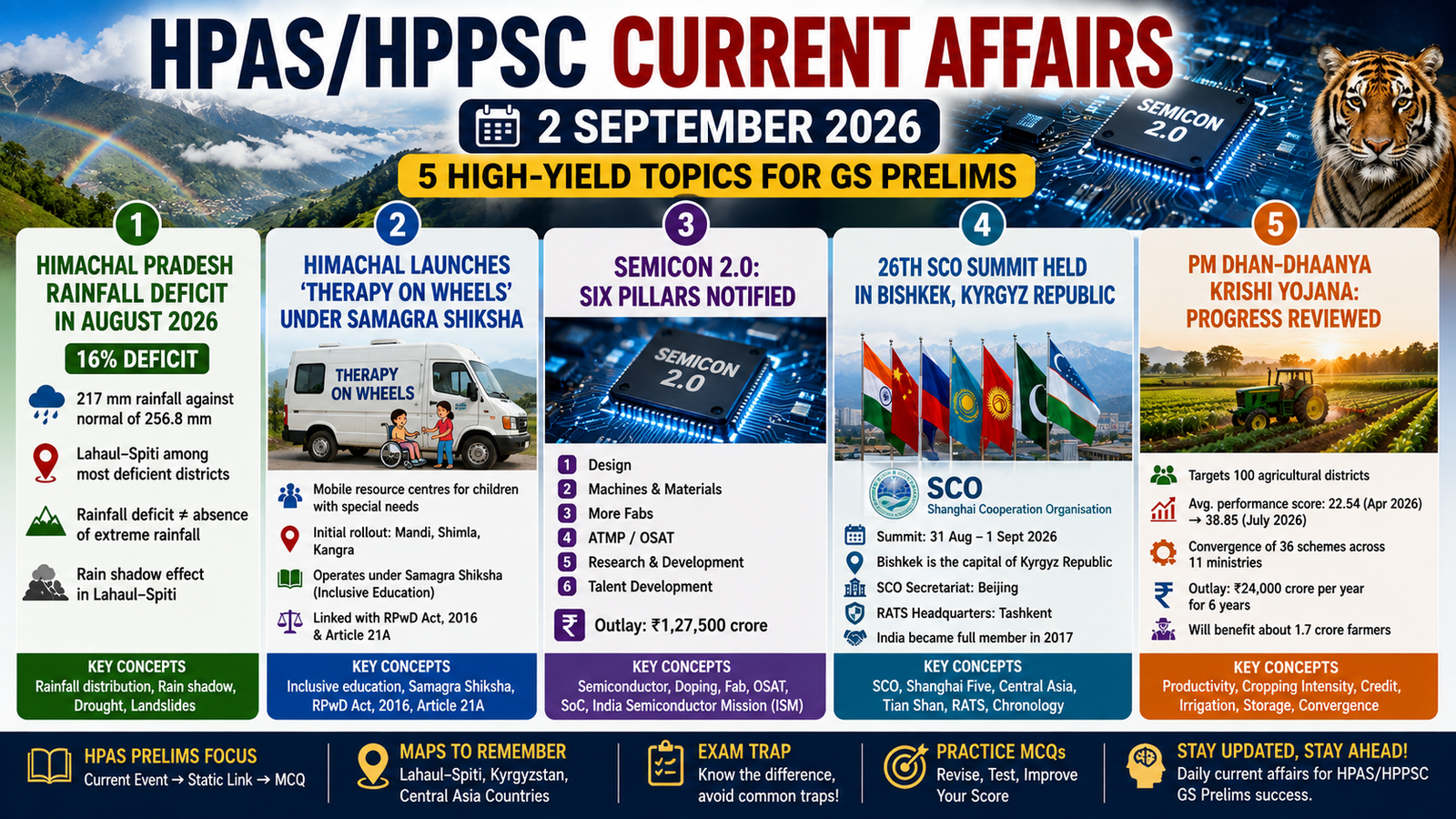
HPAS/HPPSC Current Affairs 2 September 2026: Himachal rainfall deficit, Therapy