
82nd Amendment (2000)
The 81st and 82nd Amendments strengthened SC/ST representation by allowing carry-forward of reserved vacancies and relaxing promotion standards.
The 81st and 82nd Amendments strengthened SC/ST representation by allowing carry-forward of reserved vacancies and relaxing promotion standards.

The 81st Amendment Bill, 1996 proposed one-third reservation for women in Parliament and State Assemblies, building on earlier local body reforms.
The 77th Amendment (1995) restored reservation in promotions for SCs/STs after the Indra Sawhney ruling, ensuring their adequate representation in government services.

Jyotiba Phule, founder of Satyashodhak Samaj, led early anti-caste and women’s education reforms, shaping India’s modern social justice foundations.

Swami Vivekananda modernised Hinduism, globalised Vedanta and Yoga, founded the Ramakrishna Mission, and inspired India’s national awakening through rational spirituality.

Swami Dayanand Saraswati, founder of Arya Samaj, led major Vedic-based social and religious reforms, opposing idol worship, caste discrimination and social evils.

Raja Ram Mohan Roy, the “Father of Modern India,” led major social and religious reforms like ending Sati, promoting women’s rights and modern education.

Ancient, discontinuous low ranges along east coast; lower rainfall than Western Ghats; cut by major rivers; Jindhagada is highest peak.

The Western Ghats are a UNESCO-listed biodiversity hotspot shaping peninsular India’s climate, rivers, and ecology.

The Satpura Range is a central Indian highland, forming a major physiographic divide between the Narmada and Tapti valleys and the Deccan Plateau.

BRICS 2026: Explore the 18th BRICS Summit in New Delhi,
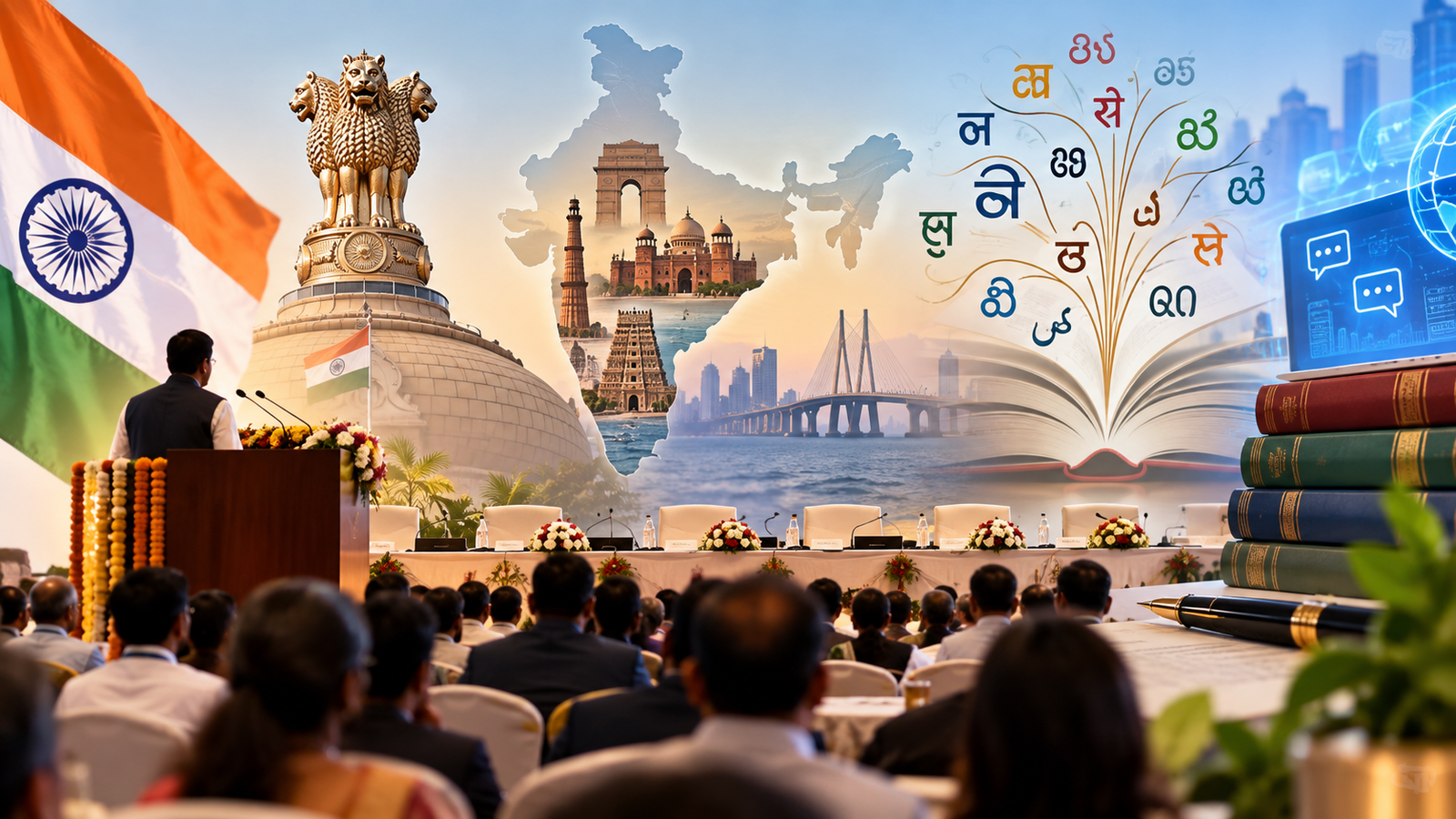
6th All India Official Language Conference 2026 in Navi Mumbai:
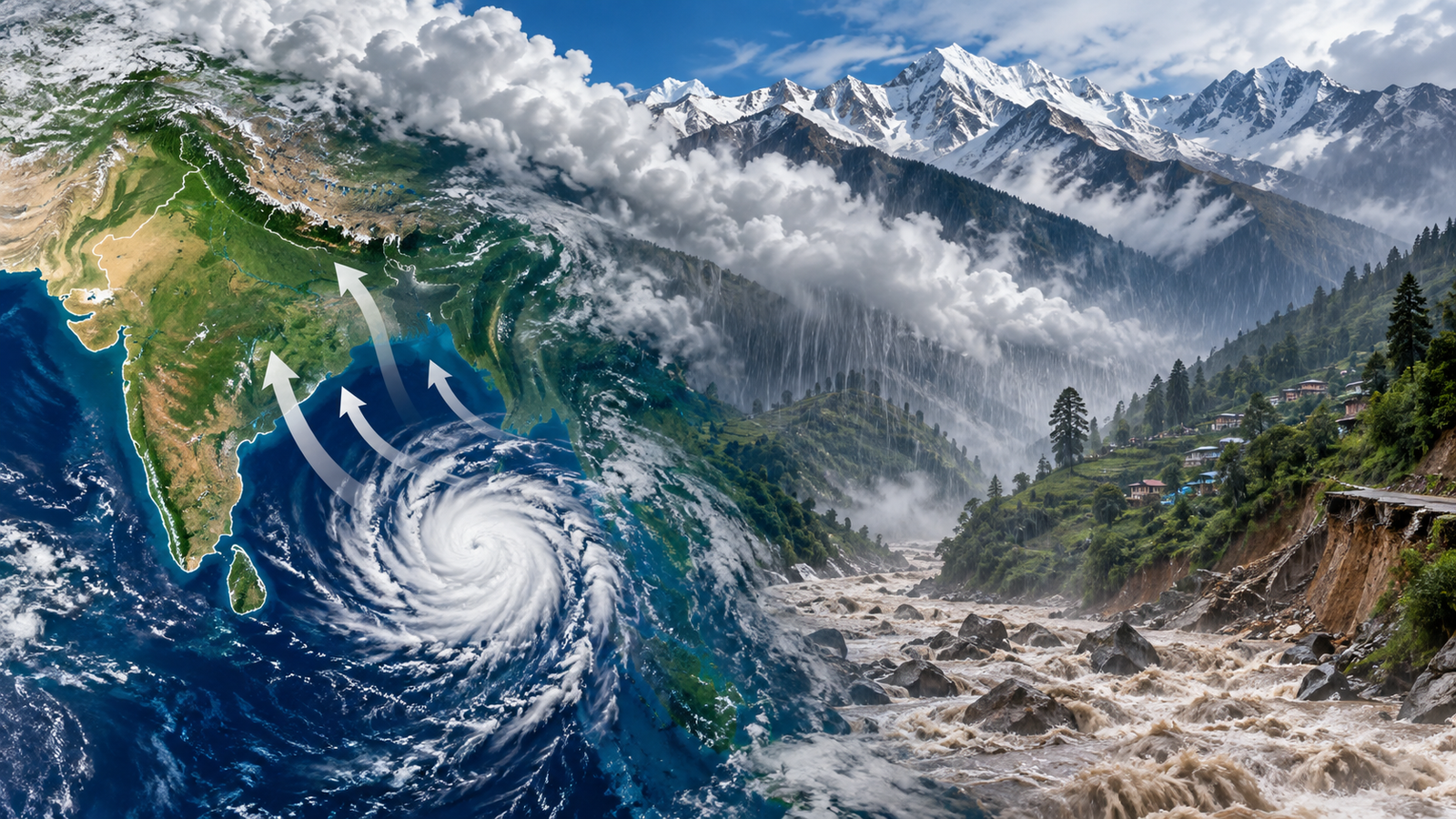
Discover how Bay of Bengal low-pressure systems shape India’s monsoon,
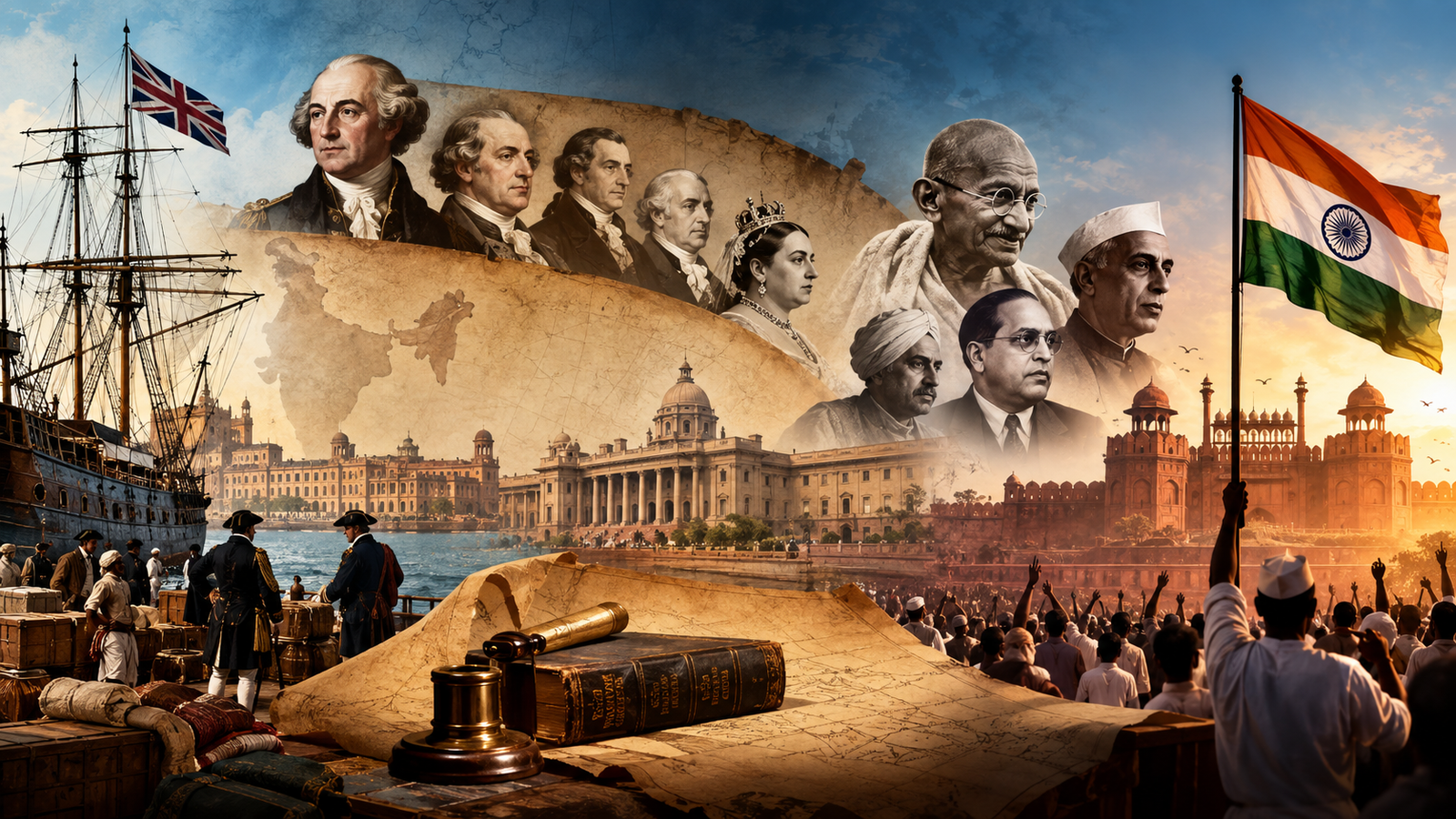
Explore the constitutional evolution of India from East India Company

Yojana June 2026 explores India’s journey towards a Naxal-free Bharat,

HPAS/HPPSC Current Affairs 2 September 2026: Himachal rainfall deficit, Therapy