

Aravalli Range
Aravalli Range is one of Earth’s oldest mountain systems, vital for ecology, water security, biodiversity, and desert-control in western India.
Aravalli Range is one of Earth’s oldest mountain systems, vital for ecology, water security, biodiversity, and desert-control in western India.
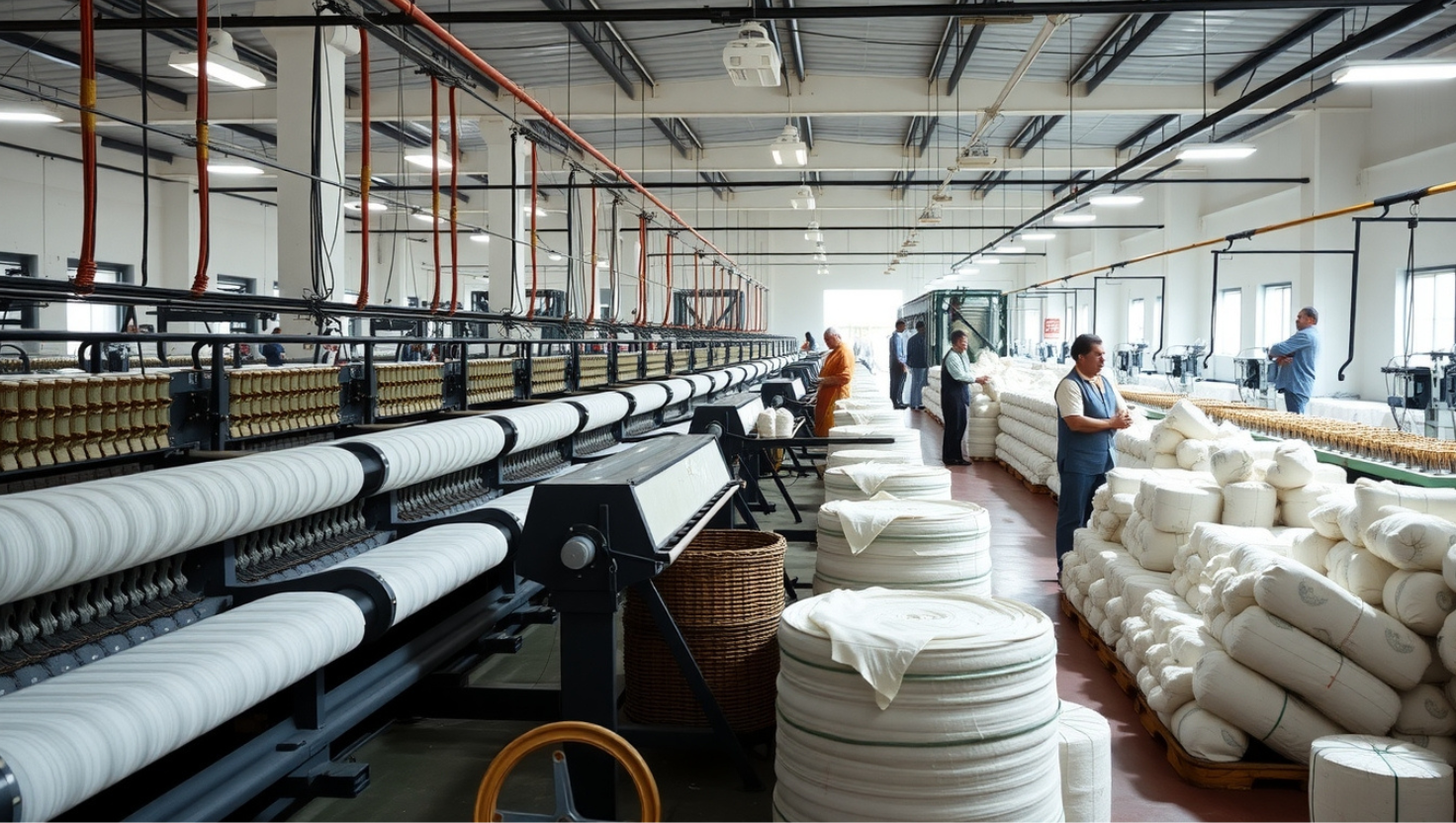
Phagwara’s JCT mill shaped Punjab’s textile sector through its composite operations, export-oriented output, modernization, and strong local economic impact.
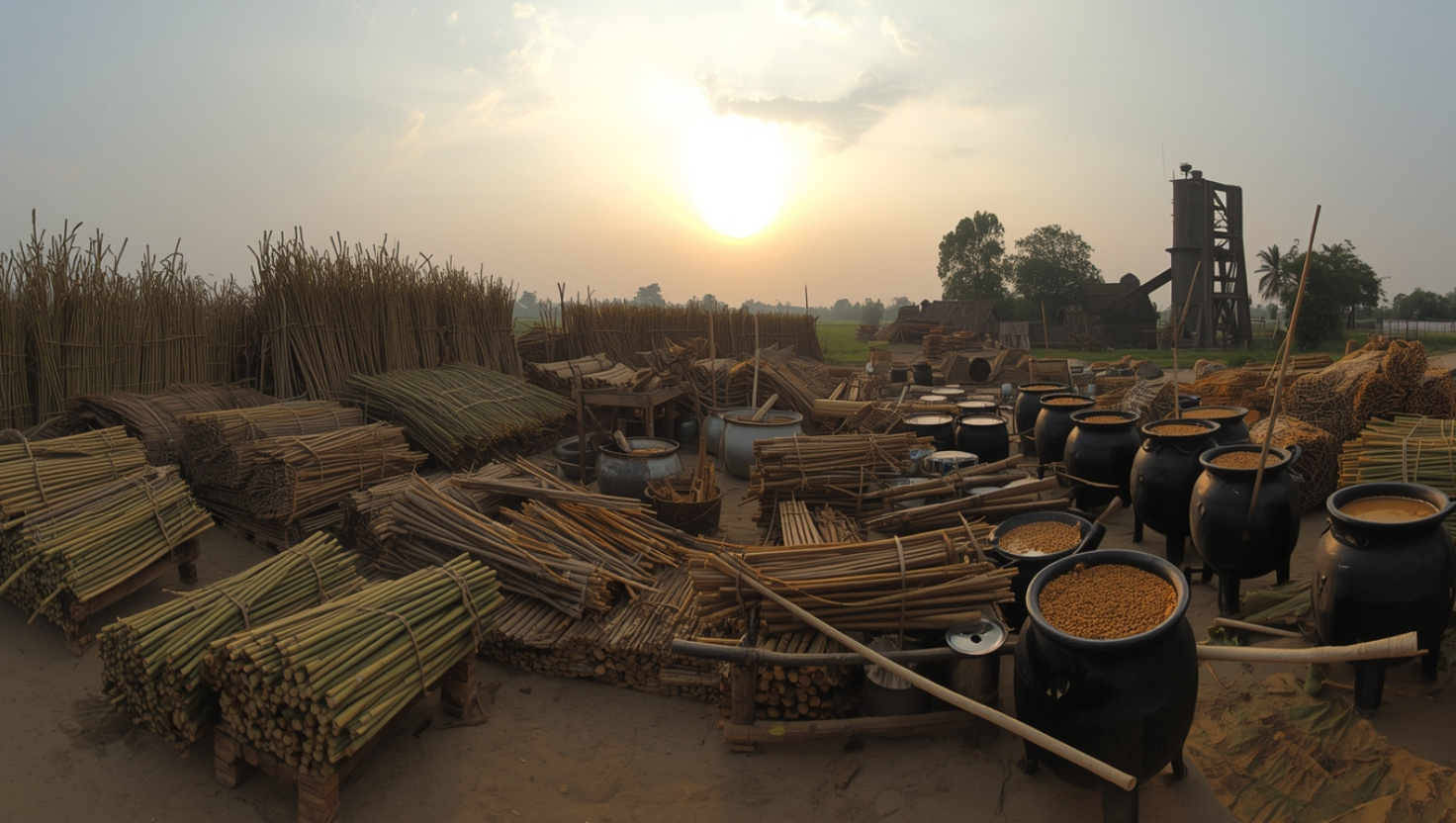
Mandya is a key sugarcane district of Karnataka, anchored by MYSUGAR and supported by strong irrigation, sugar mills, and widespread jaggery units.
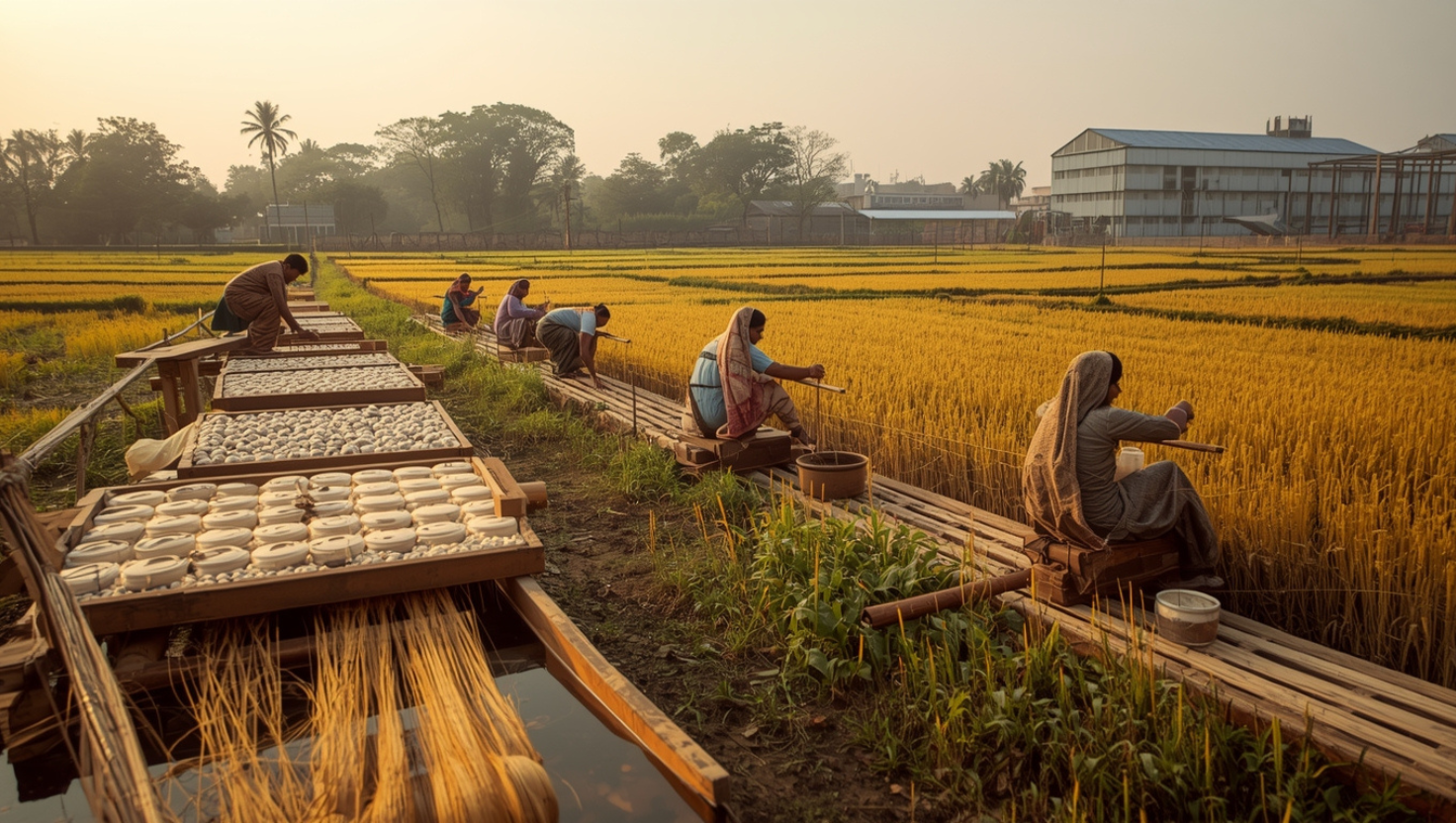
Gokak’s textile sector reflects Karnataka’s leadership in India’s silk industry, driven by strong sericulture, diverse silk varieties, and key government support.
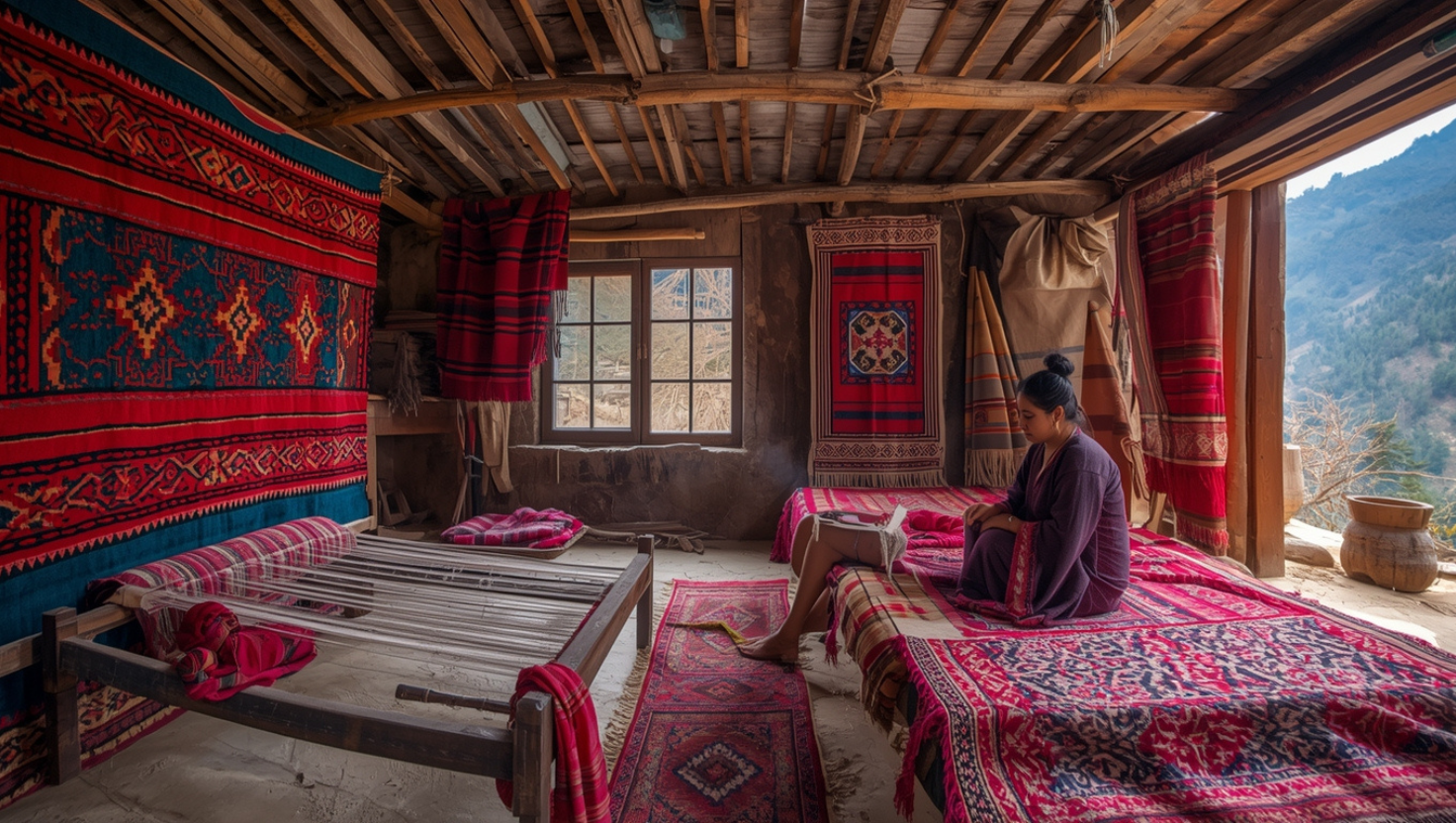
Kullu’s woollen textile industry is famed for its vibrant handloom shawls, sustaining local livelihoods and preserving a rich weaving tradition.

SC held Sri Aurobindo Society not a religious denomination; upheld Auroville Act, 1980 as valid and non-violative of fundamental rights.
Landmark case expanding Article 21; established the Golden Triangle of Articles 14, 19 & 21, ensuring fair, just, and reasonable laws.
The Brij Bhushan case (1950) upheld press freedom, ruling that pre-censorship violates Article 19(1)(a) unless justified by public order.

The 1986 Bijoe Emmanuel vs State of Kerala case upheld the right to freedom of religion and expression, affirming that patriotism cannot be forced.

Chakra Bisoi, nephew of Dora Bisoi, led the Khond rebellion (1840–56) in Odisha against British rule, defending tribal rights and resisting oppression.

BRICS 2026: Explore the 18th BRICS Summit in New Delhi,
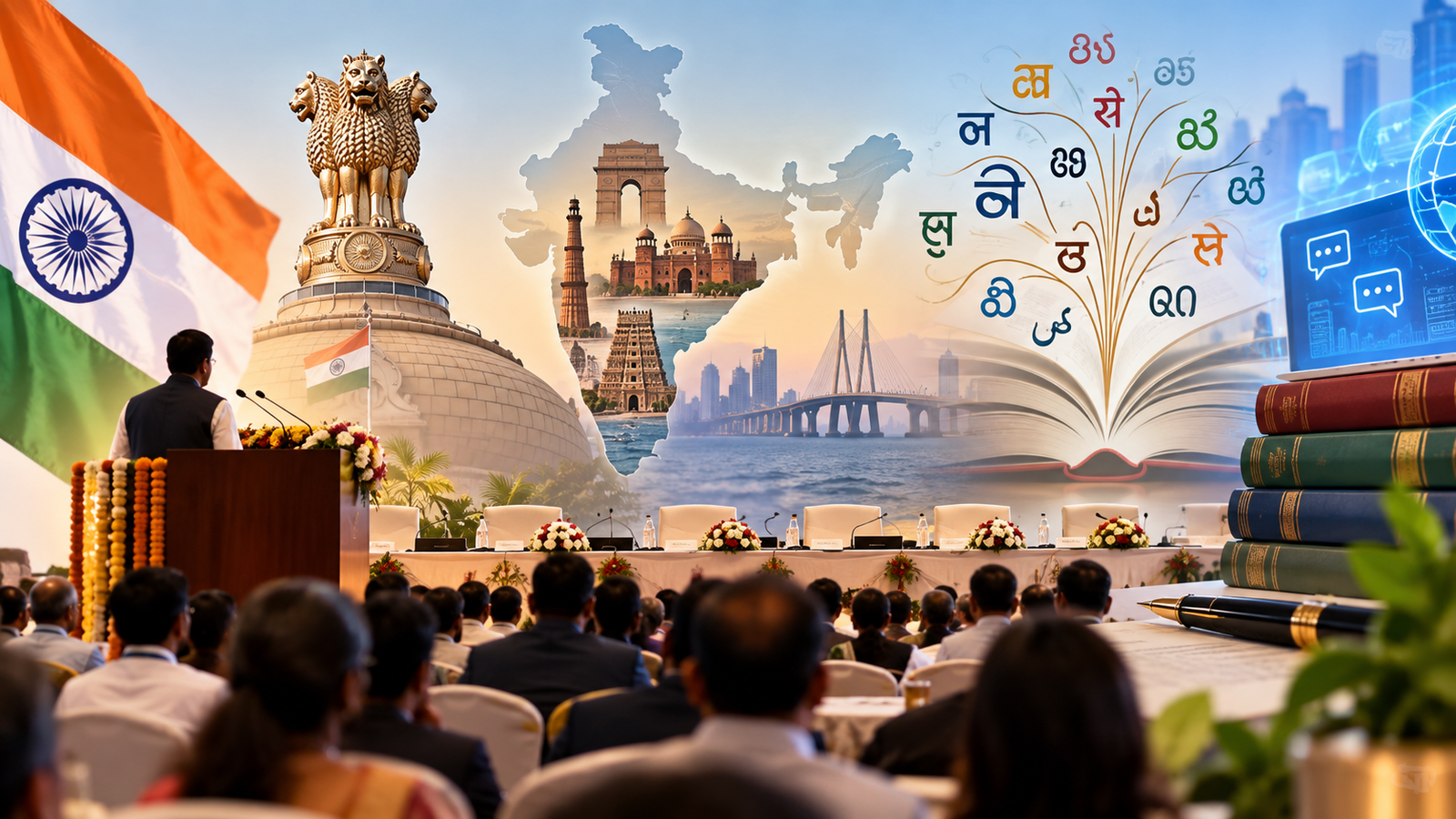
6th All India Official Language Conference 2026 in Navi Mumbai:
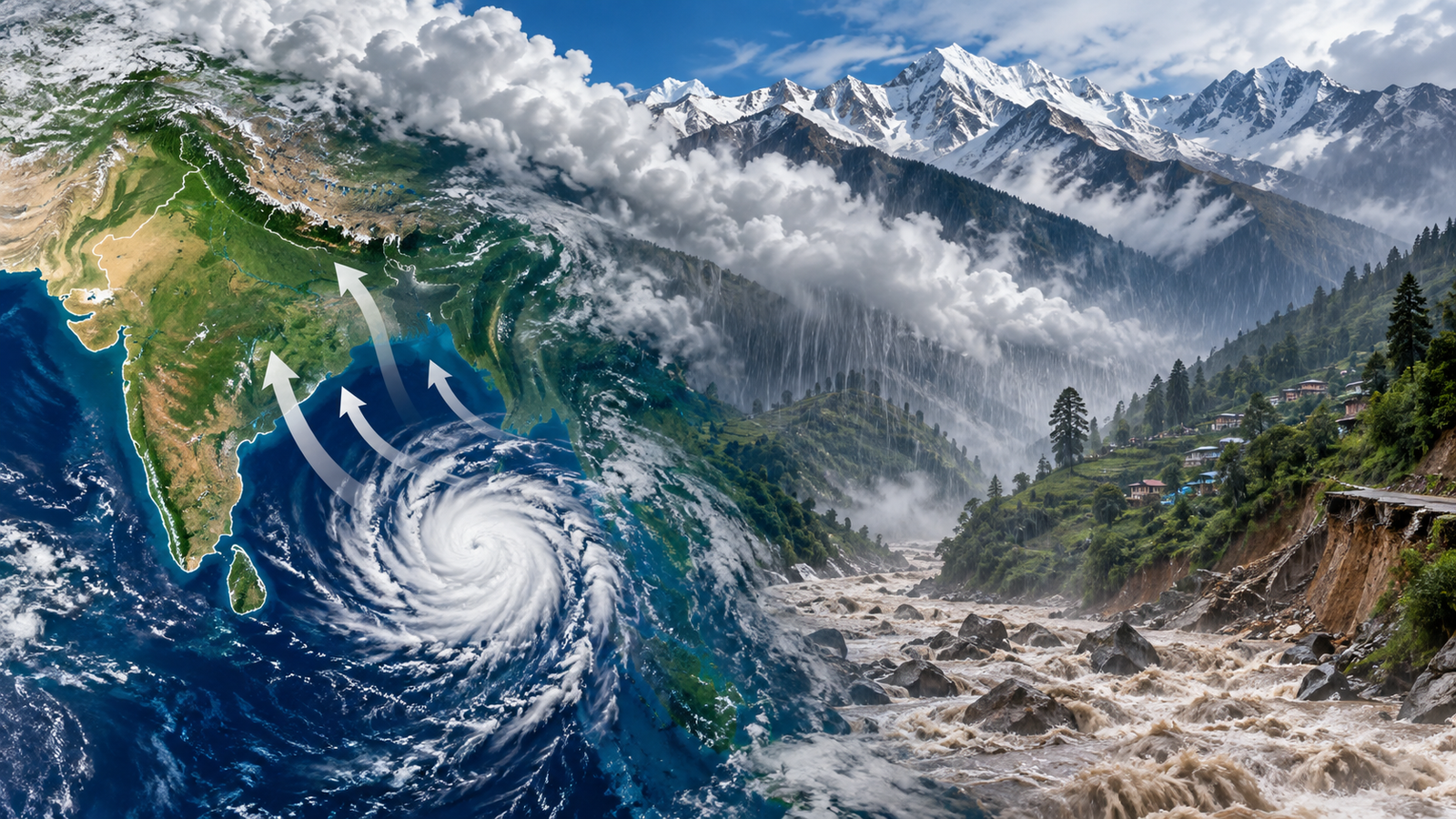
Discover how Bay of Bengal low-pressure systems shape India’s monsoon,

Explore the constitutional evolution of India from East India Company

Yojana June 2026 explores India’s journey towards a Naxal-free Bharat,

HPAS/HPPSC Current Affairs 2 September 2026: Himachal rainfall deficit, Therapy