
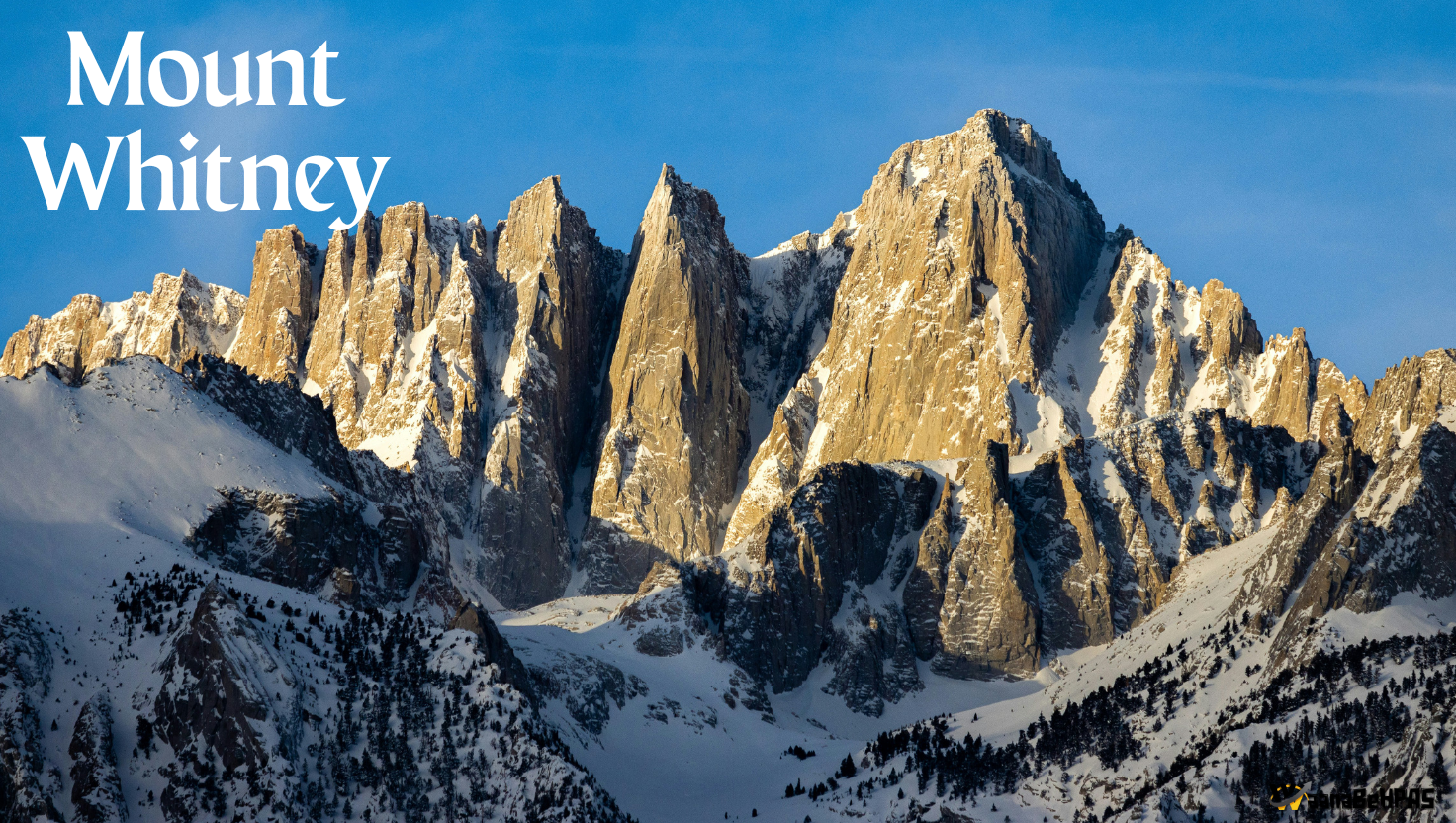
Mount Whitney: Drainage, Relief and Tectonics in the USA
“Mount Whitney, the highest peak in the contiguous USA, lies in California’s Sierra Nevada on the Great Basin–Pacific divide, shaping the region’s drainage, climate, and rugged relief.”
“Mount Whitney, the highest peak in the contiguous USA, lies in California’s Sierra Nevada on the Great Basin–Pacific divide, shaping the region’s drainage, climate, and rugged relief.”
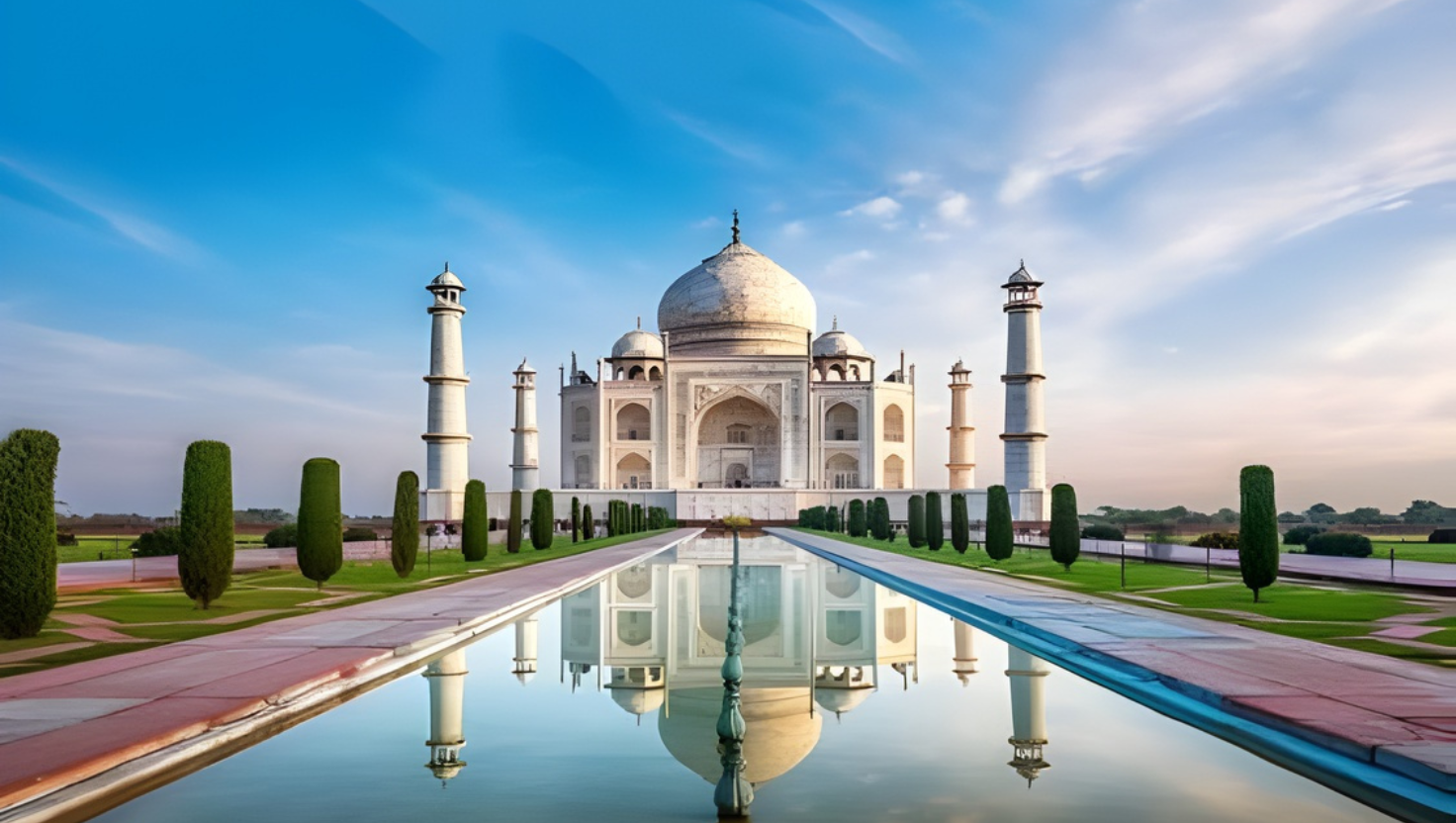
World Heritage Day (18 April) highlights the need to protect cultural and natural heritage. India currently has 43 UNESCO World Heritage Sites, supported by major ASI and digital heritage initiatives.

Pi Day on 14 March celebrates the constant π, its scientific importance, and key contributions by Aryabhata and Ramanujan in its calculation.
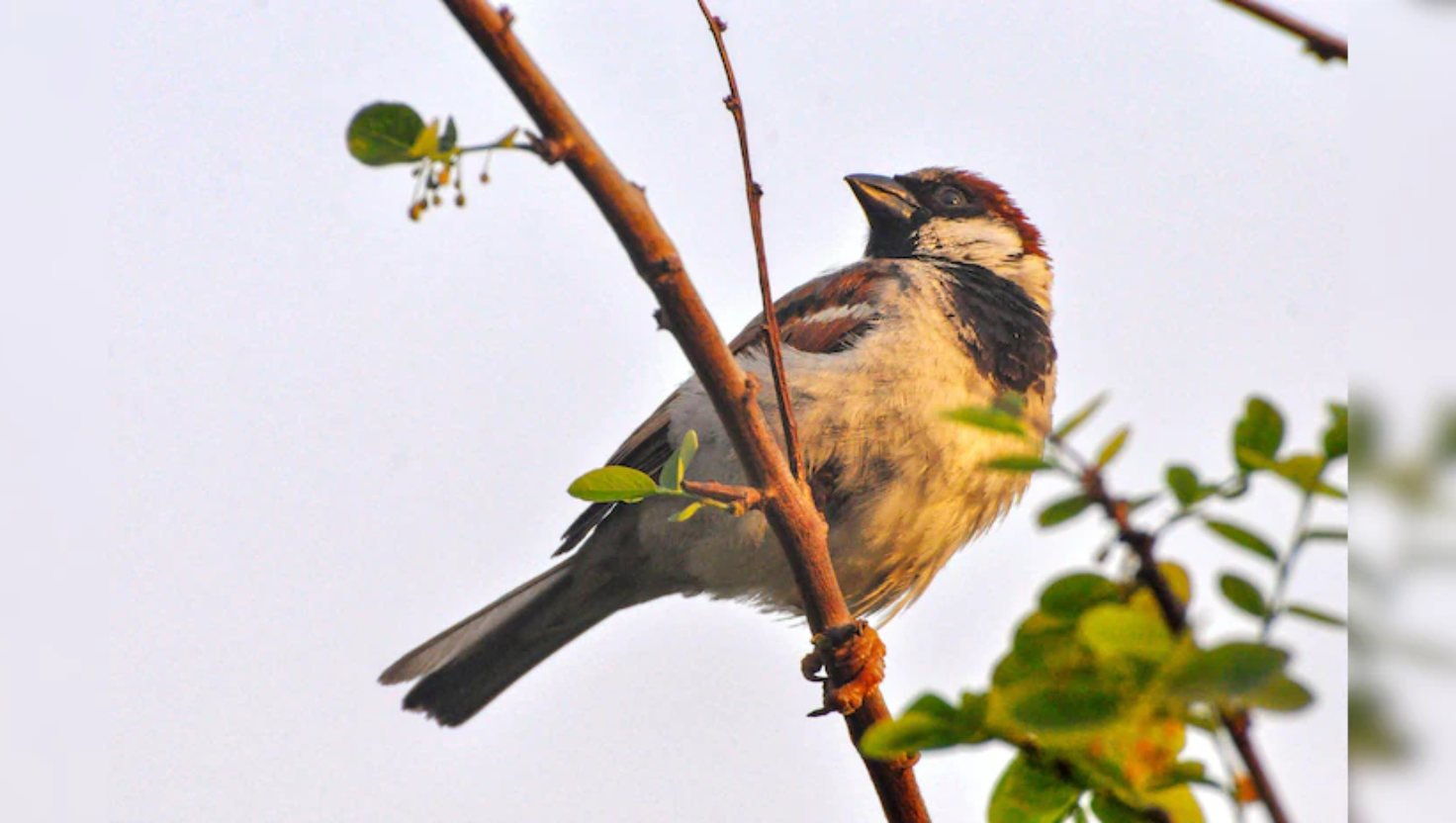
World Sparrow Day (20 March) highlights the decline of sparrows and promotes conservation through urban greening, habitat protection, and public awareness.

Jan Aushadhi Diwas (7 March) promotes affordable, high-quality generic medicines under PMBJP, expanding access and reducing out-of-pocket healthcare costs.
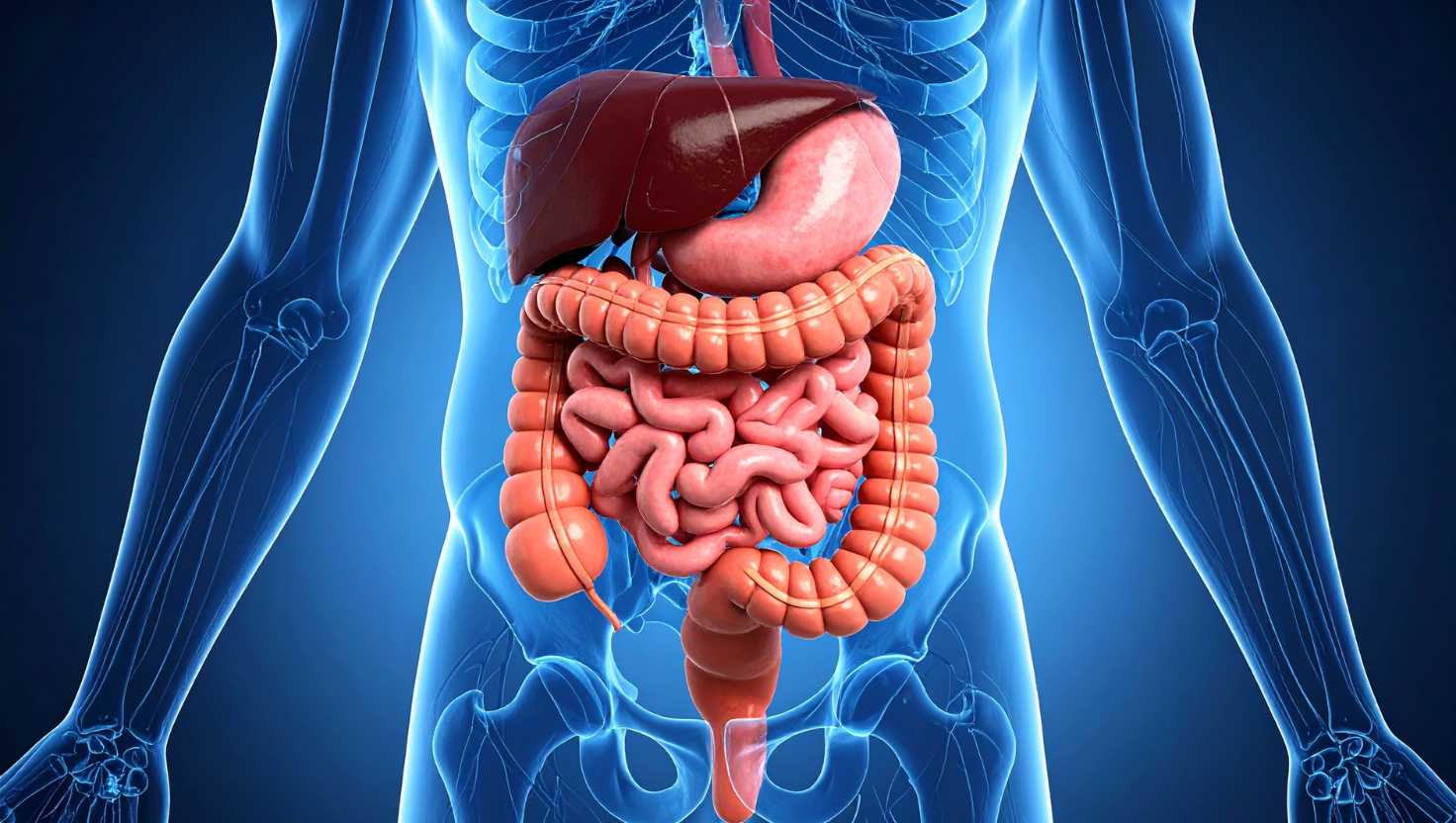
Human digestive system breaks food into simple nutrients, absorbs them, and removes waste. Key organs, enzymes, and glands ensure proper digestion.
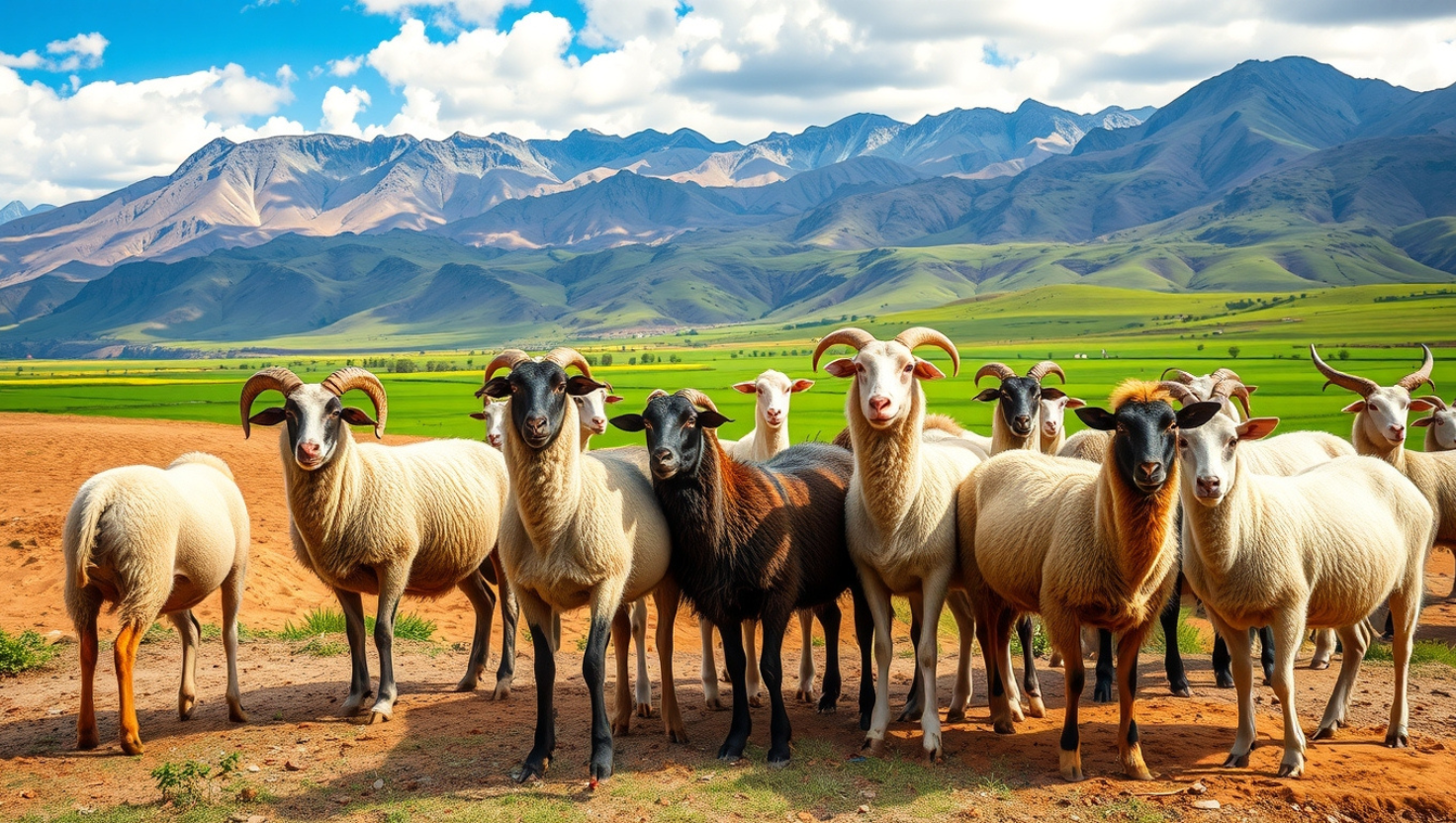
India has 40+ sheep breeds across regions; key breeds include Marwari, Gaddi, Deccani, Nellore, Rampur-Bushair, Changthangi and Lohi.

ICFRE is India’s apex forestry research body under MoEFCC, guiding forest research, education and extension through 8 institutes across key regions.

Rain Forest Research Institute, Jorhat conducts forestry and biodiversity research in the North-East under ICFRE, supporting conservation and sustainable management.

The Institute of Forest Productivity, Ranchi focuses on forest research, NTFPs, agroforestry, and sustainable management in Eastern India under ICFRE.

BRICS 2026: Explore the 18th BRICS Summit in New Delhi,
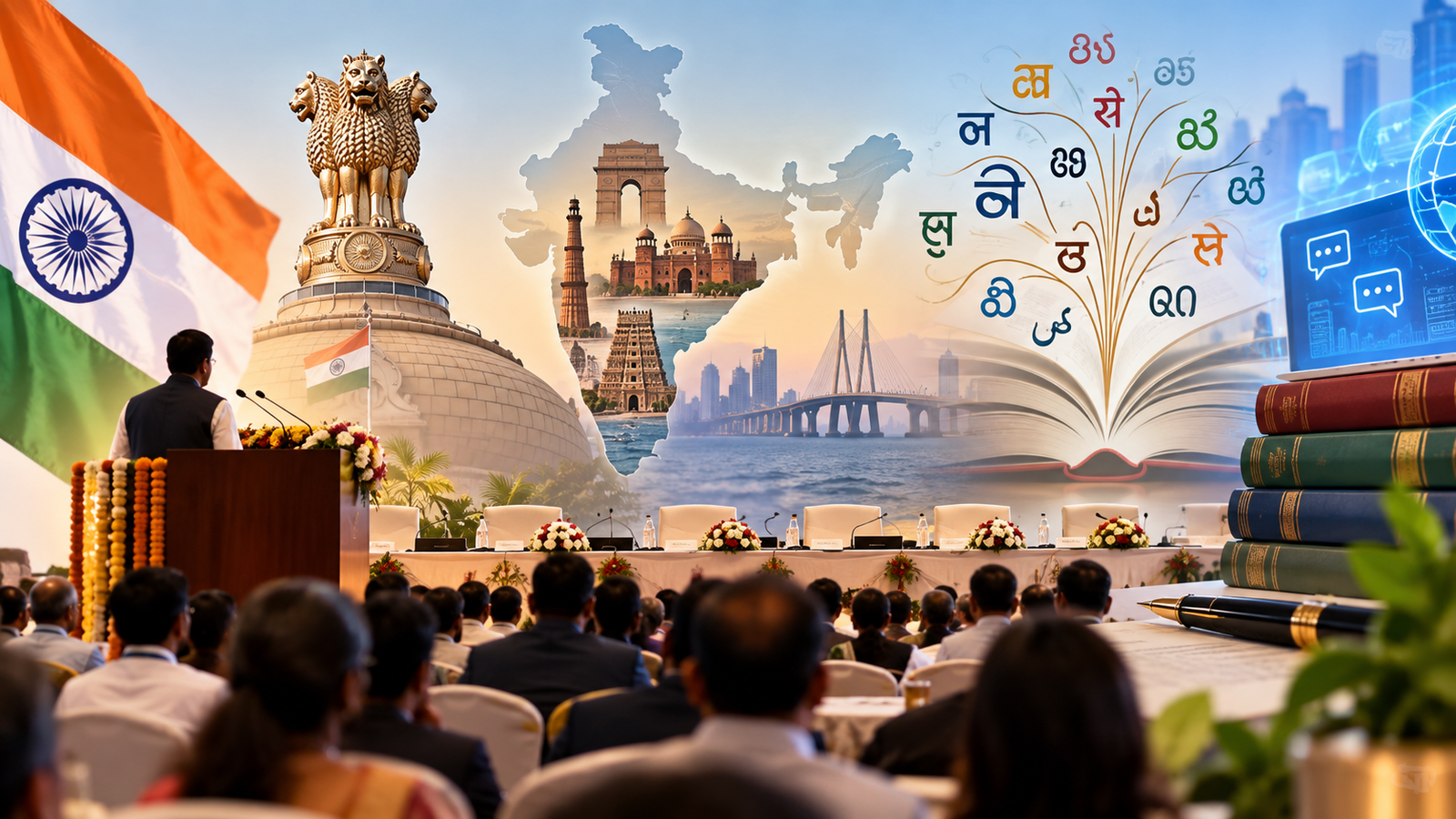
6th All India Official Language Conference 2026 in Navi Mumbai:
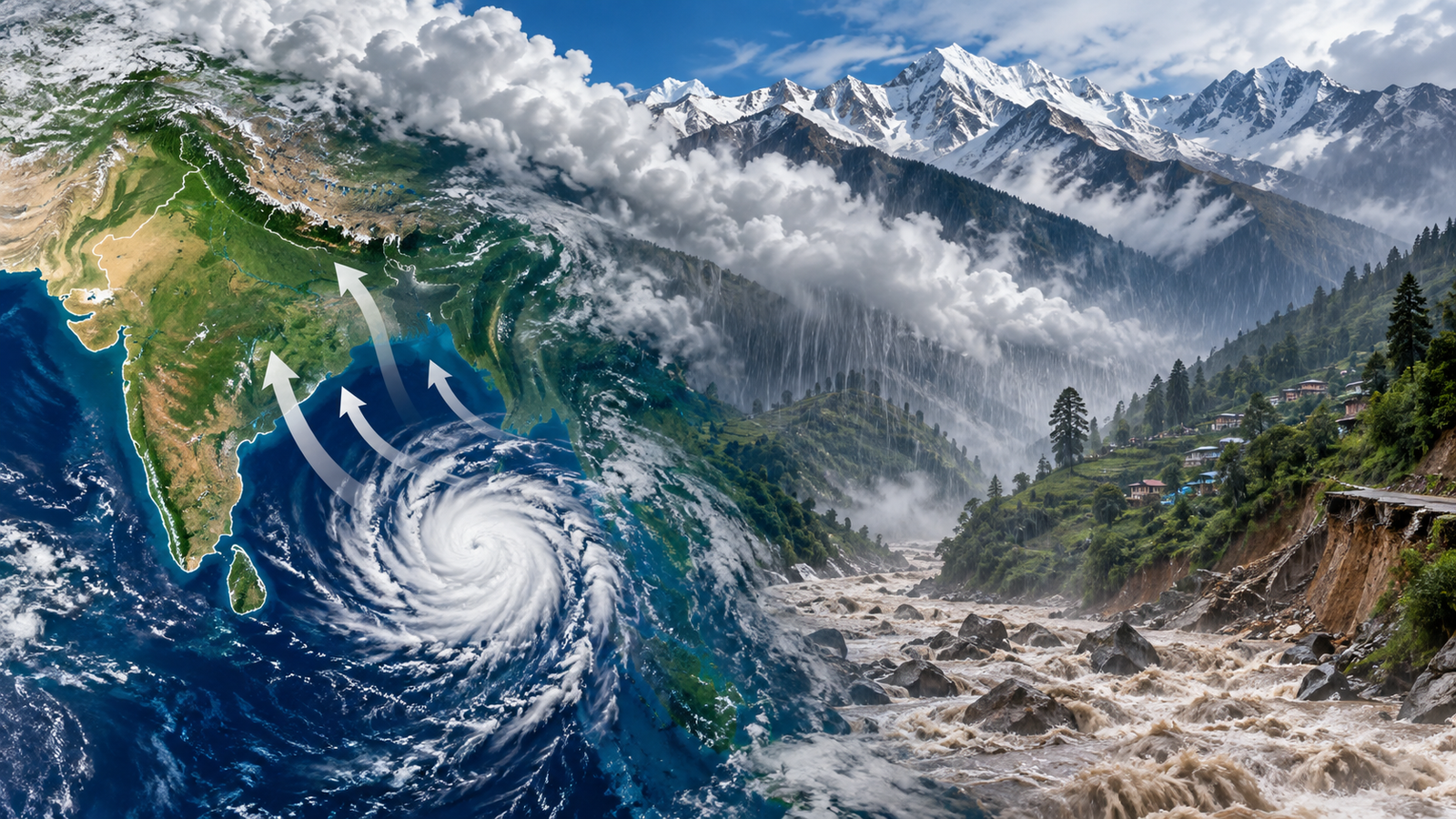
Discover how Bay of Bengal low-pressure systems shape India’s monsoon,

Explore the constitutional evolution of India from East India Company

Yojana June 2026 explores India’s journey towards a Naxal-free Bharat,
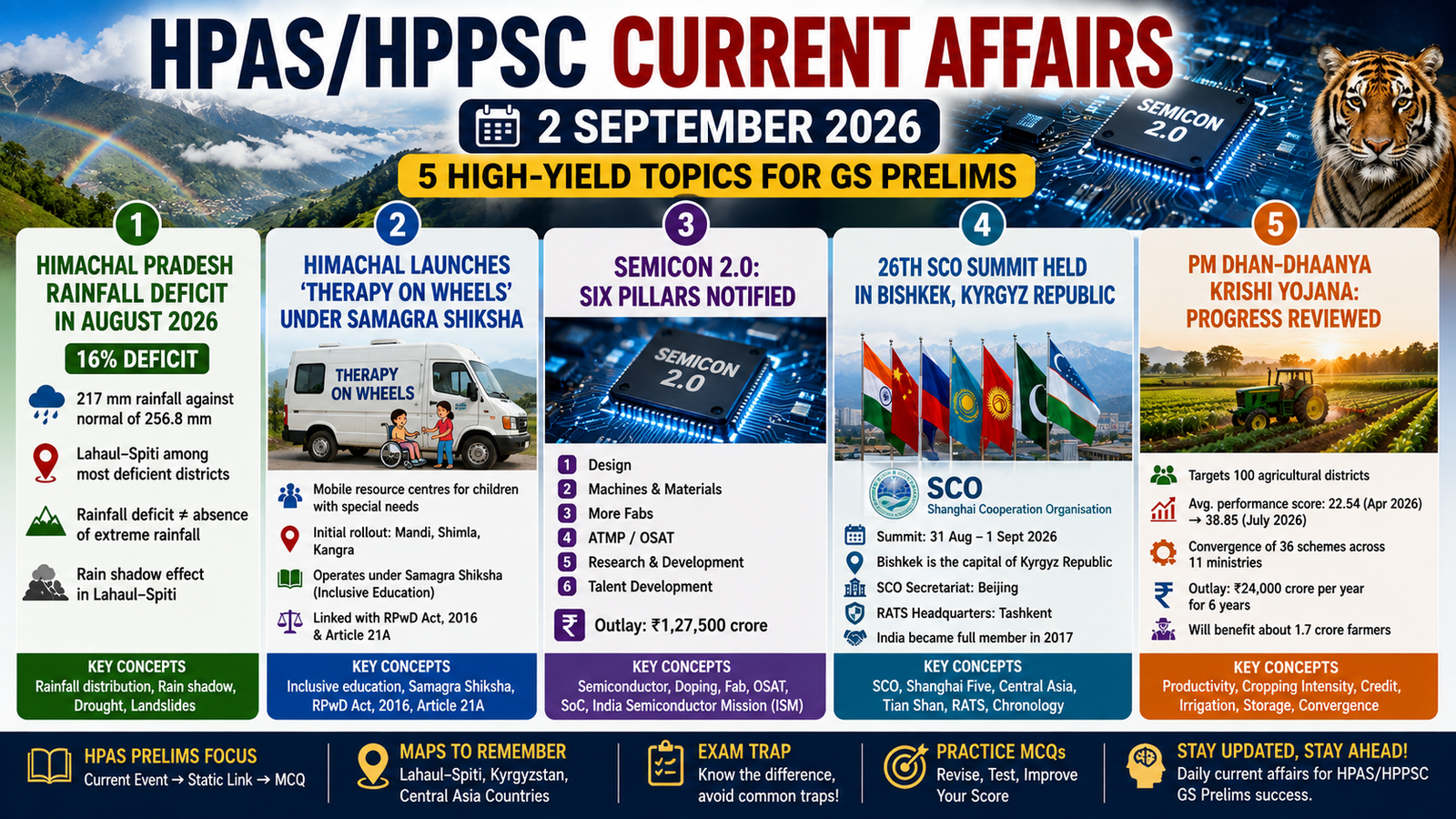
HPAS/HPPSC Current Affairs 2 September 2026: Himachal rainfall deficit, Therapy