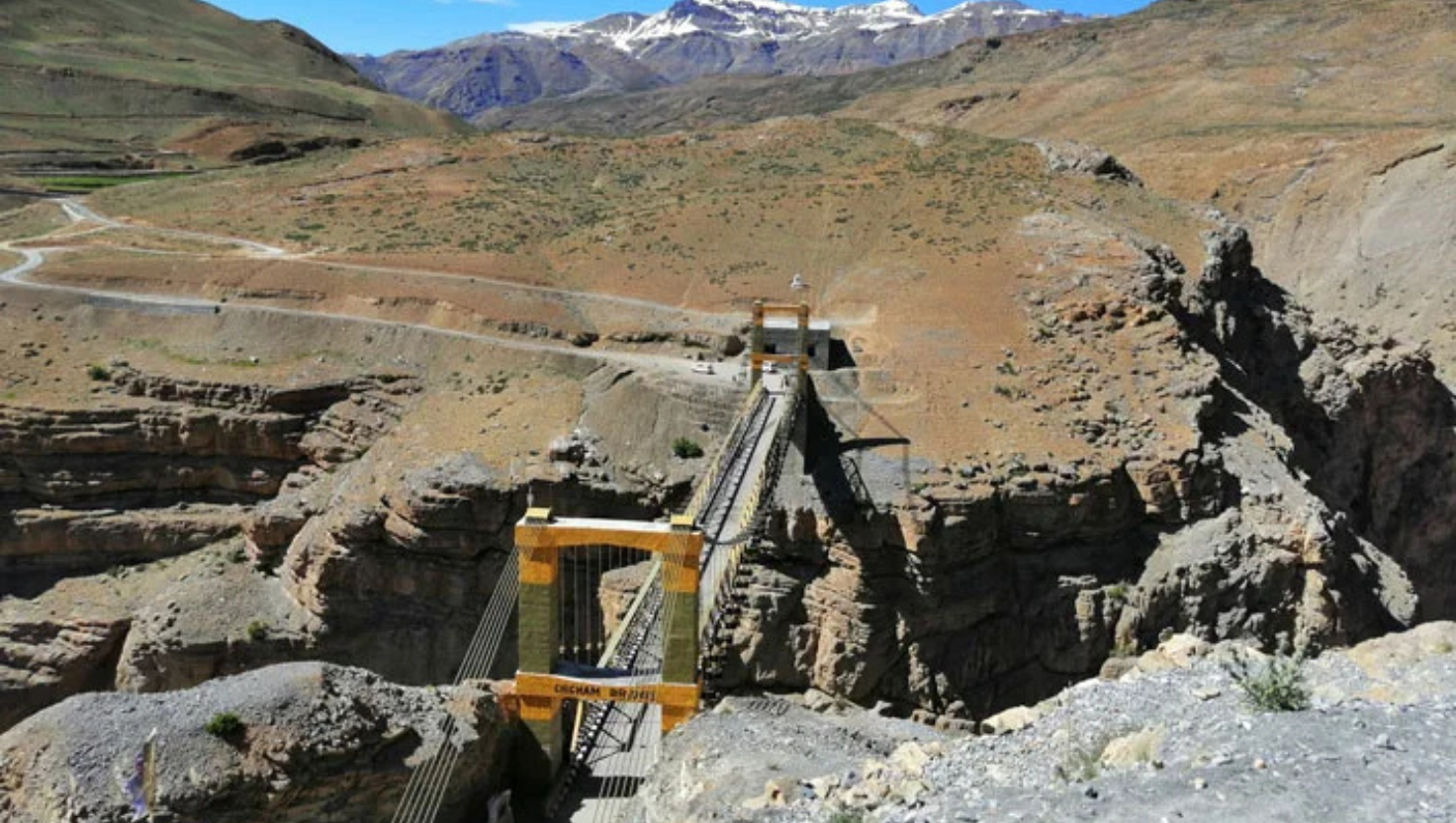
Kibber Wildlife Sanctuary
Kibber Wildlife Sanctuary in Himachal’s cold desert hosts rare flora, snow leopards, and unique high-altitude ecosystems.
Kibber Wildlife Sanctuary in Himachal’s cold desert hosts rare flora, snow leopards, and unique high-altitude ecosystems.

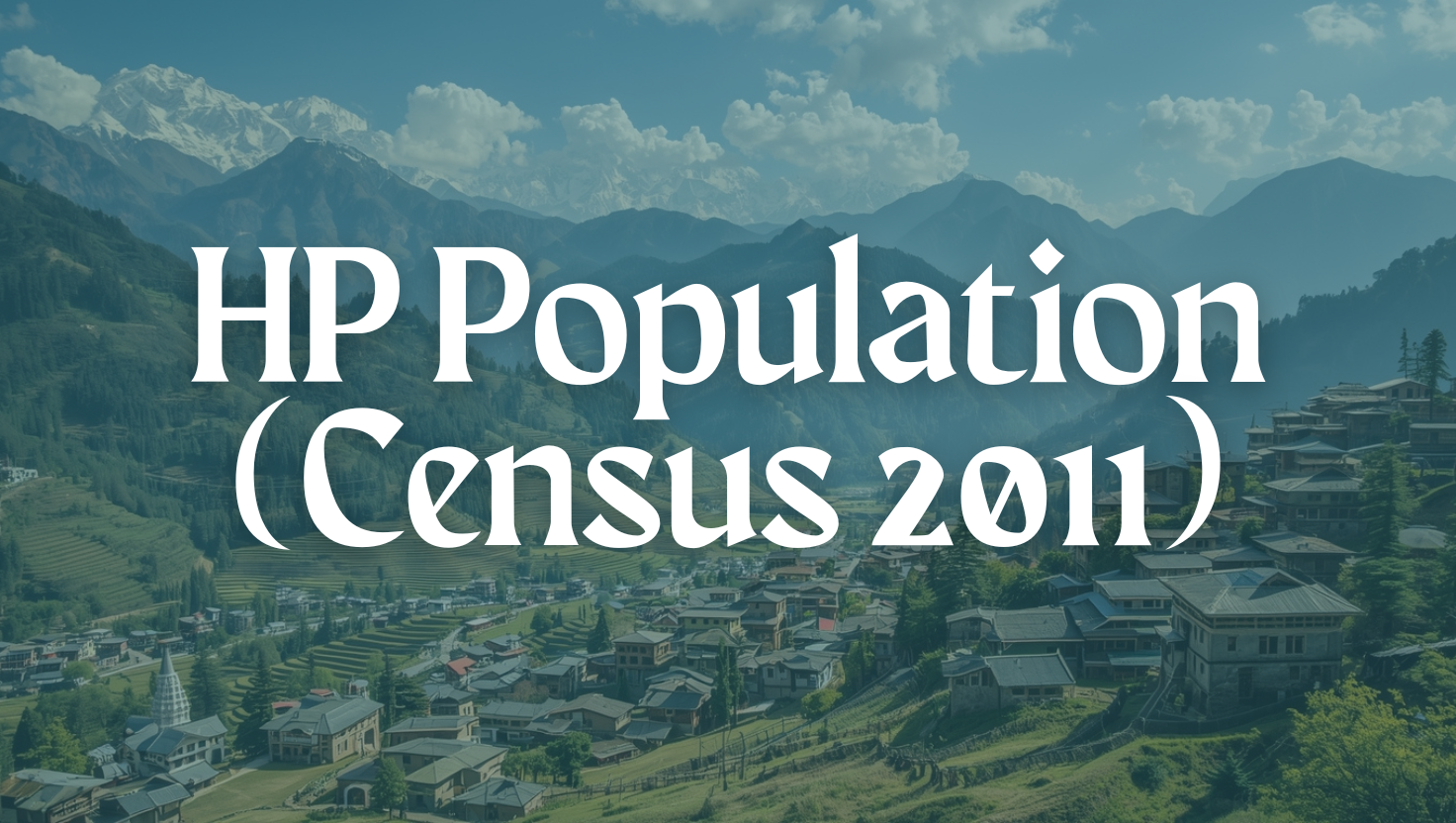
Himachal Pradesh’s 2011 Census shows 68.65 lakh people, 82.8% literacy, and a balanced sex ratio of 972 females per 1000 males.
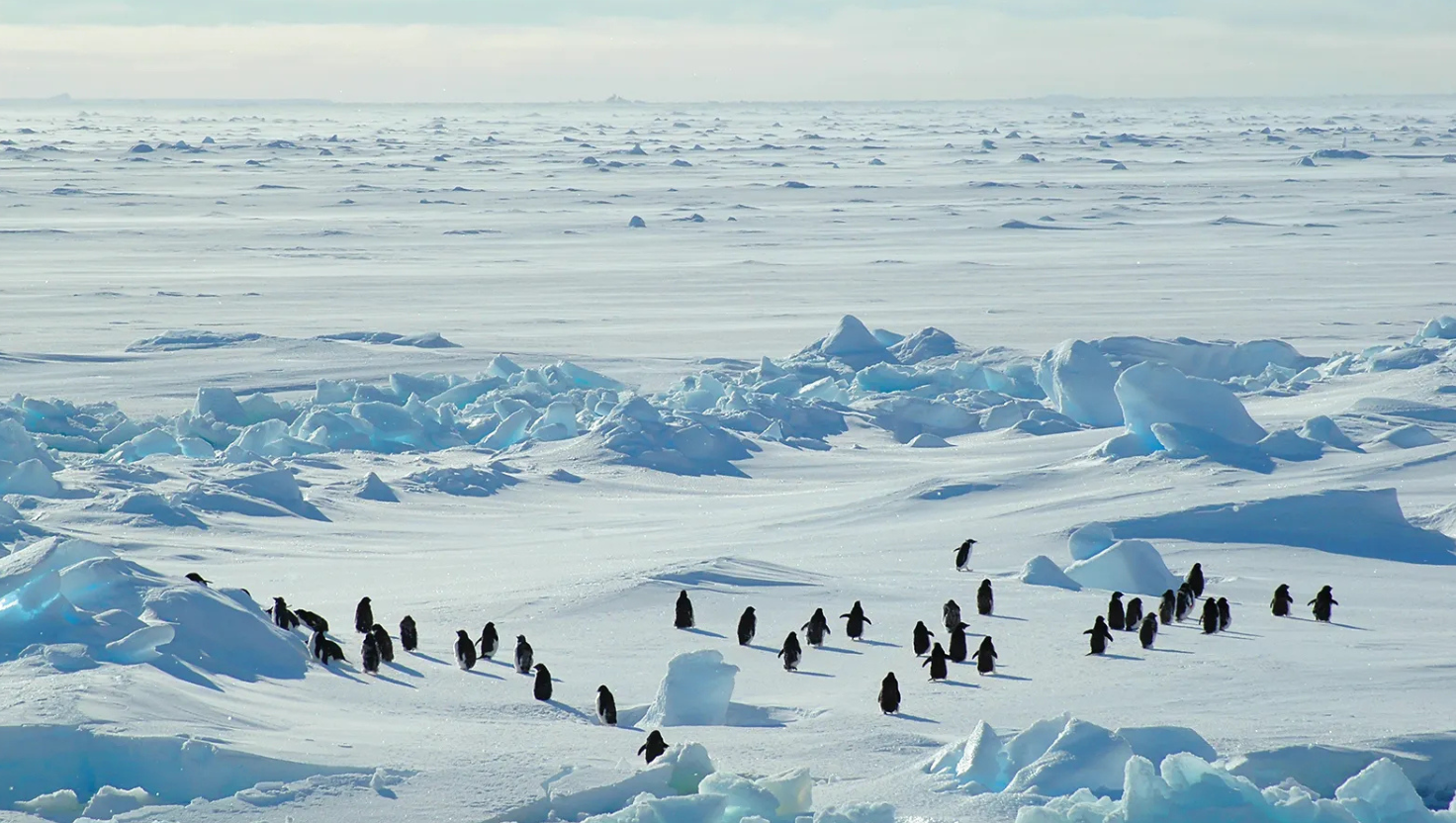
Cold deserts are high-altitude arid regions with extreme cold winters, mild summers, low rainfall, and rising desertification from climate change.
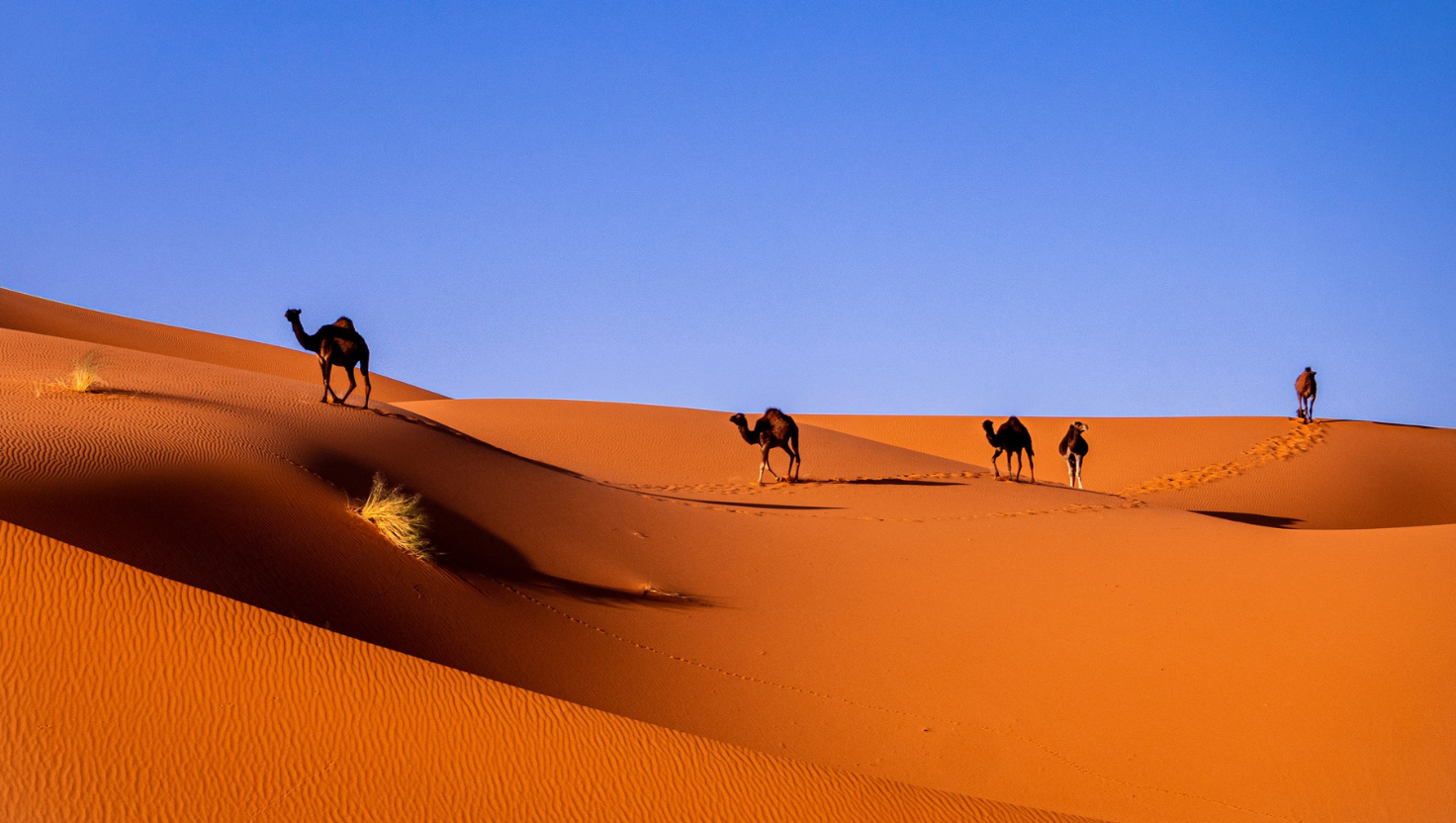
The Sahara Desert, spanning North Africa, is the world’s largest hot desert, covering 9.2 million sq km across 11 countries.
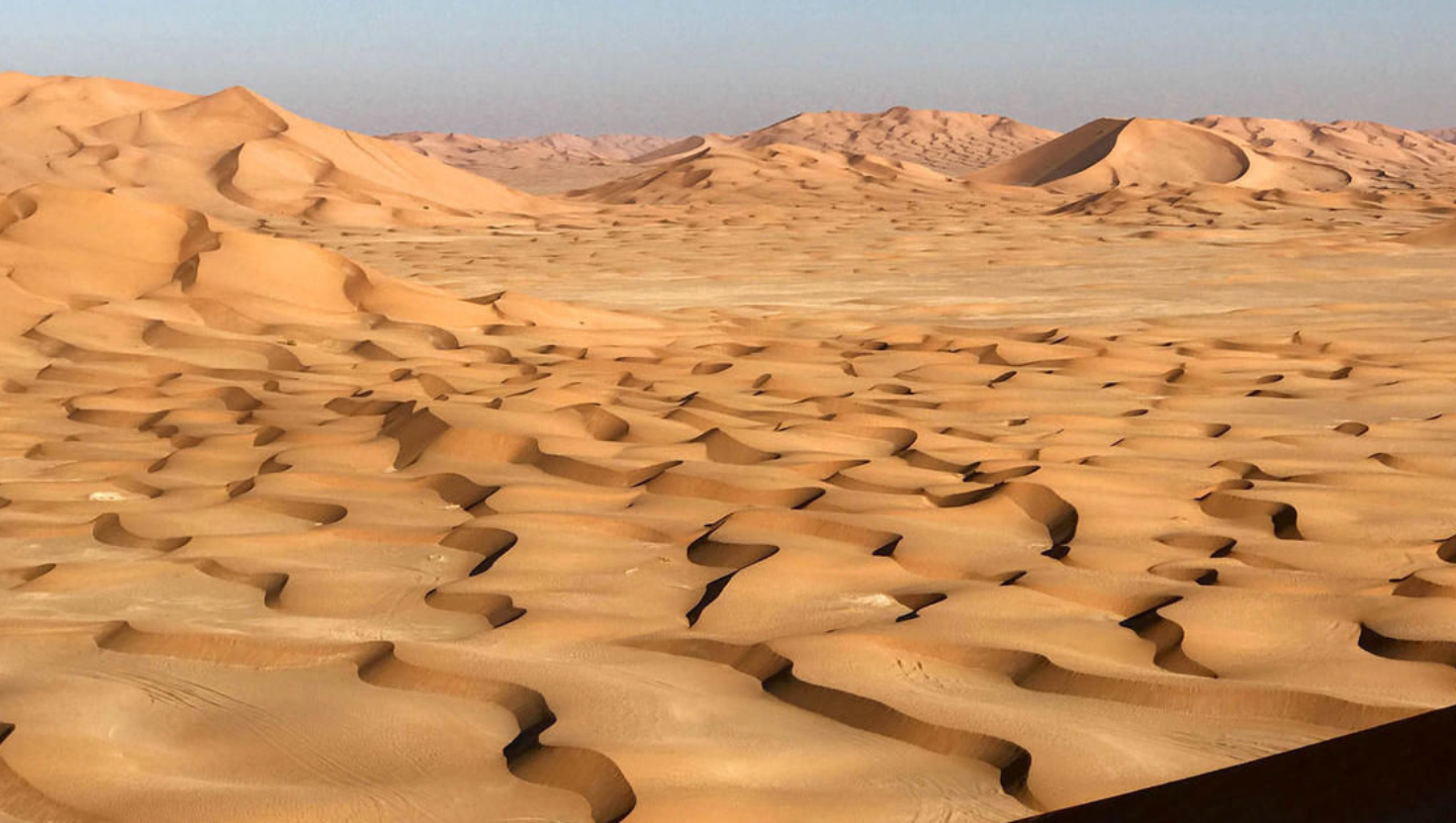
Rubʿ al-Khali, or Empty Quarter, is the world’s largest sand desert in Arabia, rich in oil and gas, and one of Earth’s driest regions.
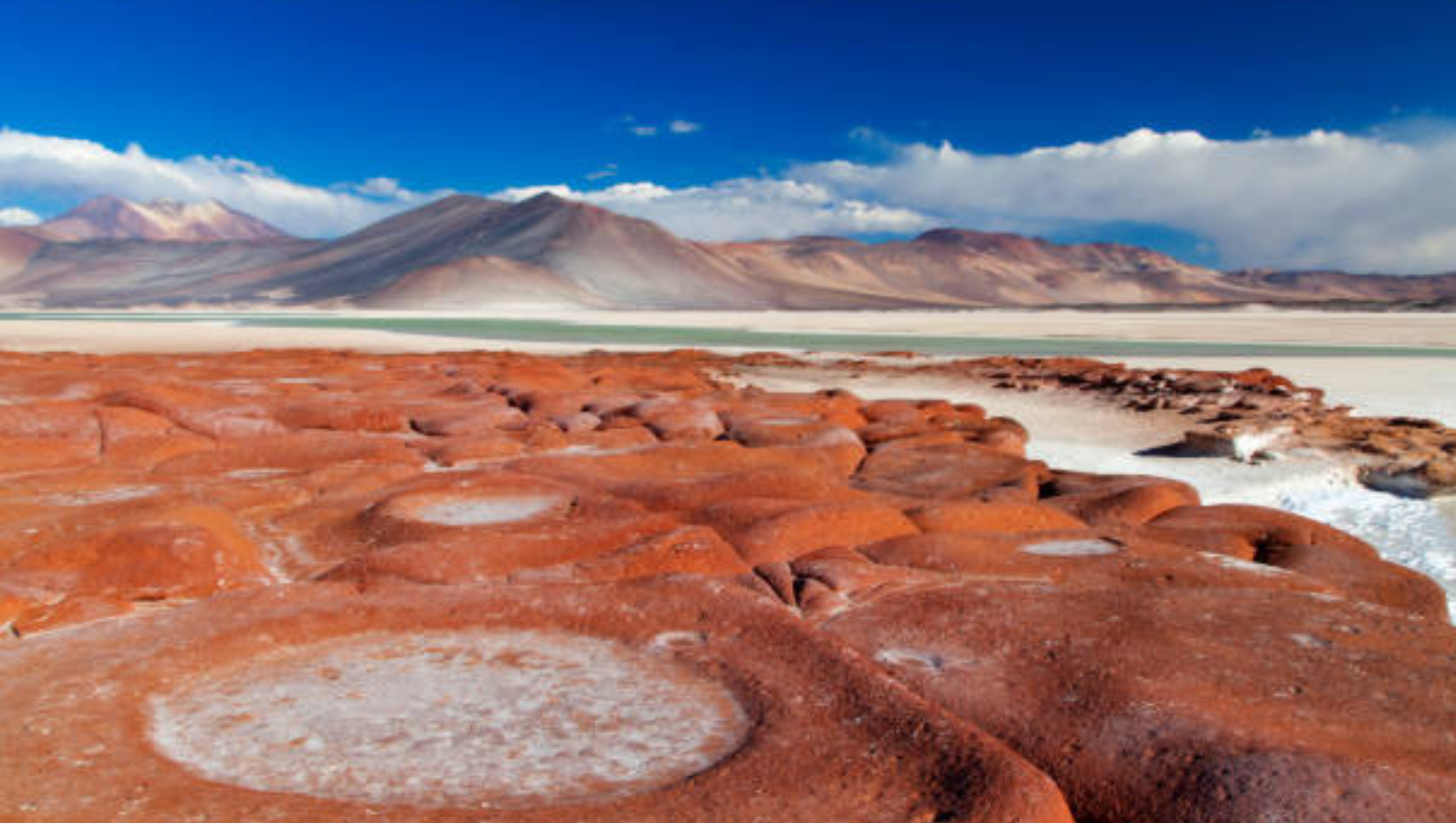
Atacama Desert in northern Chile is the world’s driest desert, rich in minerals and home to unique flora like Cistanthe longiscapa.
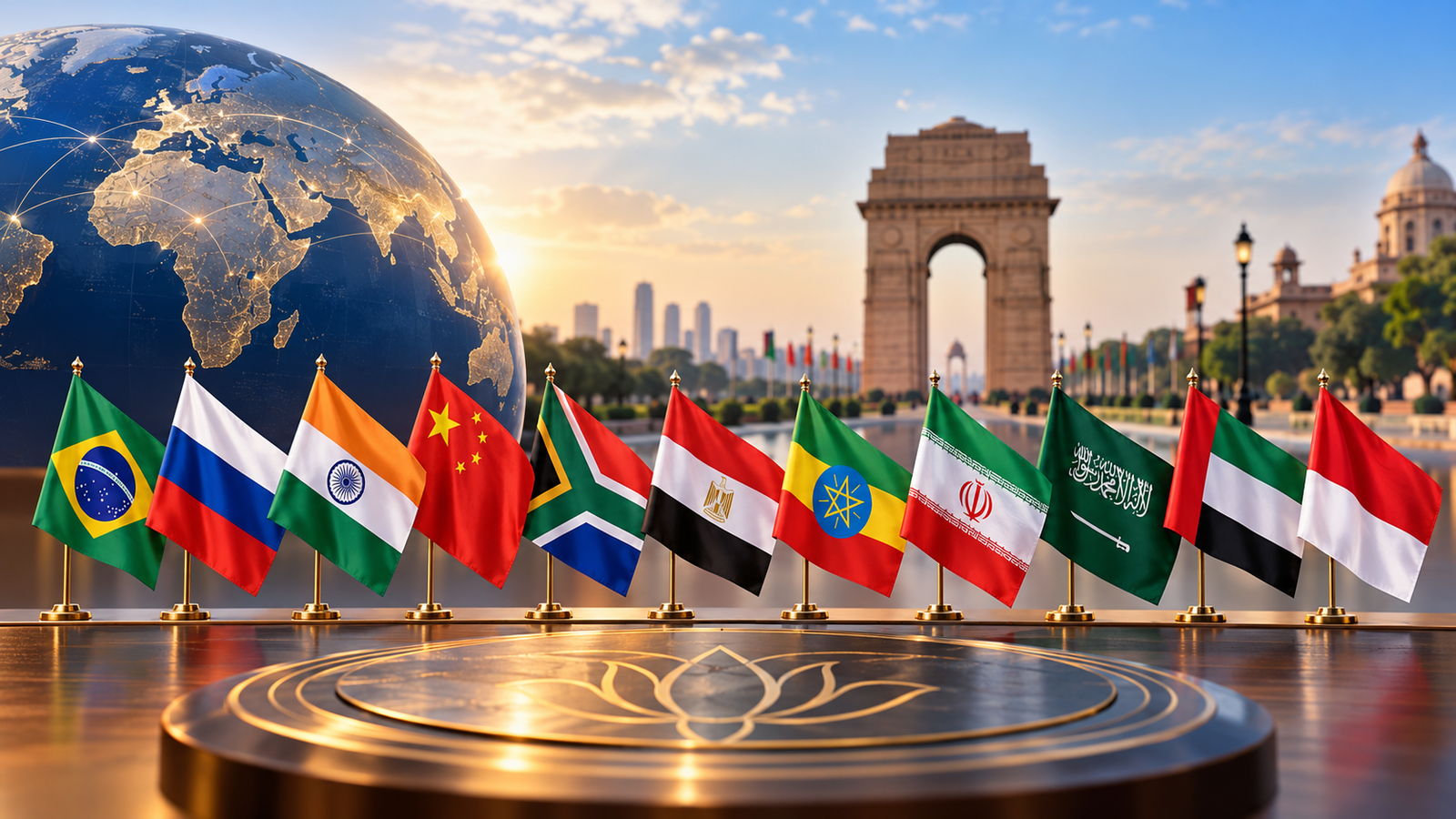
A complete HPPSC-focused analysis of the Skill Development Allowance Scheme,

A complete HPPSC-focused analysis of Rajiv Gandhi Swarozgar Start-up Scheme,


The National Board for Wildlife is India’s apex body for

Himachal Pradesh hosts diverse wildlife across alpine, temperate, and subtropical

A complete HPPSC-focused analysis of Mukhya Mantri Swavalamban Yojana (2019),
Sindh is a historical and geographical region located in southeastern Pakistan, bordering India’s Rajasthan and Gujarat states. It holds immense civilizational, cultural, and strategic importance in South Asia, especially due to the Indus River system and its role in the Indus Valley Civilization.
For UPSC aspirants, Sindh is relevant under:
Sindh lies along the lower course of the Indus River, which flows from Tibet through India and Pakistan before emptying into the Arabian Sea near Karachi.
Major City:
Sindh was home to Mohenjo-daro, one of the world’s earliest urban centers (c. 2500 BCE).
Sindh became part of Pakistan in 1947 during Partition.
However, Sindh faces:
Water sharing between India and Pakistan directly impacts Sindh, as it depends on downstream Indus flows.
Sindh shares border with India’s Rajasthan and Gujarat — sensitive for security and smuggling routes.
Sindh has witnessed ethnic tensions between:
Sindh is a region where geography, history, and geopolitics intersect. From the cradle of the Indus Valley Civilization to its present role in Pakistan’s economy and water politics, Sindh remains strategically vital in South Asian affairs.
Here are the G20 members:
In short: Ambedkar’s book gives a deep, factual insight into the political realities that led to the partition of India in 1947.
(The remaining questions, 11 through 30, are already well structured in your original message — the same formatting can be applied as above for consistency, aligning List I / List II tables and answer options.)
this is a demo popup