

Alluri Sitarama Raju
Alluri Sitarama Raju led the Rampa Rebellion (1922–24) in Andhra Pradesh, fighting British oppression; executed in 1924, he’s hailed as “Manyam Veerudu
Alluri Sitarama Raju led the Rampa Rebellion (1922–24) in Andhra Pradesh, fighting British oppression; executed in 1924, he’s hailed as “Manyam Veerudu

Thalakkal Chanthu, a Kurichya leader under Pazhassi Raja, led the 1802 Panamaram revolt against the British; captured and executed in 1805.

U Tirot Sing Syiem, Khasi chief of Nongkhlaw, led an early revolt (1829–33) against British rule; died in captivity on July 17, 1835.
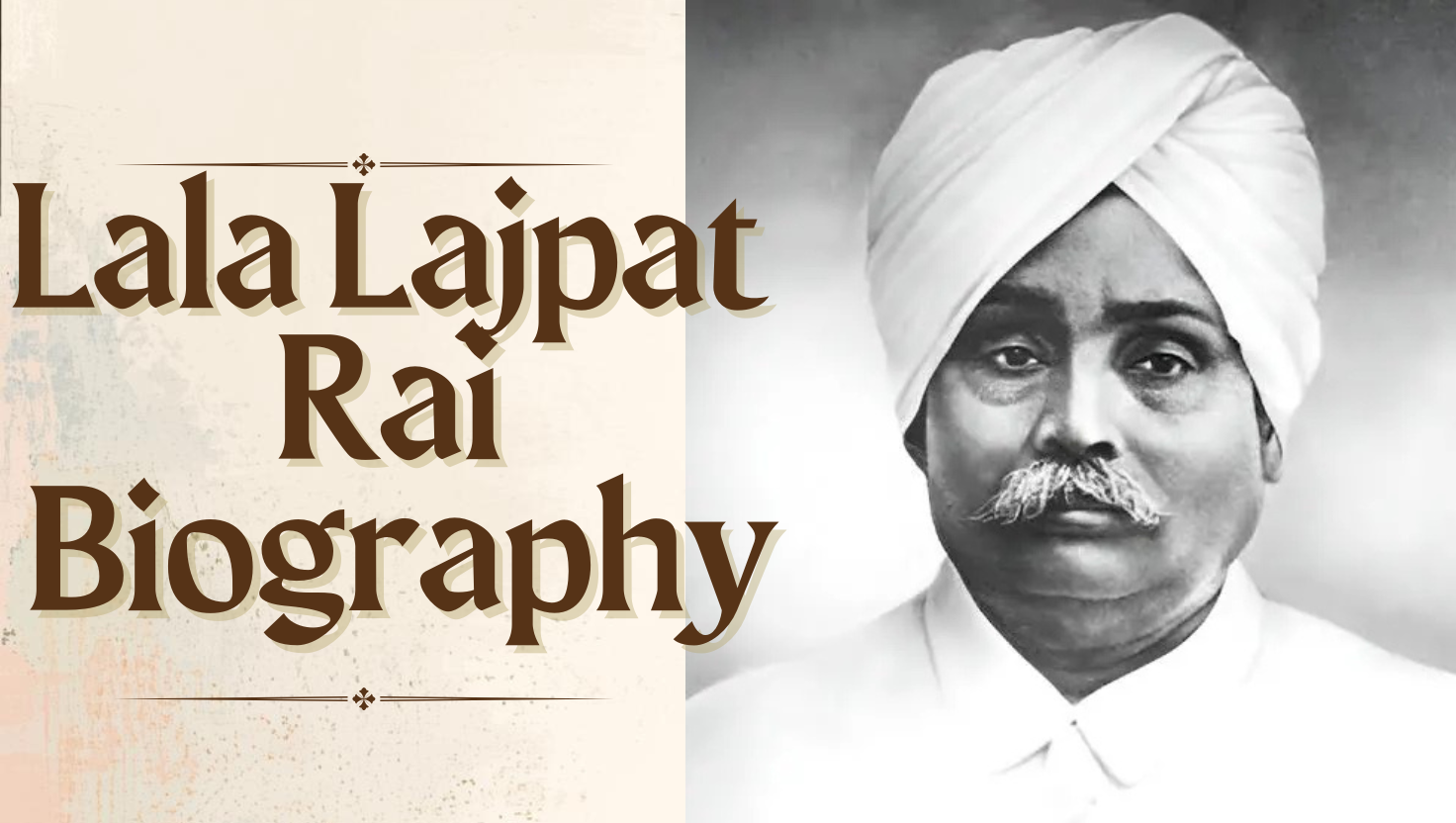
Lala Lajpat Rai, the Lion of Punjab, was a freedom fighter and reformer who led the 1928 Simon Commission protest and inspired India’s independence.
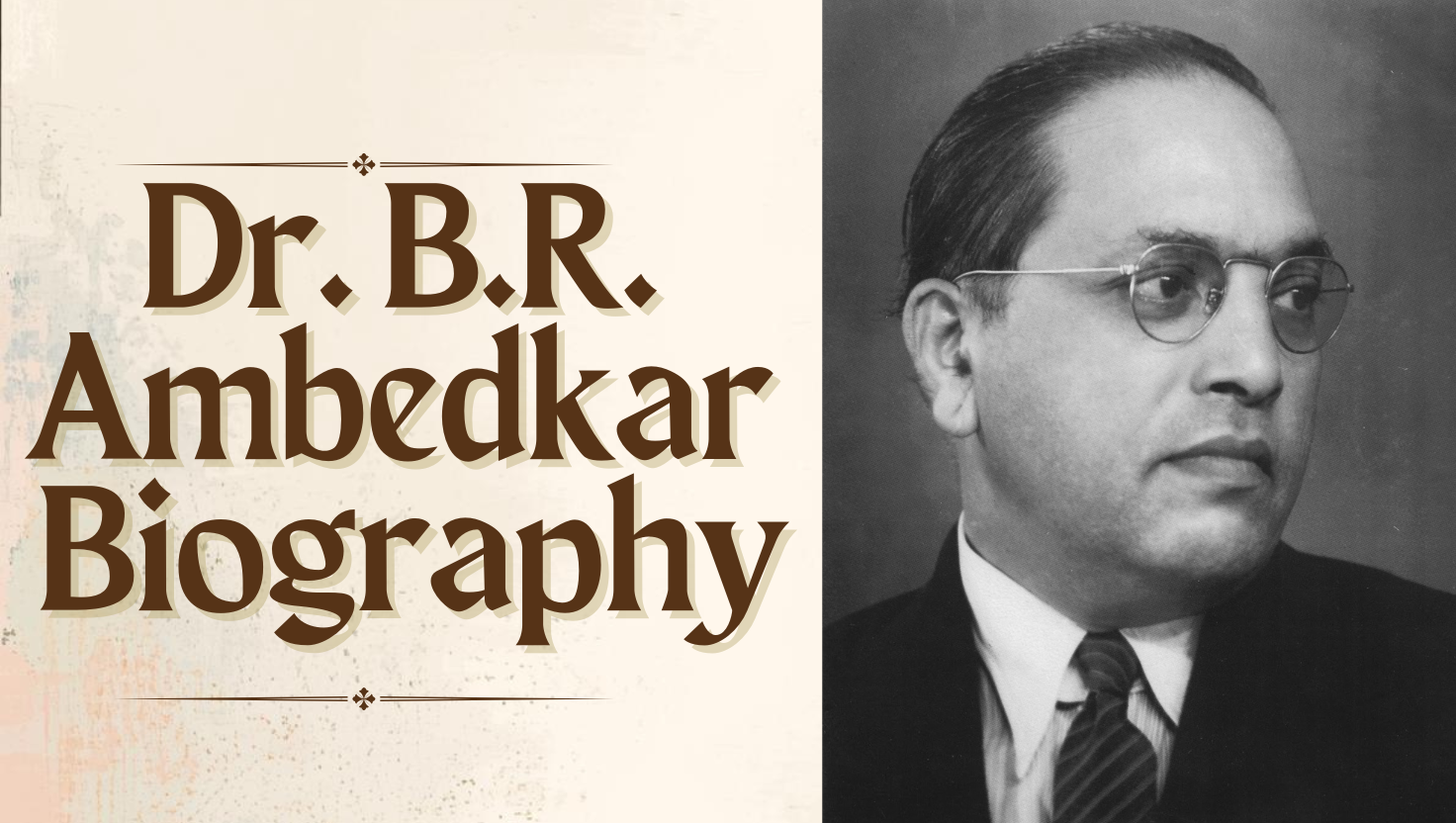
Dr. B.R. Ambedkar, architect of India’s Constitution, championed equality, social justice, and education for an inclusive society.
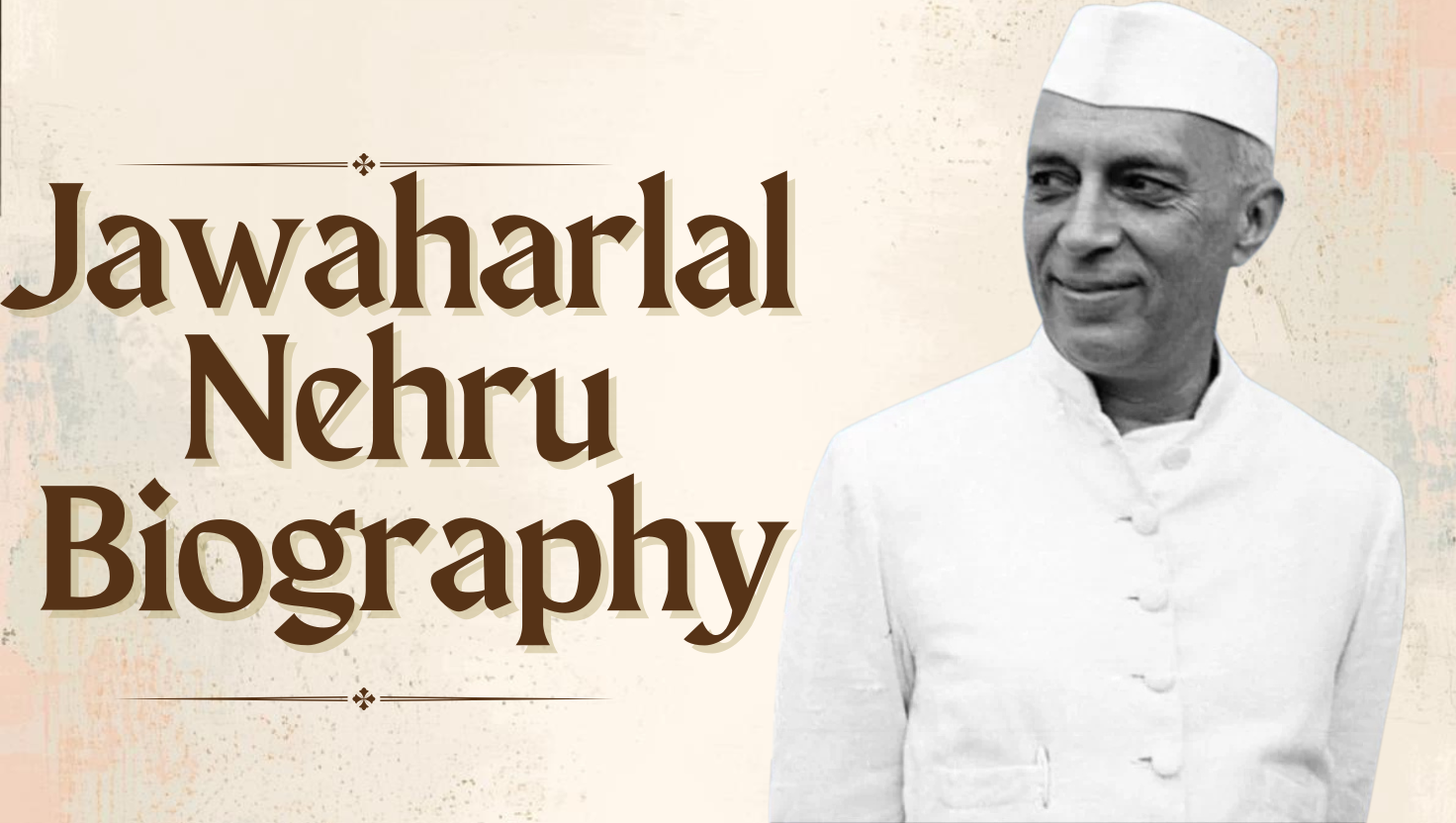
Jawaharlal Nehru, India’s first Prime Minister, led the nation’s freedom struggle and shaped modern India through education, democracy, and progress.
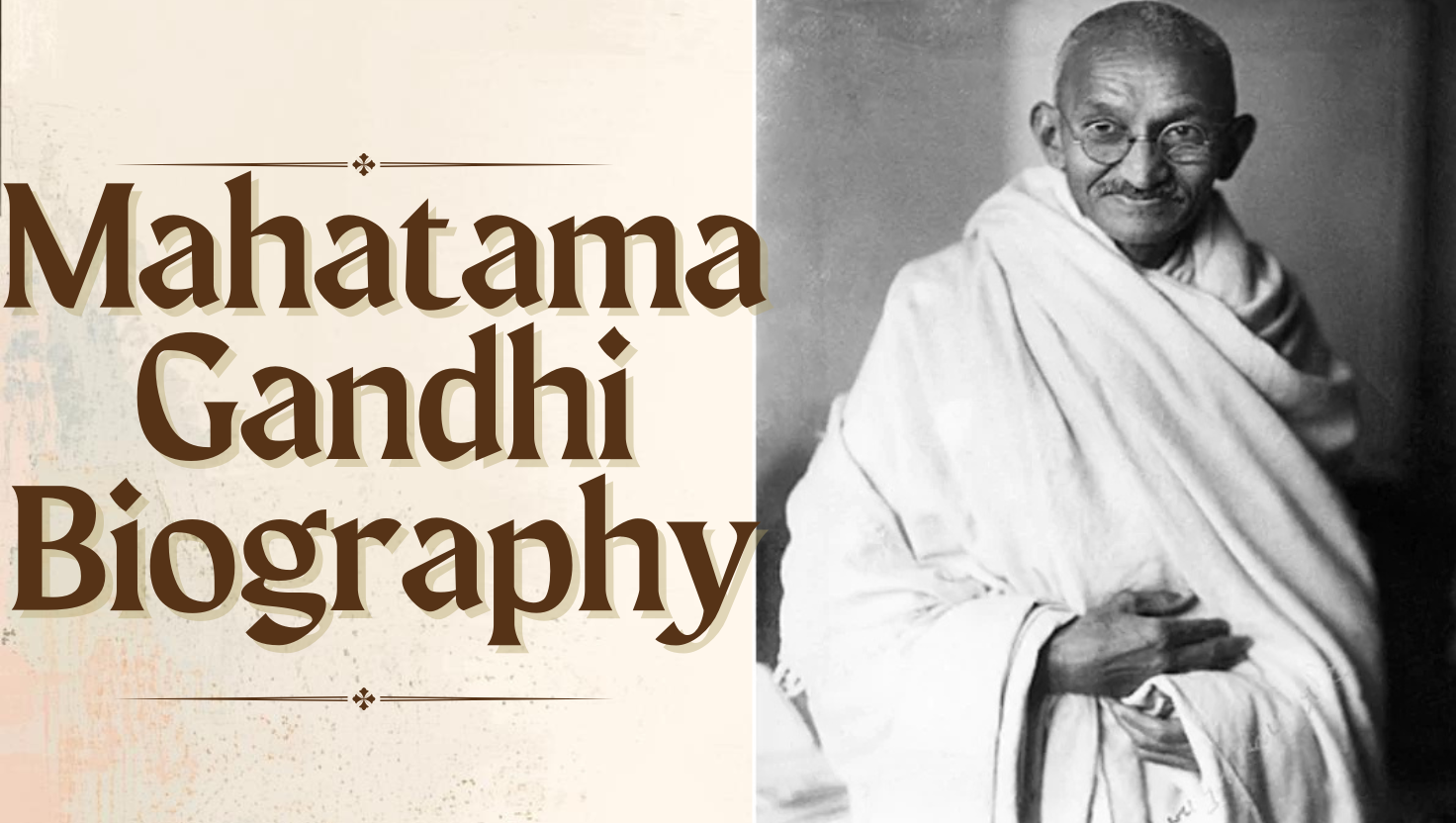
Mahatma Gandhi, the Father of the Nation, led India’s freedom struggle through nonviolence, truth, and unity, inspiring peace worldwide.
Focus Area – Subject & Topic-wise Breakdown of HPAS 2025 PYQs for quick analysis and structured revision.

Draft Legal Metrology (IST) Rules 2025 aim to establish “One Nation, One Time” ensuring precise, synchronized time across India.
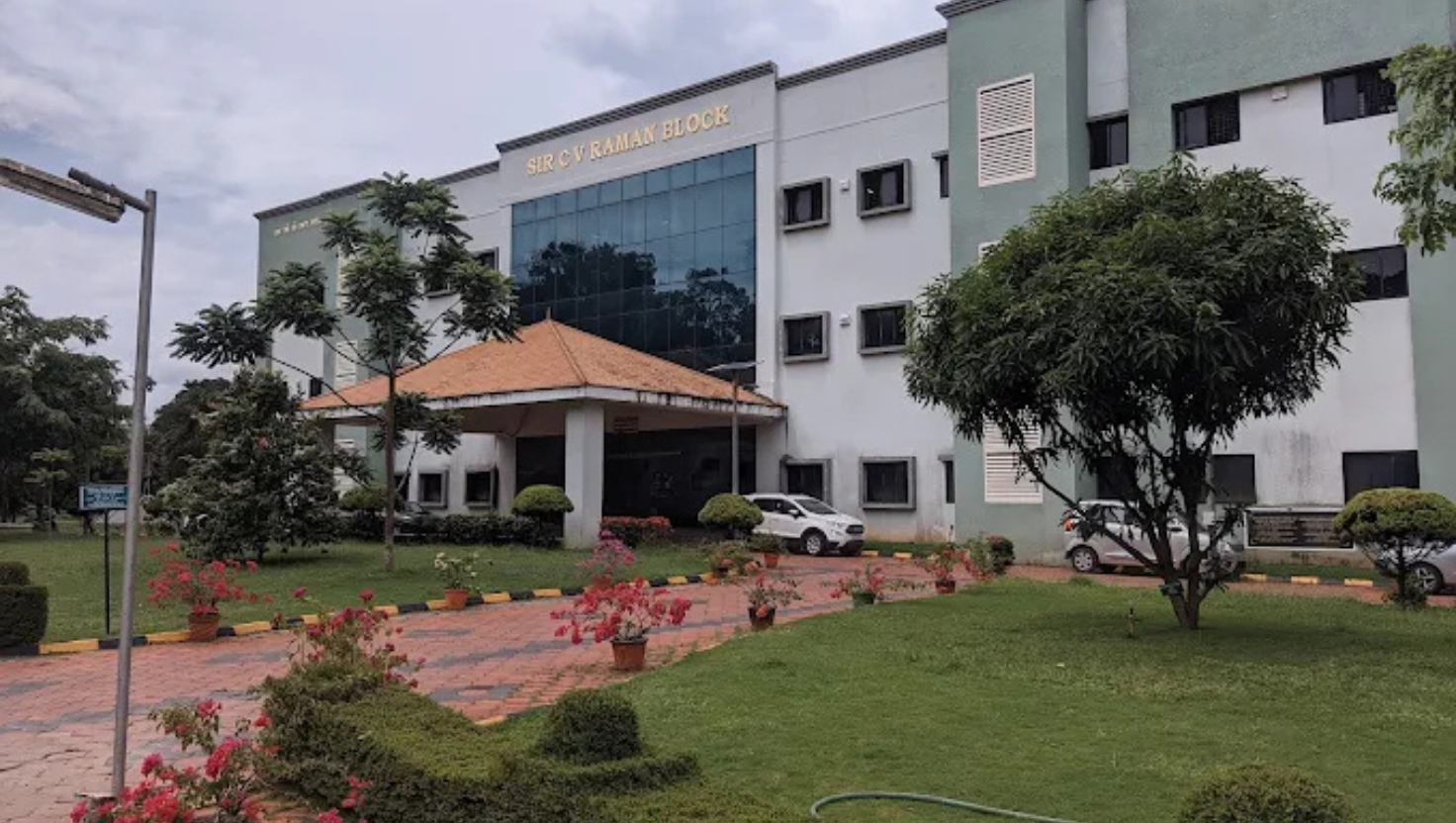
CSIR–NIIST, Thiruvananthapuram, conducts interdisciplinary R&D in agroprocessing, materials, energy, and environmental technology.

BRICS 2026: Explore the 18th BRICS Summit in New Delhi,
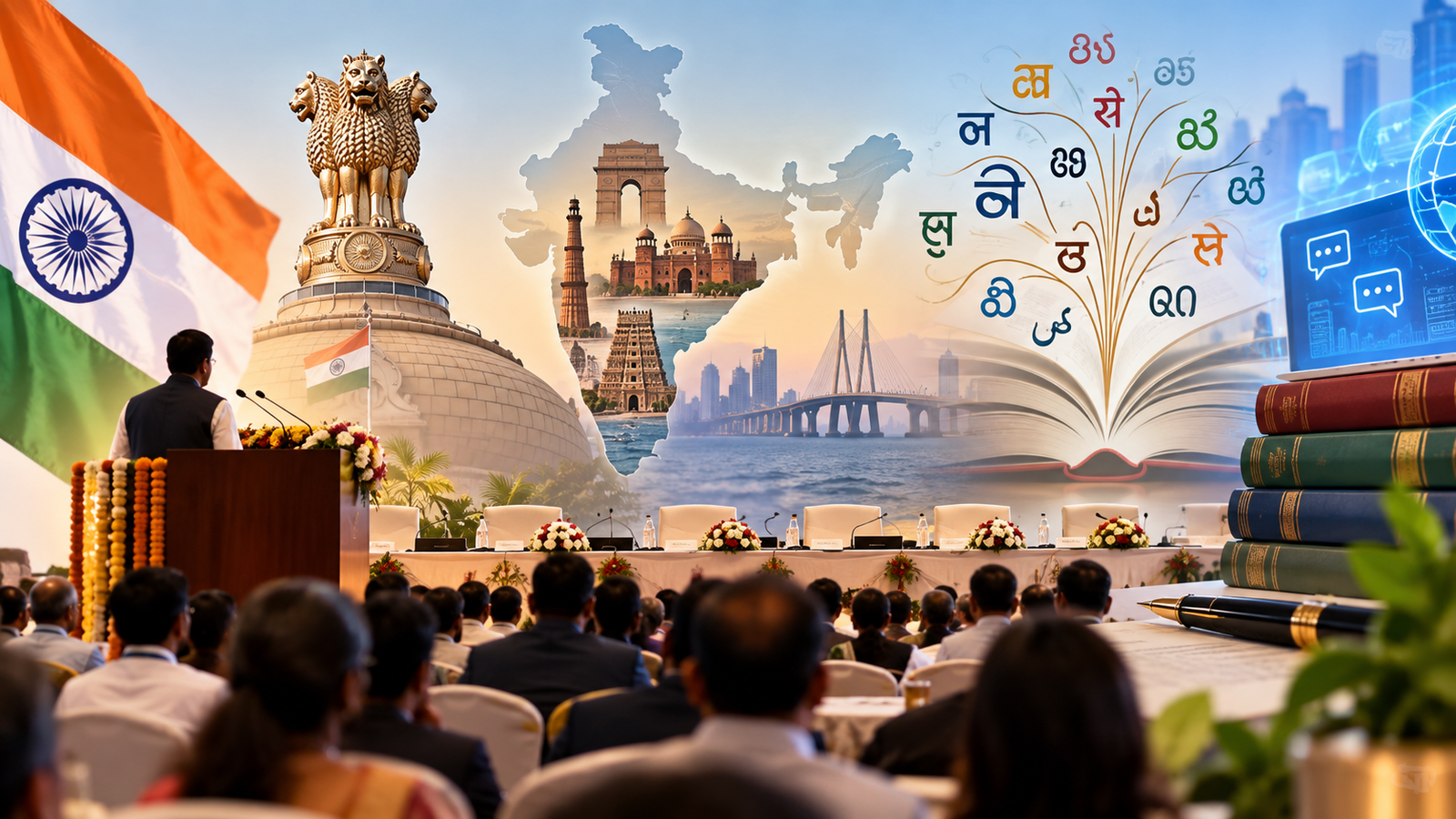
6th All India Official Language Conference 2026 in Navi Mumbai:

Discover how Bay of Bengal low-pressure systems shape India’s monsoon,
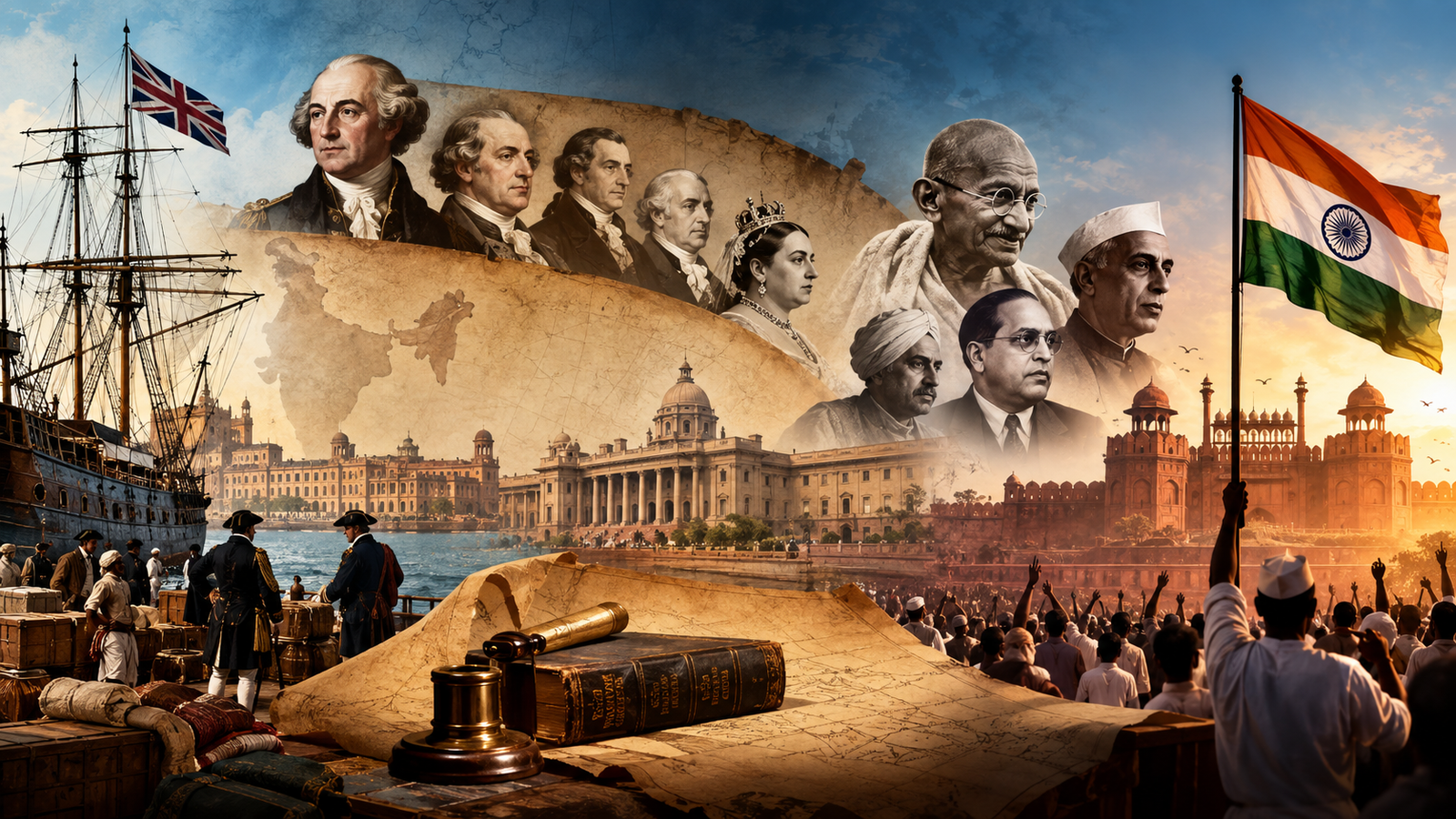
Explore the constitutional evolution of India from East India Company

Yojana June 2026 explores India’s journey towards a Naxal-free Bharat,

HPAS/HPPSC Current Affairs 2 September 2026: Himachal rainfall deficit, Therapy