
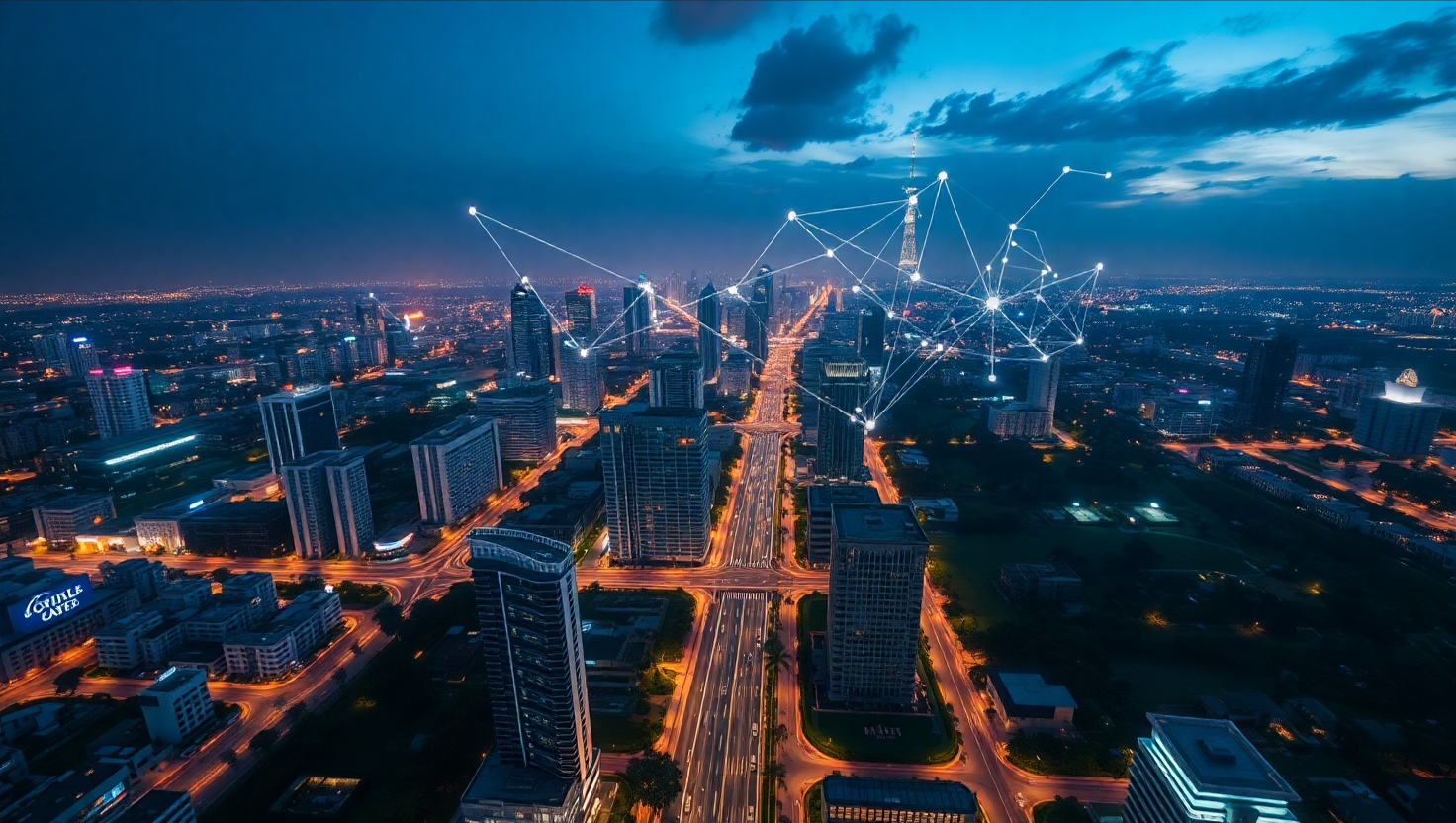
Global Artificial Intelligence (AI) City Index 2025
Bengaluru ranks 26th in Global Artificial Intelligence (AI) City Index 2025, emerging as India’s top AI hub in research and data infrastructure.
Bengaluru ranks 26th in Global Artificial Intelligence (AI) City Index 2025, emerging as India’s top AI hub in research and data infrastructure.
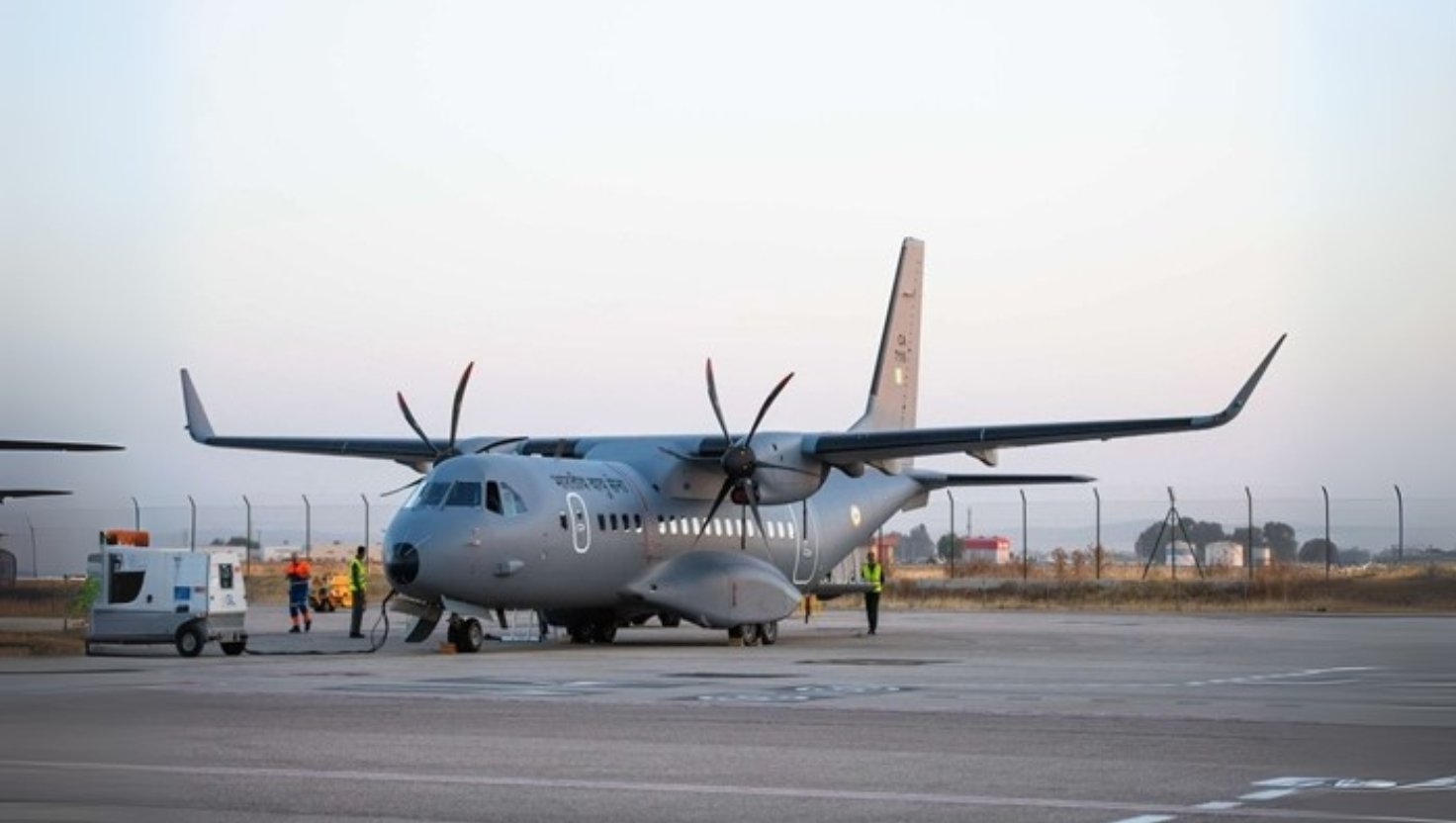
India receives all 16 Airbus C-295 Aircraft from Spain, boosting tactical airlift and marking a key step in defence indigenisation and modernisation.

India’s first AI-Powered Anganwadi launched in Nagpur to boost rural preschool education through AI, VR, and digital learning under Mission Bal Bharari.
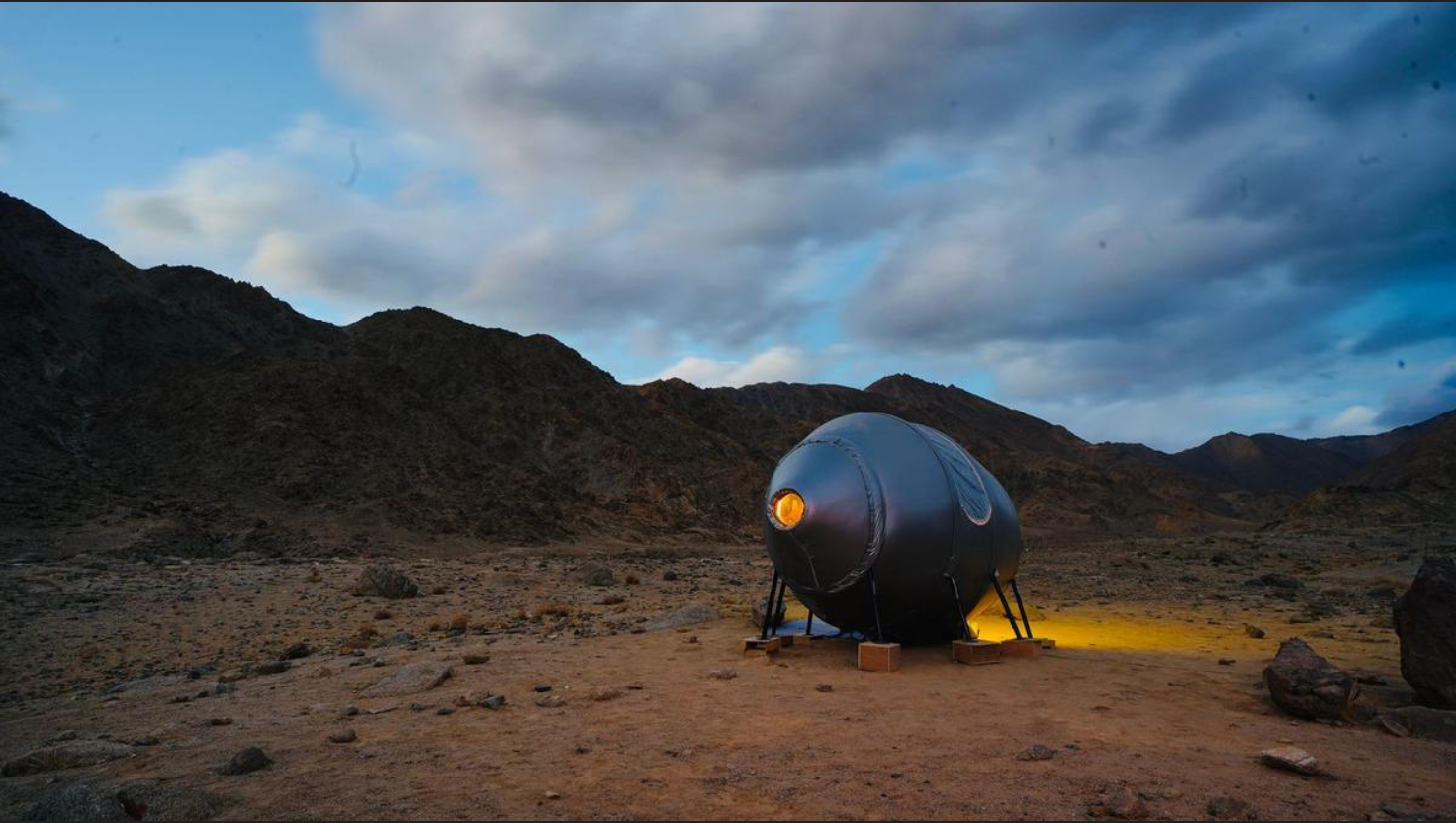
India launches its first moon-Mars simulation station, HOPE, in Ladakh to study human survival in extreme isolation for future space missions.

Nvidia becomes the world’s most valuable company in 2025, driven by booming AI chip demand and surpassing Apple and Microsoft in market value.
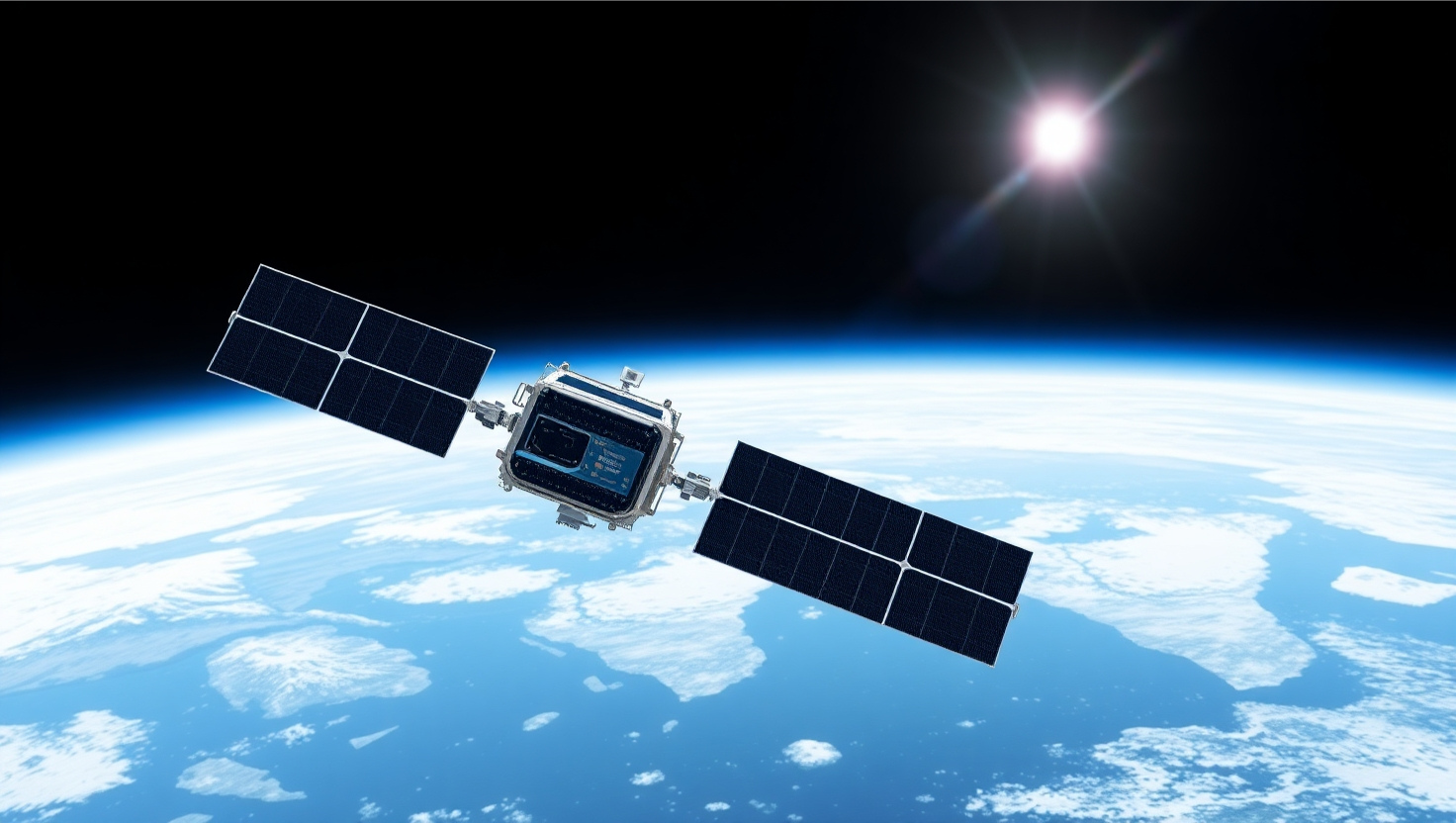
India launched the NASA–ISRO NISAR satellite, marking the first joint Earth observation mission to monitor land, ice, and climate with high precision.
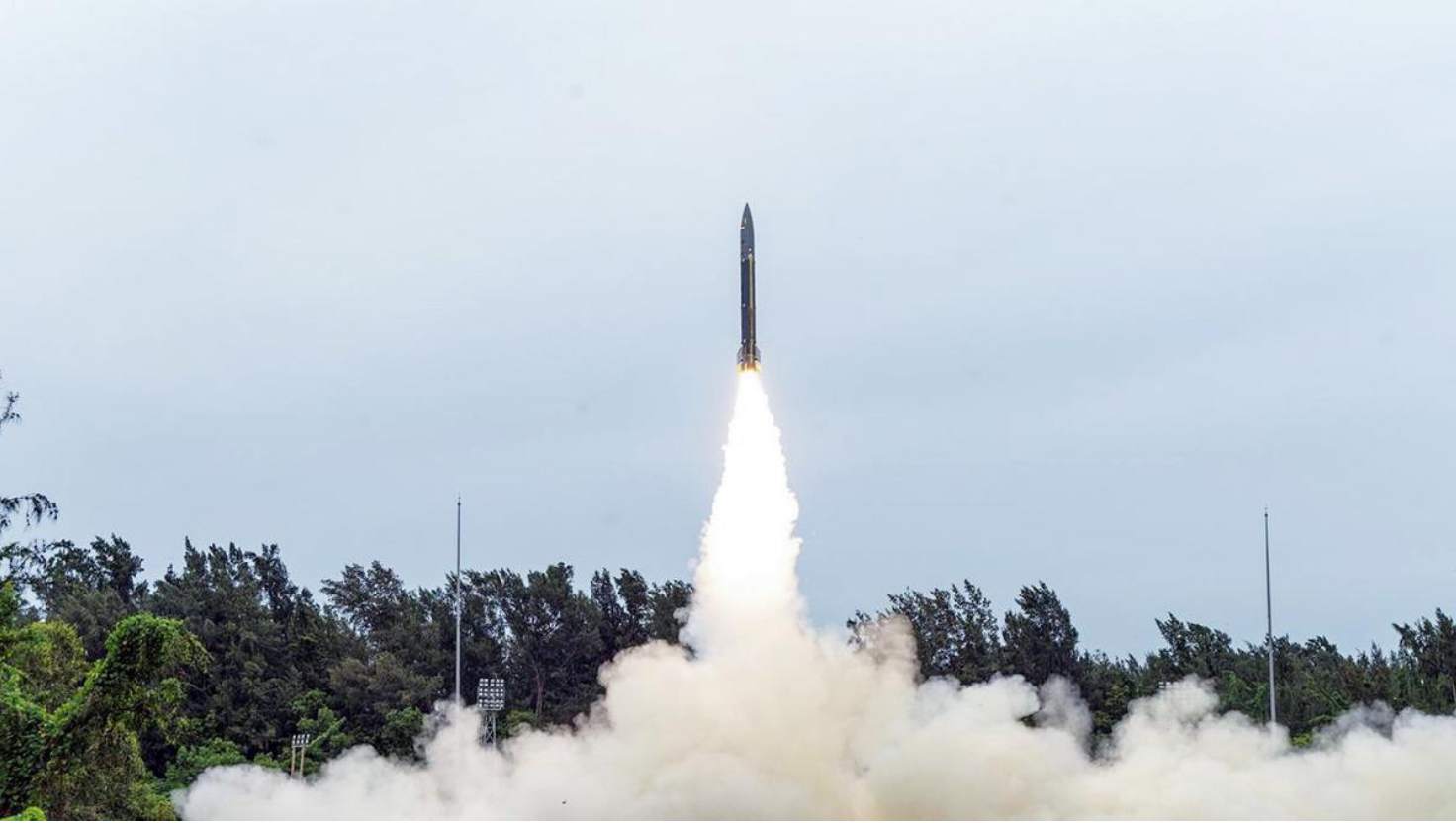
DRDO’s Pralay Missile, a short-range tactical ballistic missile, strengthens India’s conventional deterrence with high precision, mobility, and rapid deployment capabilities.
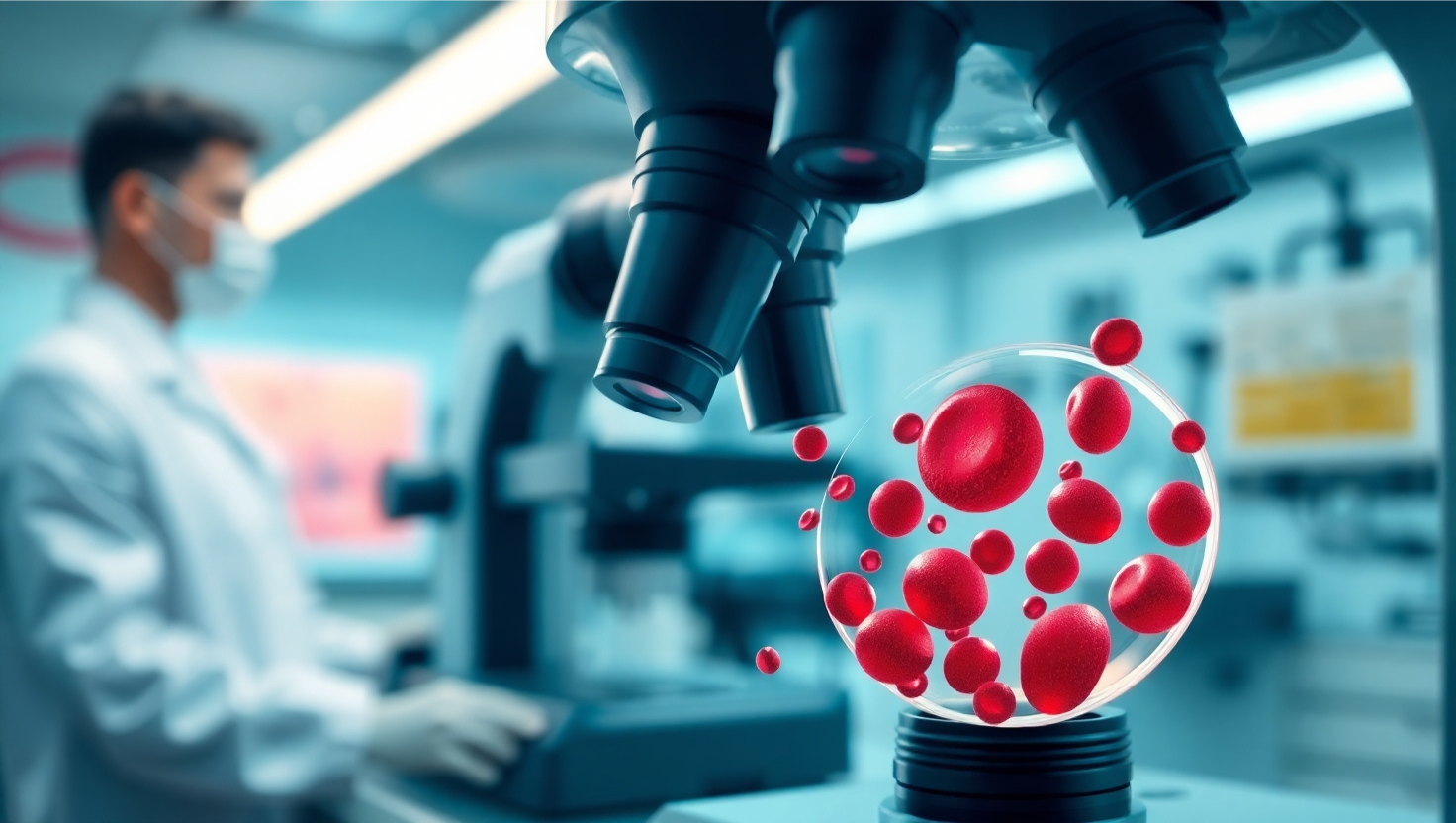
India discovers CRIB, a new human blood group, marking a major breakthrough in transfusion medicine and global immunohematology.

The Android Earthquake Alert System uses smartphone sensors to provide real-time quake warnings, now active in 98 countries globally.

HTBt cotton, a GM variety combining insect resistance and herbicide tolerance, moves closer to approval after a positive biosafety report by GEAC panel.

BRICS 2026: Explore the 18th BRICS Summit in New Delhi,
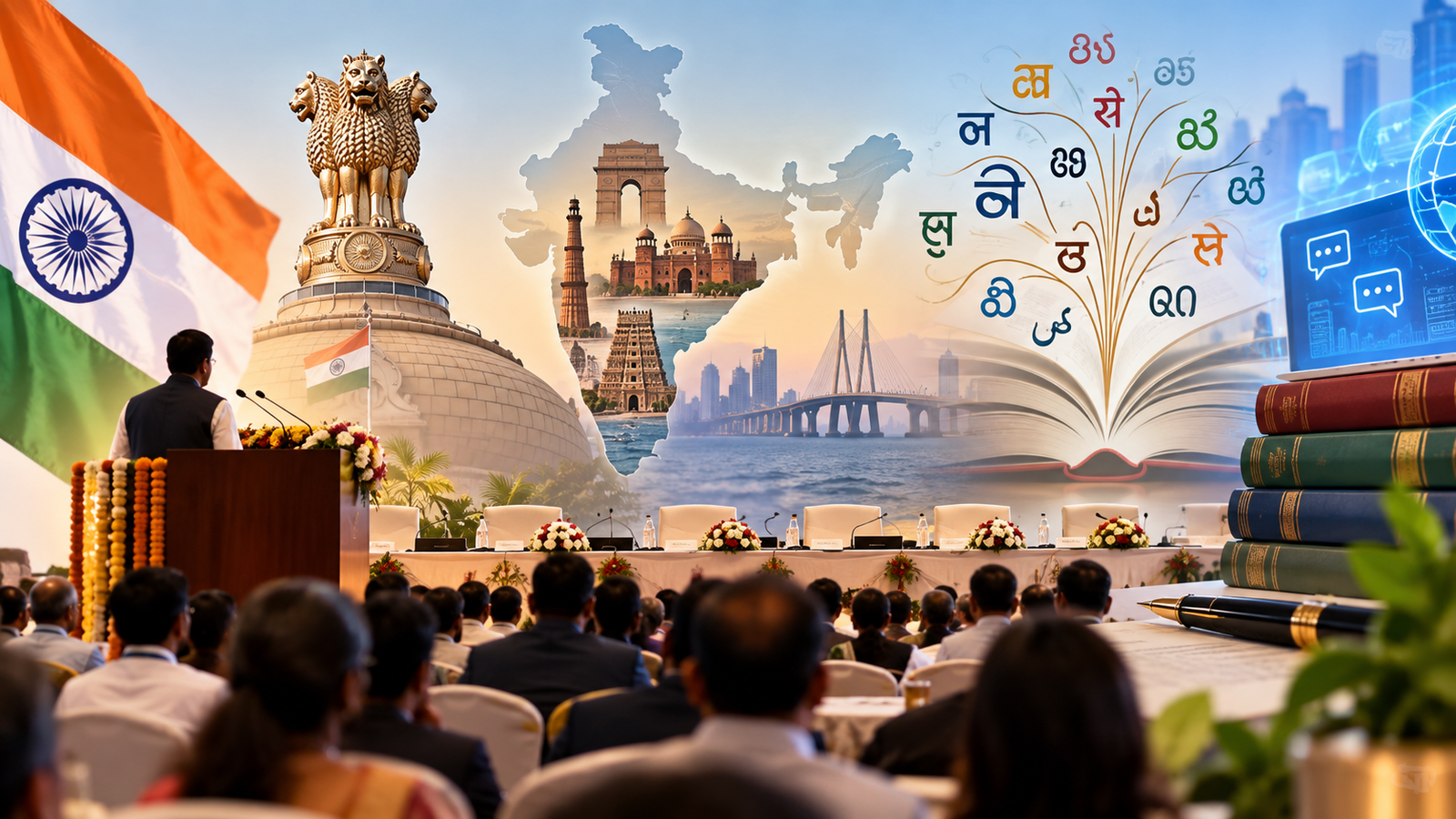
6th All India Official Language Conference 2026 in Navi Mumbai:
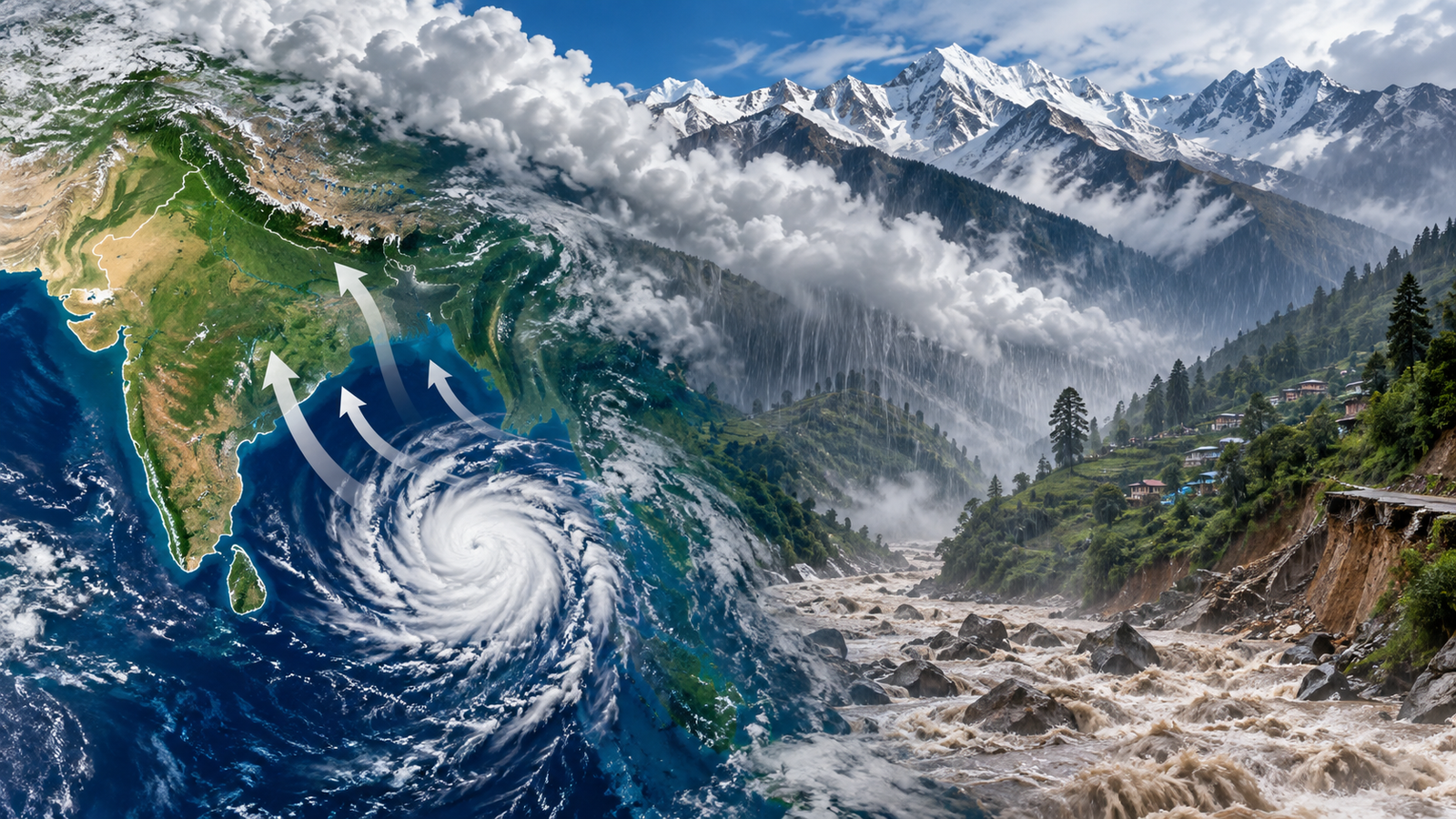
Discover how Bay of Bengal low-pressure systems shape India’s monsoon,

Explore the constitutional evolution of India from East India Company

Yojana June 2026 explores India’s journey towards a Naxal-free Bharat,
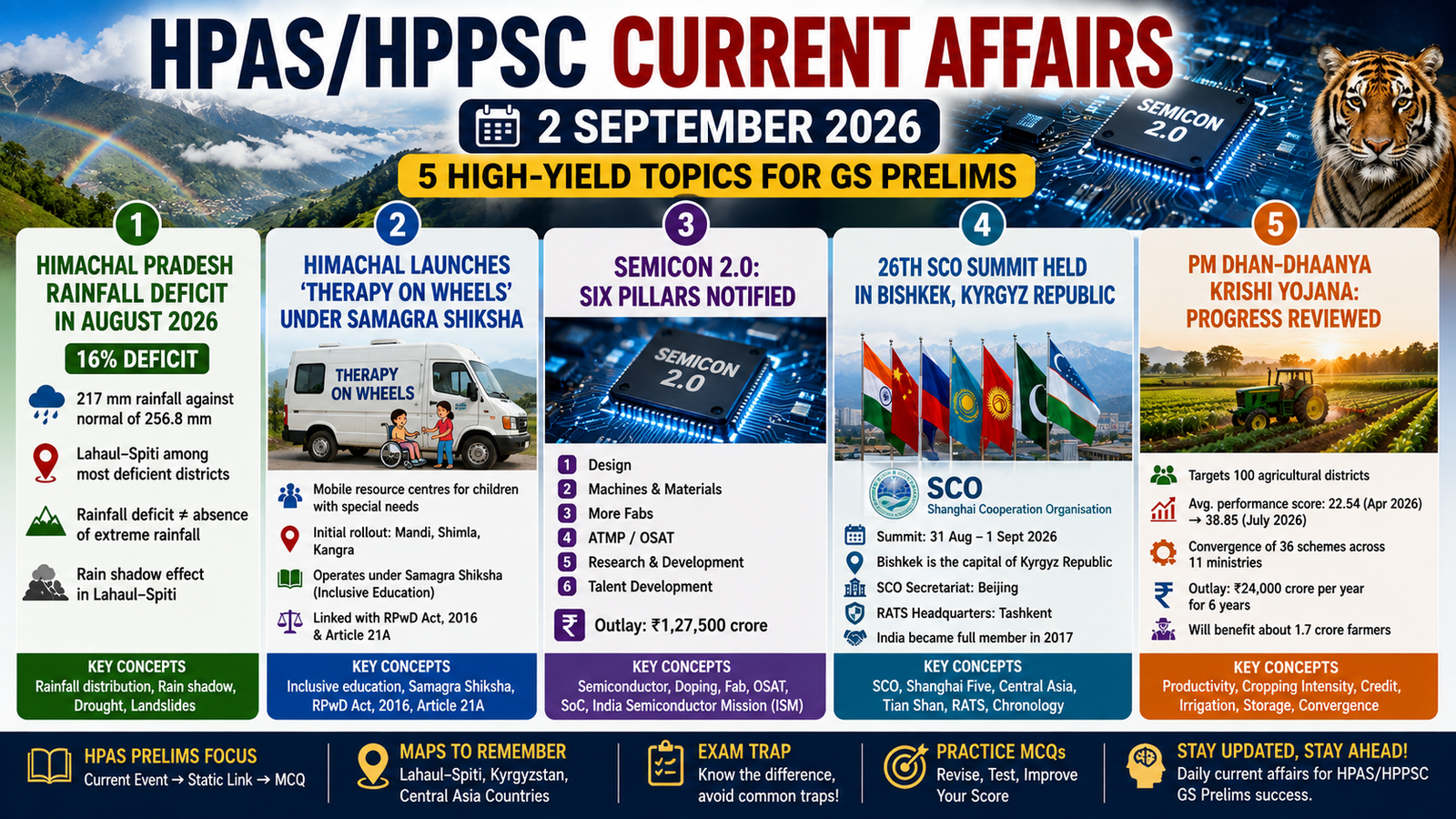
HPAS/HPPSC Current Affairs 2 September 2026: Himachal rainfall deficit, Therapy