
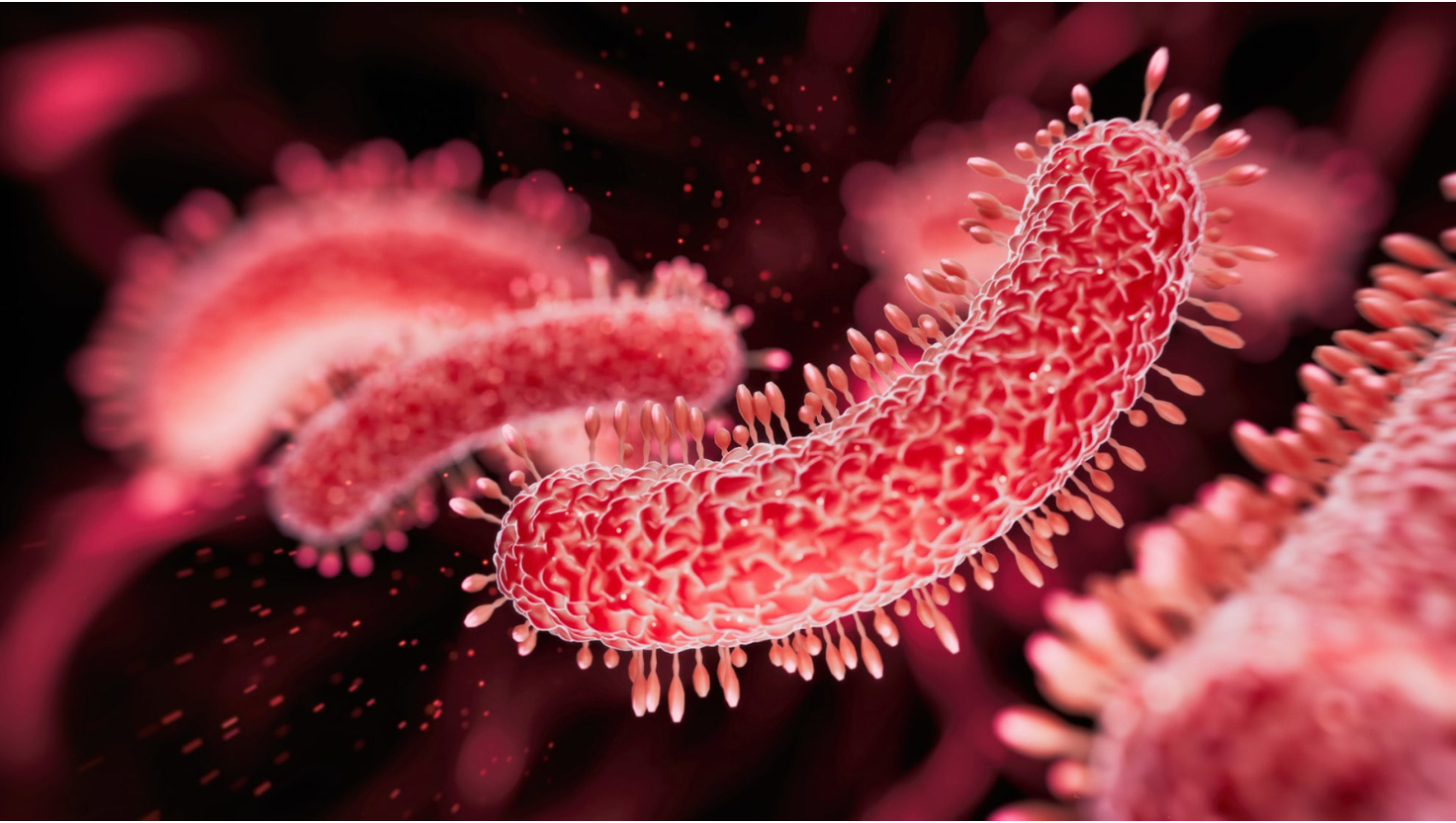
Evo AI Model
Evo AI Model designs therapeutic viruses using genomics AI, speeding research and fighting drug-resistant bacterial infections.
Evo AI Model designs therapeutic viruses using genomics AI, speeding research and fighting drug-resistant bacterial infections.
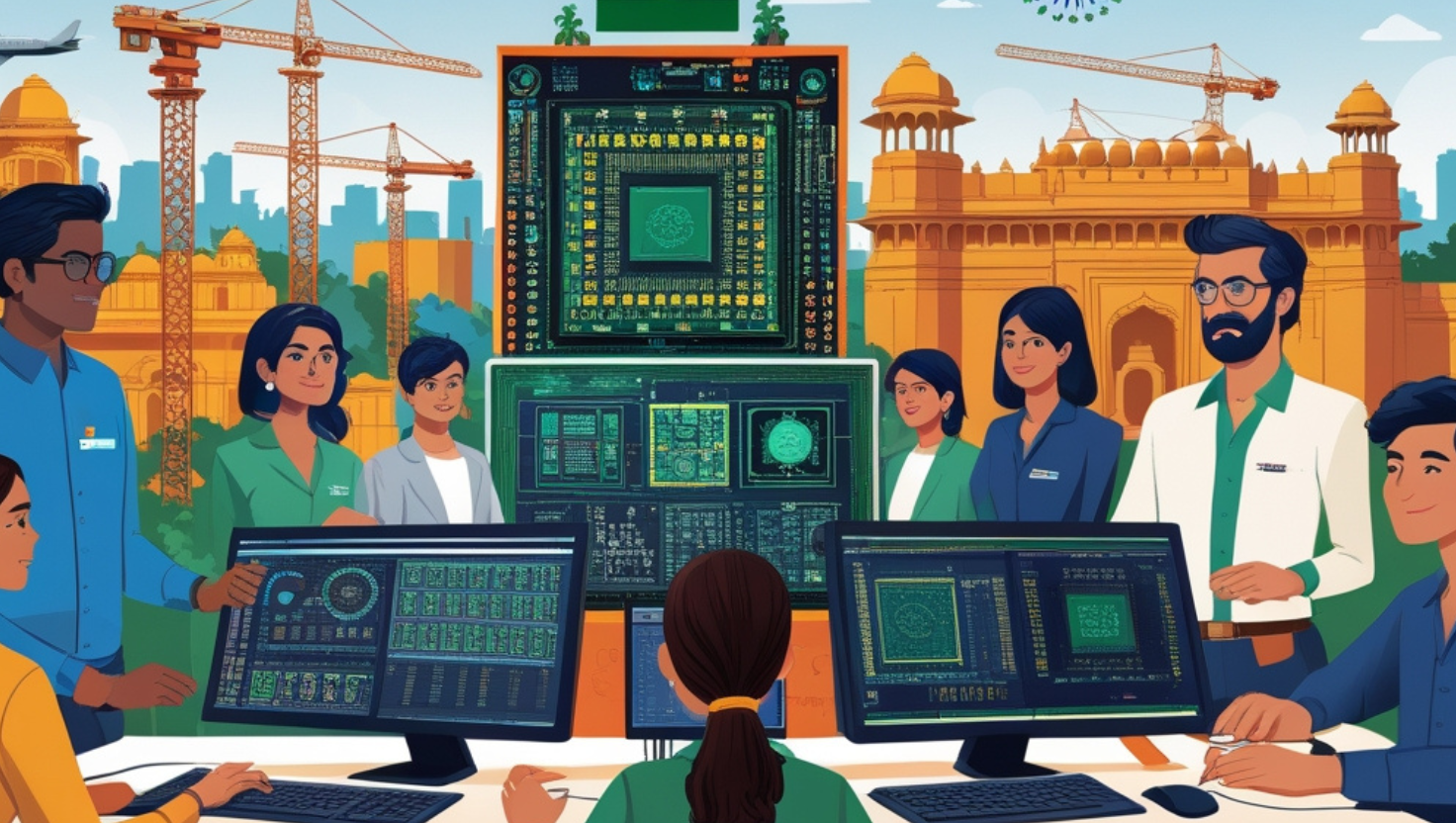
India’s semiconductor design edge and policy push under the Semicon India Mission aim to make the country a global chip hub, boosting innovation, jobs, and strategic security
The Digital Connectivity Rating by TRAI evaluates in-building telecom quality, offering star ratings to enhance transparency, consumer choice, and 5G readiness.
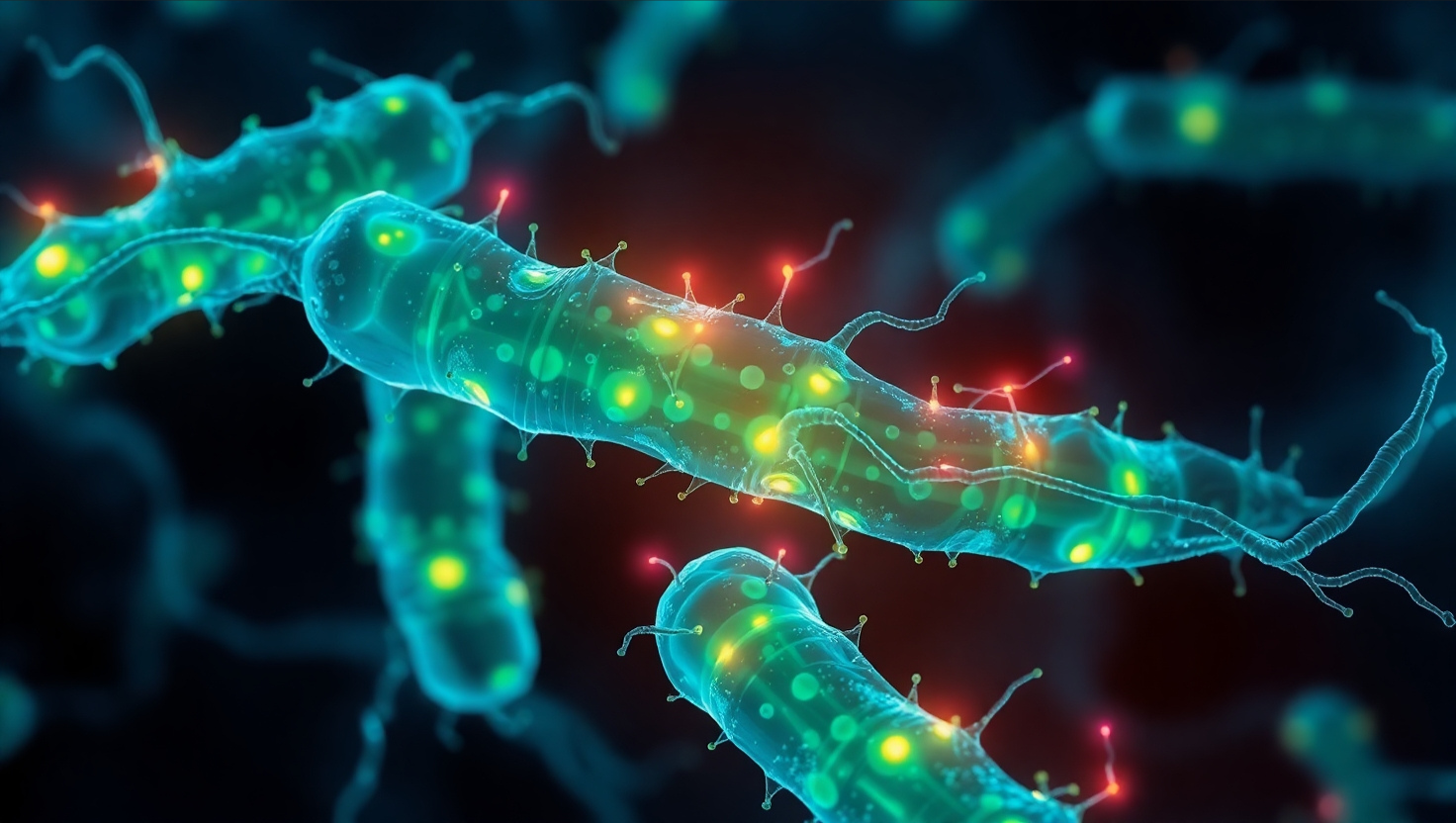
Engineered E. coli works as a mercury sensor, converting toxic metal presence in water into readable electric signals.
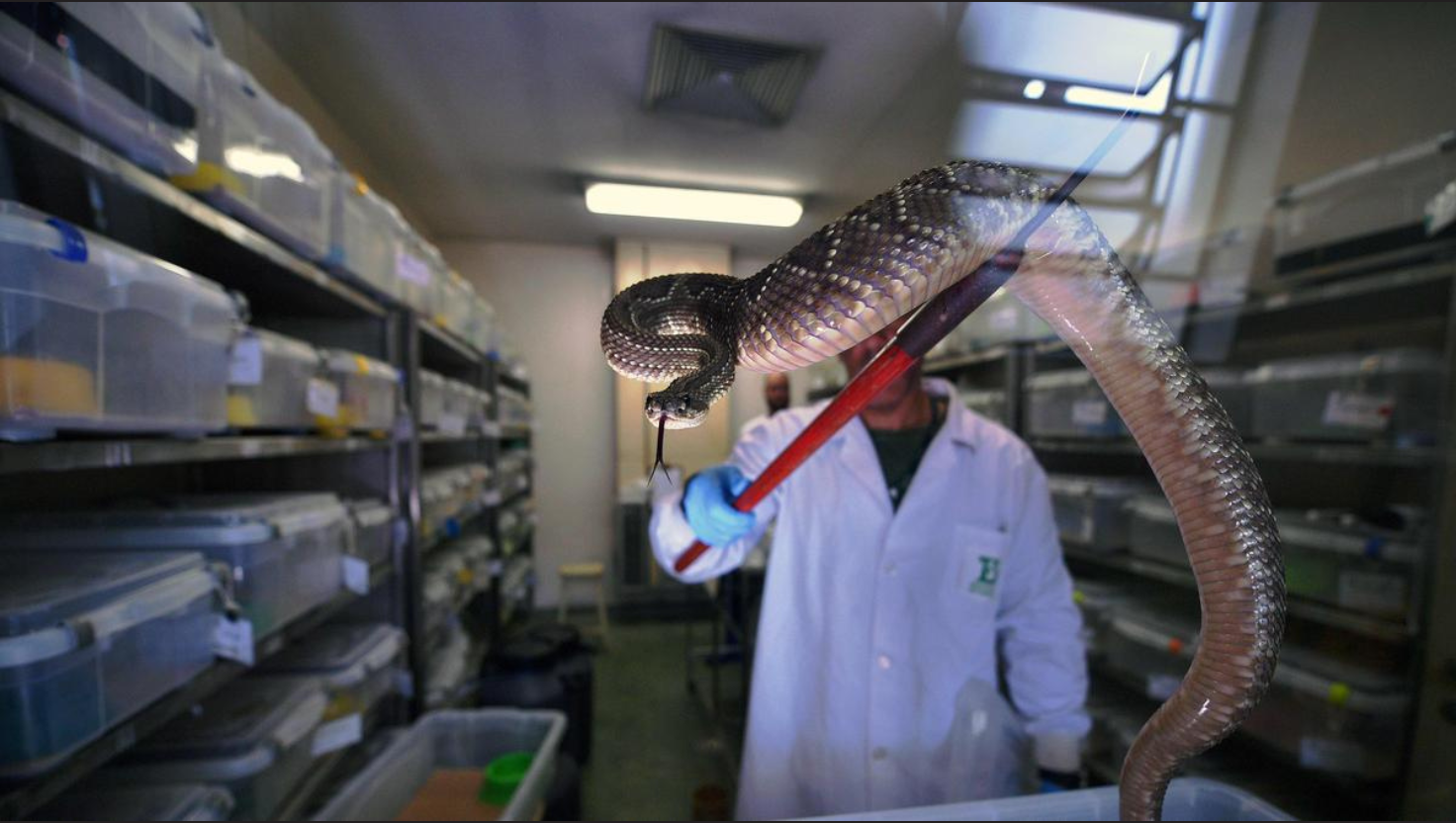
Indian Polyvalent Antivenom counters bites from the “Big Four” snakes but is less effective in Northeast, calling for region-specific solutions.
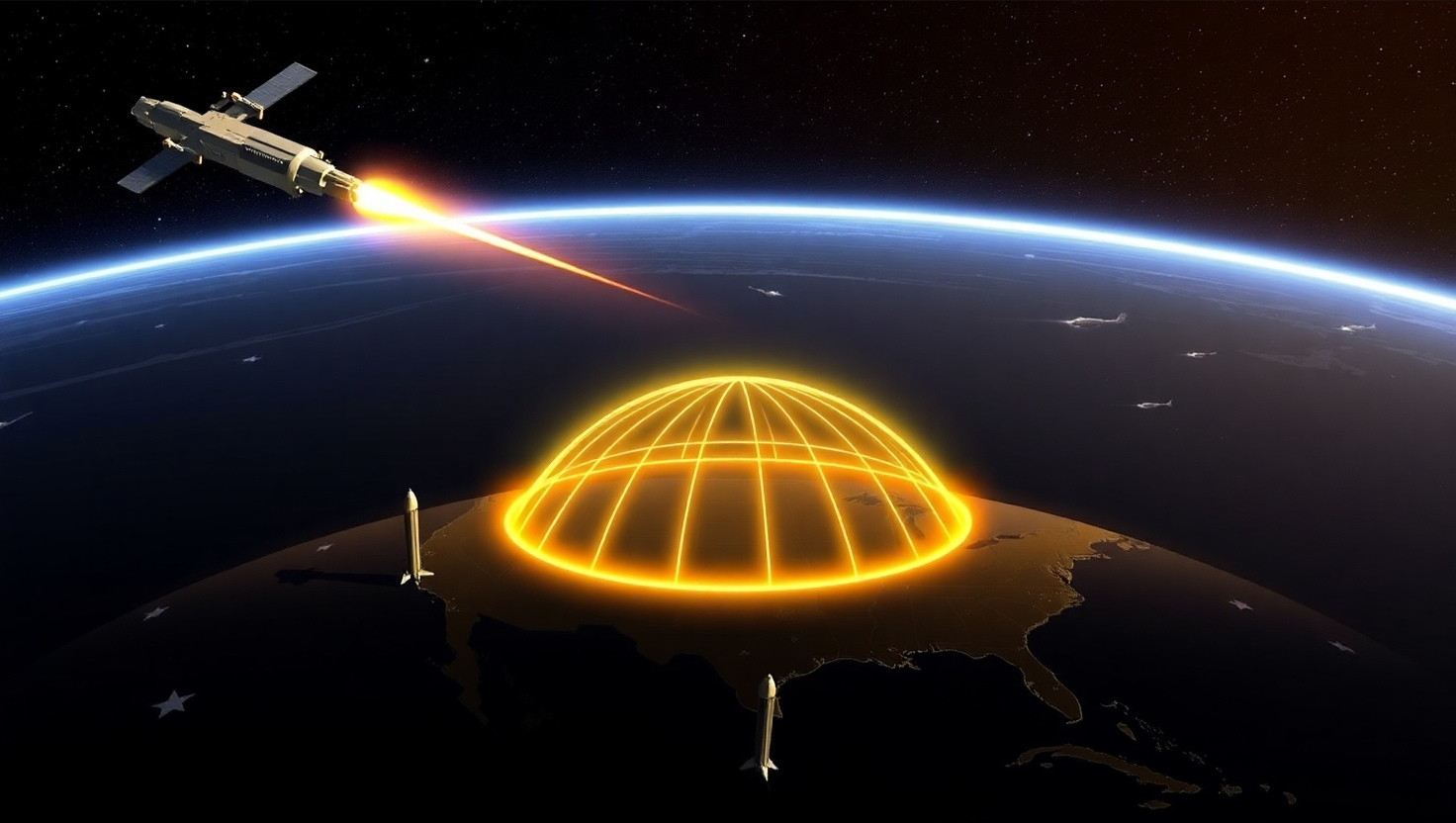
The U.S. unveiled the $175 billion Golden Dome Missile Defense System, a multi-layered shield against ballistic, hypersonic, and cruise missile threats.
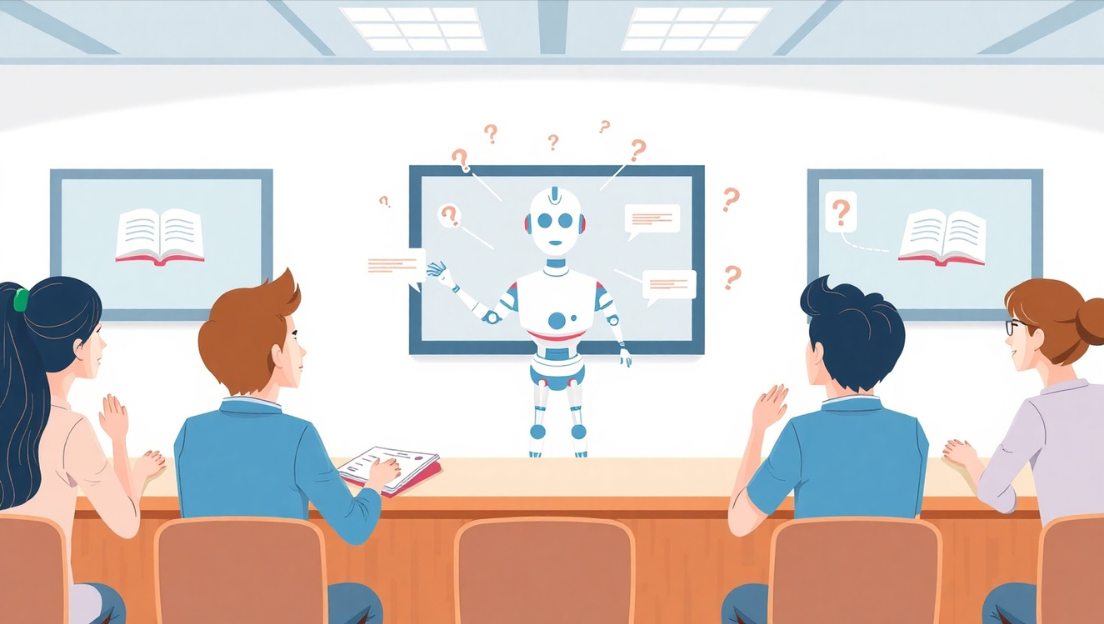
AI in Education is shifting from providing quick answers to acting as a Socratic partner, encouraging inquiry, critical thinking, and deeper learning.

WHO–IARC classifies Hepatitis D virus as carcinogenic, raising urgency for HBV vaccination, universal testing, and stronger hepatitis control measures.
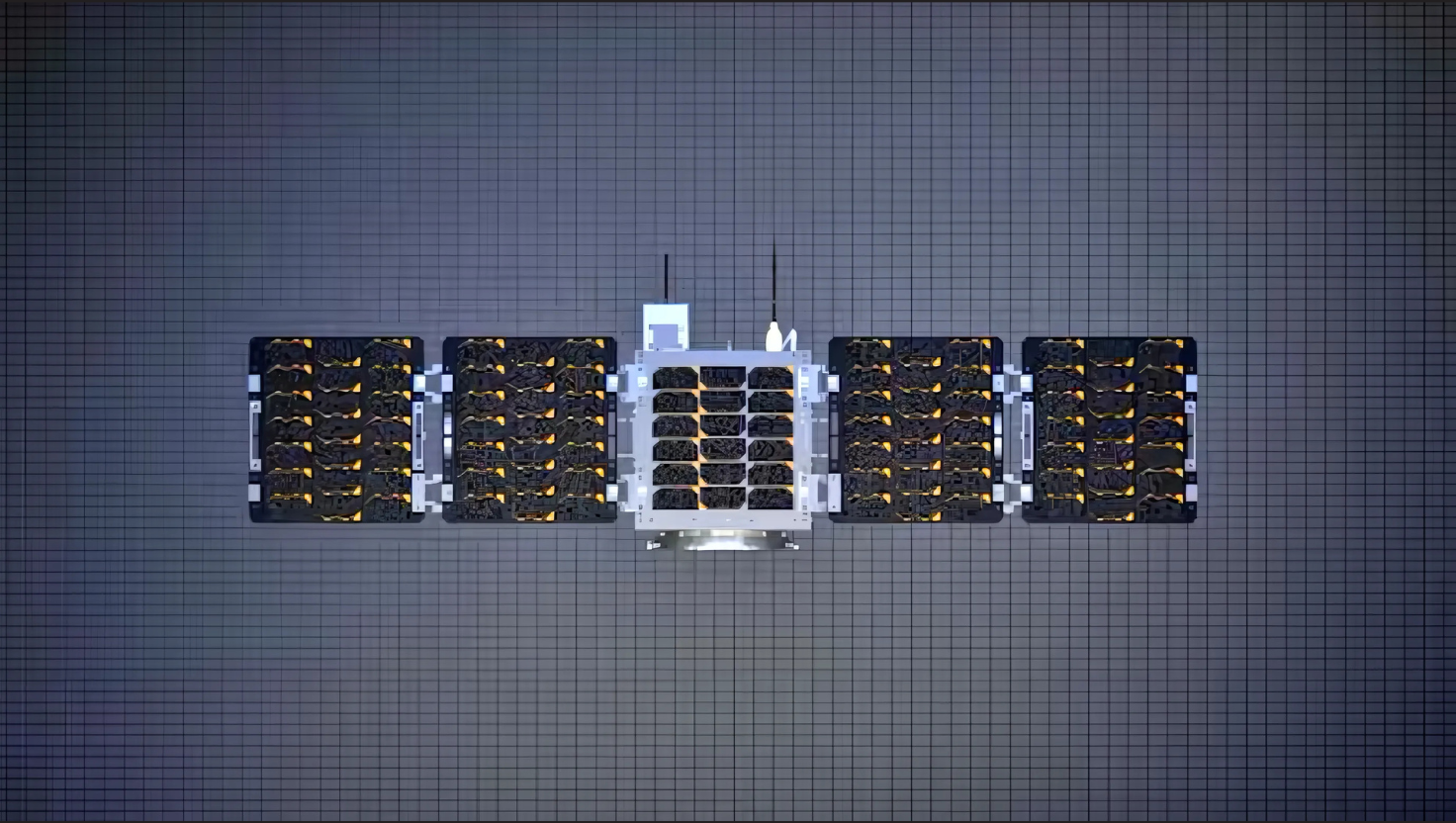
LEAP-1 Mission by Dhruva Space will launch on SpaceX Falcon 9, showcasing AI and hyperspectral imaging for global commercial applications.
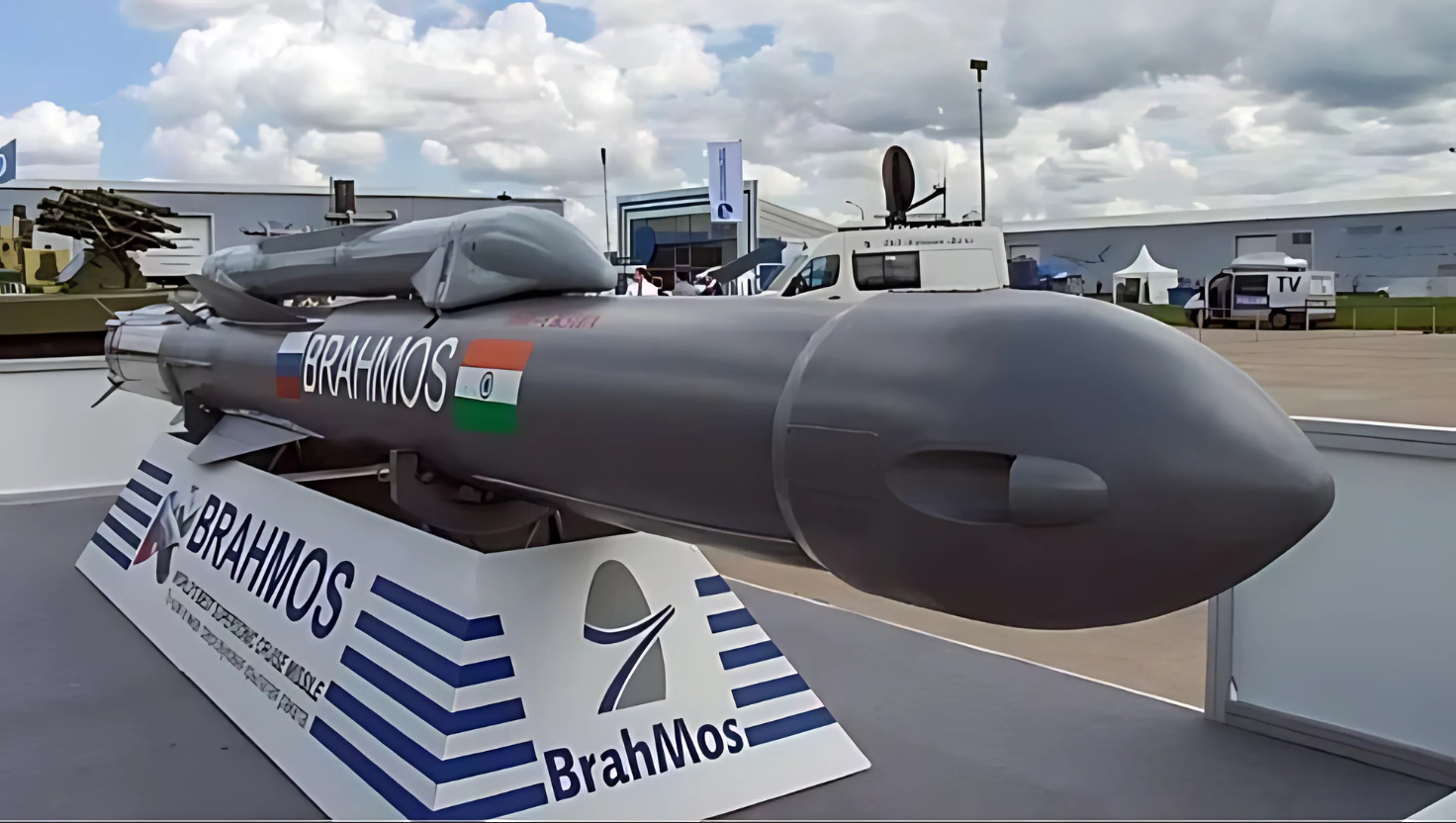
BrahMos Supersonic Cruise Missile, jointly developed by India and Russia, boosts precision-strike capability with multi-platform deployment.
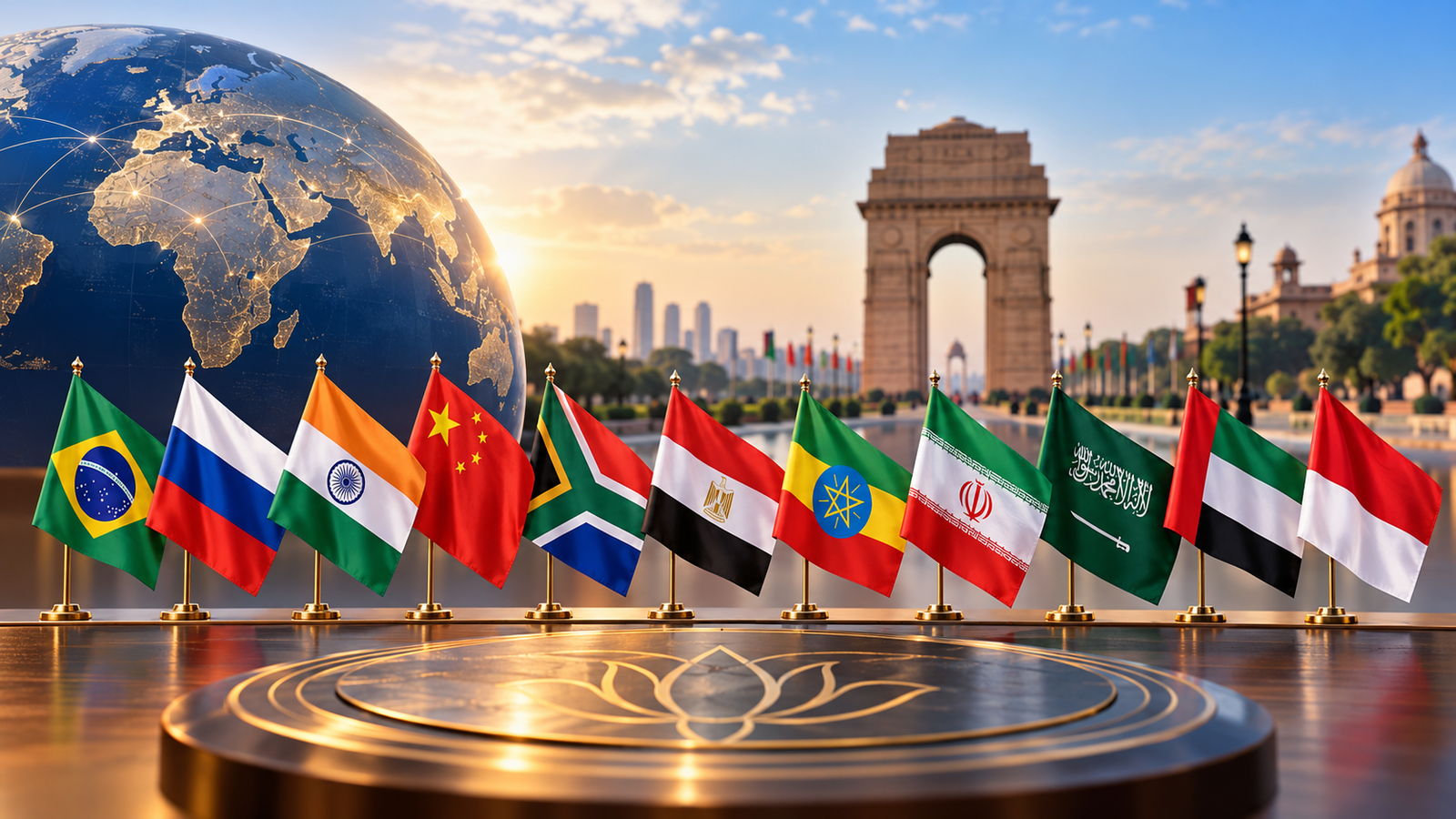
BRICS 2026: Explore the 18th BRICS Summit in New Delhi,
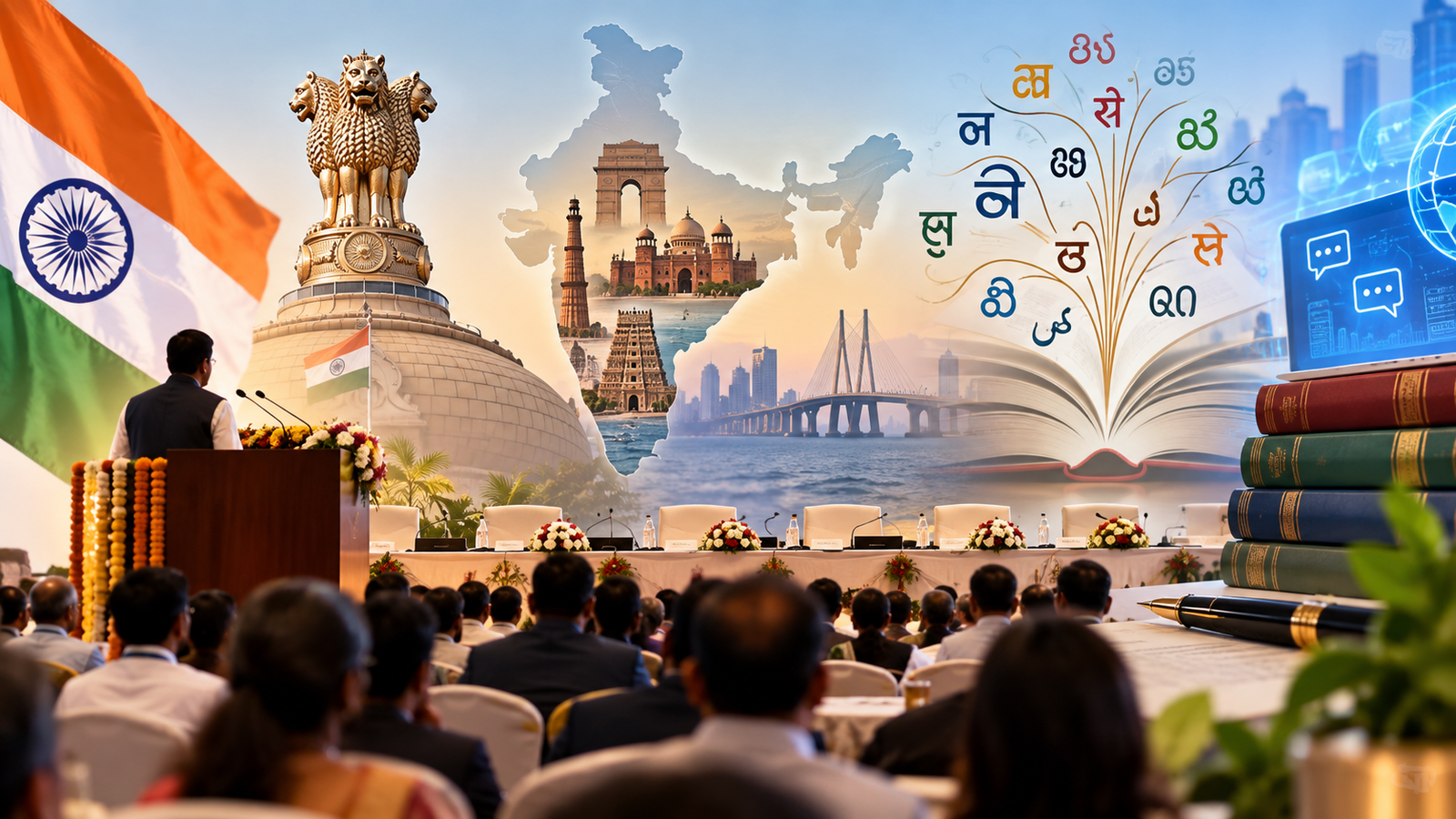
6th All India Official Language Conference 2026 in Navi Mumbai:

Discover how Bay of Bengal low-pressure systems shape India’s monsoon,
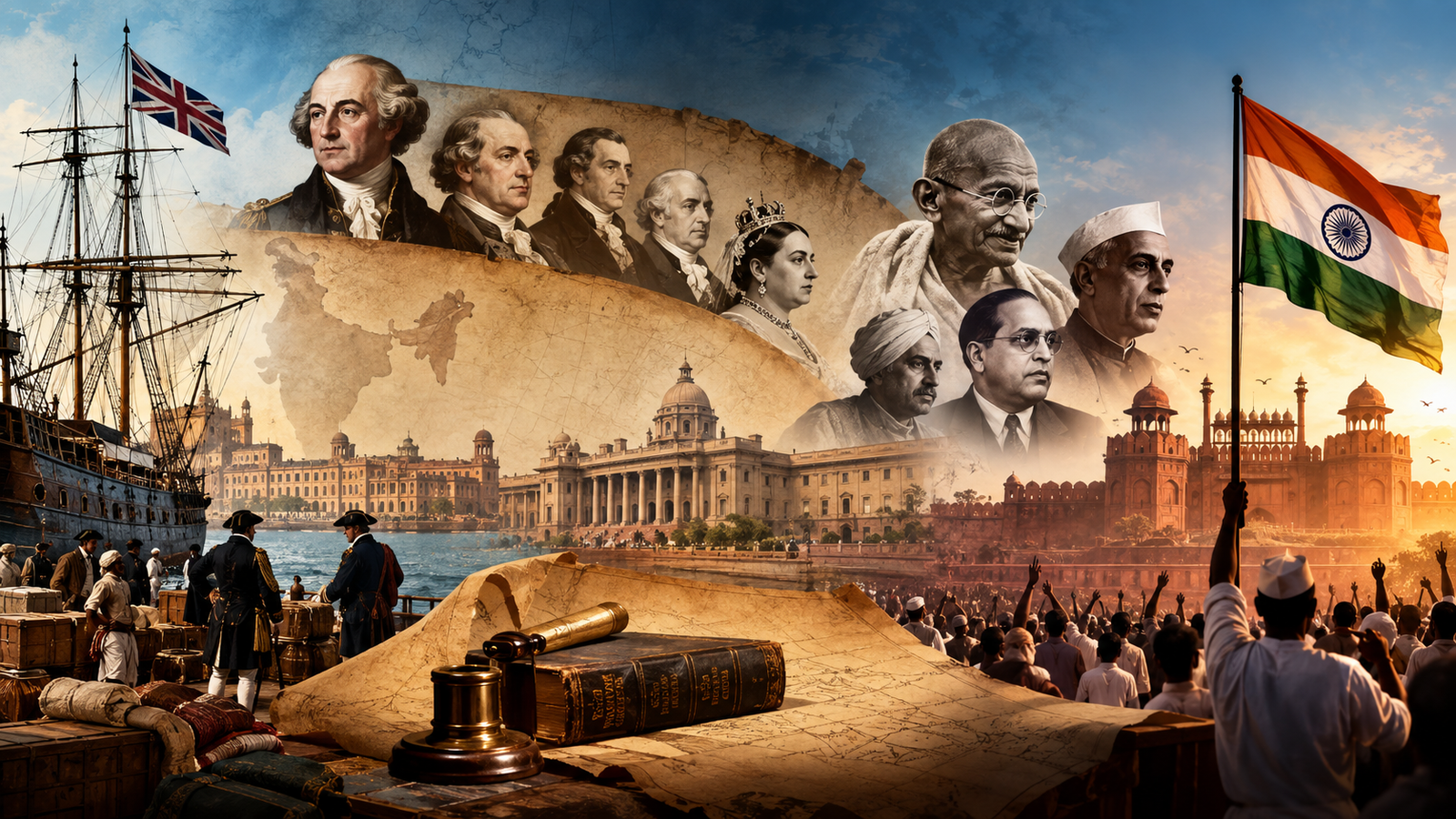
Explore the constitutional evolution of India from East India Company

Yojana June 2026 explores India’s journey towards a Naxal-free Bharat,
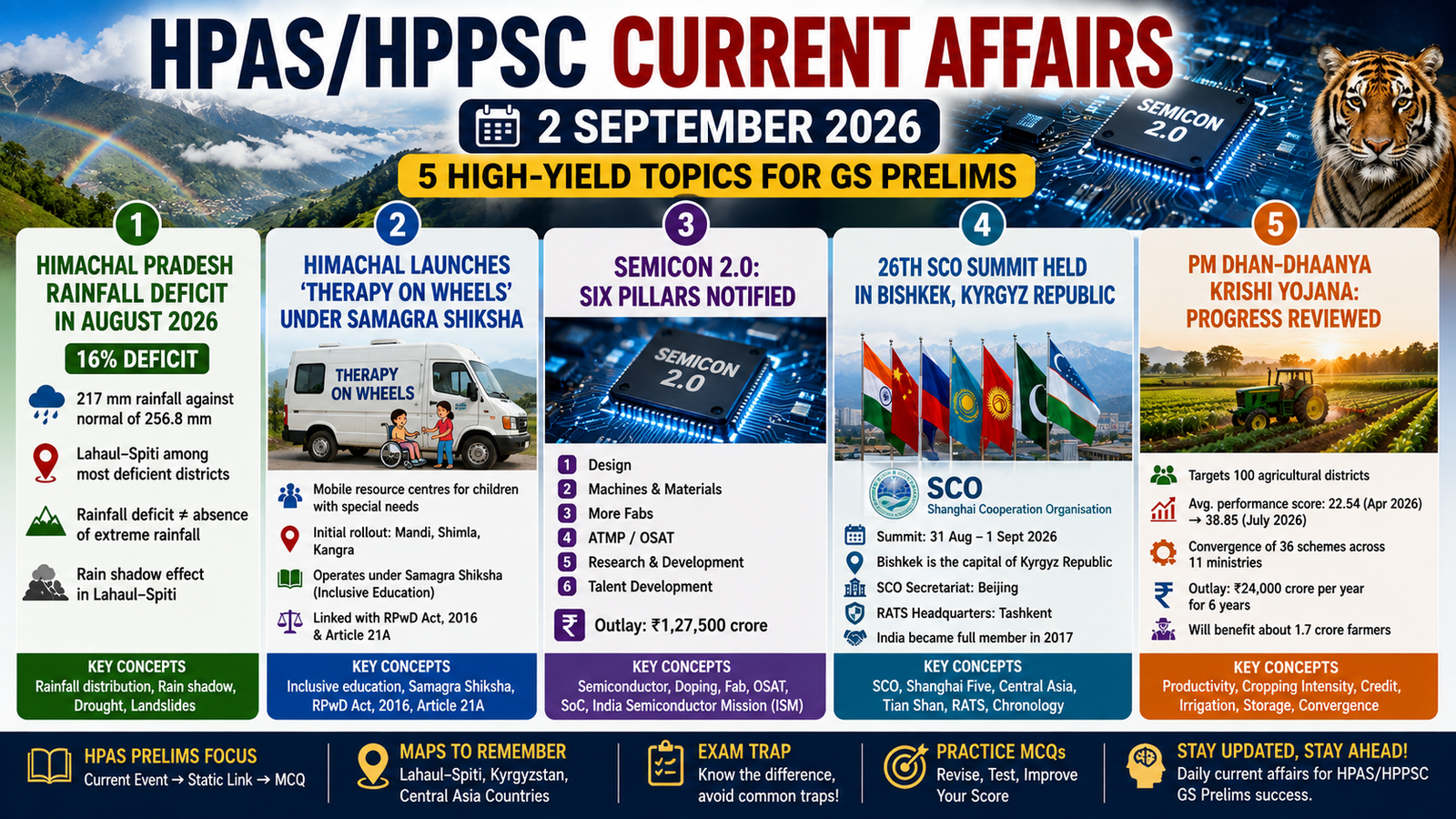
HPAS/HPPSC Current Affairs 2 September 2026: Himachal rainfall deficit, Therapy