
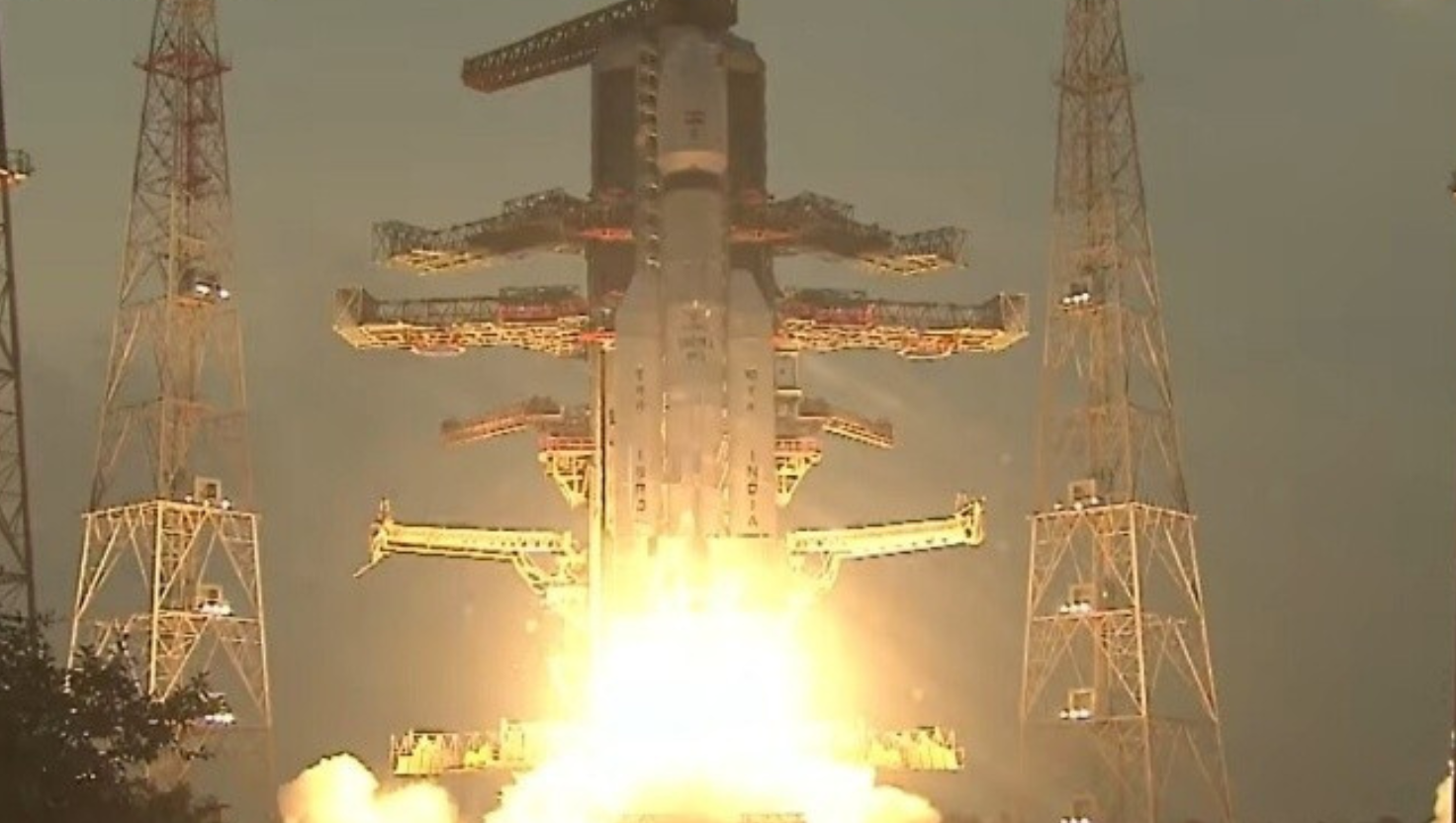
LVM3-M5 Launch Vehicle
ISRO launches India’s heaviest satellite, CMS-03 (GSAT-7R), using the LVM3-M5 rocket, boosting secure communication and self-reliance in space tech.
ISRO launches India’s heaviest satellite, CMS-03 (GSAT-7R), using the LVM3-M5 rocket, boosting secure communication and self-reliance in space tech.
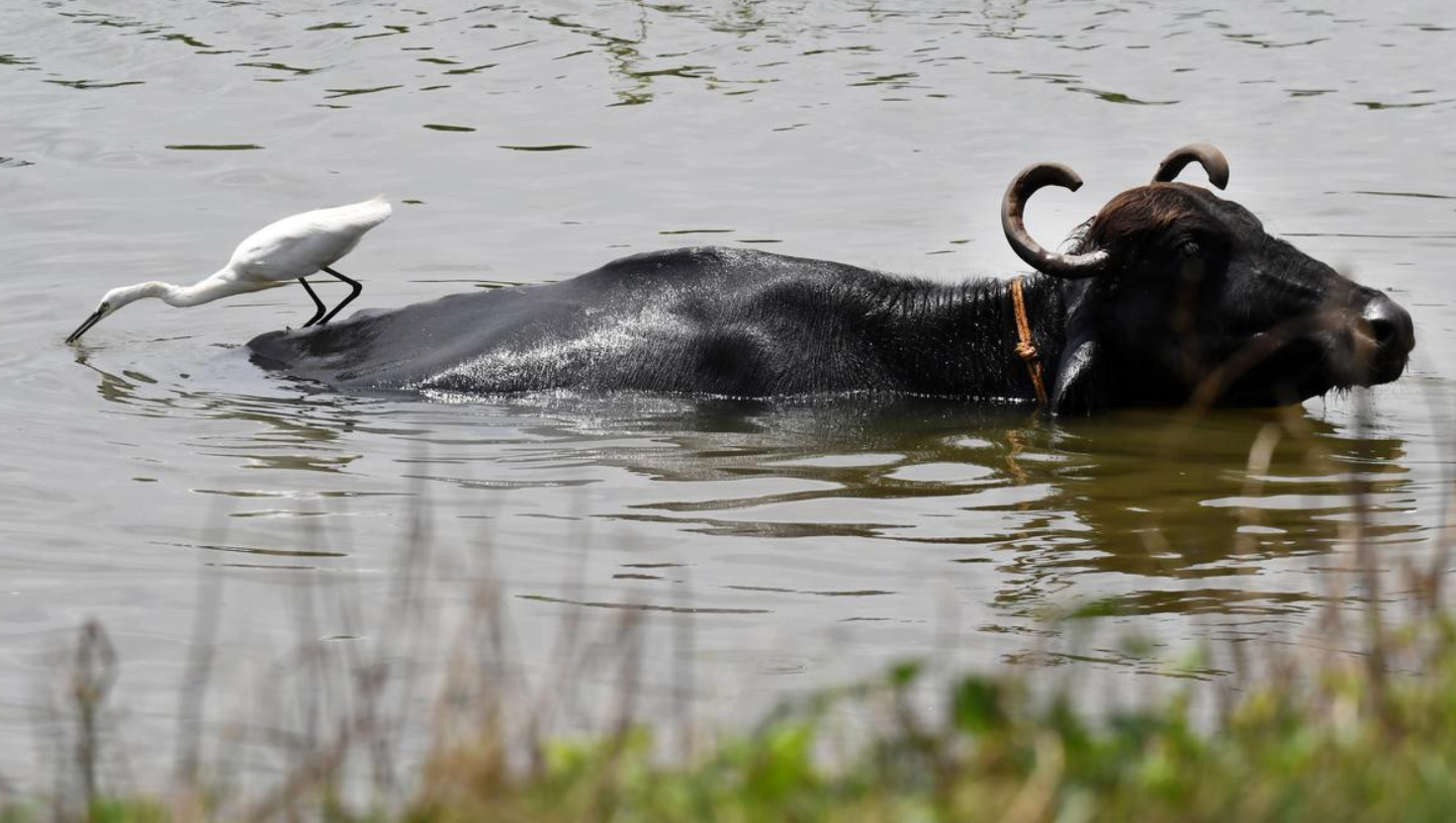
CRYODIL, developed by ICAR–NIANP, is India’s first egg yolk-free semen extender, boosting buffalo breeding and supporting Atmanirbhar Bharat.
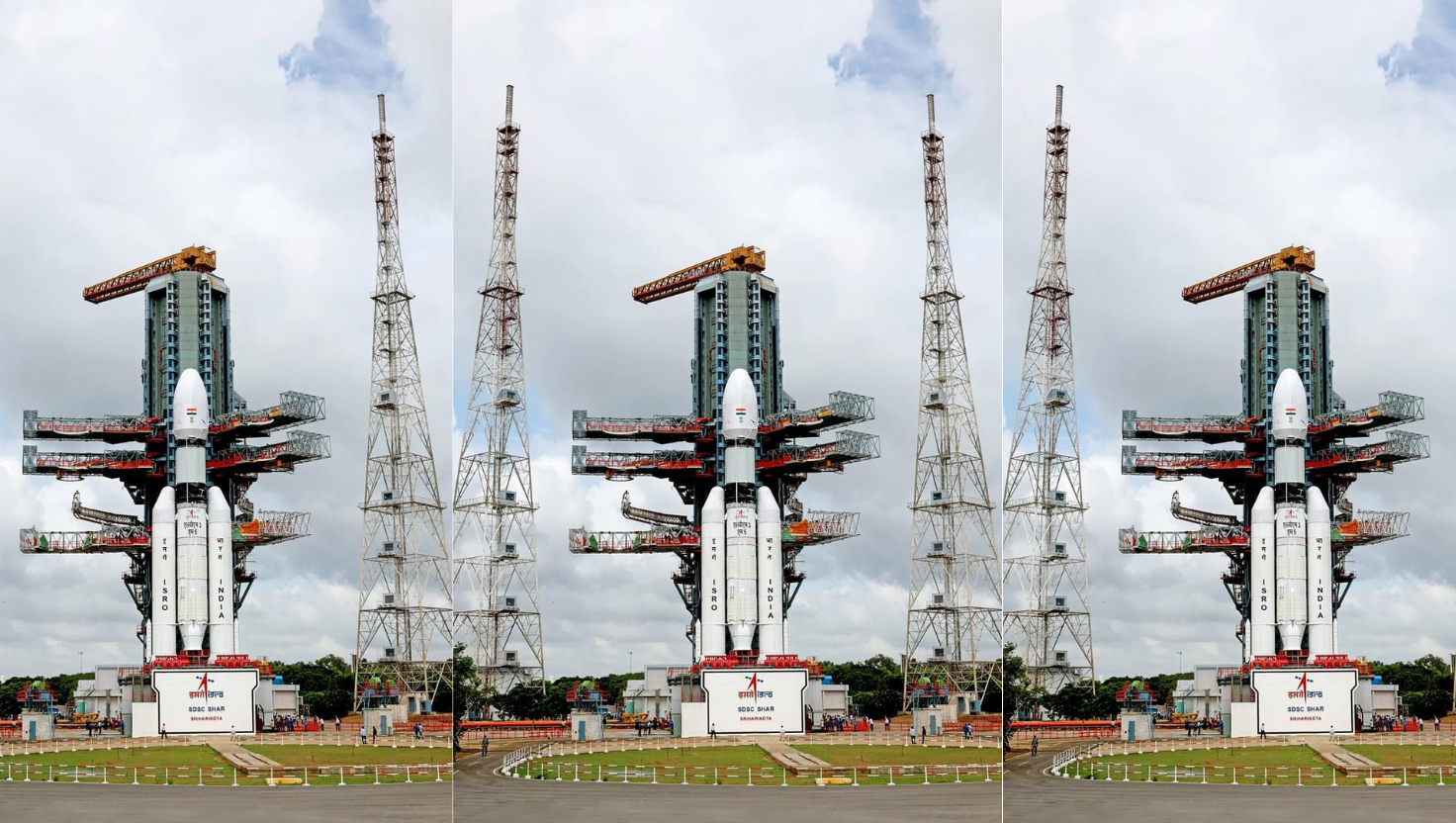
GSAT-7R Satellite (CMS-03) boosts secure defence communication, strengthening India’s maritime, air, and space-based strategic capabilities.
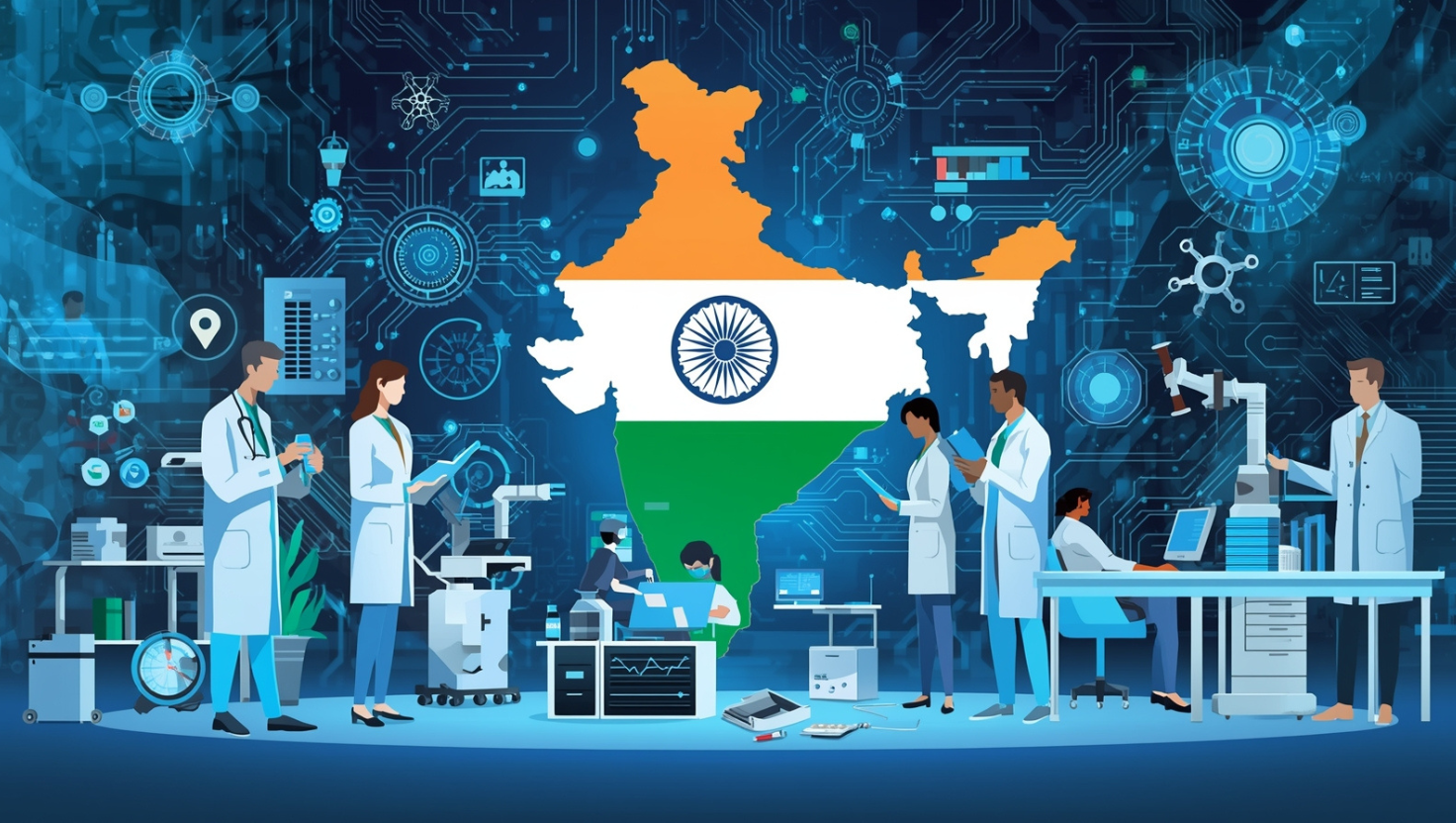
Maha MedTech Mission boosts India’s MedTech innovation, manufacturing, and self-reliance, promoting affordable, high-quality healthcare solutions.
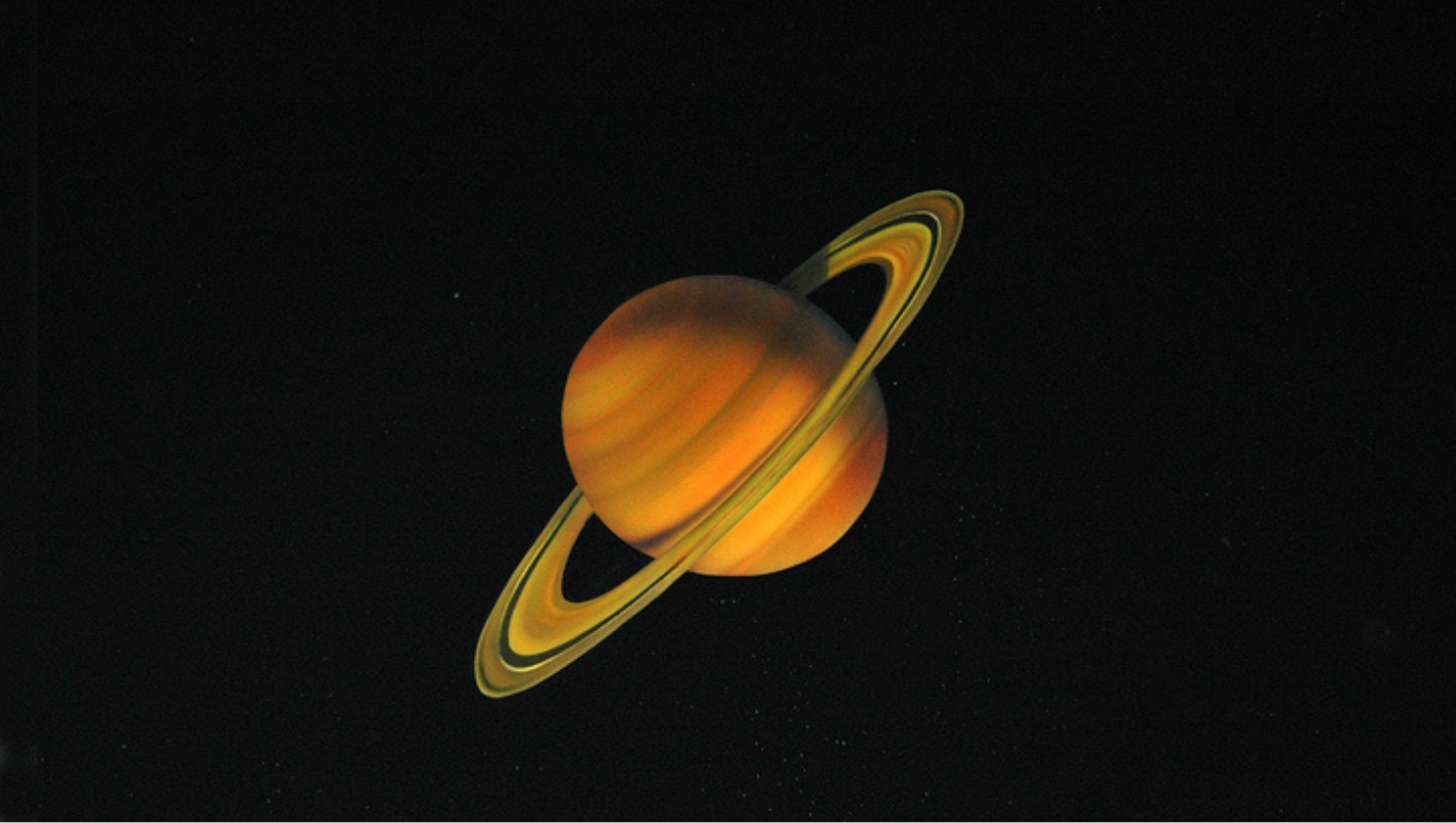
Astronomers observed ring formation around Chiron, marking the first real-time discovery of rings around a minor planet between Saturn and Uranus.
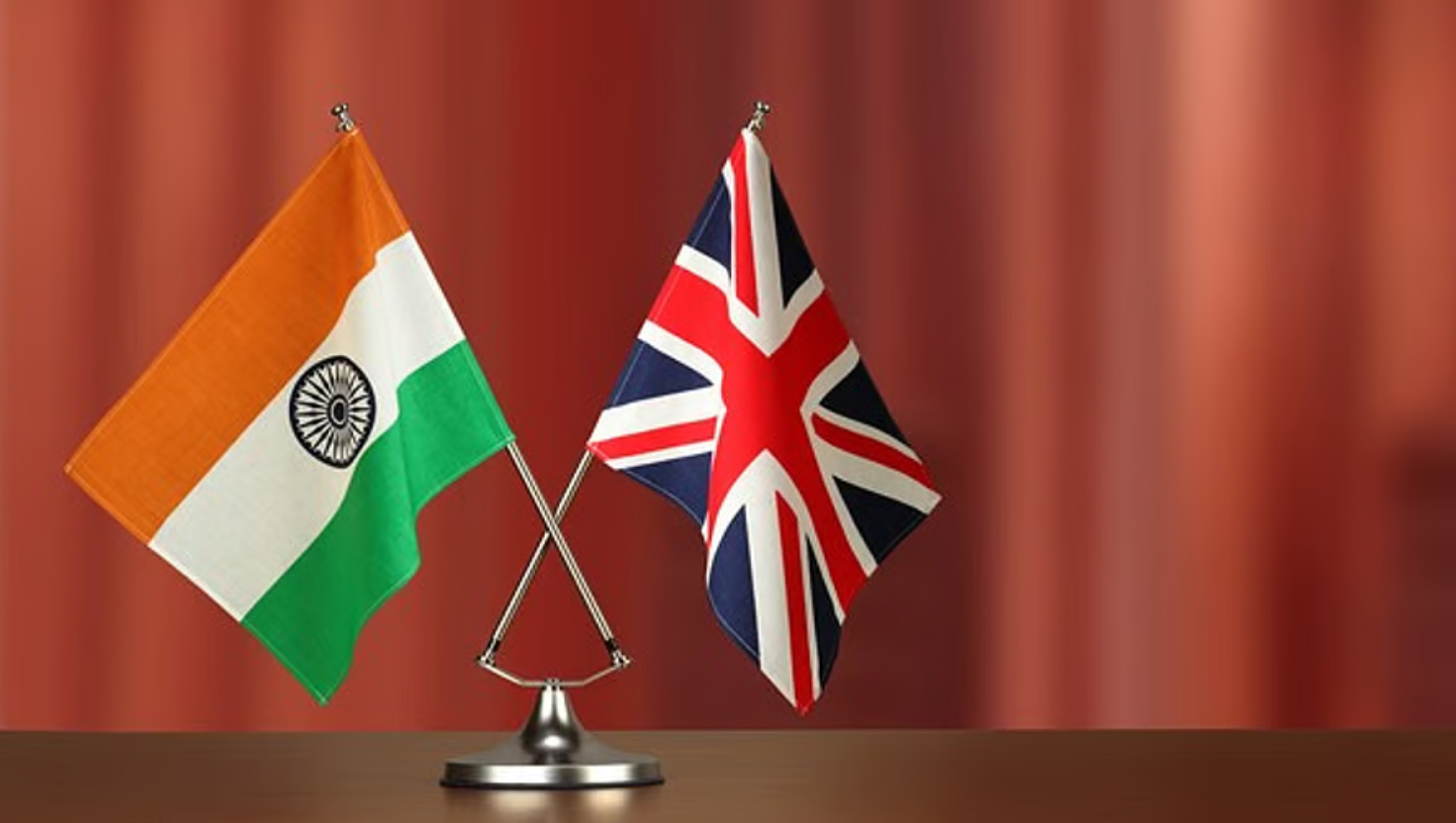
The India–UK Connectivity and Innovation Centre (CIC) aims to advance 6G research, AI-driven telecom innovation, and secure digital communication systems.

DRAVYA portal digitises Ayurvedic substances, combining classical texts, modern research, and field studies in an AI-ready database.
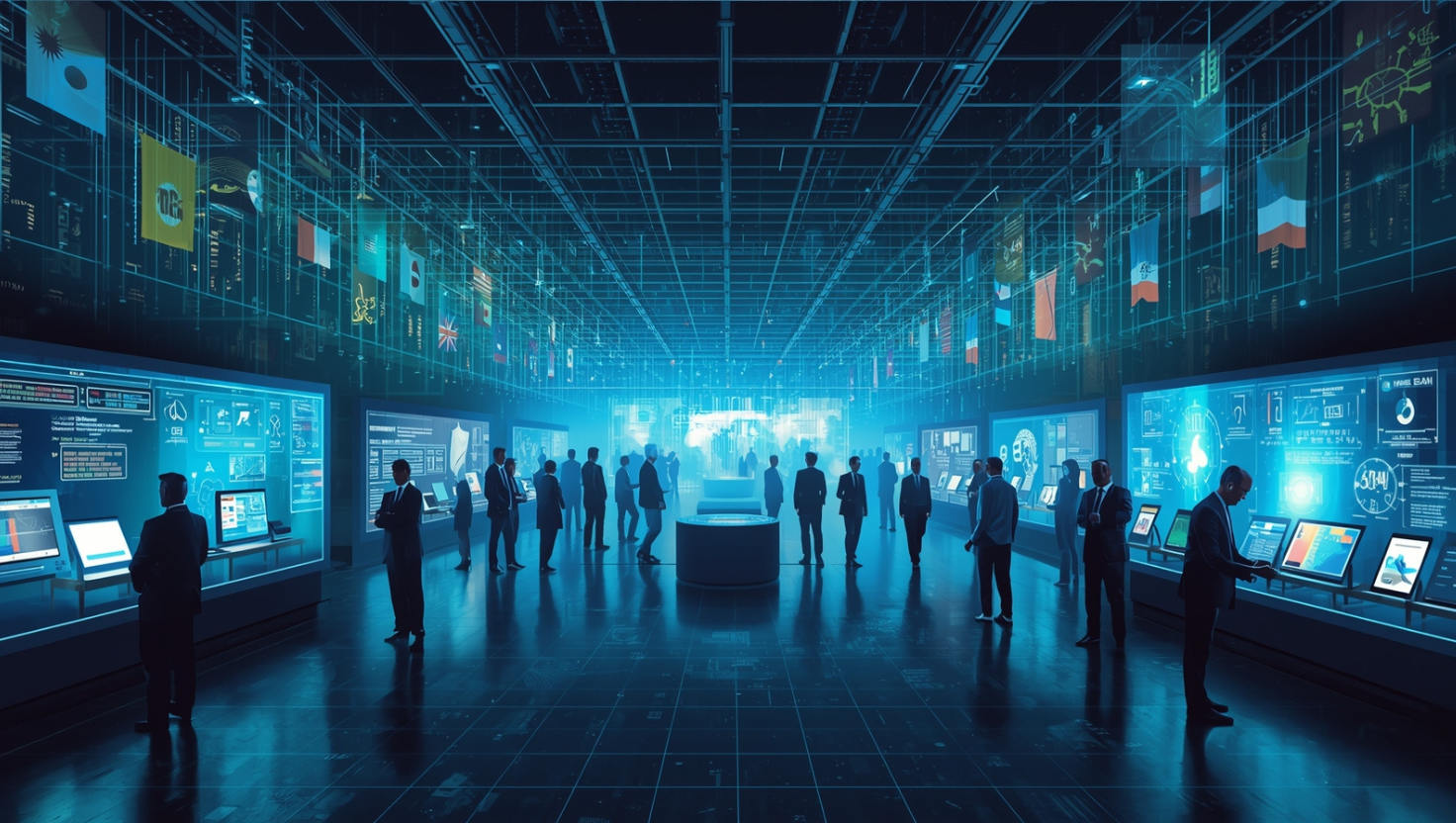
India Mobile Congress 2025: Showcases India’s leadership in 5G, 6G, AI, and innovation, promoting global collaboration and a self-reliant digital economy.

Compressive asphyxia occurs when chest or abdominal pressure restricts breathing, often in stampedes, causing hypoxia, organ failure, and potentially death.
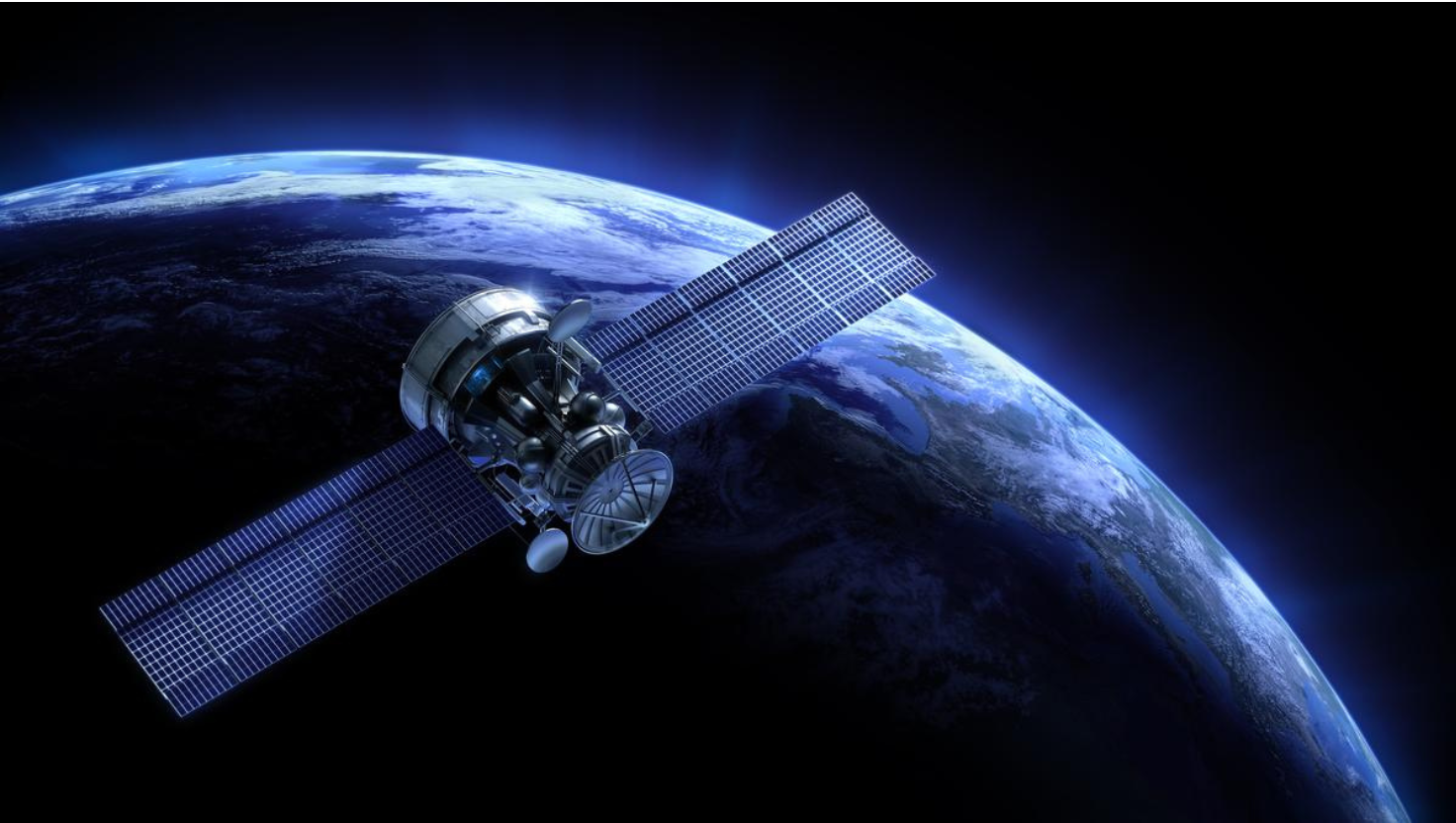
Protecting India’s satellites is vital for security, economy, and communication, using tech, policy, and sustainable space measures.
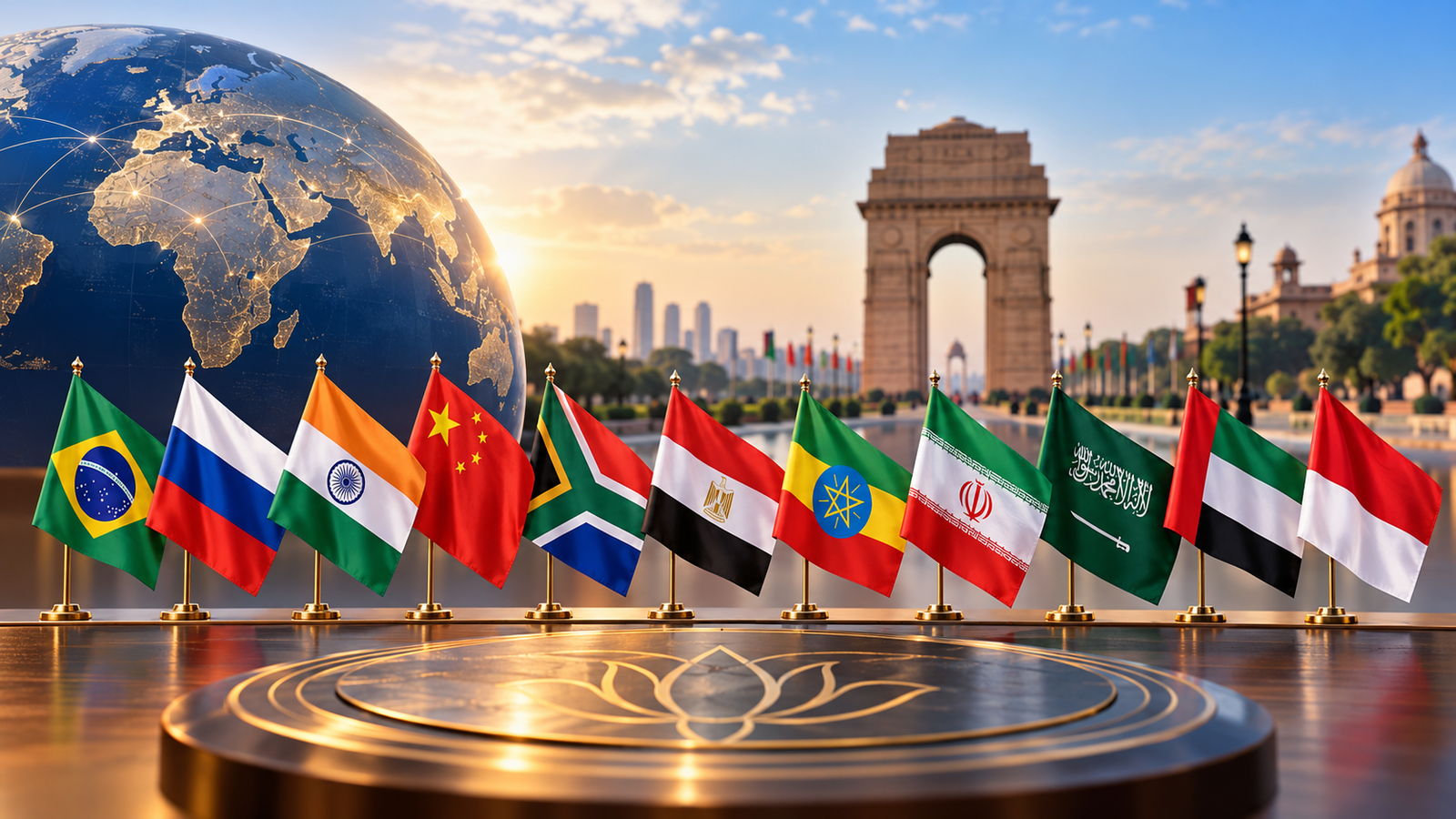
BRICS 2026: Explore the 18th BRICS Summit in New Delhi,
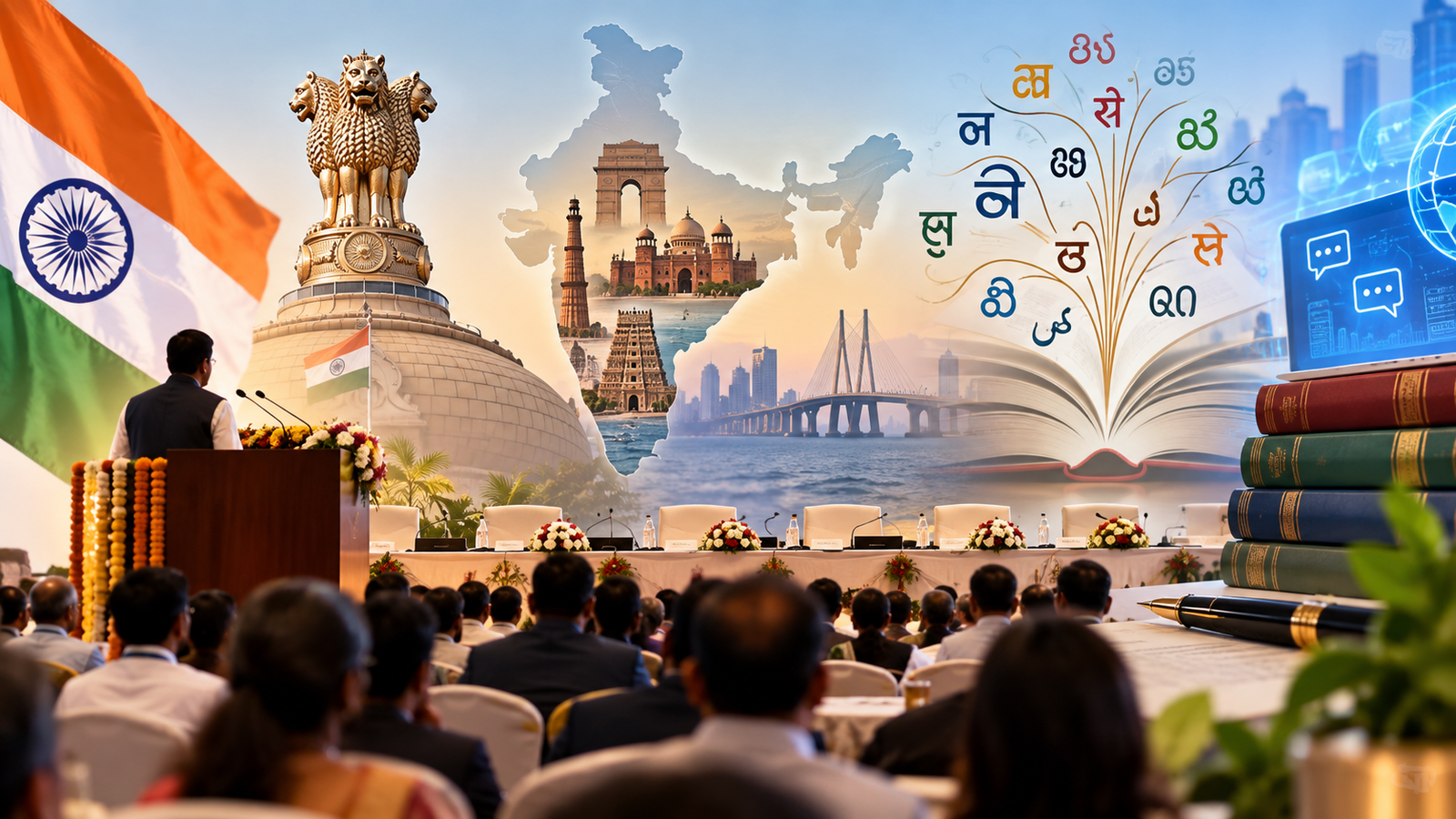
6th All India Official Language Conference 2026 in Navi Mumbai:

Discover how Bay of Bengal low-pressure systems shape India’s monsoon,
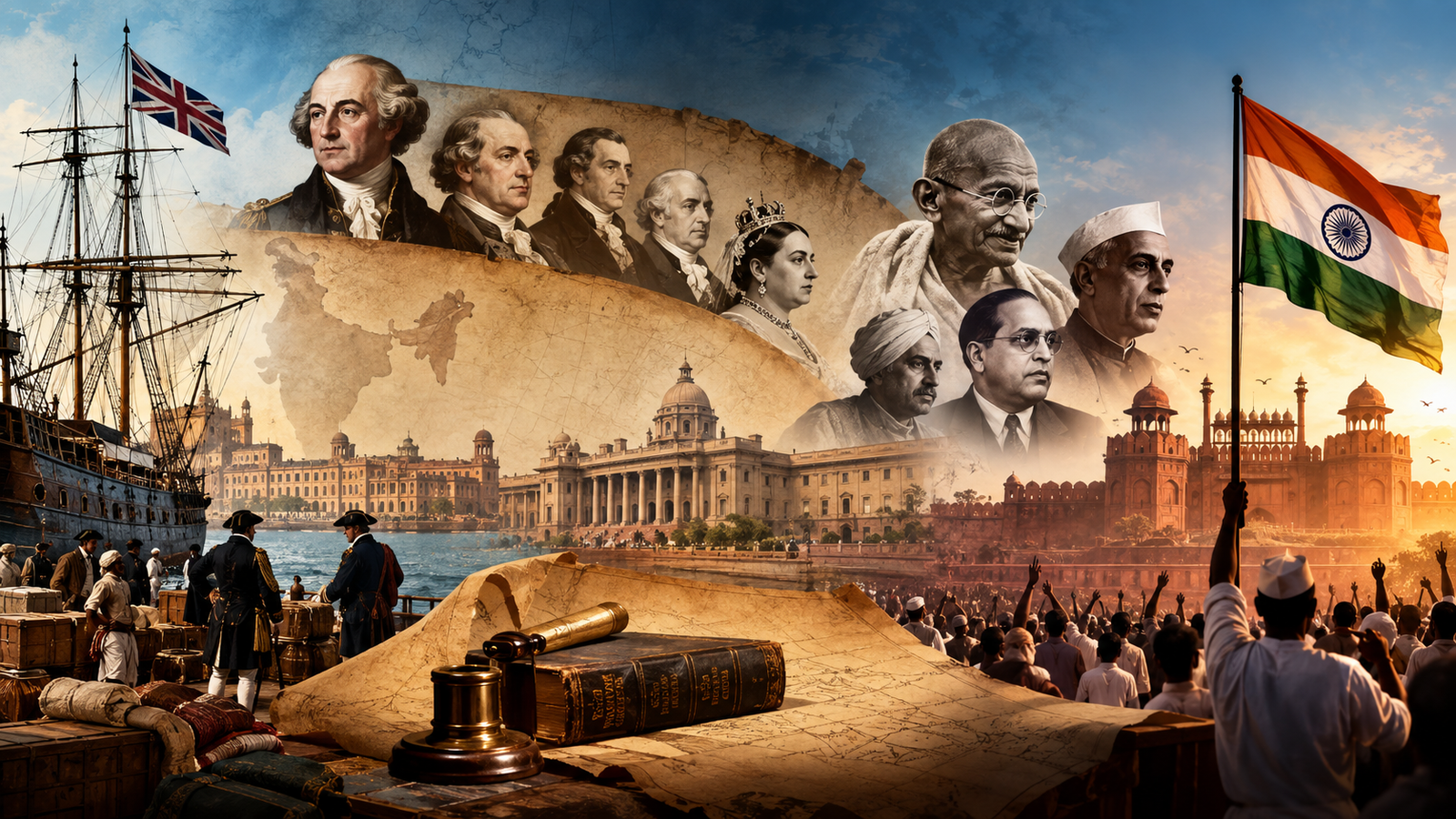
Explore the constitutional evolution of India from East India Company

Yojana June 2026 explores India’s journey towards a Naxal-free Bharat,
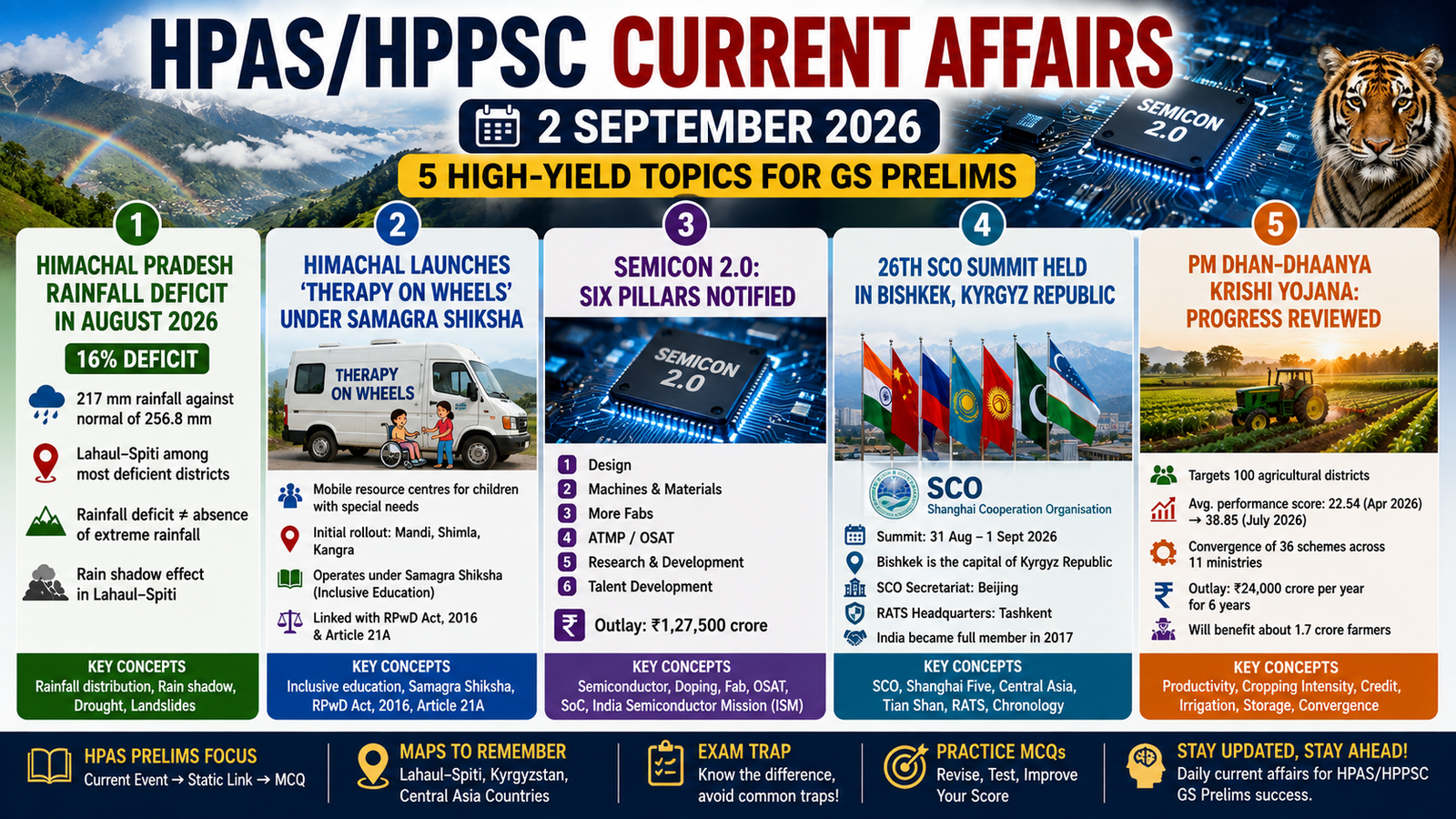
HPAS/HPPSC Current Affairs 2 September 2026: Himachal rainfall deficit, Therapy