
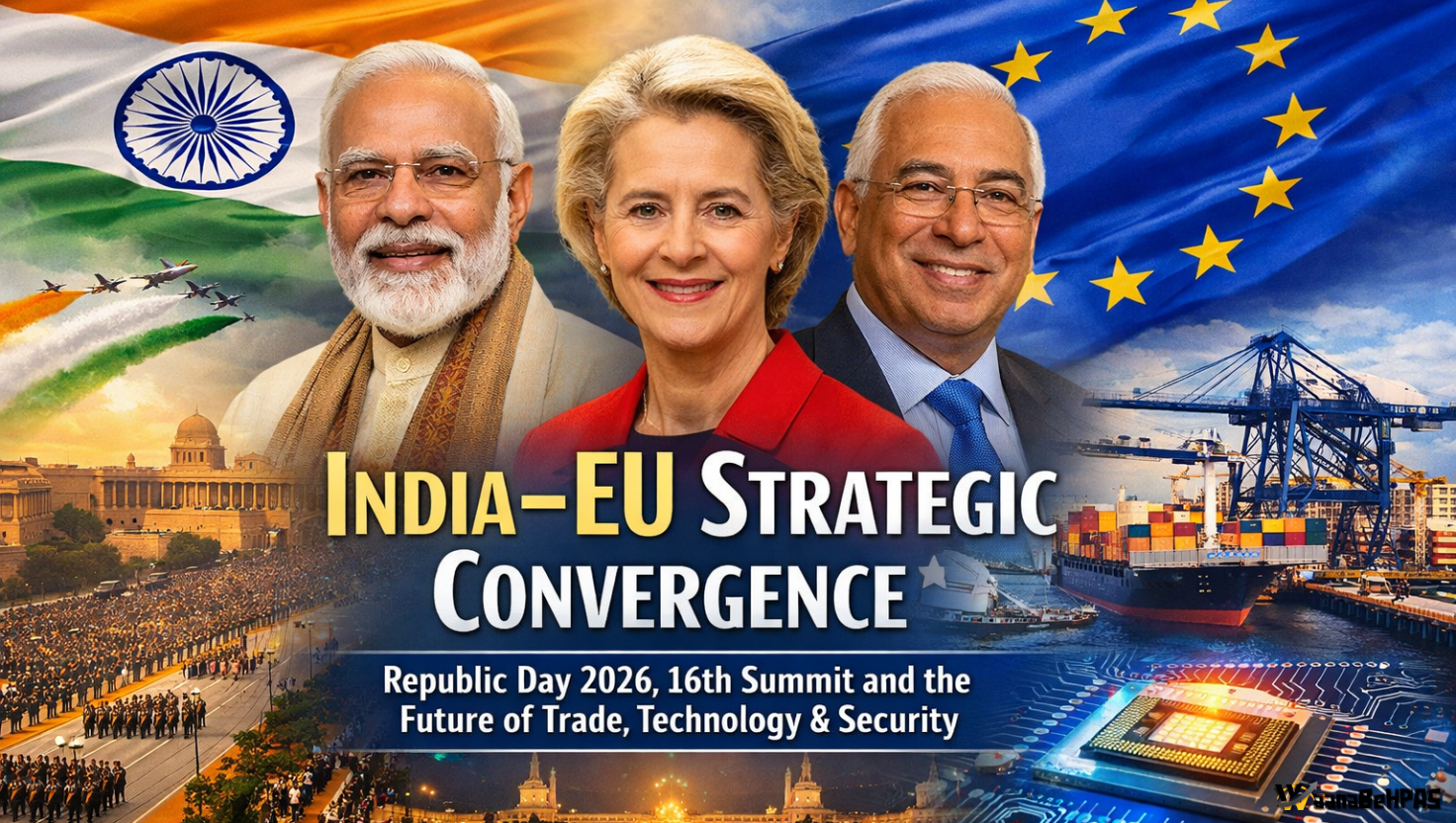
India–EU Strategic Convergence: Republic Day 2026, 16th Summit and the Future of Trade, Technology & Security
India–EU ties enter a transformative phase with the 16th Summit and Republic Day diplomatic milestone.
India–EU ties enter a transformative phase with the 16th Summit and Republic Day diplomatic milestone.
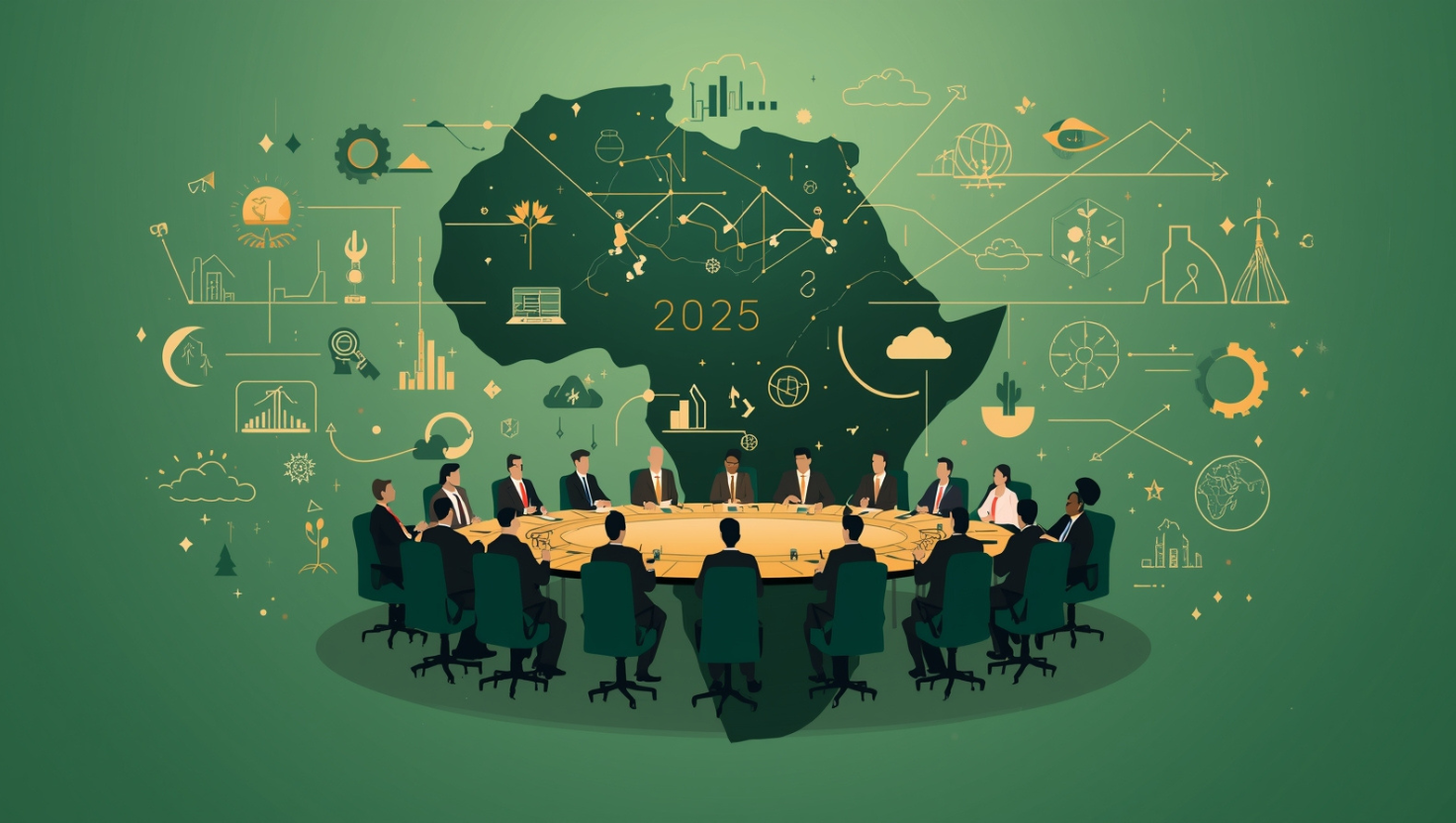
The 2025 G20 Summit in South Africa marked the first on African soil, adopting a declaration despite the U.S. boycott, boosting Global South voice

Pakistan’s 27th Constitutional Amendment Bill centralises military power, weakens judicial oversight, and grants sweeping immunity to top officers.
At 80, the UN faces declining relevance; calls grow for reform and a new, inclusive multilateralism in a multipolar world.
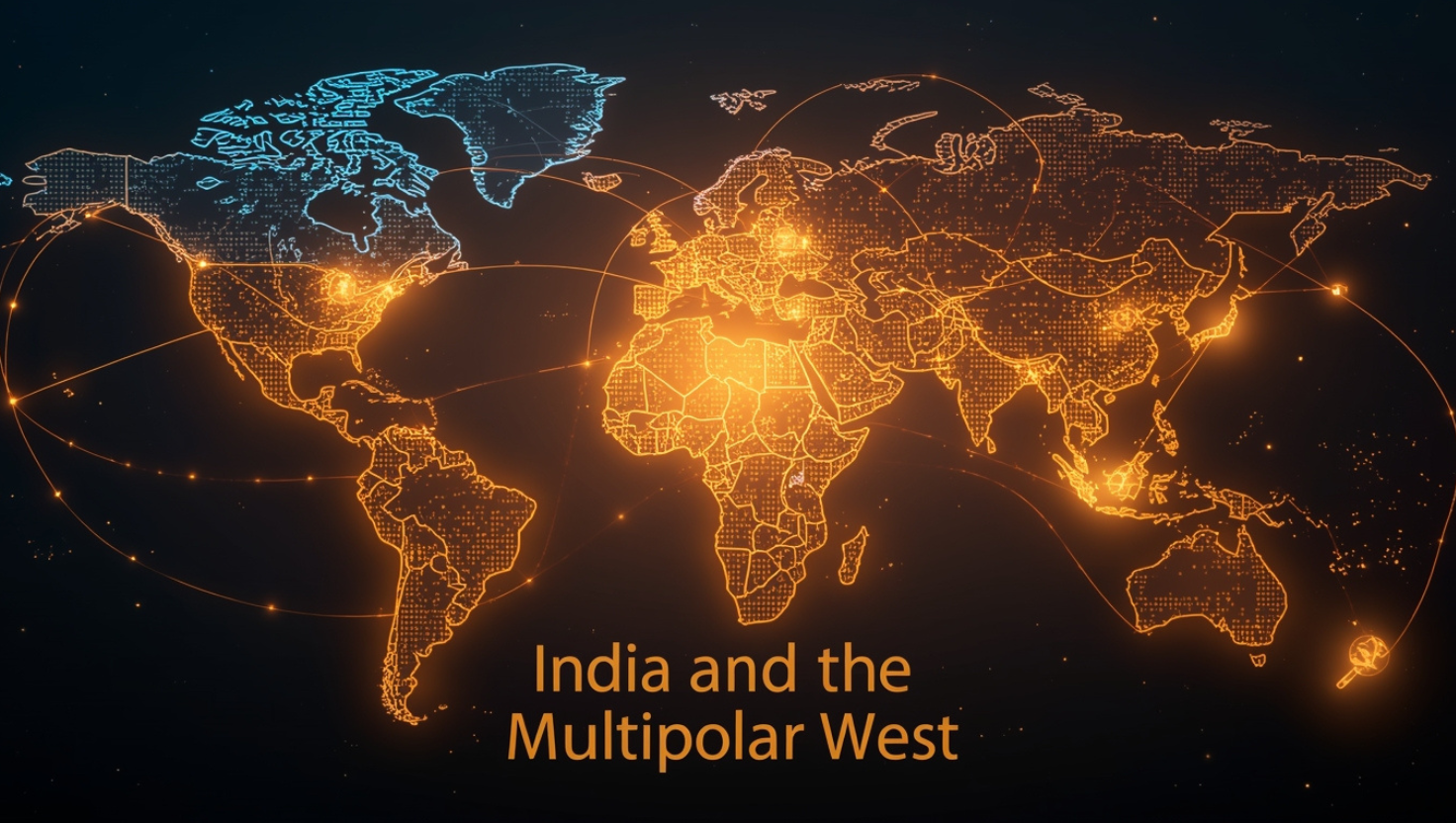
India and the Multipolar West: India navigates a divided Western order, balancing partnerships for growth, security, and global influence.
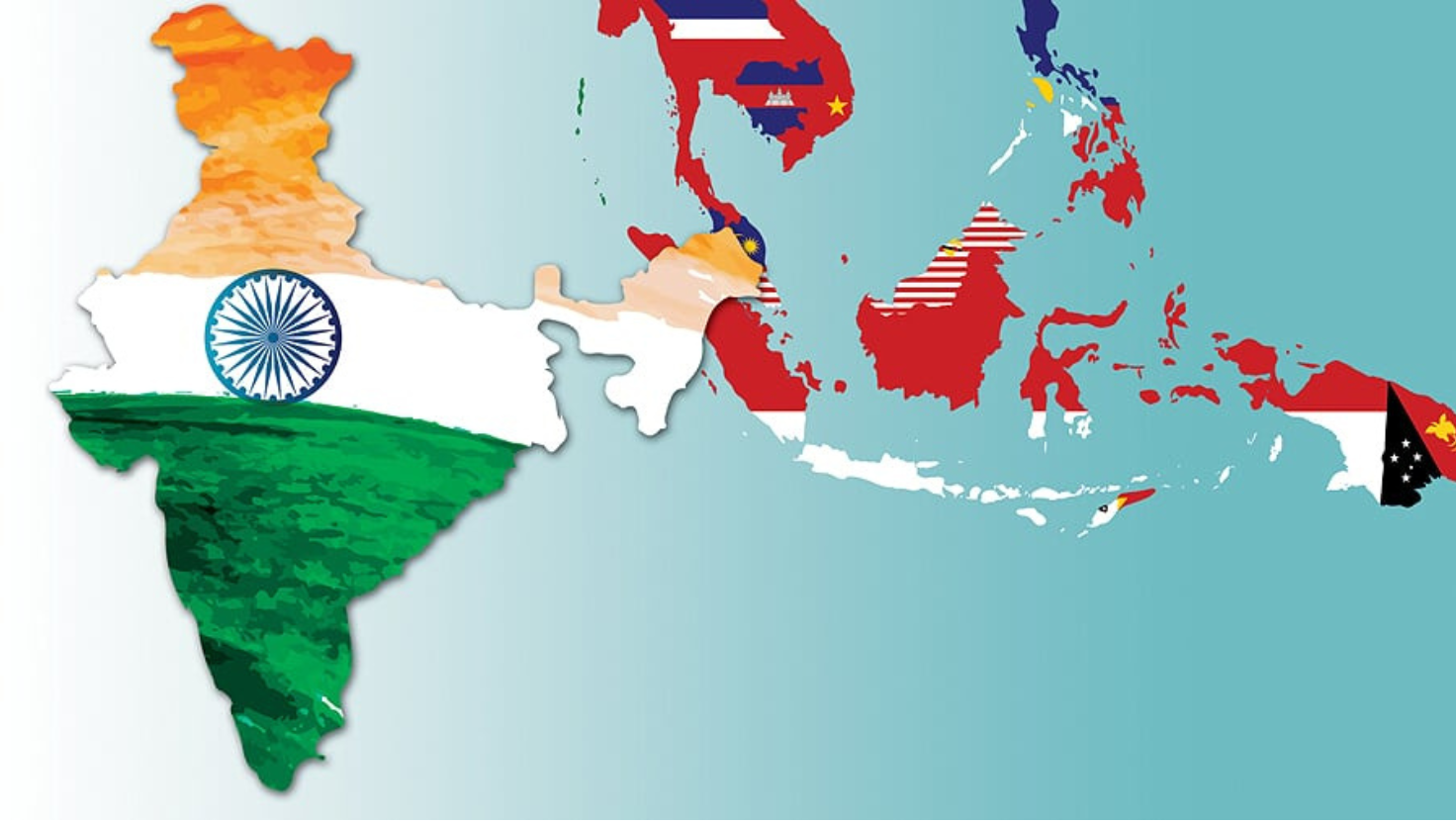
India’s Act East Policy strengthens economic, strategic, and cultural ties with Southeast Asia and the Indo-Pacific, balancing China’s regional rise.
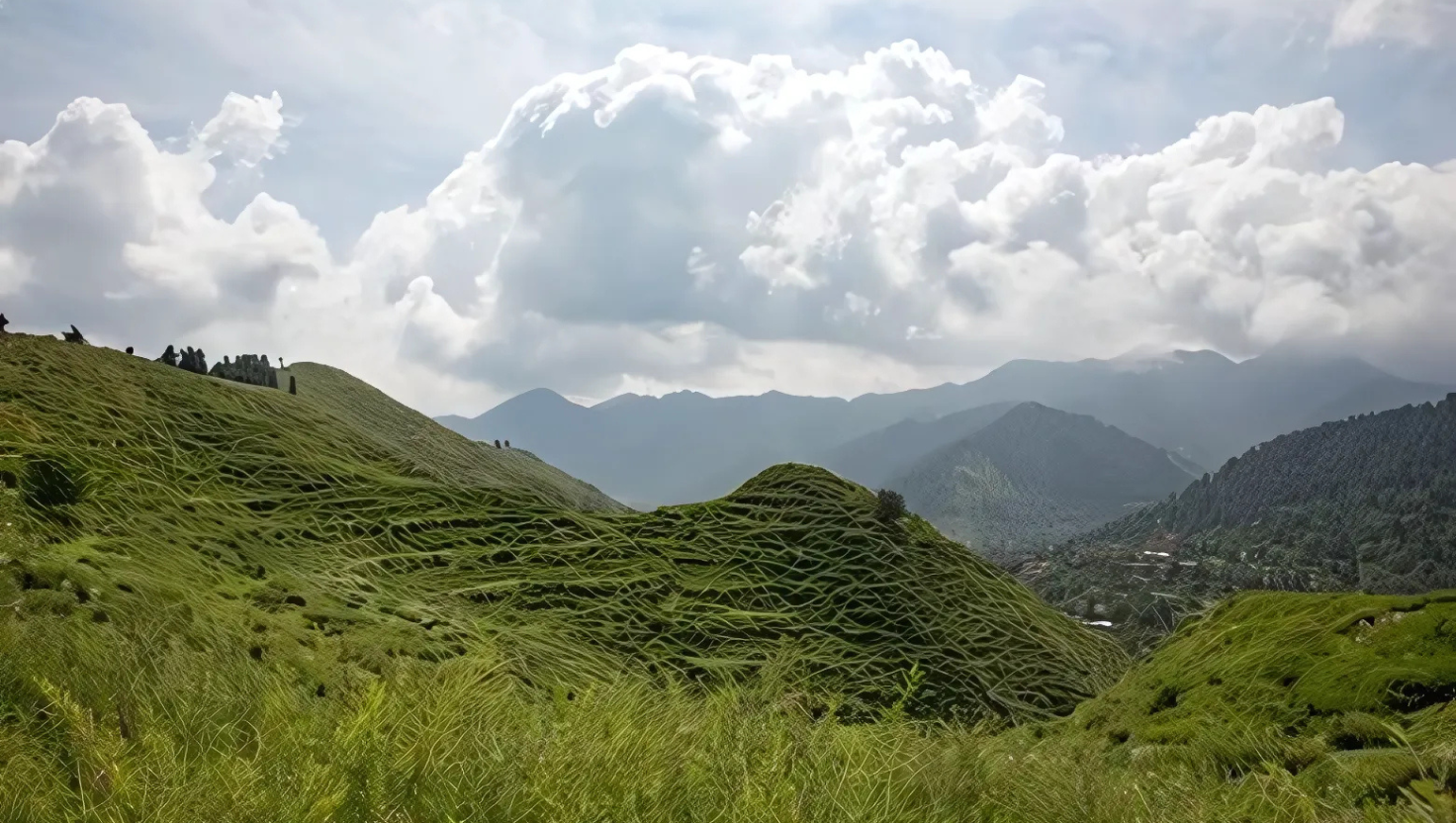
Tirah Valley in Pakistan’s Khyber Pakhtunkhwa is a tribal stronghold, historically resistant and strategically vital near the Afghan border.
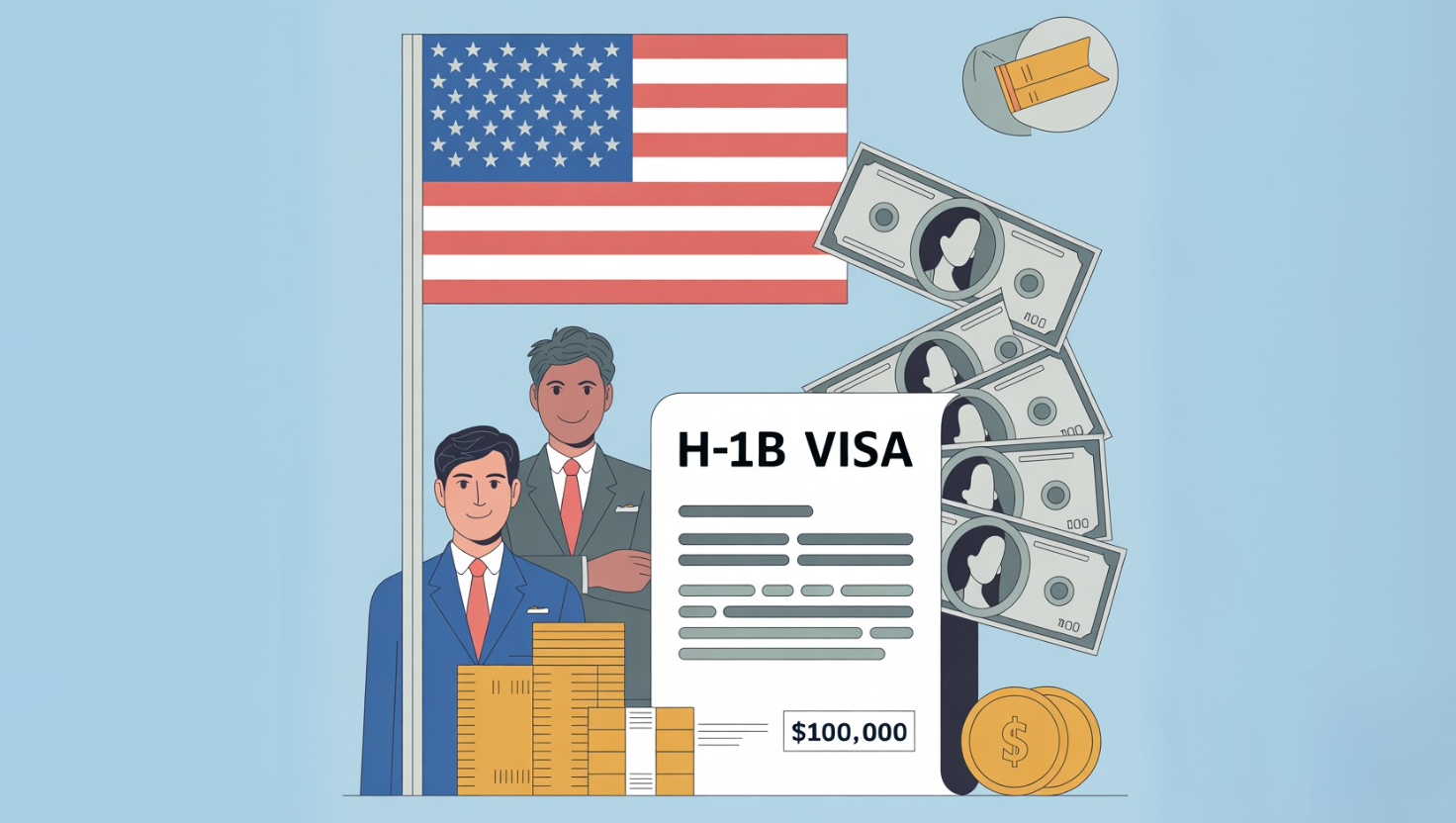
US hikes H-1B visa fee to $100,000, raising costs for Indian IT firms and affecting skilled workforce migration.
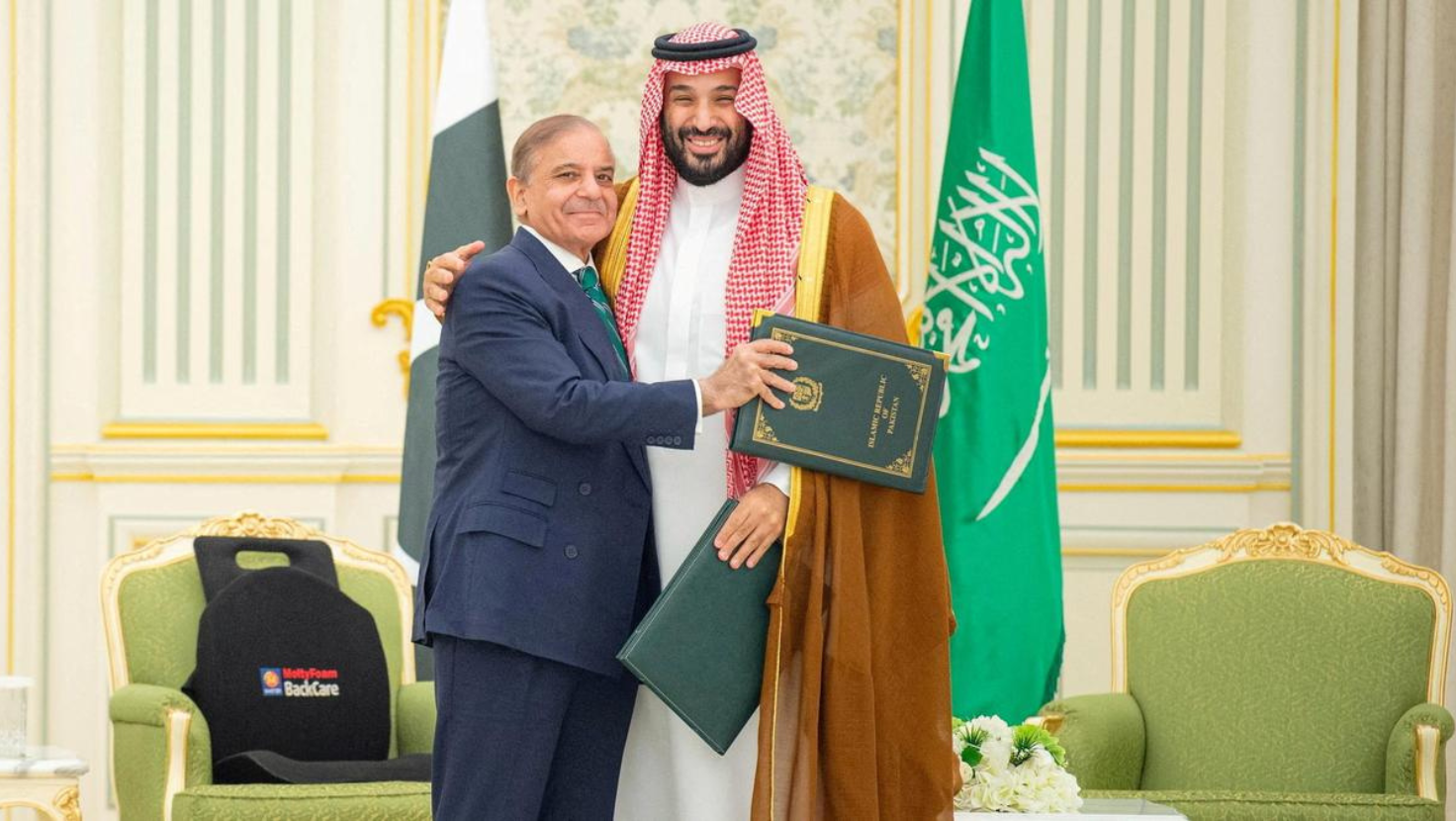
Saudi Arabia and Pakistan signed the Strategic Mutual Defence Agreement (SMDA), boosting defence ties with wider regional implications.
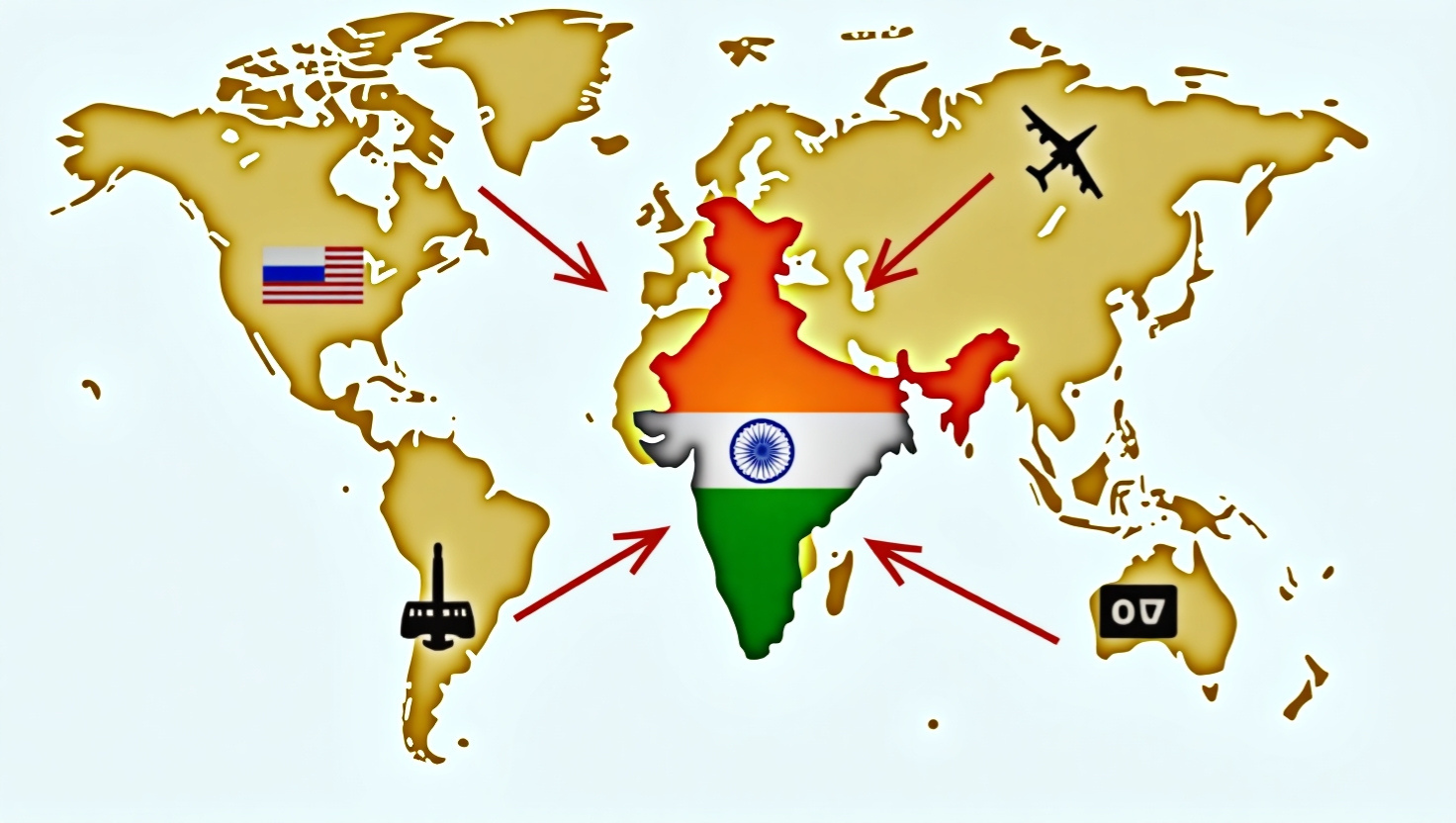
India’s strategic autonomy enables independent foreign policy choices in a multipolar world, balancing major powers while safeguarding sovereignty and growth.
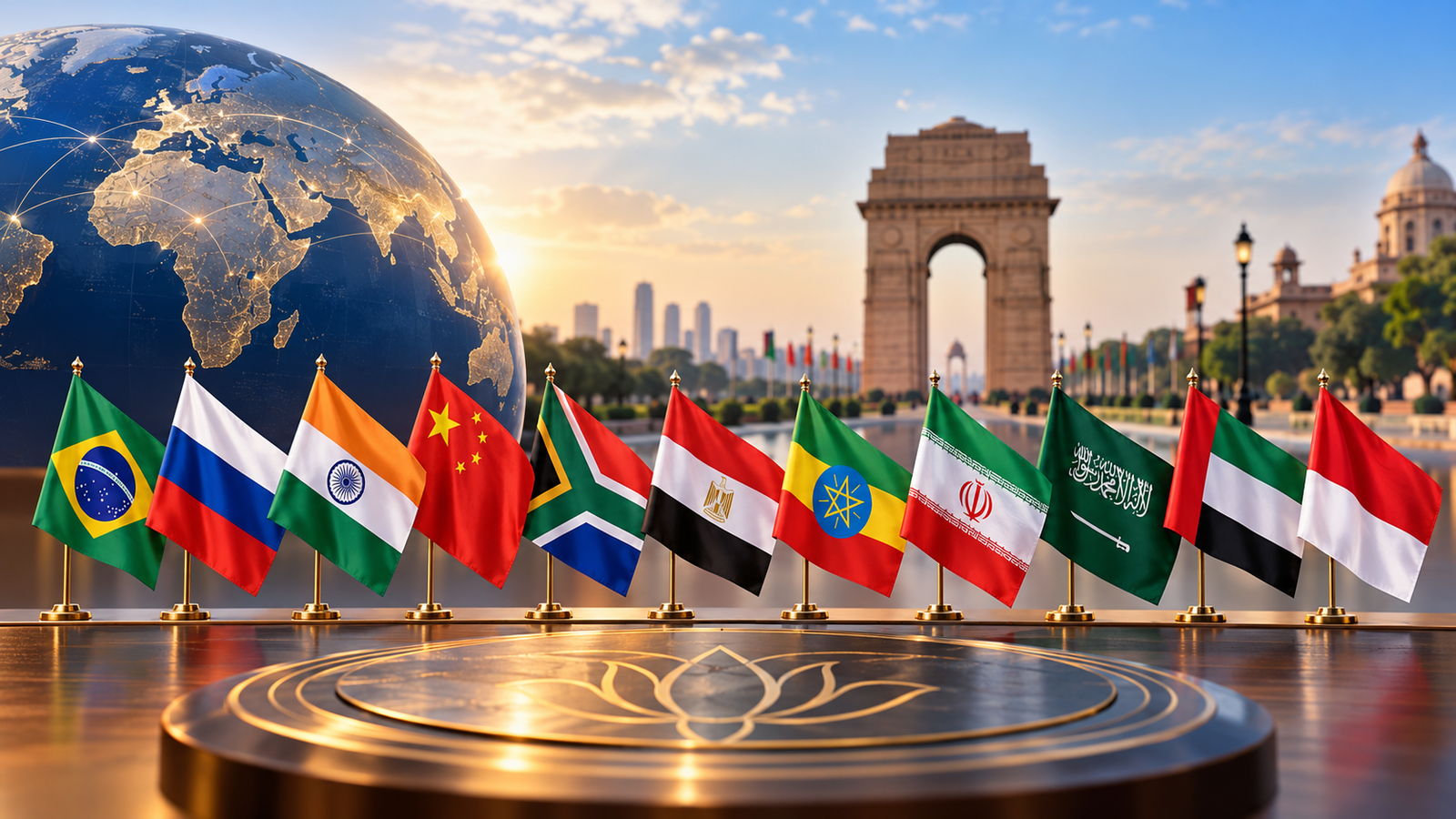
BRICS 2026: Explore the 18th BRICS Summit in New Delhi,
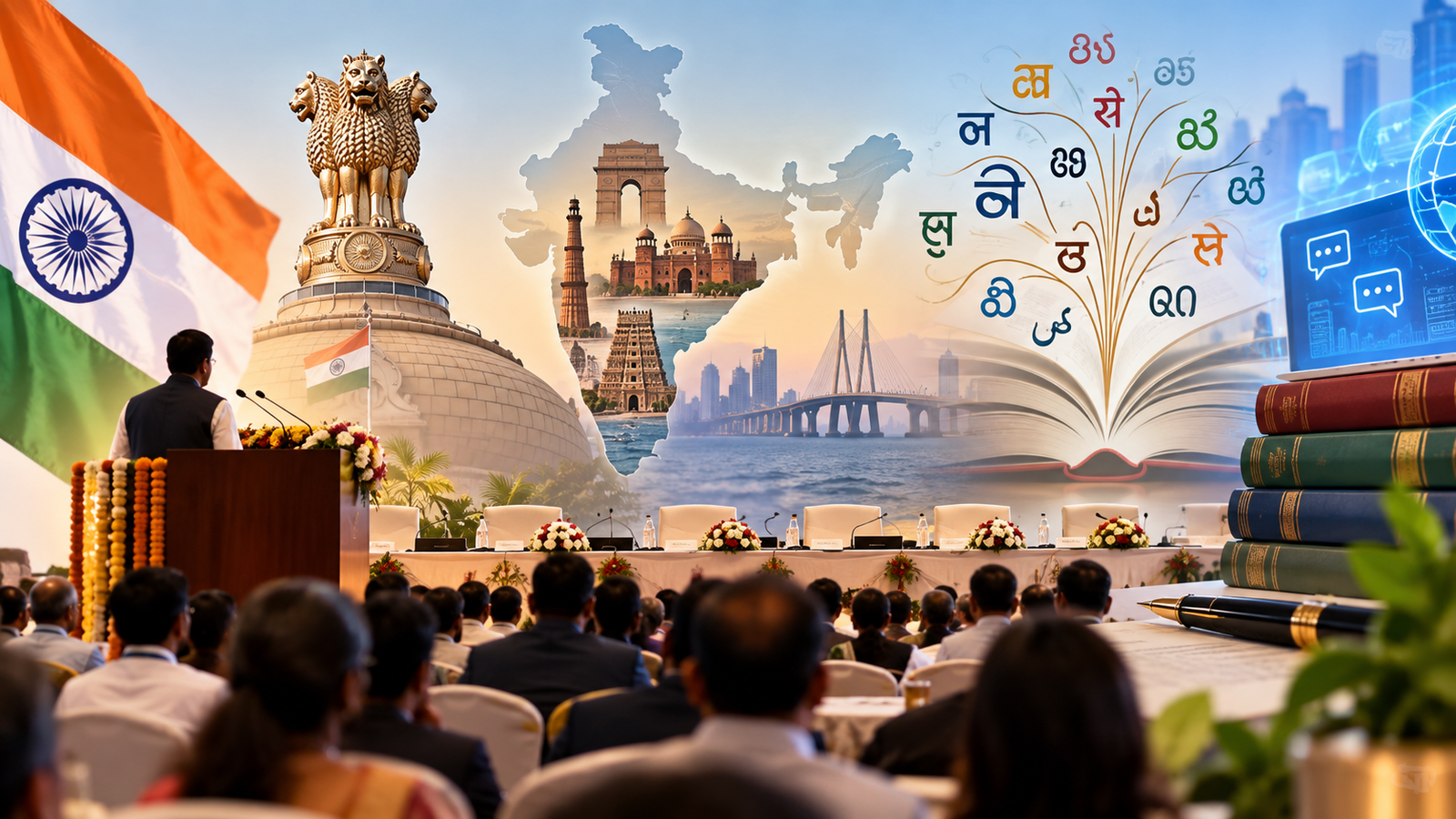
6th All India Official Language Conference 2026 in Navi Mumbai:
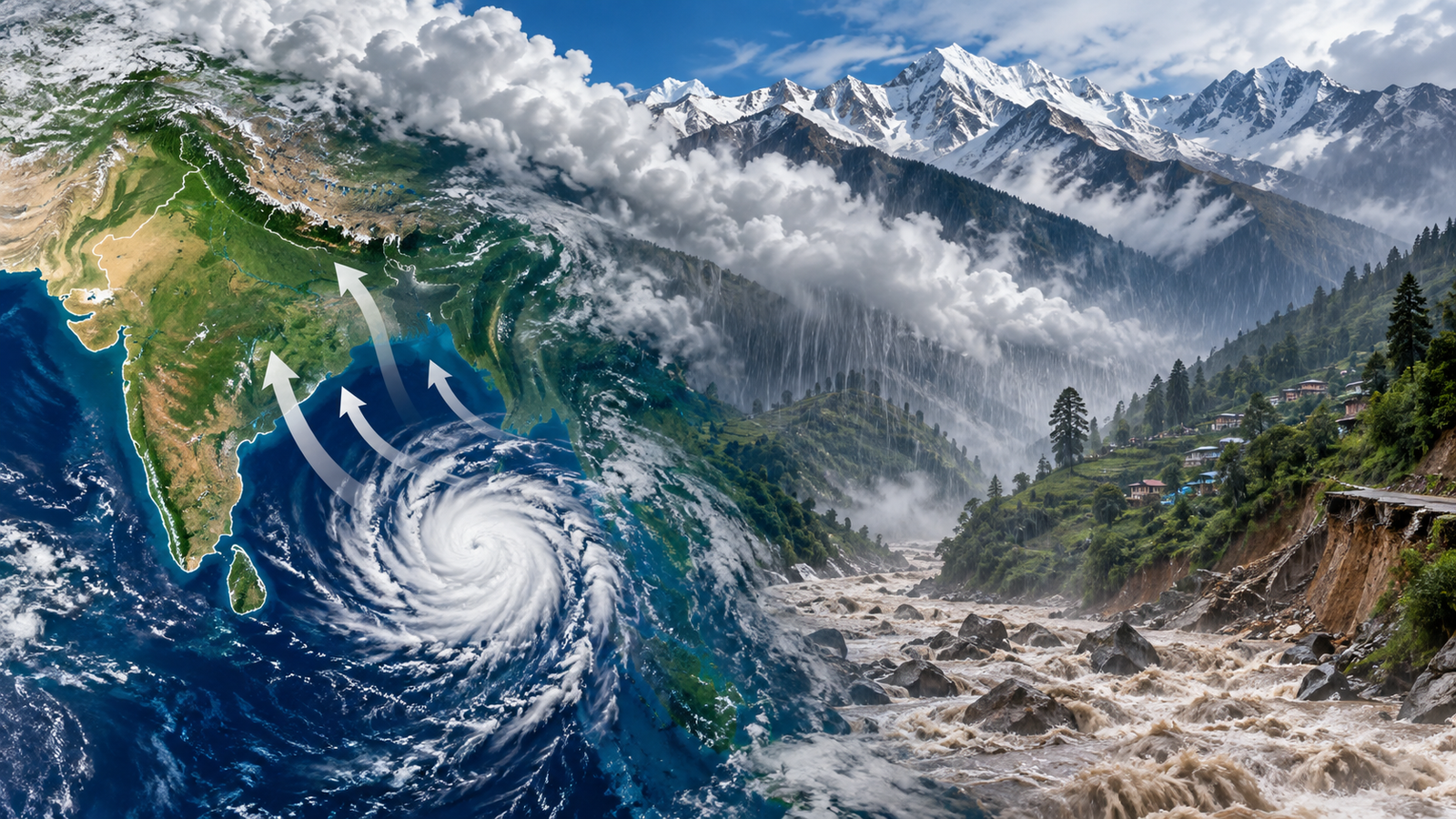
Discover how Bay of Bengal low-pressure systems shape India’s monsoon,
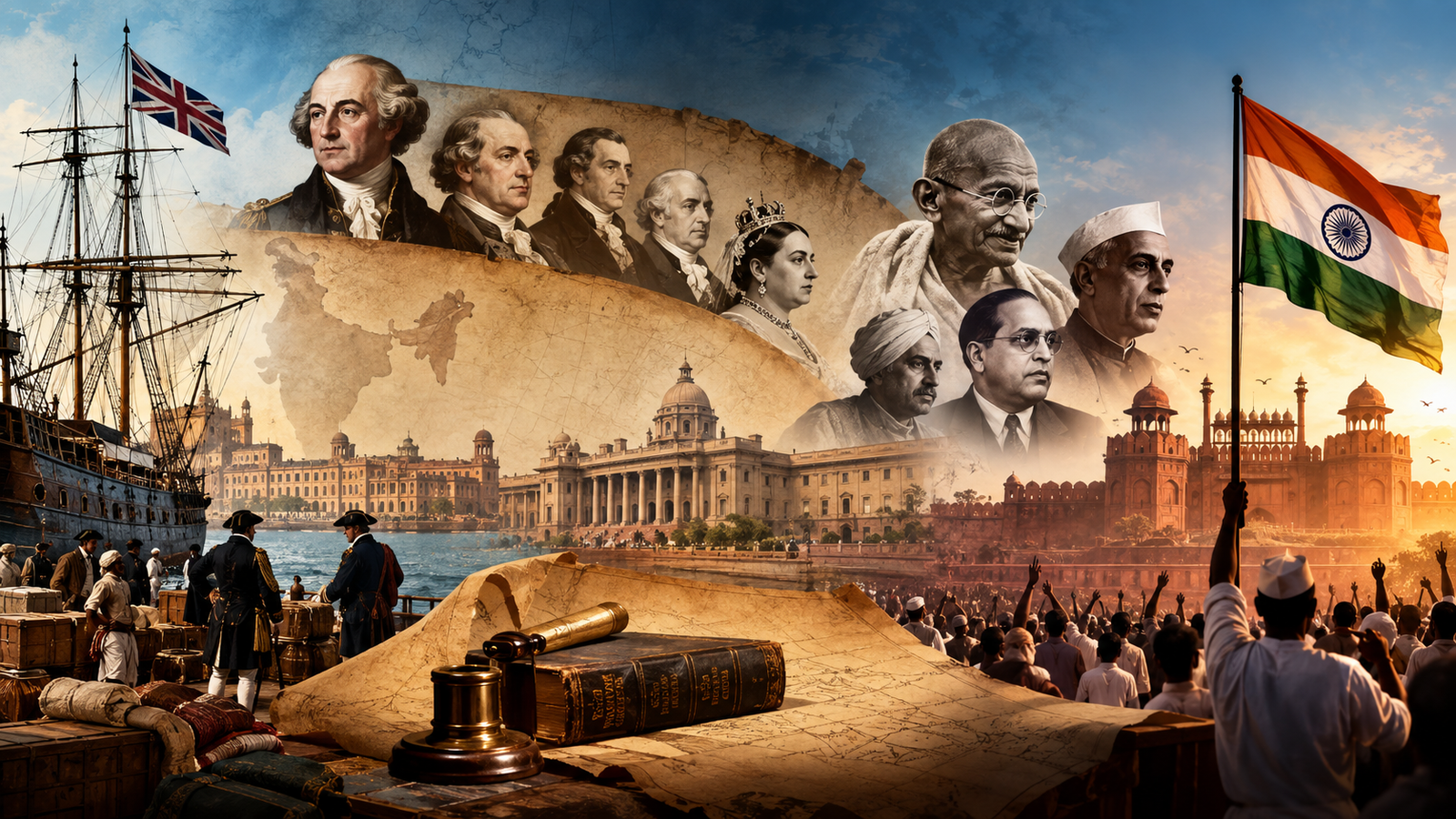
Explore the constitutional evolution of India from East India Company
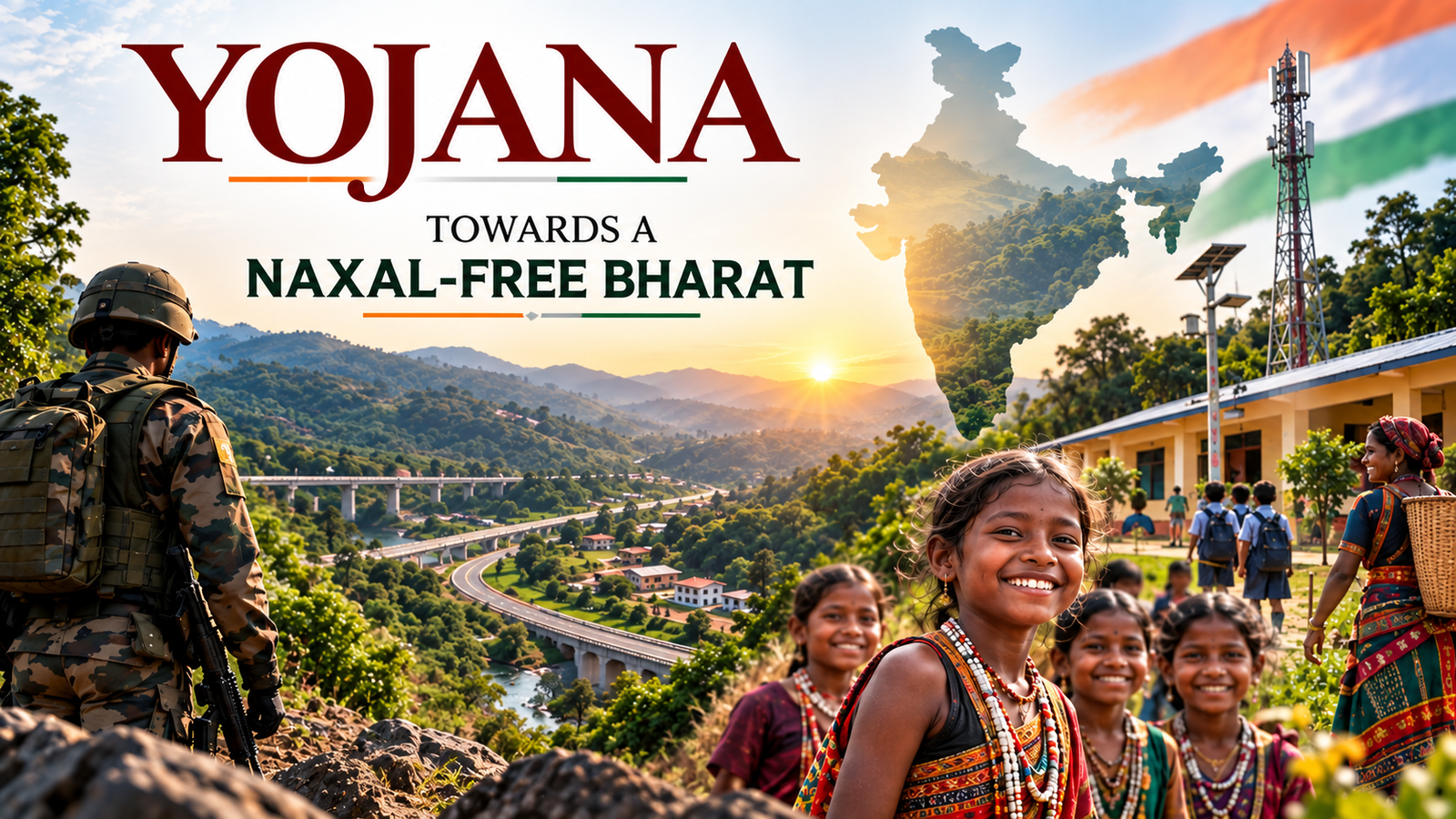
Yojana June 2026 explores India’s journey towards a Naxal-free Bharat,
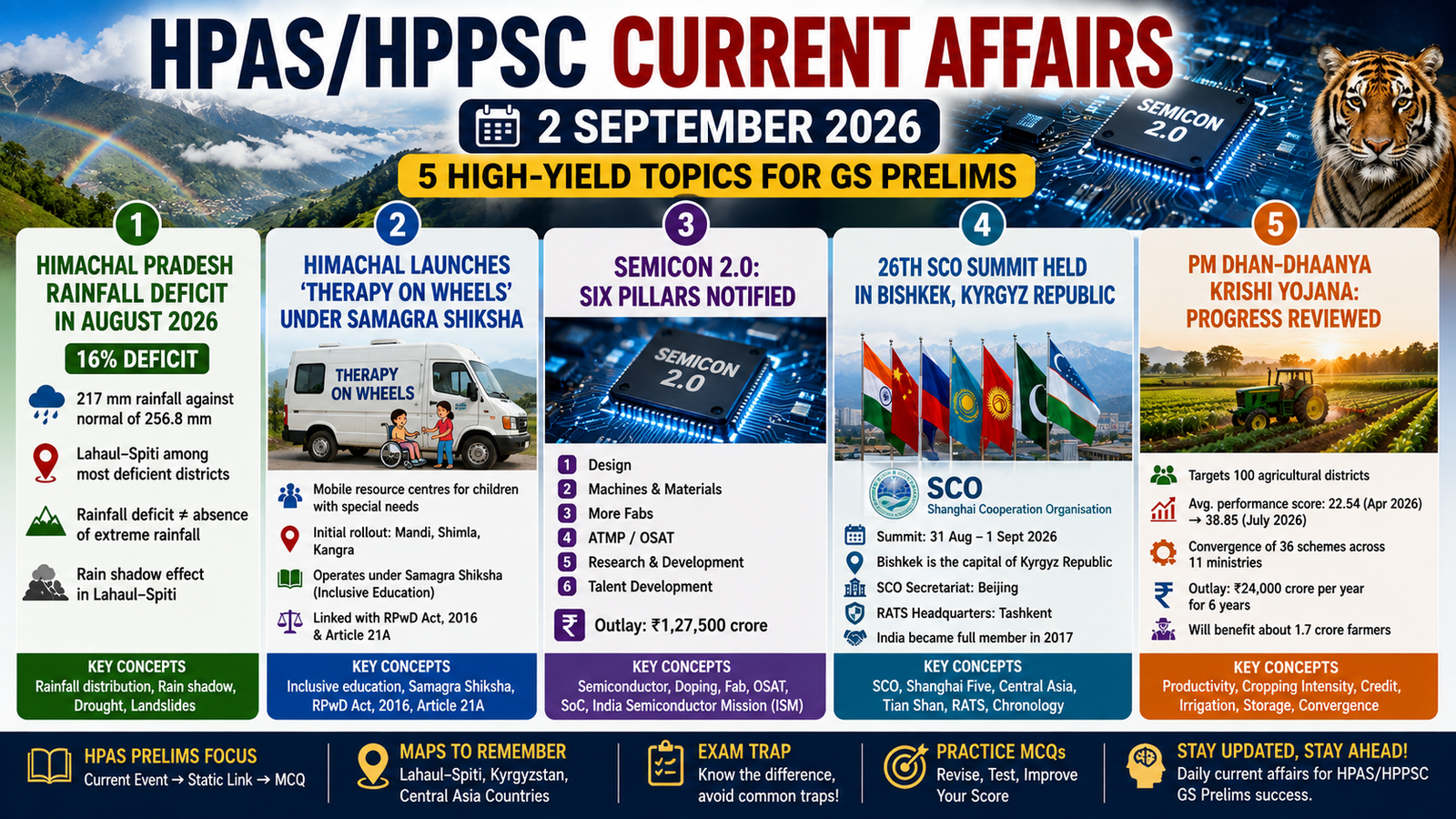
HPAS/HPPSC Current Affairs 2 September 2026: Himachal rainfall deficit, Therapy