

“Reimagining Agriculture” Report
NITI Aayog’s roadmap aims to use frontier technologies to boost farm productivity, sustainability, and inclusive growth by 2047.
NITI Aayog’s roadmap aims to use frontier technologies to boost farm productivity, sustainability, and inclusive growth by 2047.

The Himalayas face rising climate disasters like floods and glacial bursts, highlighting the urgent need for robust, AI-driven early warning systems.

India’s economy rests on primary, secondary, and tertiary sectors, with growing focus on technology-driven quaternary and policy-led quinary sectors.
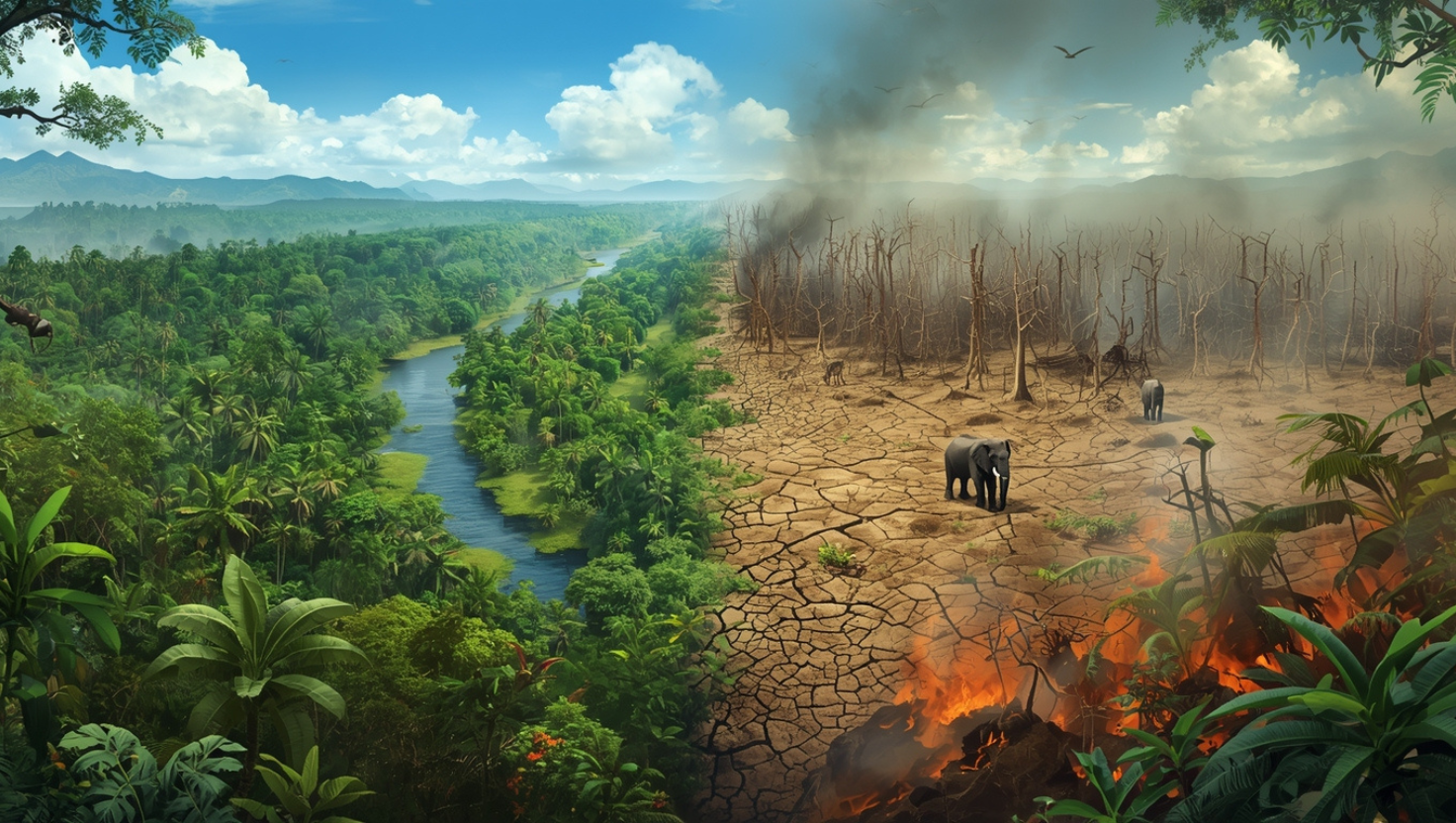
The Forest Declaration Assessment 2025 warns global deforestation hit 8.1M ha in 2024, leaving the world 63% off-track for 2030 goals.

NITI Aayog’s report outlines a roadmap for sustainable deep-sea and offshore fisheries, boosting exports, livelihoods, and India’s Blue Economy.

The Great Nicobar Project aims to develop a port, airport, and township on India’s southernmost island, balancing strategic goals with ecological and tribal concerns.

IUCN Outlook 2025 warns of rising climate threats to World Heritage Sites; India shows mixed progress in site conservation and management.

Educated unemployment in India reveals a deep skill-job mismatch, risking the loss of its demographic dividend.

India’s Digital Economy faces rising cyber frauds; stronger policing, bank vigilance, and digital awareness are key to building online trust.
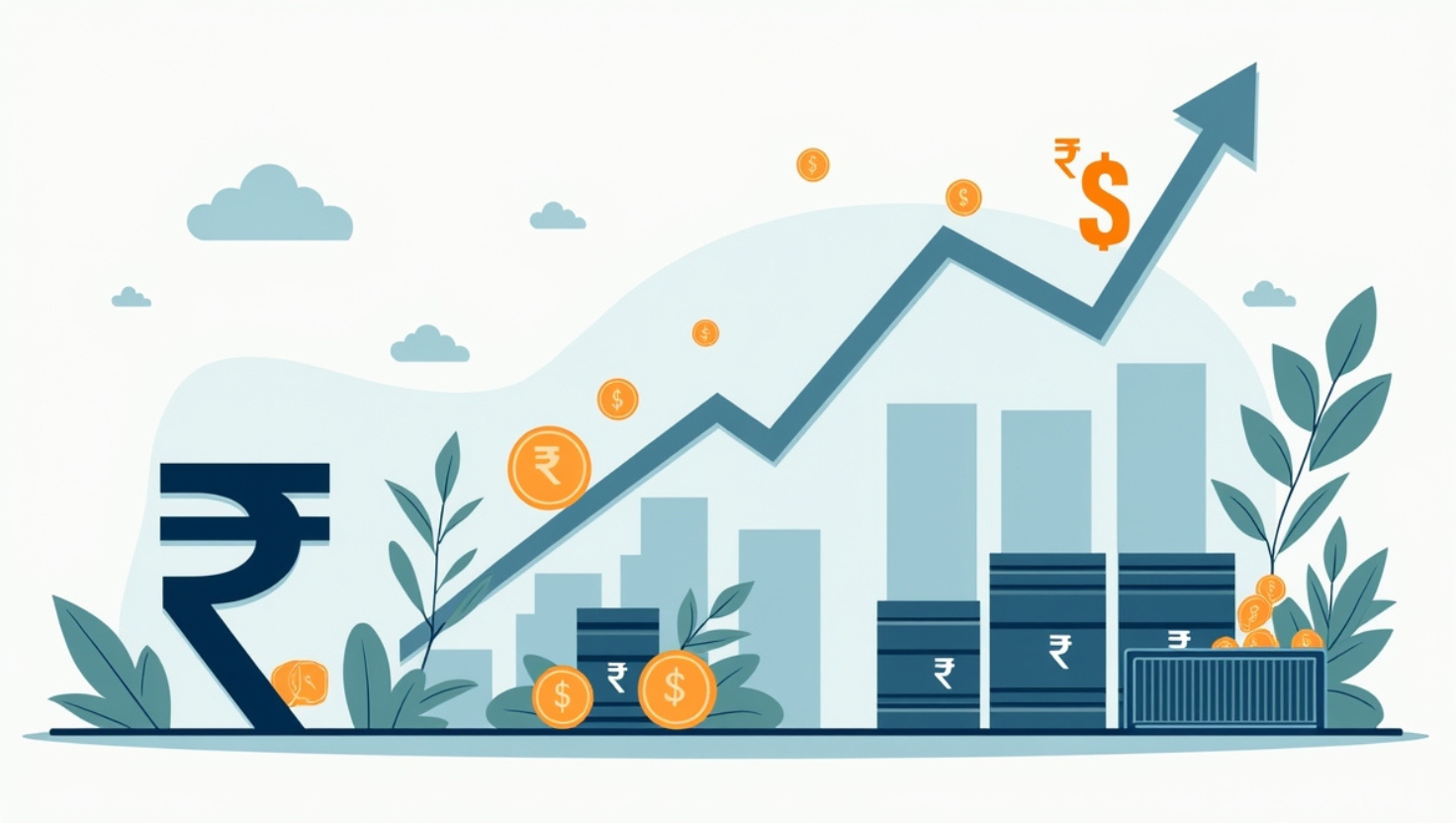
The Weakening Rupee in 2025 reflects trade imbalances and weak capital flows, raising inflation risks but offering export competitiveness.

BRICS 2026: Explore the 18th BRICS Summit in New Delhi,

6th All India Official Language Conference 2026 in Navi Mumbai:

Discover how Bay of Bengal low-pressure systems shape India’s monsoon,

Explore the constitutional evolution of India from East India Company

Yojana June 2026 explores India’s journey towards a Naxal-free Bharat,
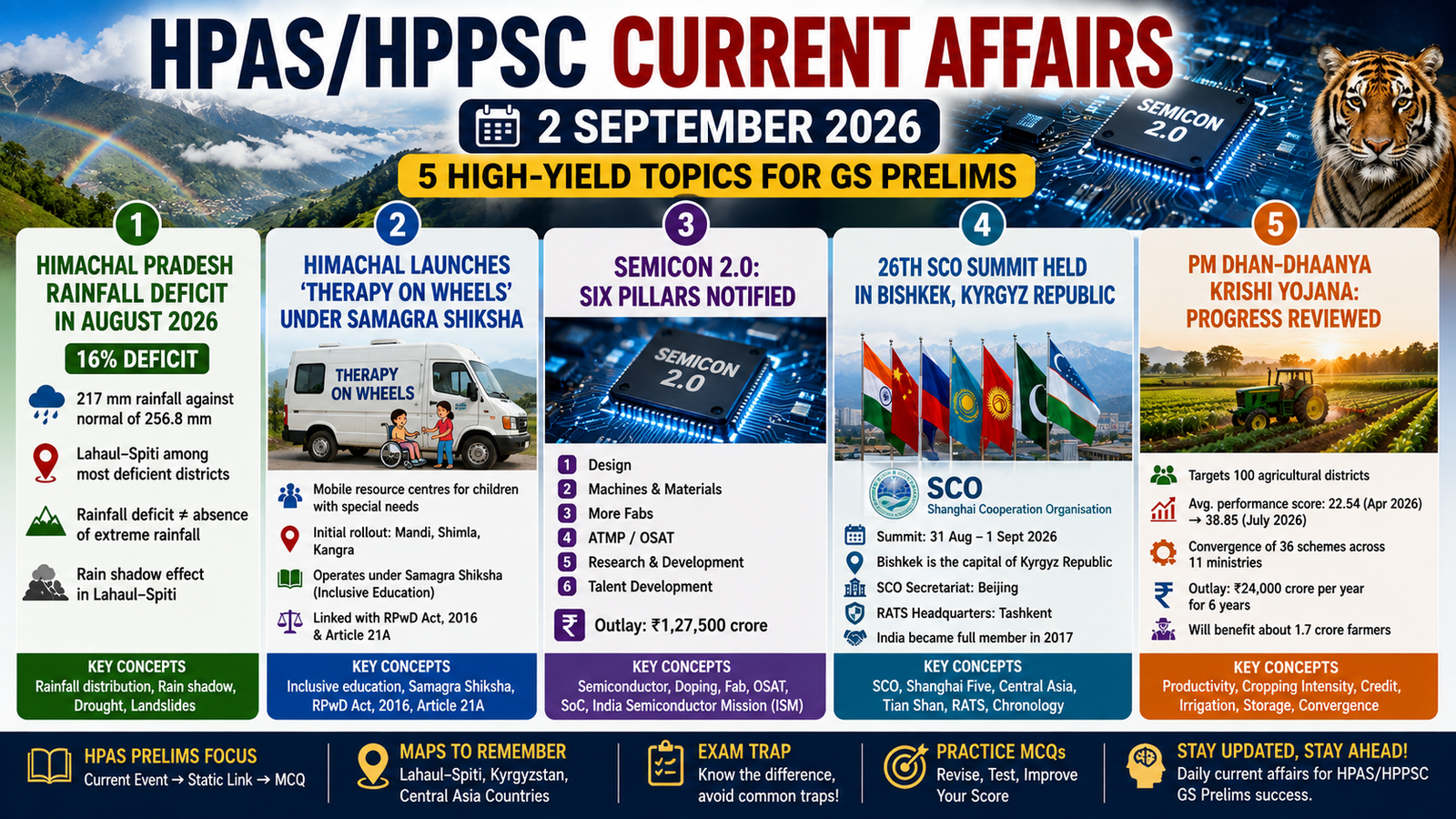
HPAS/HPPSC Current Affairs 2 September 2026: Himachal rainfall deficit, Therapy