
Sectors of the Indian Economy
Syllabus: Economy (UPSC GS III)
Overview
- The Indian economy is divided into three main sectors — Primary, Secondary, and Tertiary, with emerging Quaternary and Quinary sectors.
- These sectors are interdependent and together drive employment, GDP growth, and sustainable development.
- India’s economy is shifting from agriculture-based to knowledge- and service-driven, led by technology and globalisation.
1. Primary Sector
- Involves extraction and use of natural resources such as agriculture, forestry, fishing, mining, and quarrying.
- Role: Foundation of India’s rural economy and food security.
- GDP Share (FY 2024–25): Around 19.7%, with 4.4% GVA growth.
- Employment: Engages over 40% of India’s workforce.
- Emerging Trends: Focus on Blue Economy (marine & fisheries development) and sustainable resource management.
2. Secondary Sector
- Involves manufacturing and industrial activities that convert raw materials into finished goods.
- Examples: Textiles, automobiles, steel, chemicals, construction, and energy.
- GDP Share (FY 2024–25): About 25.3%, with 6.1% real GVA growth.
- Significance: Supports urbanisation, industrialisation, and infrastructure growth.
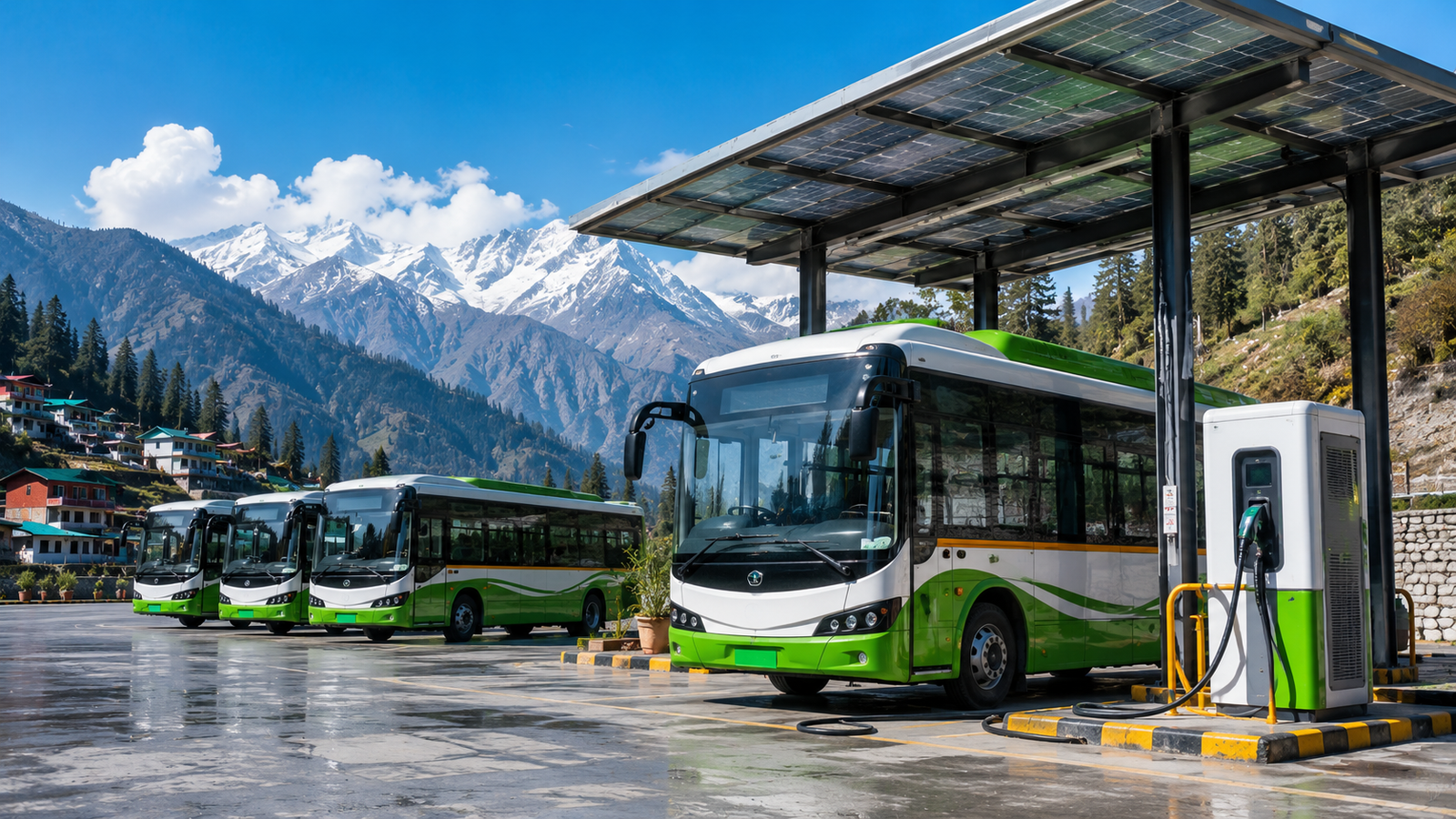
- New Focus: Promotion of Green Economy practices—clean energy, low emissions, and eco-friendly manufacturing.
3. Tertiary Sector
- Also called the Service Sector, it includes banking, IT, education, healthcare, transport, communication, and tourism.
- GDP Share (FY 2024–25): Around 55–60%, with 7.2% GVA growth.
- Features:
- Provides intangible services rather than goods.
- Major driver of exports, employment, and innovation.
- Growth Driver: Rapid expansion of the Digital Economy and FinTech platforms.
4. Quaternary Sector
- Involves knowledge-based activities such as research, IT, consulting, and innovation.
- Key Role: Enhances productivity, R&D, and technological advancement.
- Examples: Software development, data analytics, research institutions, and educational services.
5. Quinary Sector
- Comprises top-level decision-making roles in government, policy, education, healthcare, and corporate management.
- Key Contributors: Senior executives, scientists, policymakers, and administrators.
- Importance: Shapes economic policies, innovation, and strategic development in the knowledge economy.
Other Classifications
Based on Work Conditions
- Organised Sector: Formal, regulated, with job security and benefits (e.g., PSUs, banks).
- Unorganised Sector: Informal, unregulated, with irregular income and limited benefits.
Based on Ownership
- Public Sector: Owned and managed by the government (e.g., Indian Railways, public banks).
- Private Sector: Owned by individuals or corporations; profit-driven (e.g., TCS, Reliance).
India’s Economic Shift
- India has transitioned directly from agriculture to services, bypassing large-scale industrialisation.
- In the 1970s: Agriculture contributed ~40% to GVA.
- By 2024: Agriculture’s share fell below 20%, while services rose to ~55%.
- Drivers of Change:
- Growth of IT and outsourcing industries.
- English-speaking workforce and favourable policies.
- Technological advancement and urbanisation.
- Challenges:
- Unemployment, skill mismatch, and weak manufacturing base.
- Persistent rural–urban divide and underemployment.
Way Forward
- Promote balanced sectoral growth to absorb surplus rural labour.
- Boost manufacturing under Make in India and Atmanirbhar Bharat.
- Invest in skill development, innovation, and sustainable practices.
- Strengthen digital infrastructure for inclusive growth.