
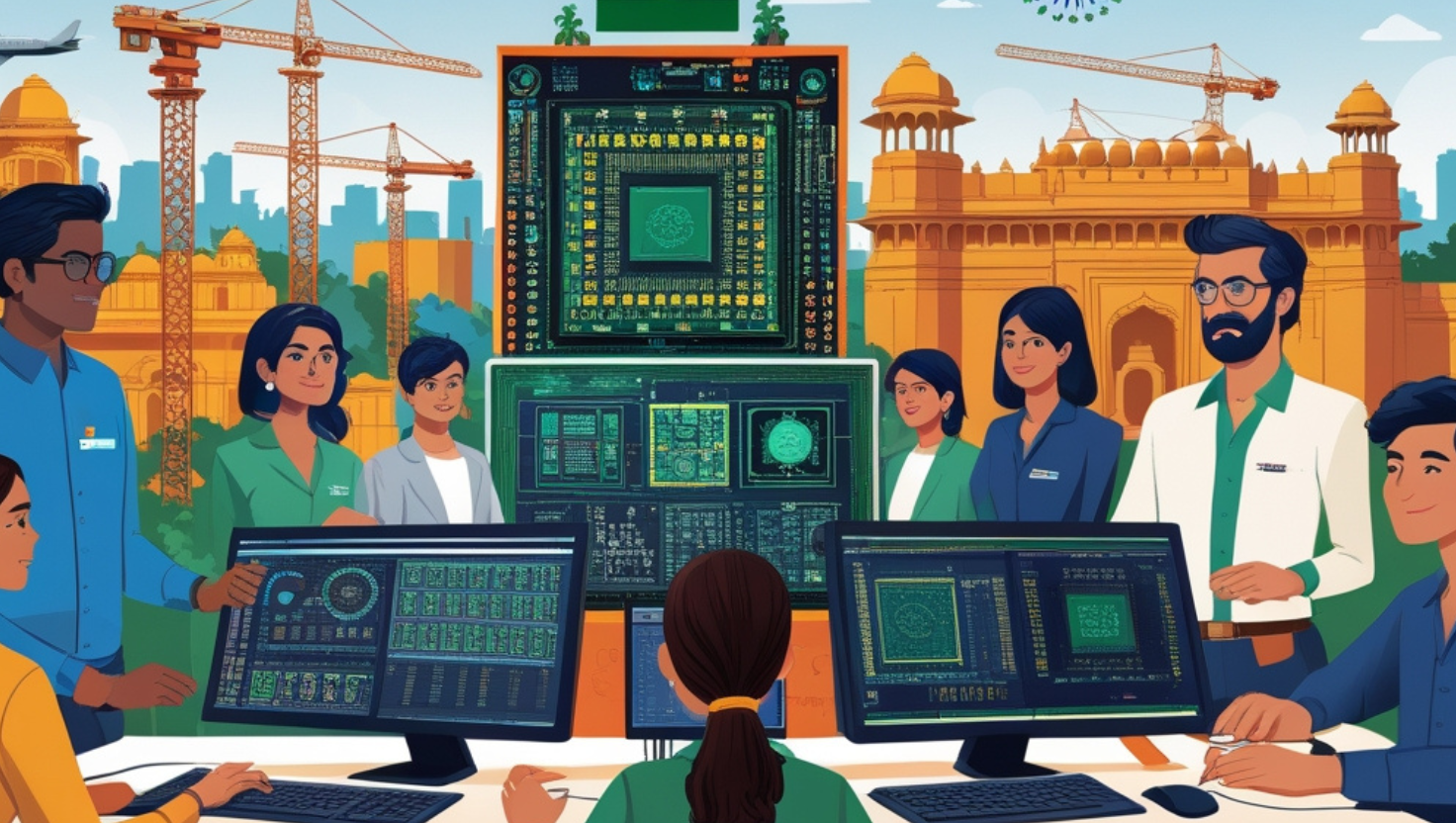
Semiconductor Designers Power India’s Chip Dreams
India’s semiconductor design edge and policy push under the Semicon India Mission aim to make the country a global chip hub, boosting innovation, jobs, and strategic security
India’s semiconductor design edge and policy push under the Semicon India Mission aim to make the country a global chip hub, boosting innovation, jobs, and strategic security
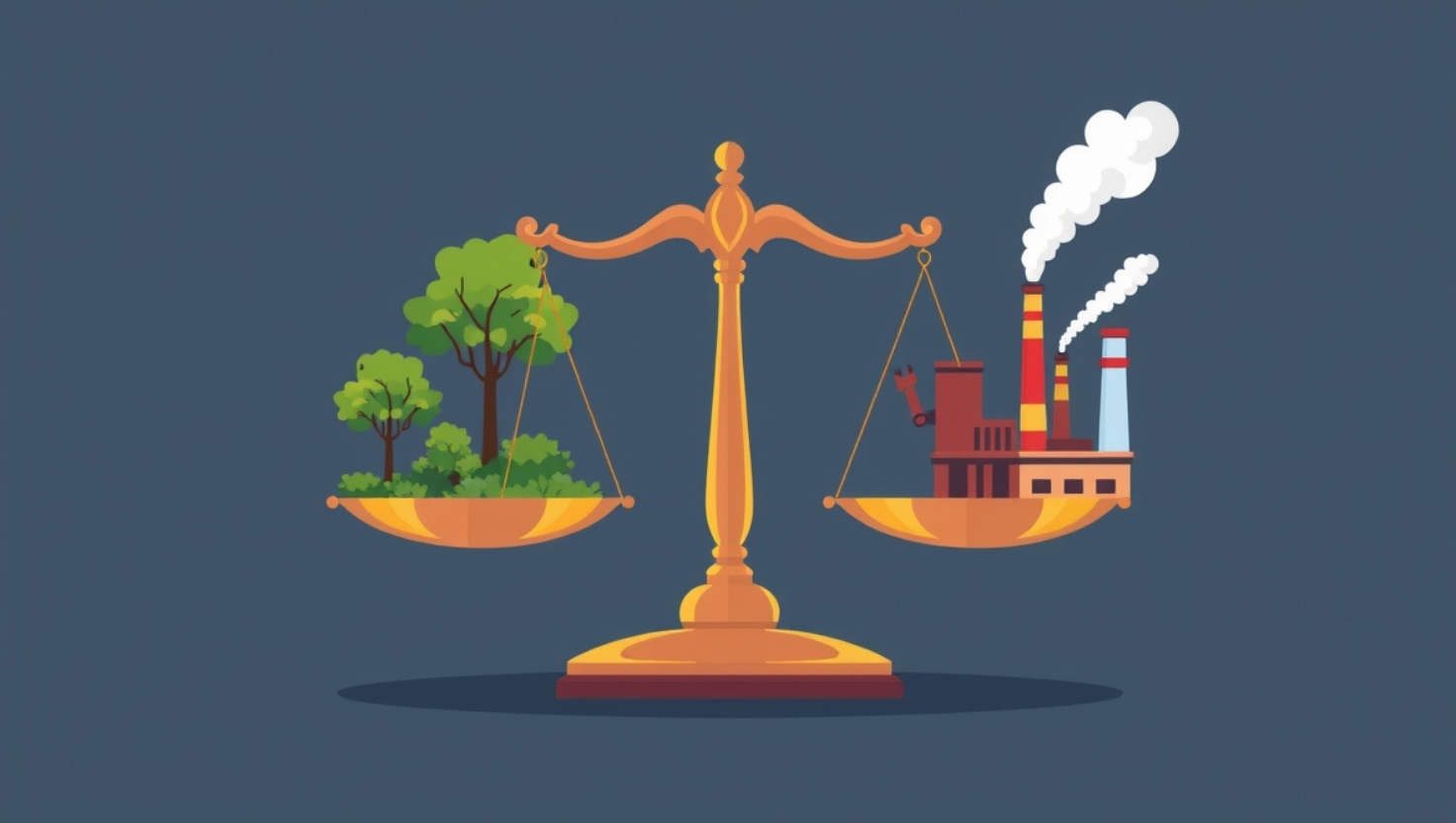
The Environment (Protection) Act, 1986 empowers India to prevent pollution and safeguard natural resources, forests, and wildlife.
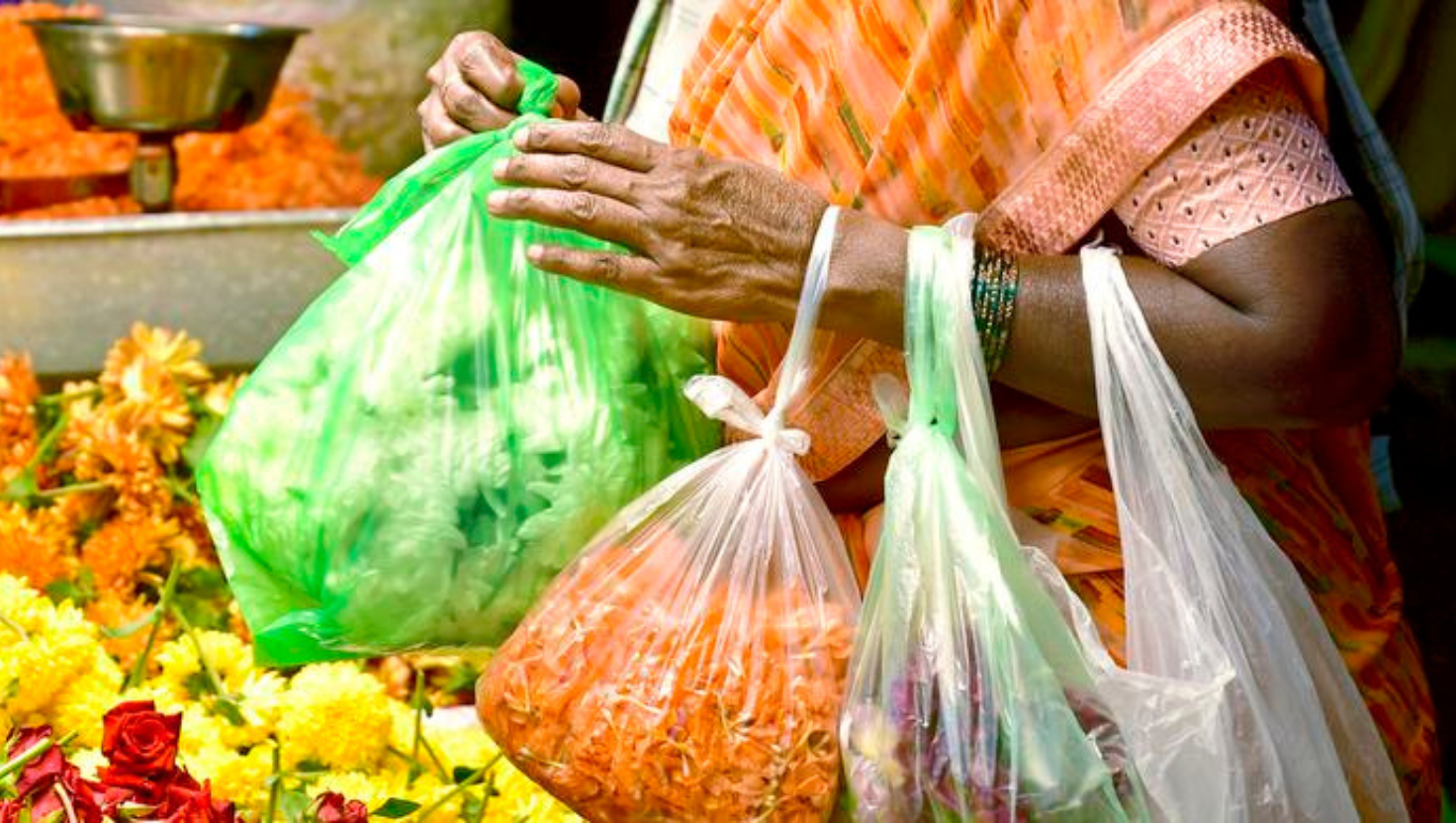
Single-Use Plastic Ban Syllabus: Pollution (UPSC GS III)Source: The Hindu Why in News? Despite Karnataka’s 2016 ban under the Environment (Protection) Act, 1986, single-use plastics (SUPs) are still widely used. Weak enforcement, illegal production, and low public awareness remain major hurdles. About the Ban Scale of the Problem Plastic Enforcement Data in Bengaluru: Why It Matters Legal & Policy Framework Key Challenges Way Forward Conclusion The single-use plastic ban is ineffective without strict enforcement, behavioural change, and market incentives. Karnataka’s
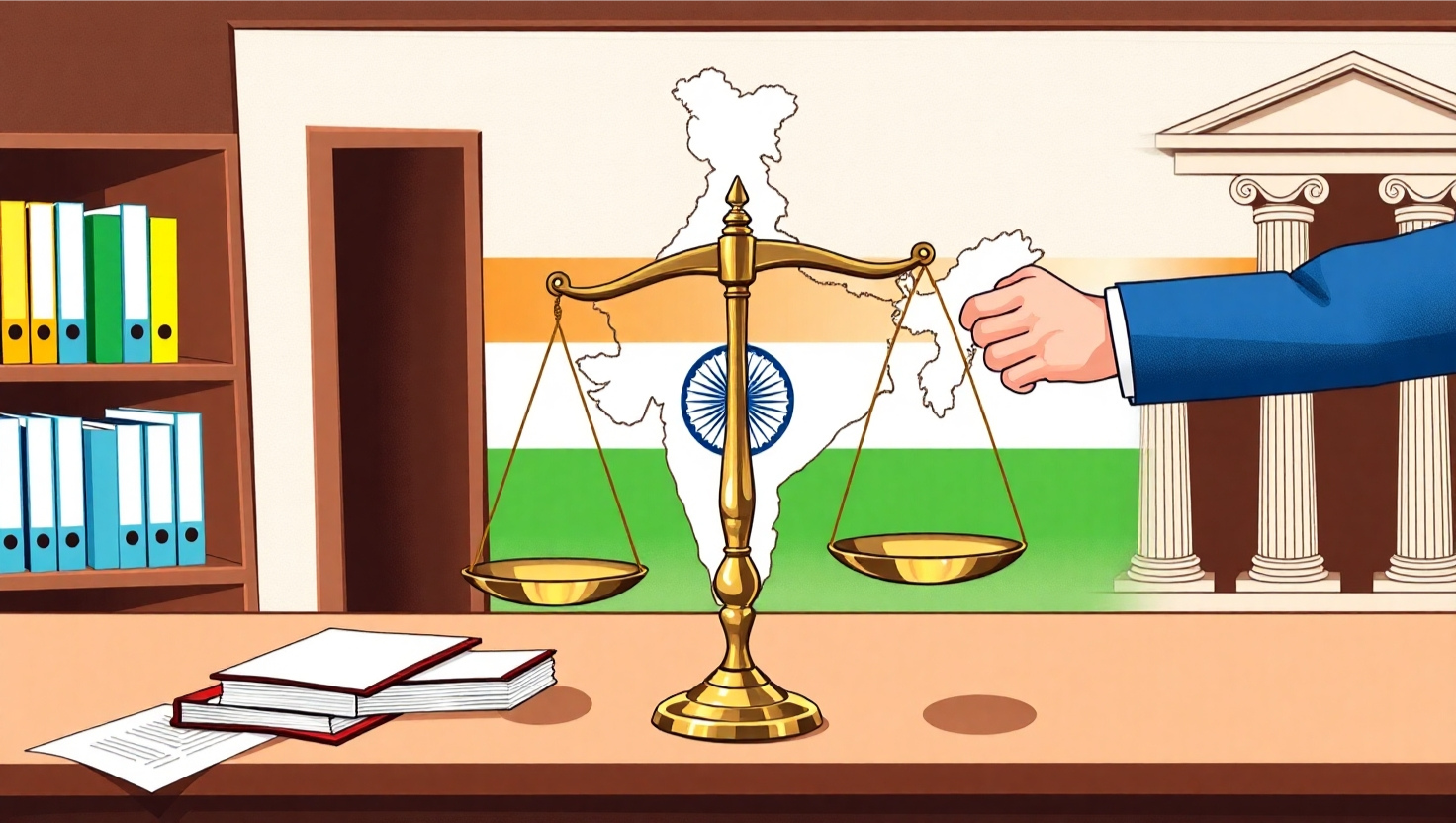
Political interference weakens neutrality, fairness, and public trust, harming good governance and democratic values in administration.
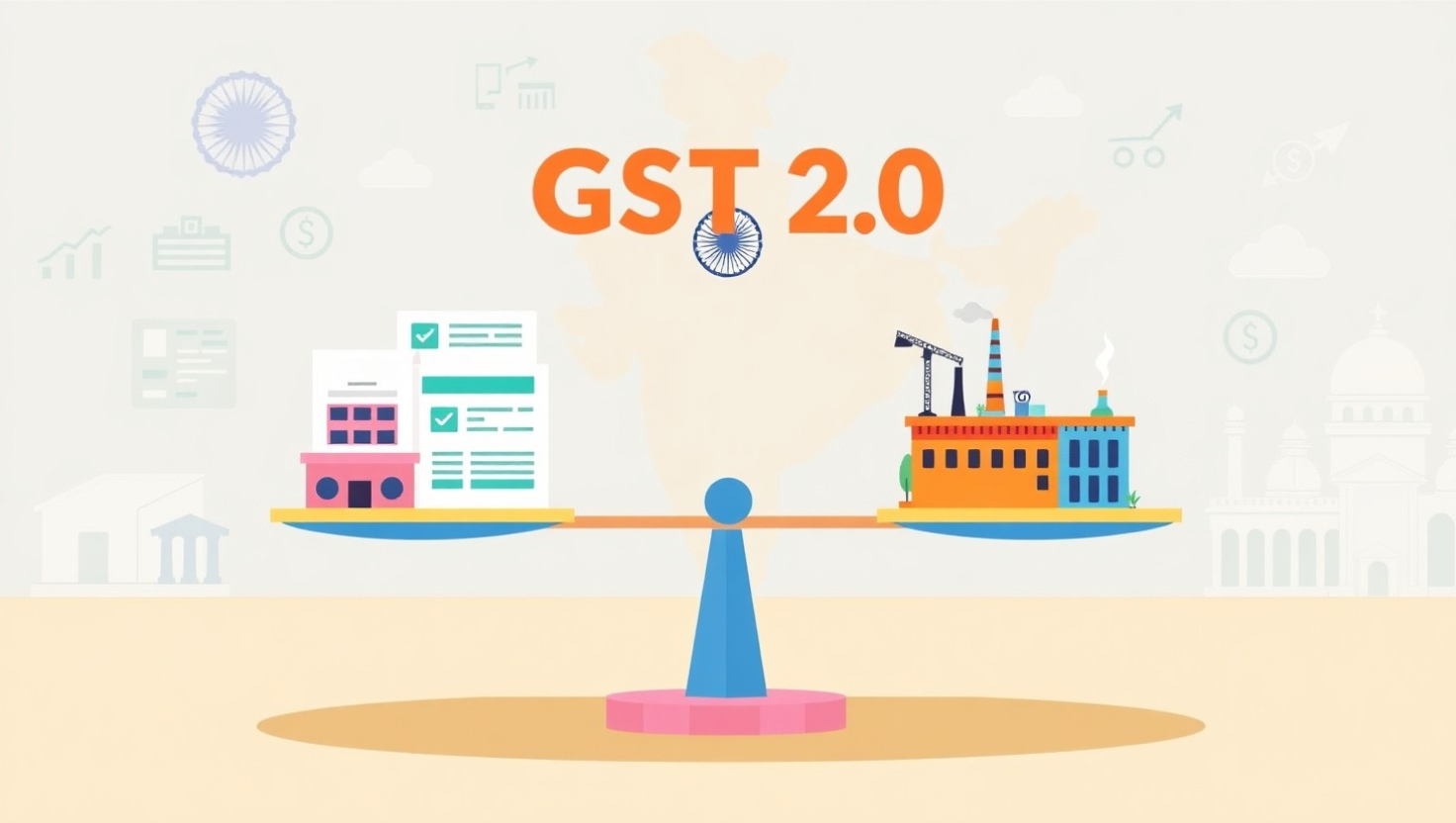
GST 2.0 aims to simplify taxes, boost compliance, and promote fair, long-term economic growth for businesses and citizens across India.
GST slab rationalisation promises simplicity and competitiveness, but uneven revenue losses raise debate on compensating states for fiscal stability.
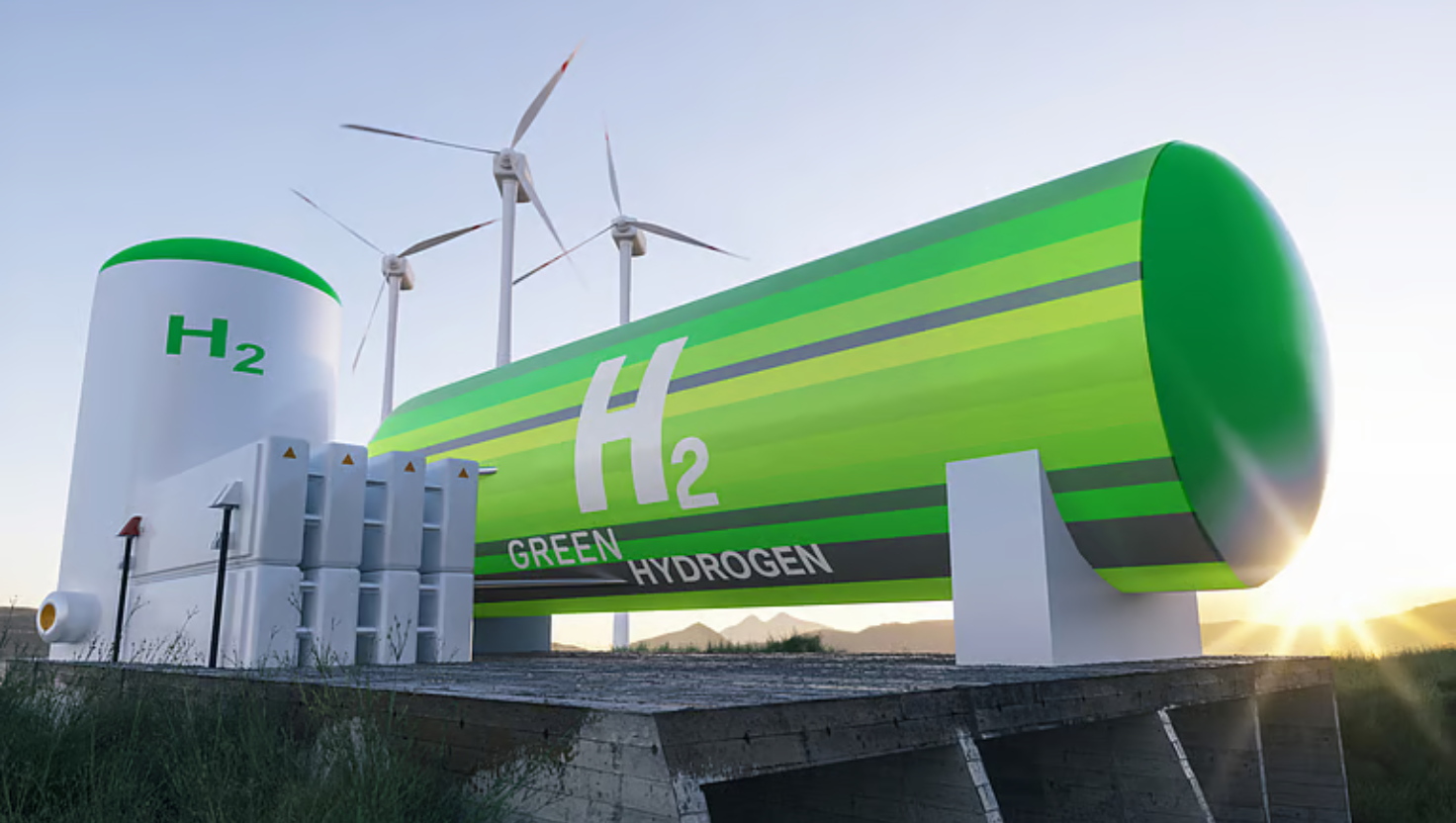
India can capture 10% of the global green hydrogen market by 2030 with subsidy shifts, demand mandates, and strong infrastructure.
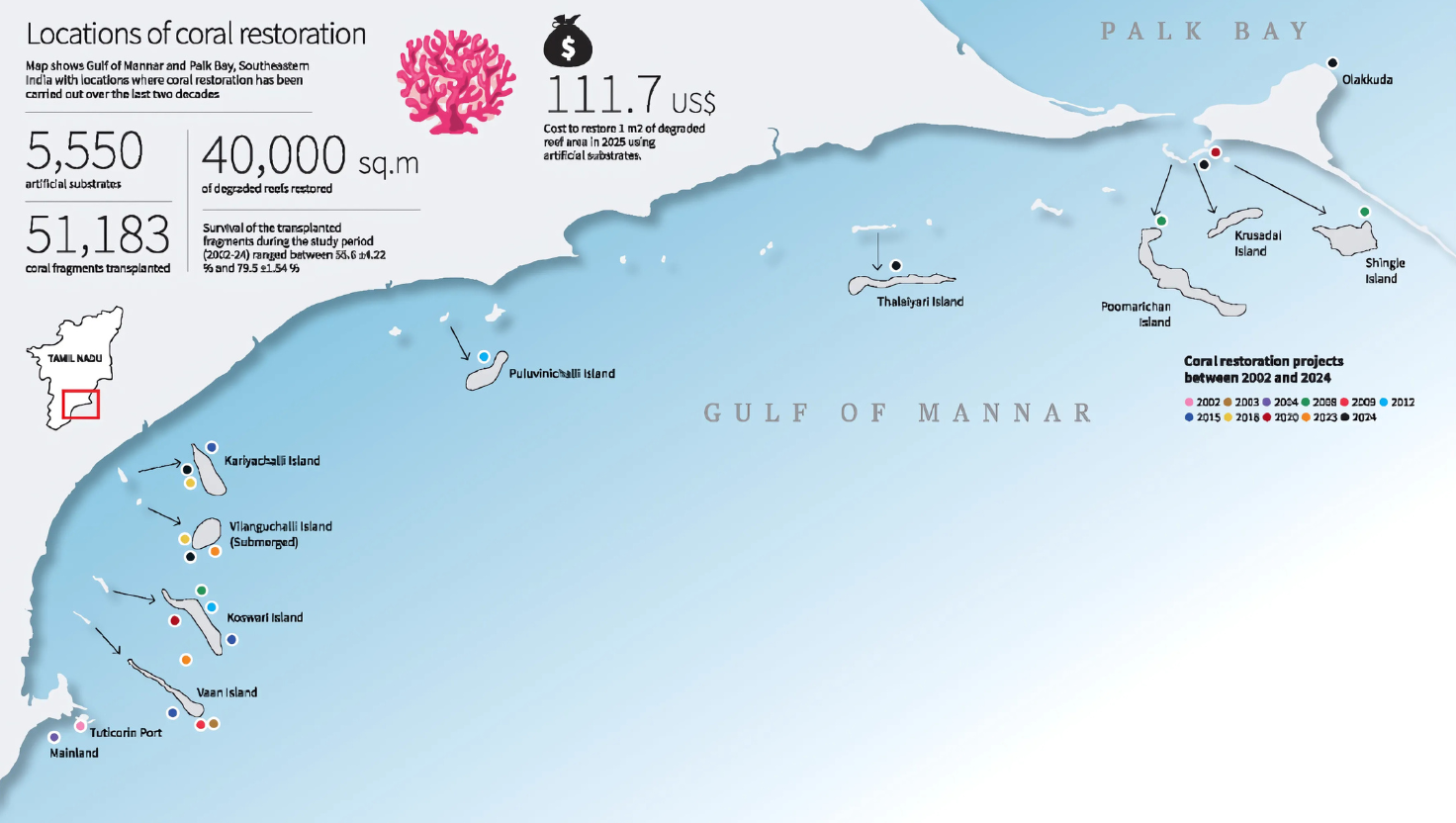
Revival of Coral Reefs in Gulf of Mannar shows how science, community action, and policy can restore biodiversity and support livelihoods.
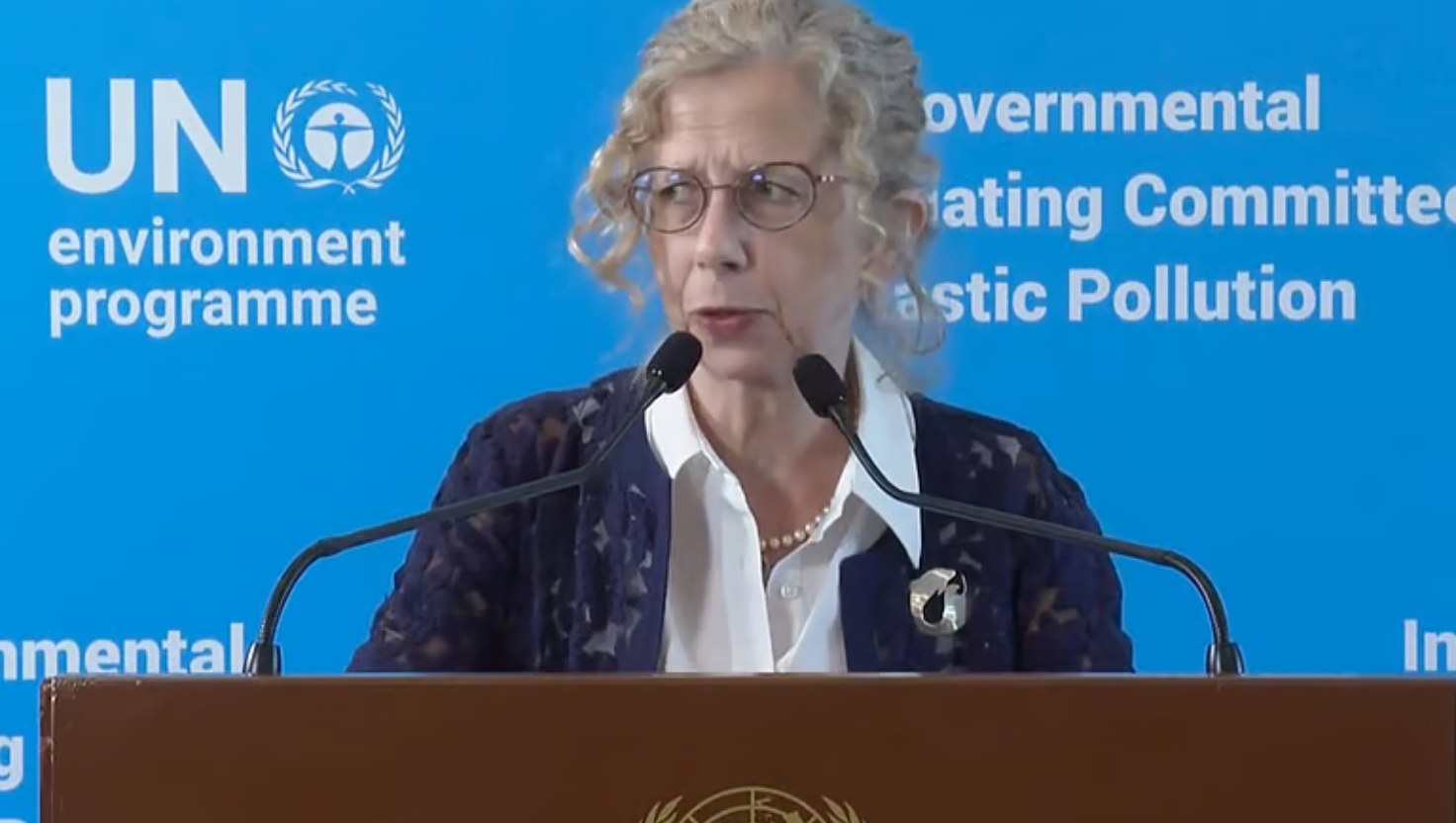
Global Plastic Treaty talks in Geneva ended in deadlock, with sharp divides over production cuts, finance, and binding measures on plastic pollution.

ED’s ₹260 cr Money Laundering probe shows crypto misuse via anonymity, mixers & weak KYC; stronger AML laws, global ties & tech needed to curb it.
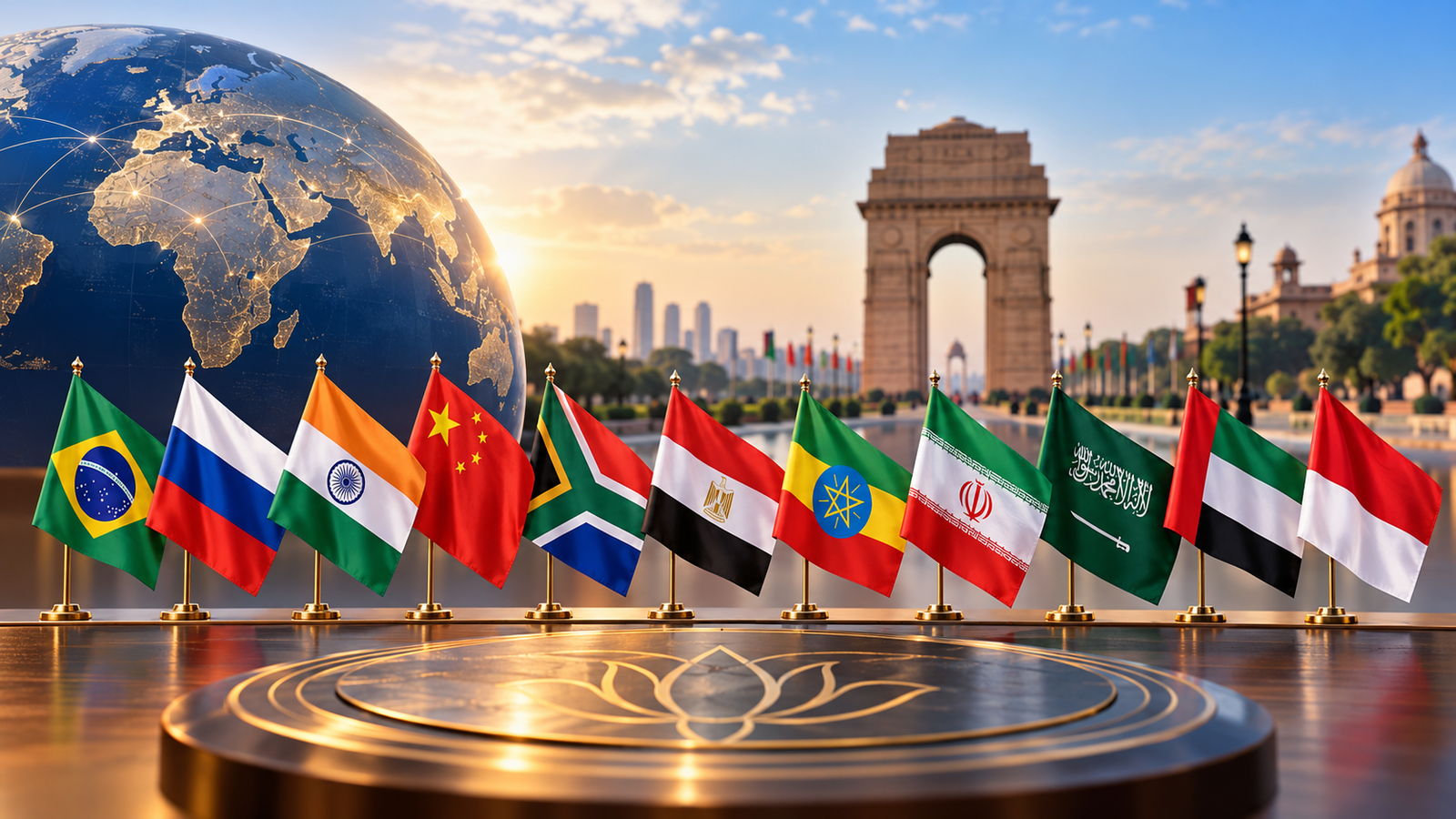
BRICS 2026: Explore the 18th BRICS Summit in New Delhi,
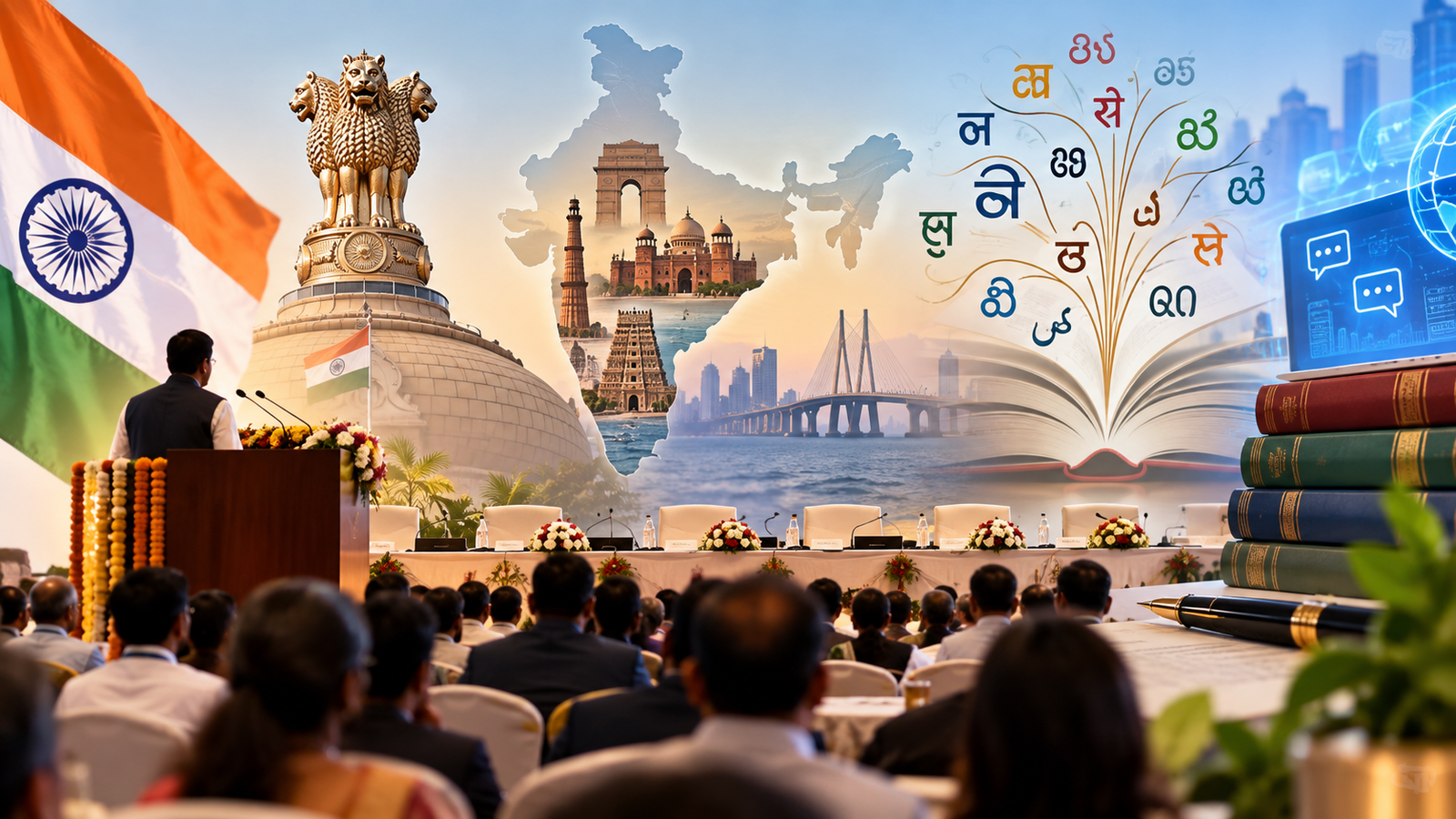
6th All India Official Language Conference 2026 in Navi Mumbai:
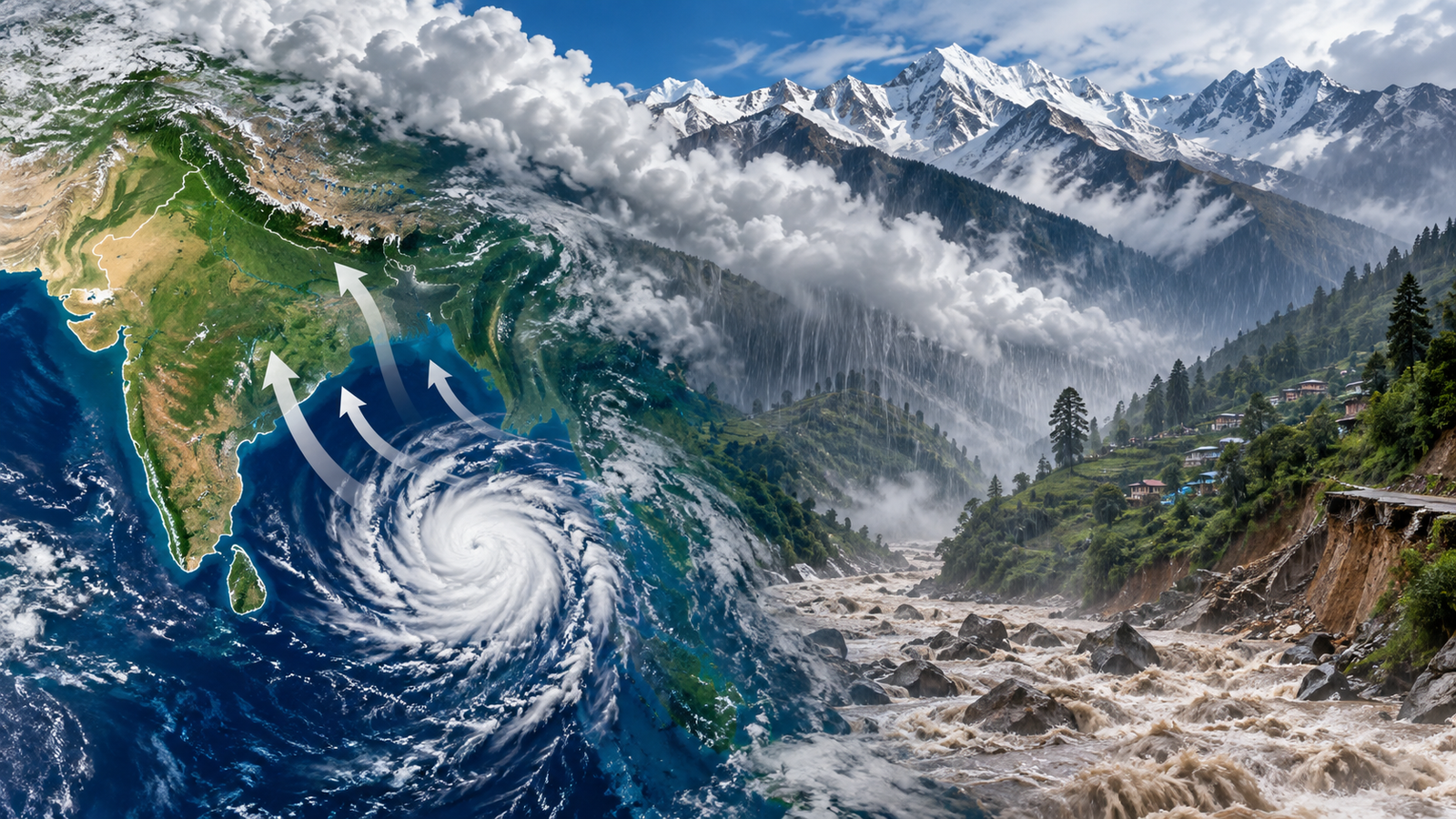
Discover how Bay of Bengal low-pressure systems shape India’s monsoon,
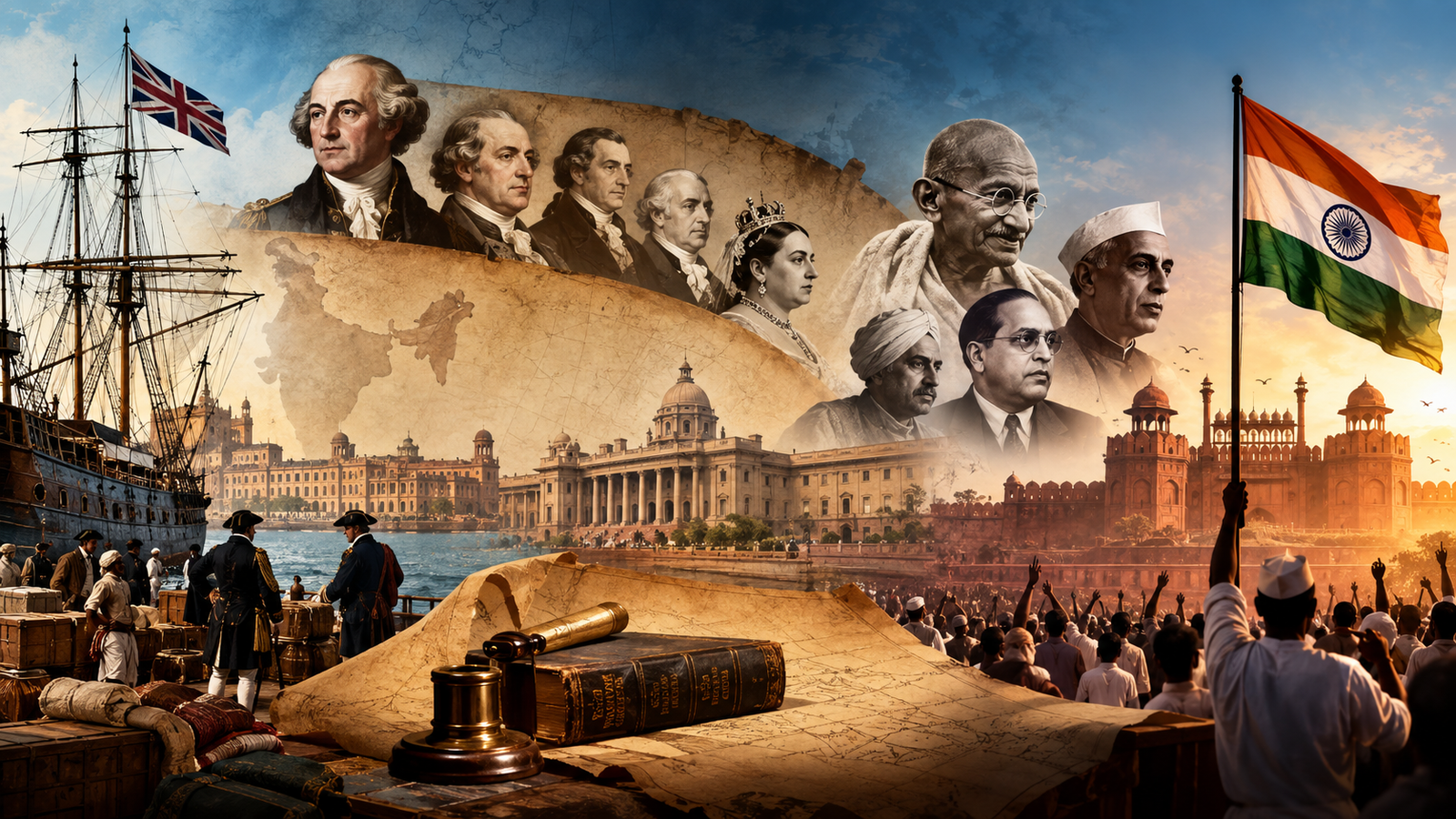
Explore the constitutional evolution of India from East India Company
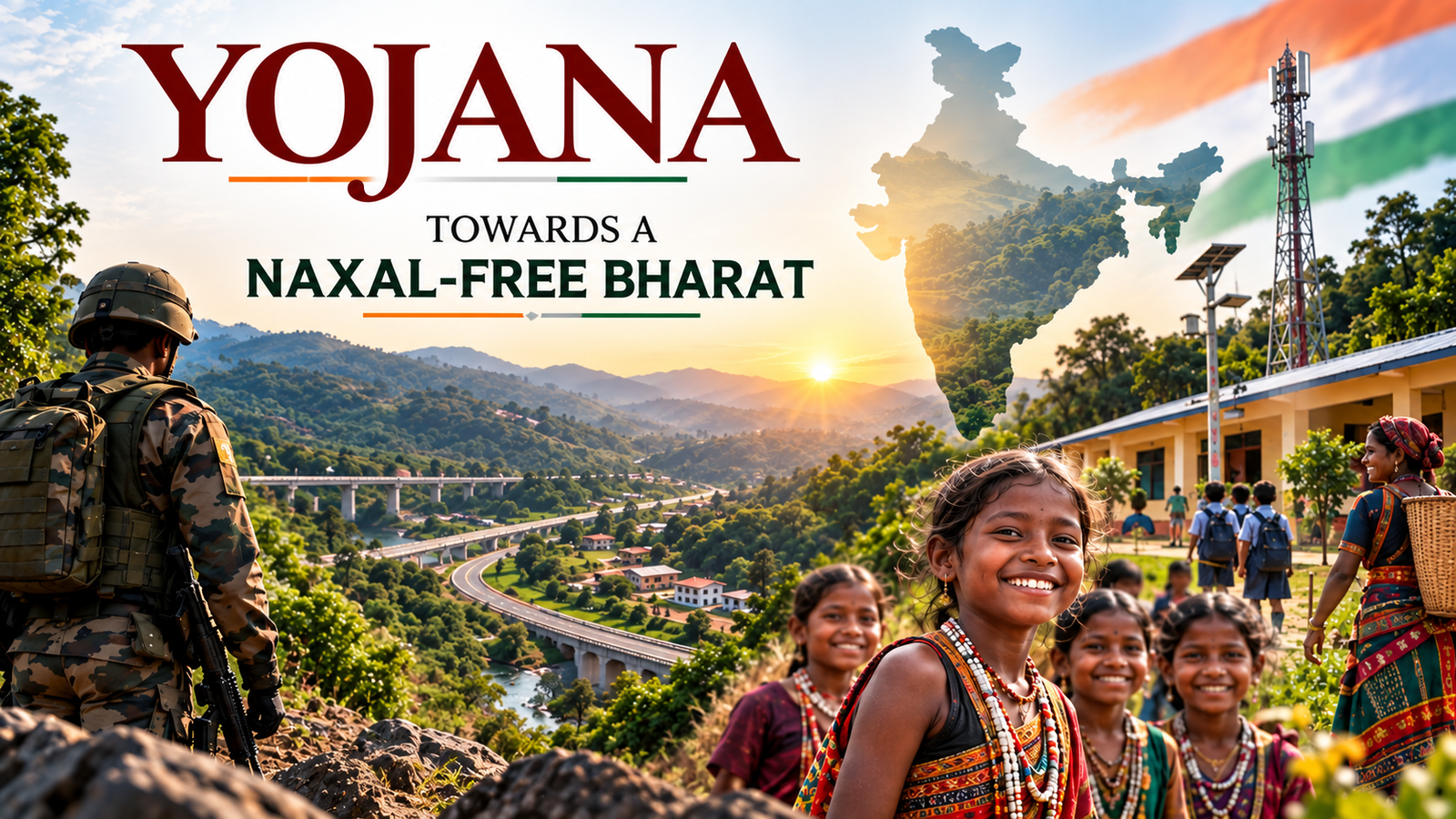
Yojana June 2026 explores India’s journey towards a Naxal-free Bharat,
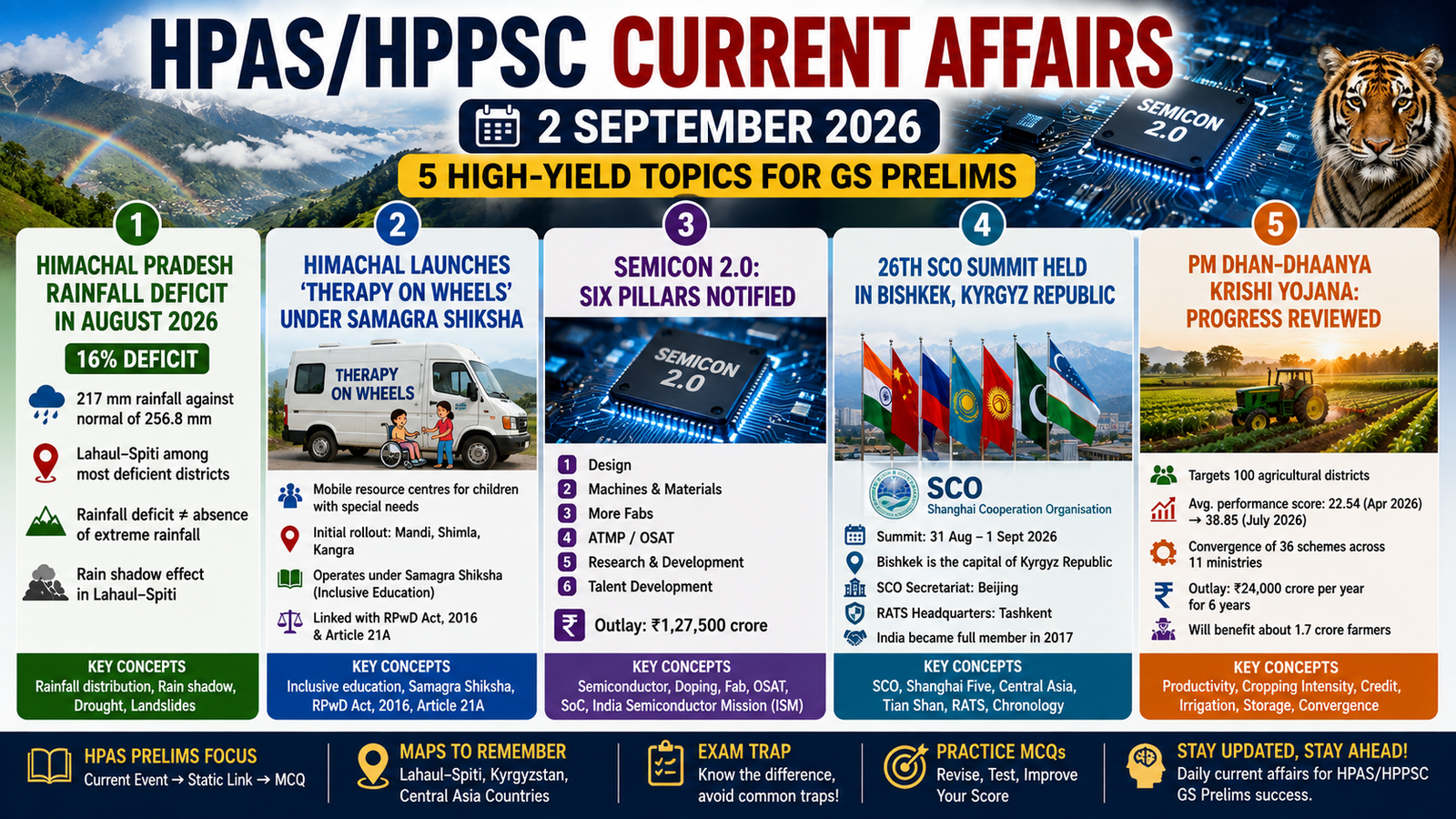
HPAS/HPPSC Current Affairs 2 September 2026: Himachal rainfall deficit, Therapy