

PM Ekta Malls
27 States approved for PM Ekta Malls to promote ODOP, GI, and handicraft products with ₹4,795 Cr sanctioned under the SASCI scheme.
27 States approved for PM Ekta Malls to promote ODOP, GI, and handicraft products with ₹4,795 Cr sanctioned under the SASCI scheme.

India to launch Repairability Index; experts highlight the need to integrate informal repairers into Right to Repair and digital policies.

The ICJ has reaffirmed the Kyoto Protocol’s legal validity, reviving its role in global climate law and reinforcing accountability for past emissions.

The Paris Agreement is a global treaty aiming to limit warming below 2°C, with countries submitting NDCs and updating targets every 5 years.

The Doha Amendment extended Kyoto Protocol commitments till 2020, mandating emission cuts by developed nations and reinforcing climate accountability.

The Kyoto Protocol, adopted in 1997, was the first legally binding treaty to reduce greenhouse gas emissions by developed nations.

India commissioned its first 1 MW Green Hydrogen plant at Kandla Port to boost clean maritime energy under the National Green Hydrogen Mission.
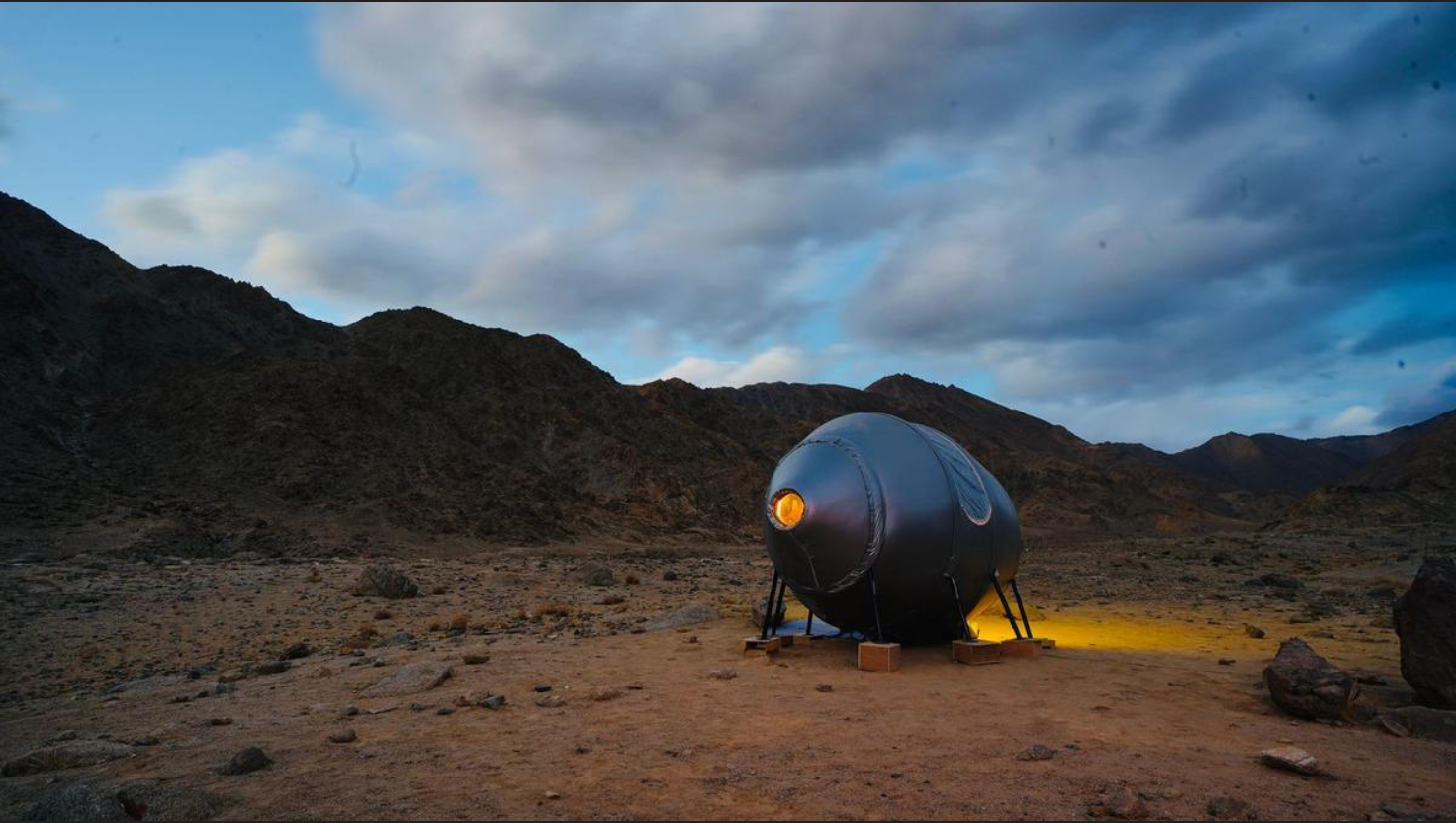
India launches its first moon-Mars simulation station, HOPE, in Ladakh to study human survival in extreme isolation for future space missions.
Nvidia becomes the world’s most valuable company in 2025, driven by booming AI chip demand and surpassing Apple and Microsoft in market value.
The government has approved ₹2,000 crore for NCDC to boost cooperative-led rural development, focusing on agriculture, allied sectors, and job creation.
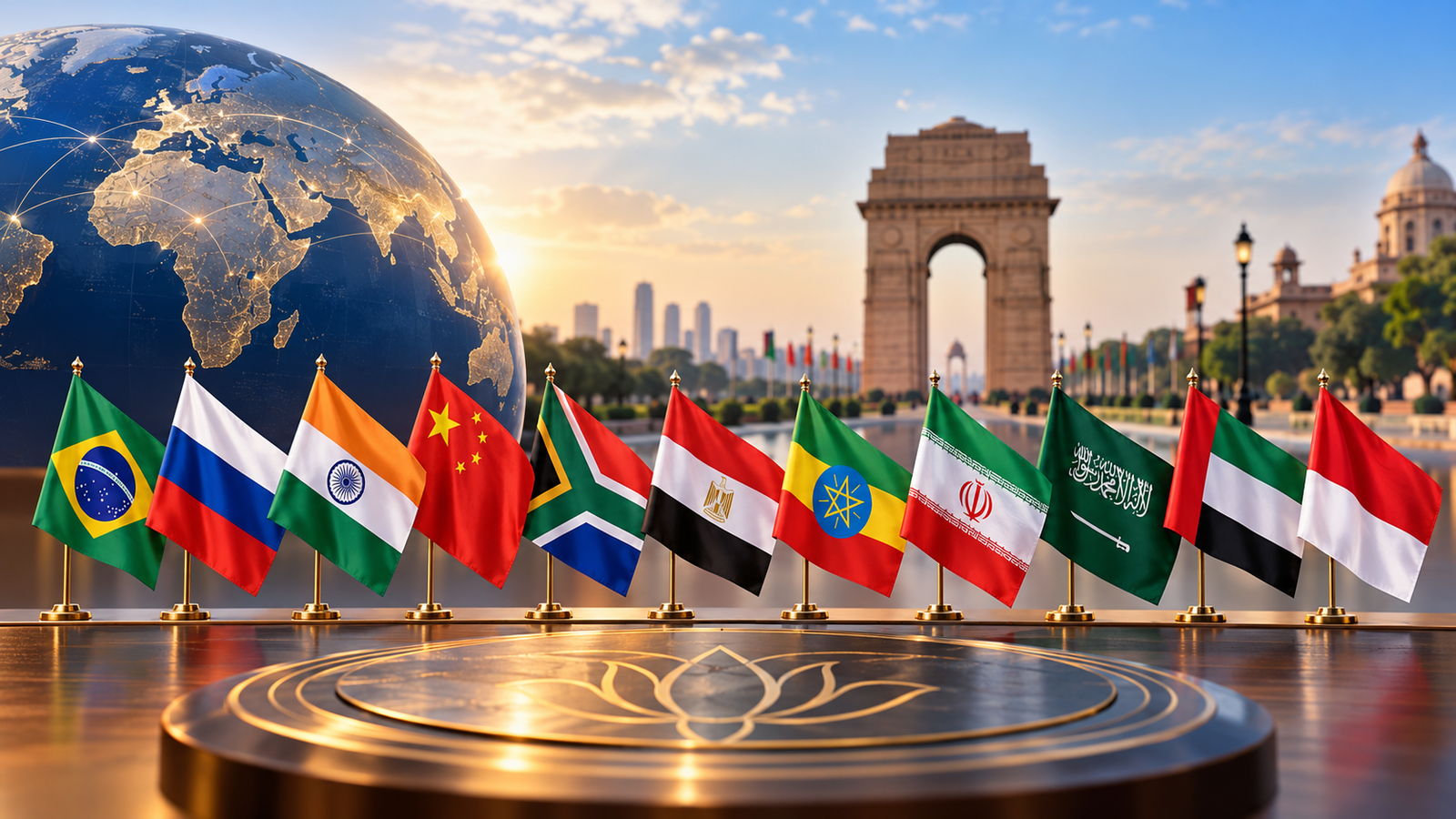
BRICS 2026: Explore the 18th BRICS Summit in New Delhi,
6th All India Official Language Conference 2026 in Navi Mumbai:
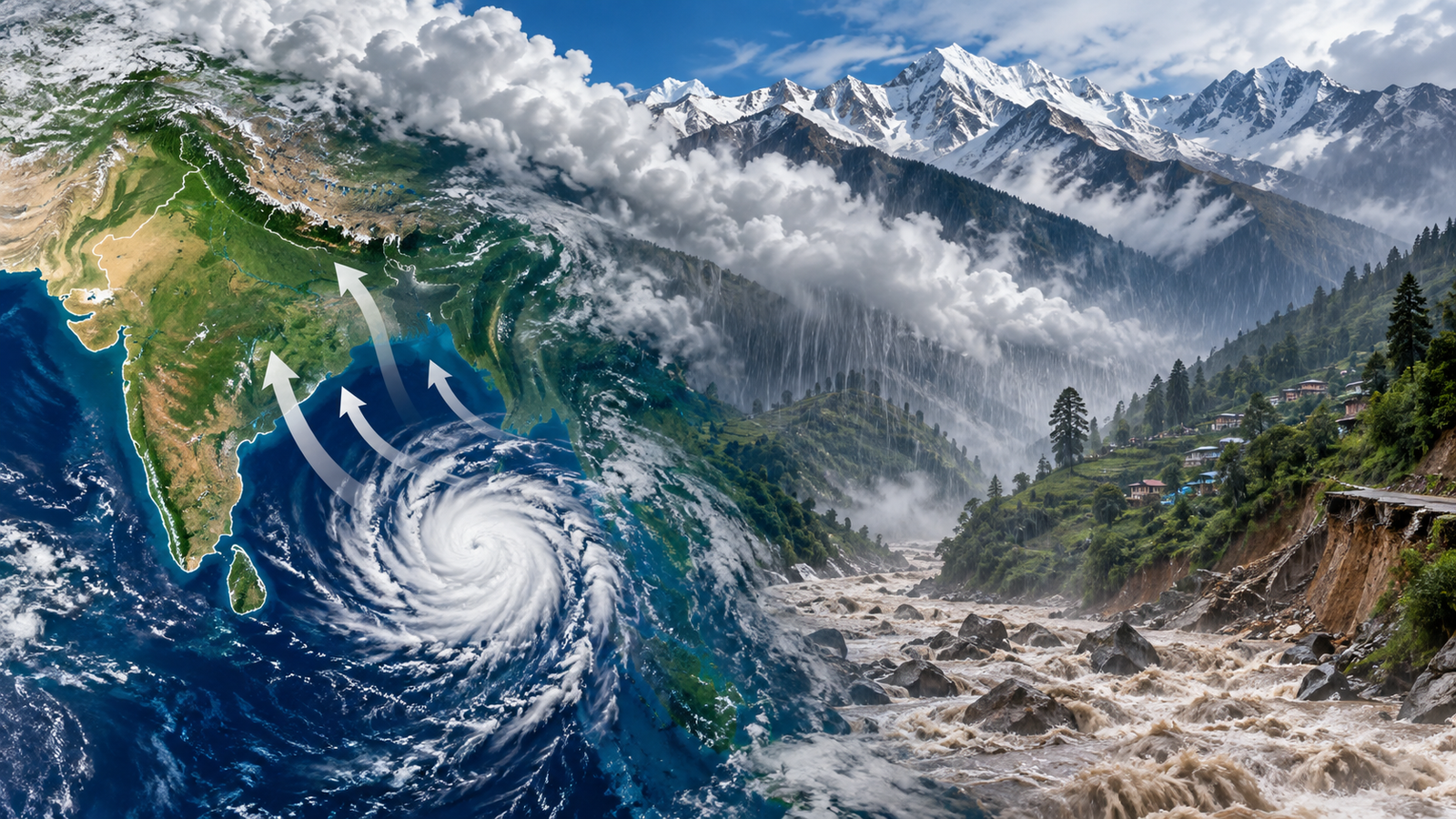
Discover how Bay of Bengal low-pressure systems shape India’s monsoon,
Explore the constitutional evolution of India from East India Company

Yojana June 2026 explores India’s journey towards a Naxal-free Bharat,
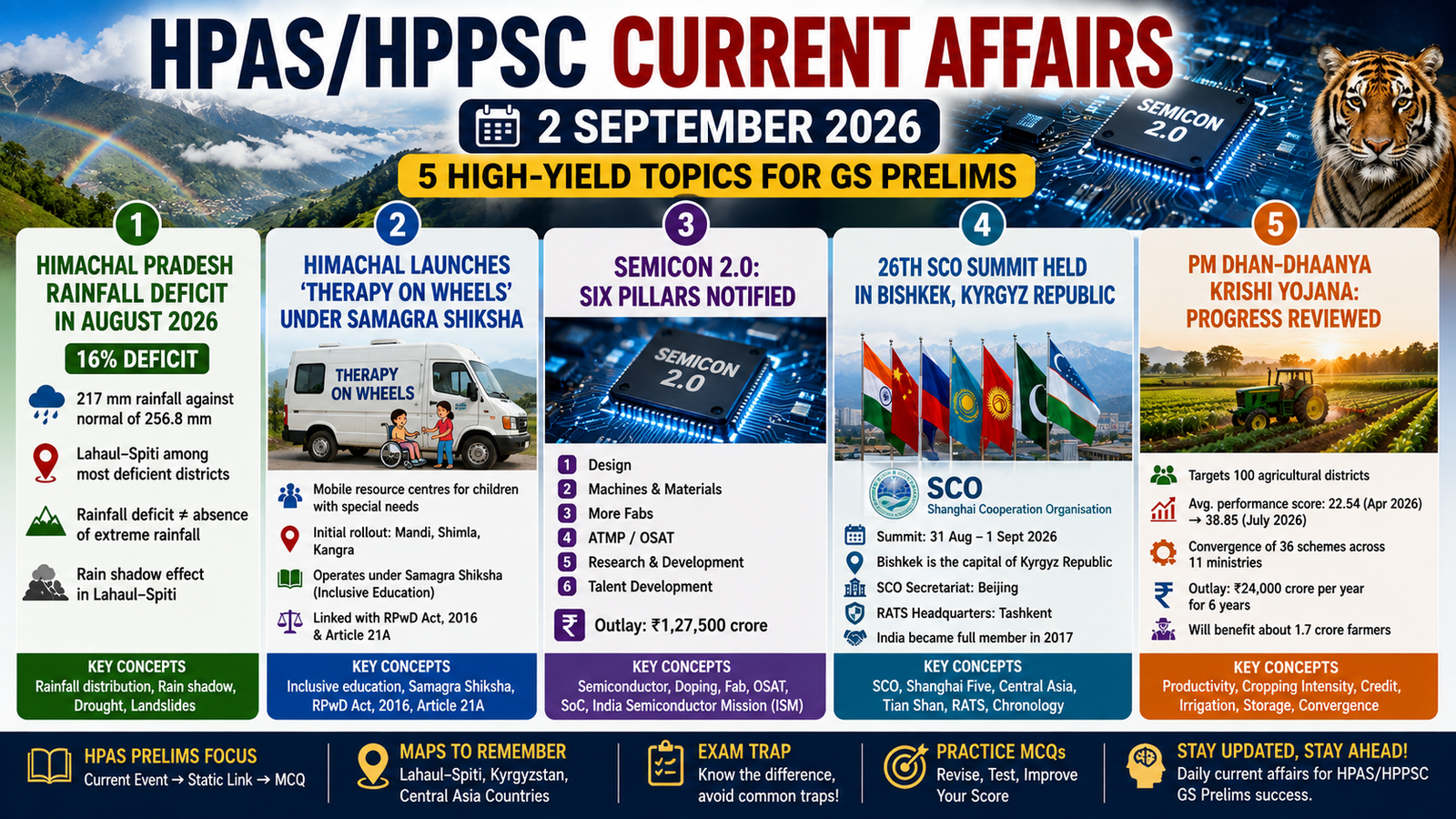
HPAS/HPPSC Current Affairs 2 September 2026: Himachal rainfall deficit, Therapy