
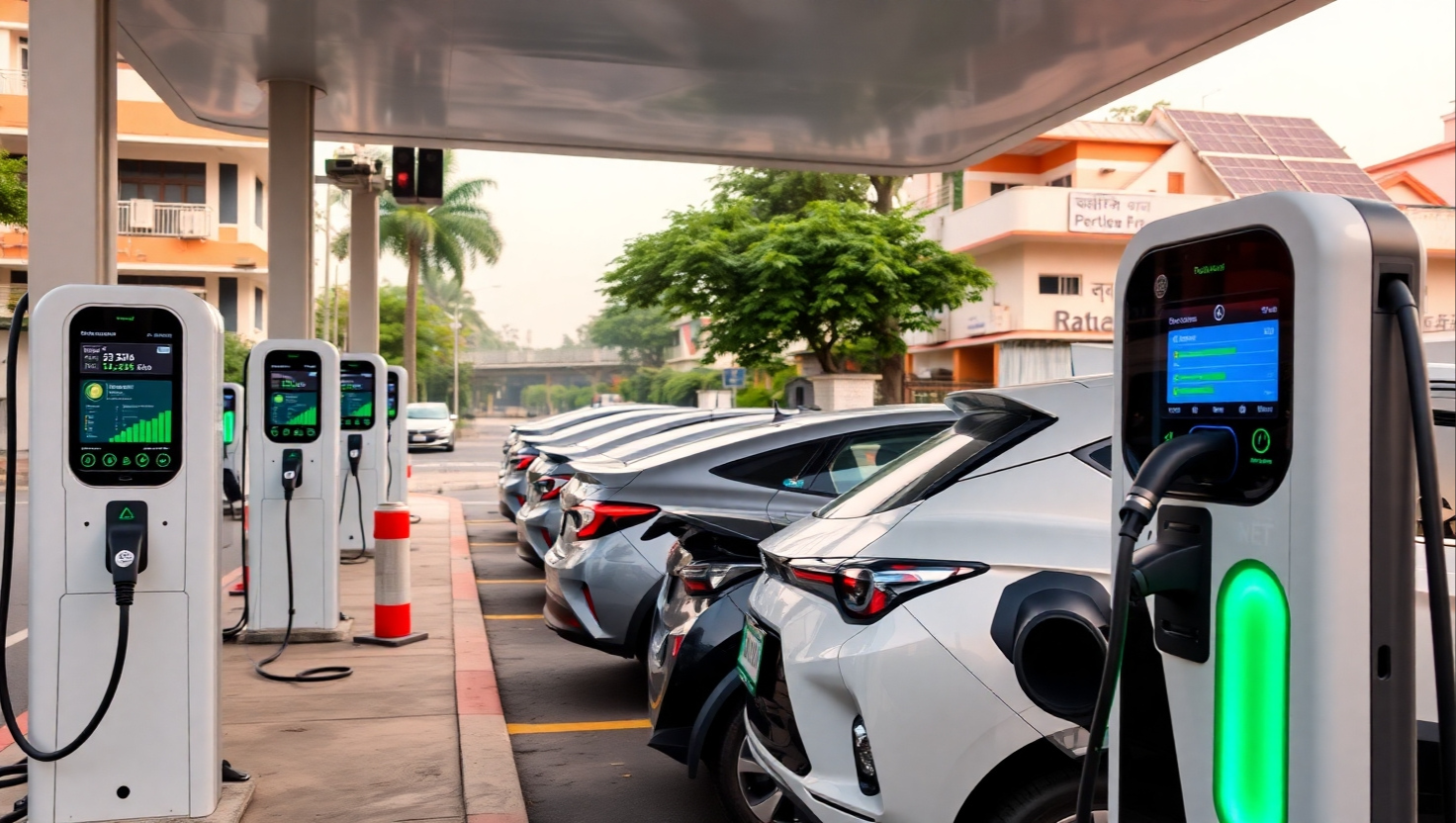
India Electric Mobility Index (IEMI) 2024
NITI Aayog launched the India Electric Mobility Index to rank States/UTs on EV adoption, infra readiness & innovation for green mobility.
NITI Aayog launched the India Electric Mobility Index to rank States/UTs on EV adoption, infra readiness & innovation for green mobility.
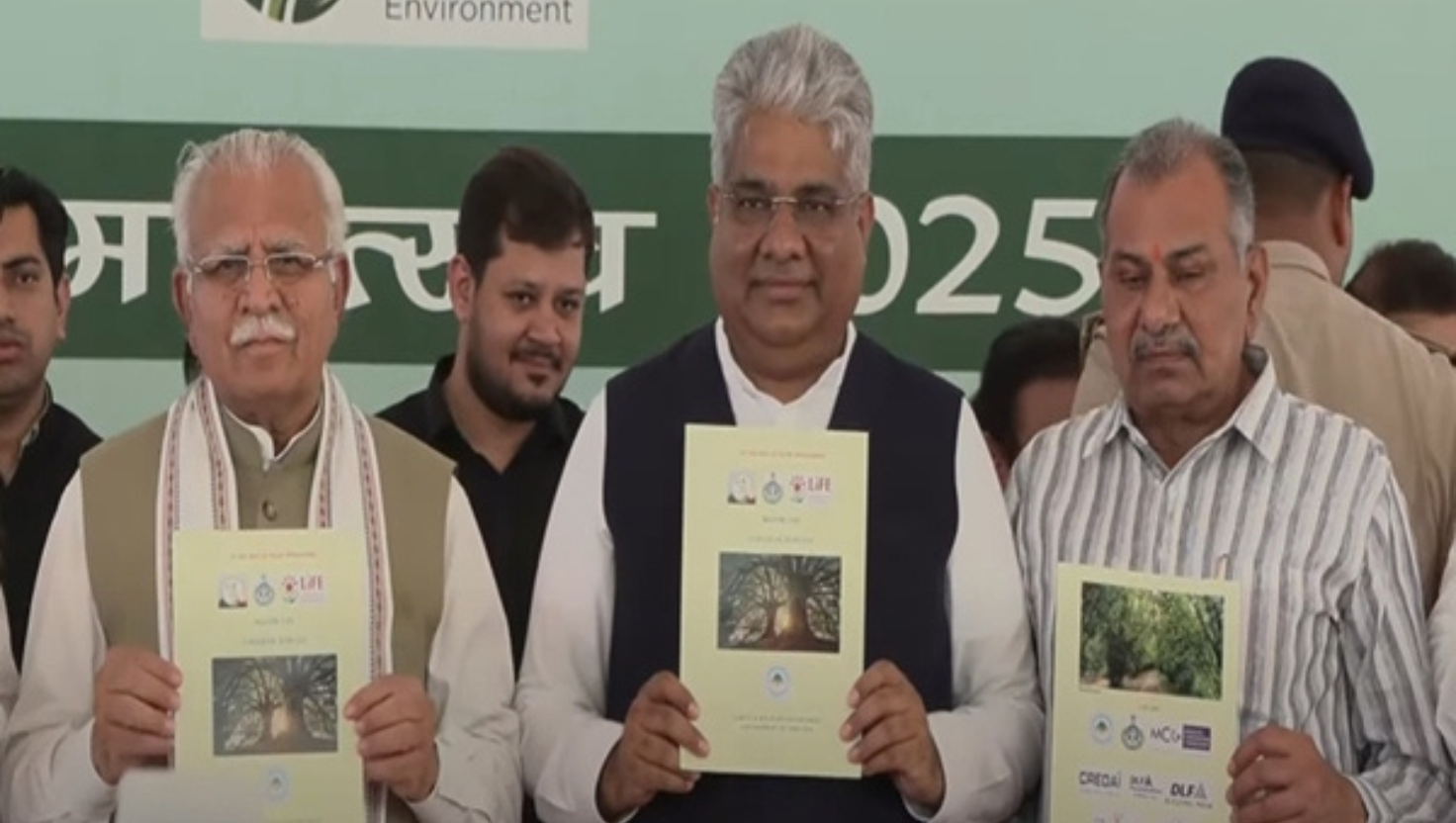
Matri Van Initiative, a 750-acre urban forest in Gurugram, focuses on restoring the Aravalli ecosystem through community-driven ecological efforts.
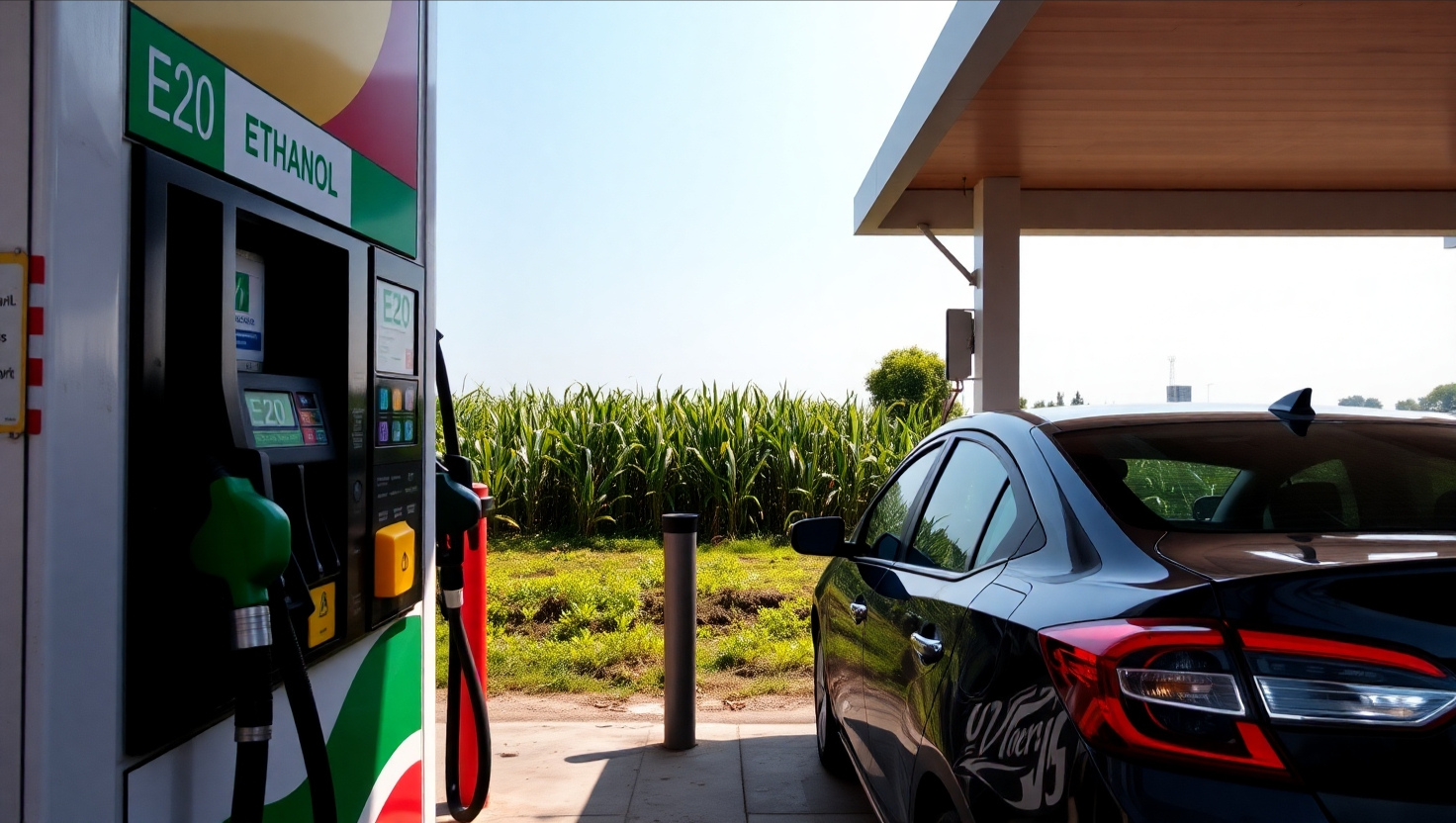
India achieves E20 ethanol blending target ahead of schedule, boosting clean energy goals but raising concerns over engine efficiency and fuel economy.
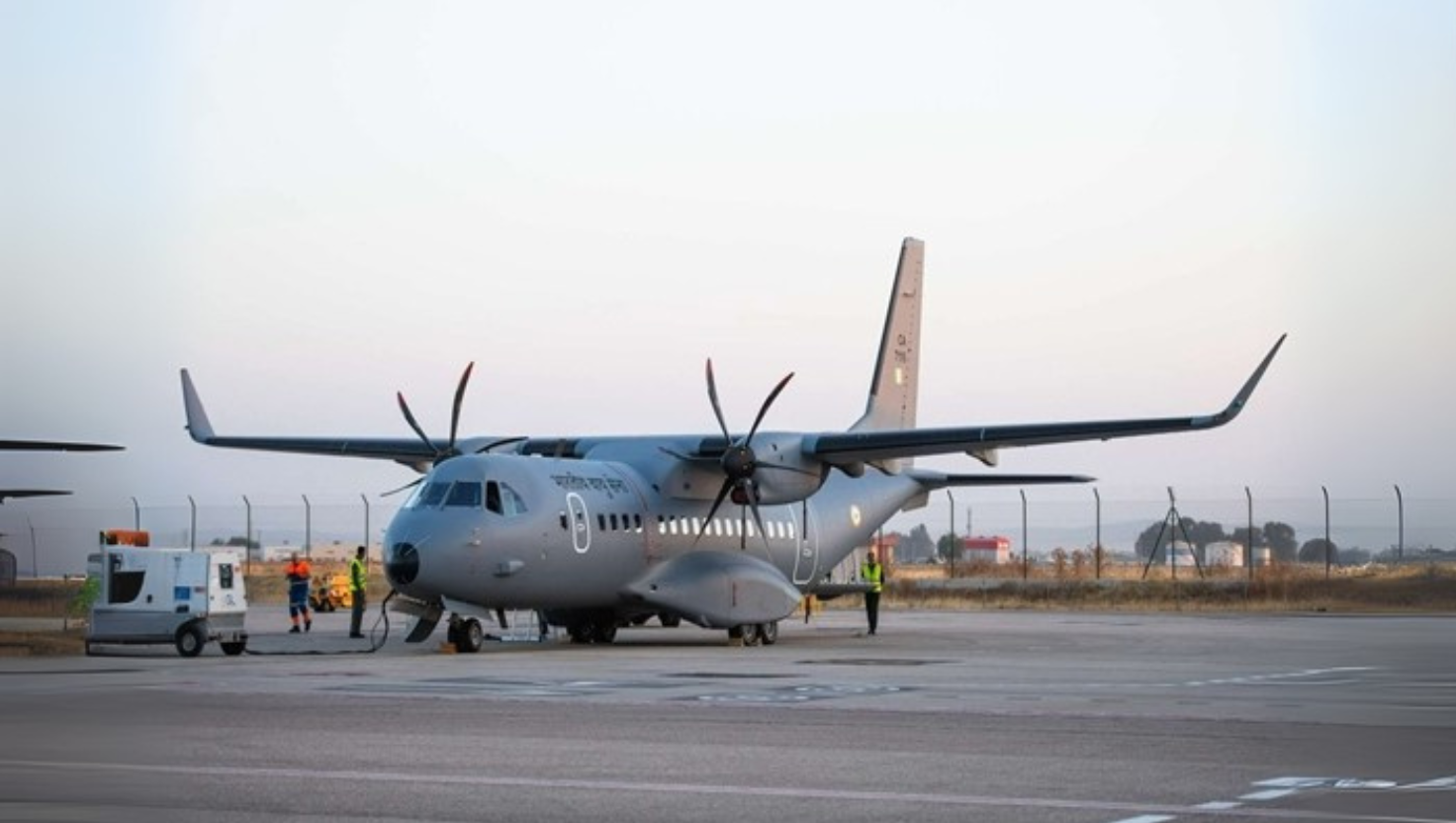
India receives all 16 Airbus C-295 Aircraft from Spain, boosting tactical airlift and marking a key step in defence indigenisation and modernisation.

India’s wind energy capacity reached 51.3 GW in 2025, but rising bird deaths in the Thar Desert raise ecological concerns around renewable energy expansion.

India’s first AI-Powered Anganwadi launched in Nagpur to boost rural preschool education through AI, VR, and digital learning under Mission Bal Bharari.

27 States approved for PM Ekta Malls to promote ODOP, GI, and handicraft products with ₹4,795 Cr sanctioned under the SASCI scheme.

India to launch Repairability Index; experts highlight the need to integrate informal repairers into Right to Repair and digital policies.

The ICJ has reaffirmed the Kyoto Protocol’s legal validity, reviving its role in global climate law and reinforcing accountability for past emissions.

The Paris Agreement is a global treaty aiming to limit warming below 2°C, with countries submitting NDCs and updating targets every 5 years.

Excerpt: UNESCO has added three Indian sites to its Tentative

Explore ICMR-CHAMP at Keylong, Himachal Pradesh—its objectives, research areas, importance
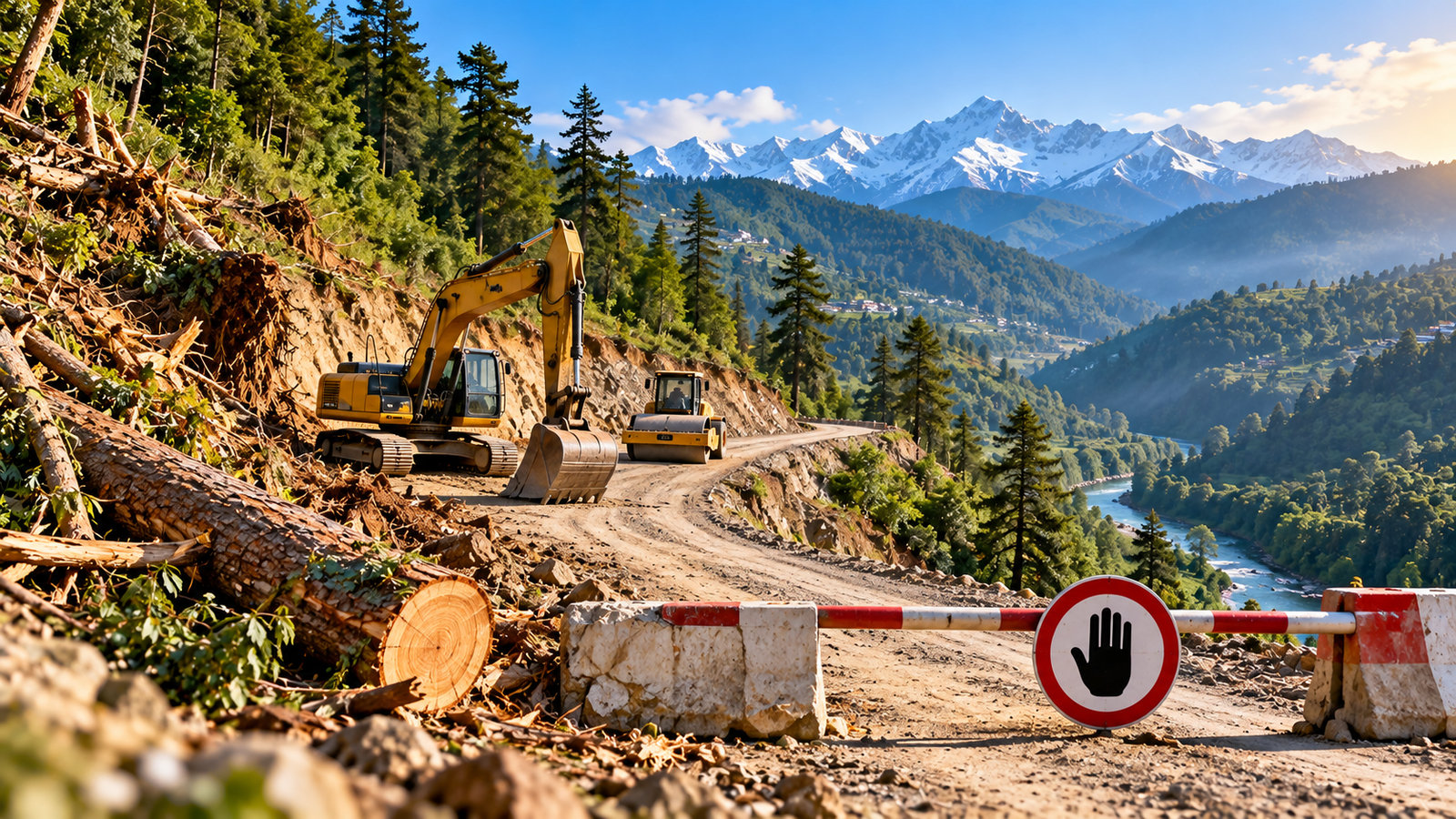
Himachal Pradesh High Court halts forest road construction and tarring

Mission for Aatmanirbharta in Pulses 2026: Explore the ₹11,440 crore

Living Planet Report 2026: Explore the 73% decline in monitored
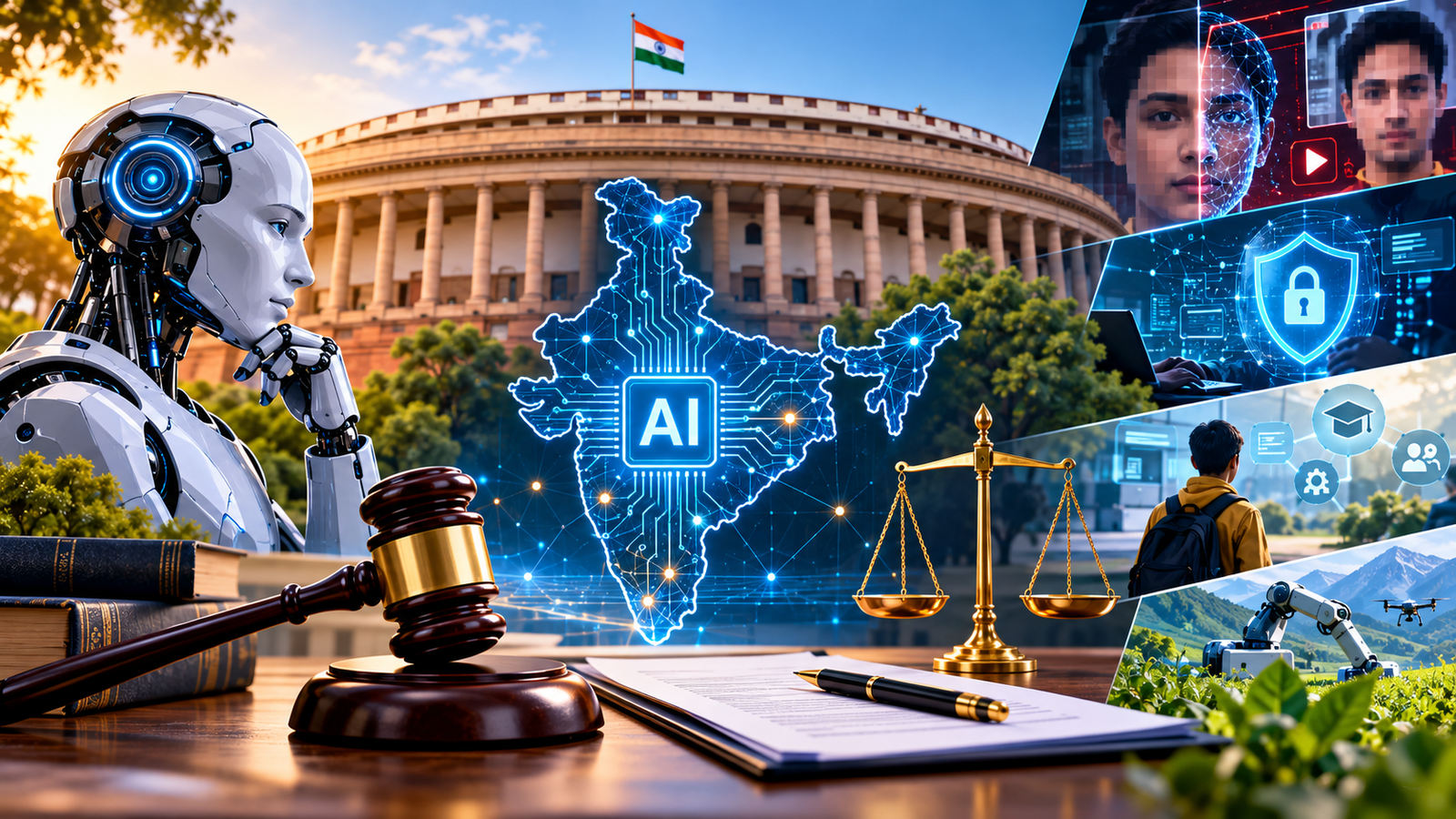
India AI Regulation 2026: Understand the proposed AI regulatory framework,