Sindh Region: Geography, History and Strategic Significance
Introduction
Sindh is a historical and geographical region located in southeastern Pakistan, bordering India’s Rajasthan and Gujarat states. It holds immense civilizational, cultural, and strategic importance in South Asia, especially due to the Indus River system and its role in the Indus Valley Civilization.
For UPSC aspirants, Sindh is relevant under:
- GS I: Ancient Civilizations & Geography
- GS II: India–Pakistan relations
- GS III: Water resources & Indus Waters Treaty
1. Physical Geography
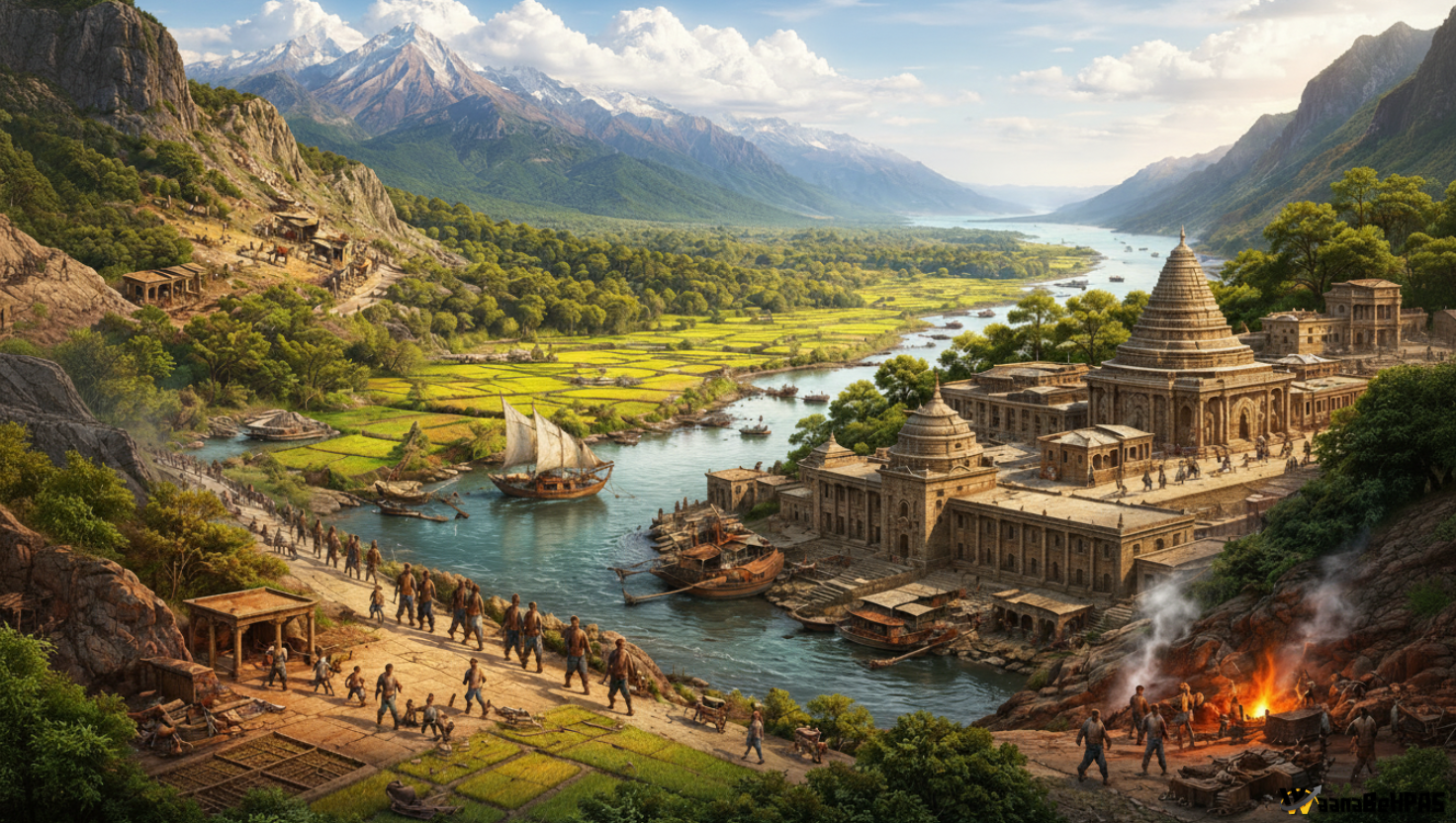
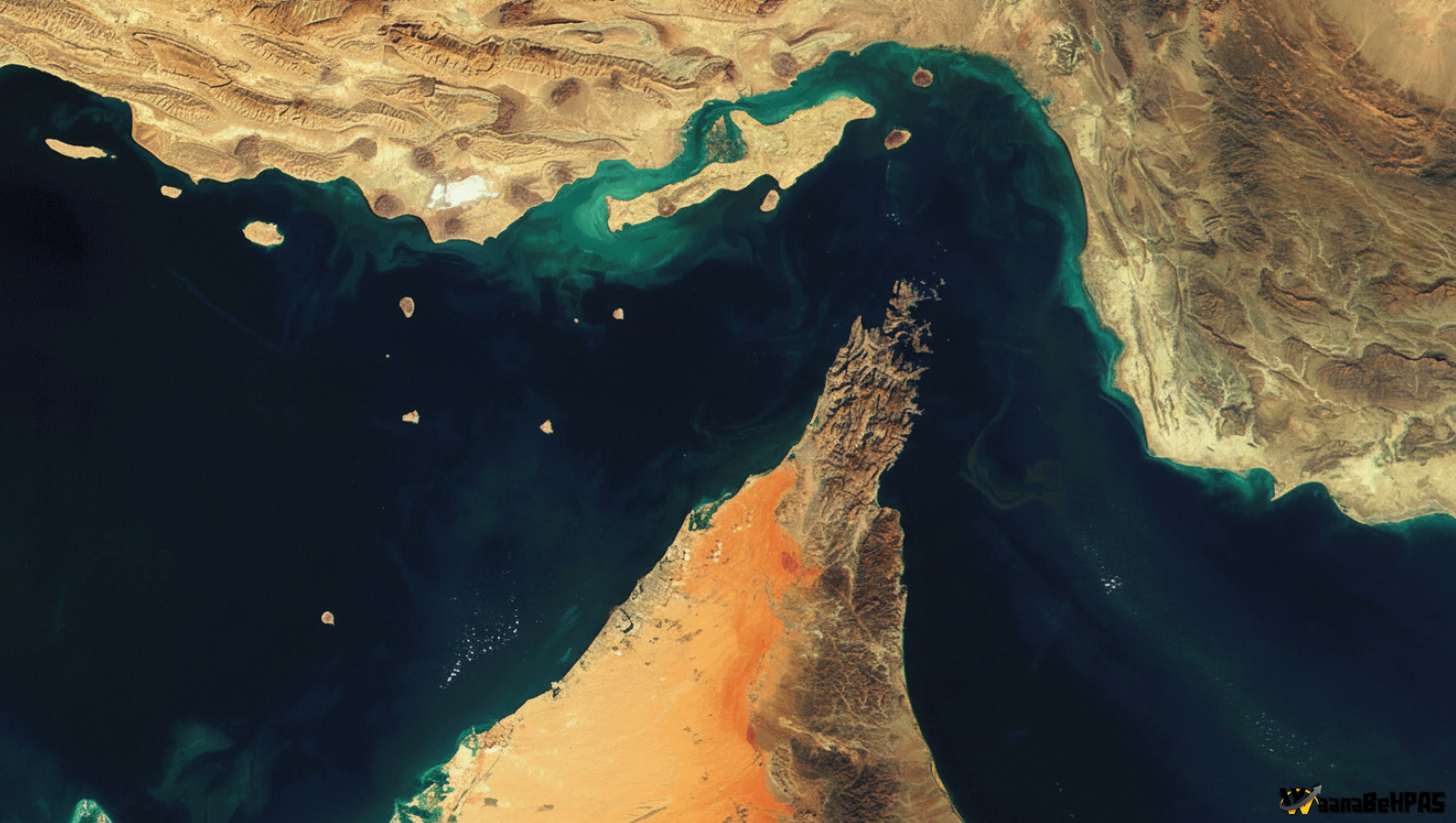
Sindh lies along the lower course of the Indus River, which flows from Tibet through India and Pakistan before emptying into the Arabian Sea near Karachi.
Key Features:
- Indus River Basin – Lifeline of agriculture
- Thar Desert – Eastern arid zone
- Arabian Sea Coastline – Important for trade
- Fertile alluvial plains in central Sindh
Major City:
- Karachi – Pakistan’s largest city and economic hub
2. Historical Significance
(A) Indus Valley Civilization
Sindh was home to Mohenjo-daro, one of the world’s earliest urban centers (c. 2500 BCE).
(B) Medieval & Colonial Era
- Conquered by Muhammad bin Qasim (8th century CE).
- Annexed by the British in 1843 under Sir Charles Napier.
Sindh became part of Pakistan in 1947 during Partition.
3. Economic Importance
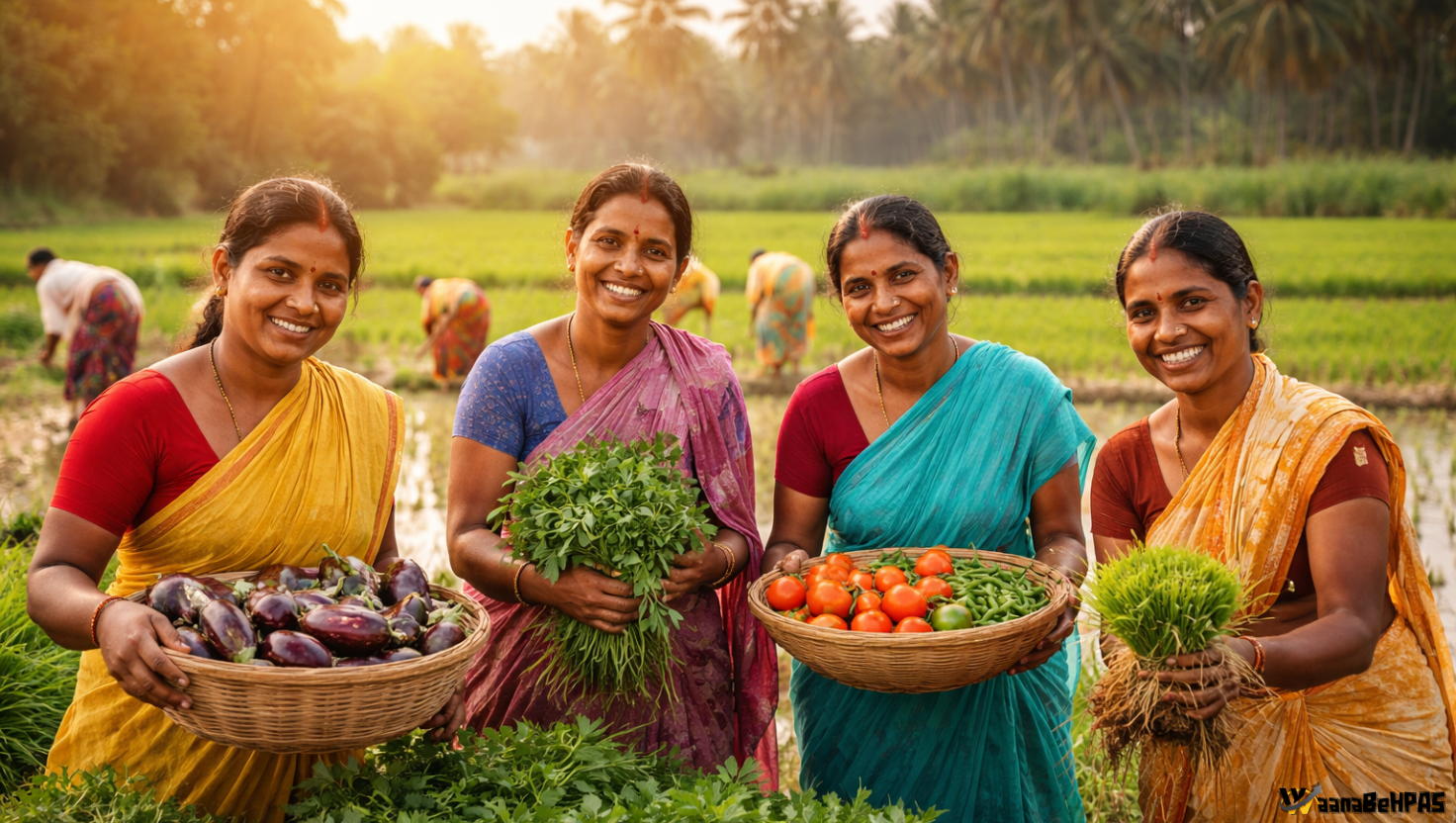
- Agriculture: Rice, wheat, cotton, sugarcane
- Ports: Karachi and Port Qasim
- Industrial & financial center of Pakistan
However, Sindh faces:
- Water scarcity issues
- Inter-provincial water disputes
- Urban-rural inequality
4. Strategic Relevance for India
1. Indus Waters Treaty (1960)
Water sharing between India and Pakistan directly impacts Sindh, as it depends on downstream Indus flows.
2. Border Security
Sindh shares border with India’s Rajasthan and Gujarat — sensitive for security and smuggling routes.
3. Ethnic Politics
Sindh has witnessed ethnic tensions between:
- Sindhi population
- Mohajir community (migrants post-Partition)
Conclusion
Sindh is a region where geography, history, and geopolitics intersect. From the cradle of the Indus Valley Civilization to its present role in Pakistan’s economy and water politics, Sindh remains strategically vital in South Asian affairs.