
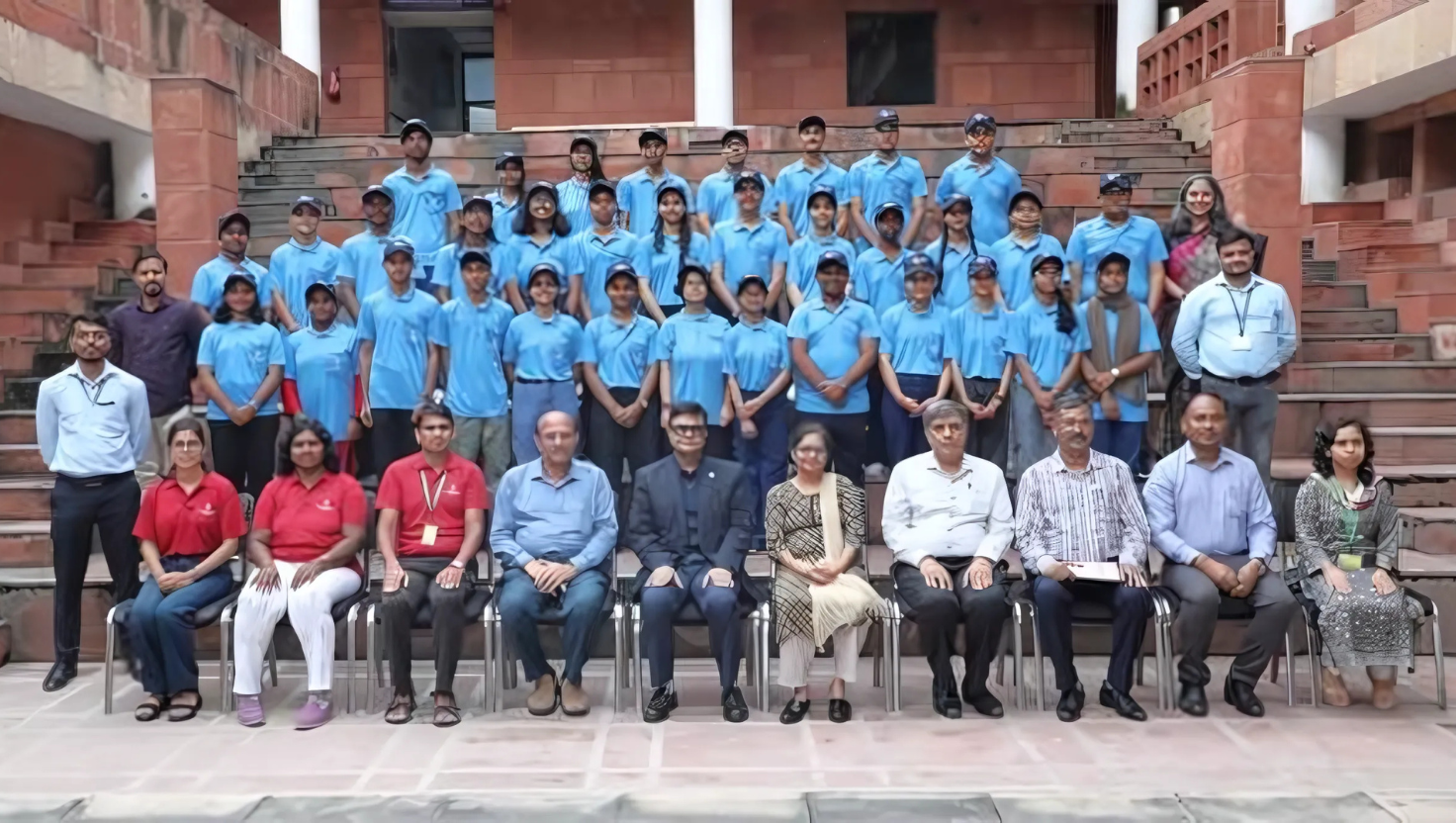
Sakura Science Programme
Sakura Science Programme fosters youth exchange, scientific learning, and cultural ties between India, Japan, and other nations.
Sakura Science Programme fosters youth exchange, scientific learning, and cultural ties between India, Japan, and other nations.
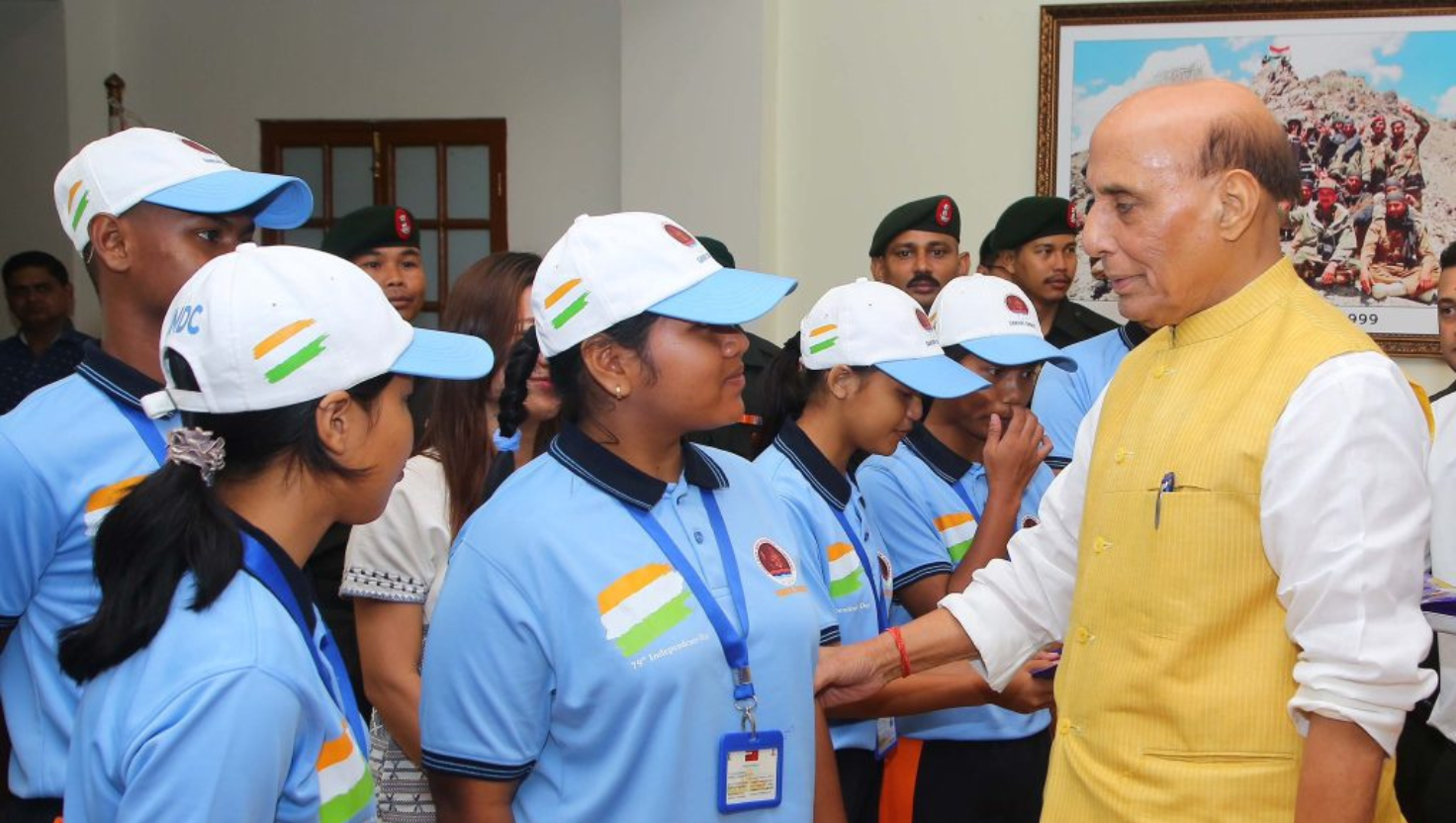
The Aarohan Programme is a National Integration Tour by the Andaman & Nicobar Command, connecting tribal youth with India’s culture, education, and opportunities.

27 States approved for PM Ekta Malls to promote ODOP, GI, and handicraft products with ₹4,795 Cr sanctioned under the SASCI scheme.

PMKVY completes 10 years, training 1.63 crore youth with a focus on industry skills, inclusion, and emerging tech under Skill India Mission.

Apna Ghar Initiative boosts road safety & dignity for truckers via rest hubs; key welfare move under Ministry of Petroleum and Natural Gas.
The government has approved ₹2,000 crore for NCDC to boost cooperative-led rural development, focusing on agriculture, allied sectors, and job creation.

TALASH is a digital initiative by the Tribal Affairs Ministry and UNICEF to enhance life skills, self-awareness, and career planning for tribal students.
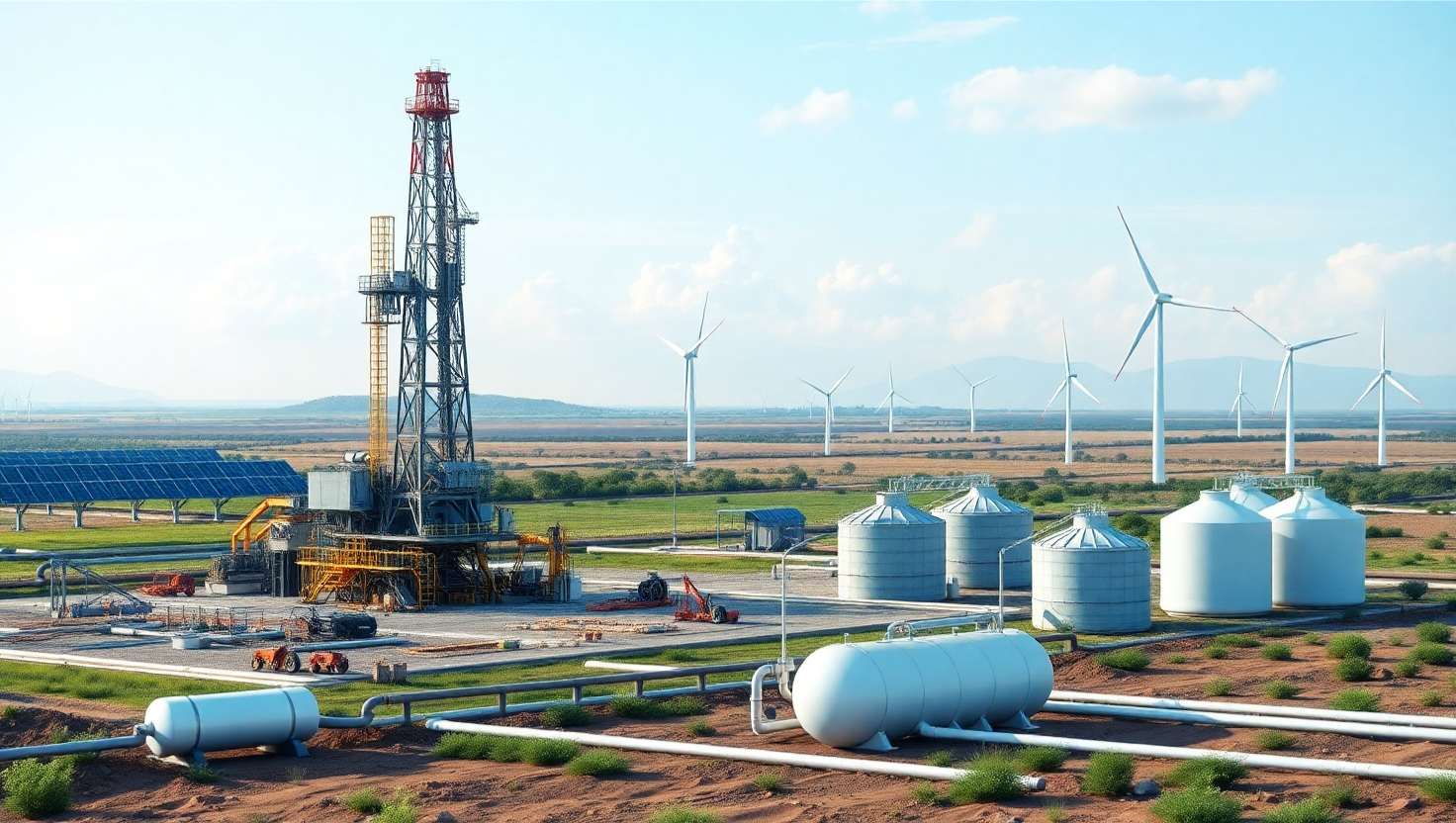
Draft Petroleum & Natural Gas Rules 2025 aim to modernise India’s upstream sector with climate safeguards, investor reforms, and digital governance.
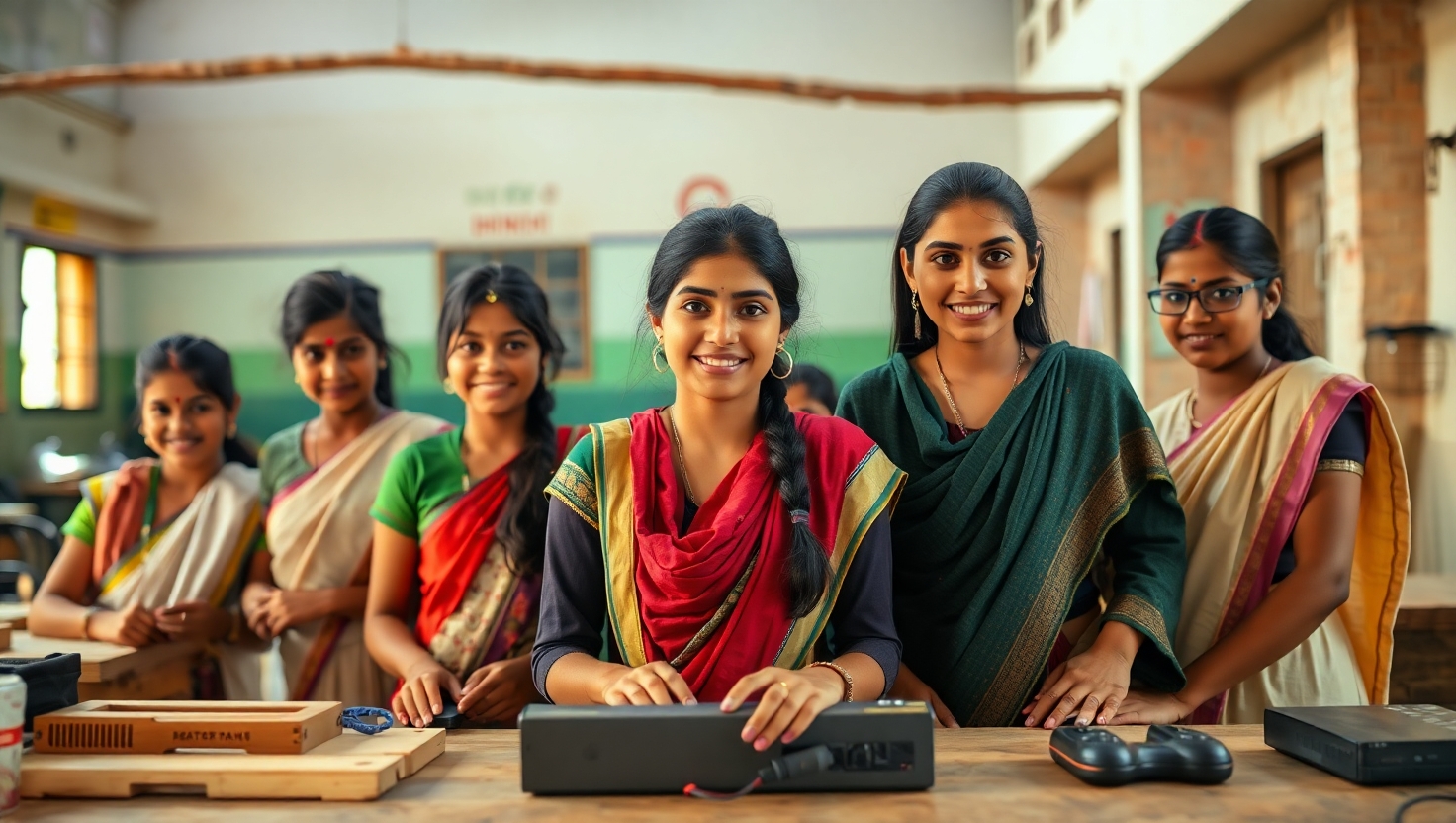
Empowering 16–18-year-old girls through vocational training under the NAVYA initiative to build skills, confidence, and economic independence
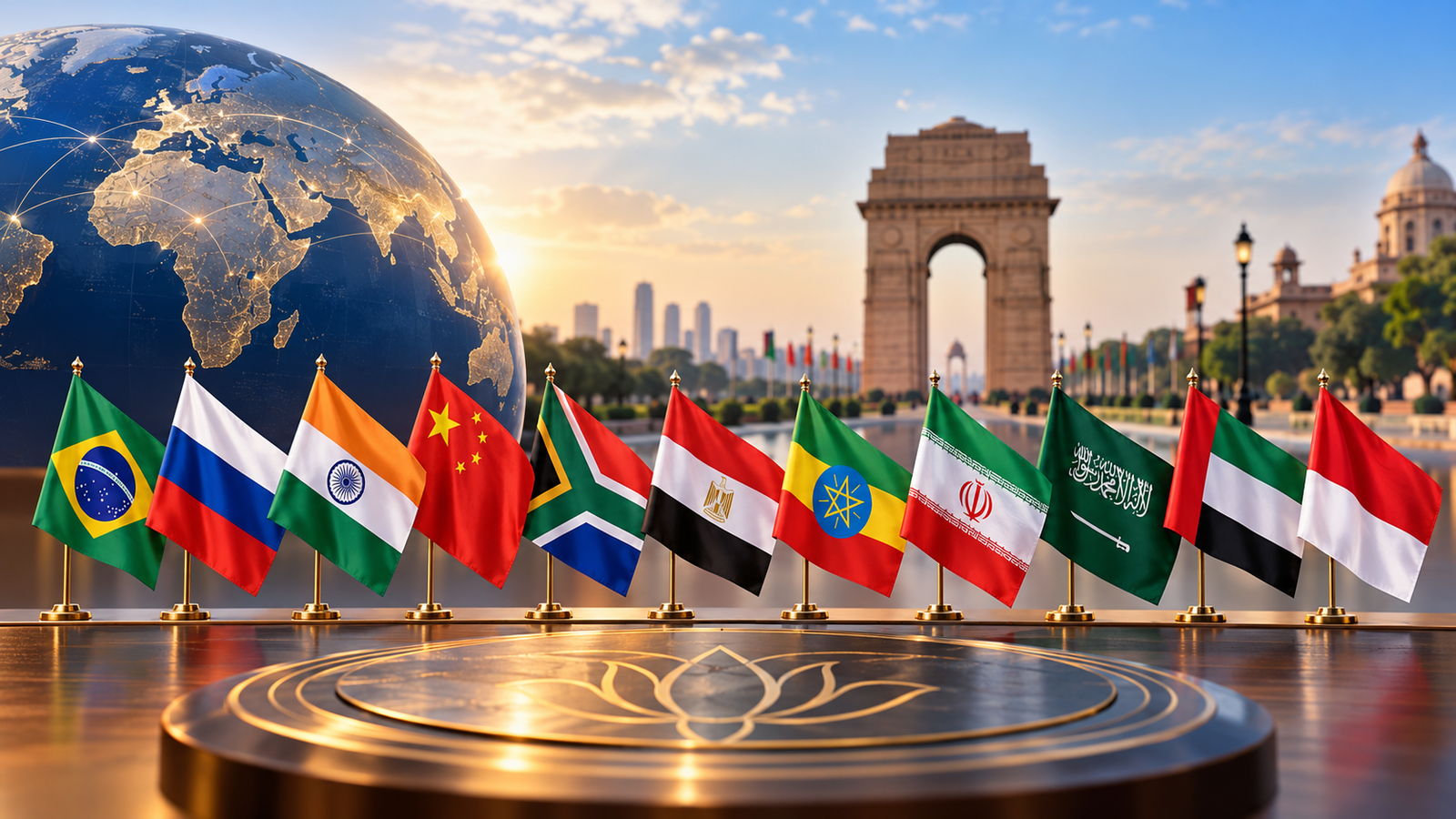
BRICS 2026: Explore the 18th BRICS Summit in New Delhi,
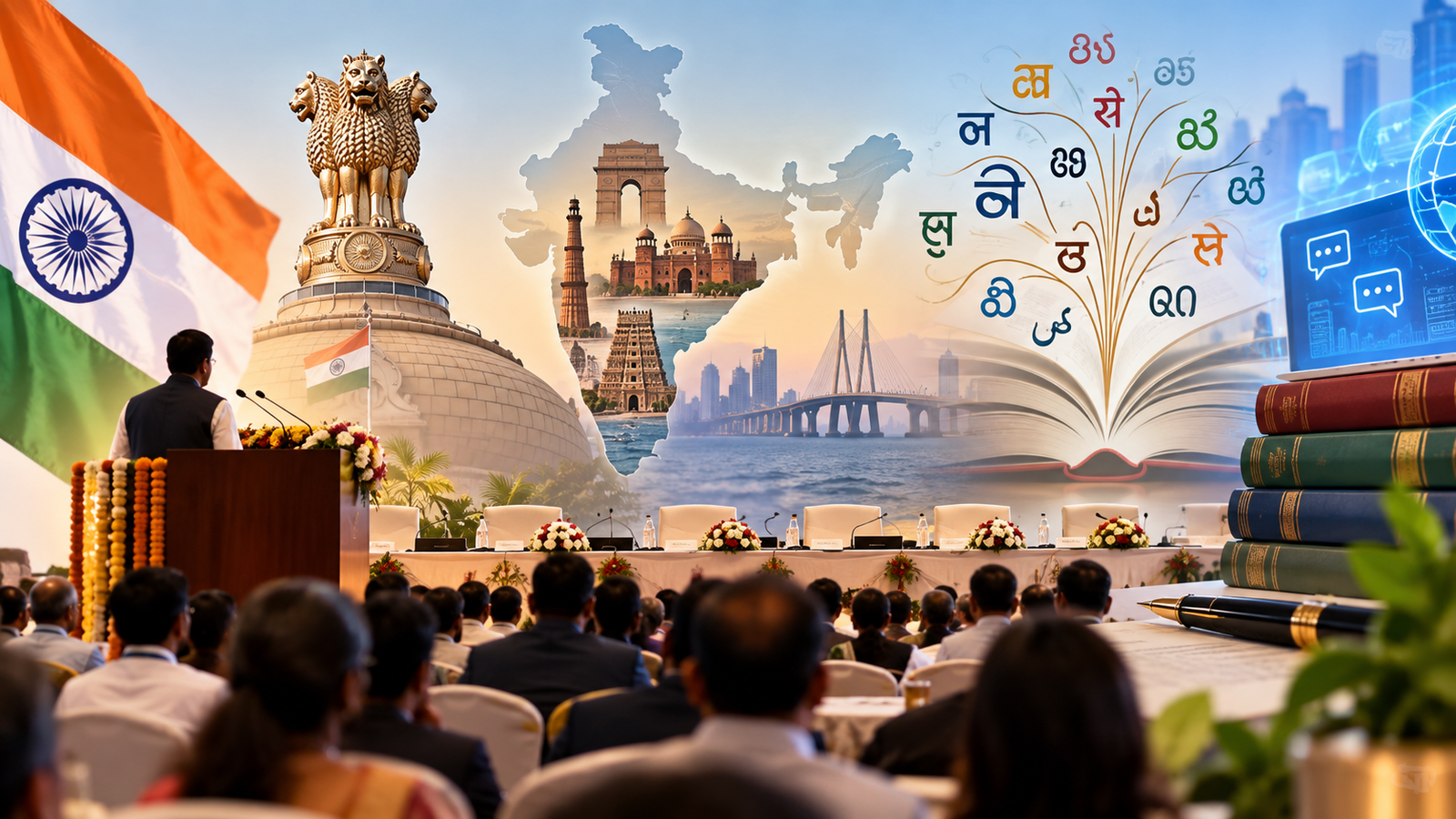
6th All India Official Language Conference 2026 in Navi Mumbai:

Discover how Bay of Bengal low-pressure systems shape India’s monsoon,

Explore the constitutional evolution of India from East India Company
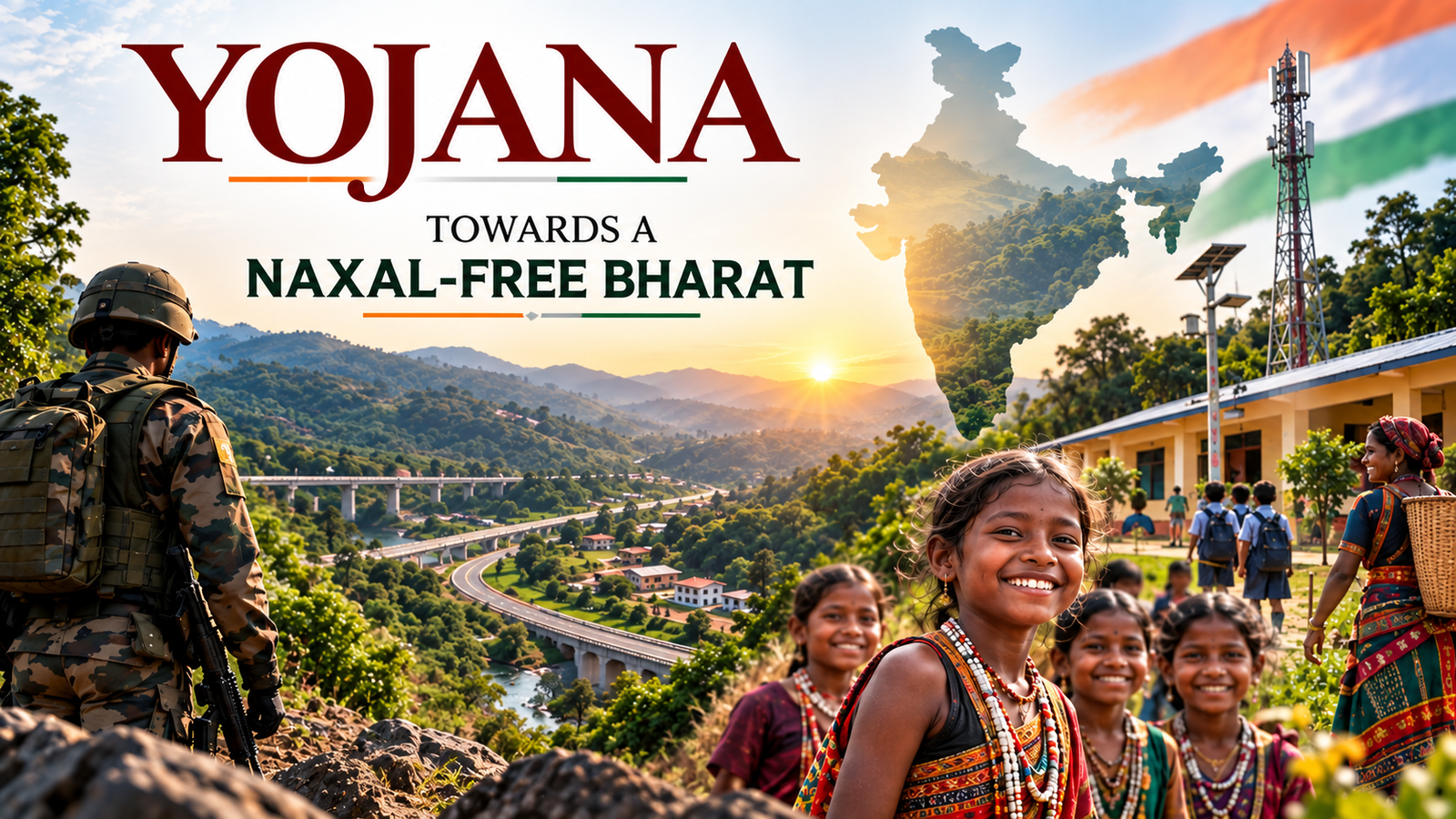
Yojana June 2026 explores India’s journey towards a Naxal-free Bharat,
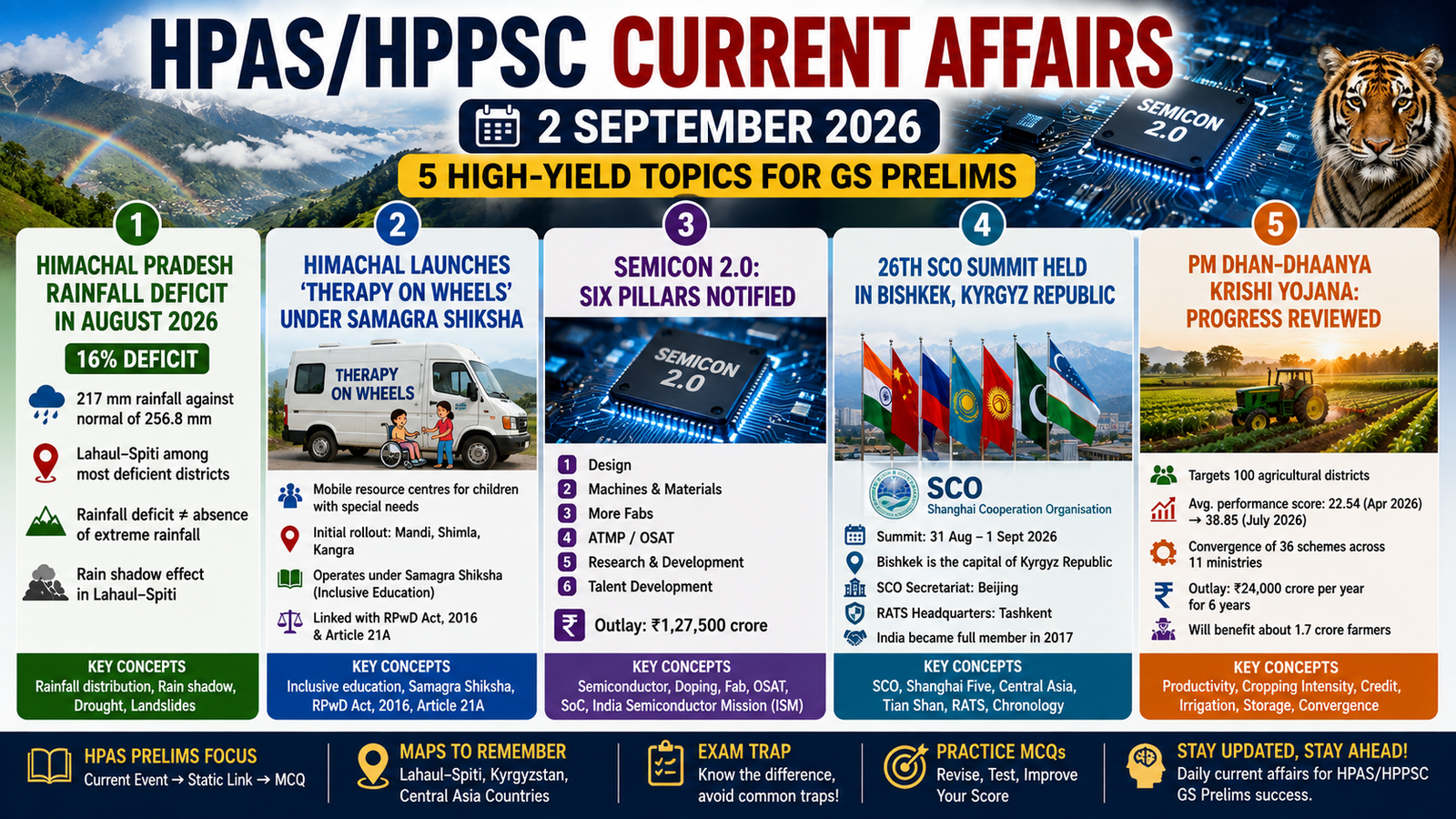
HPAS/HPPSC Current Affairs 2 September 2026: Himachal rainfall deficit, Therapy