

BharatNet Project
BharatNet connects rural India with high-speed broadband, driving digital inclusion and bridging the urban–rural divide.
BharatNet connects rural India with high-speed broadband, driving digital inclusion and bridging the urban–rural divide.

ECO Niwas Samhita 2018 promotes energy-efficient residential buildings, saving energy and enhancing sustainable living.

Startup India, launched in 2016, promotes innovation, entrepreneurship, and job creation through funding and policy support.
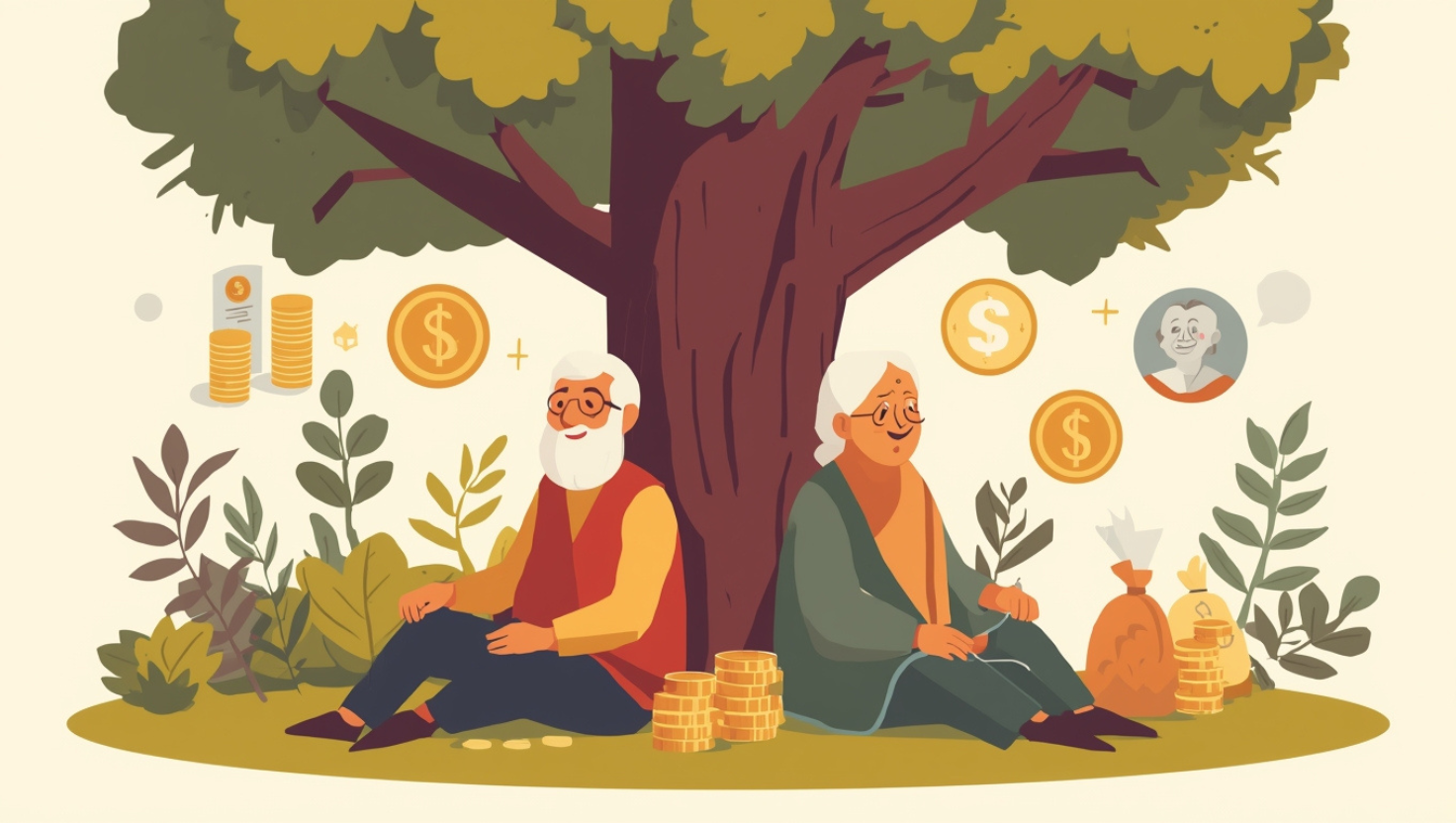
Atal Pension Yojana, launched in 2015 by the Finance Ministry, ensures pension security for unorganized workers through PFRDA.
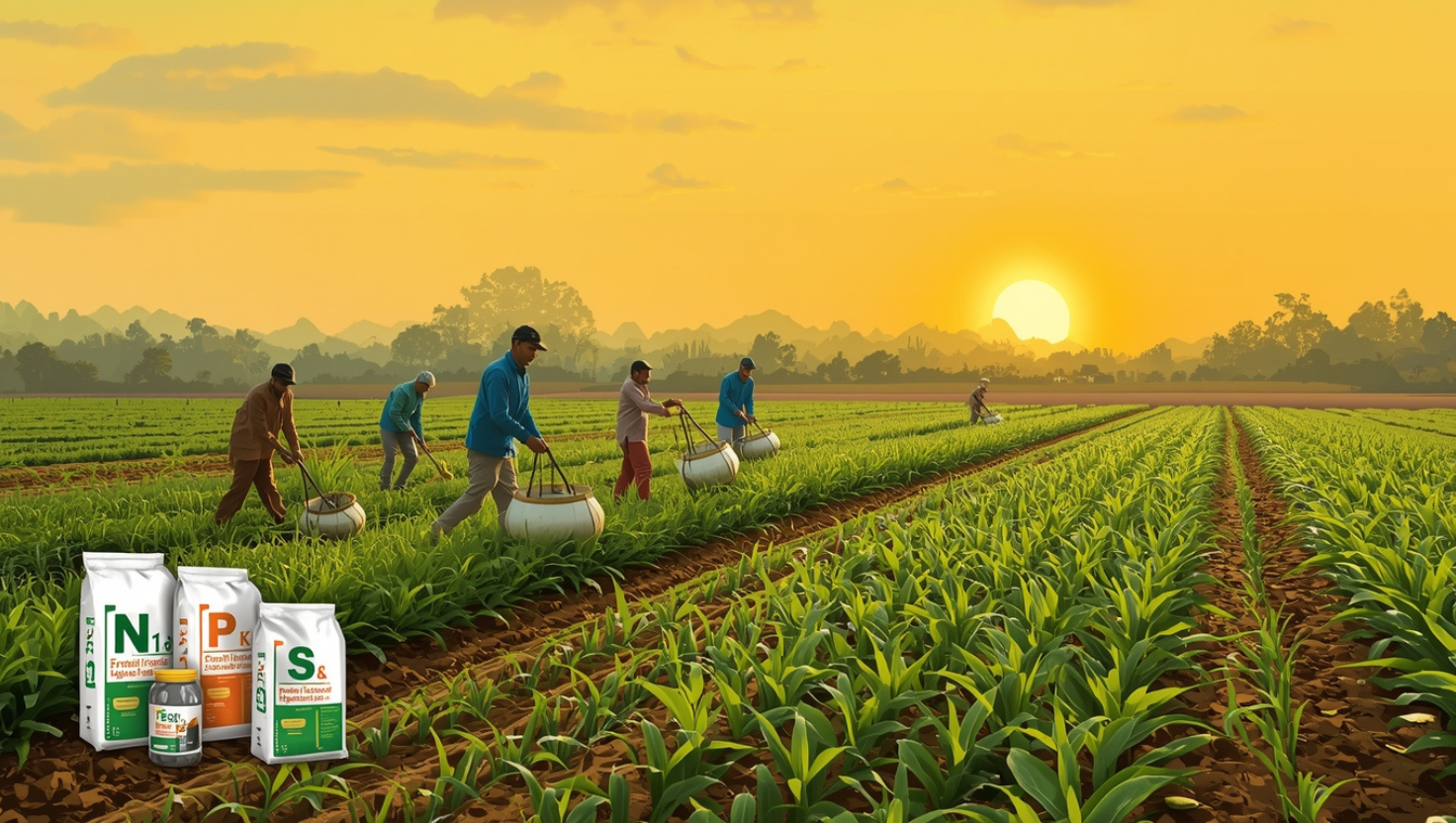
The Nutrient Based Subsidy (NBS) Scheme ensures affordable, balanced fertilizer use and sustainable soil health for Indian farmers.
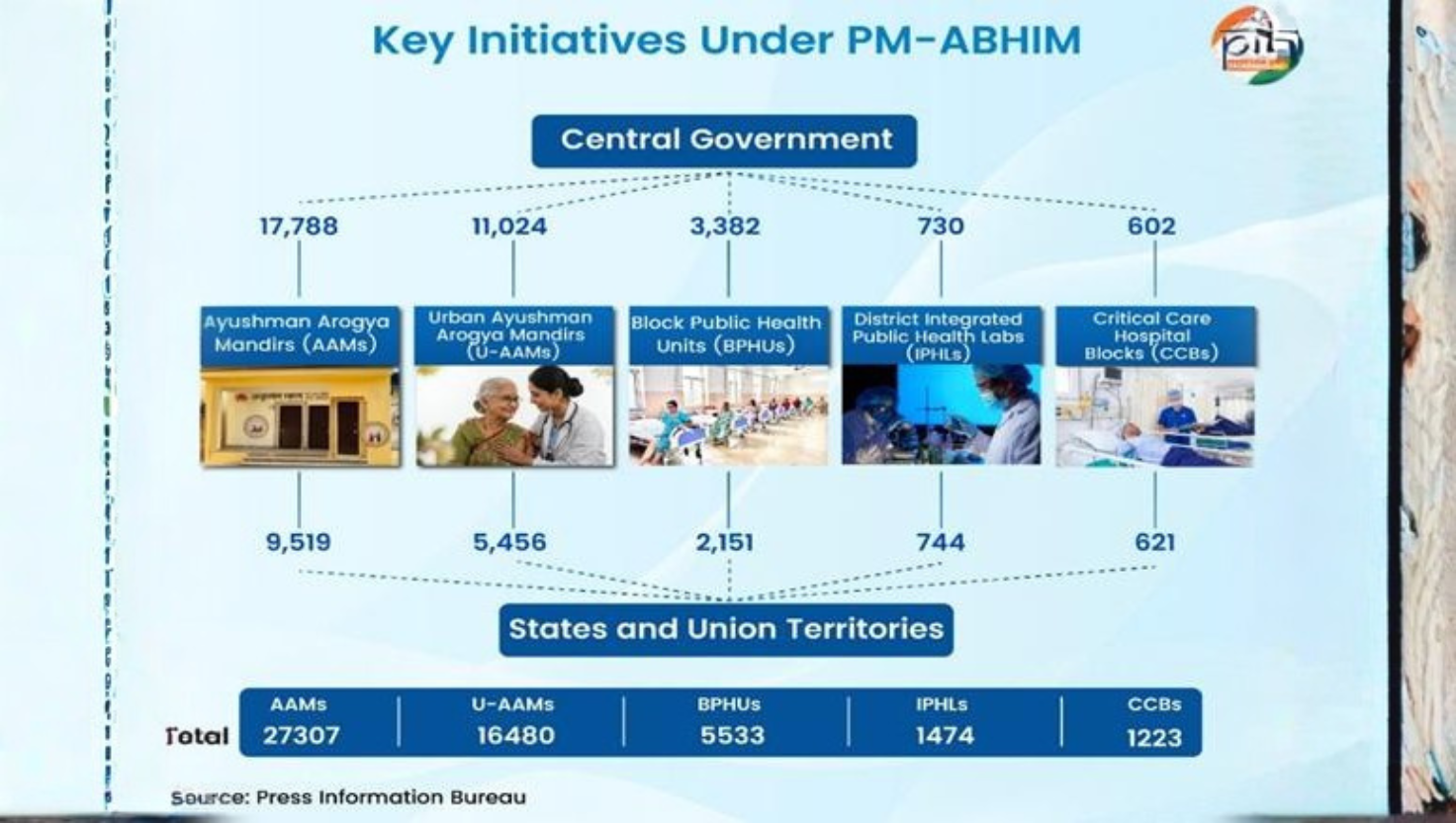
India’s PM–ABHIM strengthens pandemic-ready healthcare by upgrading infrastructure, expanding surveillance, and advancing Universal Health Coverage.
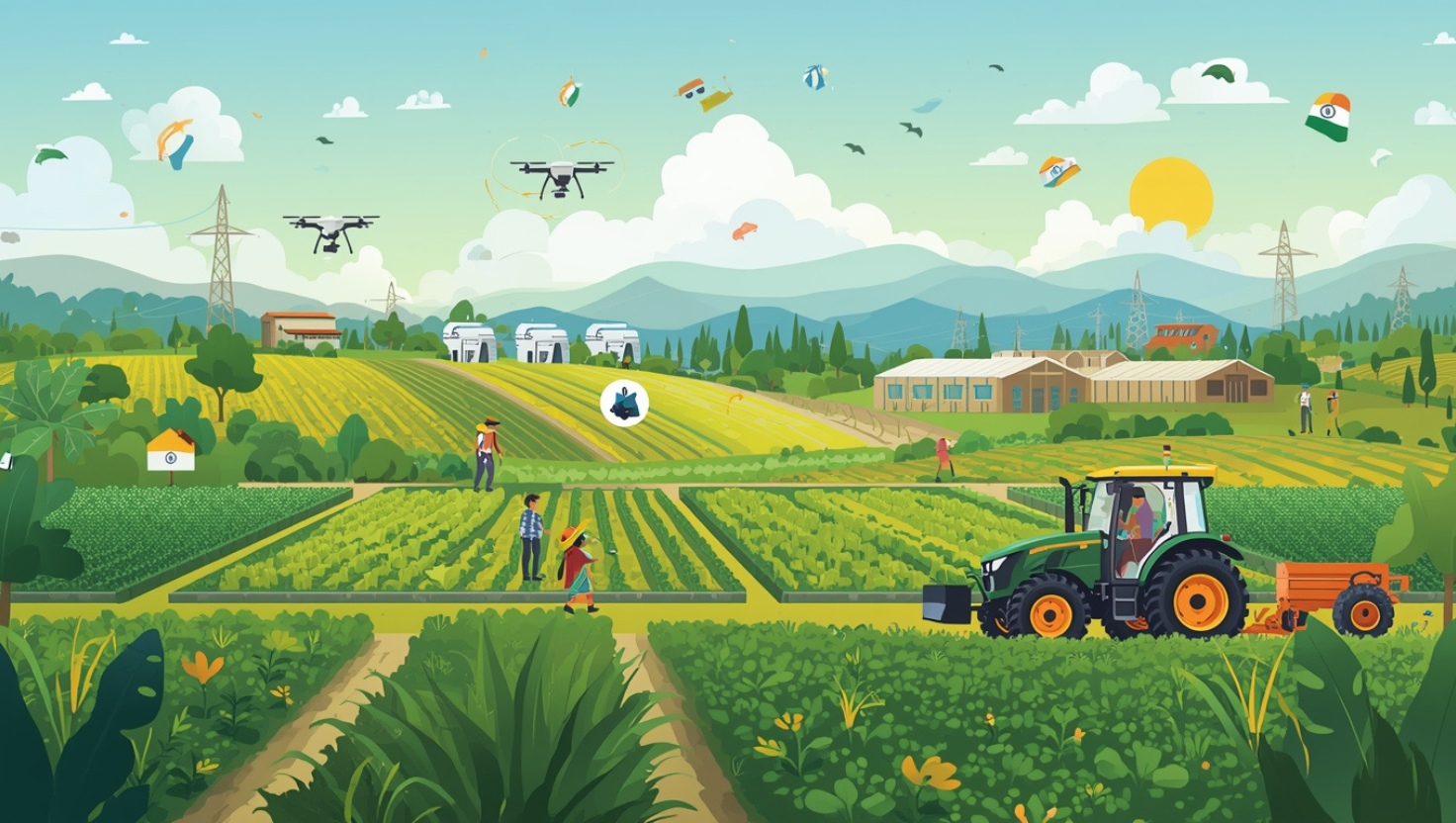
The PM Dhan-Dhaanya Krishi Yojana (PMDDKY) seeks to boost productivity, double farmers’ income, and promote sustainable, tech-driven agriculture.
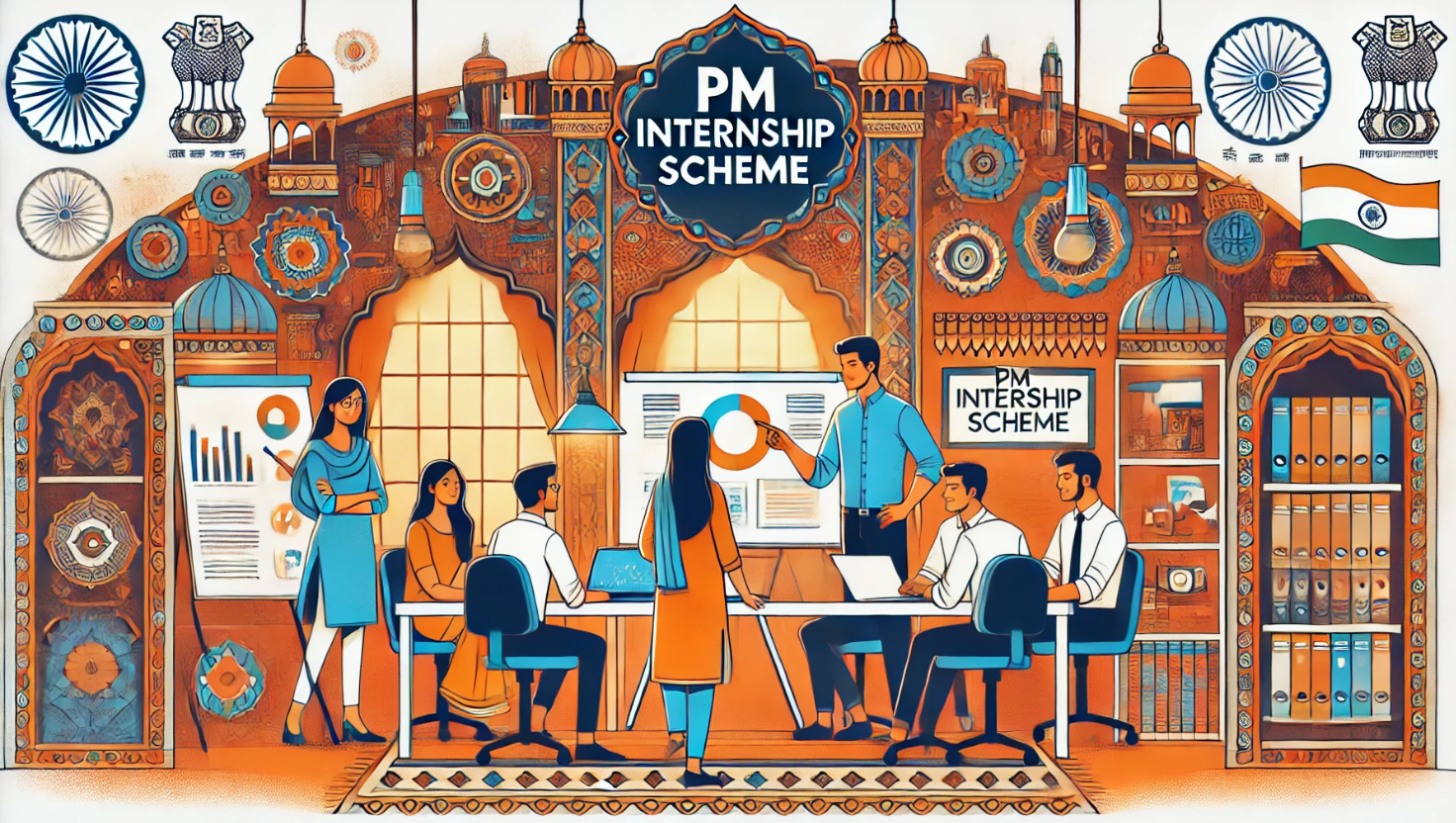
PM Internship Scheme 2025 offers 12-month internships in top firms, empowering youth with skills, experience, and employability.
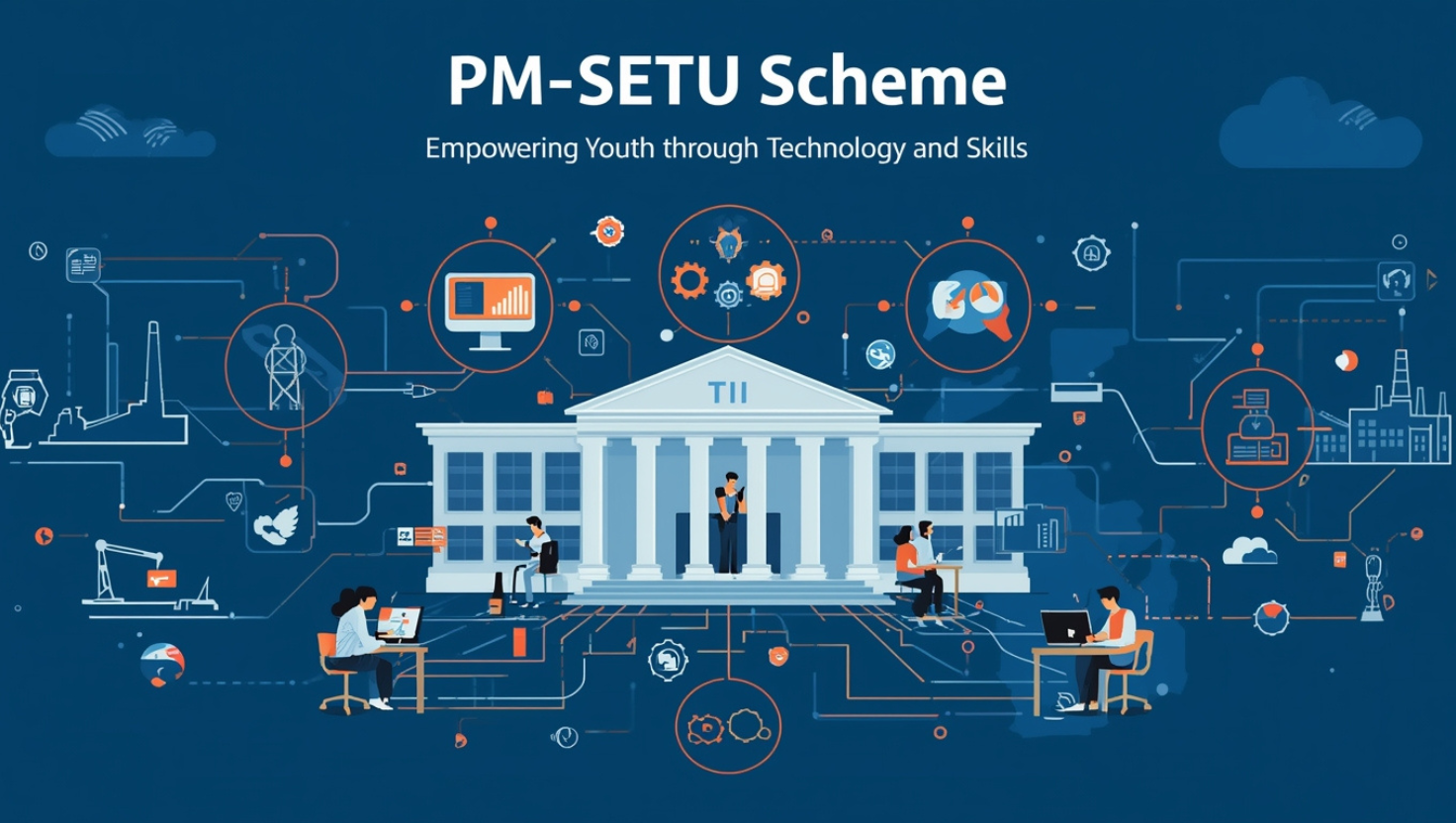
PM-SETU Scheme: Aims to modernize 1,000 ITIs through industry partnerships and technology upgrades to build a globally skilled workforce.

PM SVANidhi provides collateral-free loans, subsidies, and digital incentives to support street vendors’ livelihoods and inclusion.

BRICS 2026: Explore the 18th BRICS Summit in New Delhi,
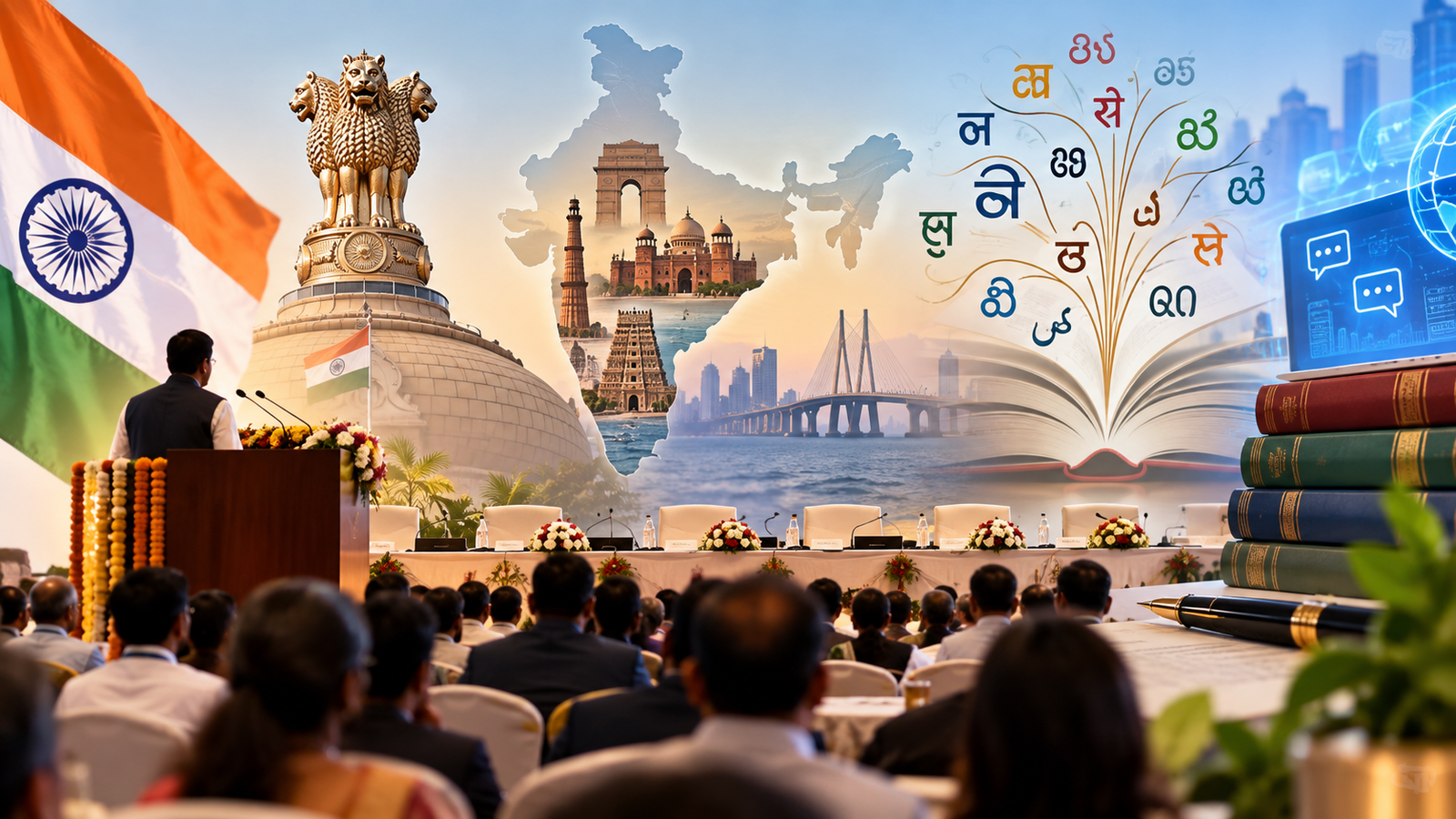
6th All India Official Language Conference 2026 in Navi Mumbai:

Discover how Bay of Bengal low-pressure systems shape India’s monsoon,
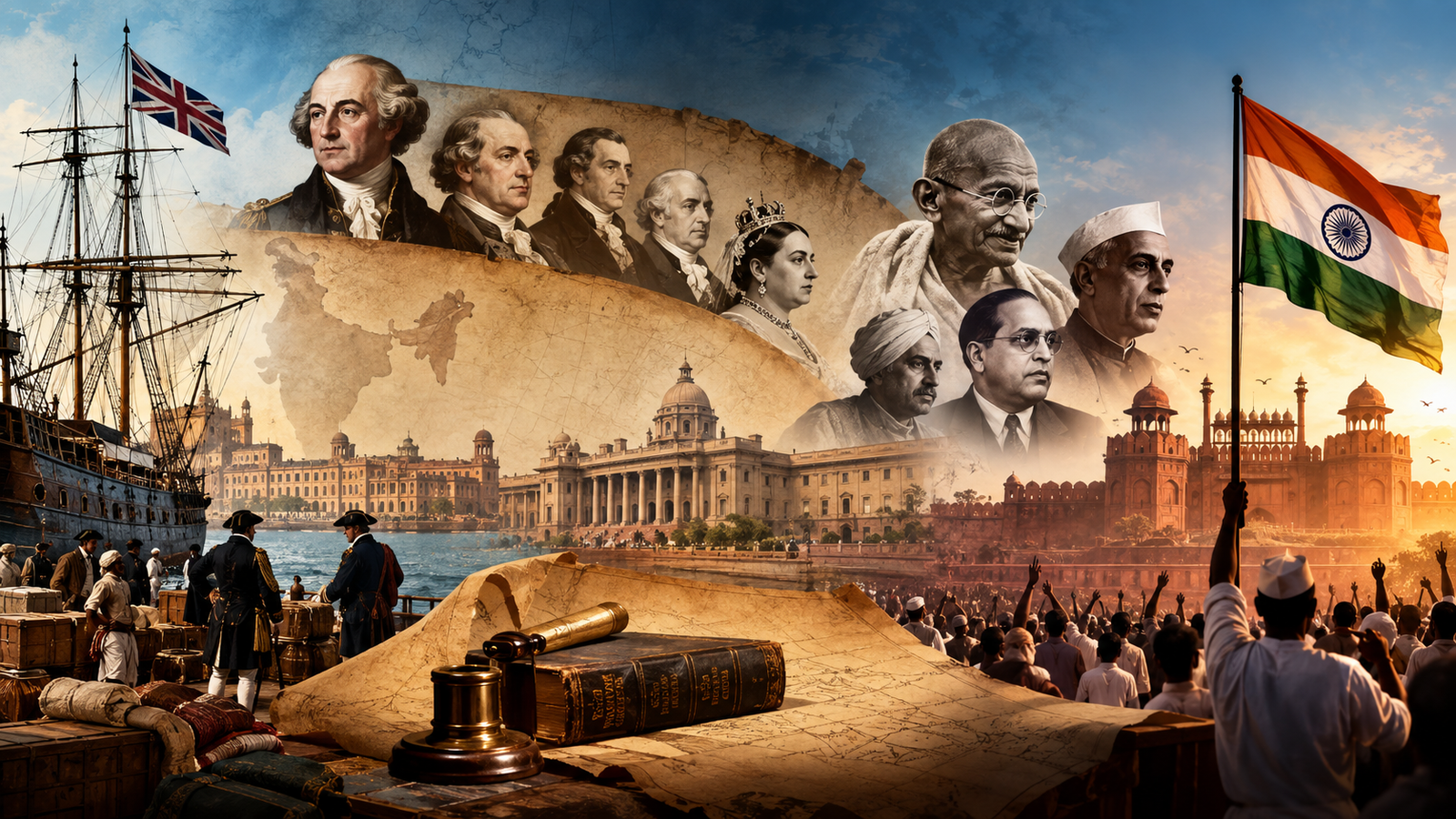
Explore the constitutional evolution of India from East India Company

Yojana June 2026 explores India’s journey towards a Naxal-free Bharat,
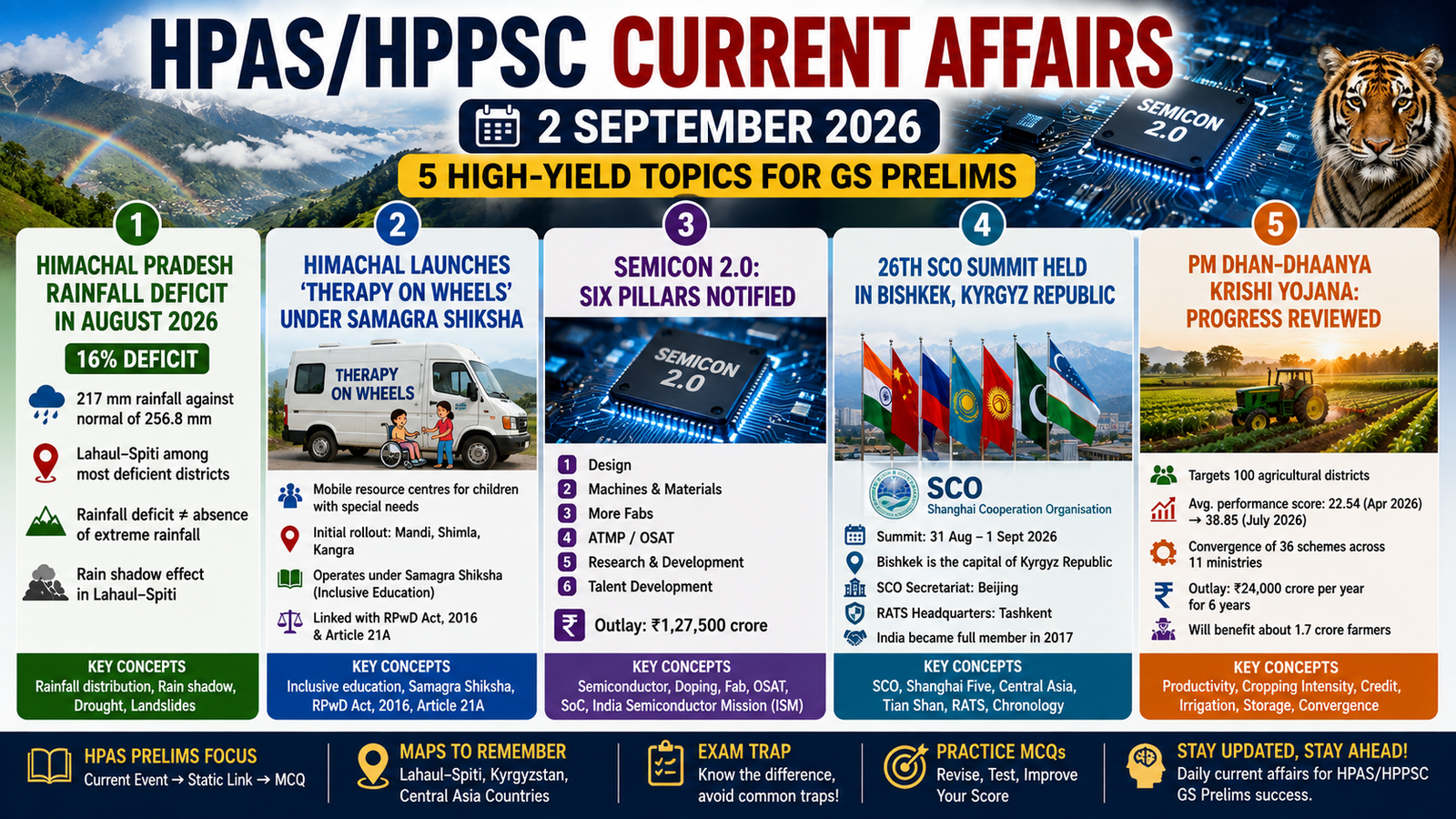
HPAS/HPPSC Current Affairs 2 September 2026: Himachal rainfall deficit, Therapy