Swami Krishnananda
Swami Krishnananda

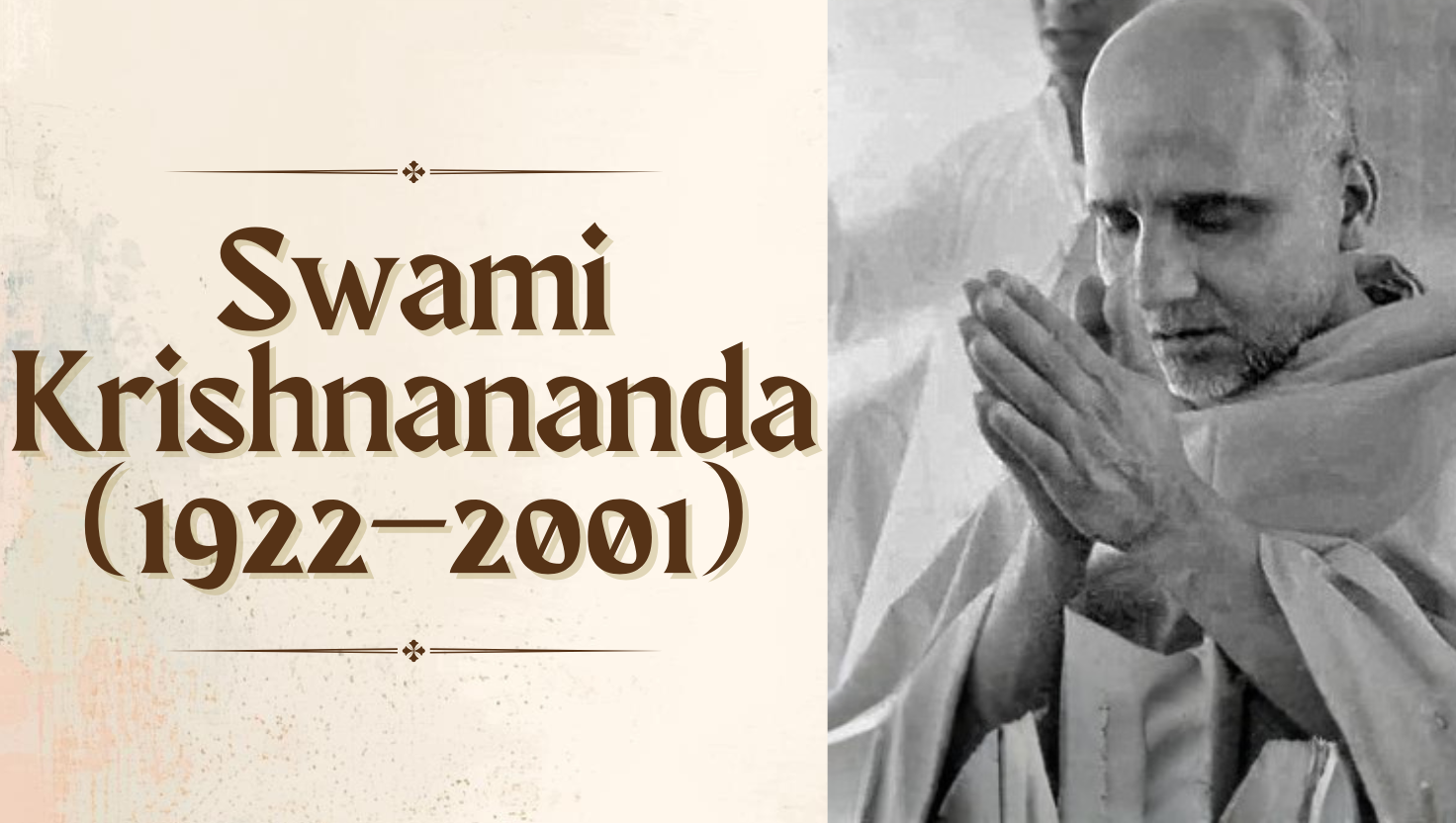
Swami Krishnananda (1922–2001), disciple of Swami Sivananda, was a leading Advaita Vedanta scholar and long-time General Secretary of the Divine Life Society. He harmonized Jnana and Karma Yoga, blending deep philosophy with dedicated institutional service.

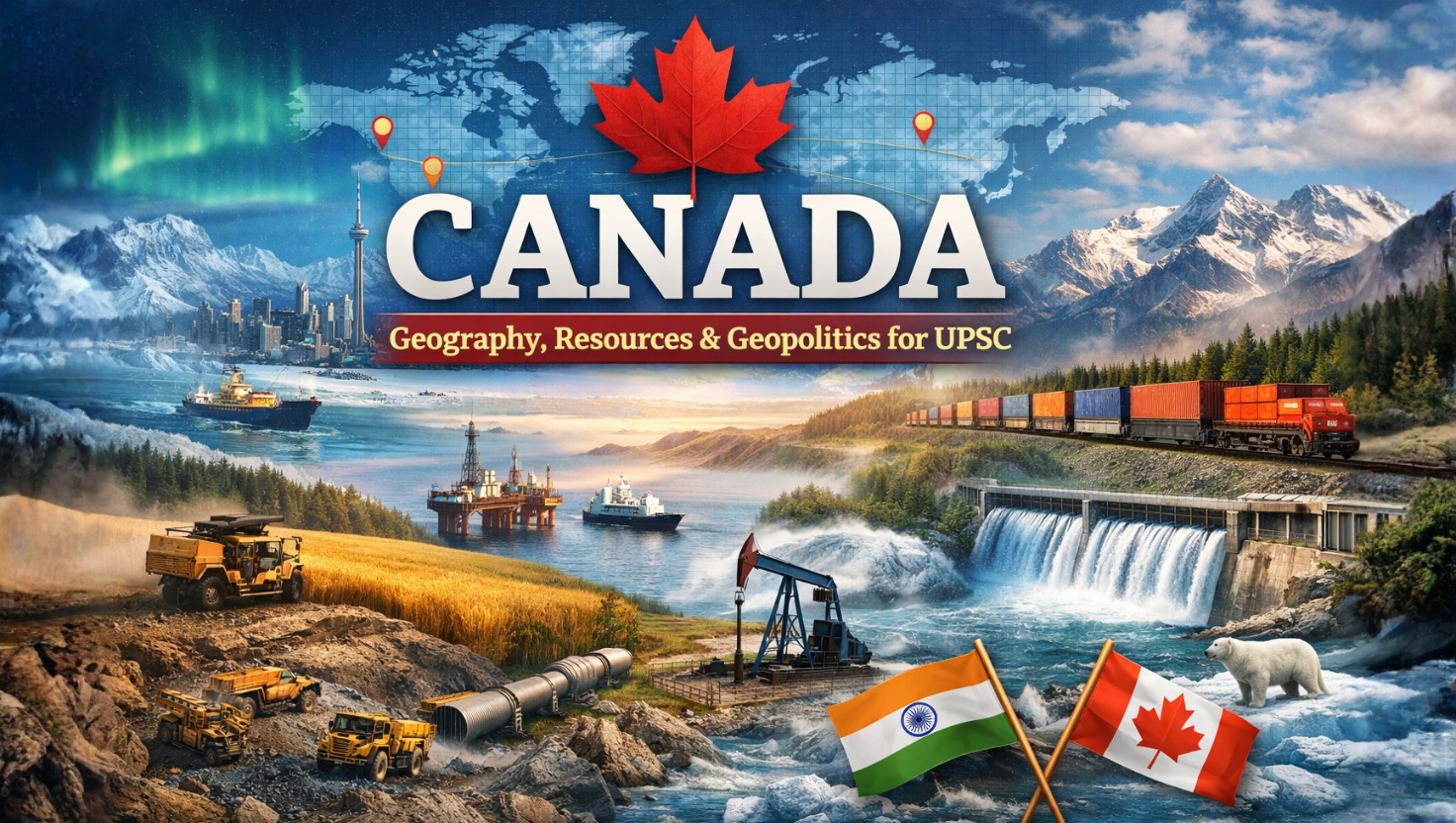
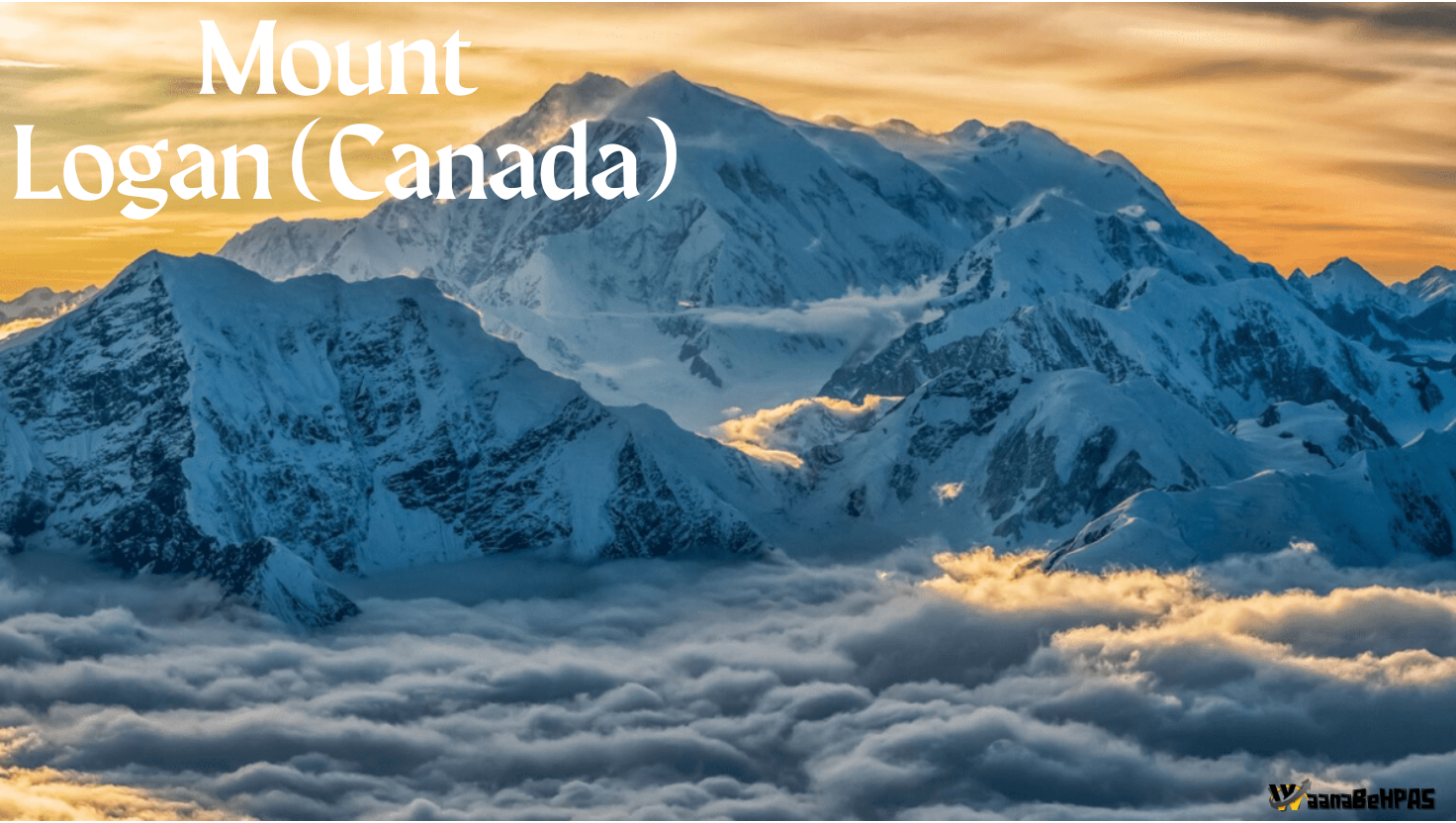
CANADA: GEOGRAPHY, RESOURCES AND GEOPOLITICS – A UPSC SYNTHESIS
Canada: Geography, Resources and Geopolitics for UPSC

Canada, the world’s second-largest country, is shaped by plate tectonics and glaciation, resulting in vast resource wealth, climatic diversity, and strategic Arctic importance. Its geography strongly influences its economy, global role, and relations with India.

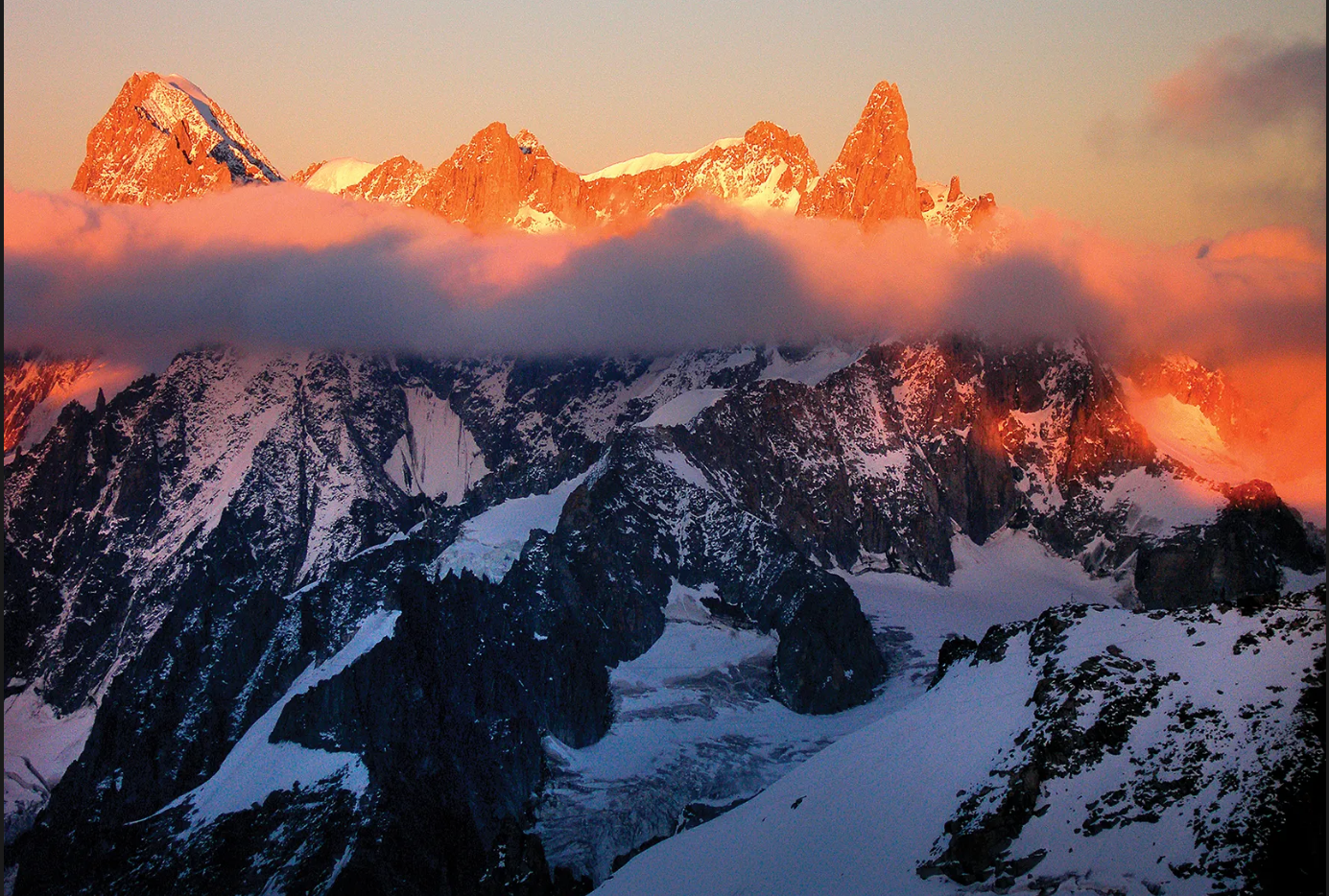
Mount Blanc (WannaBeHPAS)
Mont Blanc: Tectonics, Glaciation and the Geography of France

Mont Blanc, the highest peak of the Alps and Western Europe, stands on the France–Italy border and represents the outcome of Alpine tectonics and extensive glaciation, shaping the climate, drainage, and human geography of France and the wider European region.

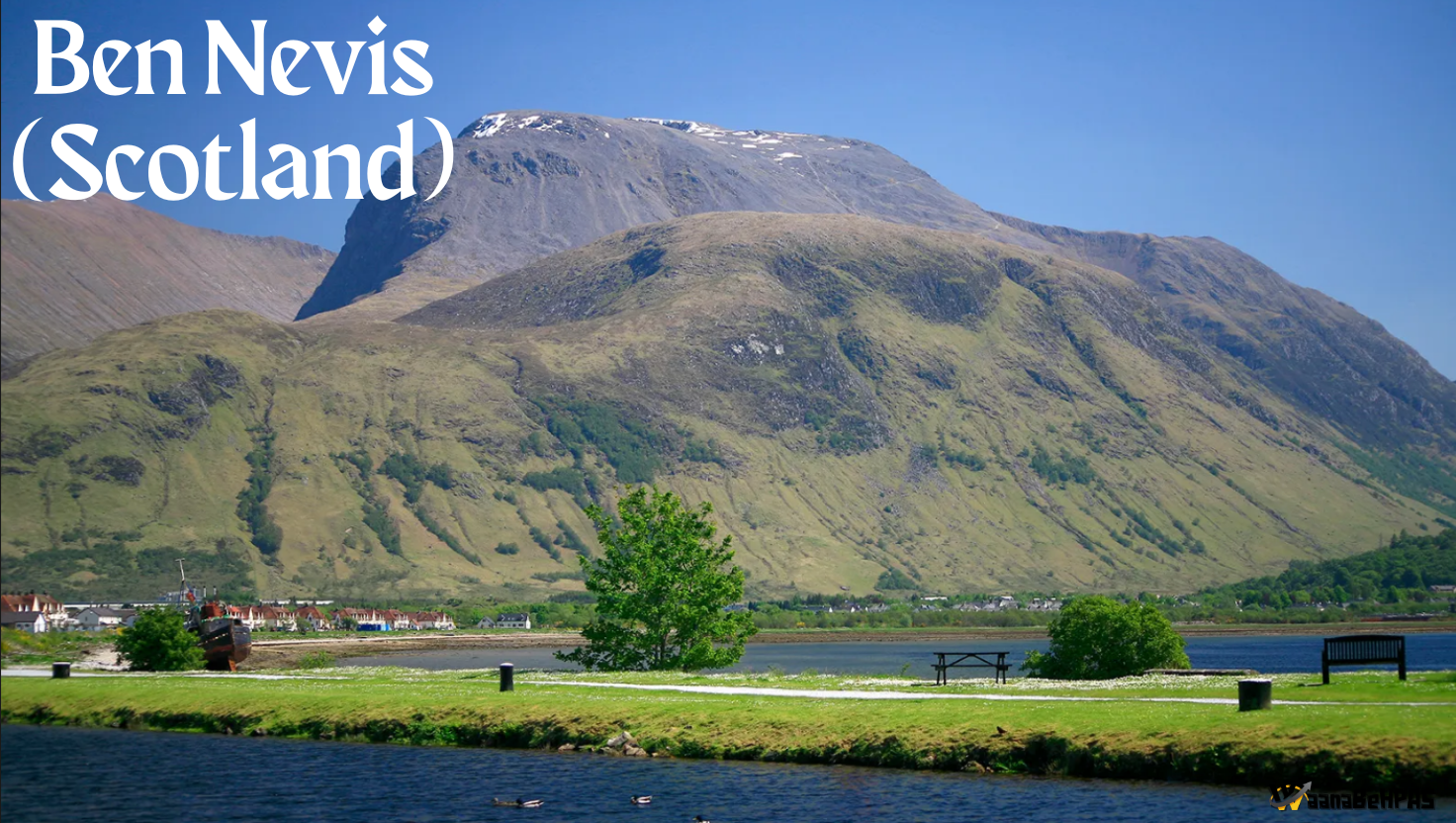
Ben Nevis (Scotland) (Wannabehpas)
Ben Nevis – The Highest Peak of the UK: Exam-Oriented Analysis

Ben Nevis, the highest peak in the United Kingdom, stands in Scotland’s Grampian Mountains and preserves a remarkable record of Caledonian tectonics, ancient volcanism, and glacial sculpting, making it central to understanding the physical geography of Scotland and the British Isles.

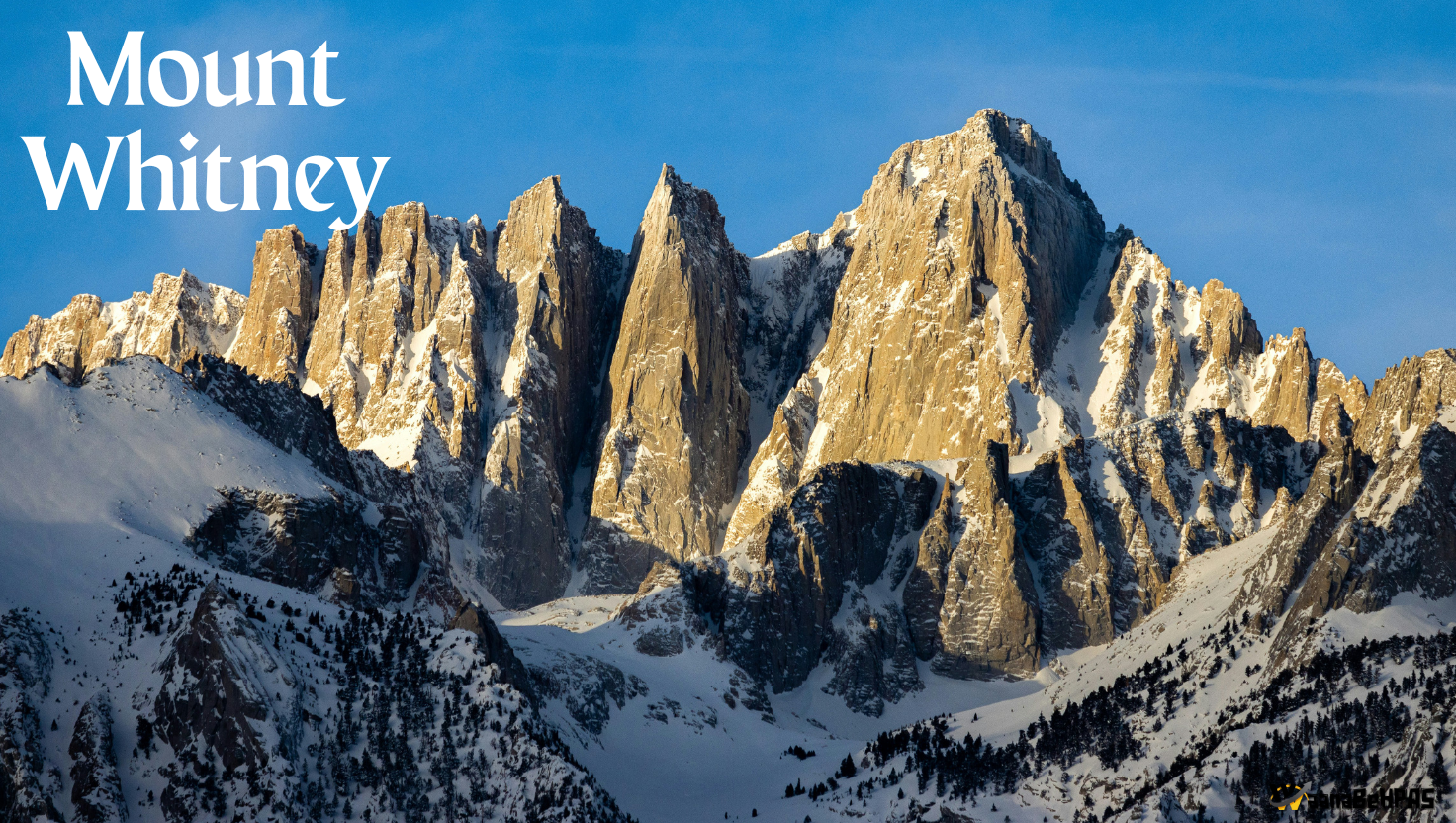
Mount Whitney (WannaBeHPAS)
Mount Whitney: Drainage, Relief and Tectonics in the USA

“Mount Whitney, the highest peak in the contiguous USA, lies in California’s Sierra Nevada on the Great Basin–Pacific divide, shaping the region’s drainage, climate, and rugged relief.”

World Heritage Day 2025

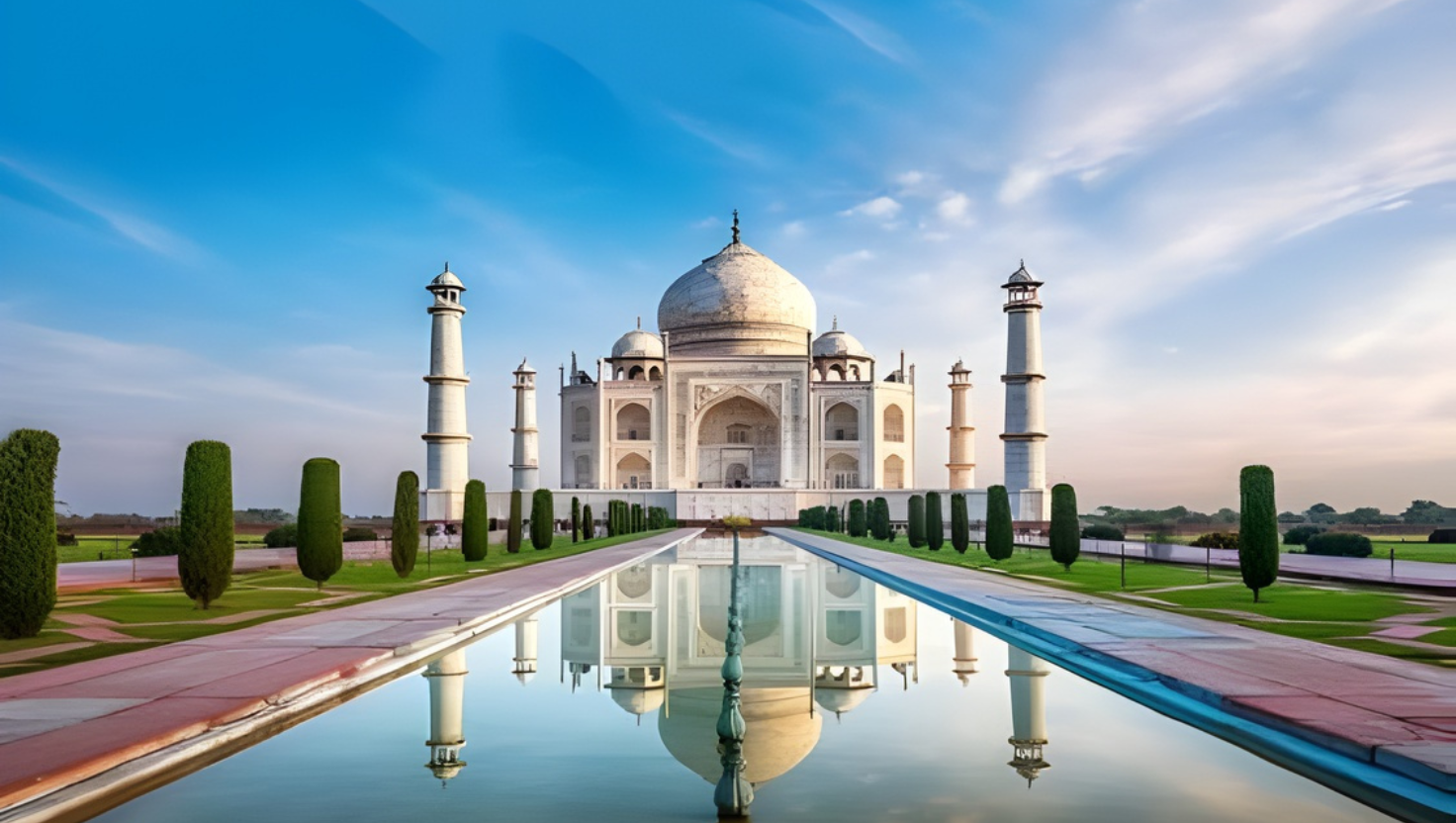
World Heritage Day (18 April) highlights the need to protect cultural and natural heritage. India currently has 43 UNESCO World Heritage Sites, supported by major ASI and digital heritage initiatives.

Pi(π) Day
Pi(π) Day

Pi Day on 14 March celebrates the constant π, its scientific importance, and key contributions by Aryabhata and Ramanujan in its calculation.

World Sparrow Day
World Sparrow Day

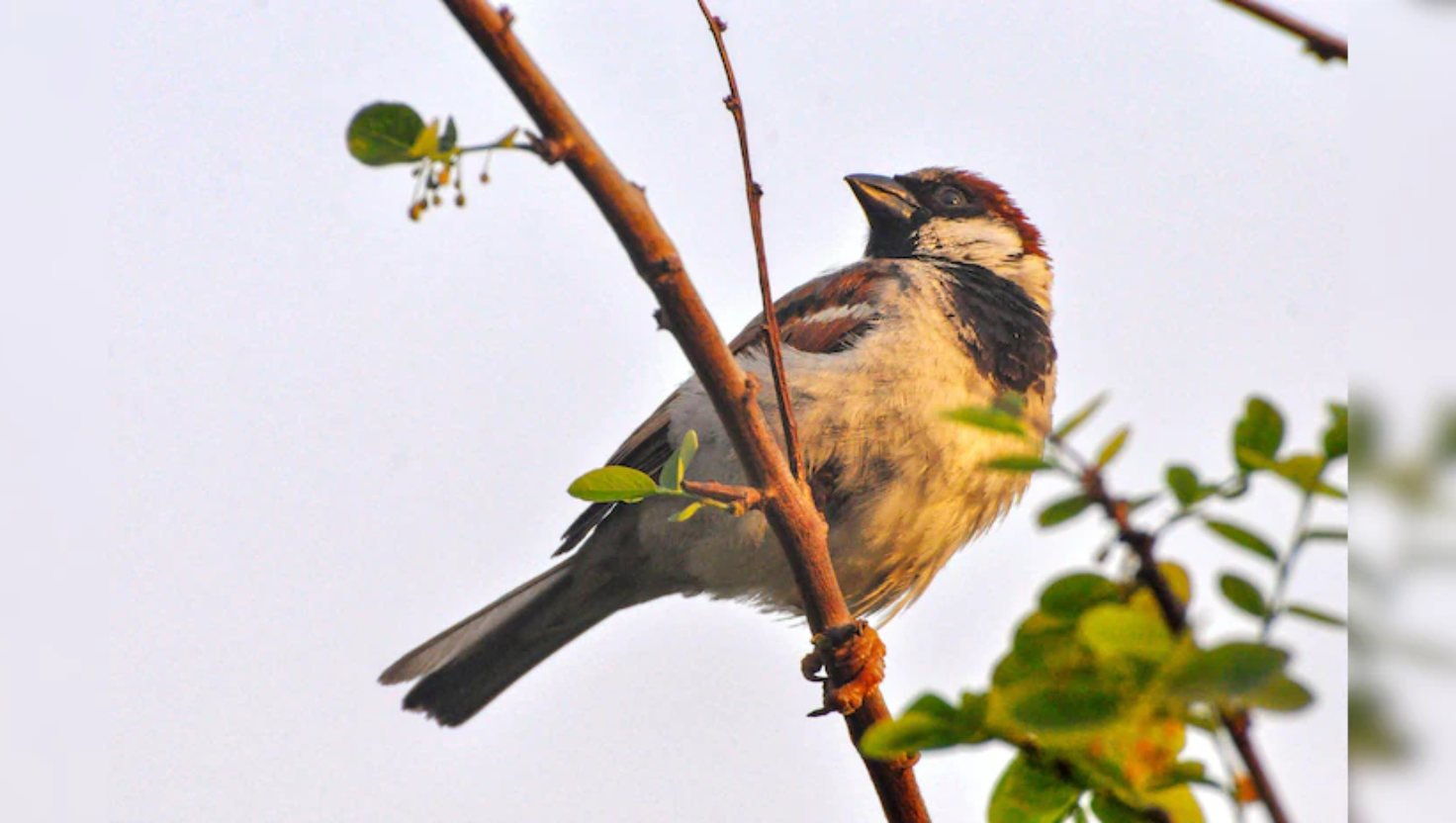
World Sparrow Day (20 March) highlights the decline of sparrows and promotes conservation through urban greening, habitat protection, and public awareness.

Jan Aushadhi Diwas
Jan Aushadhi Diwas

Jan Aushadhi Diwas (7 March) promotes affordable, high-quality generic medicines under PMBJP, expanding access and reducing out-of-pocket healthcare costs.

Human Digestive System

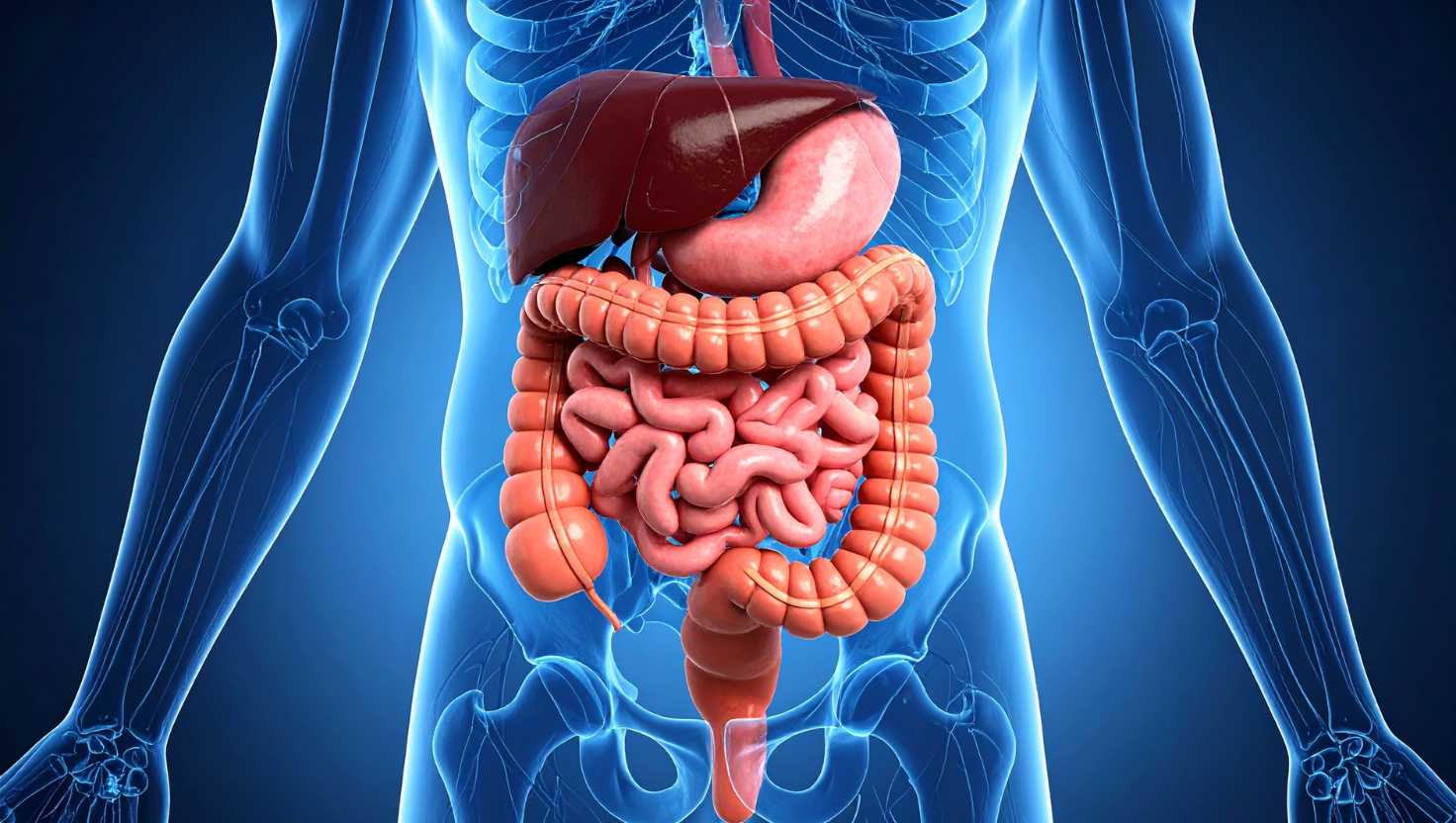
Human digestive system breaks food into simple nutrients, absorbs them, and removes waste. Key organs, enzymes, and glands ensure proper digestion.

Sheep Breeds of India

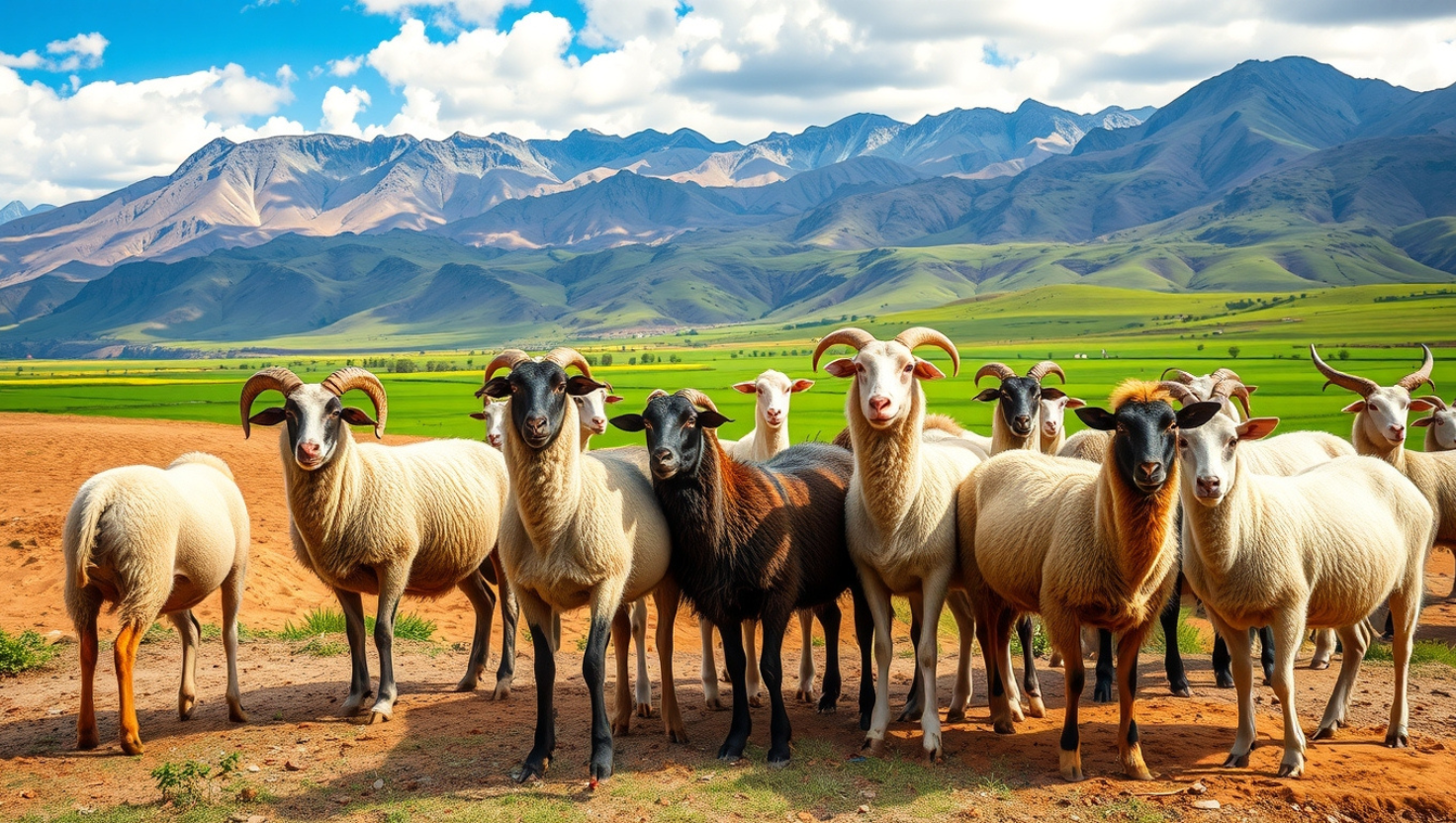
India has 40+ sheep breeds across regions; key breeds include Marwari, Gaddi, Deccani, Nellore, Rampur-Bushair, Changthangi and Lohi.

Rain Forest Research Institute (RFRI), Jorhat
Rain Forest Research Institute (RFRI)

Rain Forest Research Institute, Jorhat conducts forestry and biodiversity research in the North-East under ICFRE, supporting conservation and sustainable management.

Institute of Forest Productivity (IFP), Ranchi
Institute of Forest Productivity (IFP)

The Institute of Forest Productivity, Ranchi focuses on forest research, NTFPs, agroforestry, and sustainable management in Eastern India under ICFRE.

Institute of Forest Biodiversity (IFB), Hyderabad
Institute of Forest Biodiversity (IFB)

The Institute of Forest Biodiversity, Hyderabad focuses on forest genetics, conservation, and Eastern Ghats ecology under ICFRE, aiding policy and research.

Wholesale Price Index (WPI)

The Wholesale Price Index (WPI) tracks bulk price changes in goods, helping assess wholesale inflation and supply-demand trends in India’s economy.

Core Inflation
Core Inflation

Core inflation tracks long-term price trends by excluding volatile food and fuel costs. It helps central banks assess demand pressures and set effective monetary policy.

Food Inflation
Food Inflation

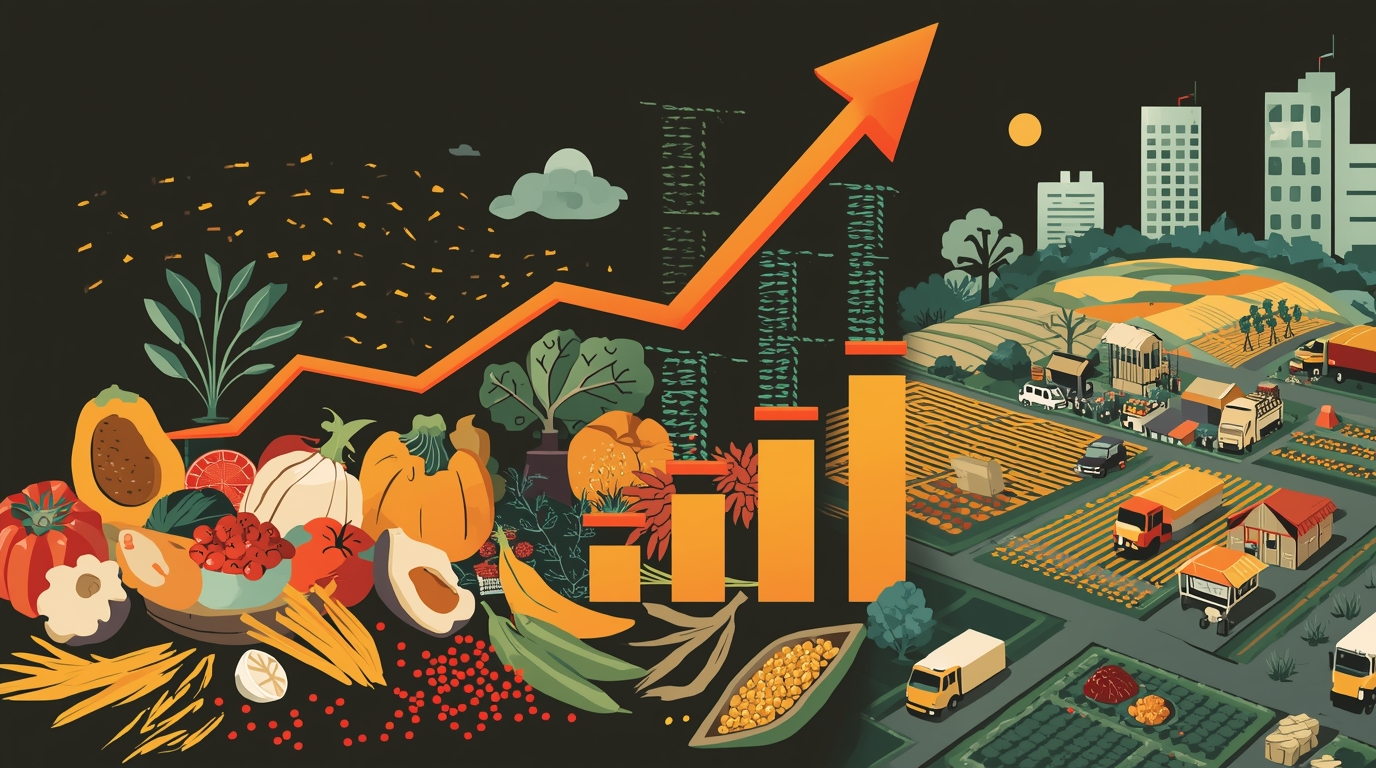
Food inflation in India remains volatile despite easing headline inflation, driven by weather shocks, supply disruptions, and rising costs of key food items.

Consumer Price Index (CPI)

India’s CPI inflation for FY 2024-25 remained moderate, driven by easing core inflation but pressured by food prices, keeping inflation within RBI’s target band.

PM GatiShakti National Master Plan

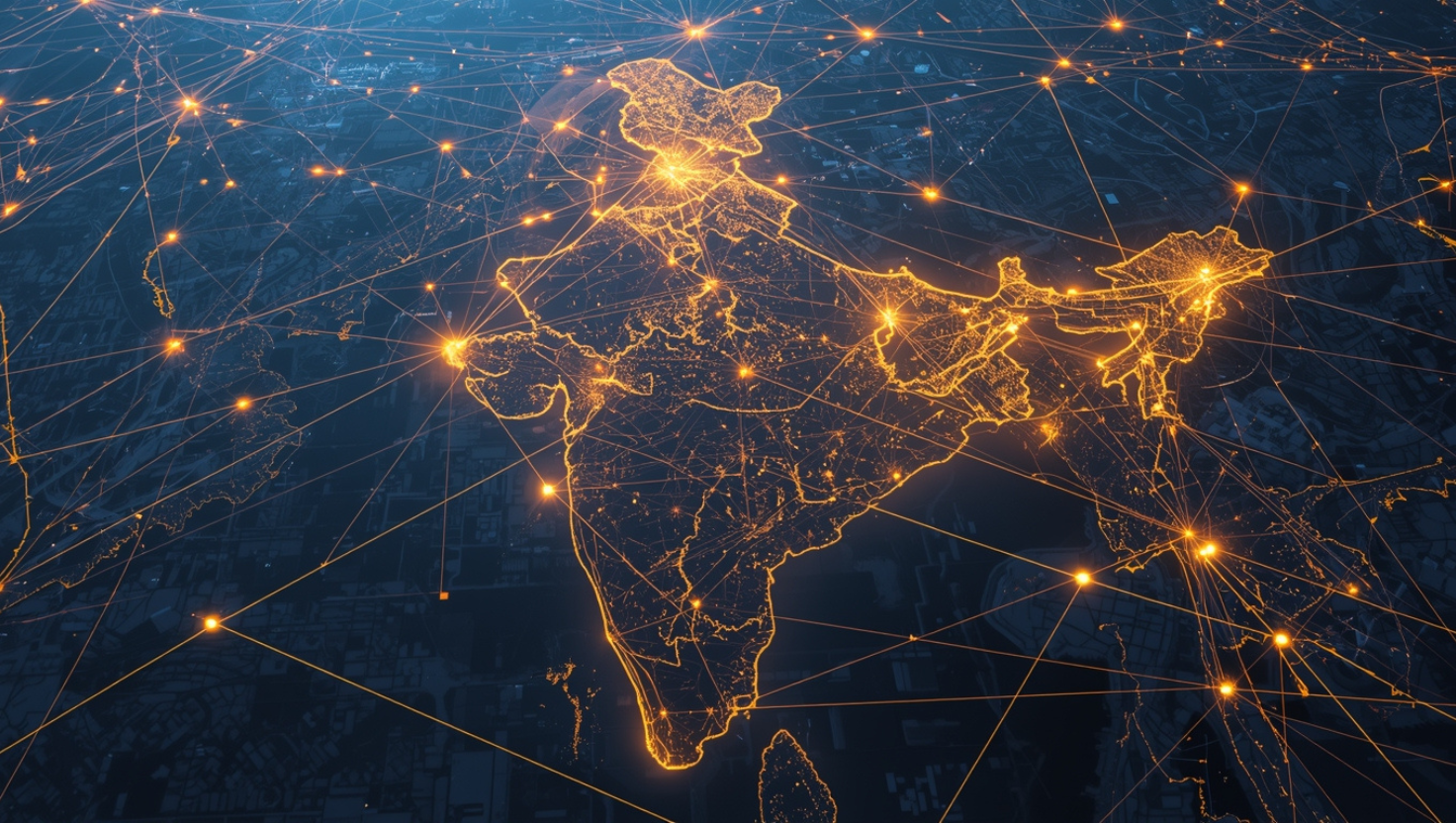
PM GatiShakti is a digital, GIS-based infrastructure master plan aimed at reducing logistics costs through synchronized, multimodal connectivity.

Ayushman Bharat
Ayushman Bharat

Ayushman Bharat aims to achieve Universal Health Coverage through Ayushman Arogya Mandirs and PM-JAY, providing ₹5 lakh health cover and nationwide primary care.

PM Kisan Samman Nidhi Yojana

PM-KISAN provides ₹6,000 yearly income support to eligible small farmers through DBT, aiming to ease farm costs and strengthen rural livelihoods.

The 85th Amendment (2001) grants SC/ST employees reservation in promotions with consequential seniority, applied retrospectively from 1995.
85th Constitutional Amendment Act, 2001

The 85th Amendment (2001) grants SC/ST employees reservation in promotions with consequential seniority, applied retrospectively from 1995.

82nd Amendment (2000)

The 81st and 82nd Amendments strengthened SC/ST representation by allowing carry-forward of reserved vacancies and relaxing promotion standards.

The Constitution (81st Amendment) Bill, 1996

The 81st Amendment Bill, 1996 proposed one-third reservation for women in Parliament and State Assemblies, building on earlier local body reforms.

77th Constitutional Amendment Act, 1995
The Constitution (77th Amendment) Act, 1995

The 77th Amendment (1995) restored reservation in promotions for SCs/STs after the Indra Sawhney ruling, ensuring their adequate representation in government services.

Jyotiba Phule
Jyotiba Phule

Jyotiba Phule, founder of Satyashodhak Samaj, led early anti-caste and women’s education reforms, shaping India’s modern social justice foundations.

Swami Vivekananda
Swami Vivekananda

Swami Vivekananda modernised Hinduism, globalised Vedanta and Yoga, founded the Ramakrishna Mission, and inspired India’s national awakening through rational spirituality.

Dayanand Saraswati
Dayanand Saraswati

Swami Dayanand Saraswati, founder of Arya Samaj, led major Vedic-based social and religious reforms, opposing idol worship, caste discrimination and social evils.

Raja Ram Mohan Roy
Raja Ram Mohan Roy

Raja Ram Mohan Roy, the “Father of Modern India,” led major social and religious reforms like ending Sati, promoting women’s rights and modern education.

Eastern Ghats
Eastern Ghats

Ancient, discontinuous low ranges along east coast; lower rainfall than Western Ghats; cut by major rivers; Jindhagada is highest peak.

Western Ghats
Western Ghats

The Western Ghats are a UNESCO-listed biodiversity hotspot shaping peninsular India’s climate, rivers, and ecology.

Satpura Range
Satpura Range

The Satpura Range is a central Indian highland, forming a major physiographic divide between the Narmada and Tapti valleys and the Deccan Plateau.

Aravalli Range
Aravalli Range

Aravalli Range is one of Earth’s oldest mountain systems, vital for ecology, water security, biodiversity, and desert-control in western India.

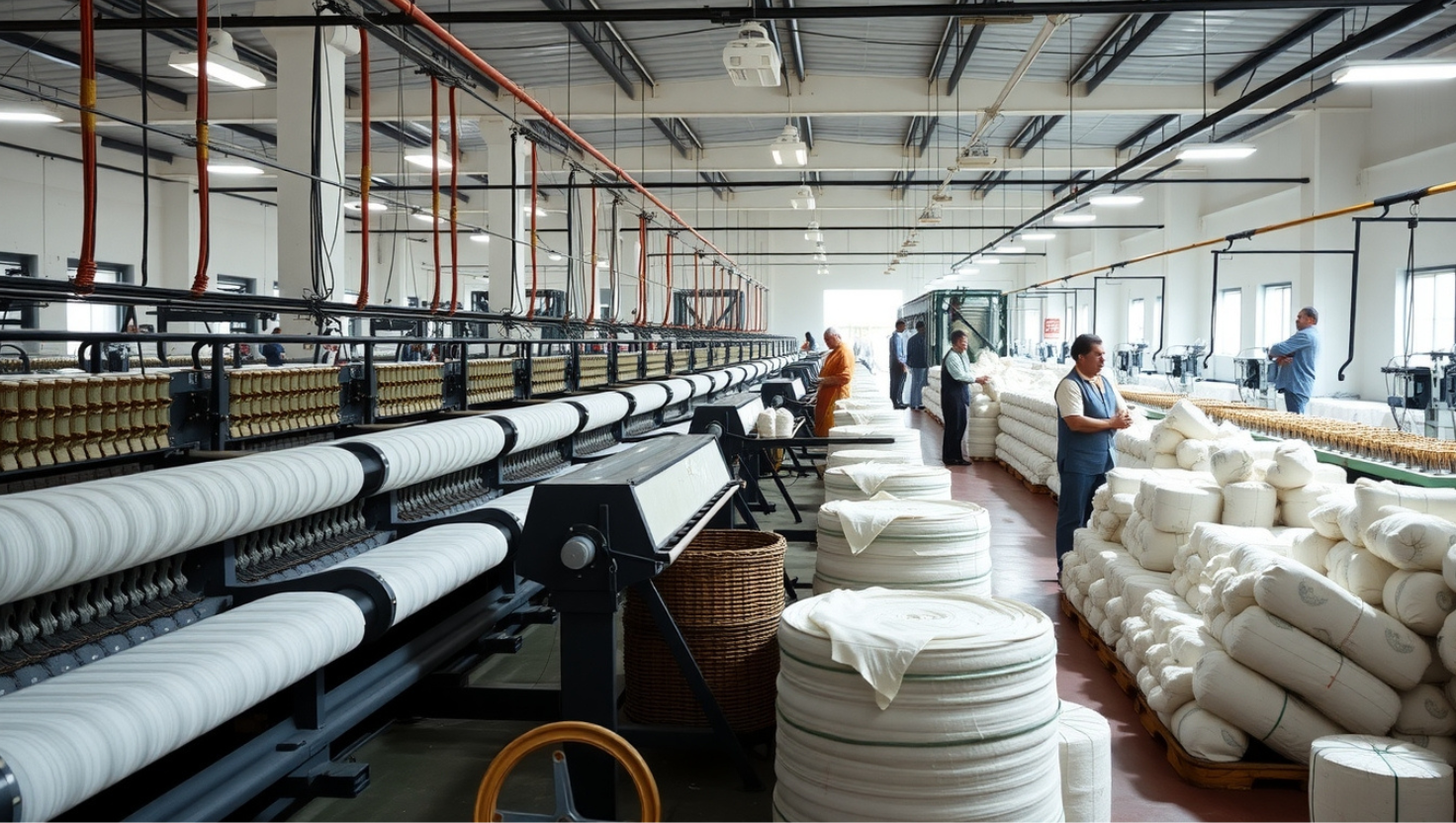
Cotton Textile Industry - Phagwara
Cotton Textile Industry – Phagwara

Phagwara’s JCT mill shaped Punjab’s textile sector through its composite operations, export-oriented output, modernization, and strong local economic impact.

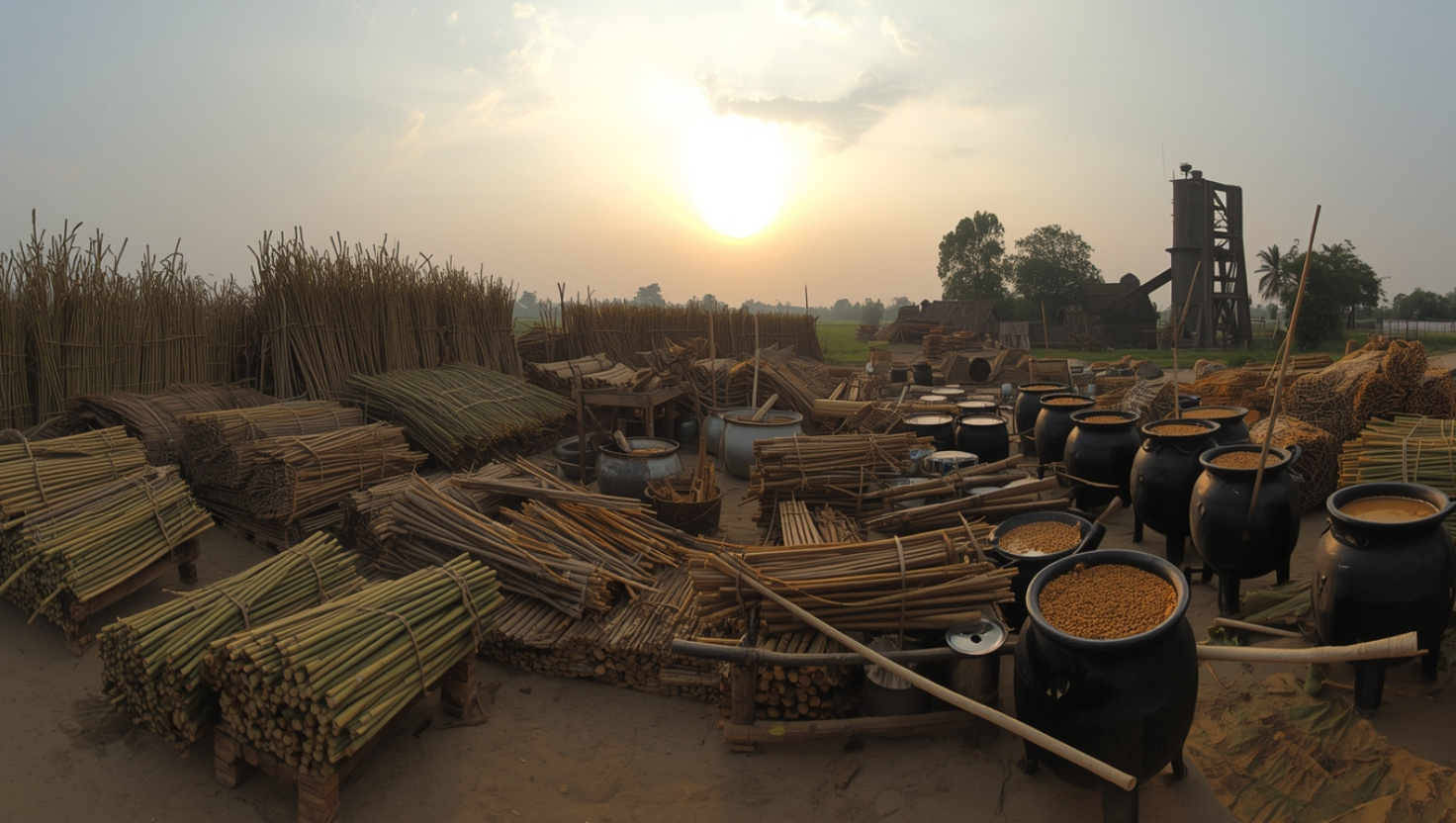
Sugar Industry - Mandya
Sugar Industry – Mandya

Mandya is a key sugarcane district of Karnataka, anchored by MYSUGAR and supported by strong irrigation, sugar mills, and widespread jaggery units.

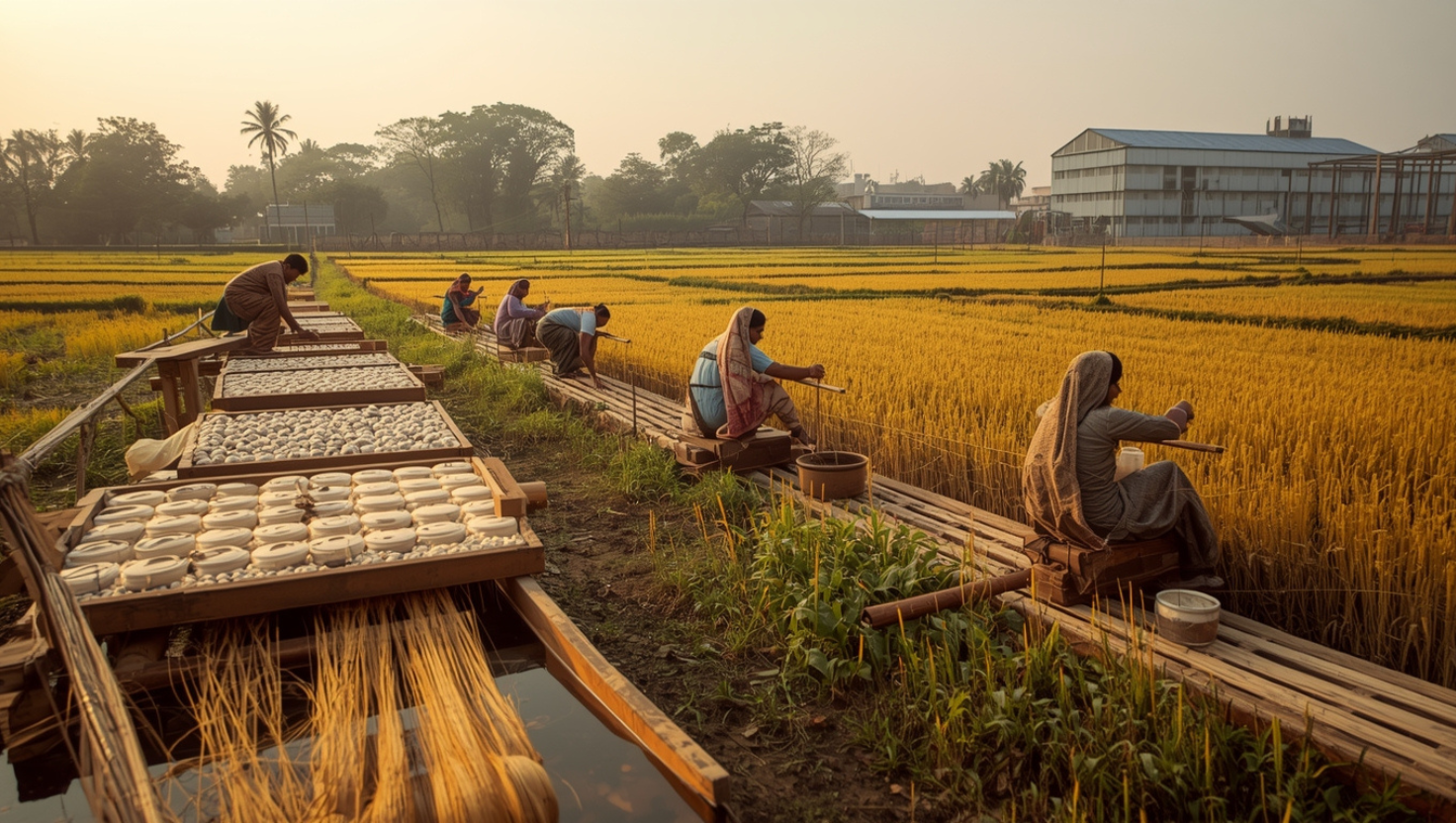
Gokak - Silk Textile Industry
Gokak – Silk Textile Industry

Gokak’s textile sector reflects Karnataka’s leadership in India’s silk industry, driven by strong sericulture, diverse silk varieties, and key government support.

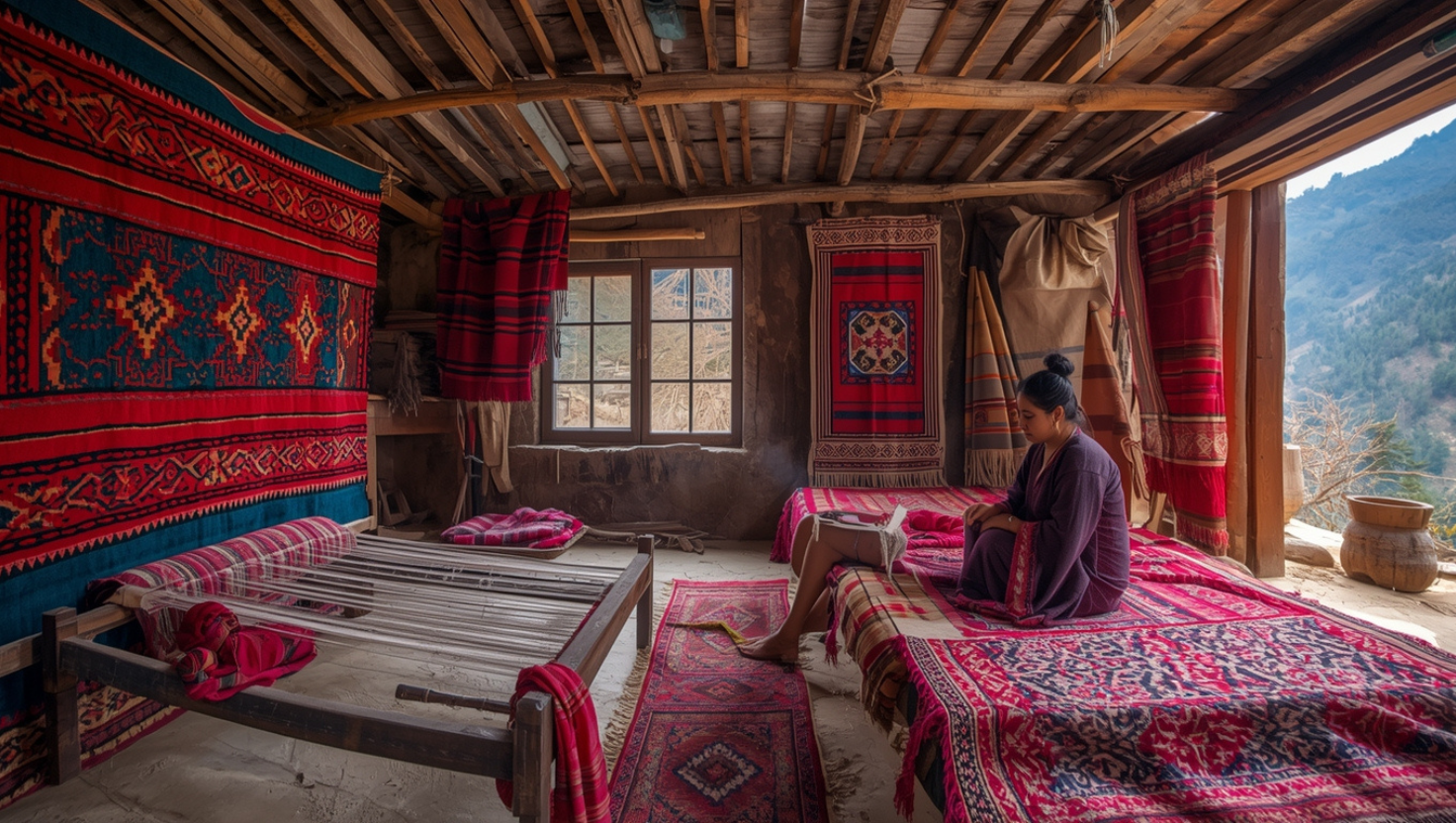
Kullu - Woolen Textile Industry
Kullu – Woolen Textile Industry

Kullu’s woollen textile industry is famed for its vibrant handloom shawls, sustaining local livelihoods and preserving a rich weaving tradition.

S.P. Mittal vs Union of India (1983)

SC held Sri Aurobindo Society not a religious denomination; upheld Auroville Act, 1980 as valid and non-violative of fundamental rights.

Maneka Gandhi vs Union of India (1978)

Landmark case expanding Article 21; established the Golden Triangle of Articles 14, 19 & 21, ensuring fair, just, and reasonable laws.

Brij Bhushan vs State of Delhi (1950)
Brij Bhushan vs State of Delhi

The Brij Bhushan case (1950) upheld press freedom, ruling that pre-censorship violates Article 19(1)(a) unless justified by public order.

Bijoe Emmanuel vs State of Kerala (1986)

The 1986 Bijoe Emmanuel vs State of Kerala case upheld the right to freedom of religion and expression, affirming that patriotism cannot be forced.

Chakra Bisoi
Chakra Bisoi

Chakra Bisoi, nephew of Dora Bisoi, led the Khond rebellion (1840–56) in Odisha against British rule, defending tribal rights and resisting oppression.

Alluri Sitarama Raju

Alluri Sitarama Raju led the Rampa Rebellion (1922–24) in Andhra Pradesh, fighting British oppression; executed in 1924, he’s hailed as “Manyam Veerudu

Thalakkal Chandu
Thalakkal Chandu

Thalakkal Chanthu, a Kurichya leader under Pazhassi Raja, led the 1802 Panamaram revolt against the British; captured and executed in 1805.

Tirot Sing
U Tirot Sing Syiem

U Tirot Sing Syiem, Khasi chief of Nongkhlaw, led an early revolt (1829–33) against British rule; died in captivity on July 17, 1835.

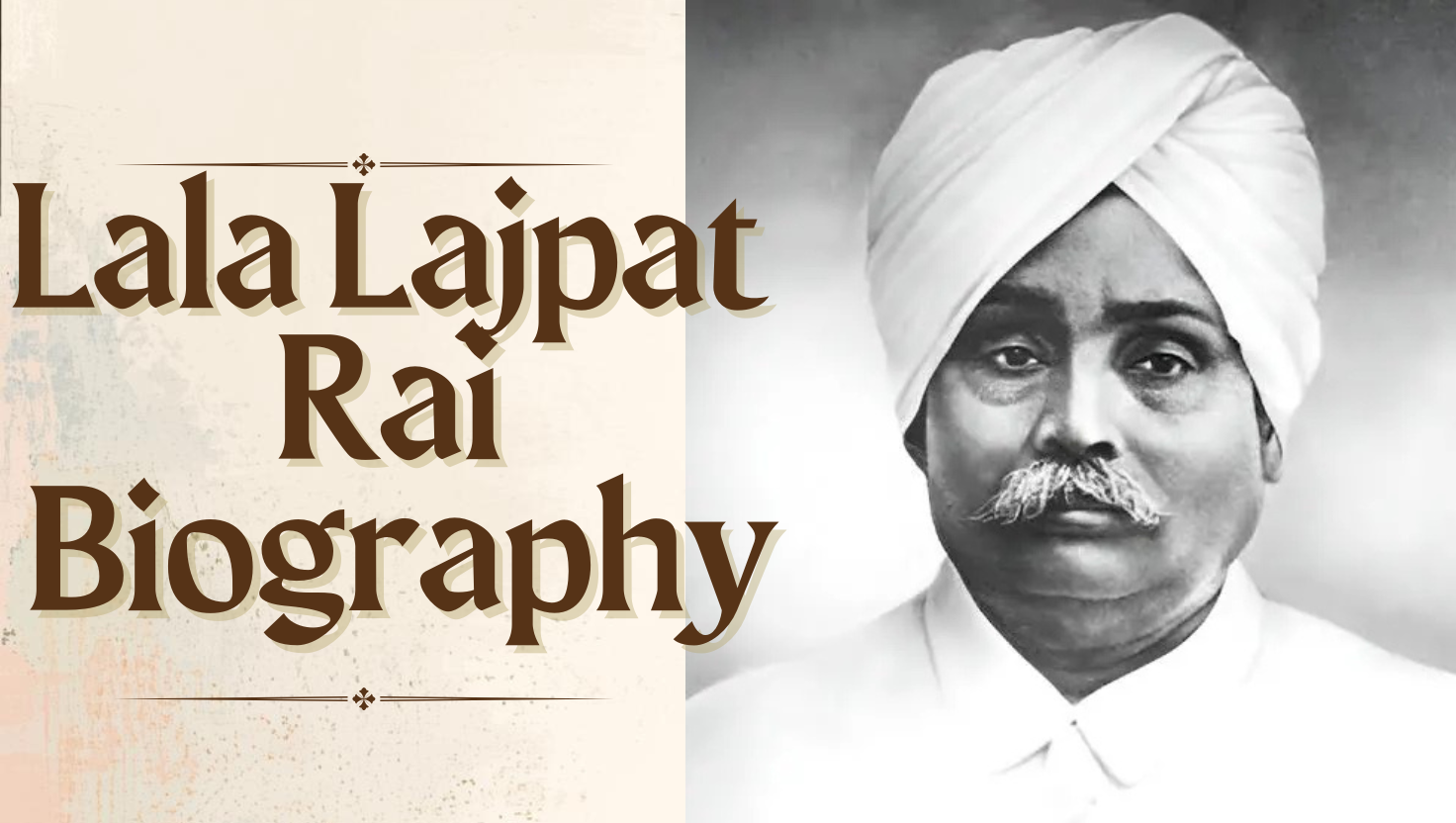
Lala Lajpat Rai
Lala Lajpat Rai – Biography

Lala Lajpat Rai, the Lion of Punjab, was a freedom fighter and reformer who led the 1928 Simon Commission protest and inspired India’s independence.

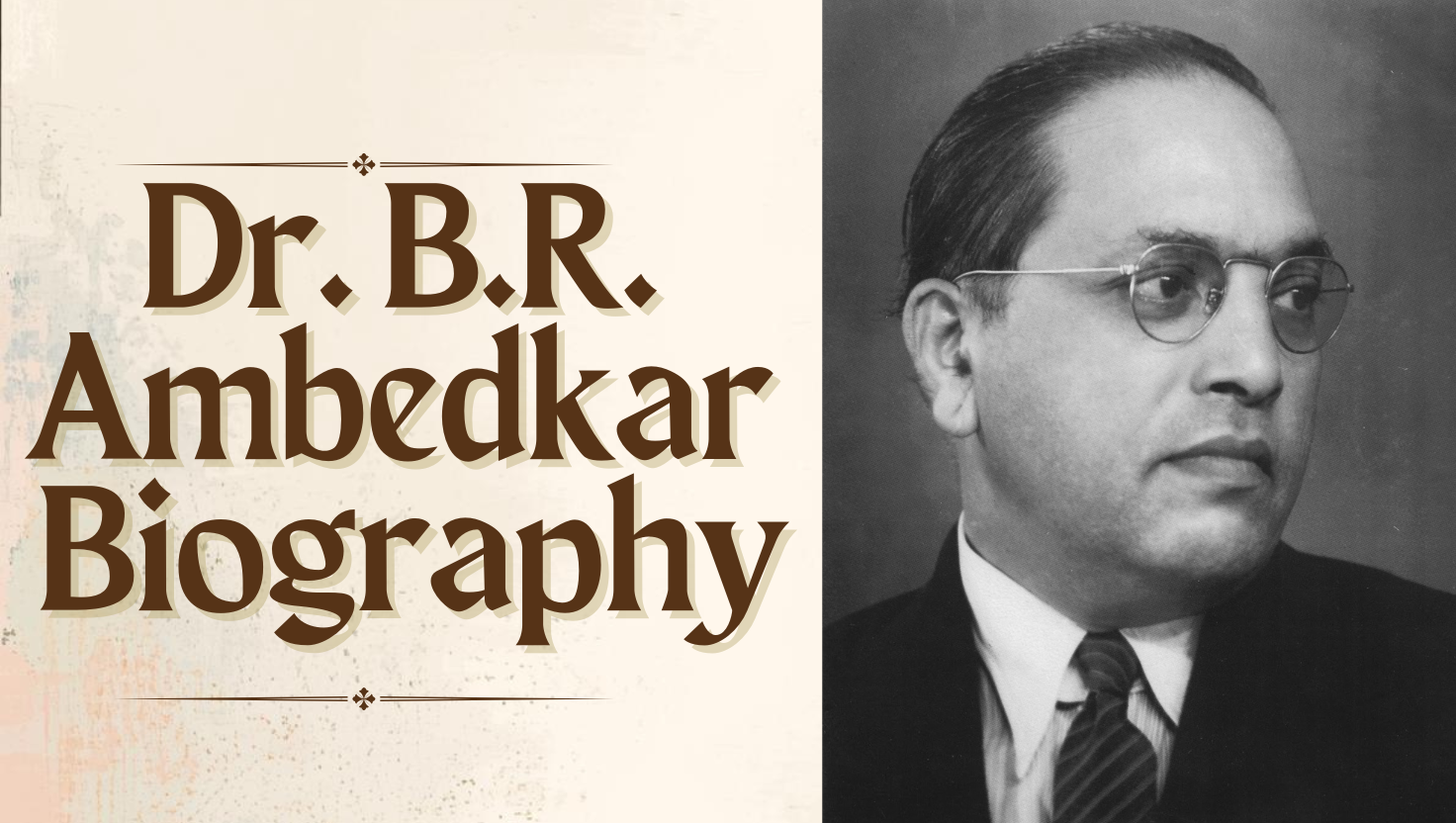
Dr. B.R. Ambedkar
Dr. Bhim Rao Ambedkar Biography

Dr. B.R. Ambedkar, architect of India’s Constitution, championed equality, social justice, and education for an inclusive society.

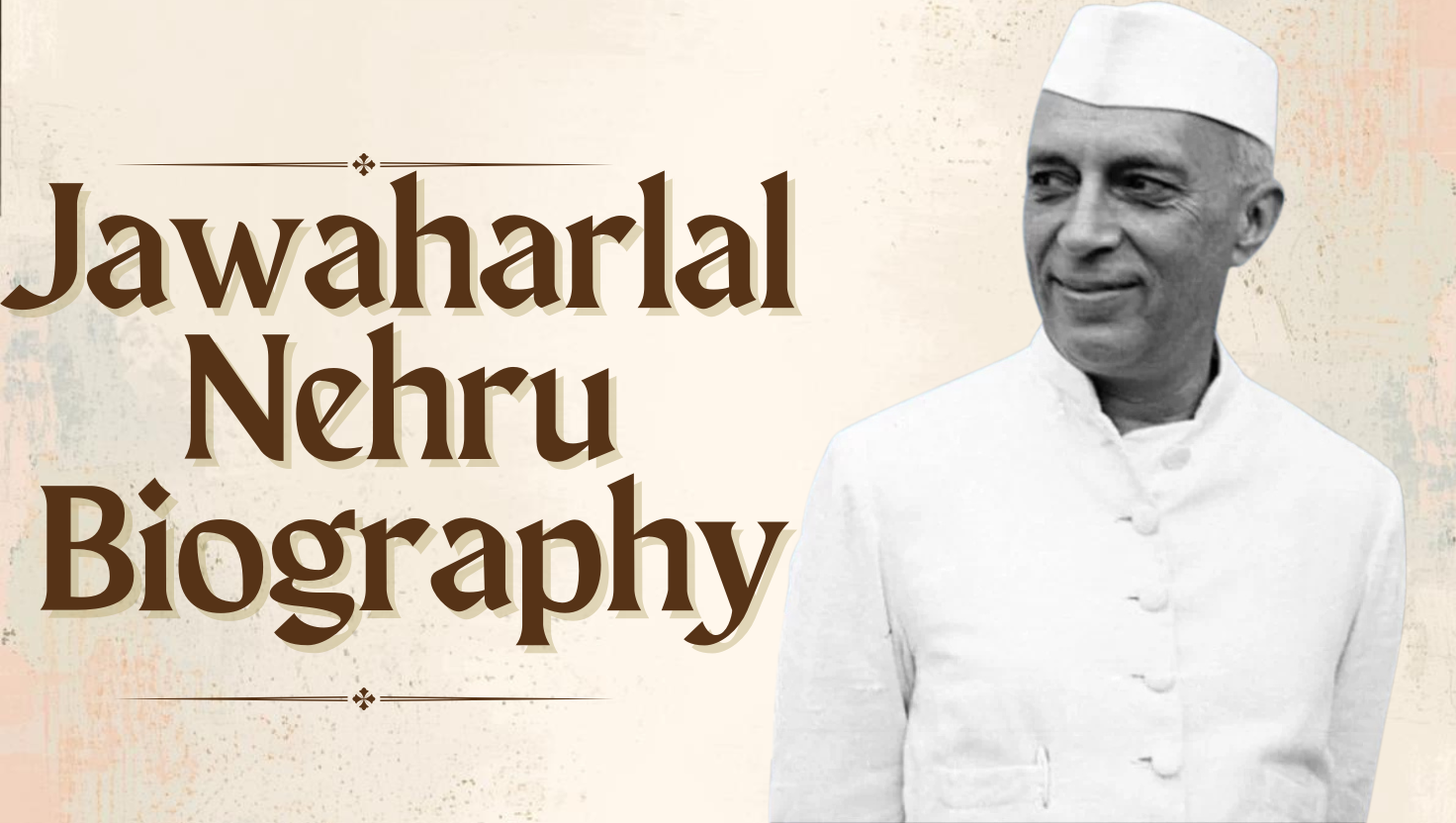
Jawaharlal Nehru Biography

Jawaharlal Nehru, India’s first Prime Minister, led the nation’s freedom struggle and shaped modern India through education, democracy, and progress.

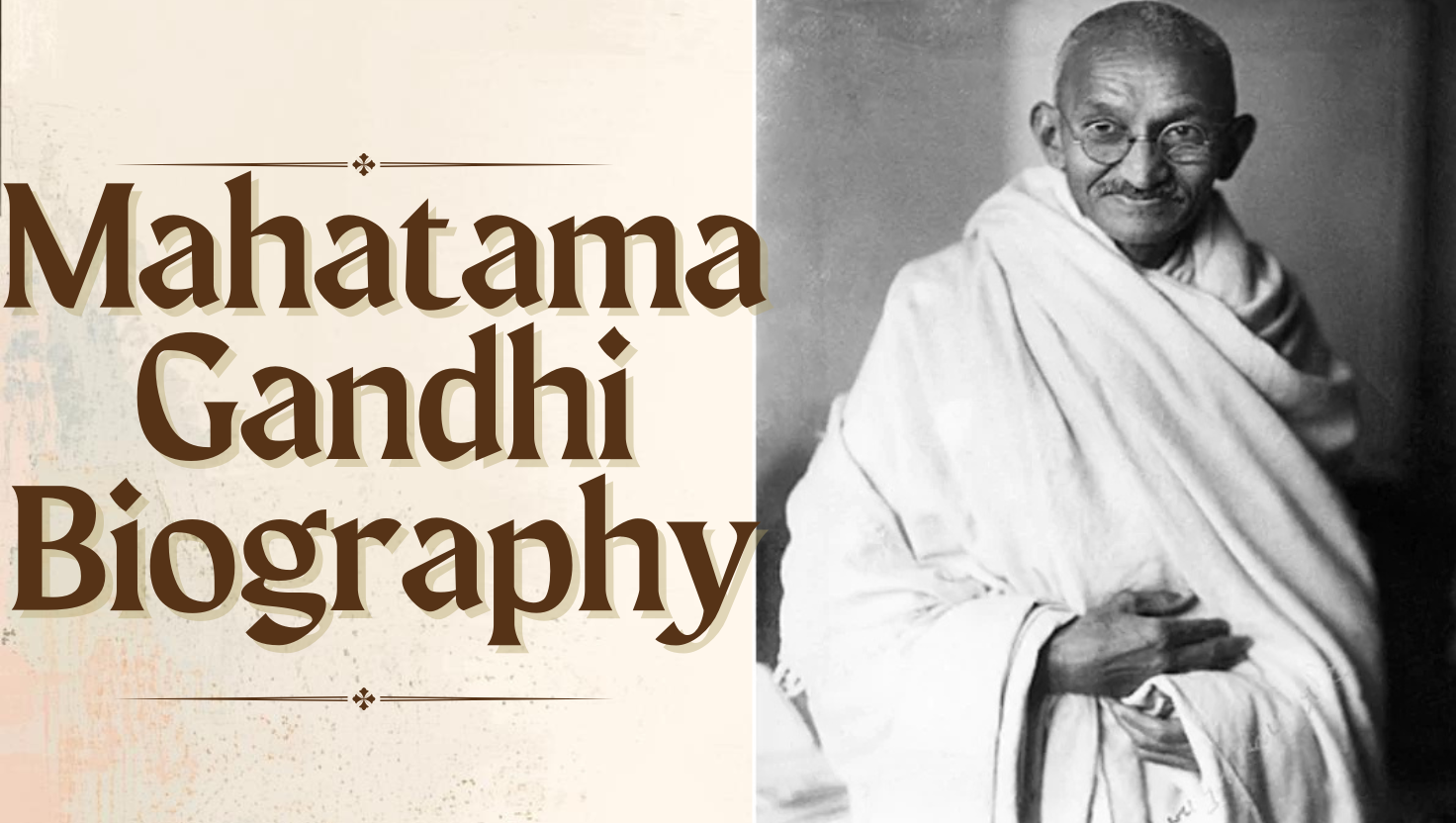
Mahatma Gandhi Biography

Mahatma Gandhi, the Father of the Nation, led India’s freedom struggle through nonviolence, truth, and unity, inspiring peace worldwide.

“One Nation, One Time” Initiative

Draft Legal Metrology (IST) Rules 2025 aim to establish “One Nation, One Time” ensuring precise, synchronized time across India.

Physical Research Laboratory (PRL)

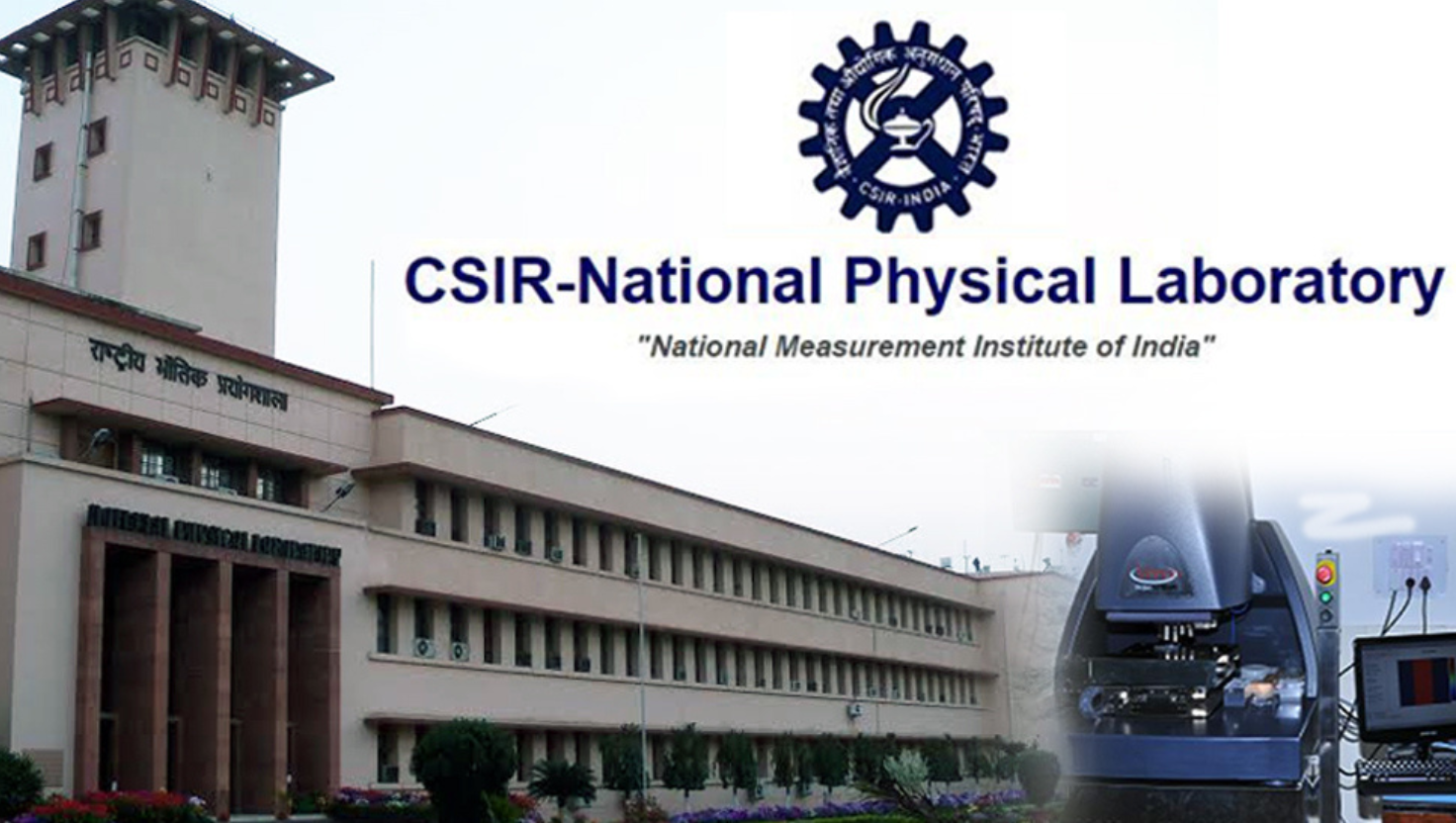
PRL, founded by Vikram Sarabhai in 1947 under the Dept. of Space, is India’s premier institute for space and allied sciences research.

BharatNet Project
BharatNet Project

BharatNet connects rural India with high-speed broadband, driving digital inclusion and bridging the urban–rural divide.

ECO Niwas Samhita 2018
ECO Niwas

ECO Niwas Samhita 2018 promotes energy-efficient residential buildings, saving energy and enhancing sustainable living.

Startup India
Startup India

Startup India, launched in 2016, promotes innovation, entrepreneurship, and job creation through funding and policy support.

Atal Pension Yojana (APY)

Atal Pension Yojana, launched in 2015 by the Finance Ministry, ensures pension security for unorganized workers through PFRDA.

Chail Wildlife Sanctuary

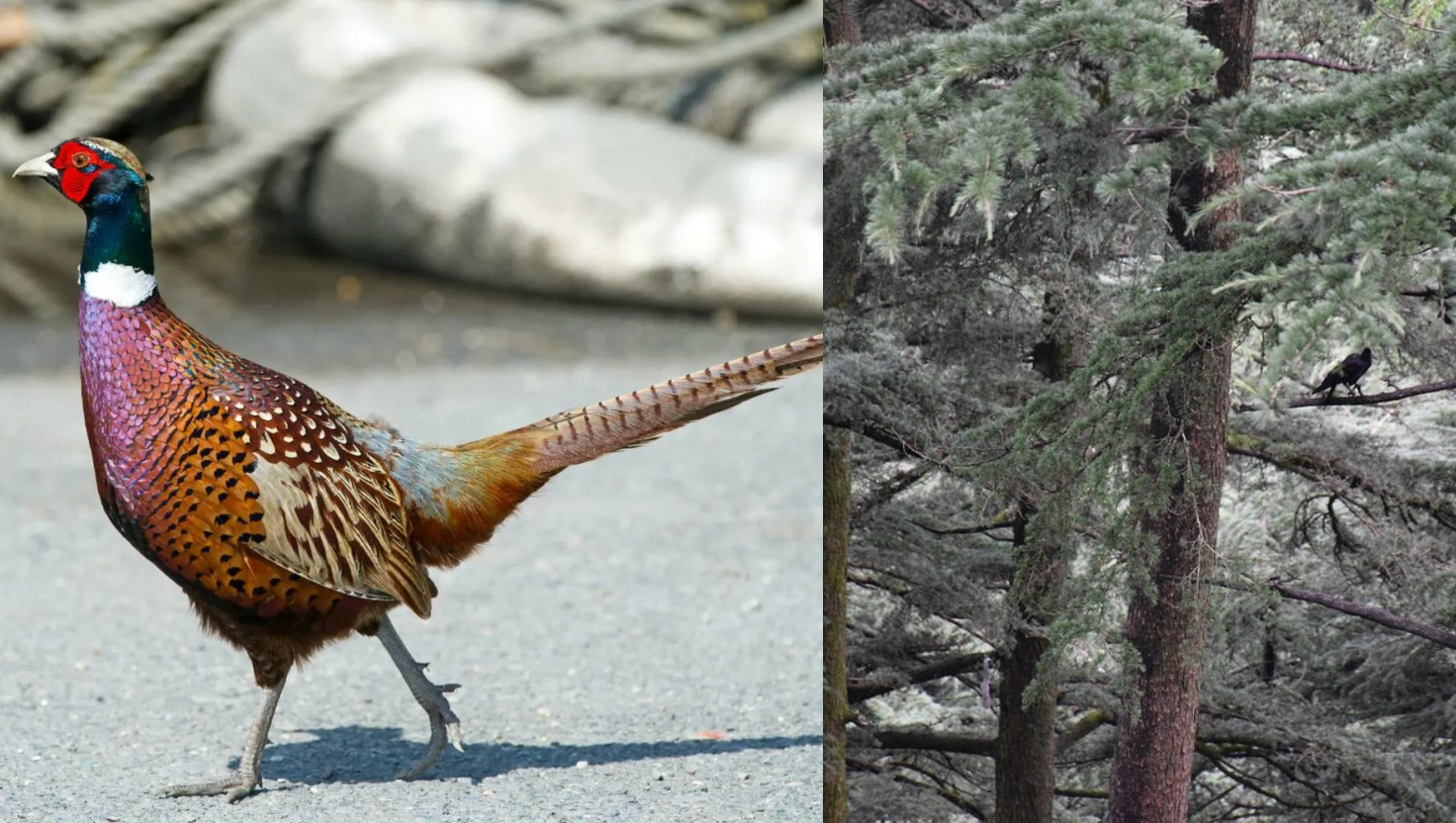
Chail Wildlife Sanctuary in Himachal Pradesh is rich in Himalayan flora, fauna, and known for the Cheer Pheasant conservation program.

Talra Wildlife Sanctuary

Talra Wildlife Sanctuary in Shimla, Himachal Pradesh, is rich in Himalayan flora and fauna, offering vital conservation and scenic beauty.

Kibber Wildlife Sanctuary

Kibber Wildlife Sanctuary in Himachal’s cold desert hosts rare flora, snow leopards, and unique high-altitude ecosystems.

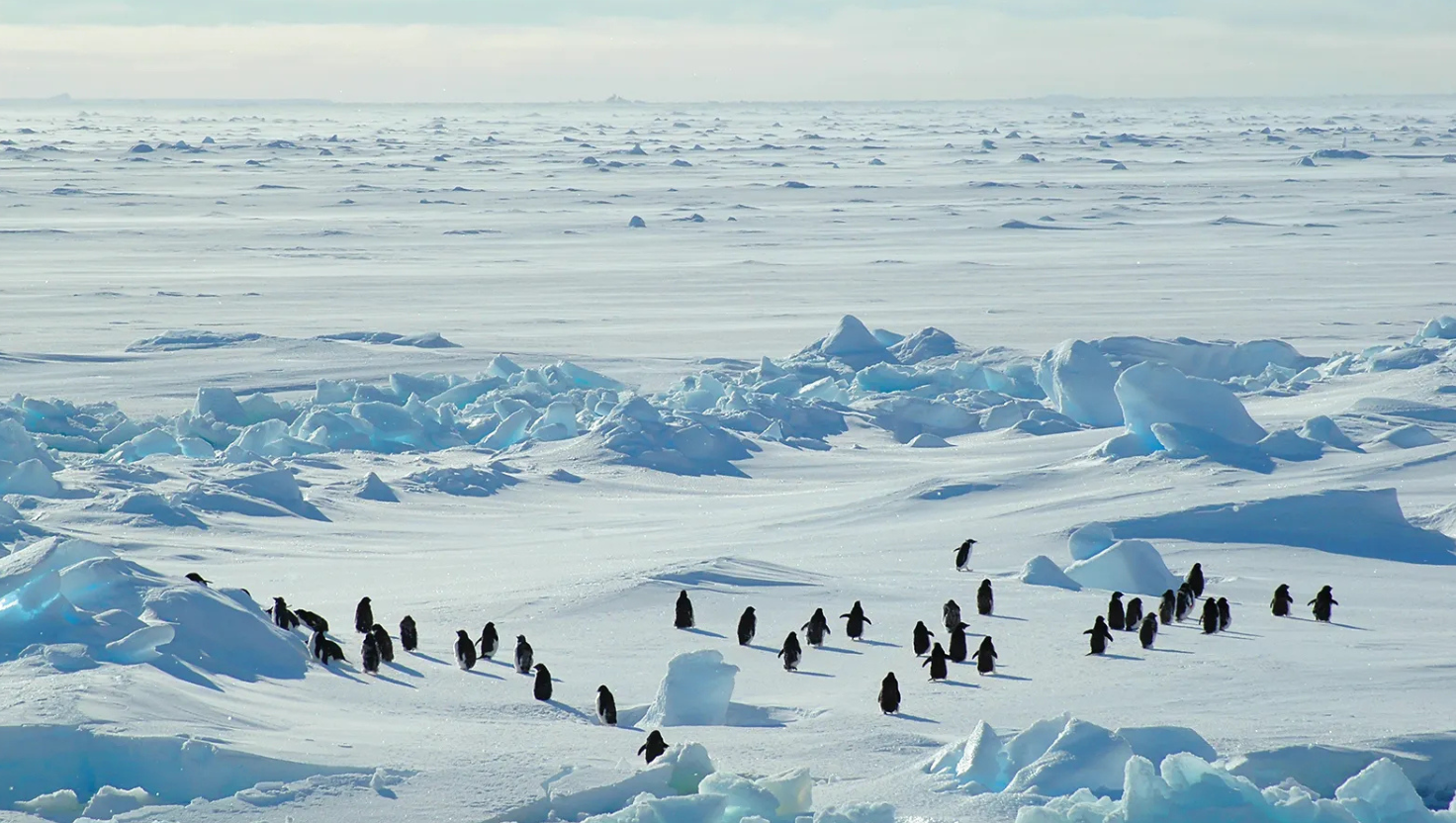
Cold Deserts
Cold Deserts

Cold deserts are high-altitude arid regions with extreme cold winters, mild summers, low rainfall, and rising desertification from climate change.

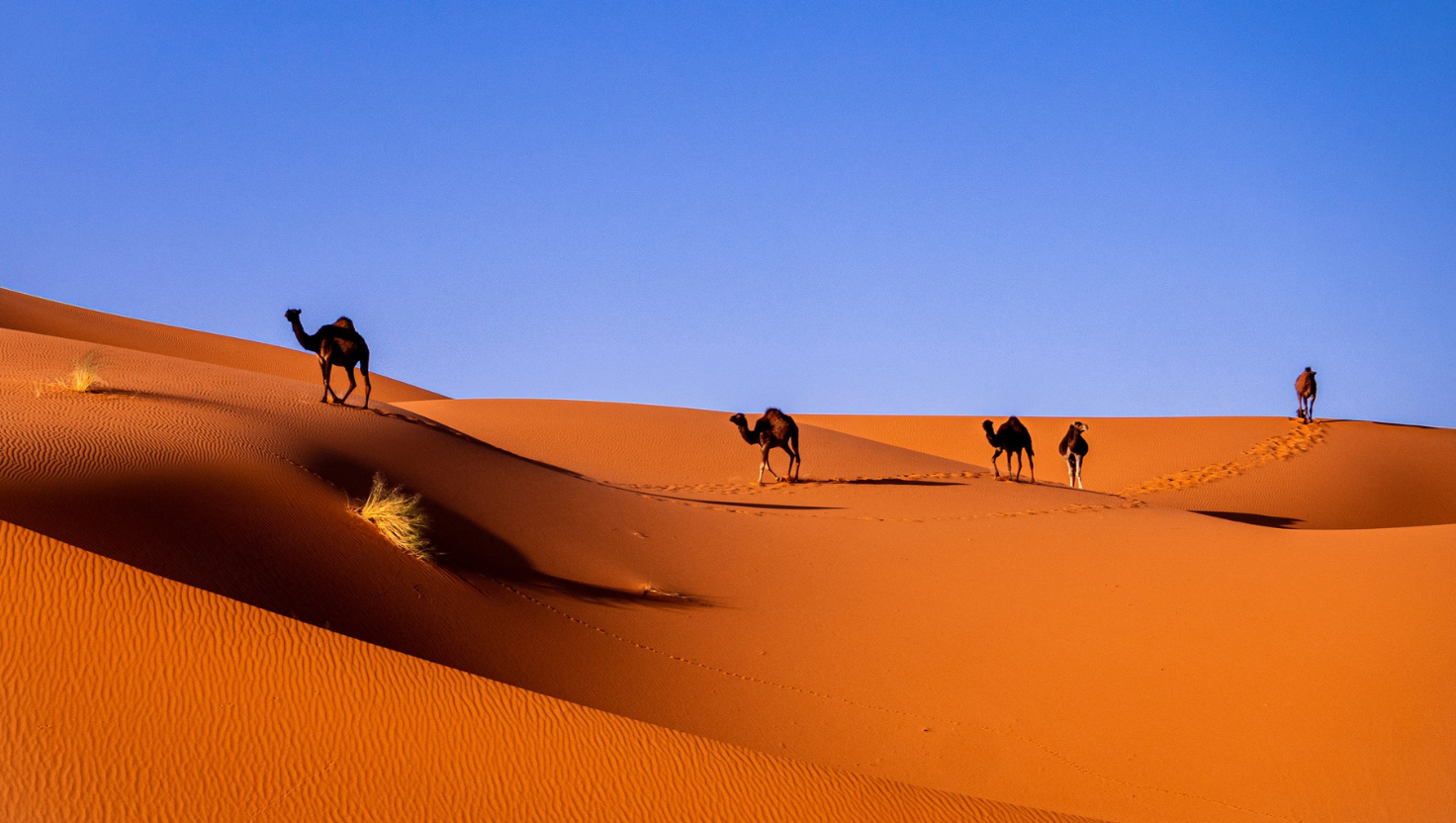
Sahara Desert
Sahara Desert

The Sahara Desert, spanning North Africa, is the world’s largest hot desert, covering 9.2 million sq km across 11 countries.

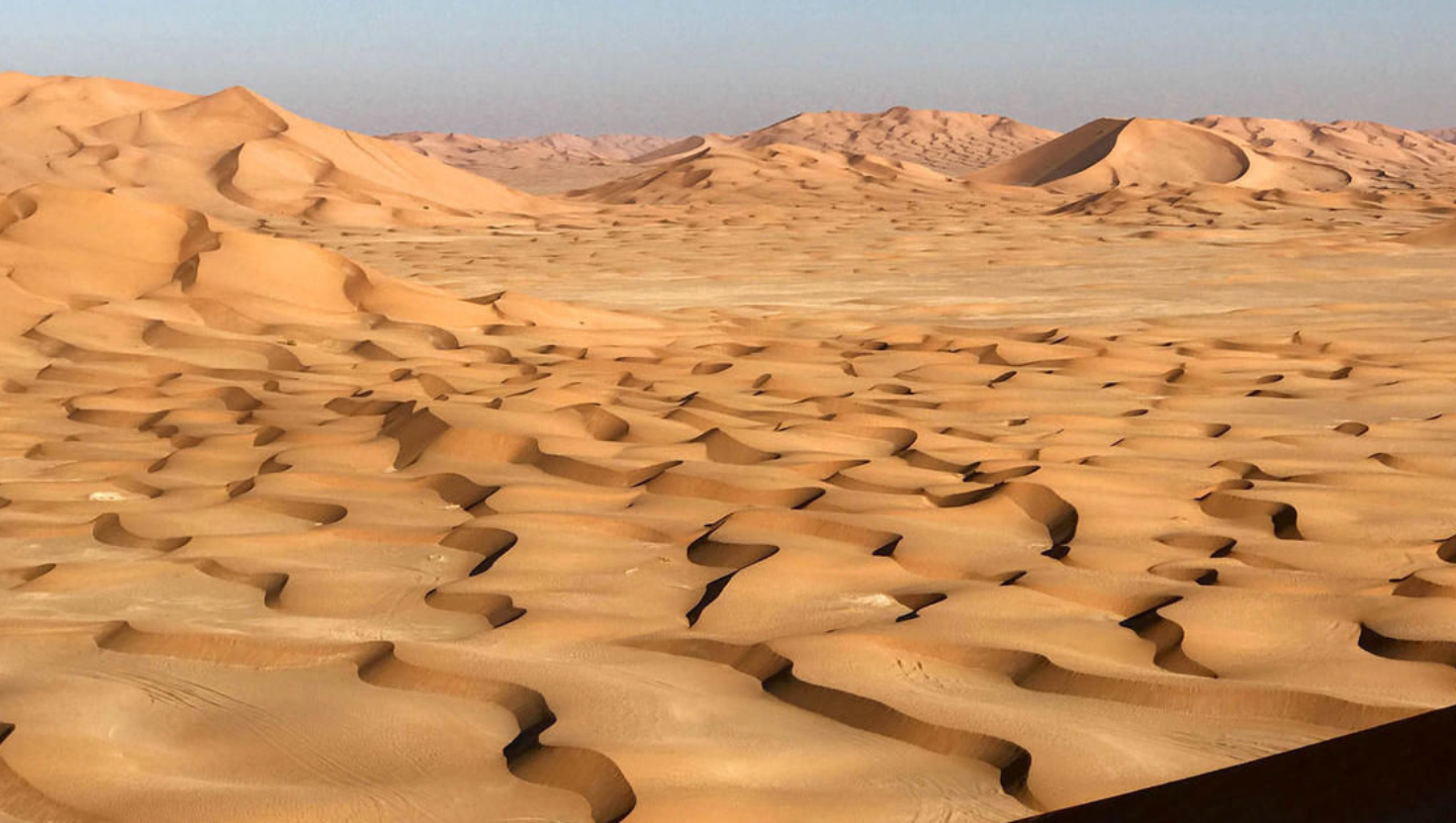
Rubʿ al-Khali Desert

Rubʿ al-Khali, or Empty Quarter, is the world’s largest sand desert in Arabia, rich in oil and gas, and one of Earth’s driest regions.

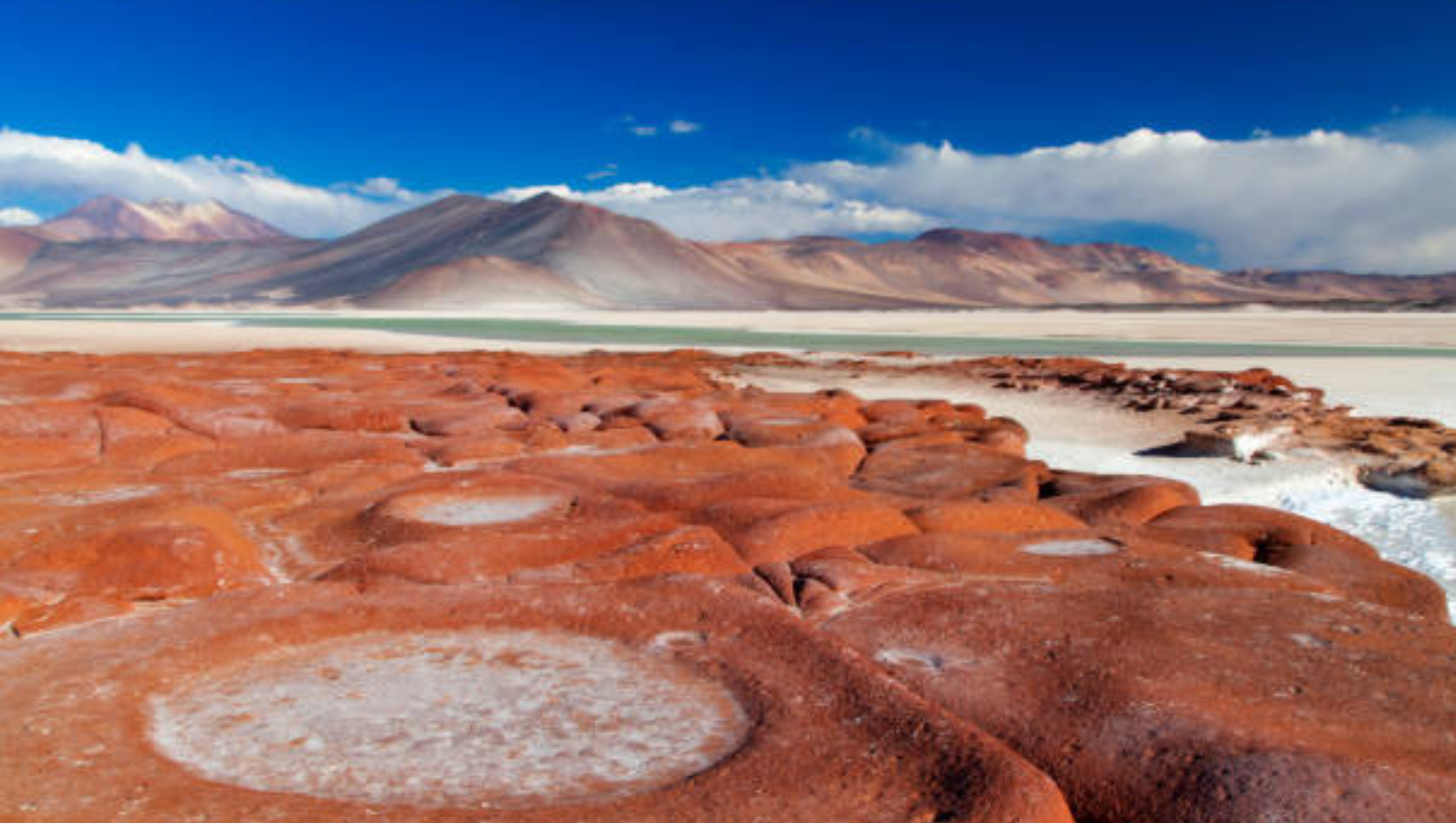
Atacama Desert
Atacama Desert

Atacama Desert in northern Chile is the world’s driest desert, rich in minerals and home to unique flora like Cistanthe longiscapa.

You May Also Like