

200th Birth Anniversary of Mahatma Jyotiba Phule
India marks the 200th birth anniversary of Mahatma Jyotiba Phule, the reformer who pioneered women’s education and fought caste discrimination.
India marks the 200th birth anniversary of Mahatma Jyotiba Phule, the reformer who pioneered women’s education and fought caste discrimination.
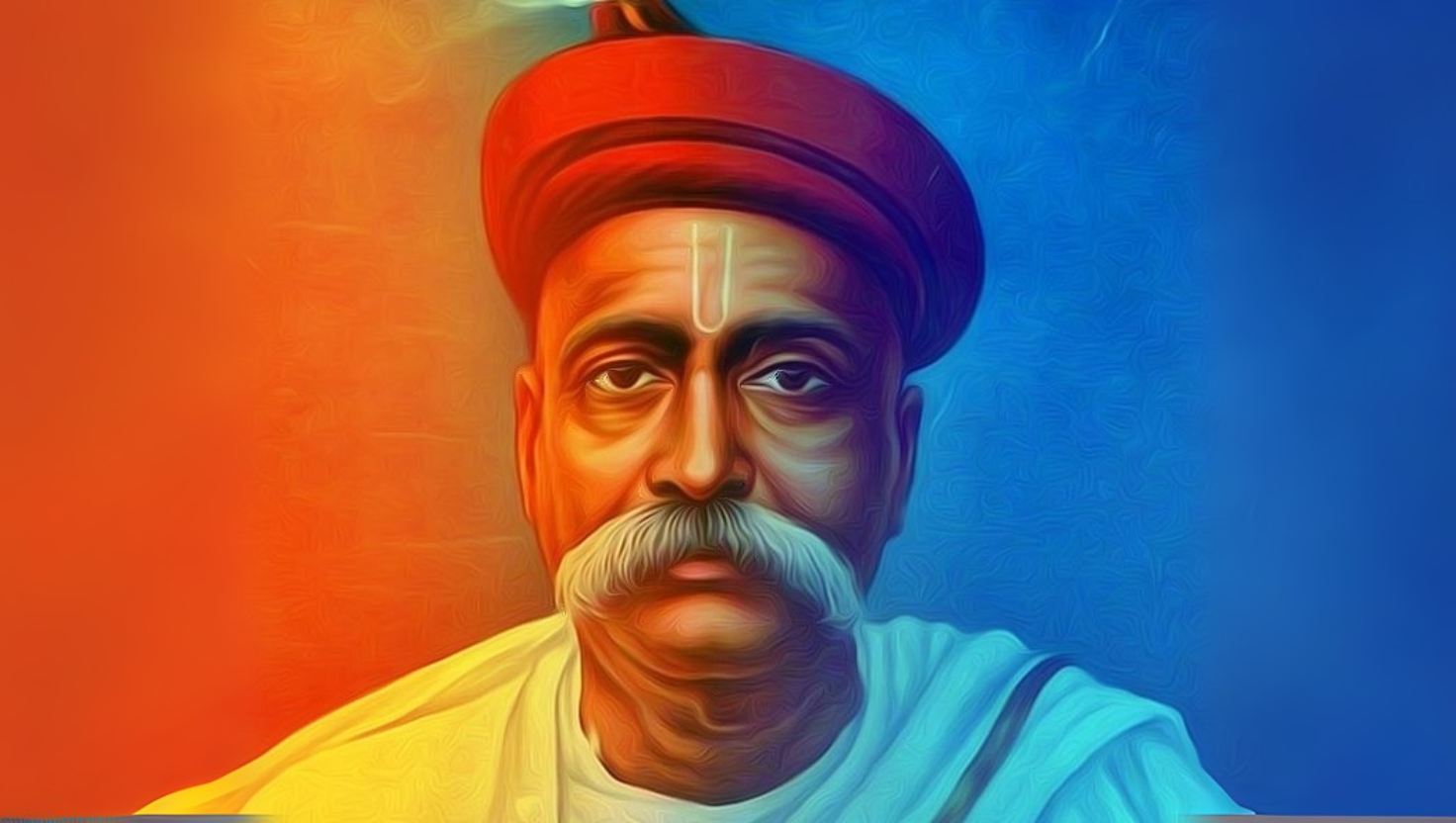
Lokmanya Bal Gangadhar Tilak, a pioneering nationalist leader, transformed Swaraj into a mass movement through bold journalism, cultural revival, and assertive politics.
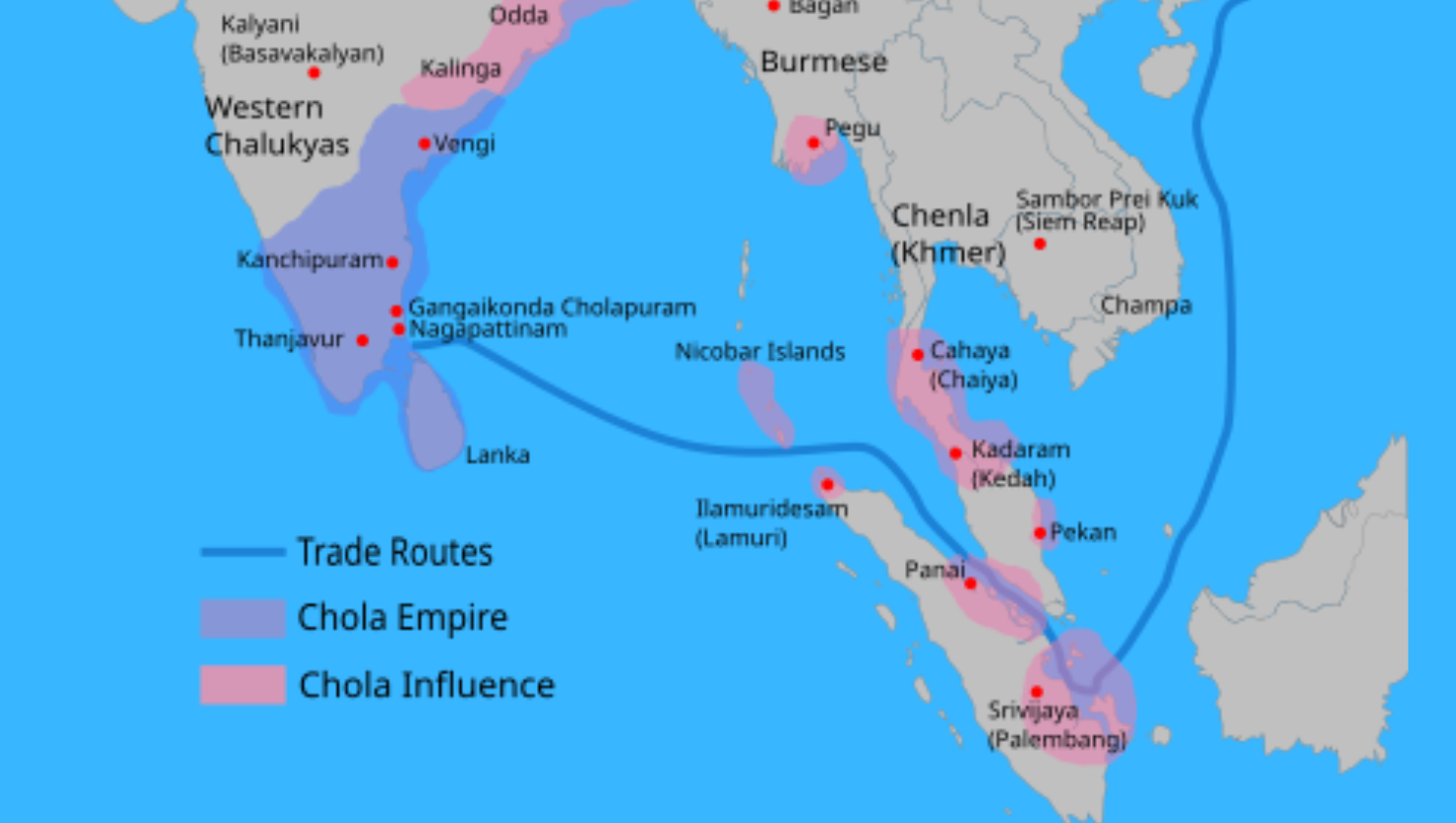
PM Modi said the Chola dynasty’s legacy of good governance, maritime strength, and cultural unity offers a roadmap for modern India.

The Battle of Buxar (1764) marked a turning point in Indian history, establishing British dominance over Bengal and paving the way for colonial rule.
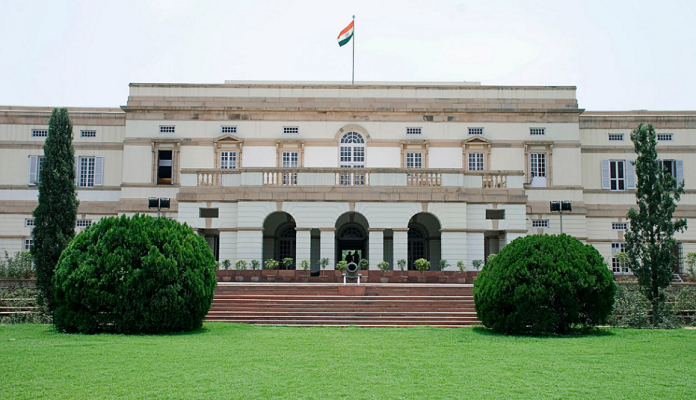
The Prime Ministers Museum and Library (PMML) in New Delhi has announced plans to take legal action to recover the Private Papers of Jawaharlal Nehru, which were reportedly taken by Sonia Gandhi in 2008. The institution has described these documents as a national treasure.
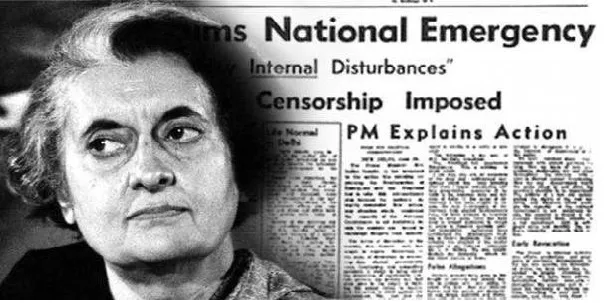
Half a Century Since India’s Emergency Era Source: DD NewsSyllabus: Indian Polity & Governance | Modern History Why In News: Emergency On 25th June 2025, India marks the 50th anniversary of the declaration of the Emergency (1975–1977), a critical period that significantly impacted the country’s democracy and constitutional framework. What was the Emergency? Events Leading to the Emergency: Key Developments During the Emergency: Aftermath and Reforms Post-Emergency: Conclusion: The Emergency period remains a crucial chapter in India’s democratic journey, reminding

BRICS 2026: Explore the 18th BRICS Summit in New Delhi,

6th All India Official Language Conference 2026 in Navi Mumbai:

Discover how Bay of Bengal low-pressure systems shape India’s monsoon,
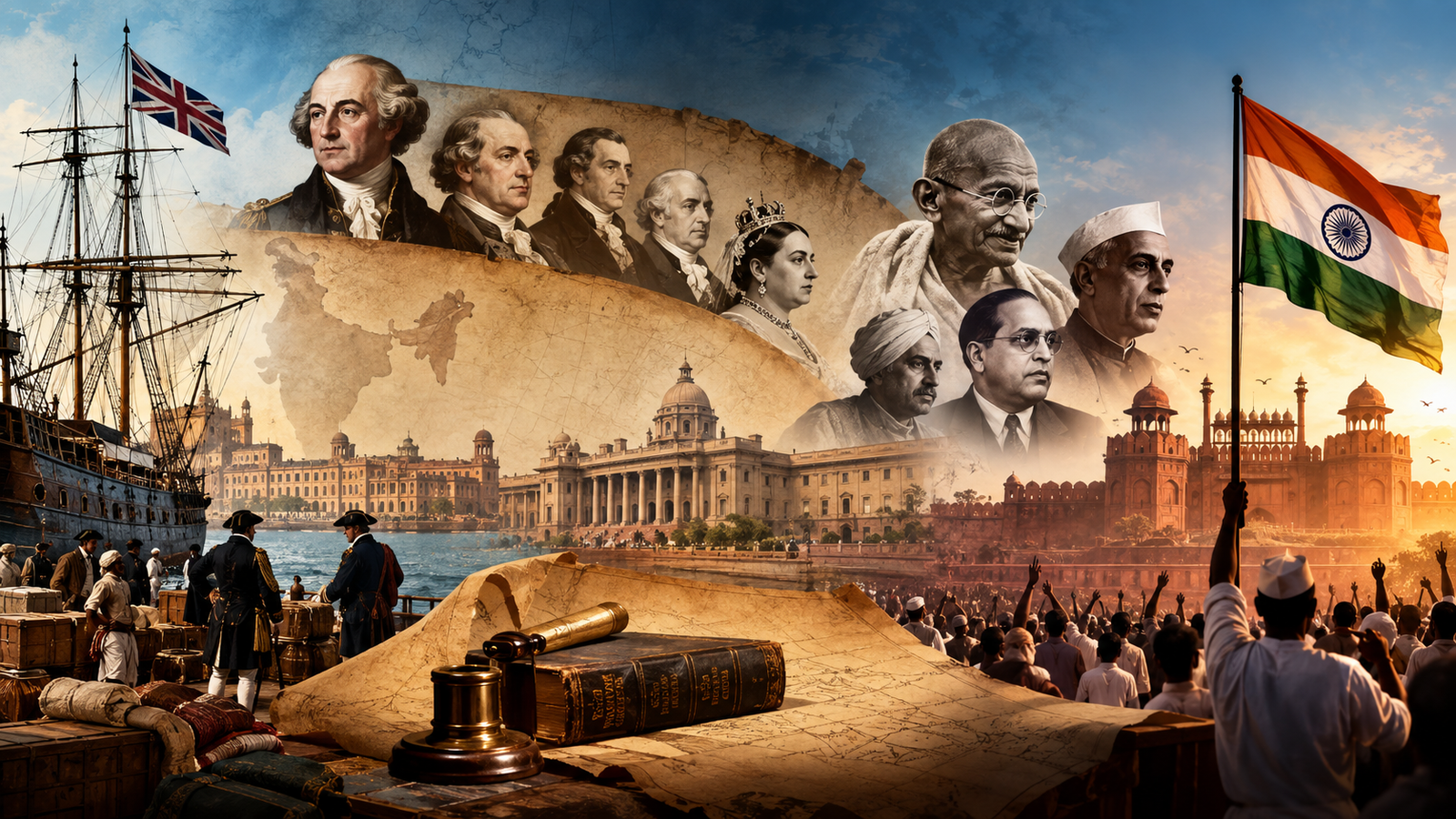
Explore the constitutional evolution of India from East India Company

Yojana June 2026 explores India’s journey towards a Naxal-free Bharat,
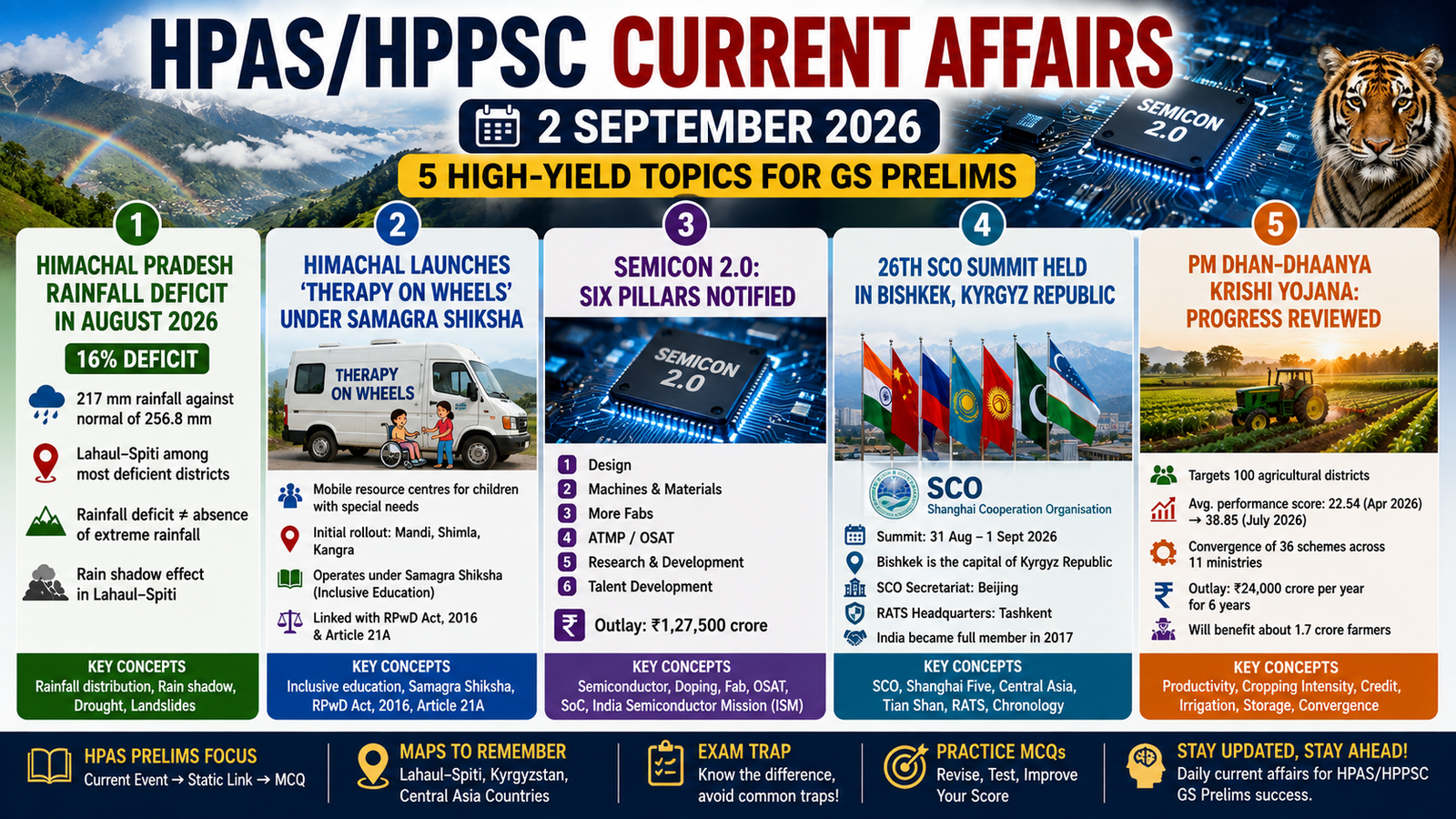
HPAS/HPPSC Current Affairs 2 September 2026: Himachal rainfall deficit, Therapy