

Aravalli Range
Aravalli Range is one of Earth’s oldest mountain systems, vital for ecology, water security, biodiversity, and desert-control in western India.
Aravalli Range is one of Earth’s oldest mountain systems, vital for ecology, water security, biodiversity, and desert-control in western India.

Tanzania faces post-election unrest amid political tensions, even as it remains a key East African nation rich in natural and ecological diversity.
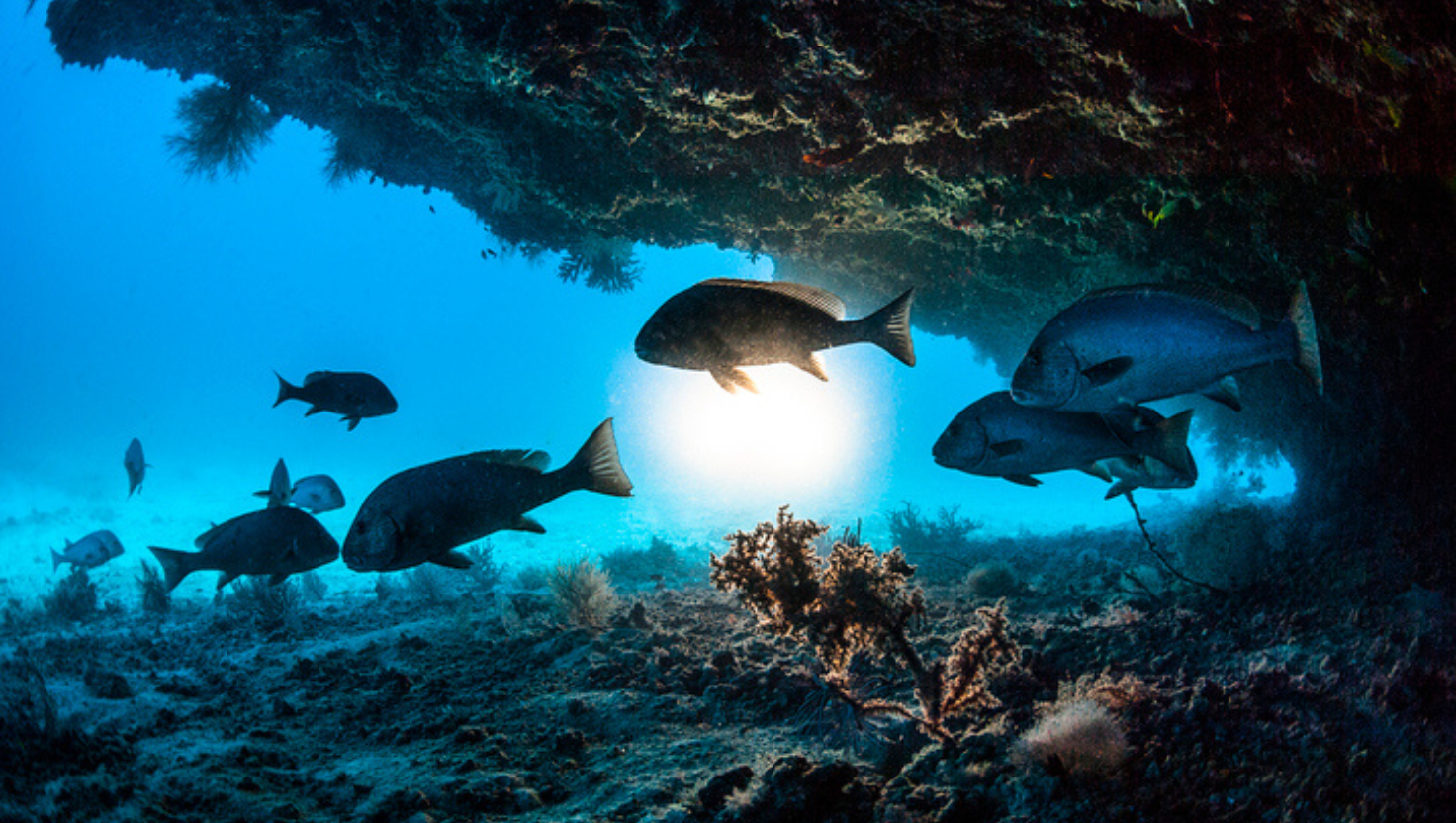
India launches its first digital, geo-tagged Marine Fisheries Census 2025 to map fisher livelihoods and boost sustainable blue economy planning.
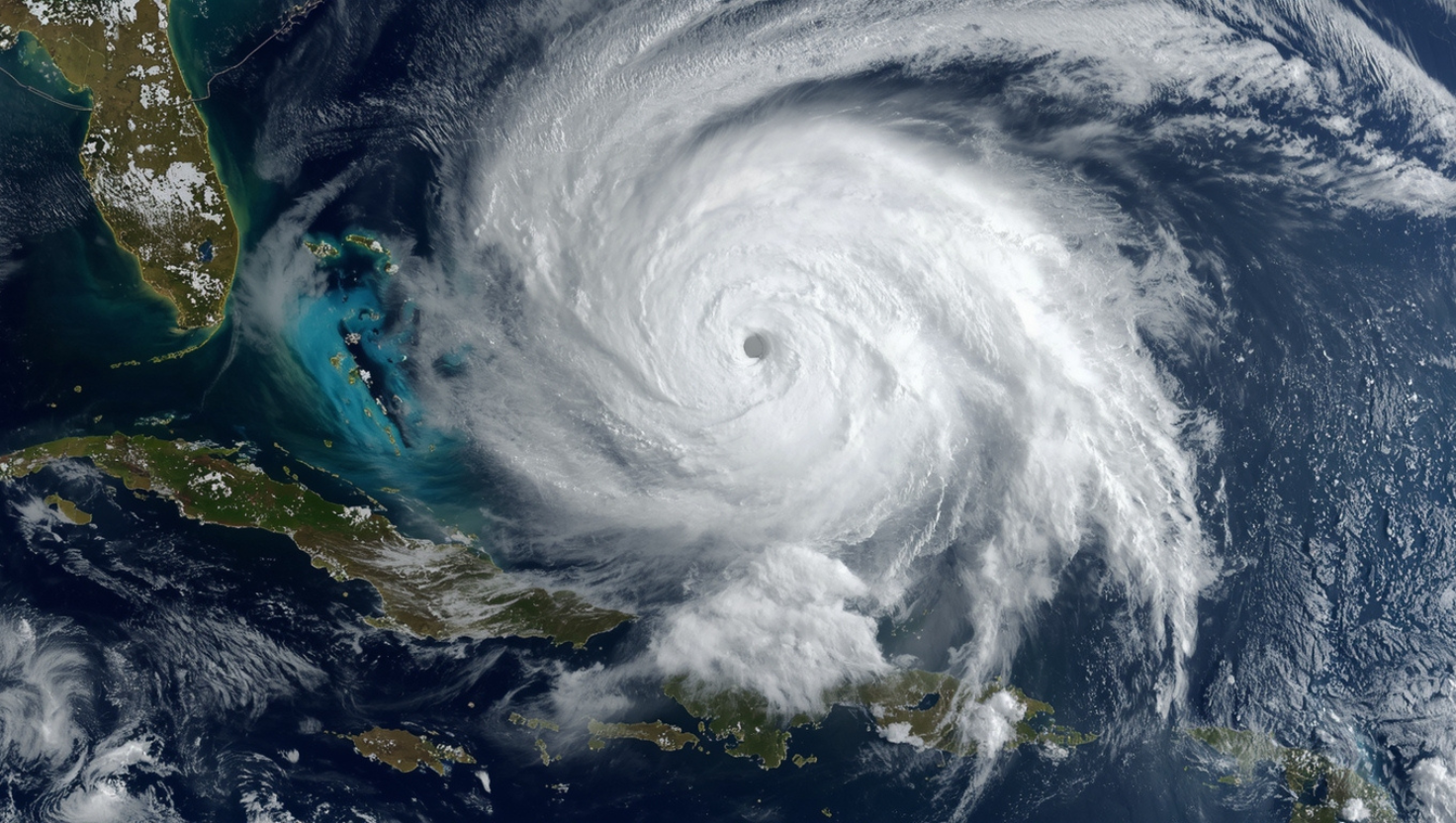
Hurricane Melissa, Jamaica’s strongest-ever Category 5 storm, hit with 185 mph winds, highlighting rising climate-driven cyclone risks.

Hurricane Gilbert (1988) devastated Jamaica and Mexico as a Category 5 storm, causing $5.5 billion in damage and over 300 deaths.
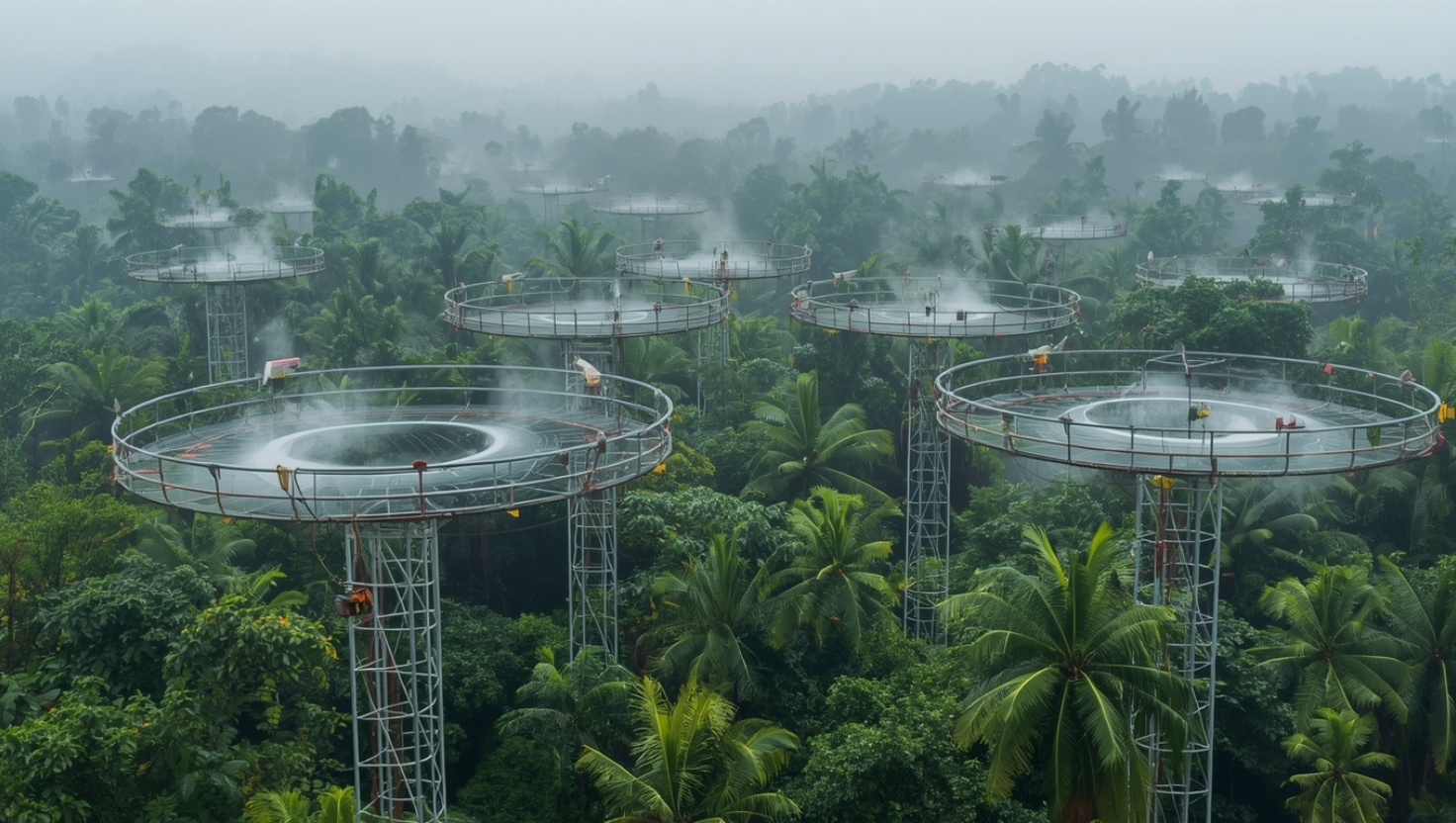
AmazonFACE Experiment in Brazil simulates future CO₂ levels to study how tropical rainforests like the Amazon will adapt to climate change.

Cyclone Montha, forming over the Bay of Bengal, is set to hit Andhra Pradesh and Odisha, stressing the need for strong coastal preparedness.
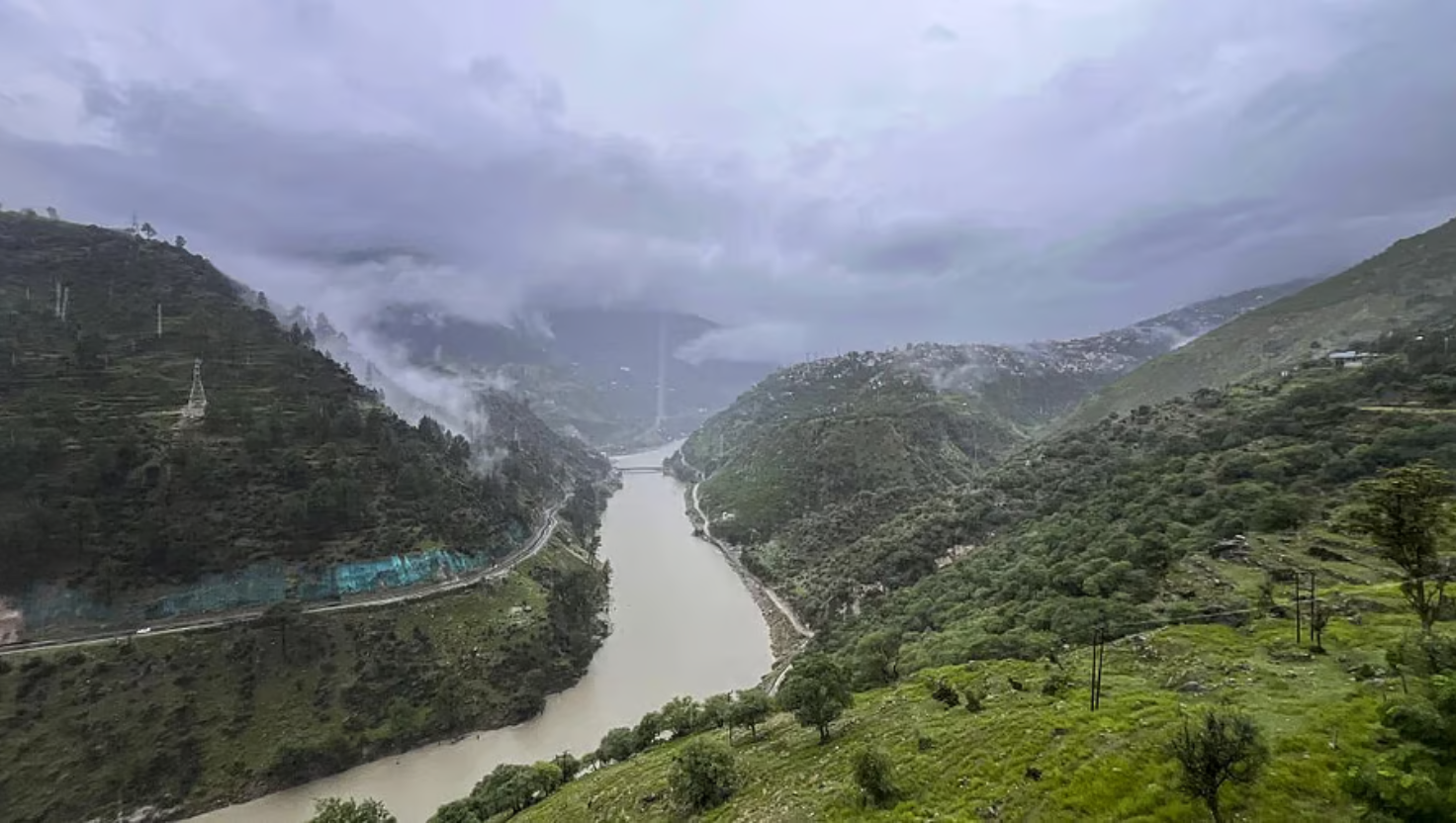
EAC grants fresh clearance to Sawalkote Hydro Project on Chenab River, boosting clean energy and strategic water use in Jammu & Kashmir.
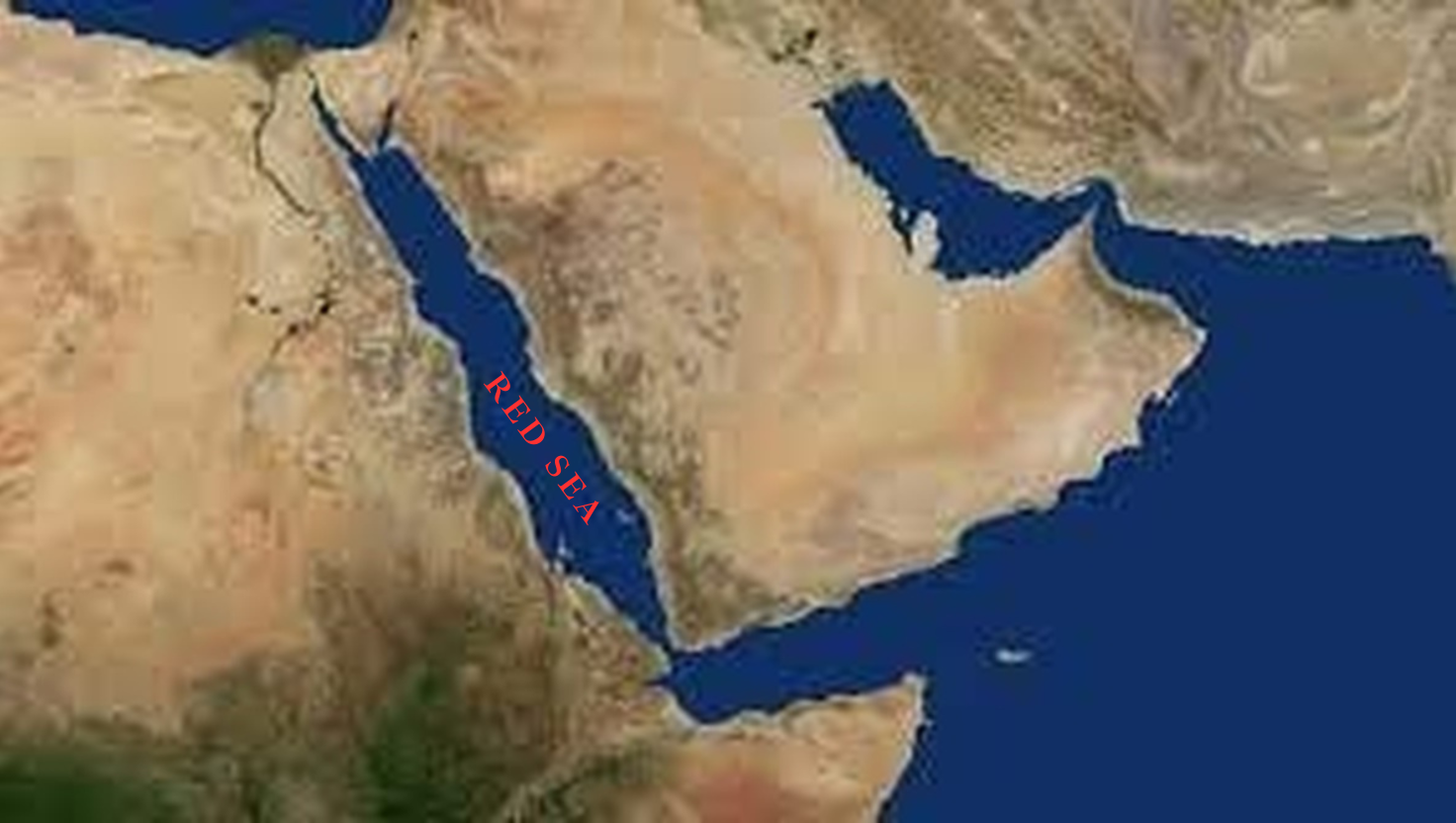
Red Sea: A geologically young, ecologically rich sea connecting Africa and Arabia, vital for trade, biodiversity, and shaped by ancient tectonic events.
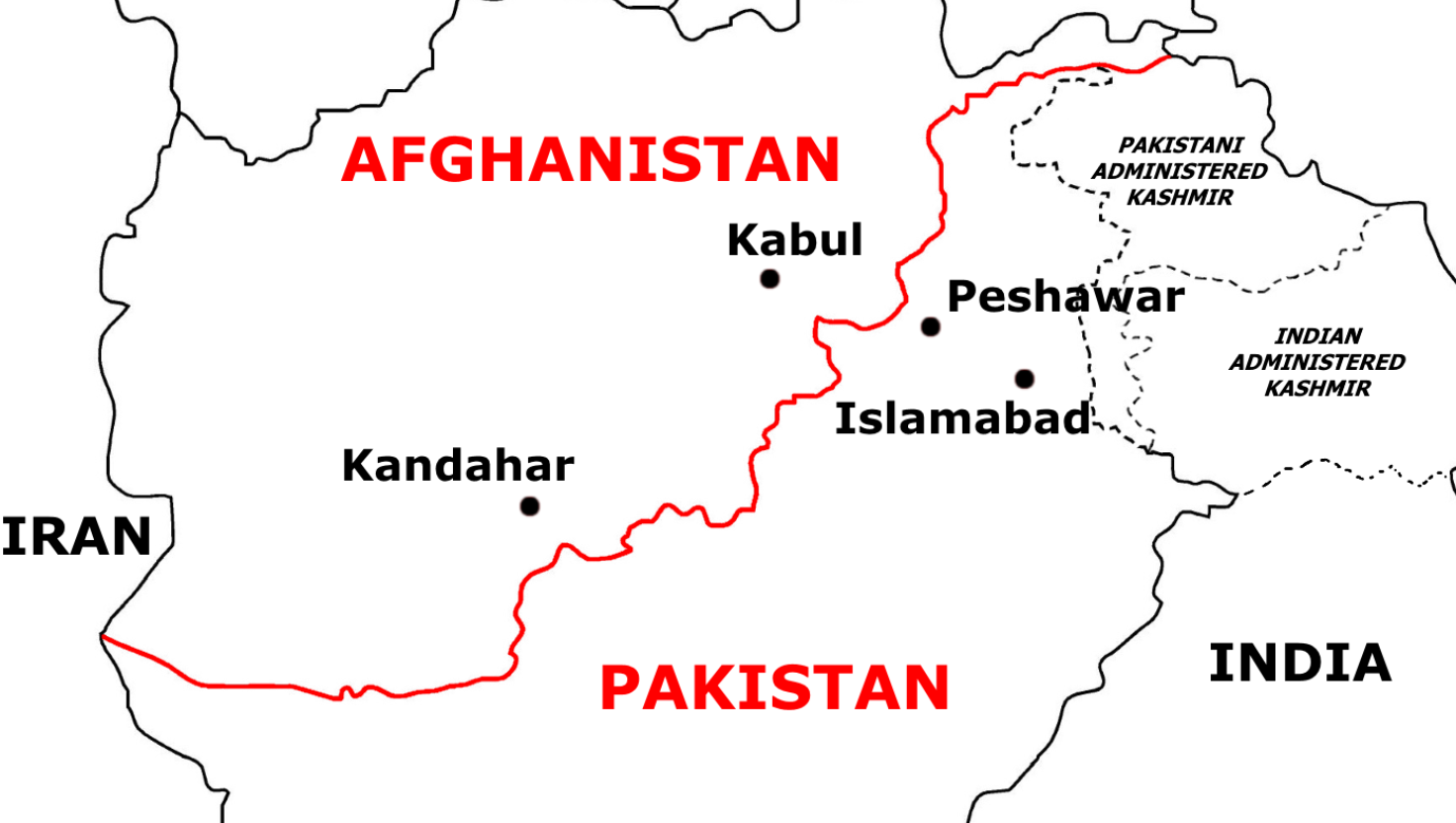
The Durand Line, a disputed 2,640 km border between Afghanistan and Pakistan, divides Pashtun tribes and fuels regional tensions.
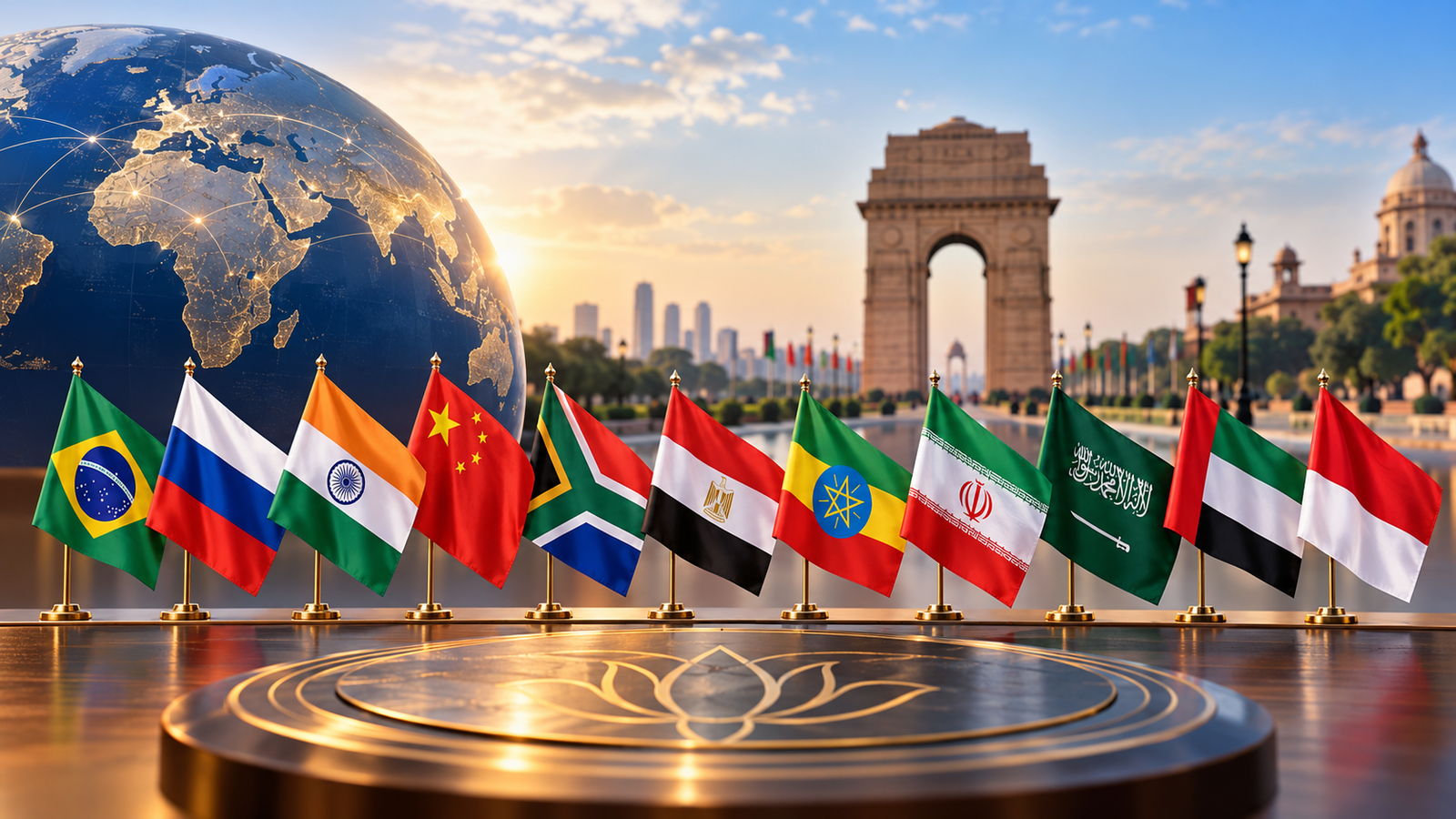
BRICS 2026: Explore the 18th BRICS Summit in New Delhi,
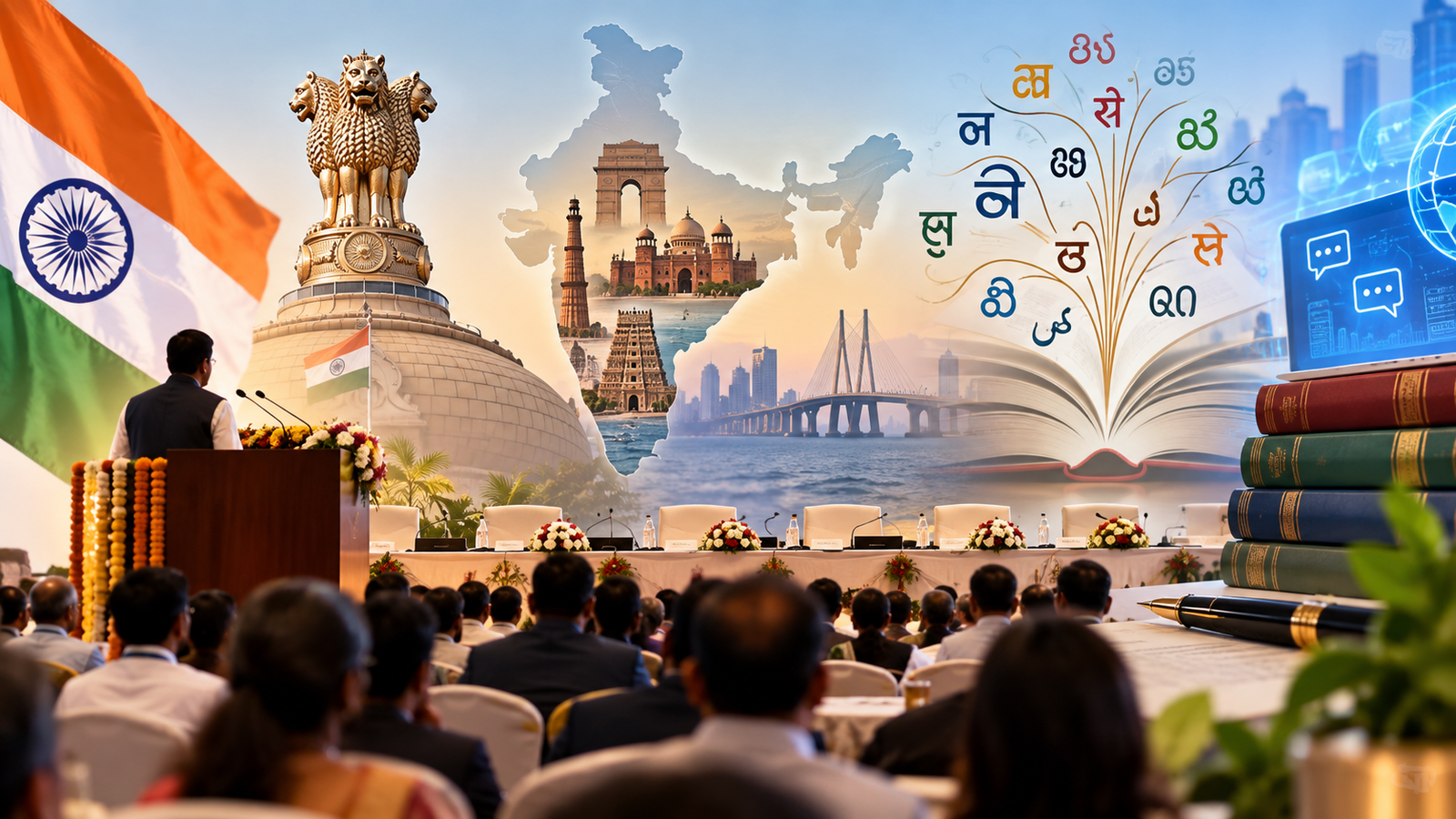
6th All India Official Language Conference 2026 in Navi Mumbai:
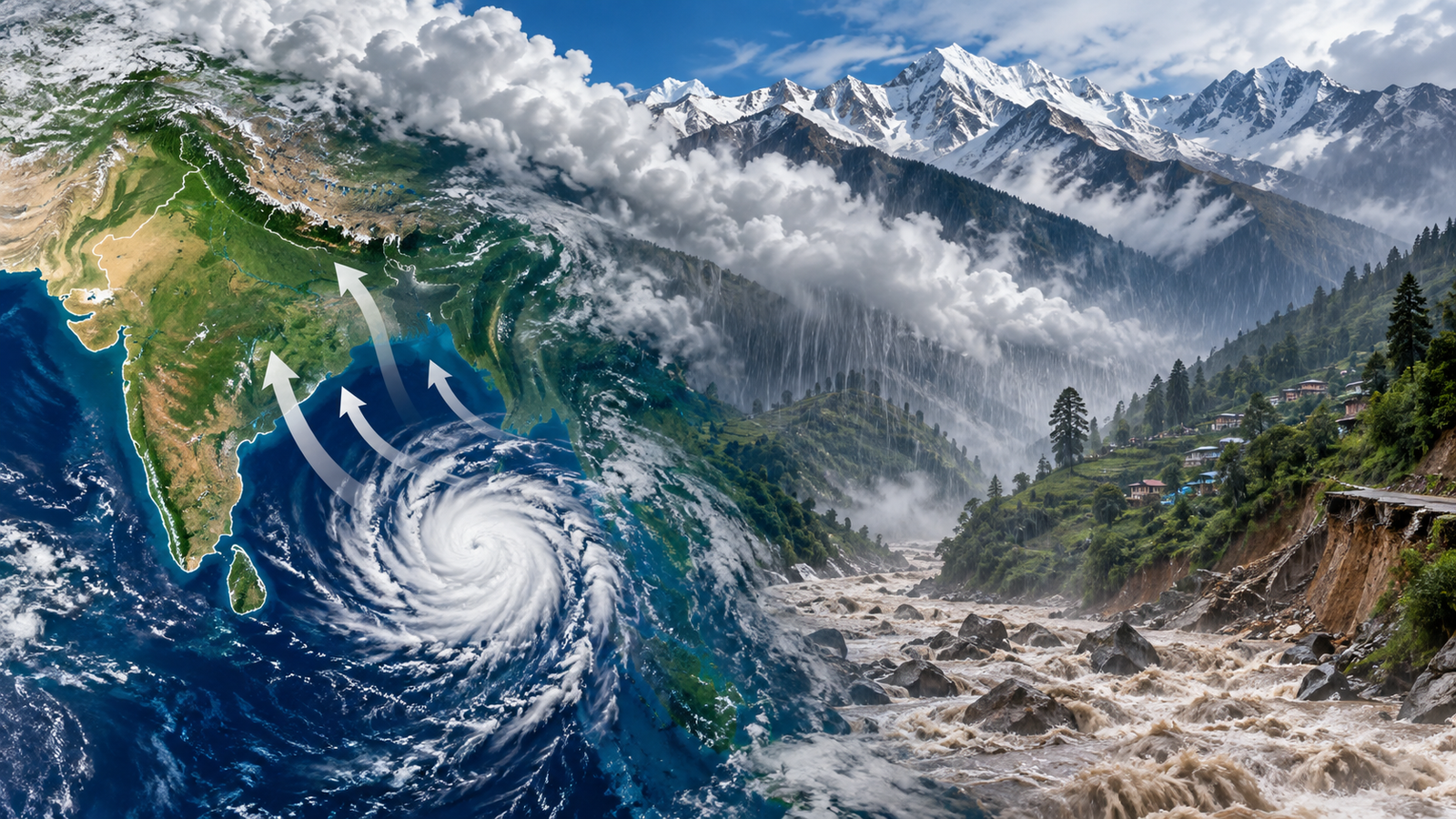
Discover how Bay of Bengal low-pressure systems shape India’s monsoon,

Explore the constitutional evolution of India from East India Company

Yojana June 2026 explores India’s journey towards a Naxal-free Bharat,
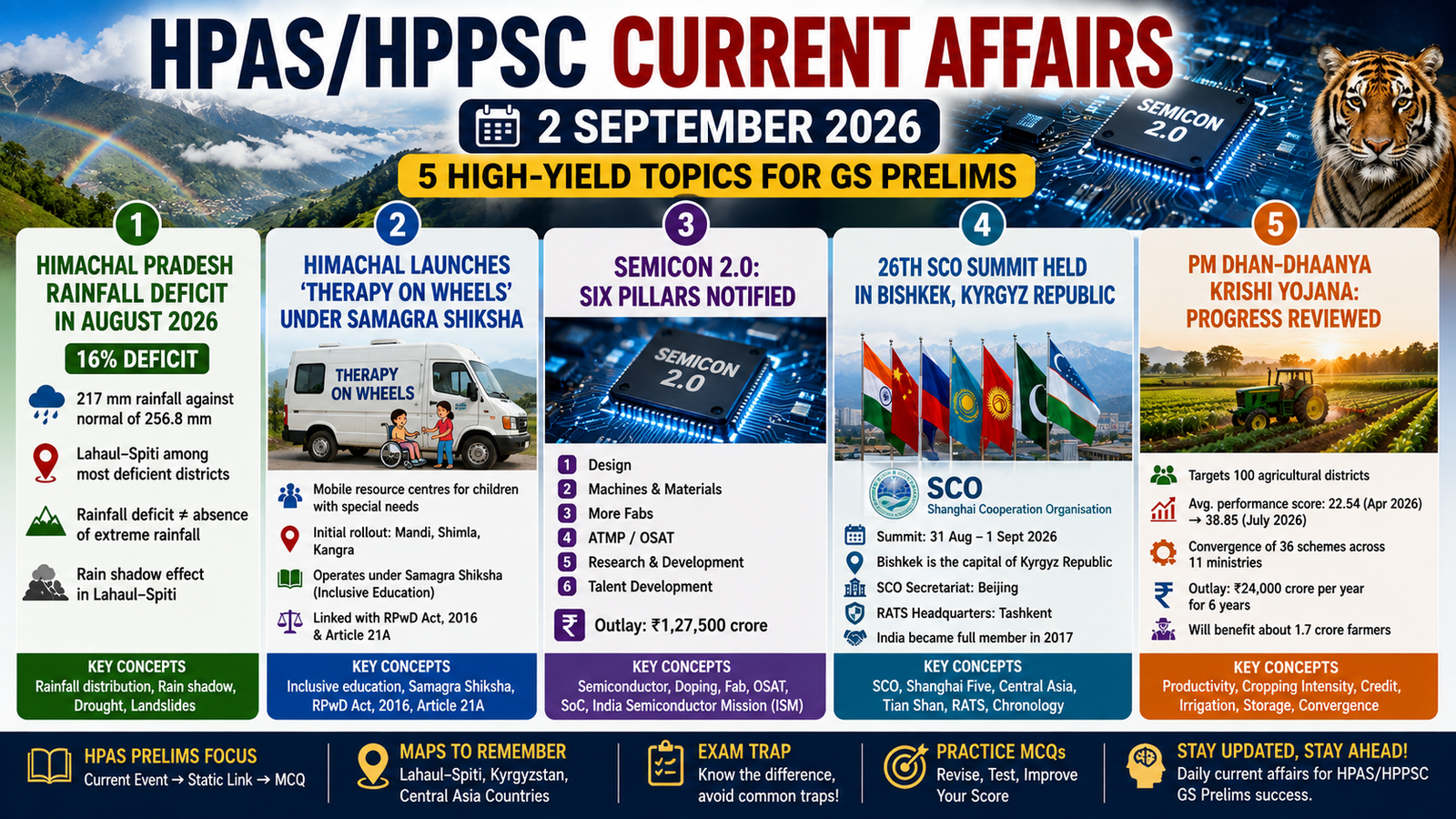
HPAS/HPPSC Current Affairs 2 September 2026: Himachal rainfall deficit, Therapy