
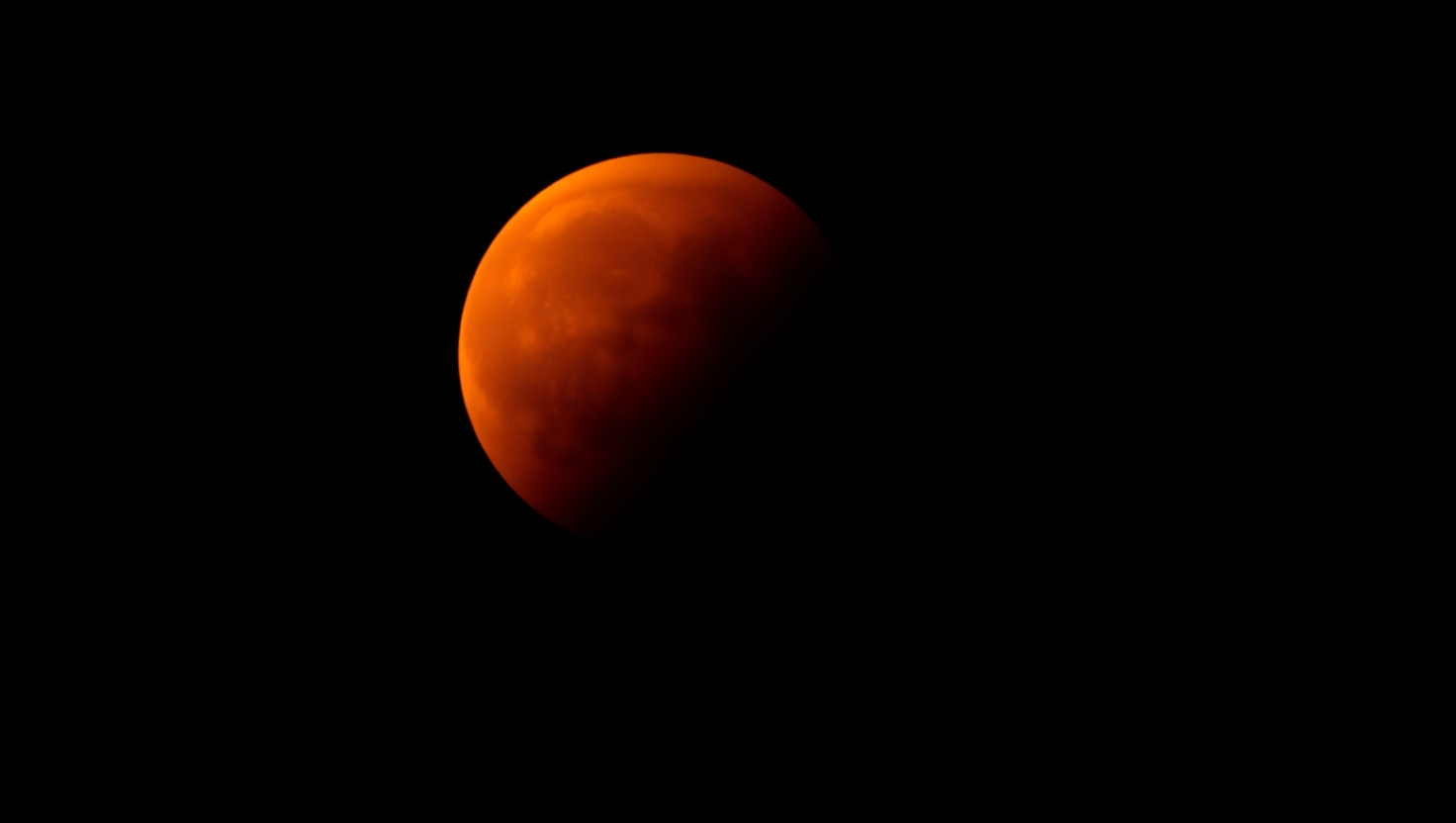
Lunar Eclipse :the Blood Moon
A Blood Moon occurs when Earth’s shadow makes the moon appear red by bending sunlight through the atmosphere during a lunar eclipse.
A Blood Moon occurs when Earth’s shadow makes the moon appear red by bending sunlight through the atmosphere during a lunar eclipse.
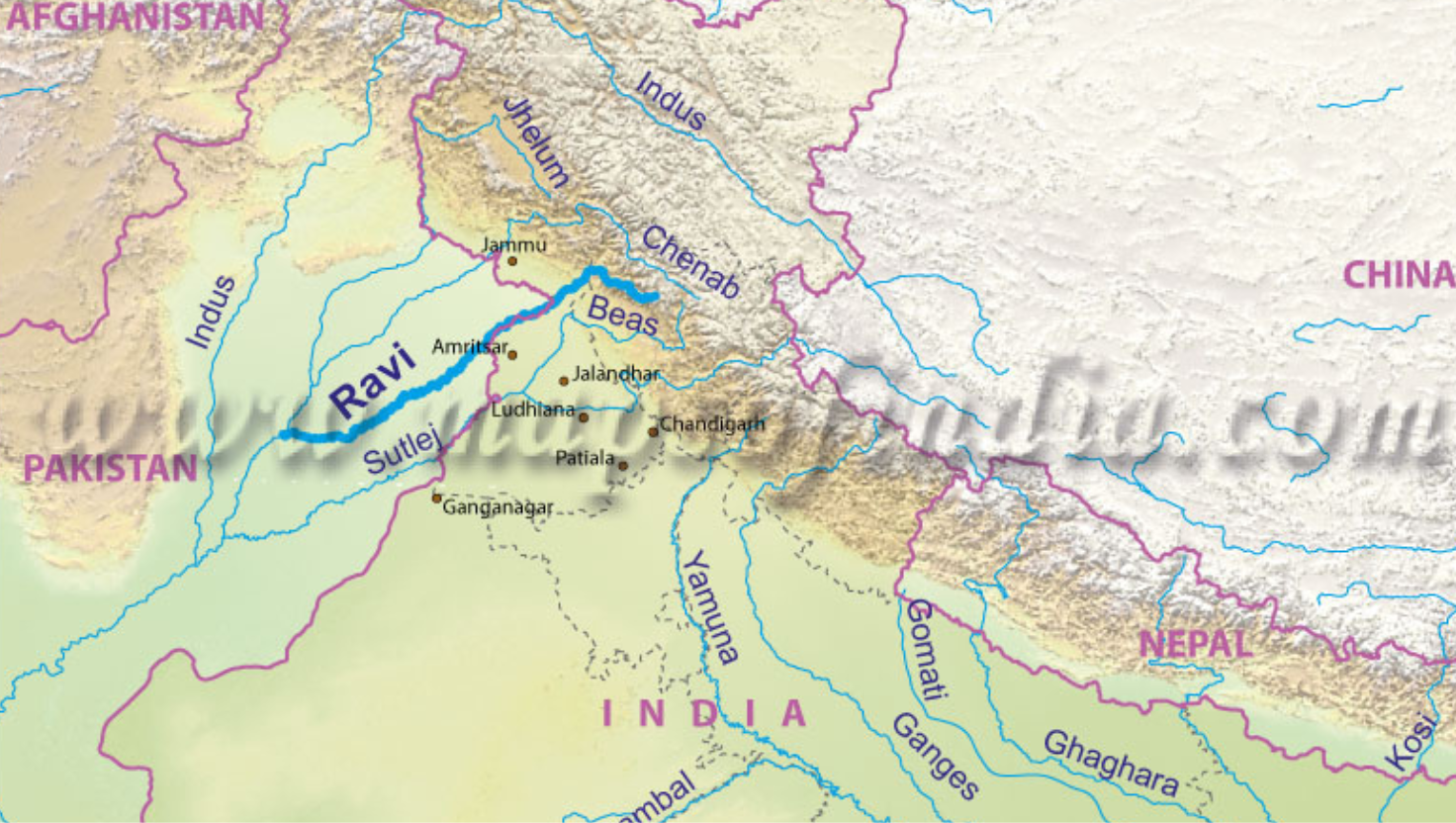
The Ravi River, an eastern Indus basin river, flows through India and Pakistan, supporting irrigation, hydropower, and Sikh cultural heritage.
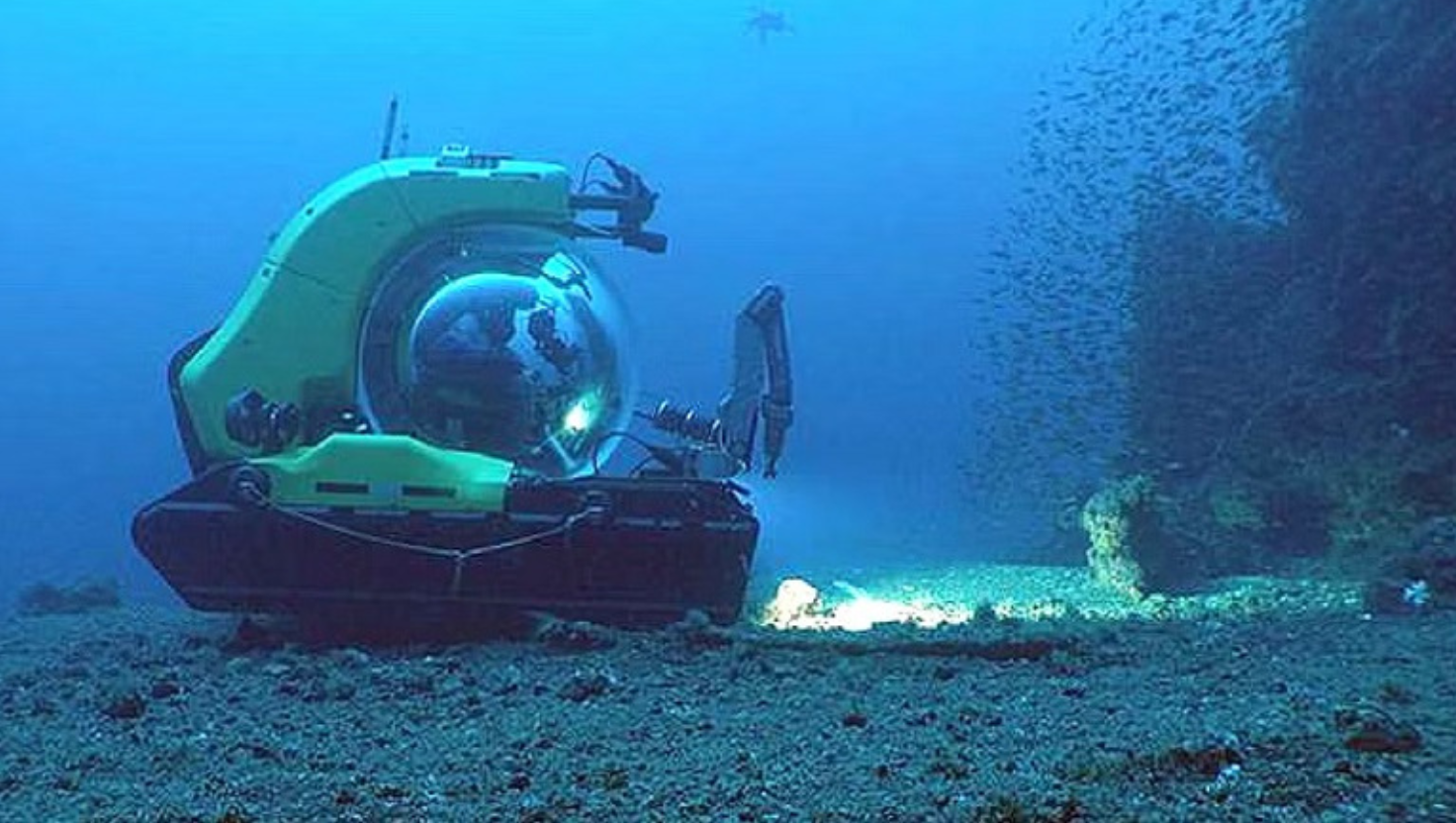
The National Deep Water Exploration Mission aims to boost offshore oil and gas discovery in the Andaman Sea and Andhra coast, reducing import dependence and strengthening India’s energy security.

Odisha and Chhattisgarh agree to resolve the Mahanadi River water dispute through dialogue, marking a shift towards cooperative federalism.
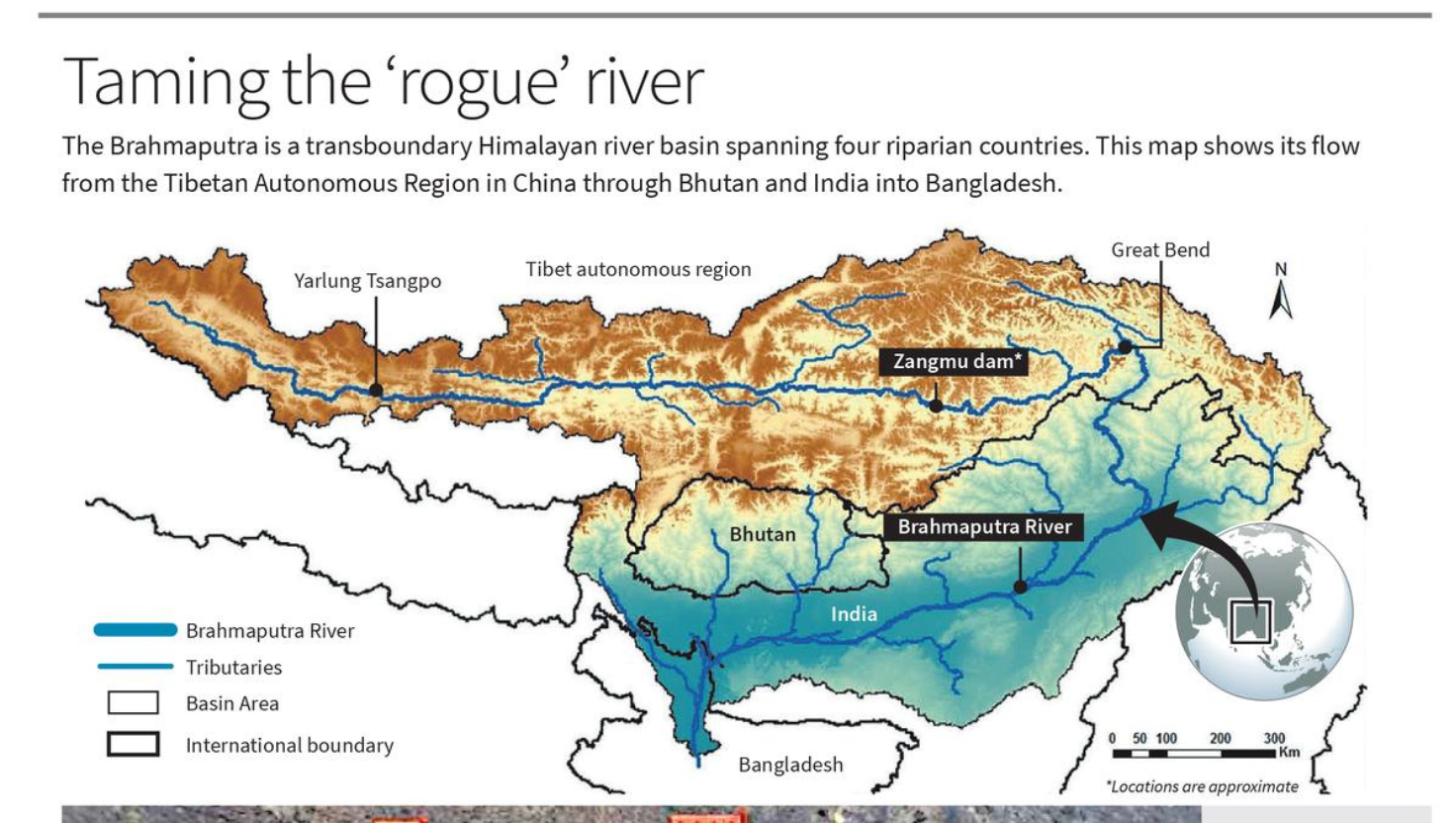
China’s Medog Dam on the Brahmaputra raises ecological, geopolitical, and strategic concerns for India, highlighting risks to downstream regions.
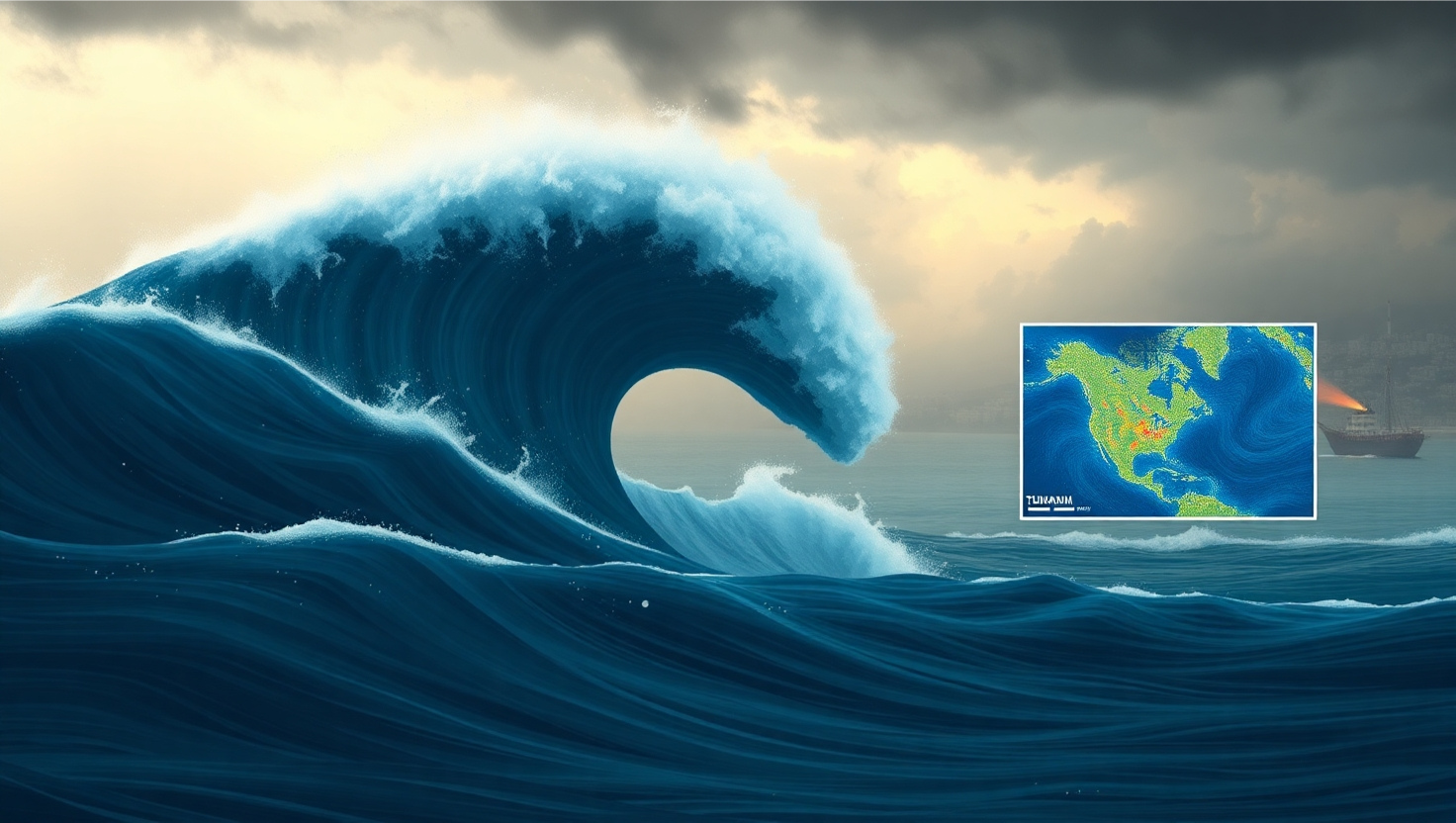
Tsunamis are high-speed sea waves caused by undersea disturbances, posing major threats to coastal areas. India has a robust early warning system in place.

Mahisagar River is a rare west-flowing river that crosses the Tropic of Cancer twice, vital to western India’s ecology, culture, and water systems.

Ecologist Madhav Gadgil has called for a community-led conservation model for the Western Ghats, highlighting failures in forest governance and poor implementation of the Forest Rights Act (FRA), 2006.
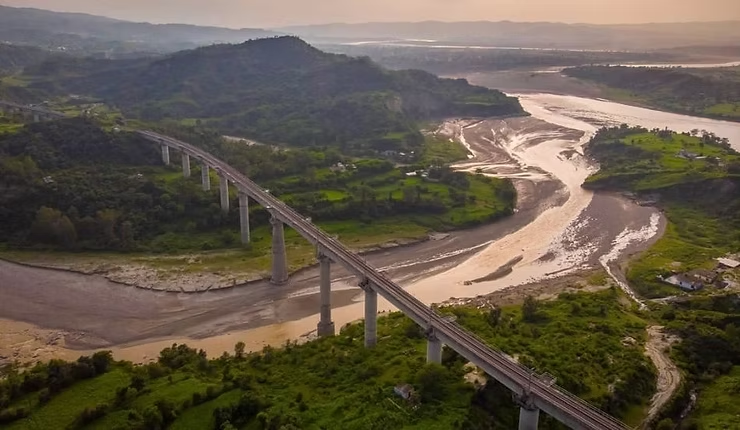
Tawi River, originating from Kailash Kund glacier, is Jammu’s lifeline and a Chenab tributary, vital for water supply, culture, and tourism.
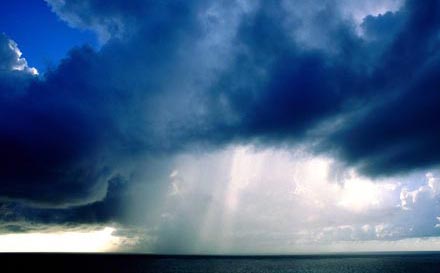
Cloudburst in Himachal Pradesh Syllabus: Geography | Disaster ManagementSource: The Indian Express Why In News: Cloudburst Recent cloudbursts in Kangra and Kullu districts of Himachal Pradesh triggered severe flash floods, resulting in two deaths and over a dozen missing. What is a Cloudburst? Conditions Favouring Cloudbursts: How Do Cloudbursts Occur? Consequences of Cloudbursts: On Disasters: On People: On the Environment: Measures to Manage Cloudburst Risks: National Guidelines: Technological Upgrades: Local Capacity Building: Climate Action: Recent Cloudburst Incidents in India Location
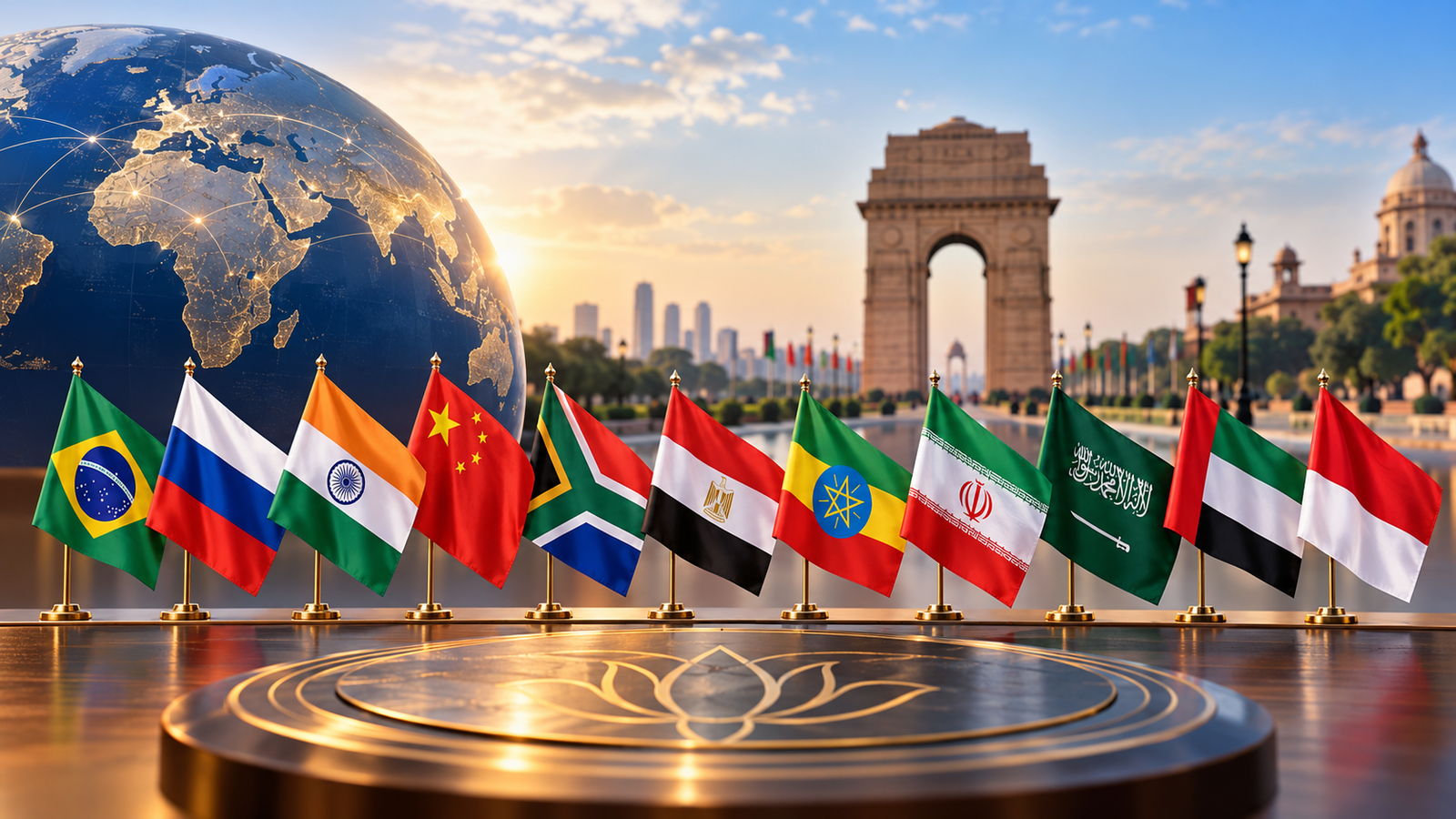
BRICS 2026: Explore the 18th BRICS Summit in New Delhi,
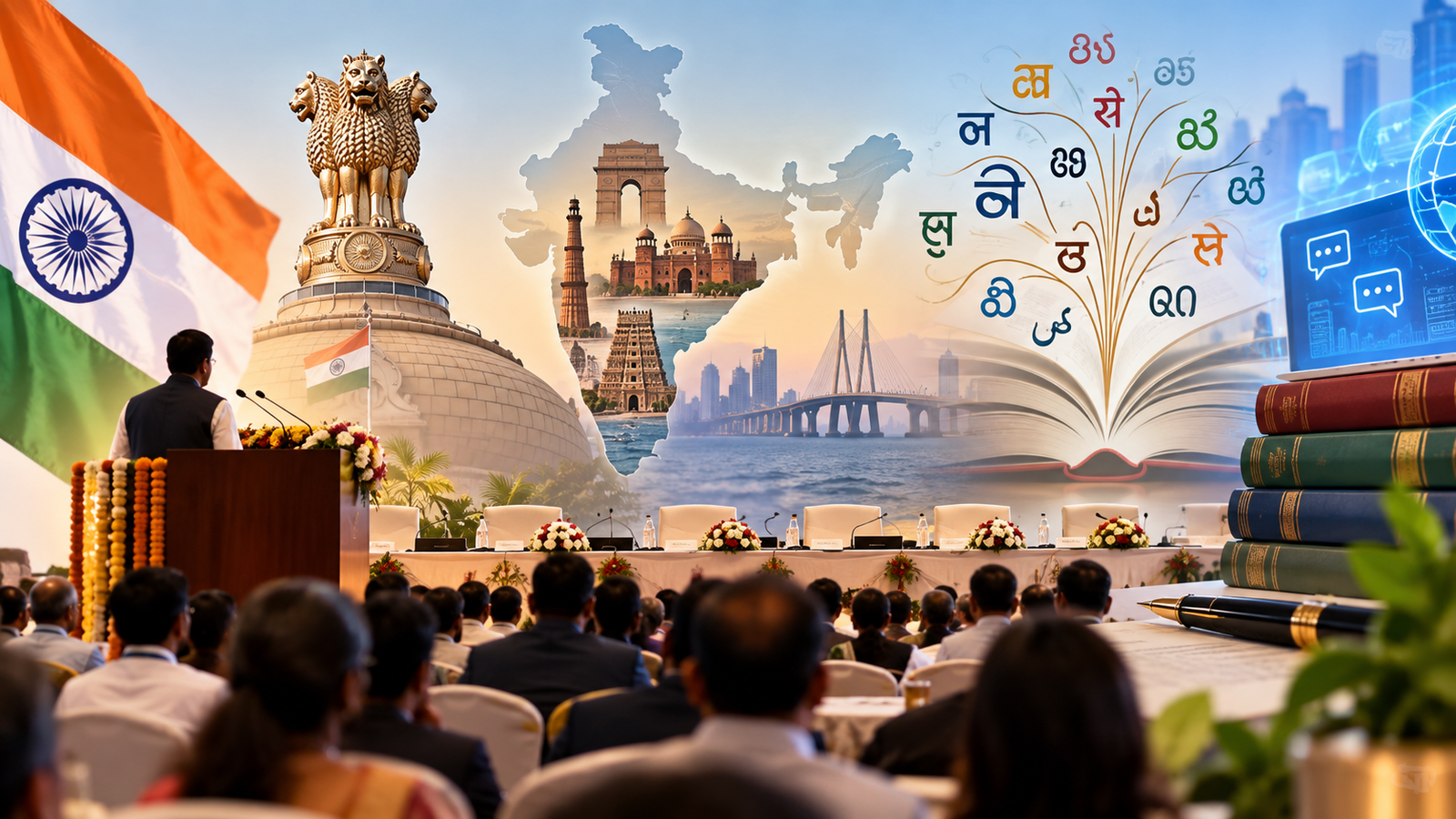
6th All India Official Language Conference 2026 in Navi Mumbai:
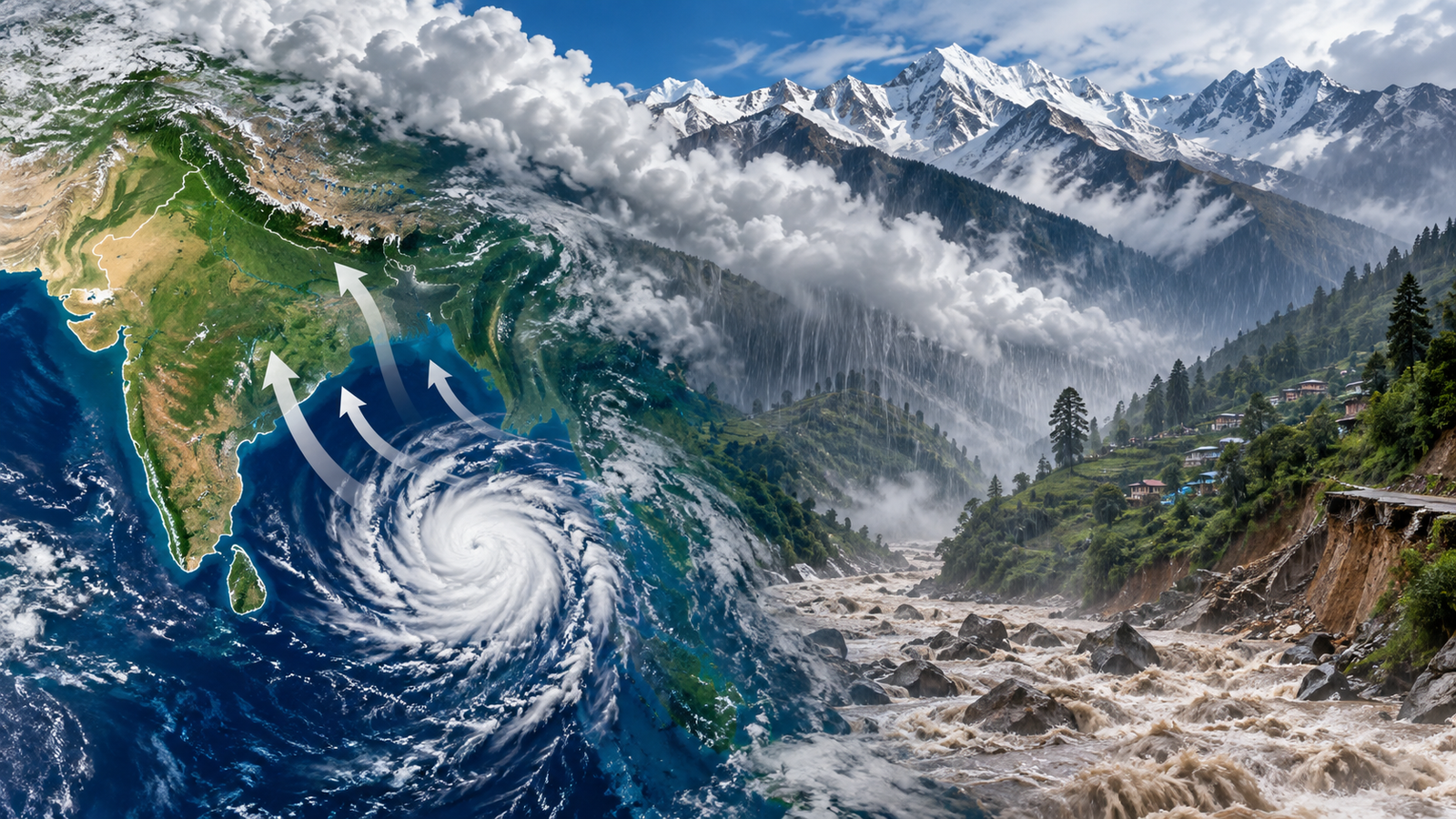
Discover how Bay of Bengal low-pressure systems shape India’s monsoon,
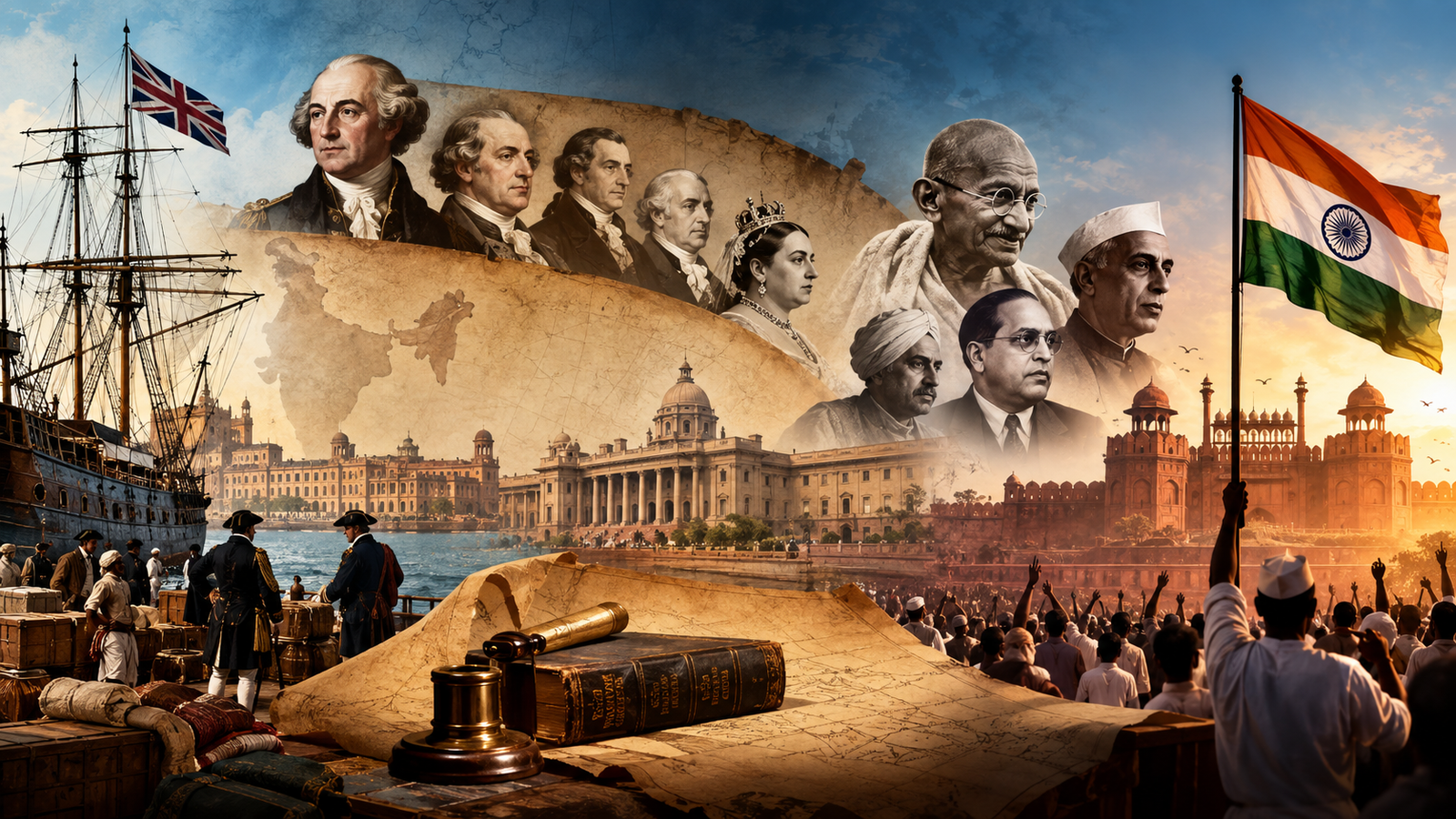
Explore the constitutional evolution of India from East India Company

Yojana June 2026 explores India’s journey towards a Naxal-free Bharat,
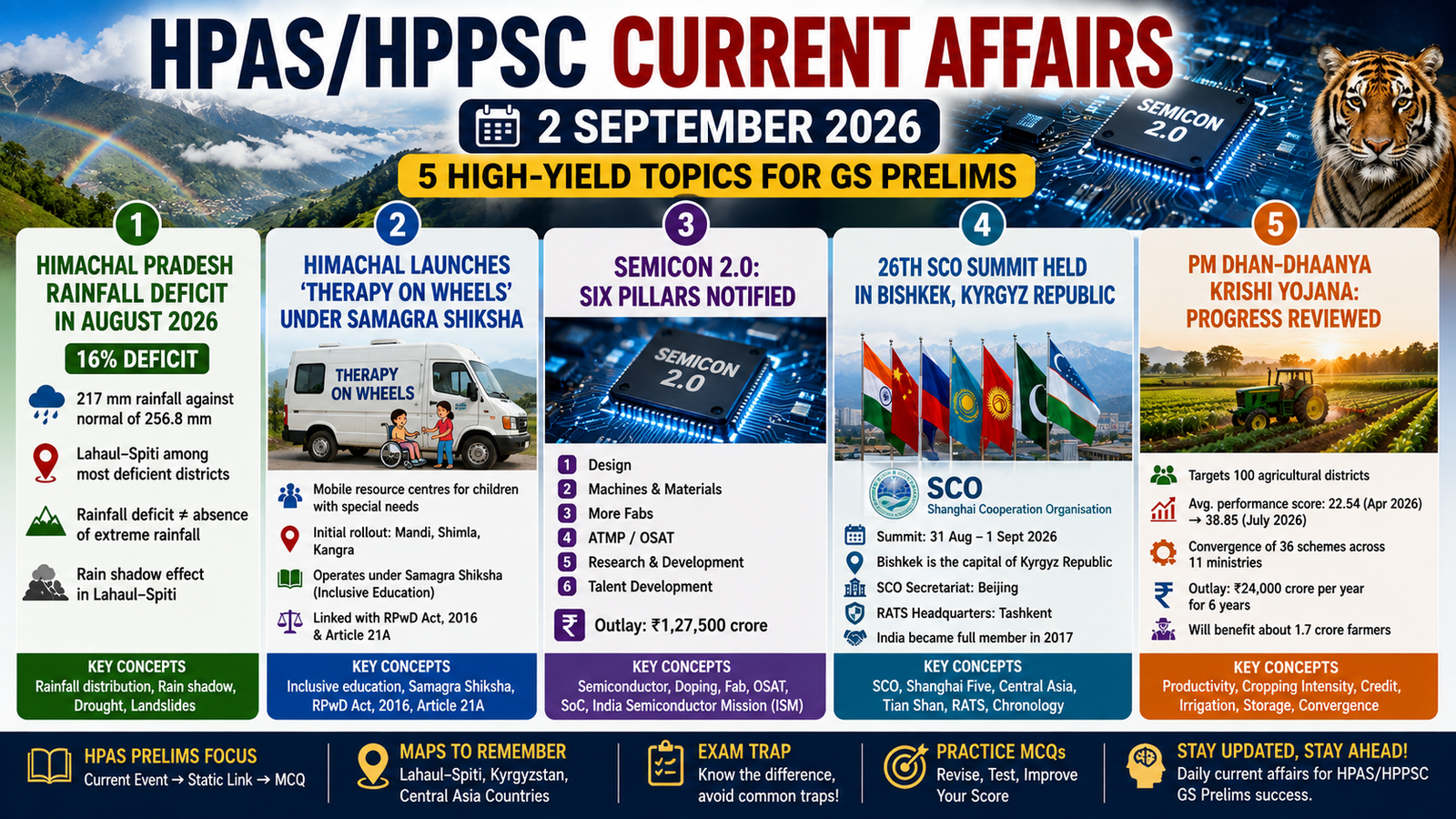
HPAS/HPPSC Current Affairs 2 September 2026: Himachal rainfall deficit, Therapy