

India’s First Indigenous 1 MW Green Hydrogen Plant Commissioned
India commissioned its first 1 MW Green Hydrogen plant at Kandla Port to boost clean maritime energy under the National Green Hydrogen Mission.
India commissioned its first 1 MW Green Hydrogen plant at Kandla Port to boost clean maritime energy under the National Green Hydrogen Mission.
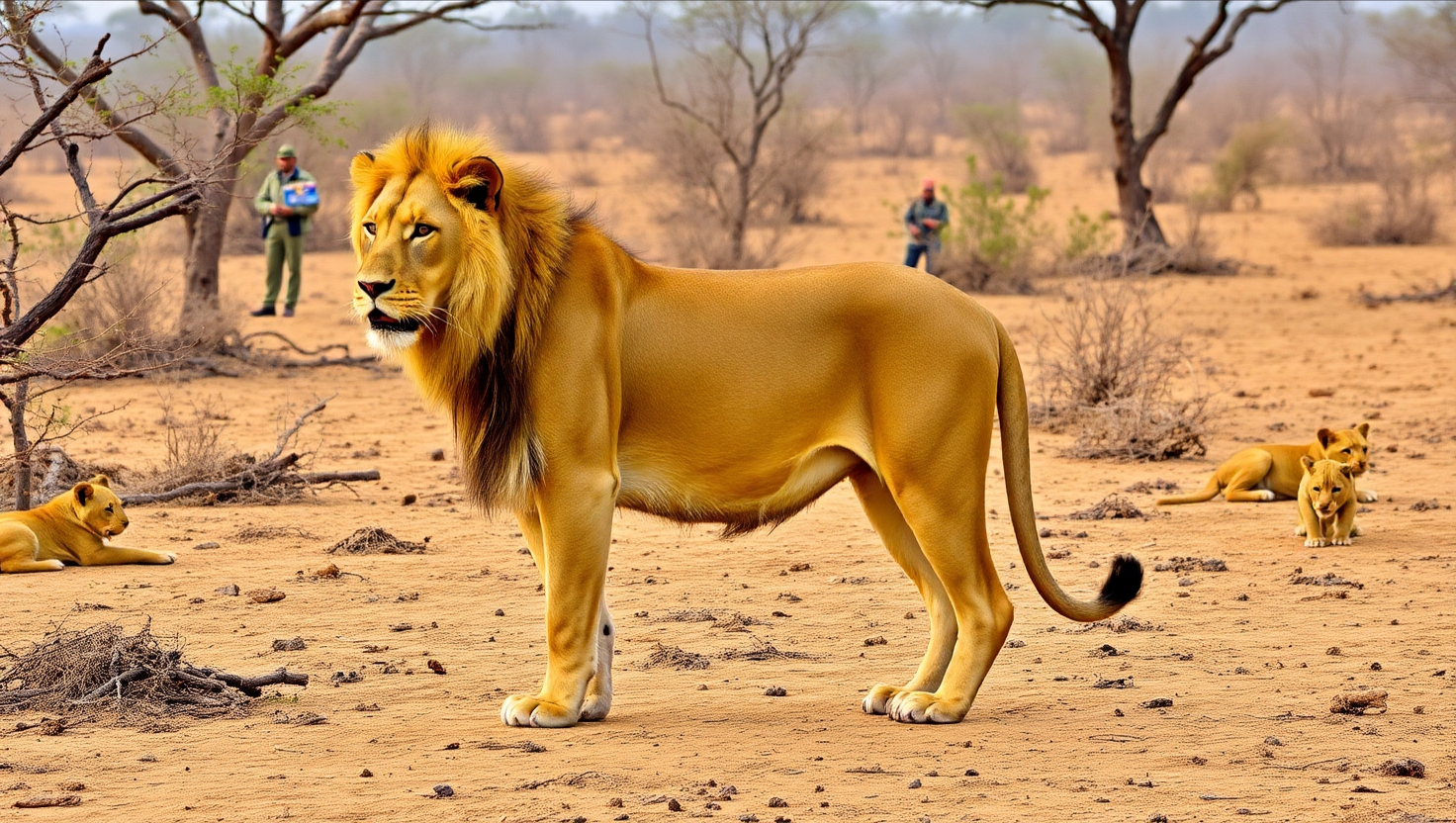
Despite population growth, Asiatic lion cub mortality in Gir highlights urgent conservation and veterinary care challenges.
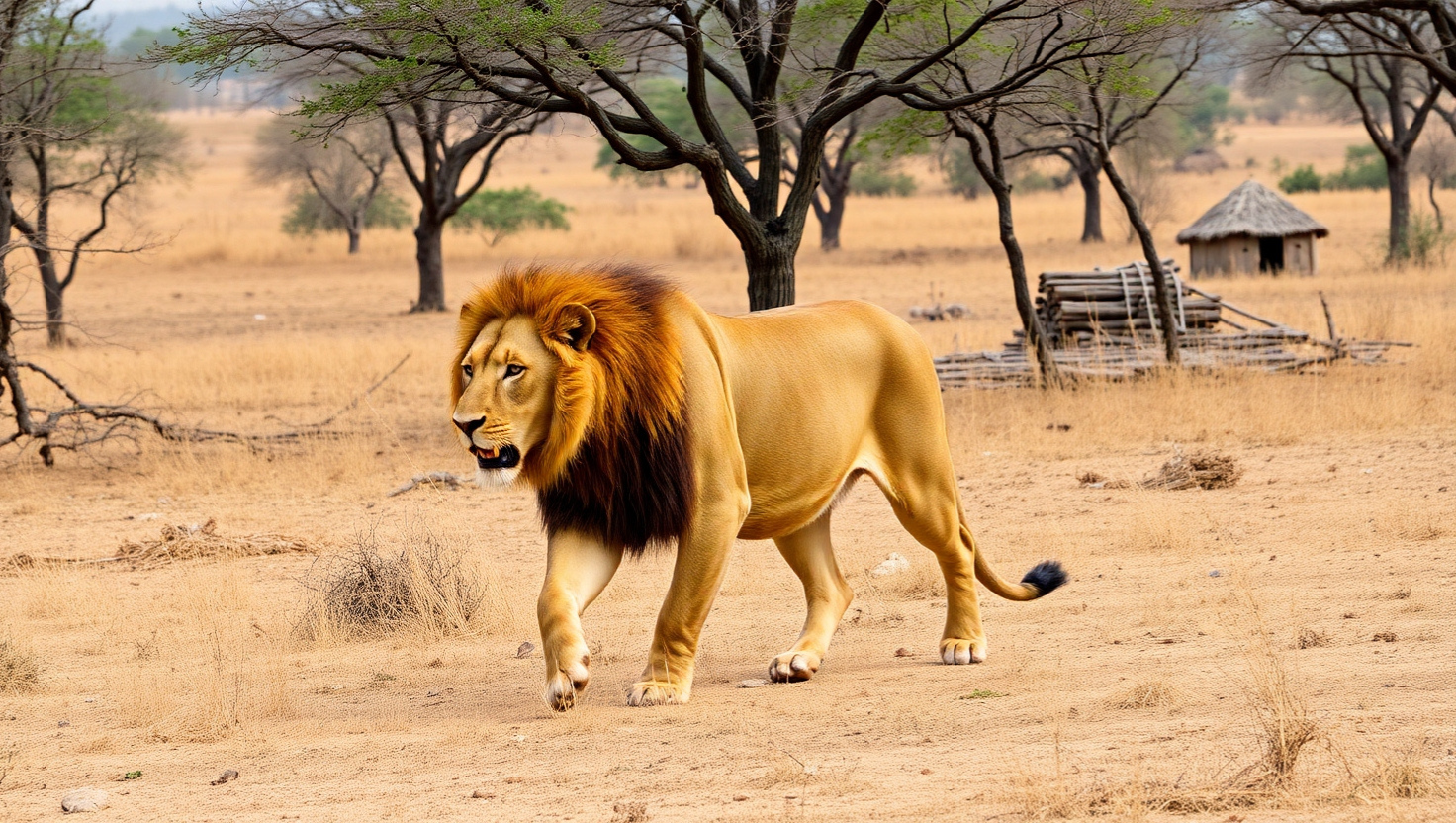
India’s Gir National Park safeguards the last wild population of Asiatic lions amidst growing environmental pressures.
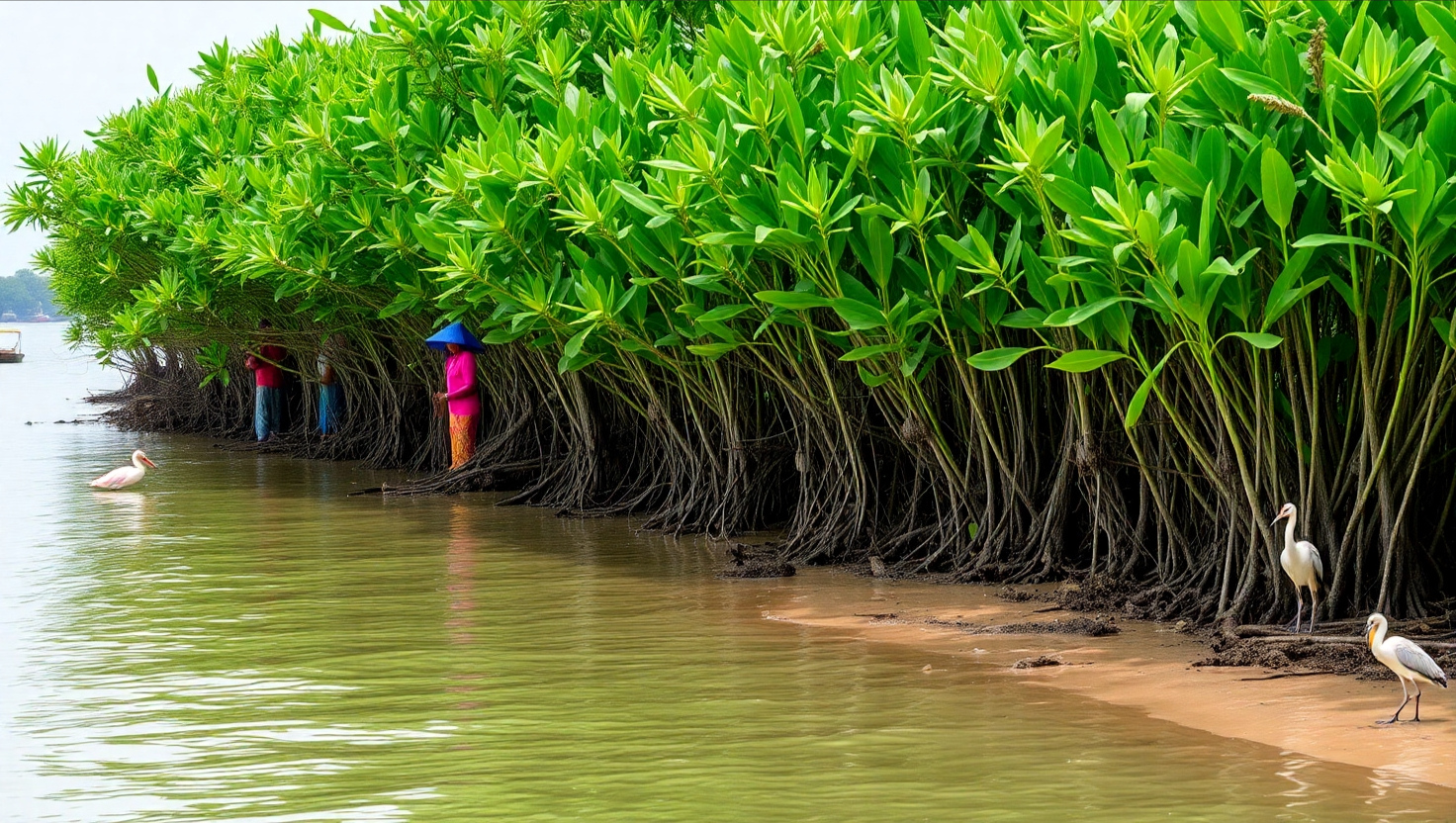
India’s mangrove restoration efforts are boosting biodiversity, protecting shores, and empowering coastal communities.
Mount Cilo in Turkey has lost over 50% of its glacier cover in 40 years due to climate change, with rising heatwaves and reduced rainfall accelerating the melt.
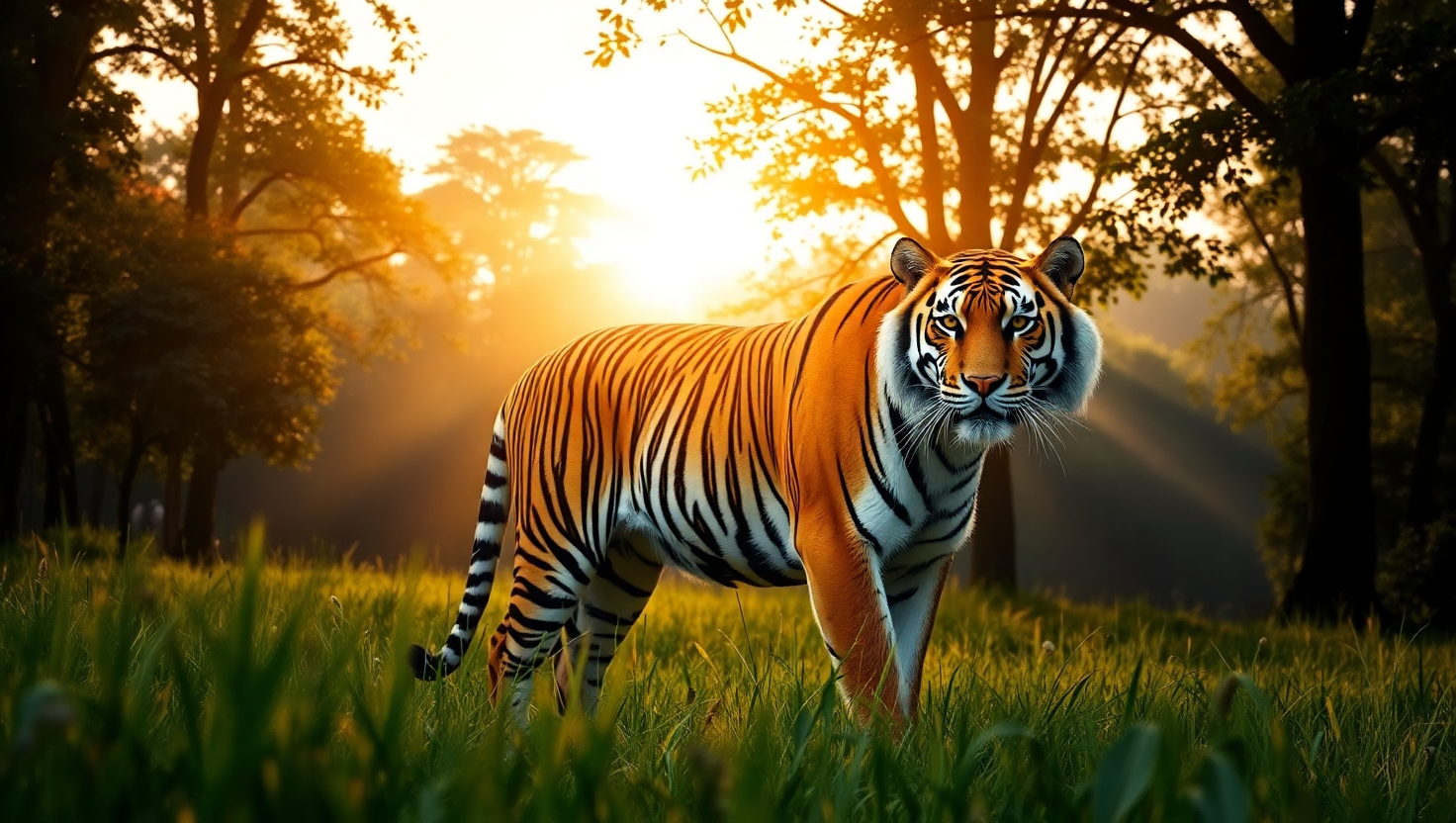
India celebrates International Tiger Day 2025, hosting 75% of the world’s wild tigers and leading global efforts in tiger conservation.
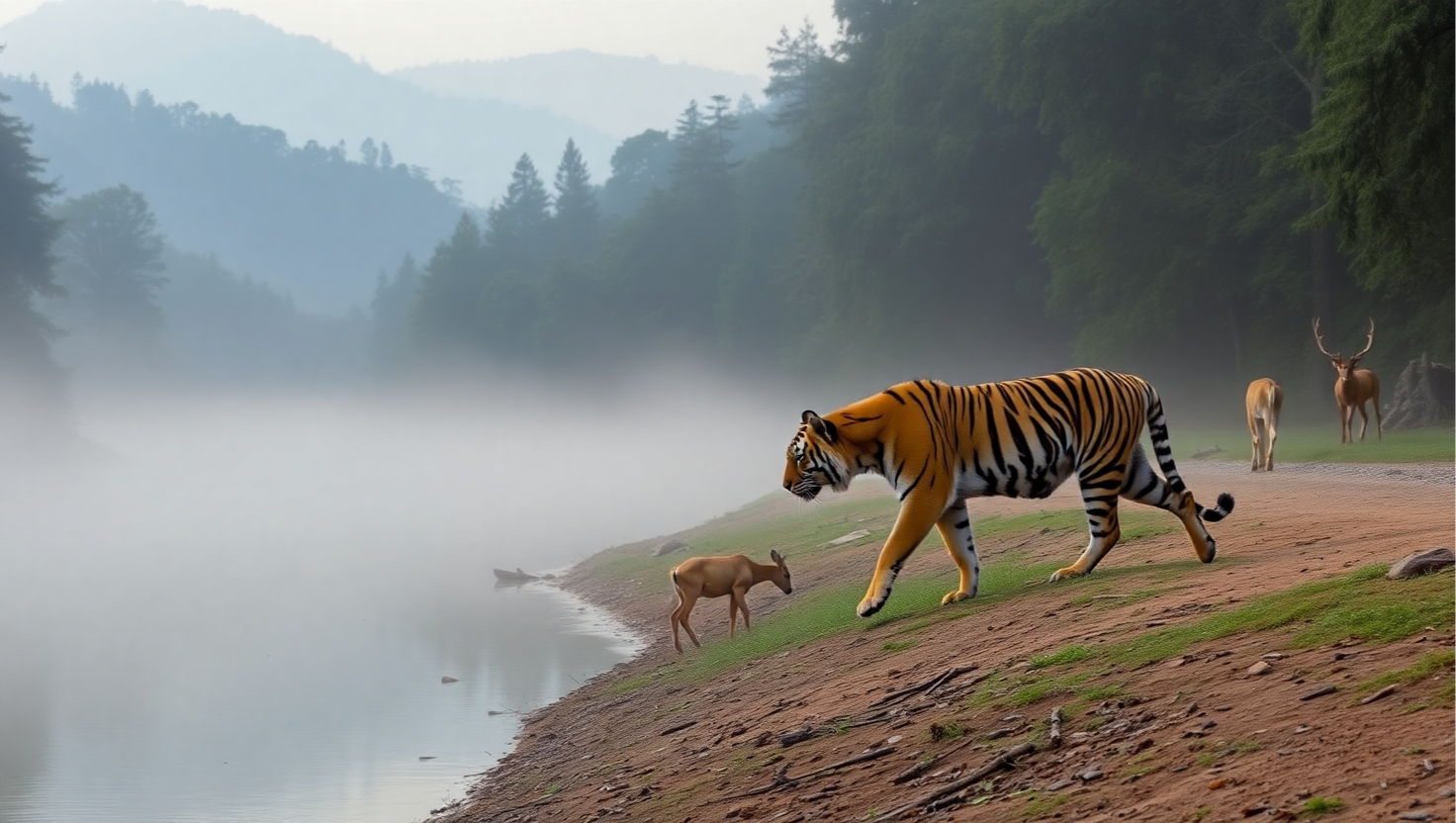
Corbett Tiger Reserve in Uttarakhand, India’s first national park, is a key habitat for tigers, elephants, and diverse Himalayan wildlife.
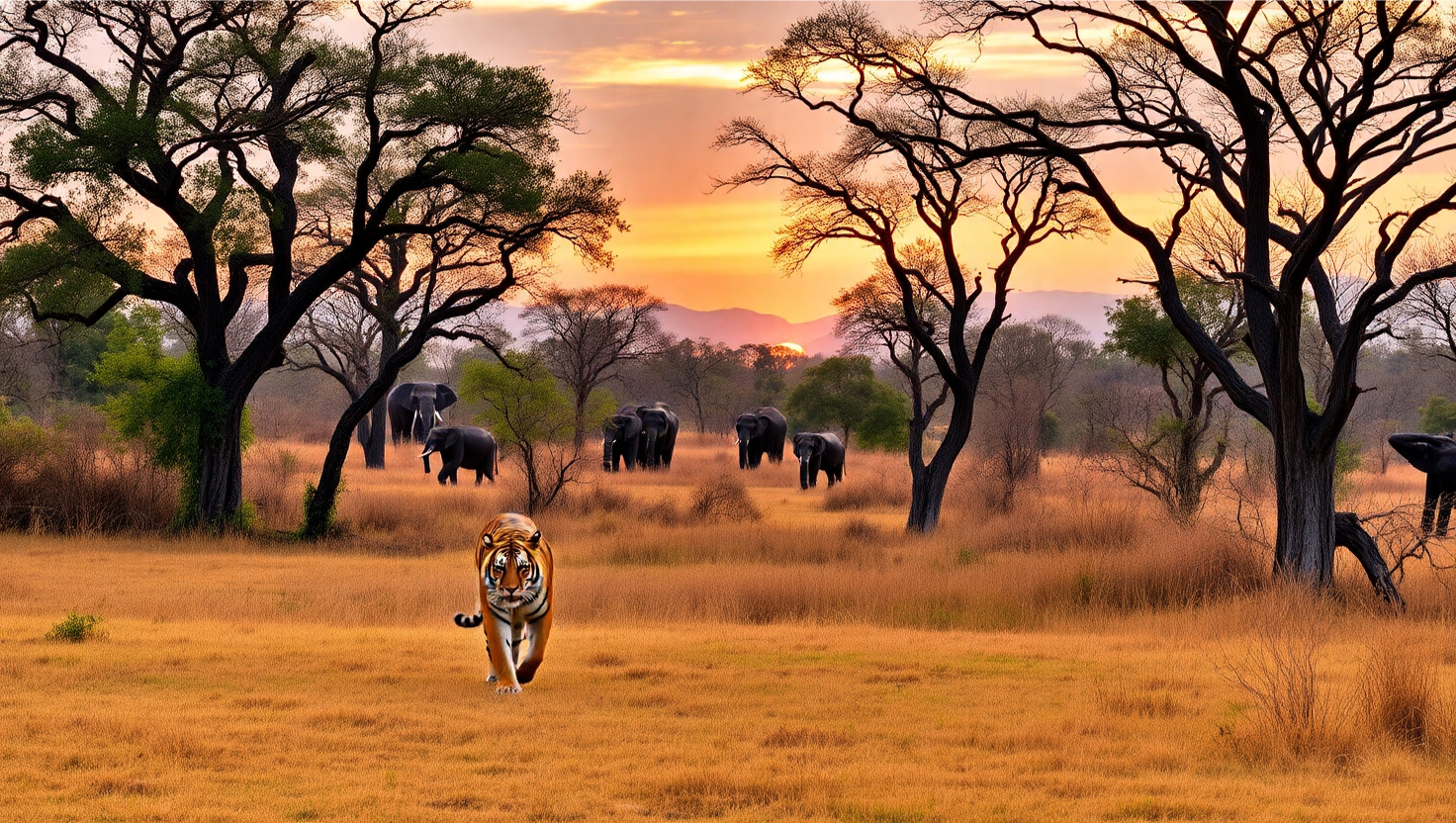
Bandipur National Park in Karnataka is a key tiger and elephant habitat, known for its rich biodiversity within the Nilgiri Biosphere Reserve.
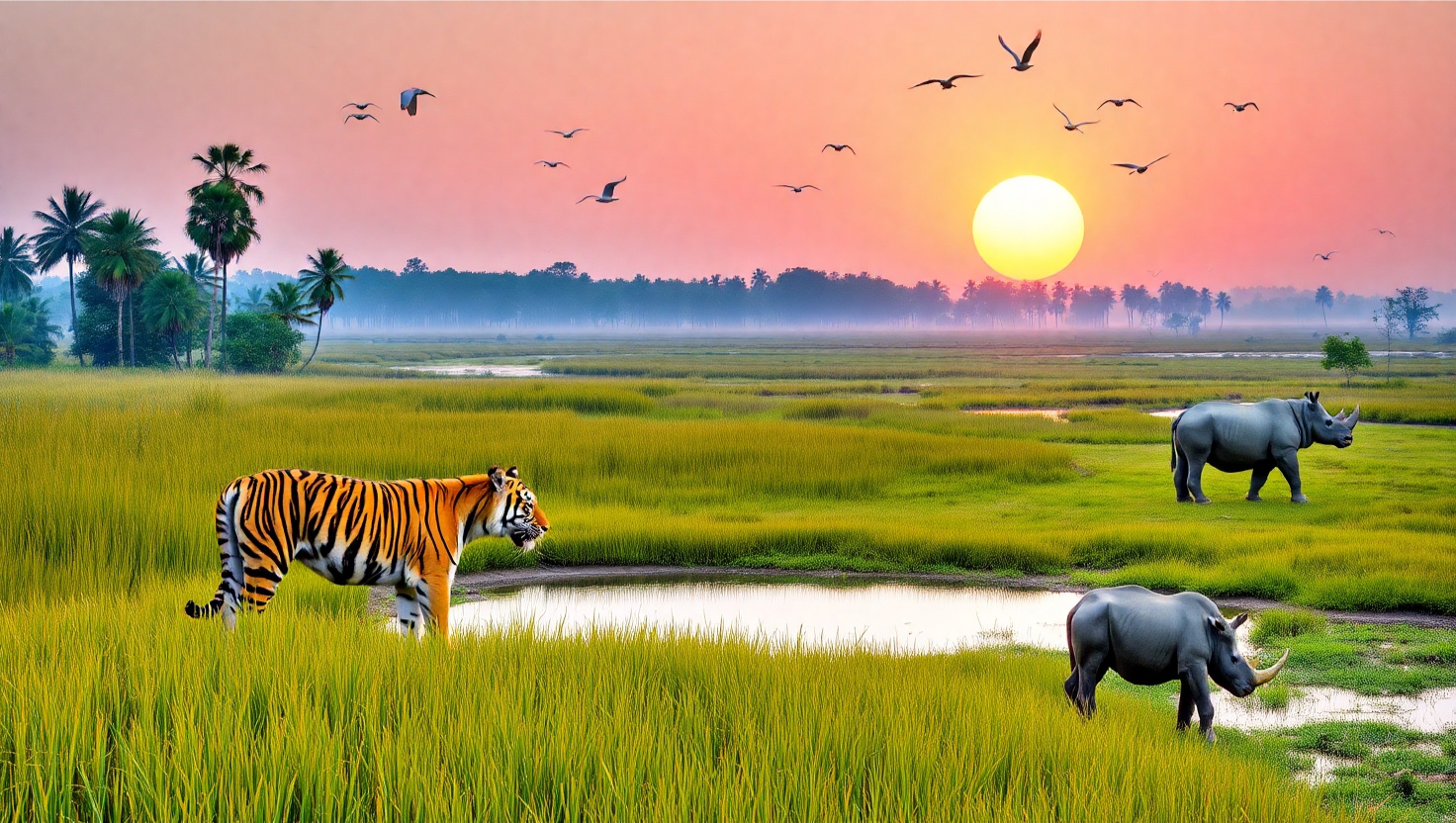
Kaziranga Tiger Reserve now ranks third in tiger density in India, reflecting successful conservation efforts and rising predator populations.
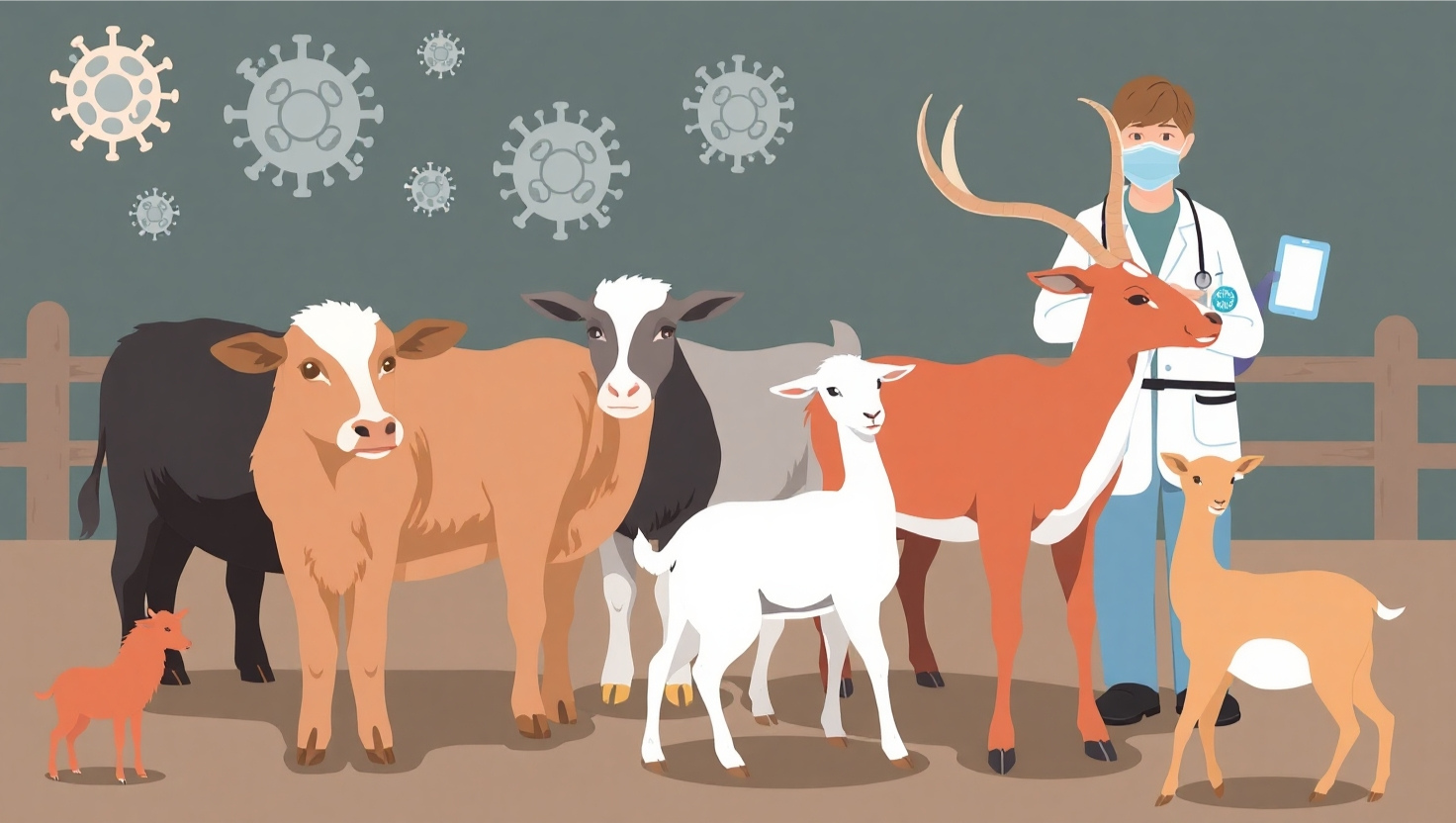
Foot and Mouth Disease (FMD) caused 16 deer deaths in Pune Zoo, highlighting the need for strong veterinary surveillance and vaccination drives.

BRICS 2026: Explore the 18th BRICS Summit in New Delhi,

6th All India Official Language Conference 2026 in Navi Mumbai:
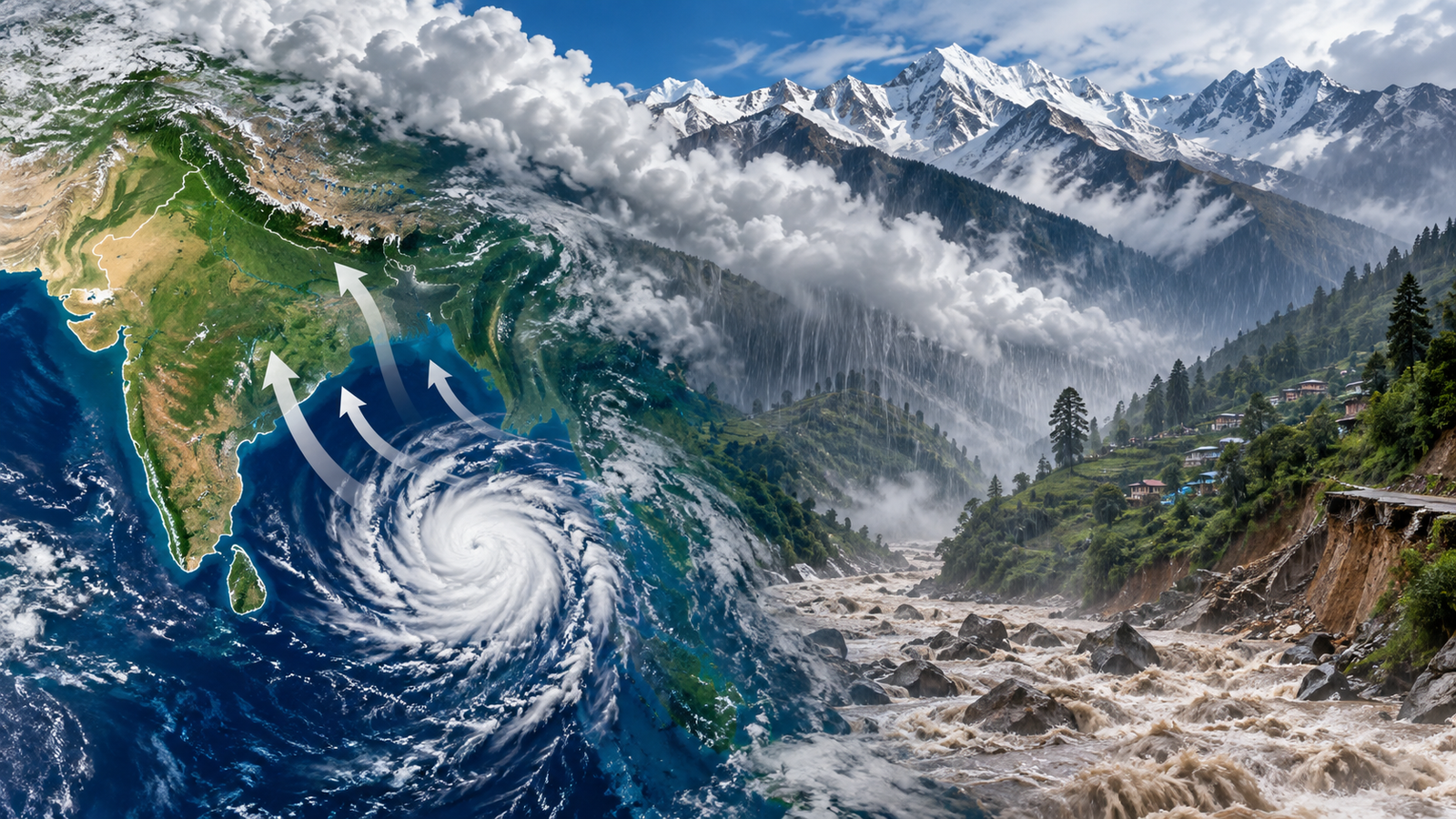
Discover how Bay of Bengal low-pressure systems shape India’s monsoon,

Explore the constitutional evolution of India from East India Company

Yojana June 2026 explores India’s journey towards a Naxal-free Bharat,

HPAS/HPPSC Current Affairs 2 September 2026: Himachal rainfall deficit, Therapy