
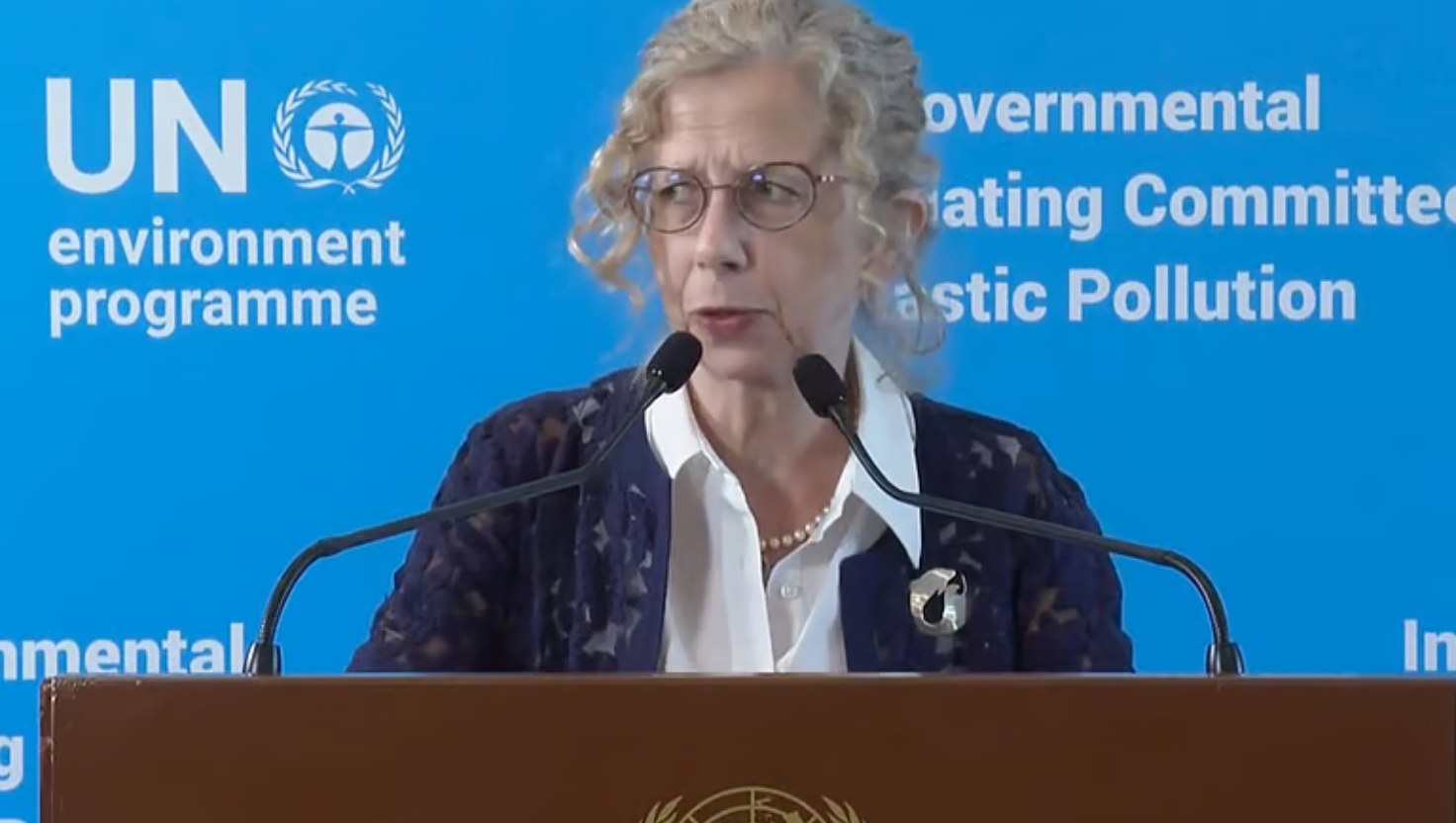
Geneva Deadlock: Stalemate in Global Plastic Treaty Talks
Global Plastic Treaty talks in Geneva ended in deadlock, with sharp divides over production cuts, finance, and binding measures on plastic pollution.
Global Plastic Treaty talks in Geneva ended in deadlock, with sharp divides over production cuts, finance, and binding measures on plastic pollution.
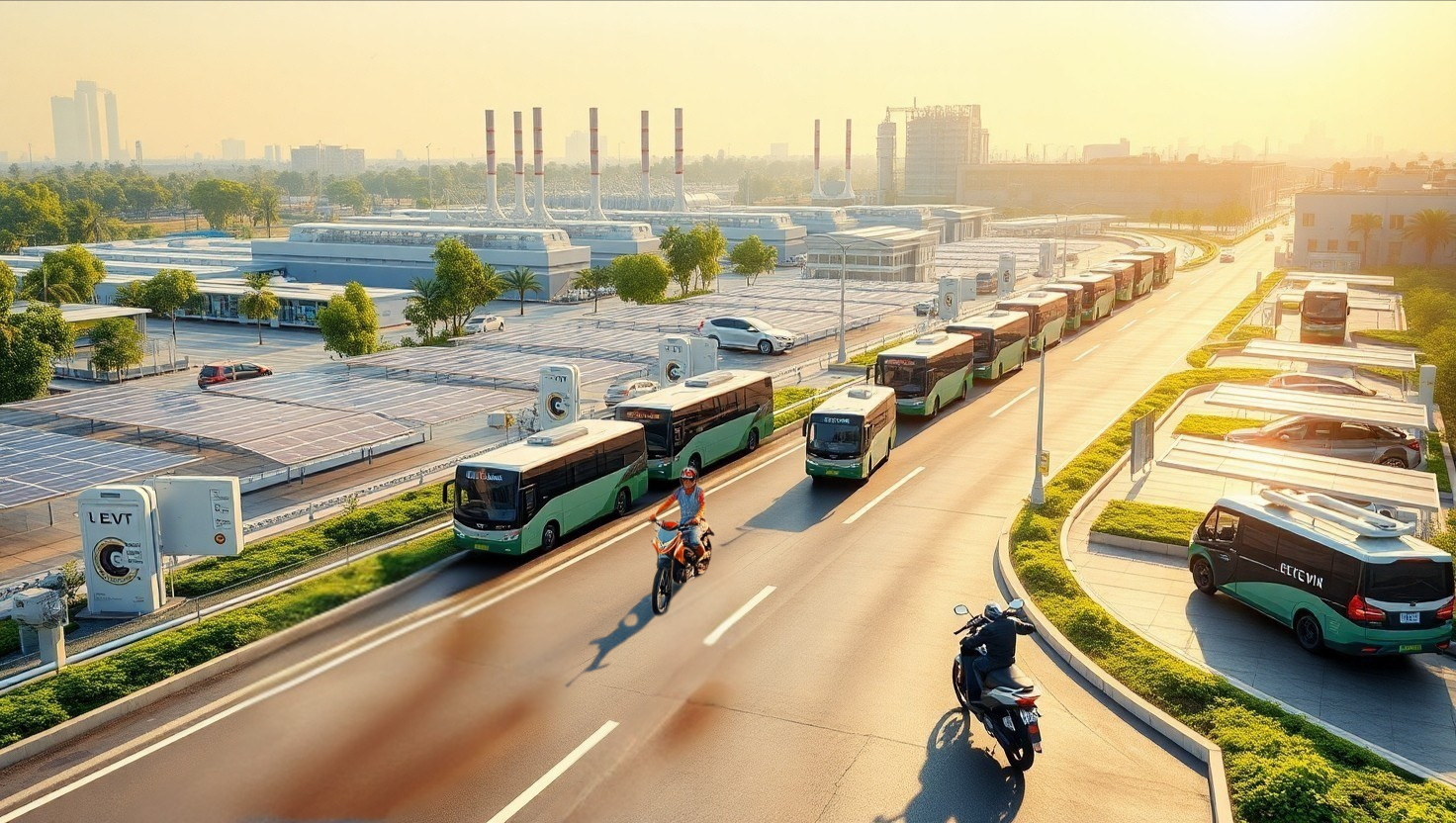
NITI Aayog projects a $200 Billion EV market in India by 2035, boosting jobs, manufacturing, clean mobility, and energy security.
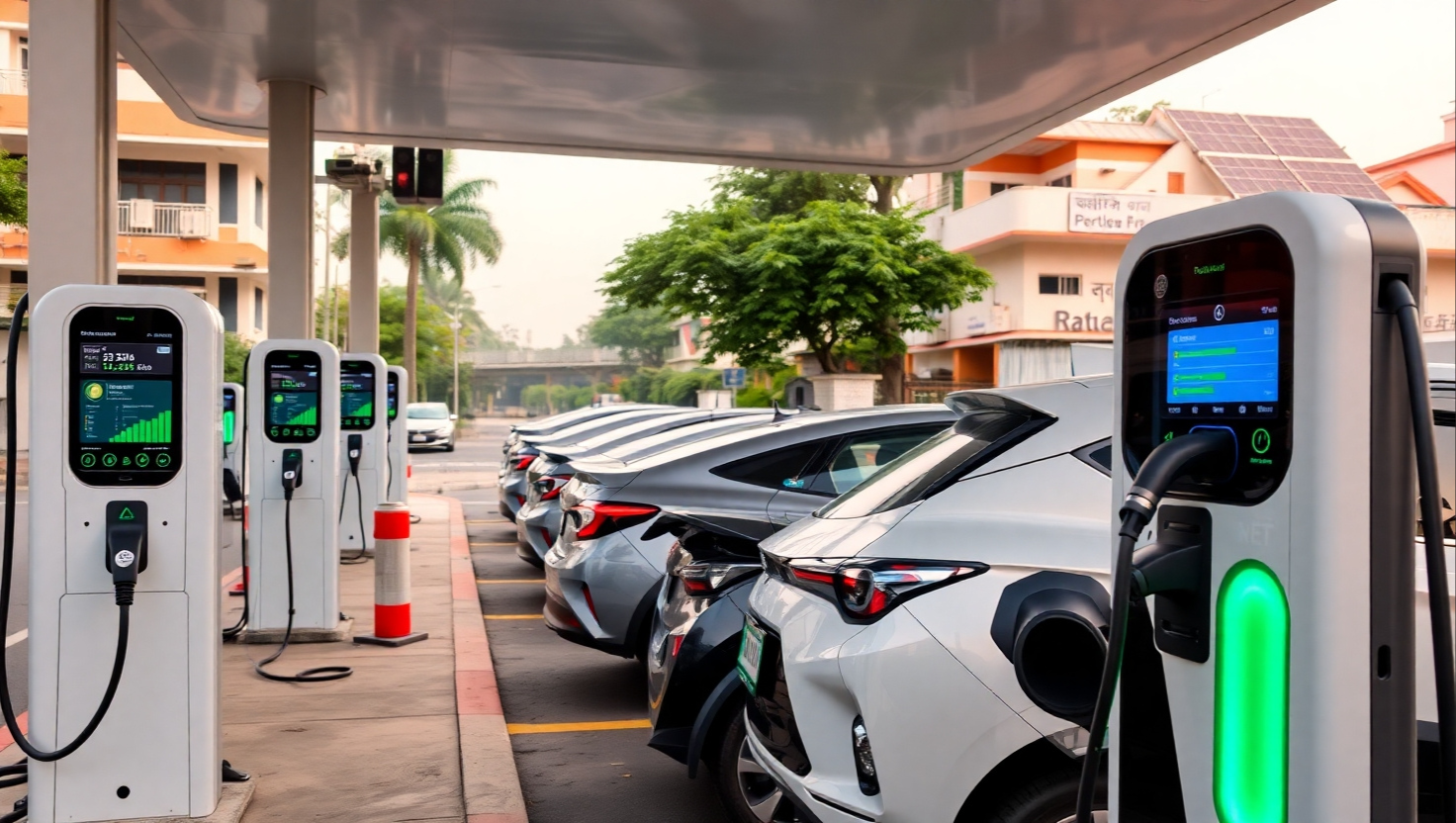
NITI Aayog launched the India Electric Mobility Index to rank States/UTs on EV adoption, infra readiness & innovation for green mobility.
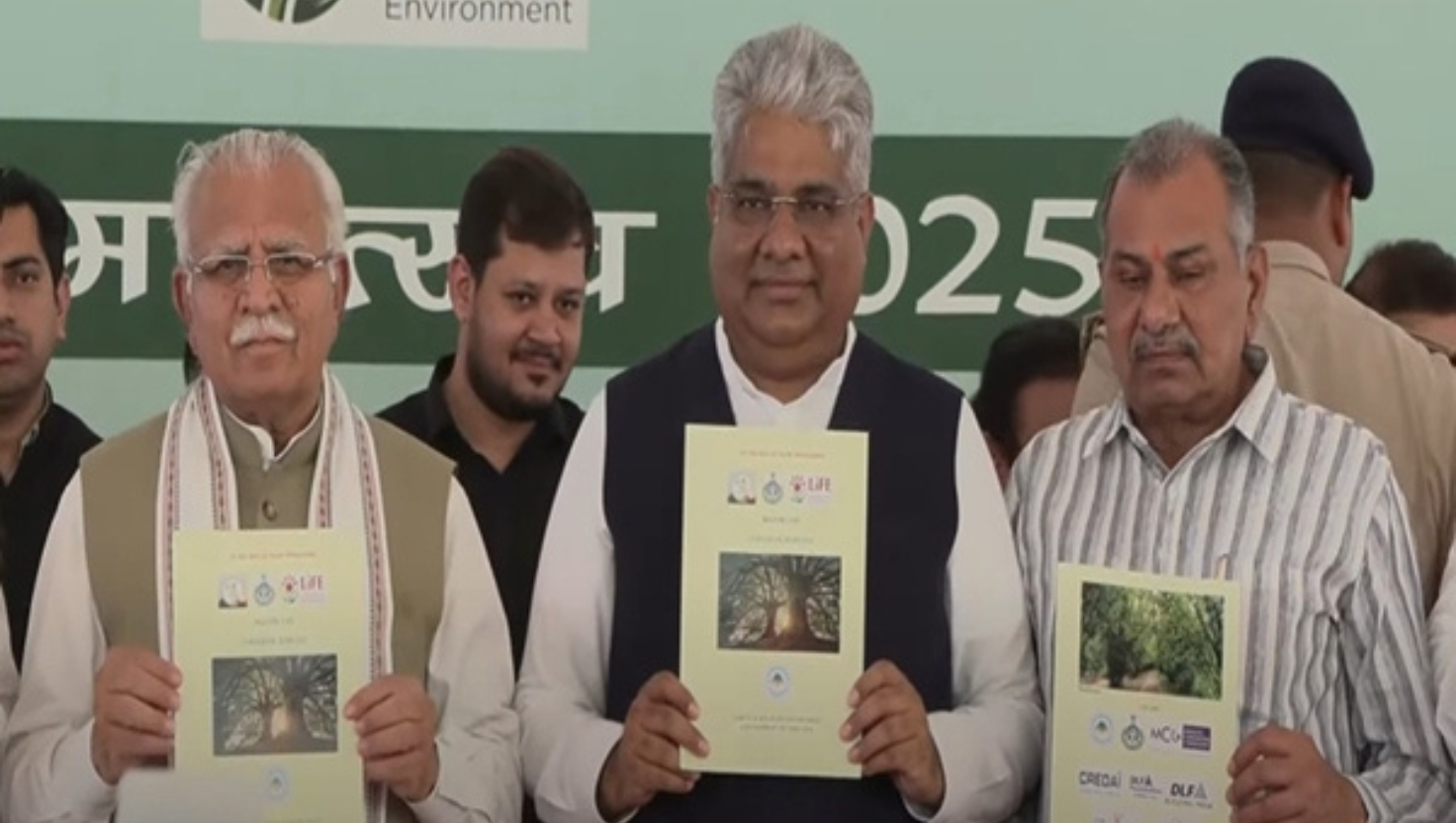
Matri Van Initiative, a 750-acre urban forest in Gurugram, focuses on restoring the Aravalli ecosystem through community-driven ecological efforts.

India’s wind energy capacity reached 51.3 GW in 2025, but rising bird deaths in the Thar Desert raise ecological concerns around renewable energy expansion.

India to launch Repairability Index; experts highlight the need to integrate informal repairers into Right to Repair and digital policies.

The ICJ has reaffirmed the Kyoto Protocol’s legal validity, reviving its role in global climate law and reinforcing accountability for past emissions.

The Paris Agreement is a global treaty aiming to limit warming below 2°C, with countries submitting NDCs and updating targets every 5 years.

The Doha Amendment extended Kyoto Protocol commitments till 2020, mandating emission cuts by developed nations and reinforcing climate accountability.

The Kyoto Protocol, adopted in 1997, was the first legally binding treaty to reduce greenhouse gas emissions by developed nations.

BRICS 2026: Explore the 18th BRICS Summit in New Delhi,

6th All India Official Language Conference 2026 in Navi Mumbai:

Discover how Bay of Bengal low-pressure systems shape India’s monsoon,

Explore the constitutional evolution of India from East India Company

Yojana June 2026 explores India’s journey towards a Naxal-free Bharat,
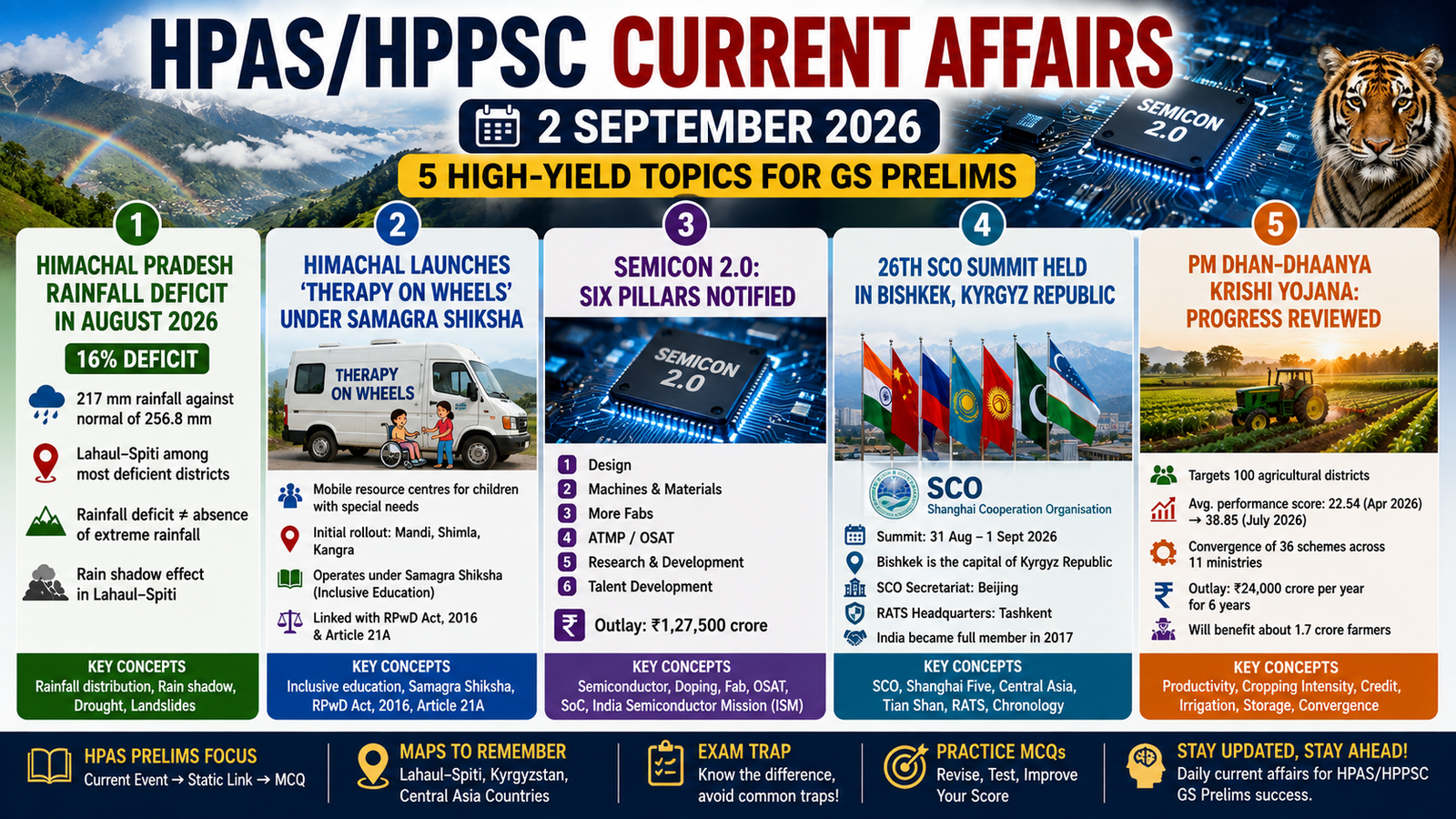
HPAS/HPPSC Current Affairs 2 September 2026: Himachal rainfall deficit, Therapy