
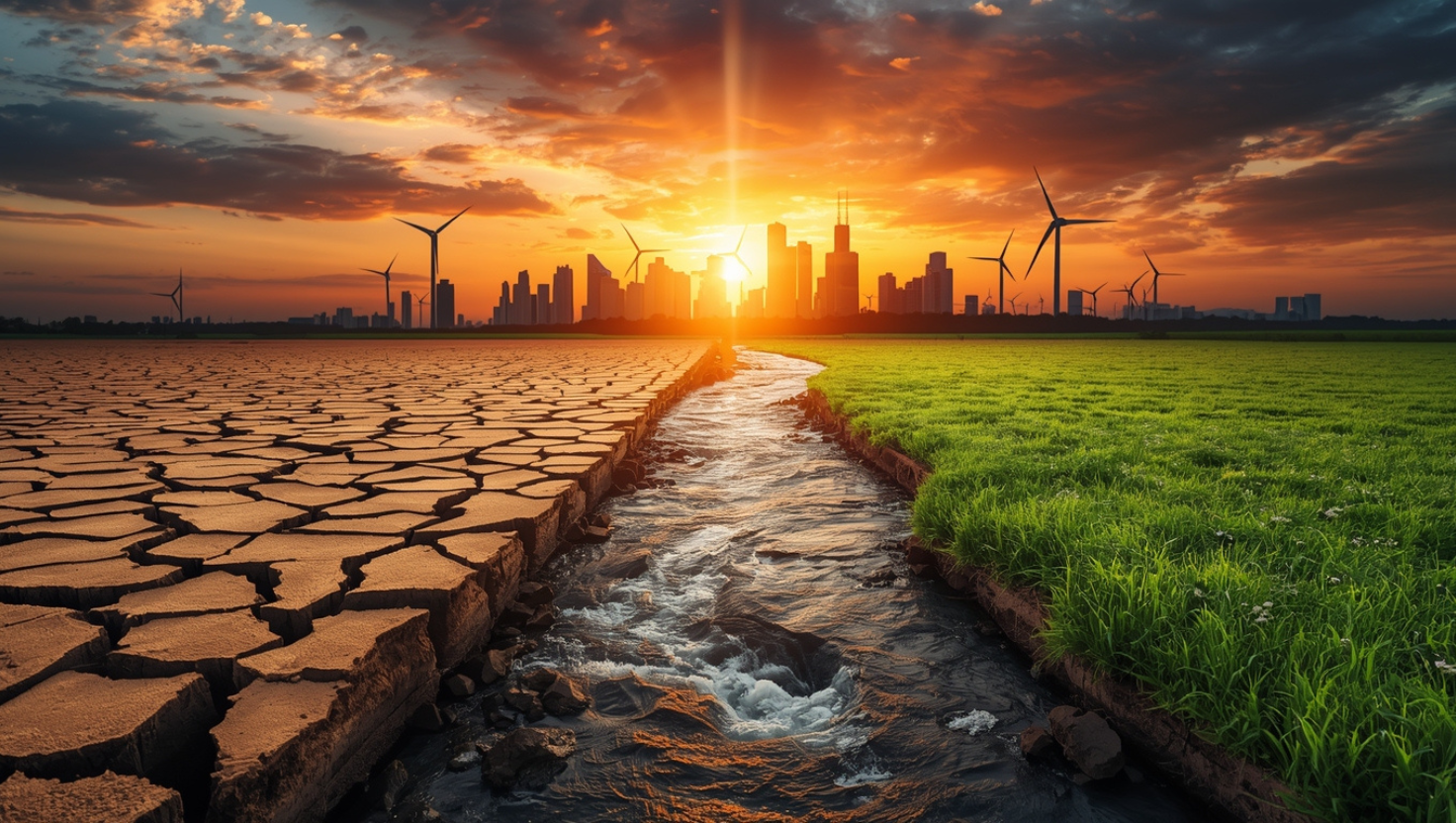
UNEP Adaptation Gap Report 2025
UNEP’s 2025 report warns adaptation finance lags far behind needs; urges grants, private investment, and global cooperation for resilience.
UNEP’s 2025 report warns adaptation finance lags far behind needs; urges grants, private investment, and global cooperation for resilience.
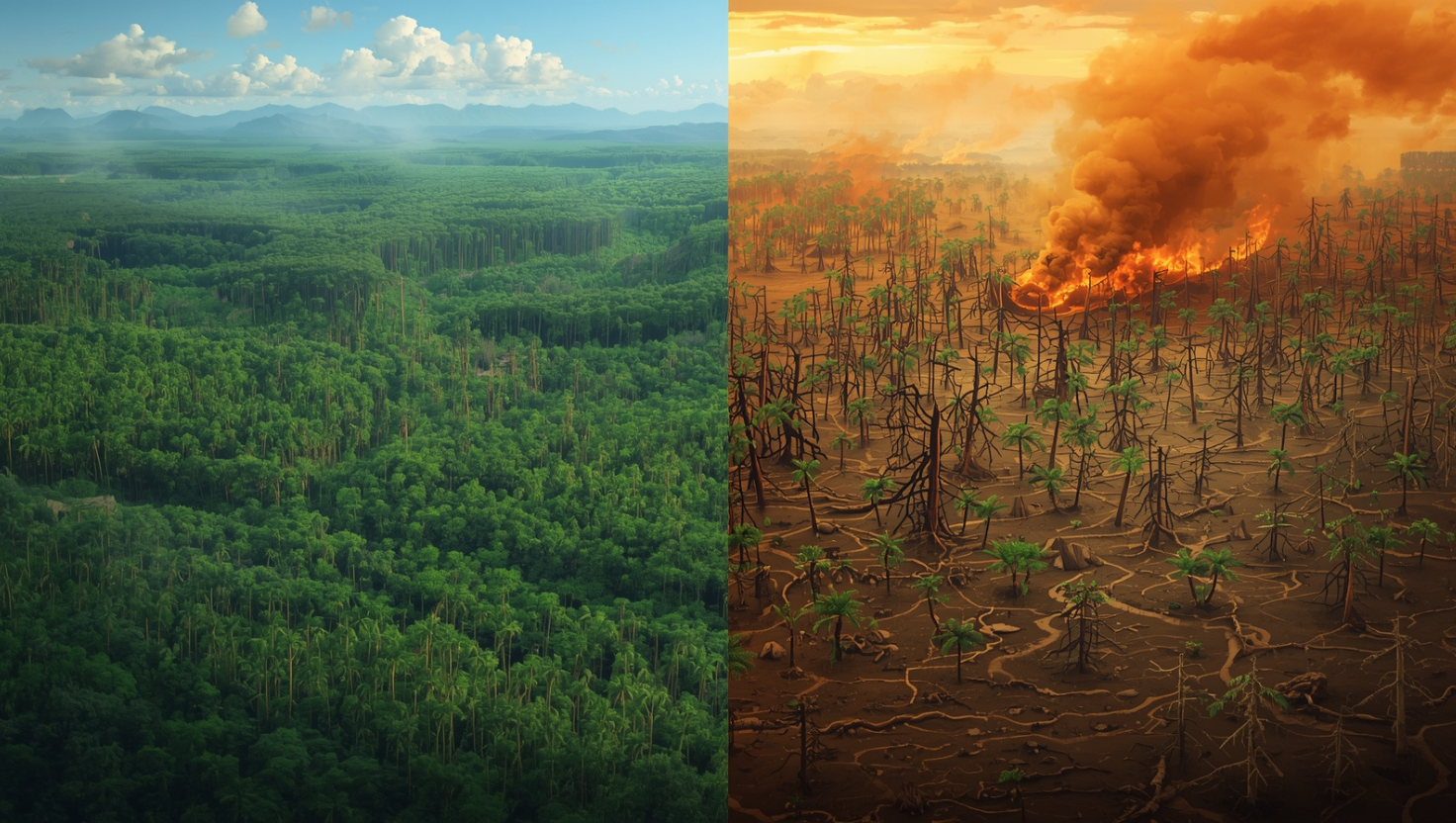
Tropical rainforests are turning from carbon sinks to emitters, warning of global climate risks and urgent need for forest resilience.
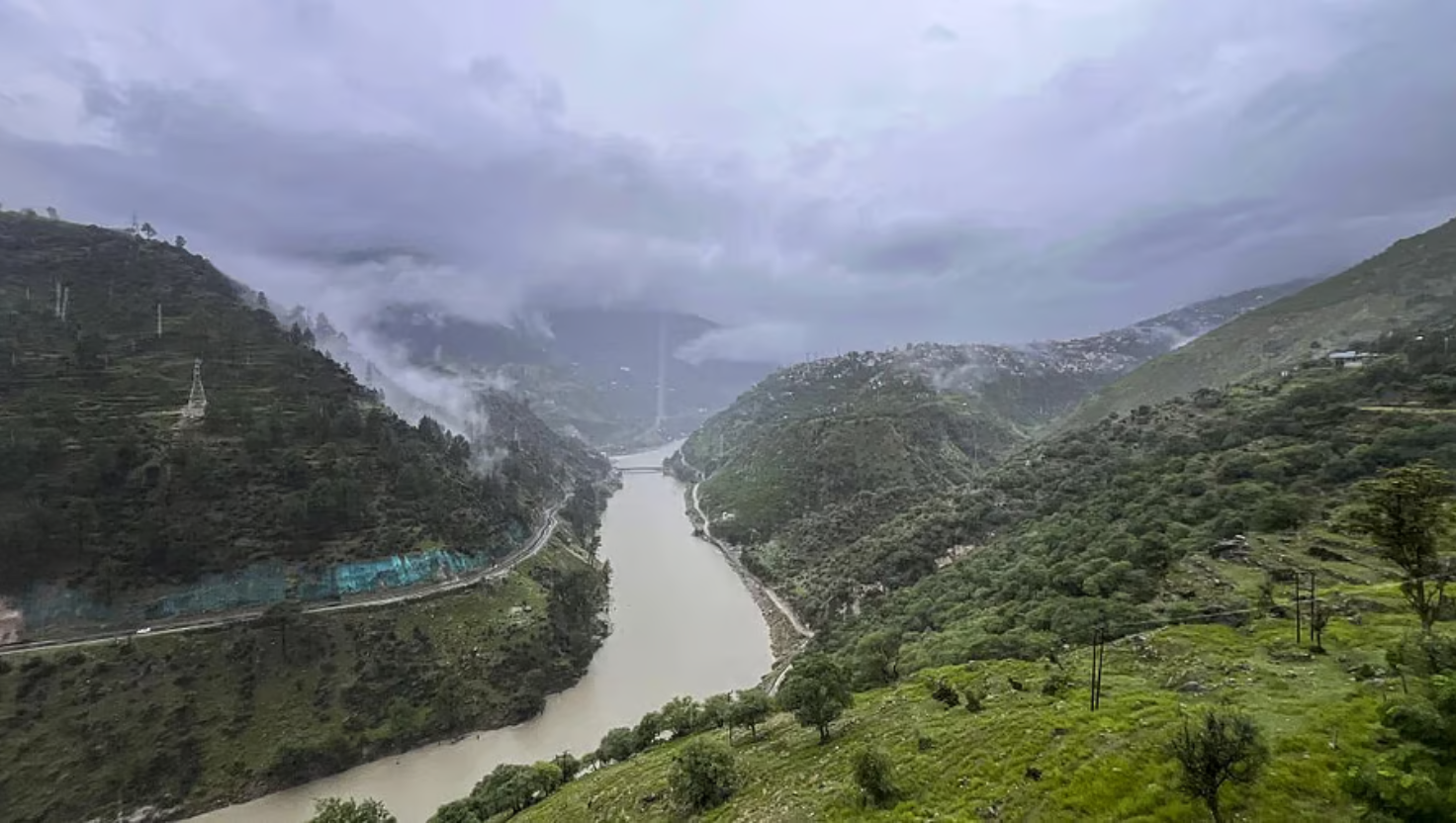
EAC grants fresh clearance to Sawalkote Hydro Project on Chenab River, boosting clean energy and strategic water use in Jammu & Kashmir.
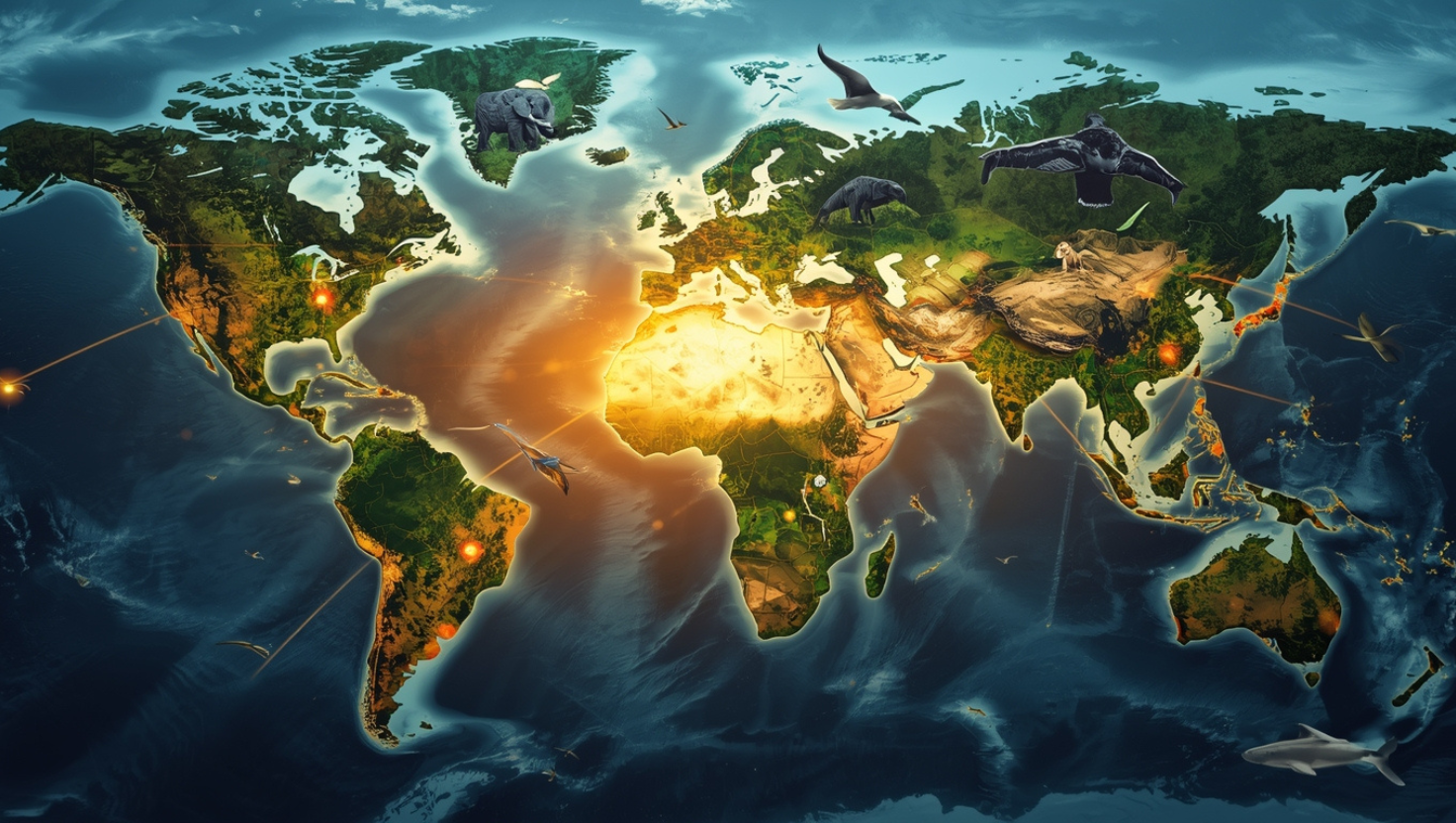
IUCN Outlook 2025 warns of rising climate threats to World Heritage Sites; India shows mixed progress in site conservation and management.
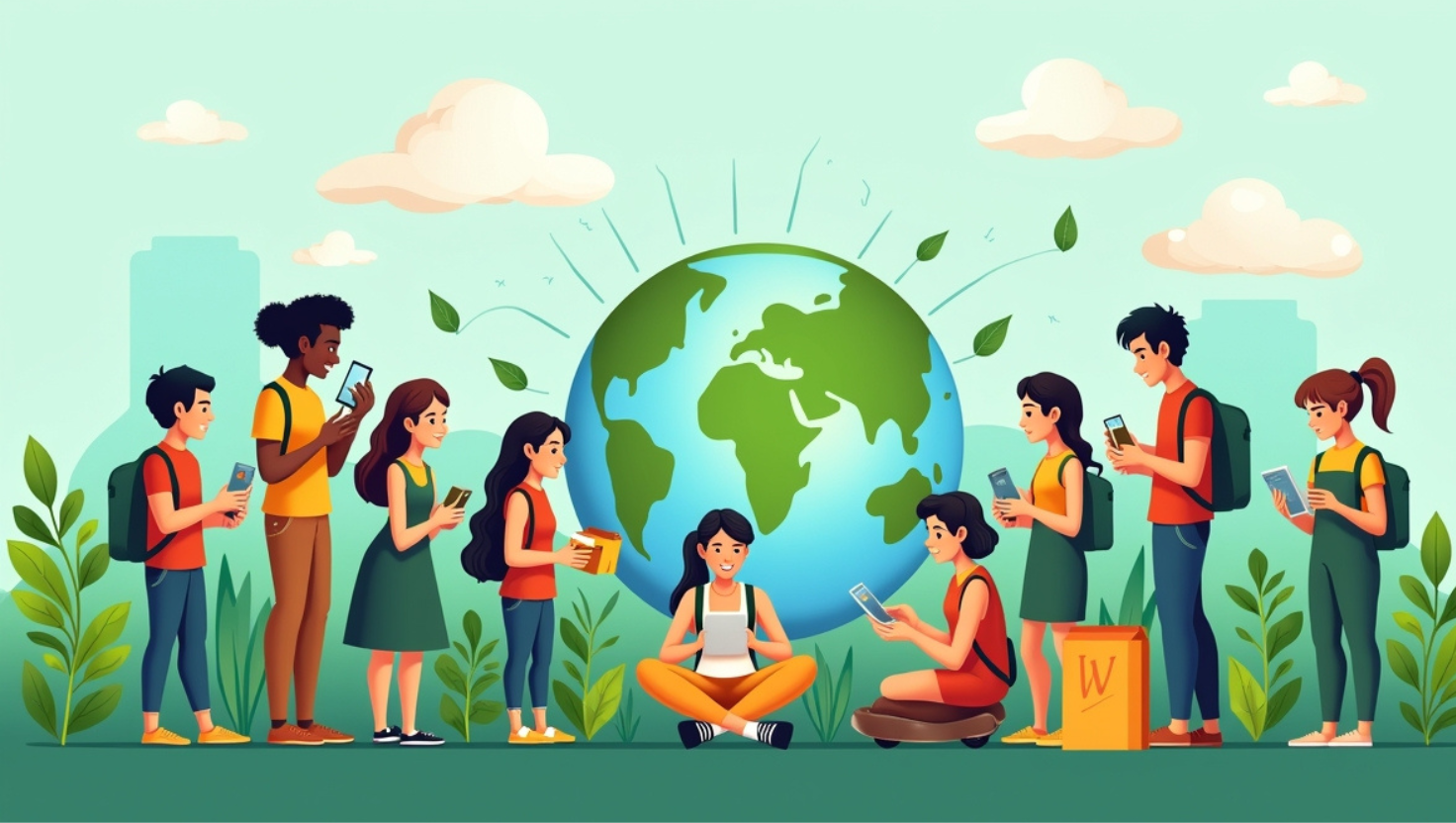
UNEP Young Champions of the Earth 2025 honours young innovators from India, Kenya, and the US for scalable environmental solutions.
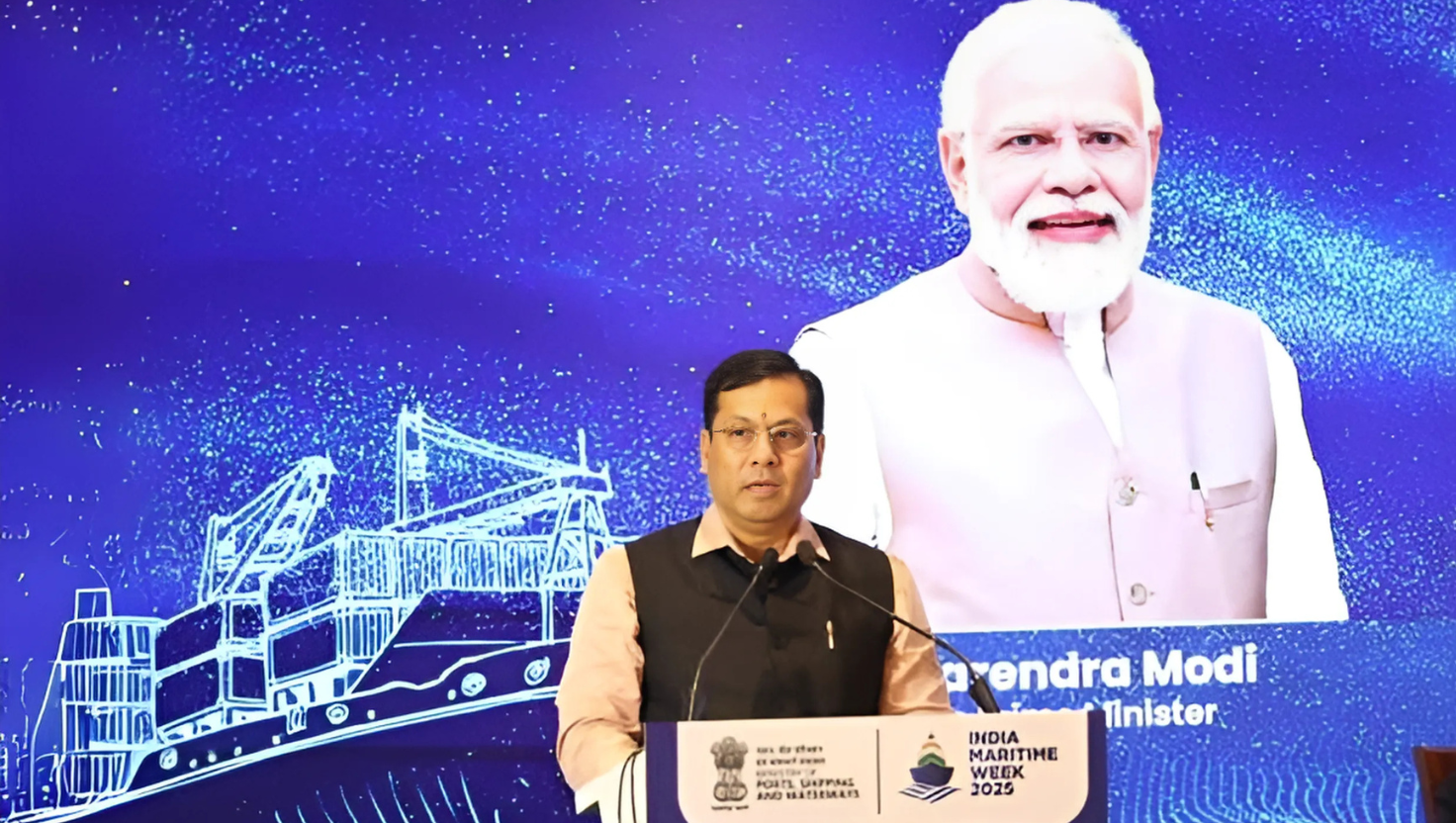
India’s first port-based Green Hydrogen Pilot Project at VOC Port promotes clean energy, green shipping, and reduced fossil fuel use under Viksit Bharat 2047.

Saltwater Crocodile numbers rise in Sundarbans; conservation crucial for India’s crocodilians—Saltwater Crocodile, Mugger & Gharial.
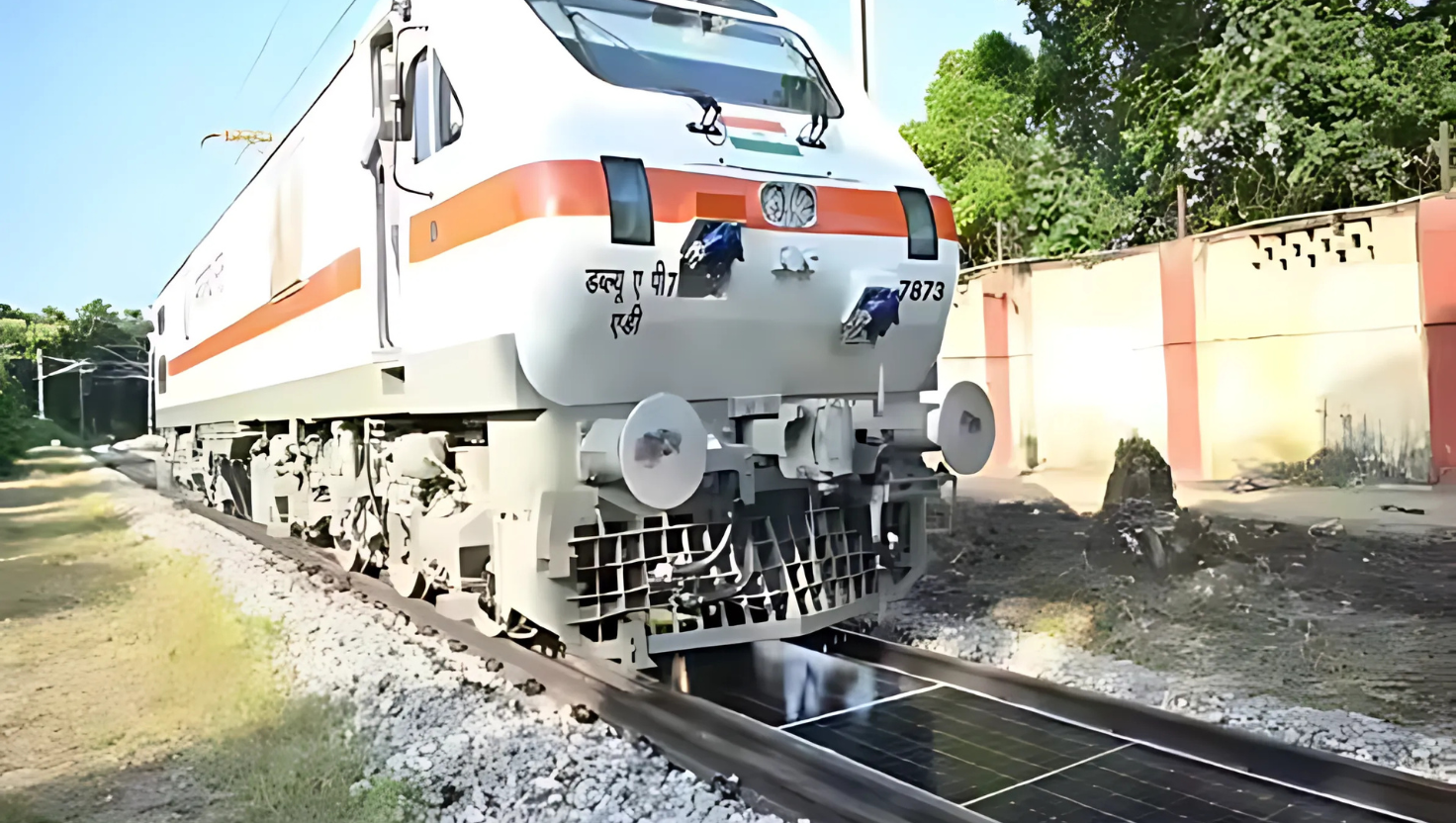
Indian Railways installed its first removable solar panel system at Varanasi in Aug 2025, generating 15 KWp power by using space between tracks.
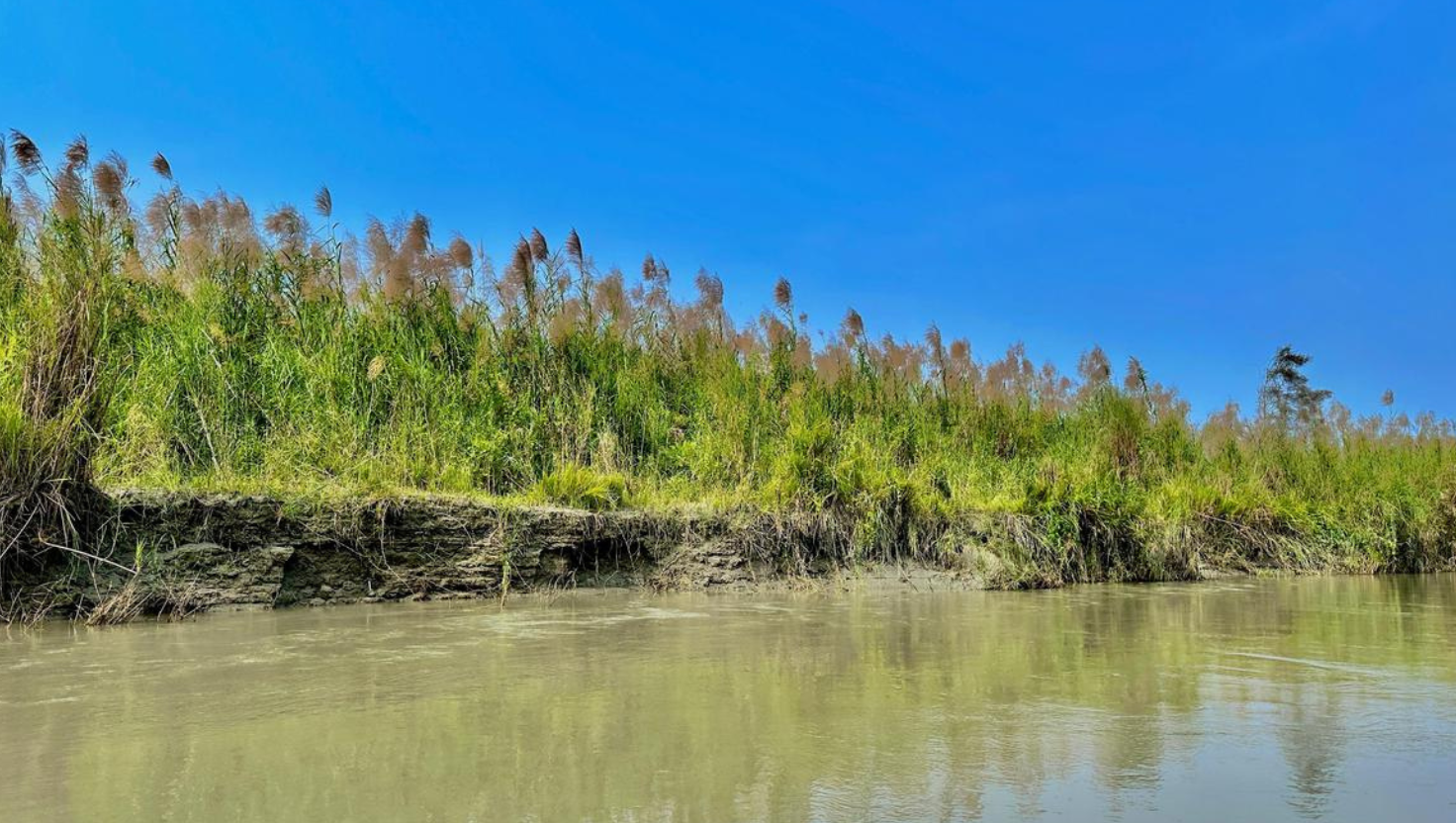
Dibru–Saikhowa National Park in Assam faces habitat loss as invasive plants and floods threaten grasslands, feral horses, and rare species.
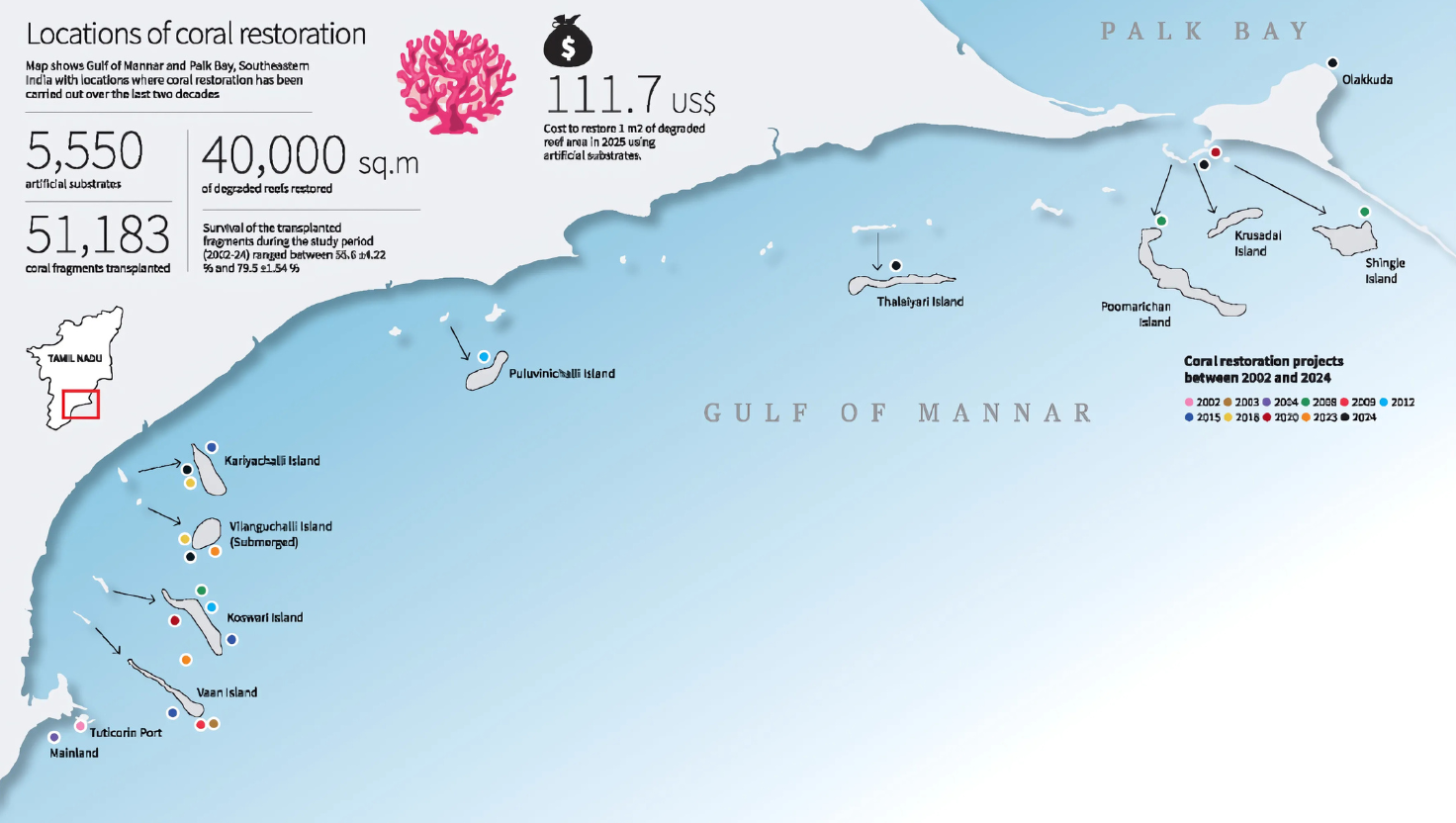
Revival of Coral Reefs in Gulf of Mannar shows how science, community action, and policy can restore biodiversity and support livelihoods.

BRICS 2026: Explore the 18th BRICS Summit in New Delhi,

6th All India Official Language Conference 2026 in Navi Mumbai:
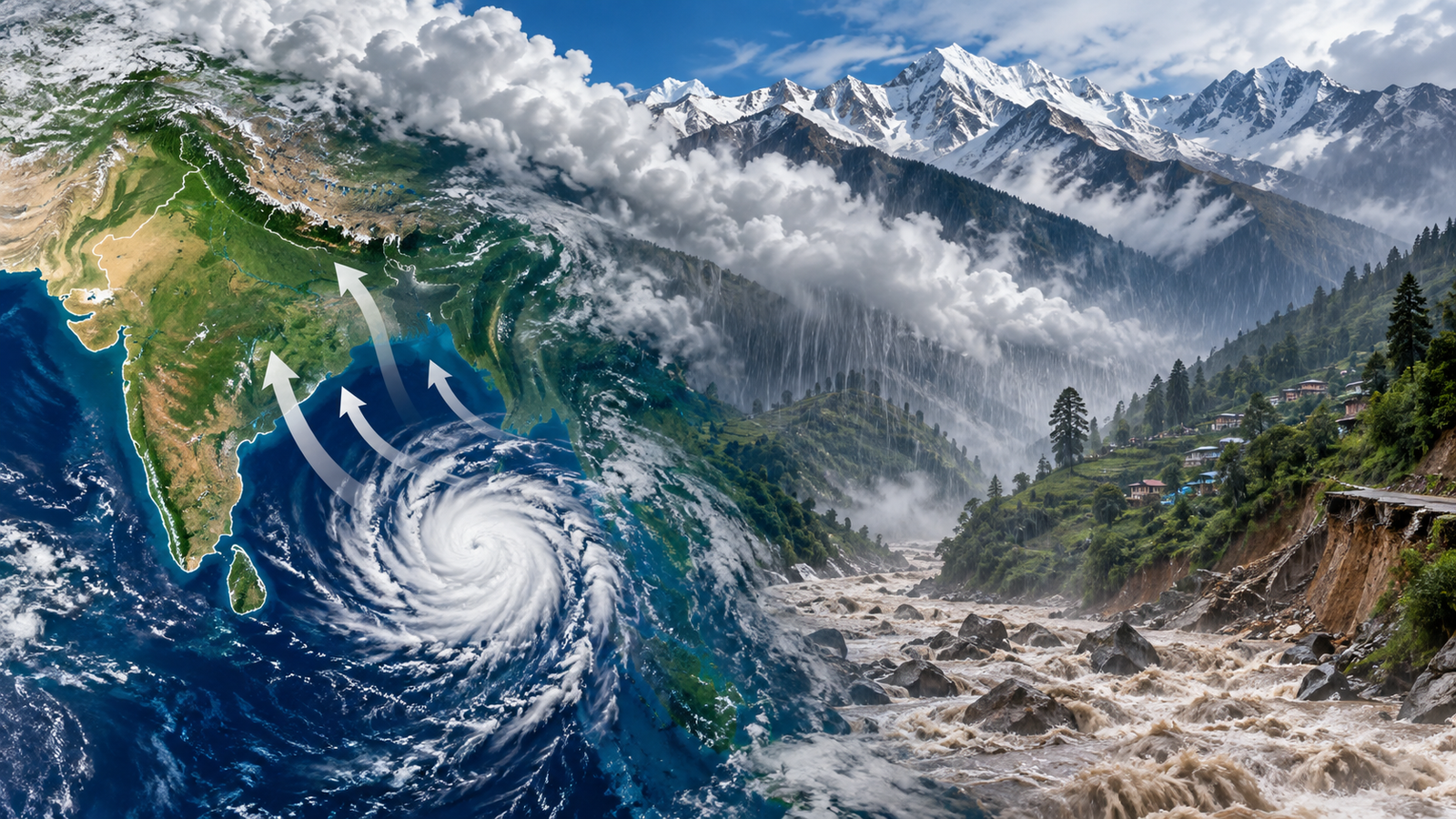
Discover how Bay of Bengal low-pressure systems shape India’s monsoon,

Explore the constitutional evolution of India from East India Company

Yojana June 2026 explores India’s journey towards a Naxal-free Bharat,
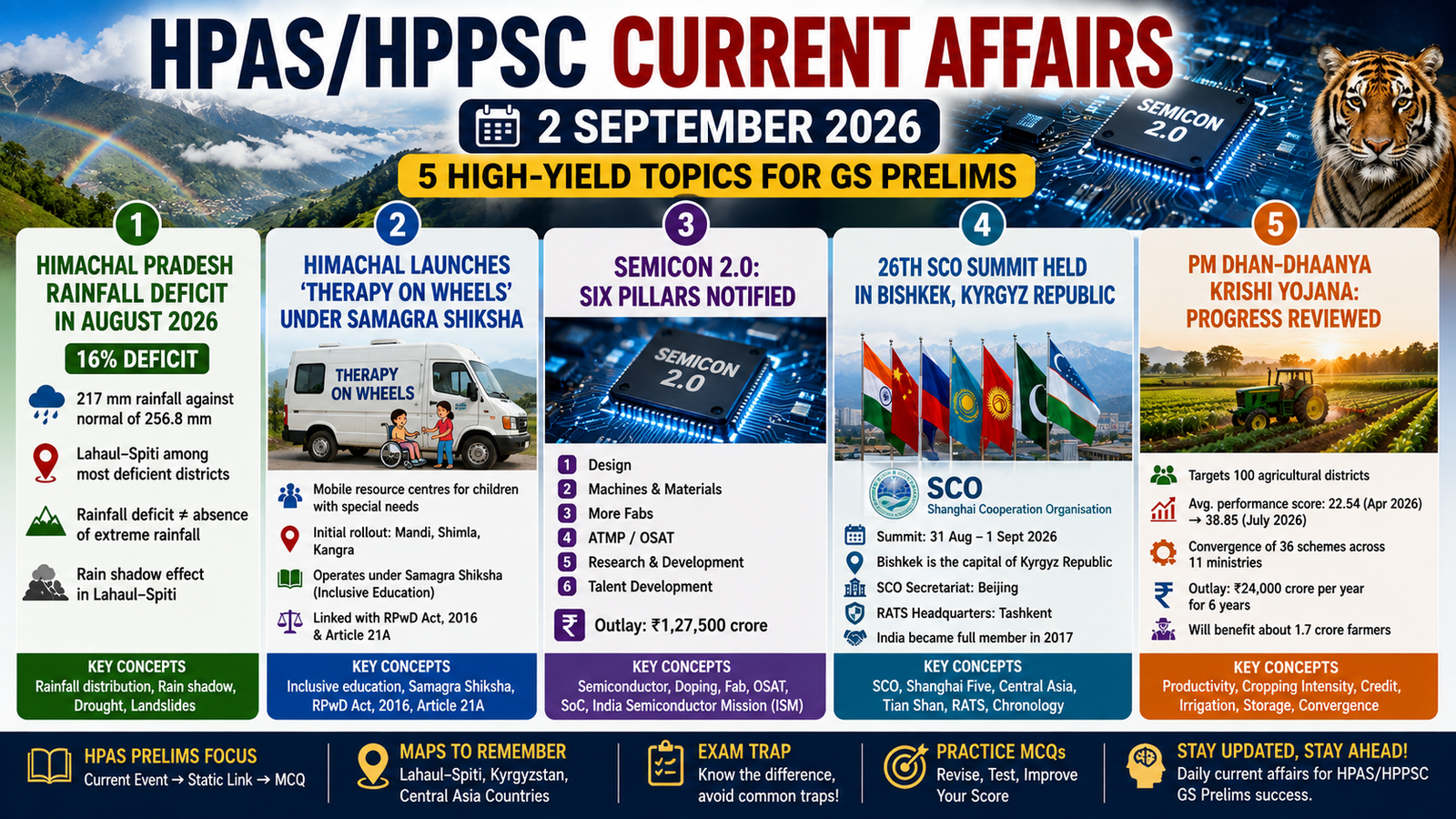
HPAS/HPPSC Current Affairs 2 September 2026: Himachal rainfall deficit, Therapy