
Article 15
Article 15 prohibits discrimination on religion, caste, sex, etc., while permitting reservations for women, backward classes & EWS.
Article 15 prohibits discrimination on religion, caste, sex, etc., while permitting reservations for women, backward classes & EWS.
Article 14 ensures equality before law & equal protection, expanded by courts to curb arbitrariness and uphold gender justice.
The Preamble declares India as a Sovereign, Socialist, Secular, Democratic, Republic ensuring Justice, Liberty, Equality & Fraternity.
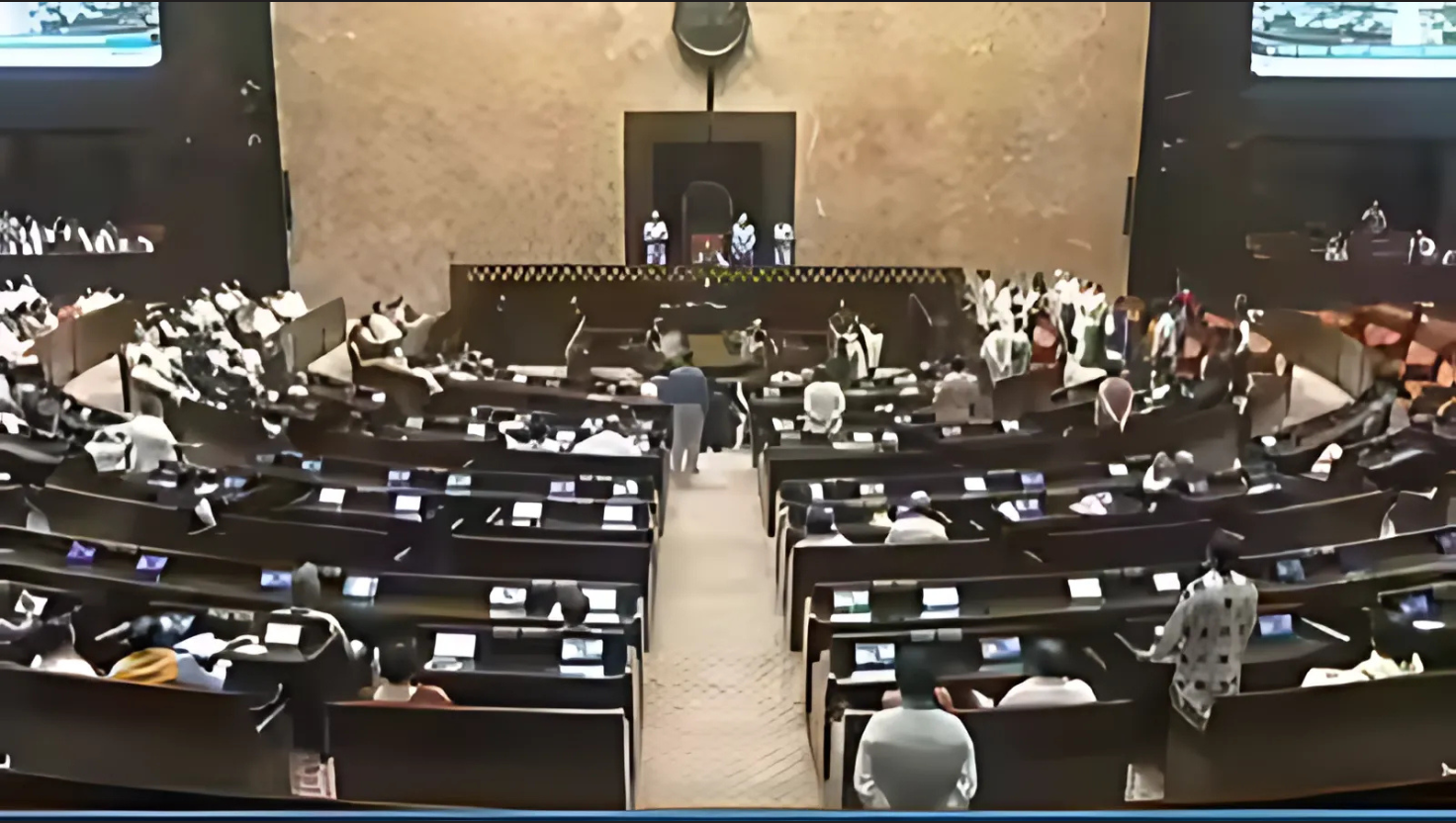
Parliament extends President’s Rule in Manipur by six months, continuing central governance under Article 356 due to constitutional breakdown.

Odisha and Chhattisgarh agree to resolve the Mahanadi River water dispute through dialogue, marking a shift towards cooperative federalism.

Framework Agreement marks 10 years of Indo-Naga peace talks, reaffirming NSCN-IM’s call for shared sovereignty and recognition of Naga identity.
Low legal aid access and underutilised funds highlight the urgent need to strengthen NALSA and decentralise legal aid delivery

Indian voters proudly display their inked fingers after casting their vote, symbolising democratic participation and civic responsibility.

The Battle of Buxar (1764) marked a turning point in Indian history, establishing British dominance over Bengal and paving the way for colonial rule.
Explore how British rule, from the Battle of Buxar to the dual government, laid the foundation for India’s constitutional and administrative systems.
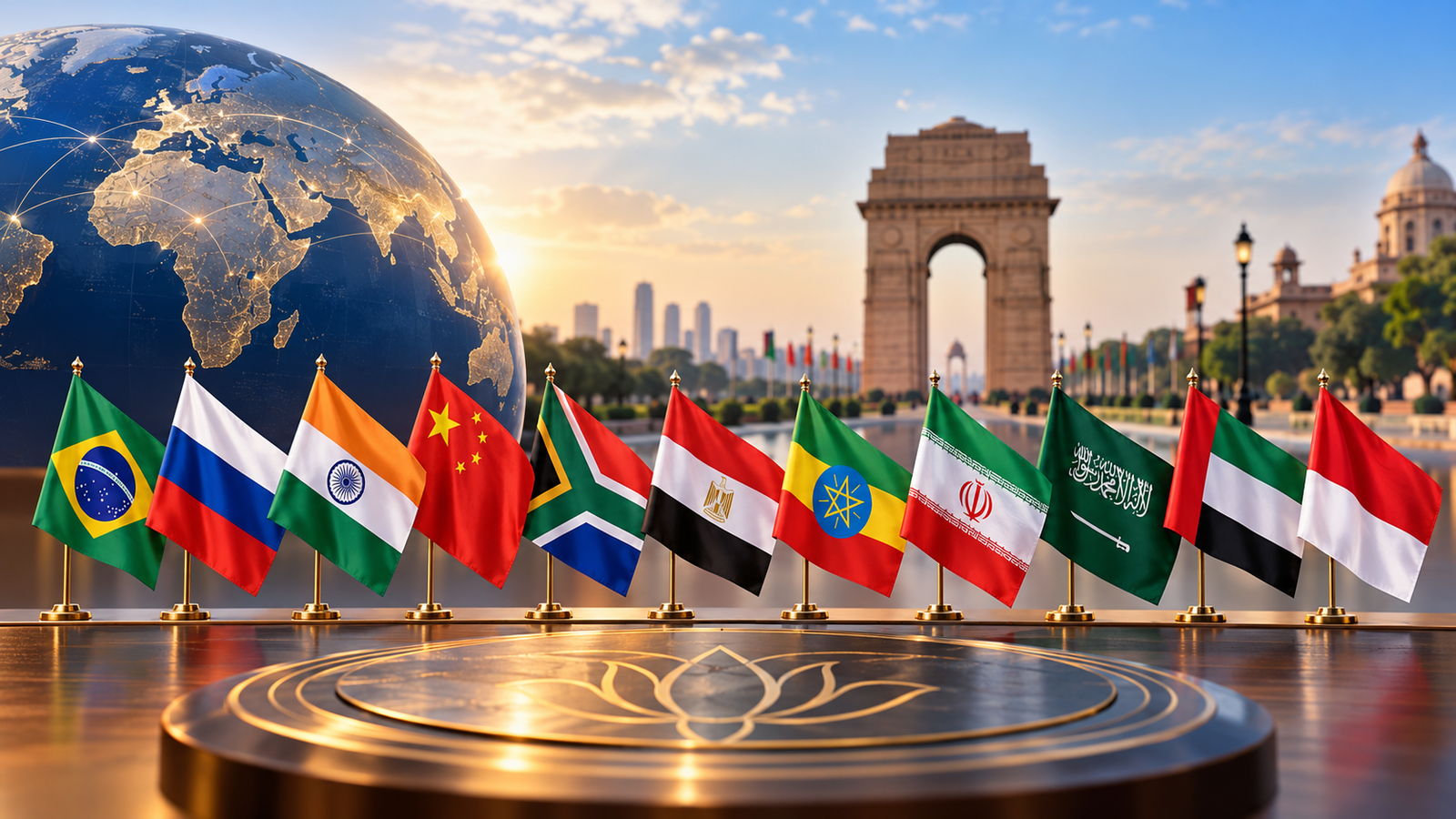
BRICS 2026: Explore the 18th BRICS Summit in New Delhi,
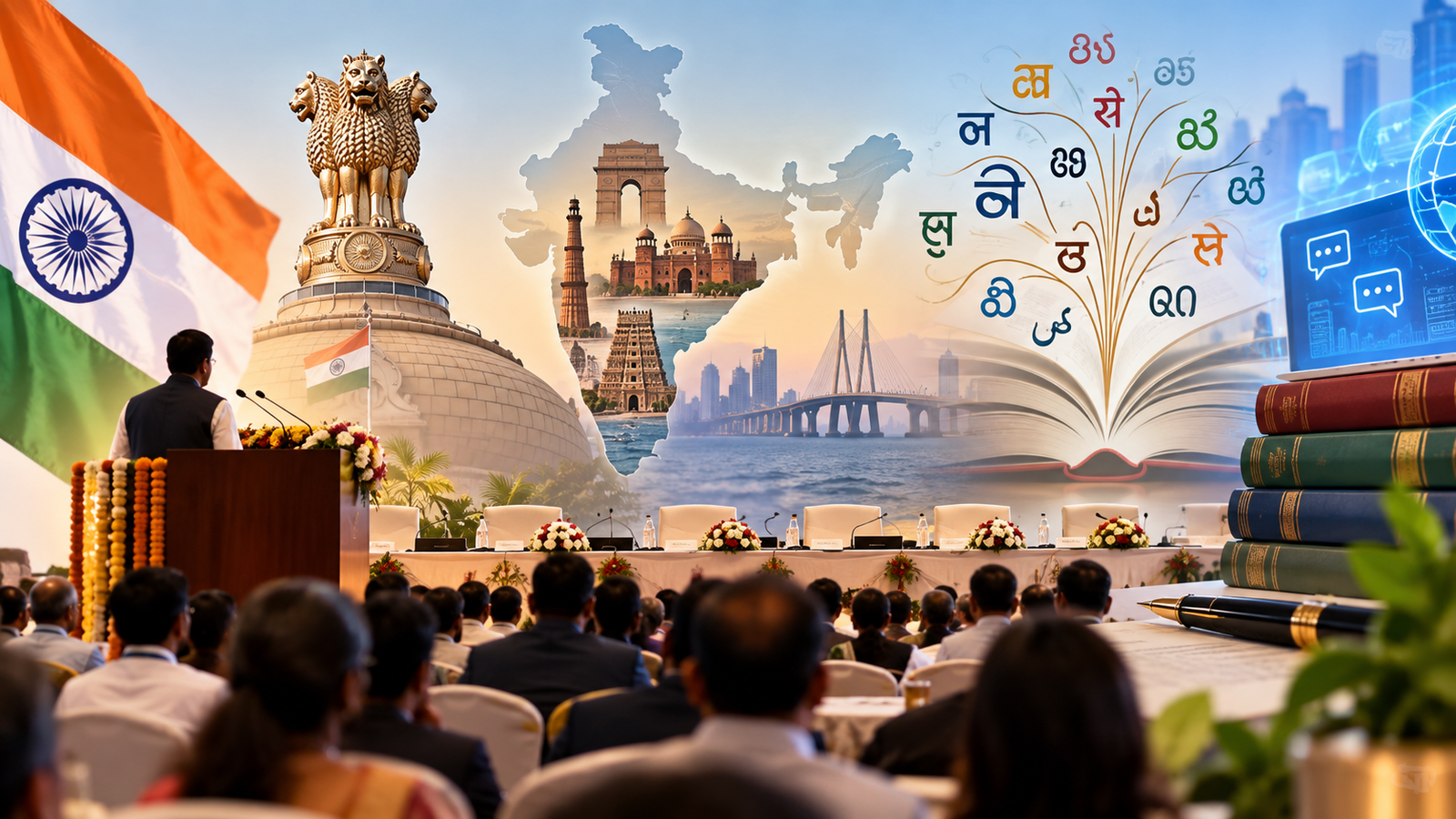
6th All India Official Language Conference 2026 in Navi Mumbai:
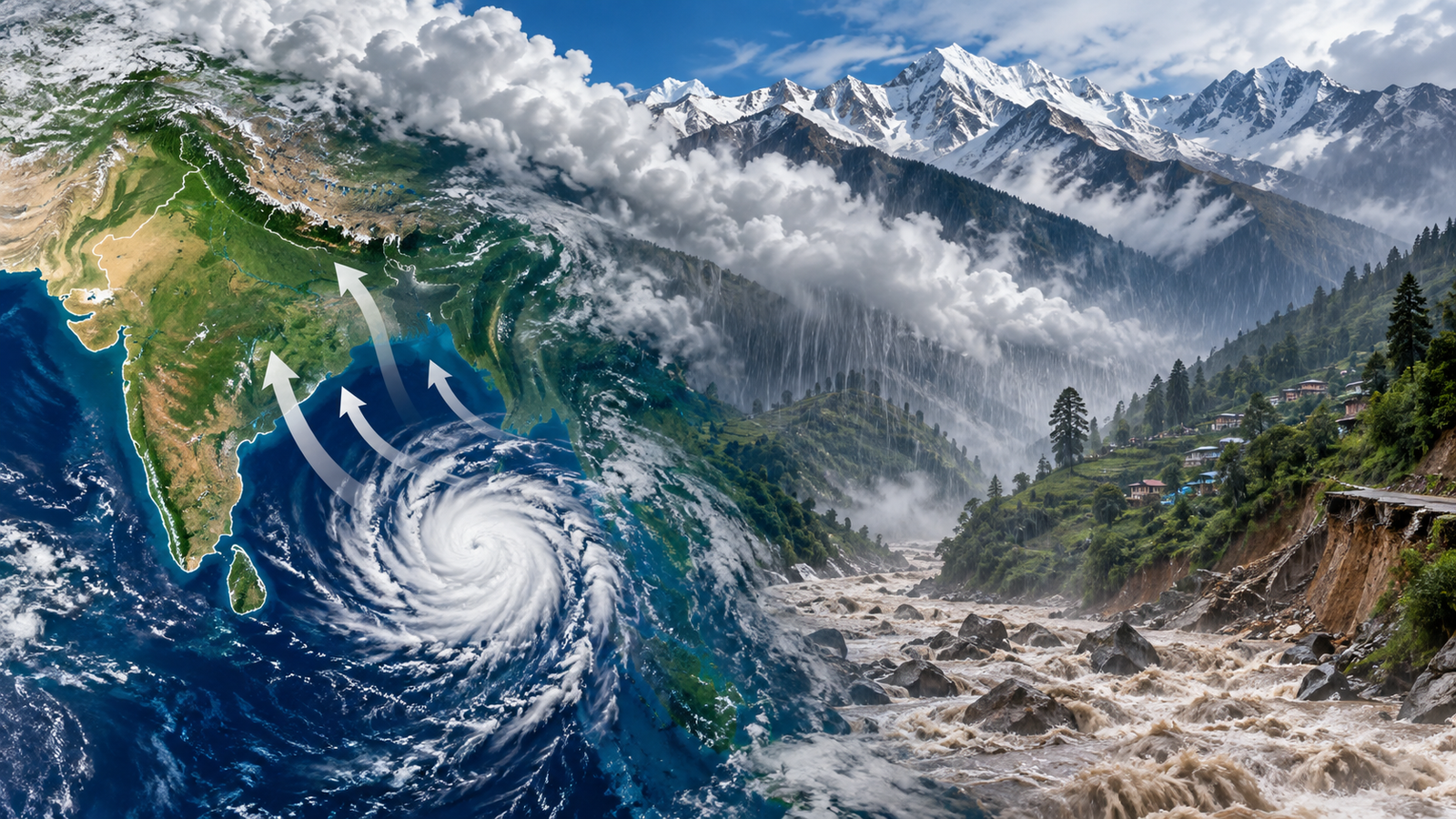
Discover how Bay of Bengal low-pressure systems shape India’s monsoon,
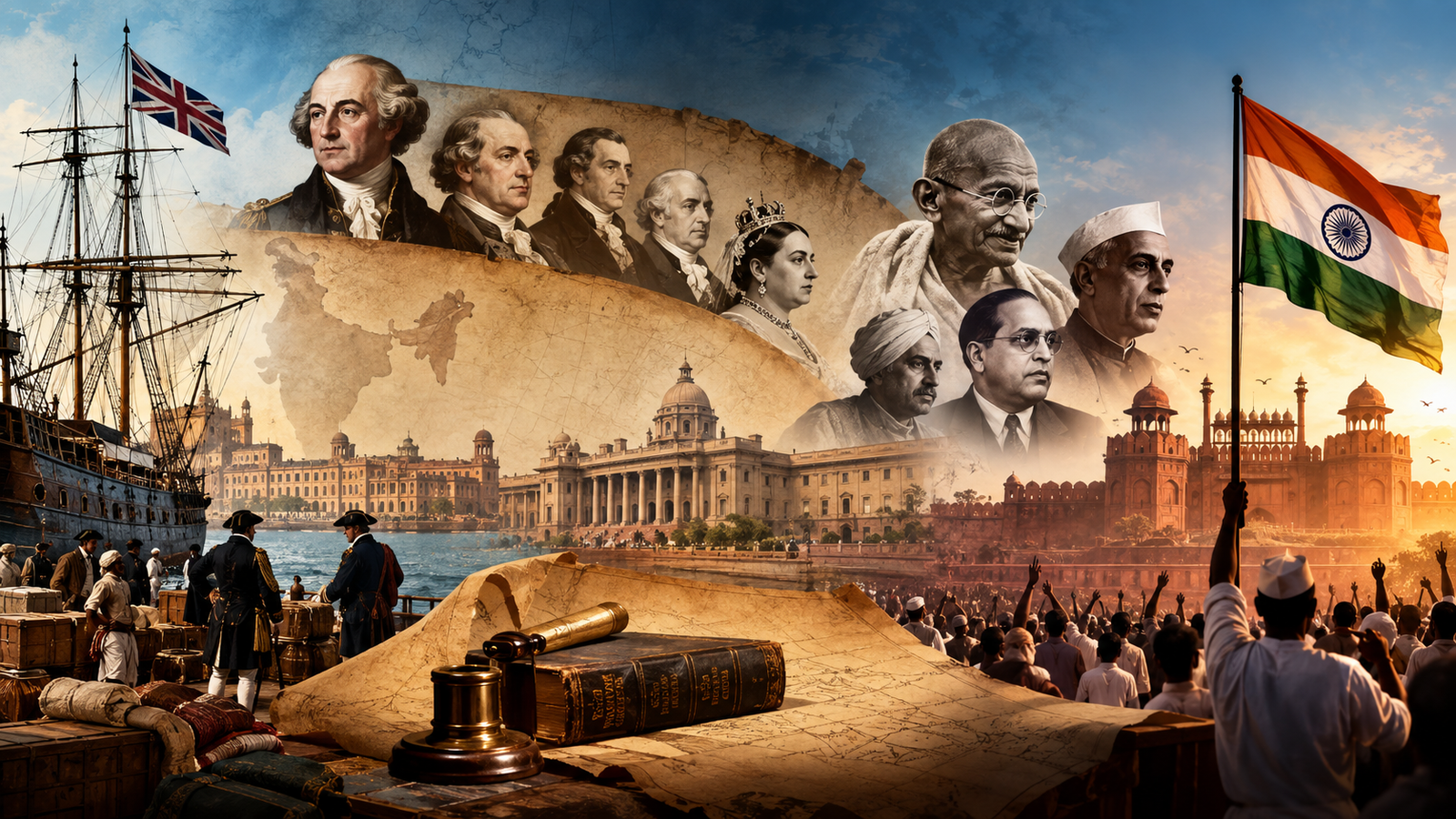
Explore the constitutional evolution of India from East India Company
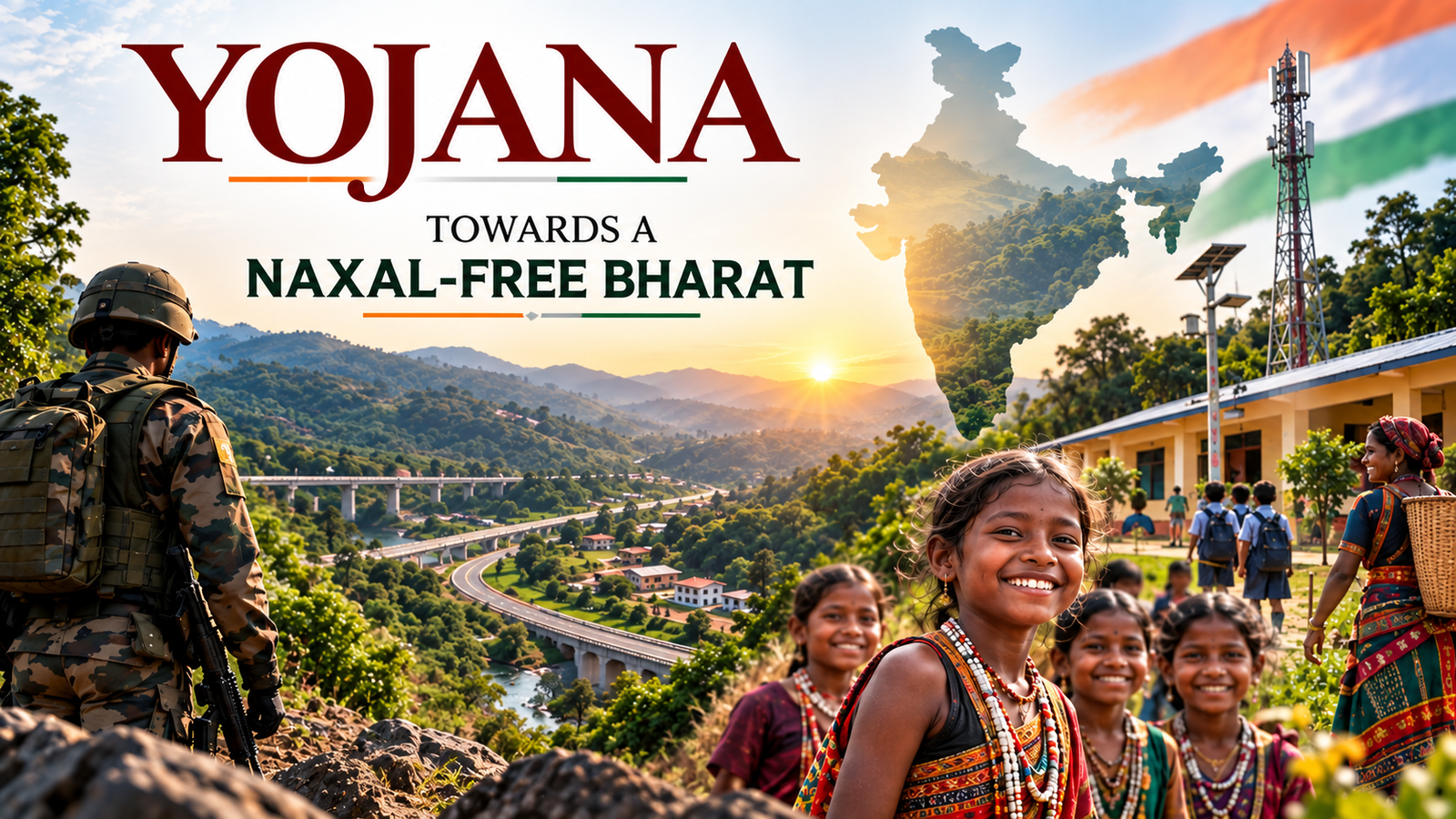
Yojana June 2026 explores India’s journey towards a Naxal-free Bharat,

HPAS/HPPSC Current Affairs 2 September 2026: Himachal rainfall deficit, Therapy