
Bijoe Emmanuel vs State of Kerala (1986)
The 1986 Bijoe Emmanuel vs State of Kerala case upheld the right to freedom of religion and expression, affirming that patriotism cannot be forced.
The 1986 Bijoe Emmanuel vs State of Kerala case upheld the right to freedom of religion and expression, affirming that patriotism cannot be forced.

Personality rights protect name, image, voice, and likeness in India, balancing privacy, dignity, and free speech in the AI era.
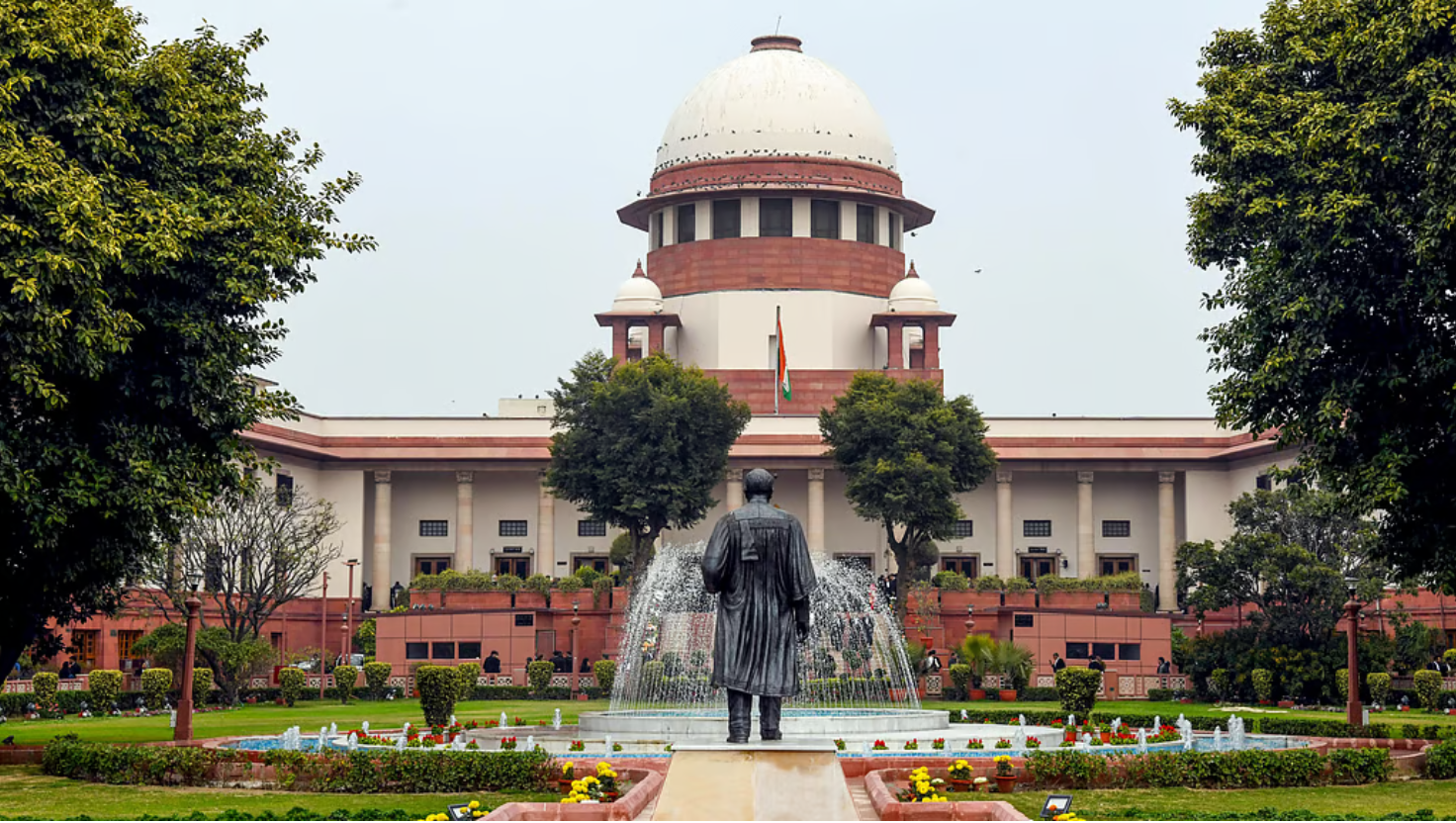
The Hindu Succession Act, 1956 codifies Hindu inheritance, ensures women’s property rights, and grants daughters equal coparcenary rights.
Sixth Schedule ensures tribal autonomy in NE states; Ladakh demands inclusion citing 97% tribal population and ecological concerns.
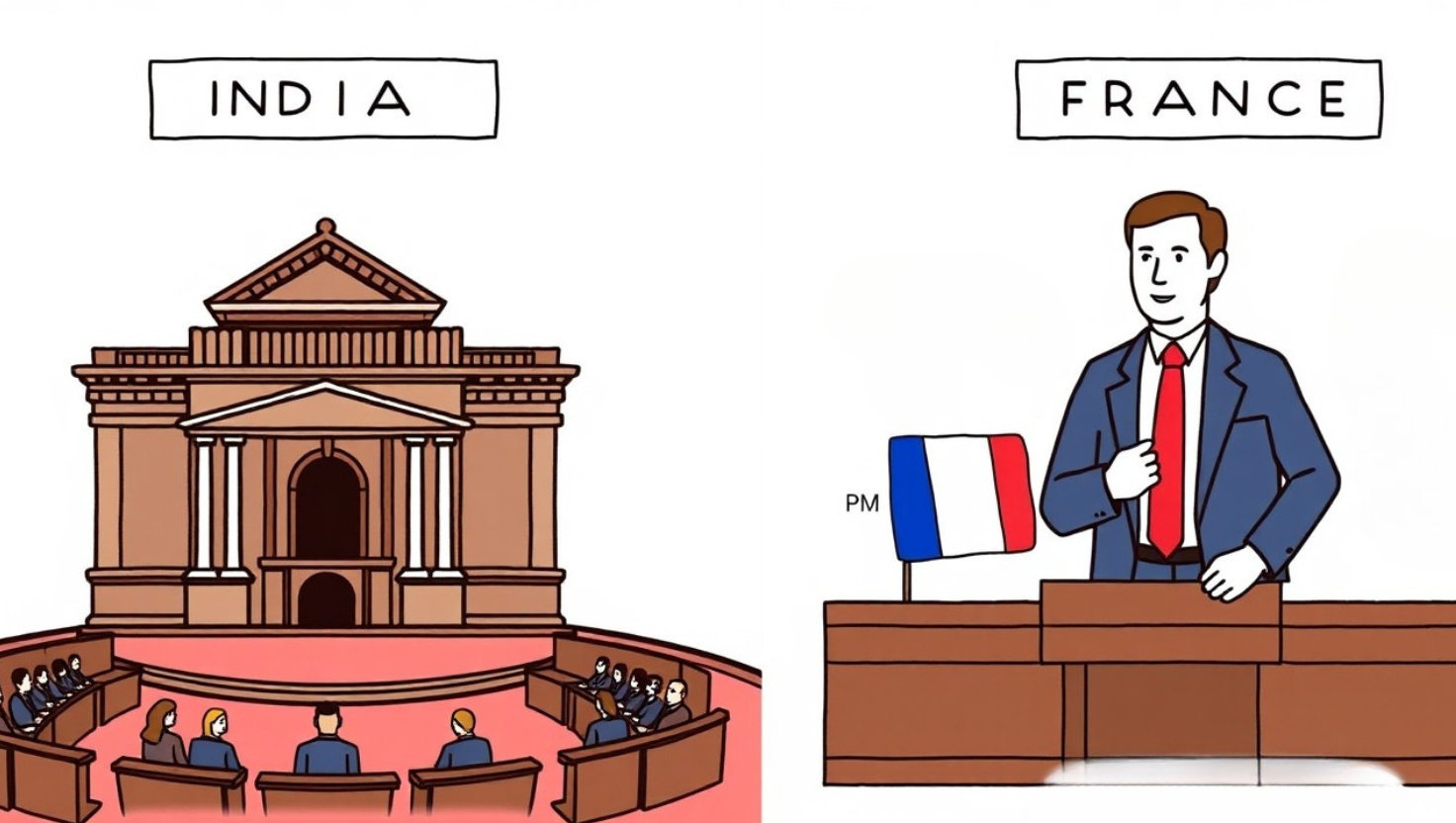
A comparison of India’s and France’s systems shows how confidence votes differ, highlighting India’s parliamentary supremacy and France’s dual executive model.
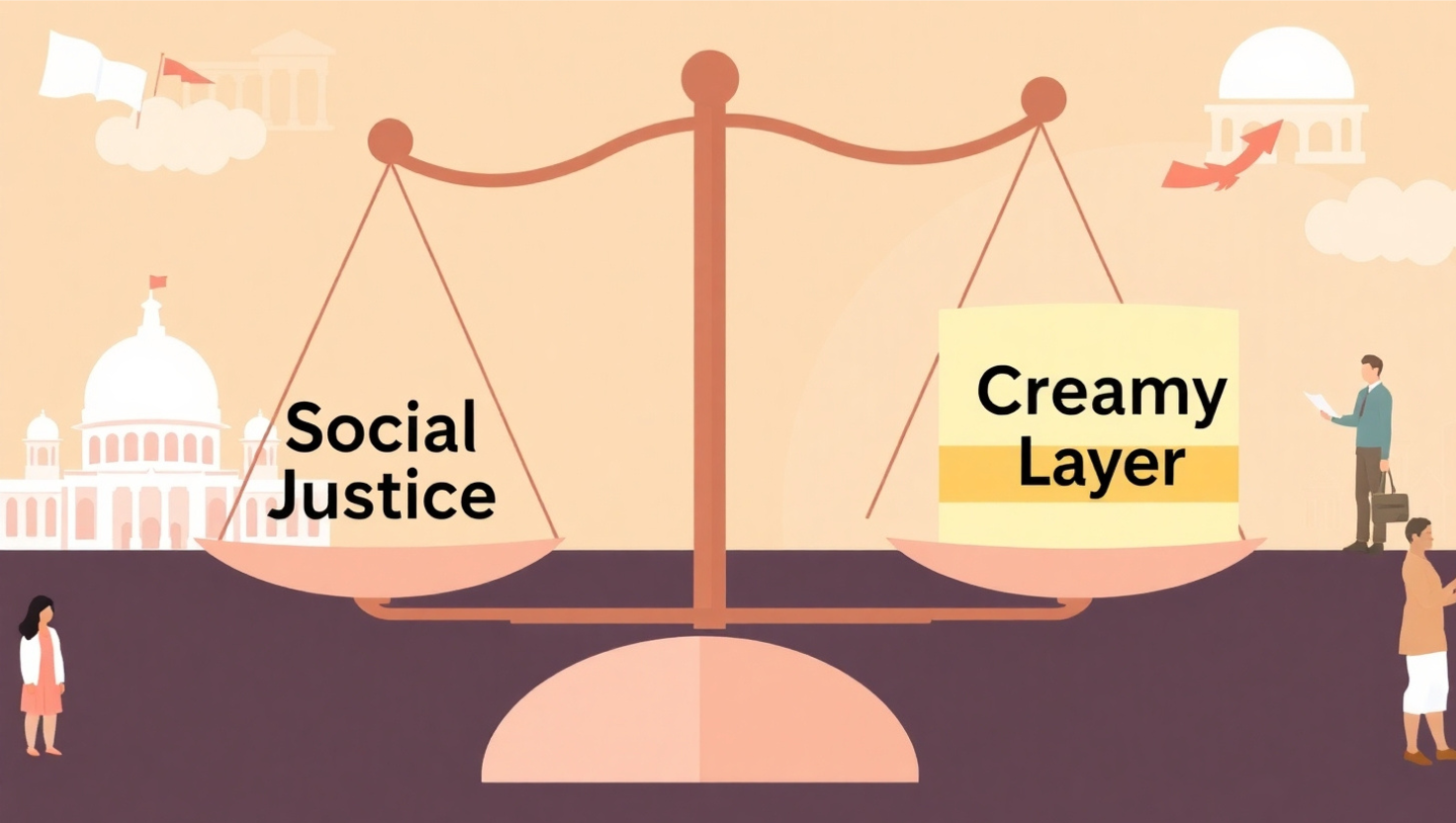
Uniform creamy layer norms for OBCs aim to remove anomalies, ensure fairness, and strengthen social justice in reservations.
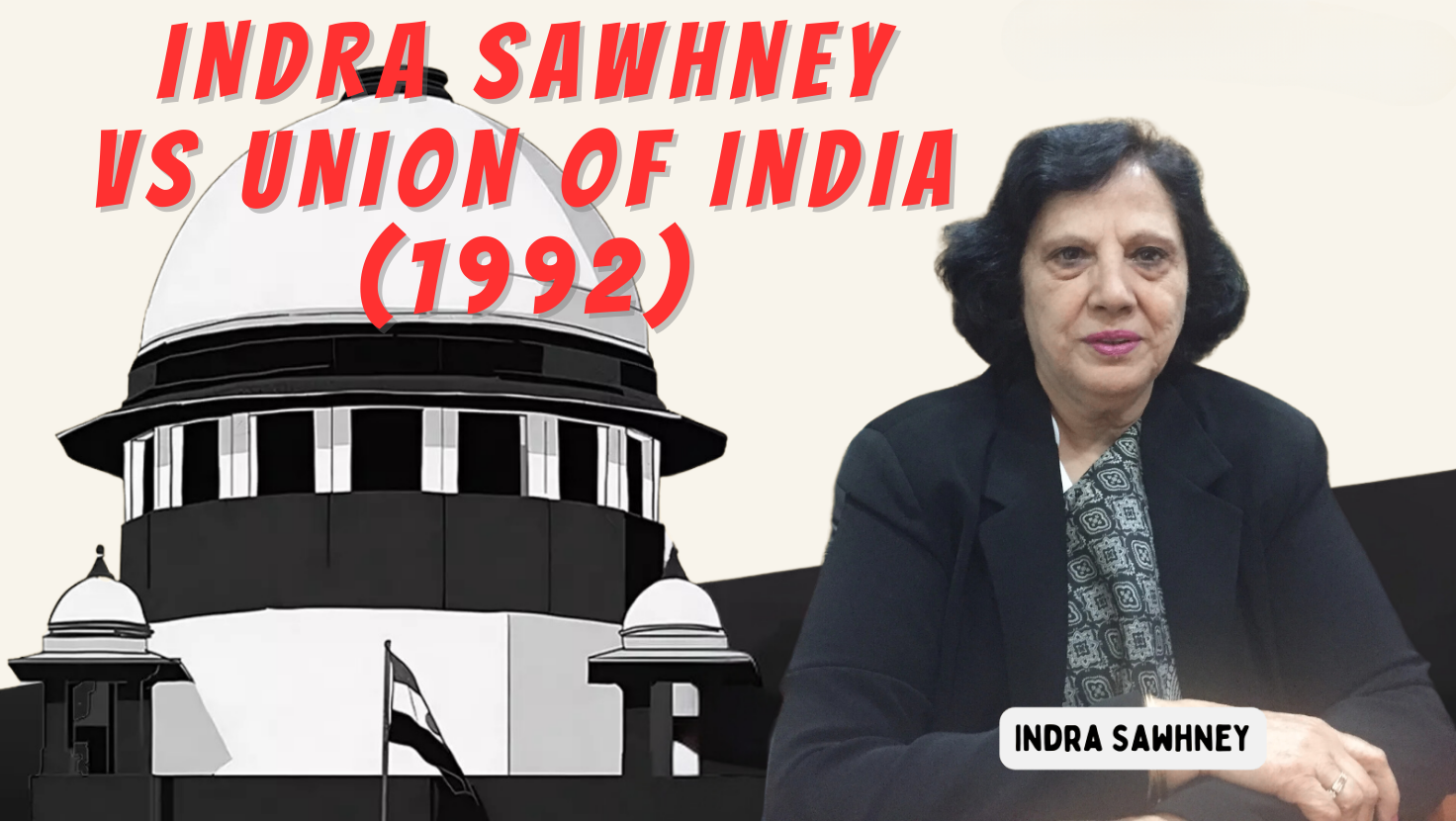
The Indra Sawhney case (1992) upheld OBC reservations, introduced the creamy layer, set a 50% cap, and reshaped India’s quota system.
Article 16 ensures equal job opportunities, allows reservations for SCs, STs, OBCs & EWS, and balances equality with social justice.
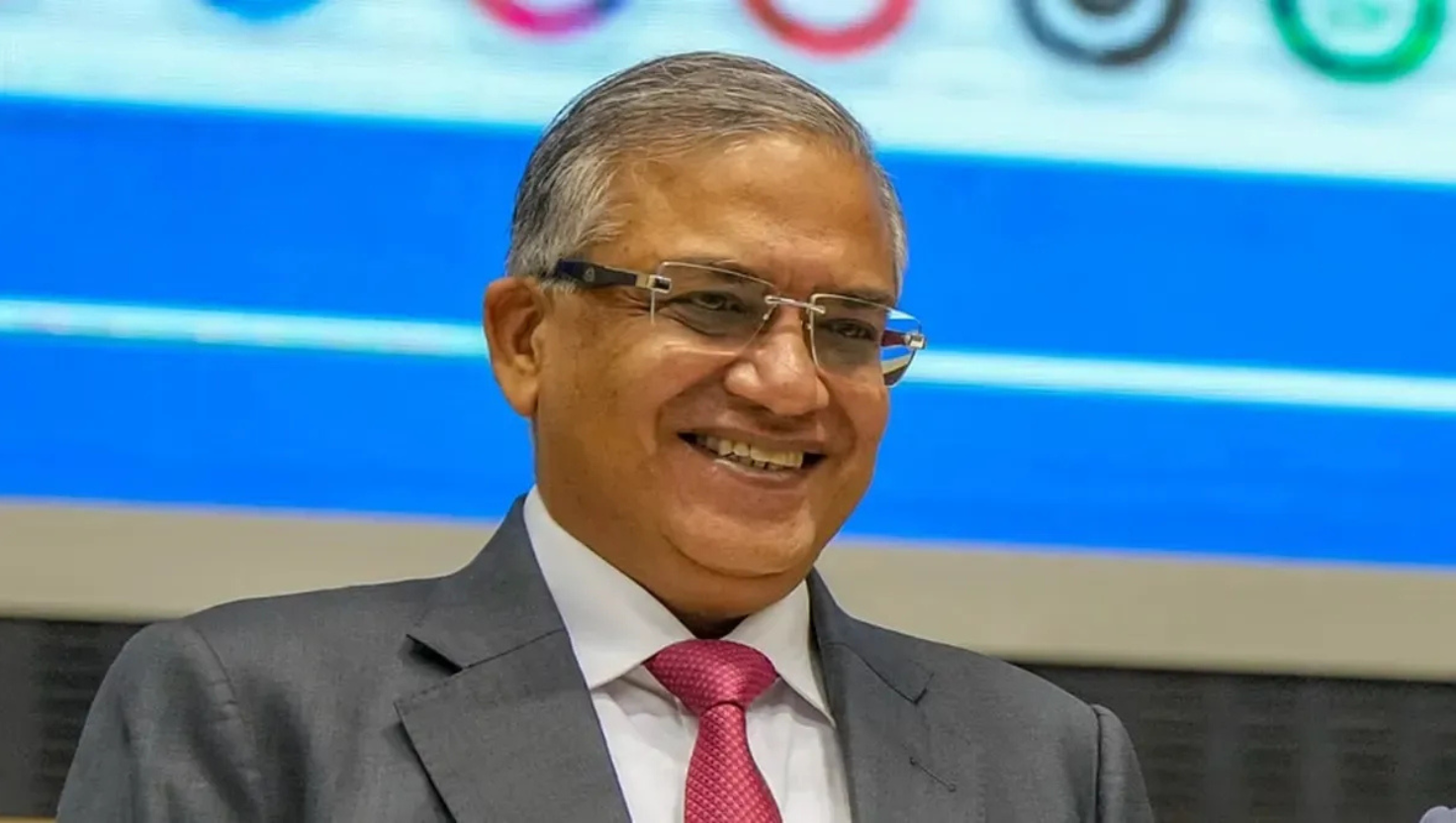
CEC can be removed like an SC judge, only for misbehaviour/incapacity, with 2/3rd majority in Parliament; none removed till date.
Article 21 ensures life & liberty with dignity. Courts expanded it to livelihood, privacy, environment & fair trial.

BRICS 2026: Explore the 18th BRICS Summit in New Delhi,
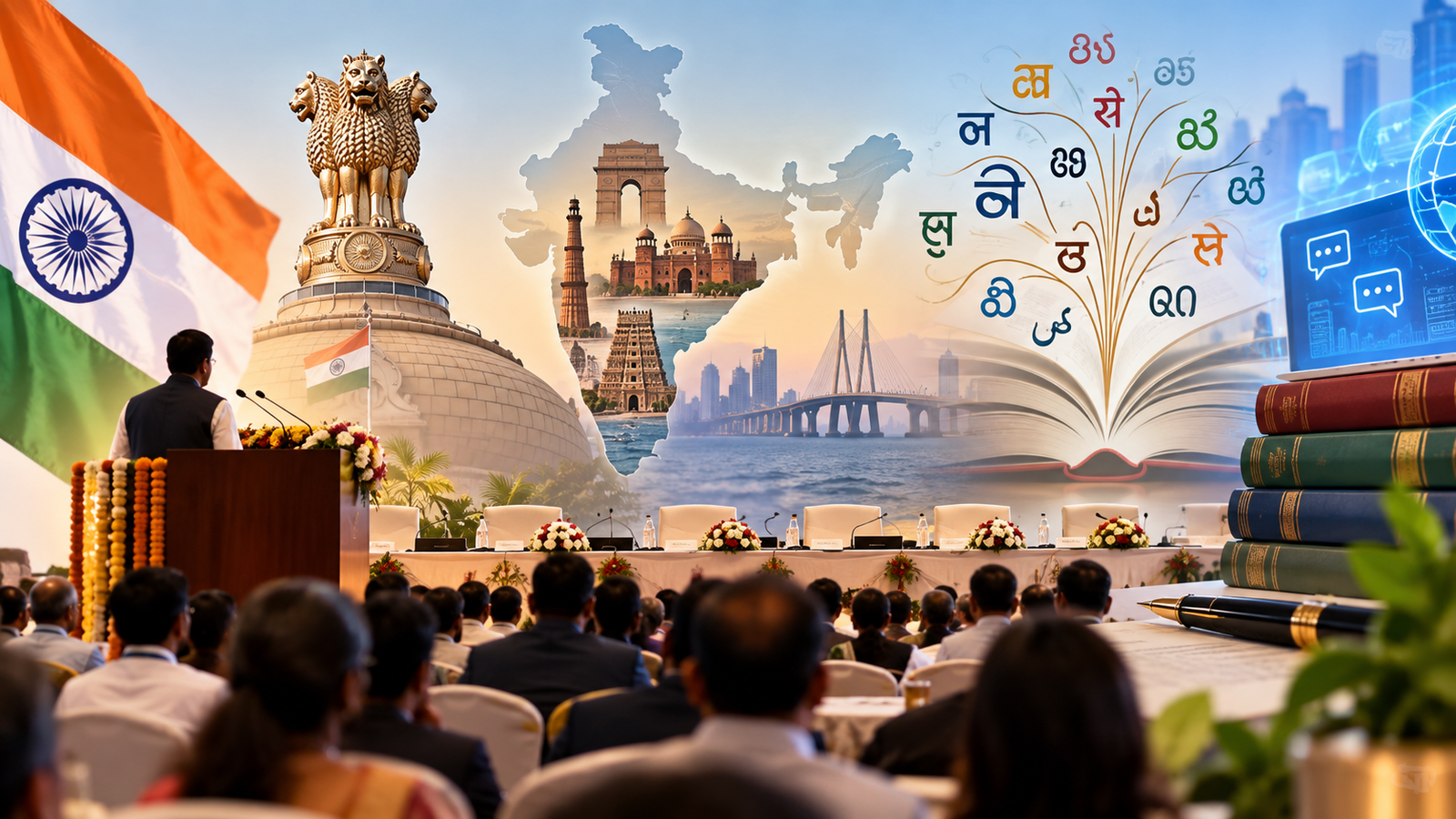
6th All India Official Language Conference 2026 in Navi Mumbai:

Discover how Bay of Bengal low-pressure systems shape India’s monsoon,
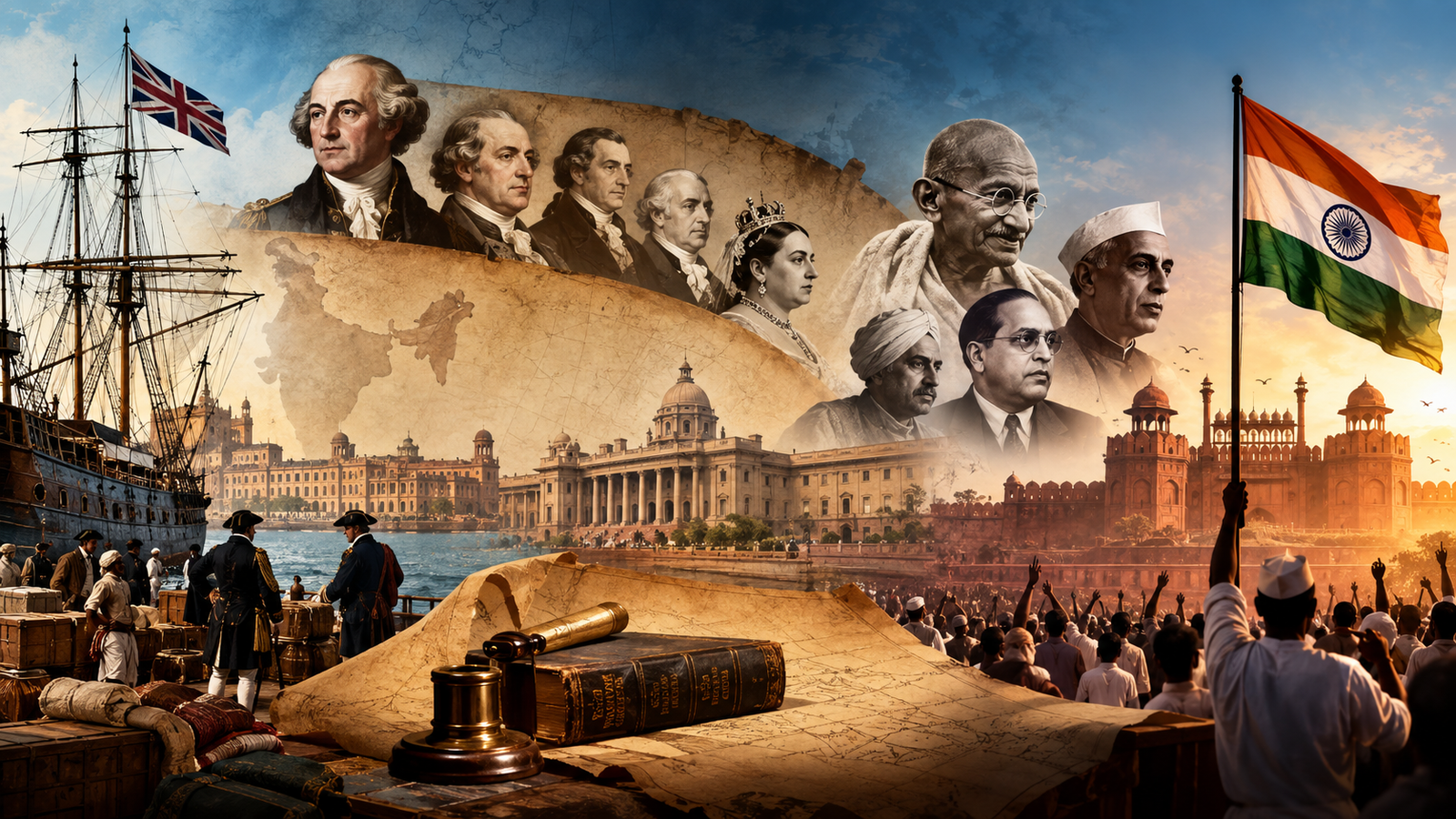
Explore the constitutional evolution of India from East India Company

Yojana June 2026 explores India’s journey towards a Naxal-free Bharat,

HPAS/HPPSC Current Affairs 2 September 2026: Himachal rainfall deficit, Therapy