Modern History

Sources of Modern Indian History
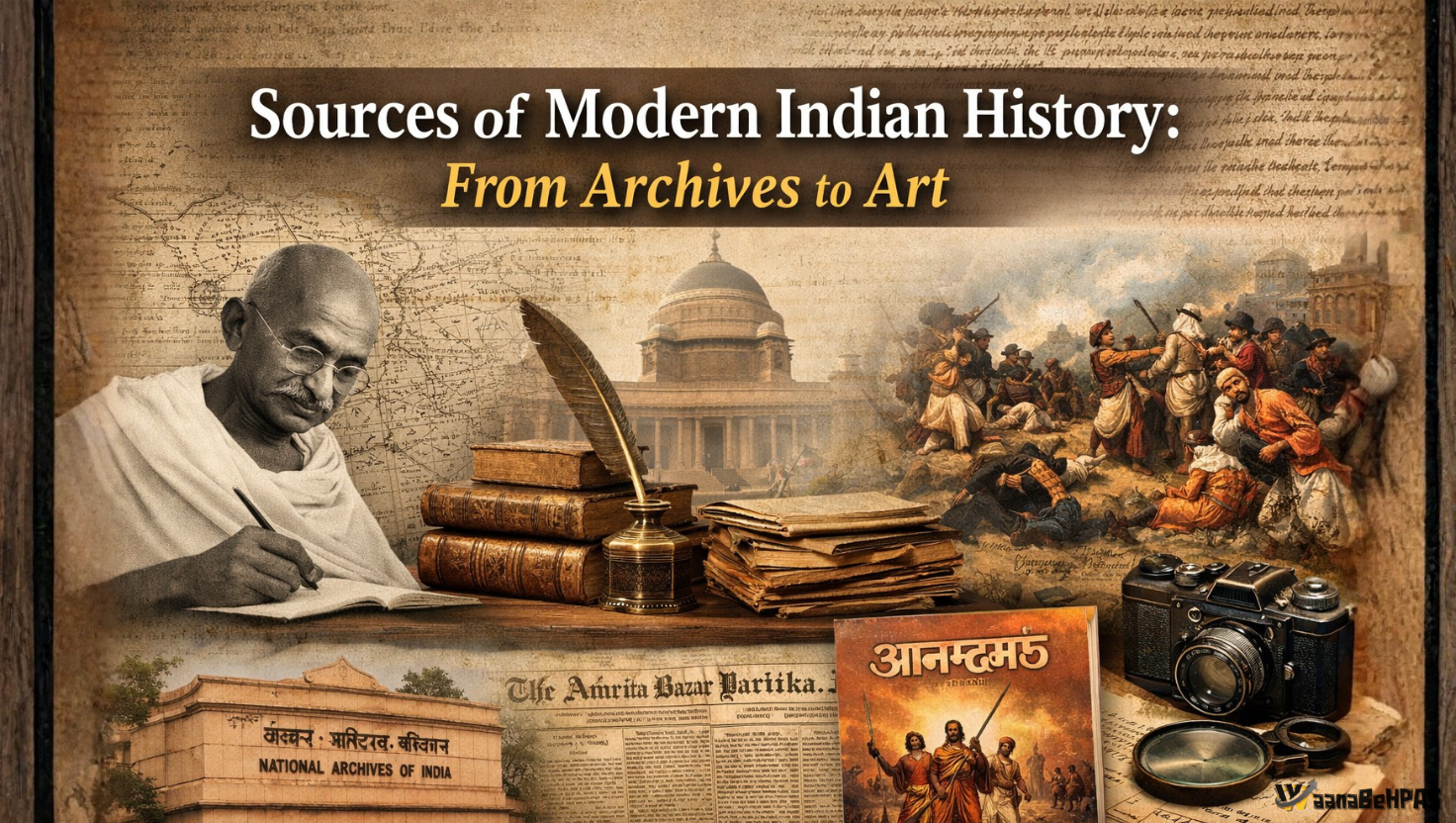
Sources of Modern Indian History: From Archives to Art

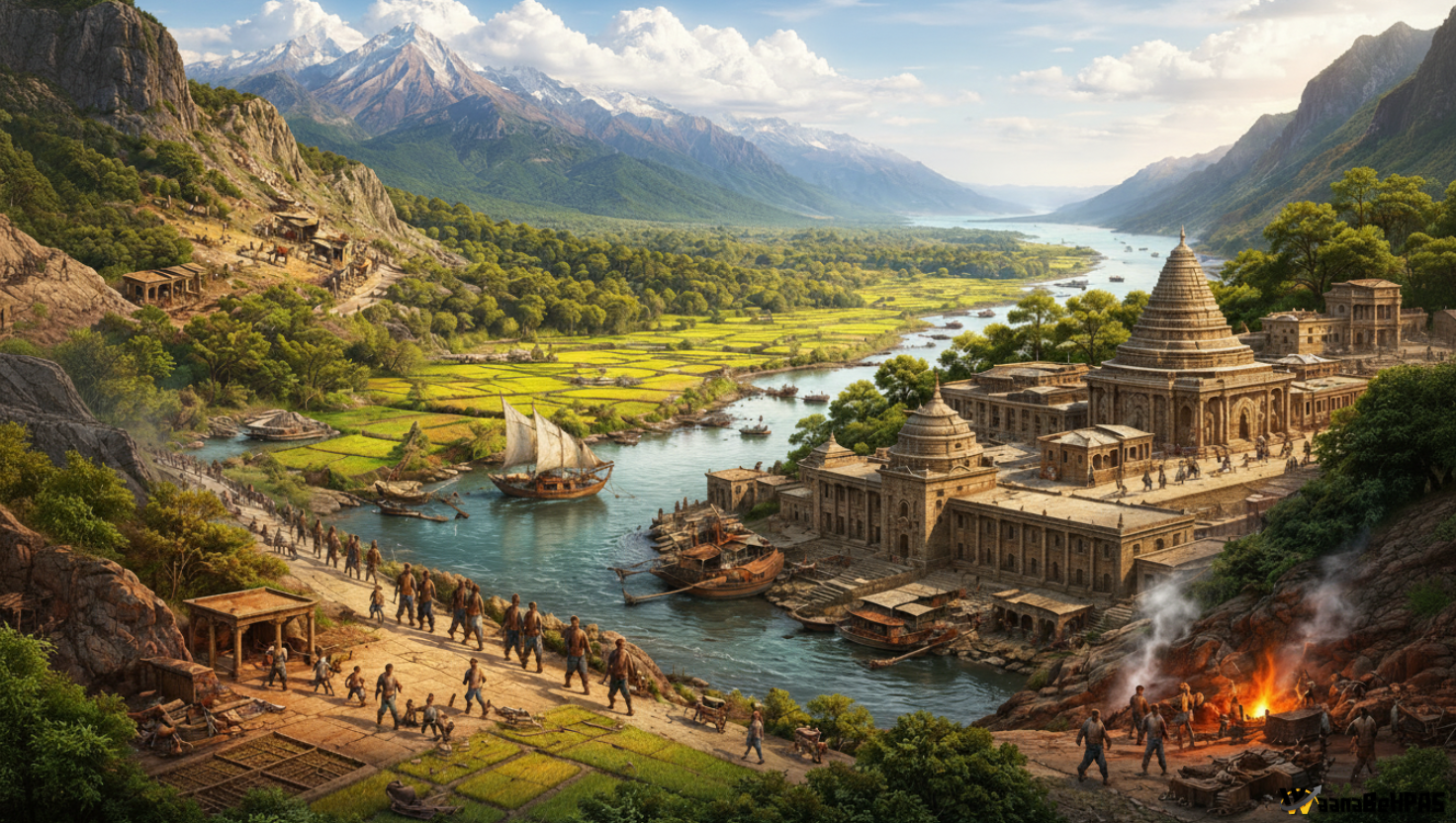
Sources of Modern Indian History for UPSC: Unlocking the Past Syllabus: UPSC GS-I (Modern India) Introduction: Why Sources Matter The period from the mid-18th century to 1947 witnessed the transformation of India from a Mughal successor state to a British colony and finally to an independent nation. Reconstructing this complex journey requires a critical study of historical sources. These sources—official files, newspapers, memoirs, literature, and art—are the raw materials from which historians build narratives.For a UPSC aspirant, understanding their nature,

From Margaret Noble To Sister Nivedita

The inspiring journey of Margaret Noble, who became Sister Nivedita and devoted her life to India’s spiritual and national awakening.

Birsa Munda
Birsa Munda -tribal freedom fighter

Birsa Munda’s 150th birth anniversary honors his role as a tribal freedom fighter who led the Ulgulan movement and defended tribal land and identity.

Jyotiba Phule
Jyotiba Phule

Jyotiba Phule, founder of Satyashodhak Samaj, led early anti-caste and women’s education reforms, shaping India’s modern social justice foundations.

Swami Vivekananda
Swami Vivekananda

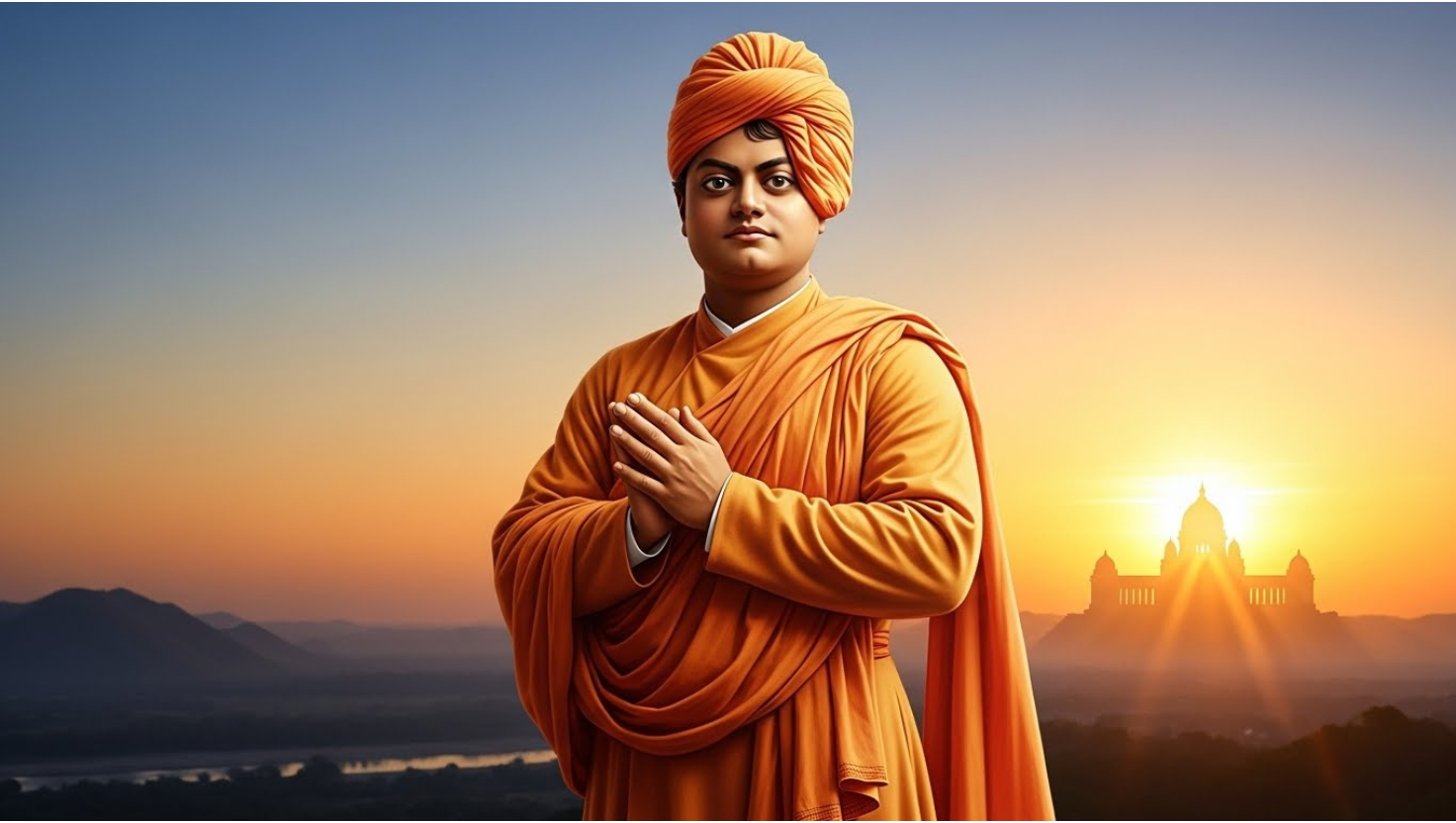
Swami Vivekananda modernised Hinduism, globalised Vedanta and Yoga, founded the Ramakrishna Mission, and inspired India’s national awakening through rational spirituality.

Dayanand Saraswati
Dayanand Saraswati

Swami Dayanand Saraswati, founder of Arya Samaj, led major Vedic-based social and religious reforms, opposing idol worship, caste discrimination and social evils.

Raja Ram Mohan Roy
Raja Ram Mohan Roy

Raja Ram Mohan Roy, the “Father of Modern India,” led major social and religious reforms like ending Sati, promoting women’s rights and modern education.

Sardar Vallabhbhai Patel

Sardar Vallabhbhai Patel, India’s Iron Man, unified 560 princely states and built the nation’s administrative “Steel Frame.”

Chakra Bisoi
Chakra Bisoi

Chakra Bisoi, nephew of Dora Bisoi, led the Khond rebellion (1840–56) in Odisha against British rule, defending tribal rights and resisting oppression.

Alluri Sitarama Raju

Alluri Sitarama Raju led the Rampa Rebellion (1922–24) in Andhra Pradesh, fighting British oppression; executed in 1924, he’s hailed as “Manyam Veerudu

Thalakkal Chandu
Thalakkal Chandu

Thalakkal Chanthu, a Kurichya leader under Pazhassi Raja, led the 1802 Panamaram revolt against the British; captured and executed in 1805.

Tirot Sing
U Tirot Sing Syiem

U Tirot Sing Syiem, Khasi chief of Nongkhlaw, led an early revolt (1829–33) against British rule; died in captivity on July 17, 1835.

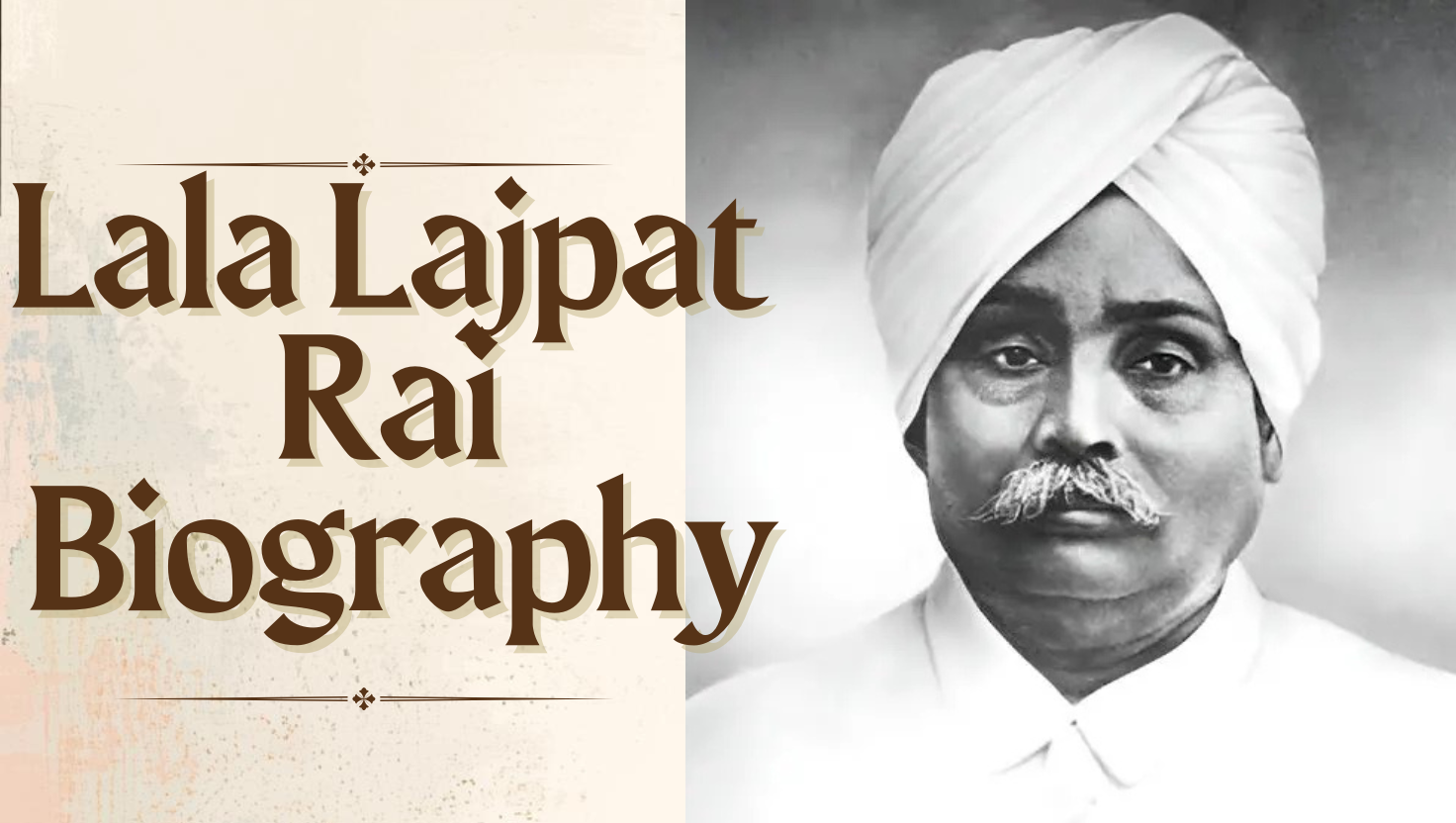
Lala Lajpat Rai
Lala Lajpat Rai – Biography

Lala Lajpat Rai, the Lion of Punjab, was a freedom fighter and reformer who led the 1928 Simon Commission protest and inspired India’s independence.

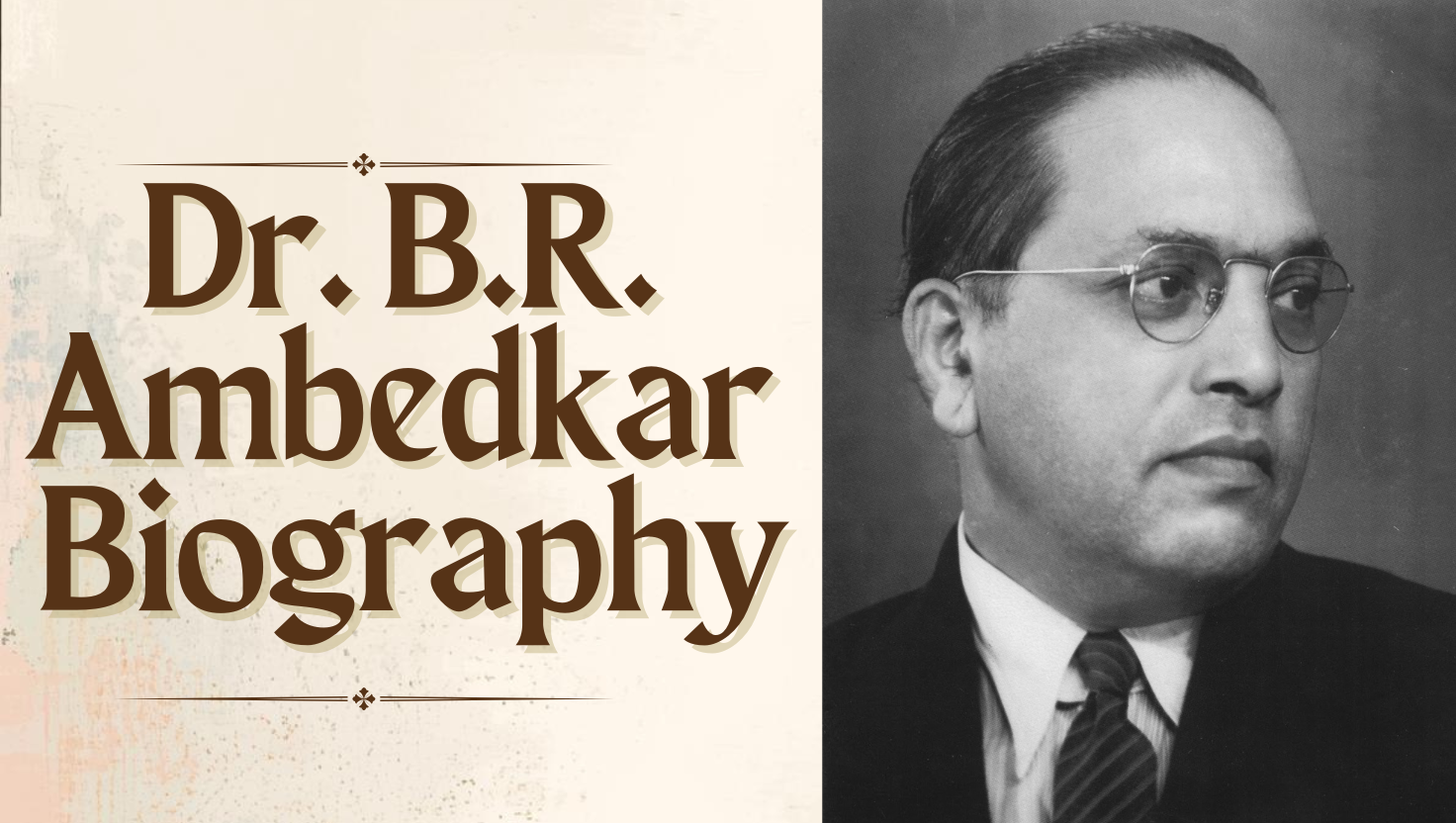
Dr. B.R. Ambedkar
Dr. Bhim Rao Ambedkar Biography

Dr. B.R. Ambedkar, architect of India’s Constitution, championed equality, social justice, and education for an inclusive society.

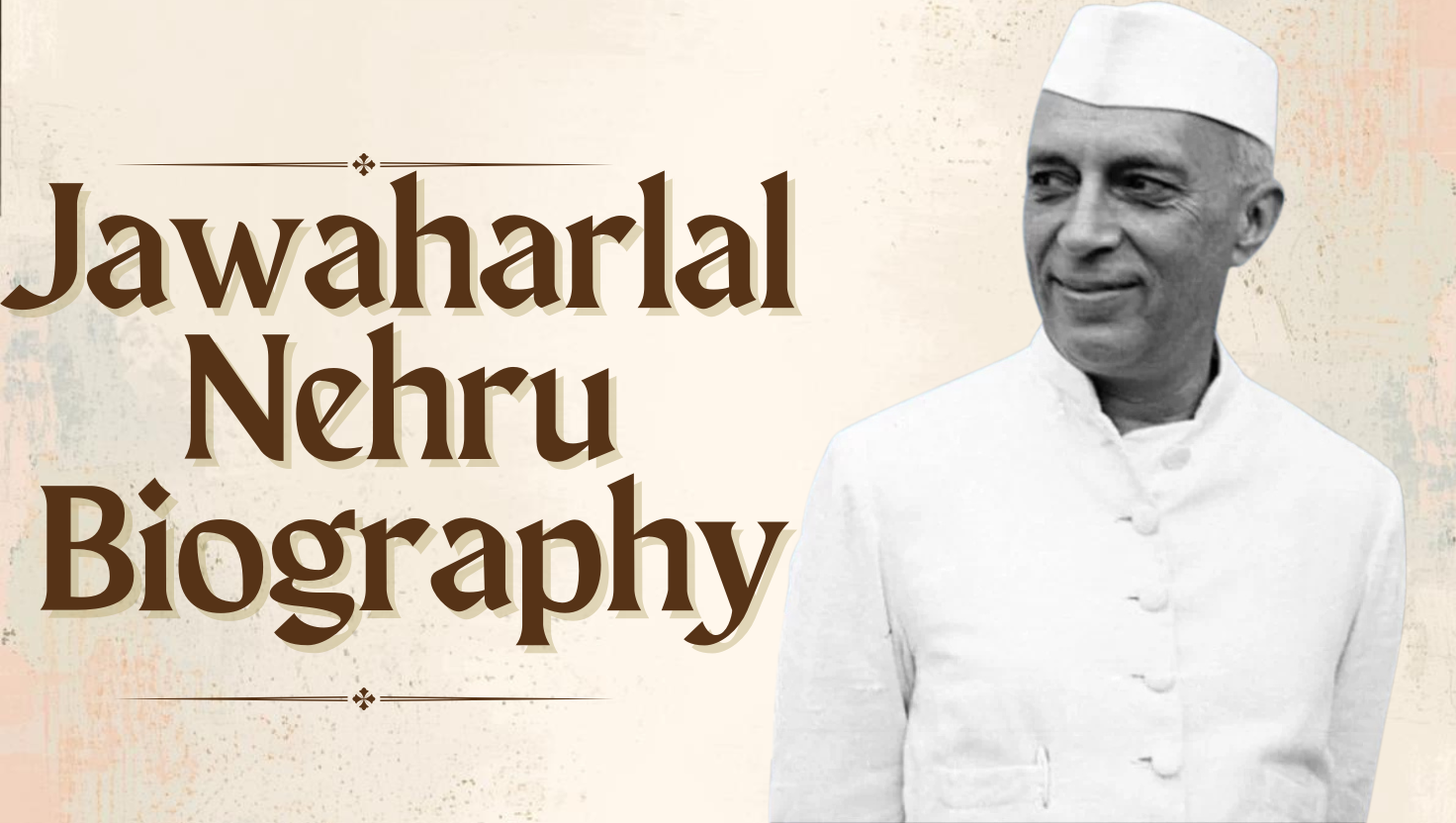
Jawaharlal Nehru Biography

Jawaharlal Nehru, India’s first Prime Minister, led the nation’s freedom struggle and shaped modern India through education, democracy, and progress.

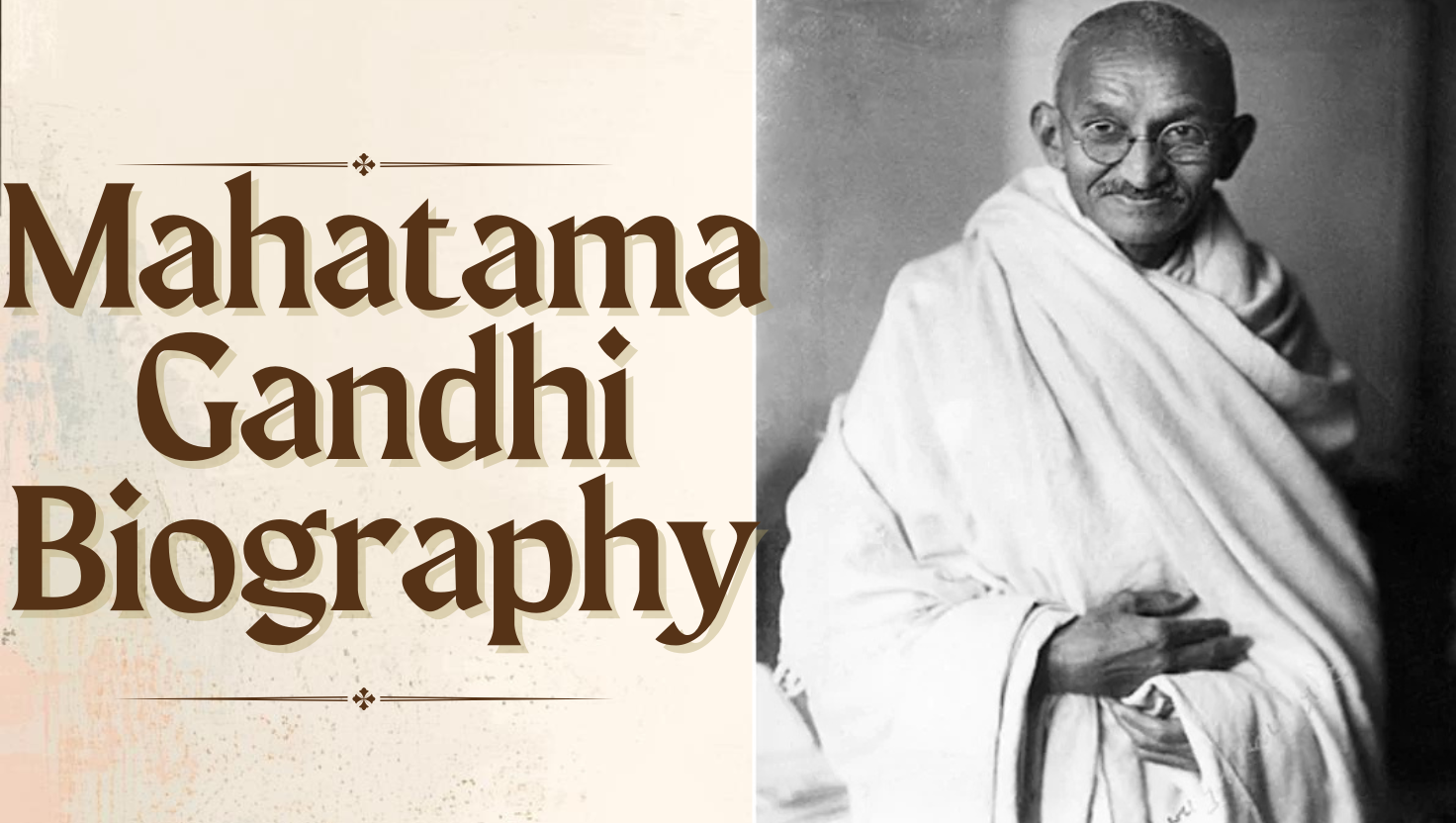
Mahatma Gandhi Biography

Mahatma Gandhi, the Father of the Nation, led India’s freedom struggle through nonviolence, truth, and unity, inspiring peace worldwide.

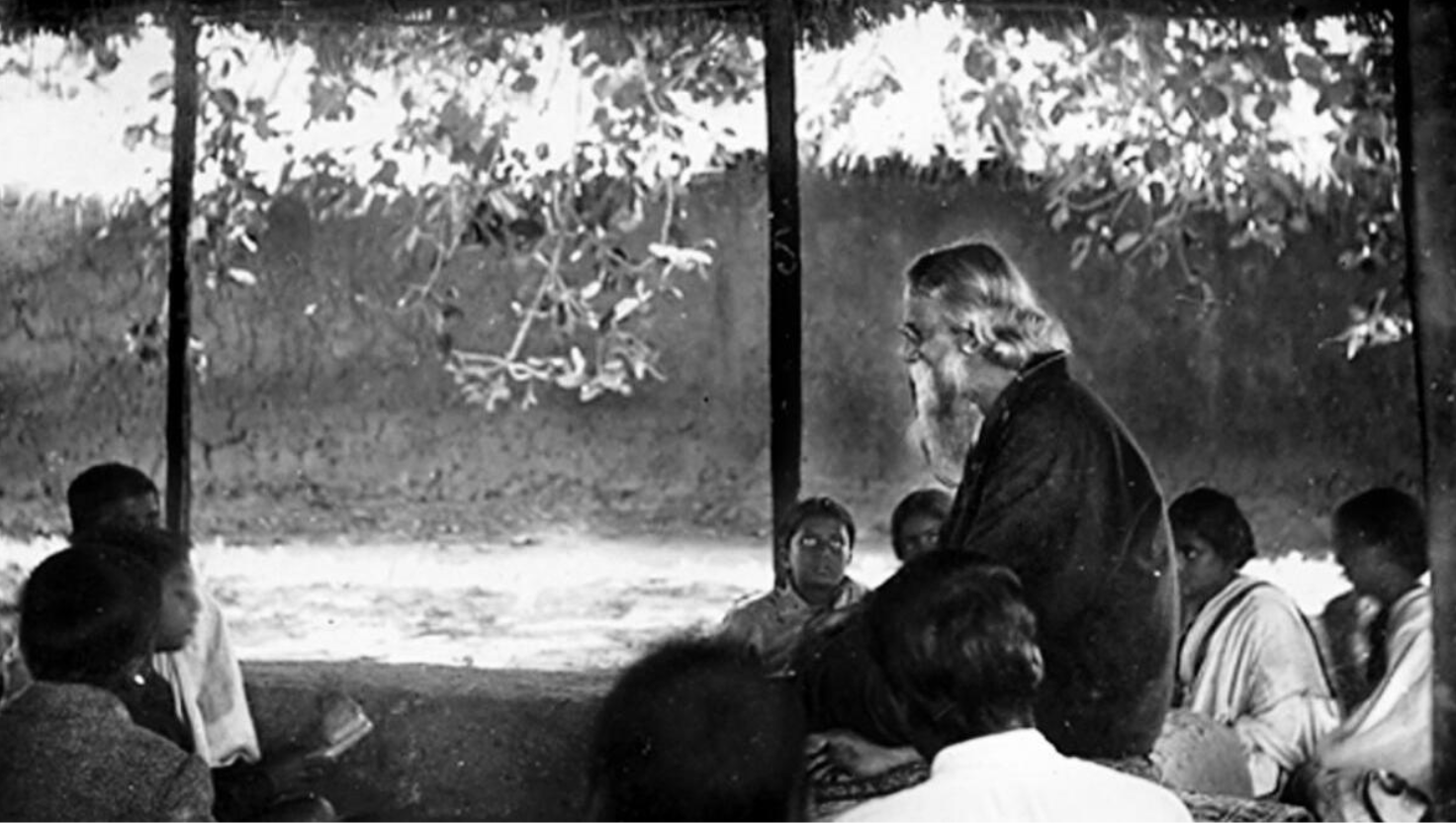
Visva-Bharati University

Visva-Bharati University, founded by Rabindranath Tagore in 1921, faces an institutional crisis amid NEP 2020 reforms, funding cuts, and faculty unrest.

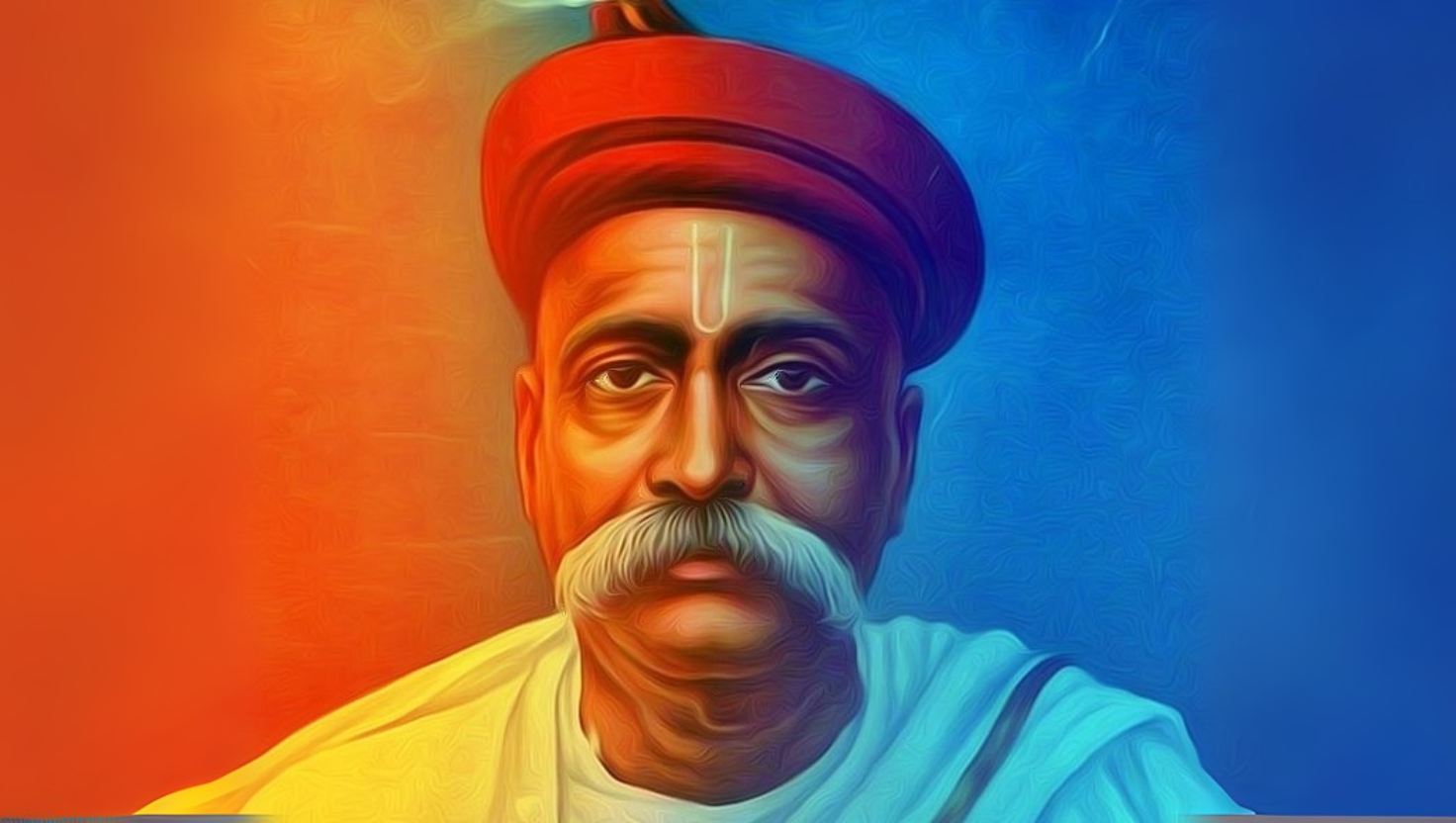
Lokmanya Bal Gangadhar Tilak

Lokmanya Bal Gangadhar Tilak, a pioneering nationalist leader, transformed Swaraj into a mass movement through bold journalism, cultural revival, and assertive politics.

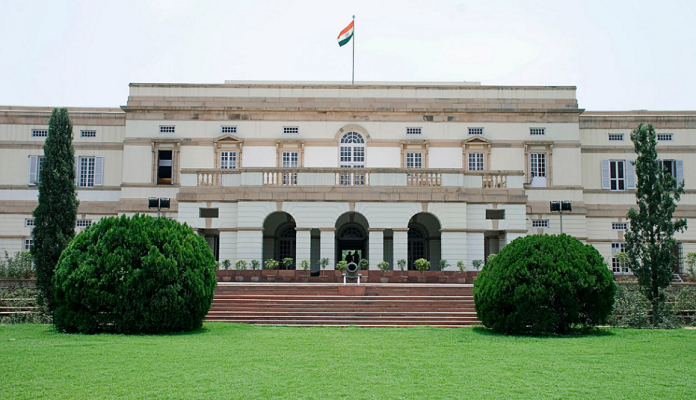
Nehru Memorial museum and library
Prime Ministers Museum and Library (PMML)

The Prime Ministers Museum and Library (PMML) in New Delhi has announced plans to take legal action to recover the Private Papers of Jawaharlal Nehru, which were reportedly taken by Sonia Gandhi in 2008. The institution has described these documents as a national treasure.

Emergency
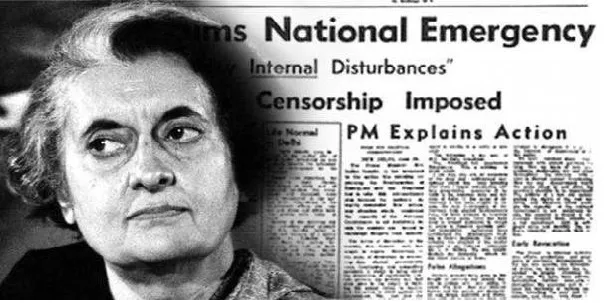
50 Years Since the Declaration of Emergency (1975–77)

Half a Century Since India’s Emergency Era Source: DD NewsSyllabus: Indian Polity & Governance | Modern History Why In News: Emergency On 25th June 2025, India marks the 50th anniversary of the declaration of the Emergency (1975–1977), a critical period that significantly impacted the country’s democracy and constitutional framework. What was the Emergency? Events Leading to the Emergency: Key Developments During the Emergency: Aftermath and Reforms Post-Emergency: Conclusion: The Emergency period remains a crucial chapter in India’s democratic journey, reminding

Facebook
Telegram
X
WhatsApp
Email

You May Also Like