

Carriage of Goods by Sea Bill, 2025
Carriage of Goods by Sea Bill, 2025 modernises maritime trade laws, adopts Hague–Visby Rules, and boosts India’s role as a global shipping hub.
Carriage of Goods by Sea Bill, 2025 modernises maritime trade laws, adopts Hague–Visby Rules, and boosts India’s role as a global shipping hub.
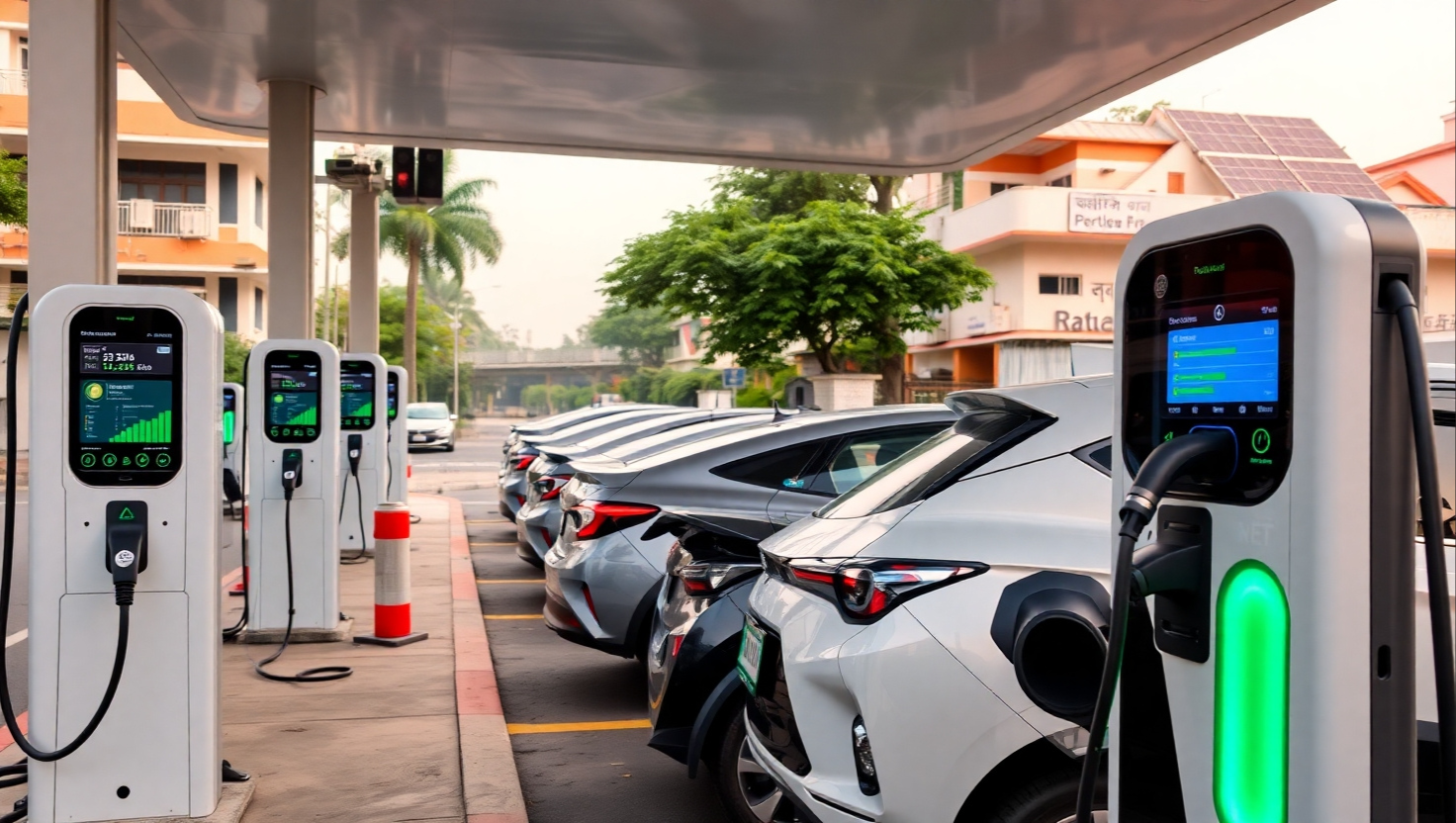
NITI Aayog launched the India Electric Mobility Index to rank States/UTs on EV adoption, infra readiness & innovation for green mobility.
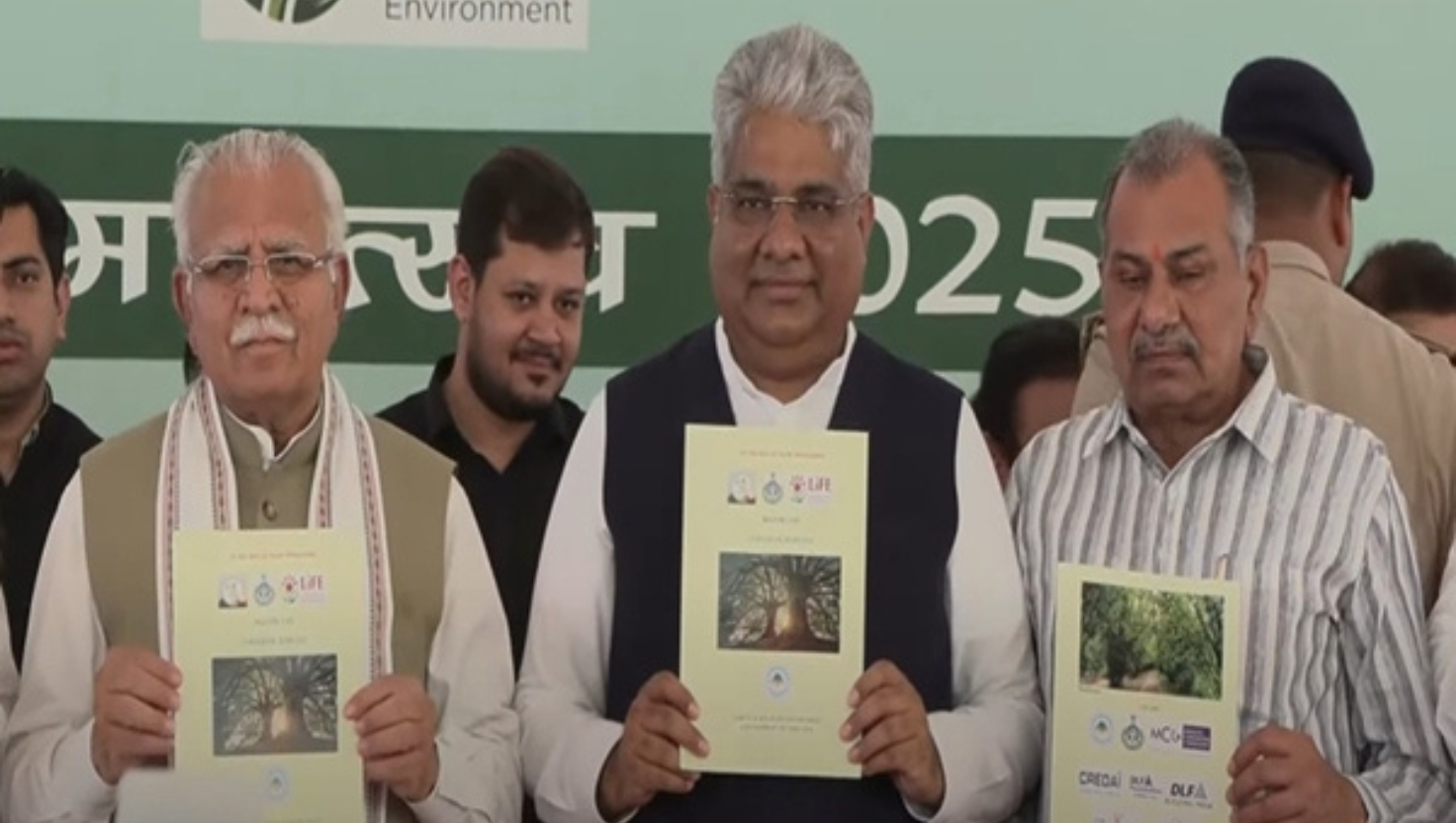
Matri Van Initiative, a 750-acre urban forest in Gurugram, focuses on restoring the Aravalli ecosystem through community-driven ecological efforts.

India’s first AI-Powered Anganwadi launched in Nagpur to boost rural preschool education through AI, VR, and digital learning under Mission Bal Bharari.
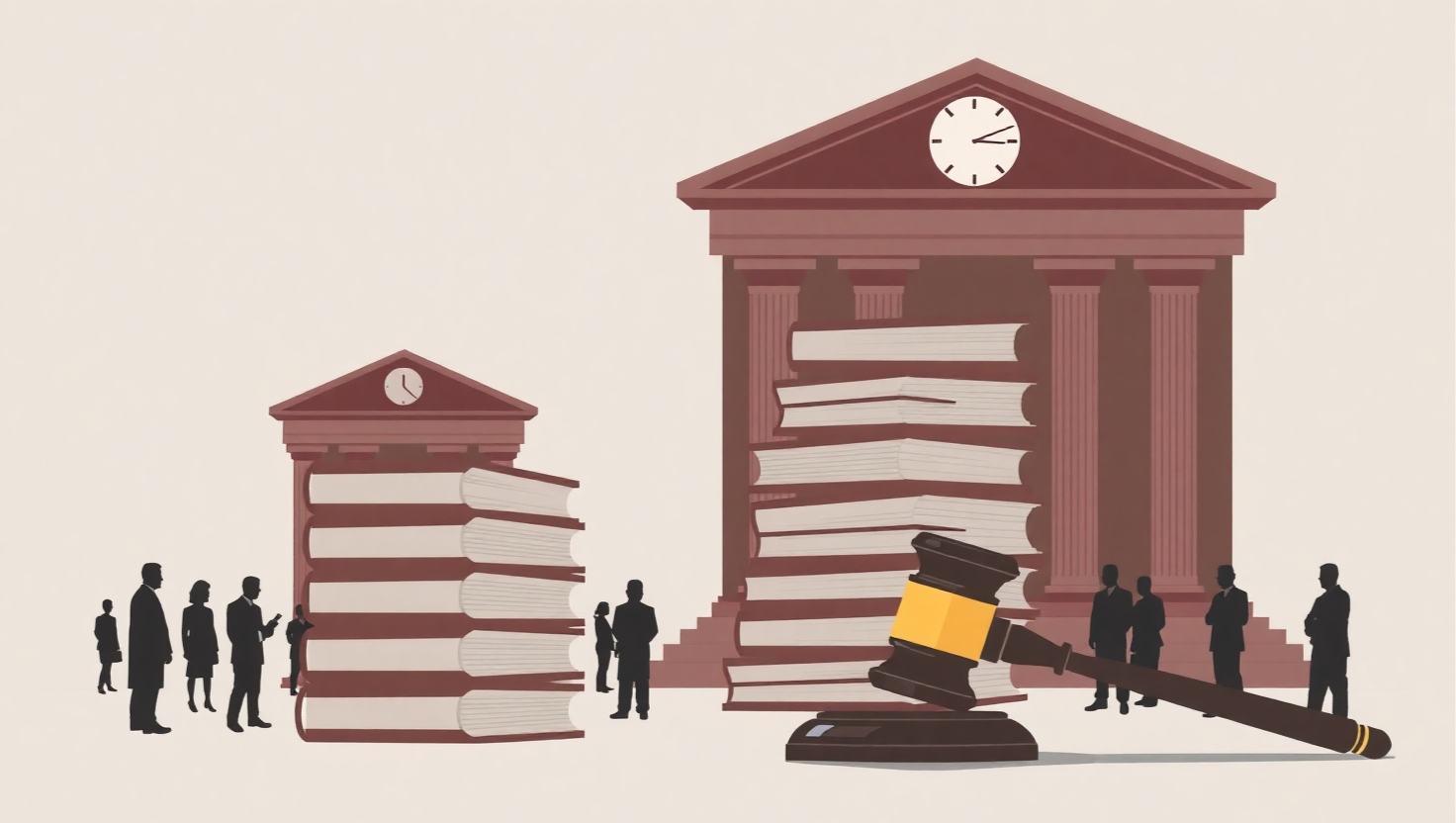
India’s judicial system faces a backlog of over 5 crore cases. SOFI urges urgent reforms for timely and accessible judicial justice delivery.
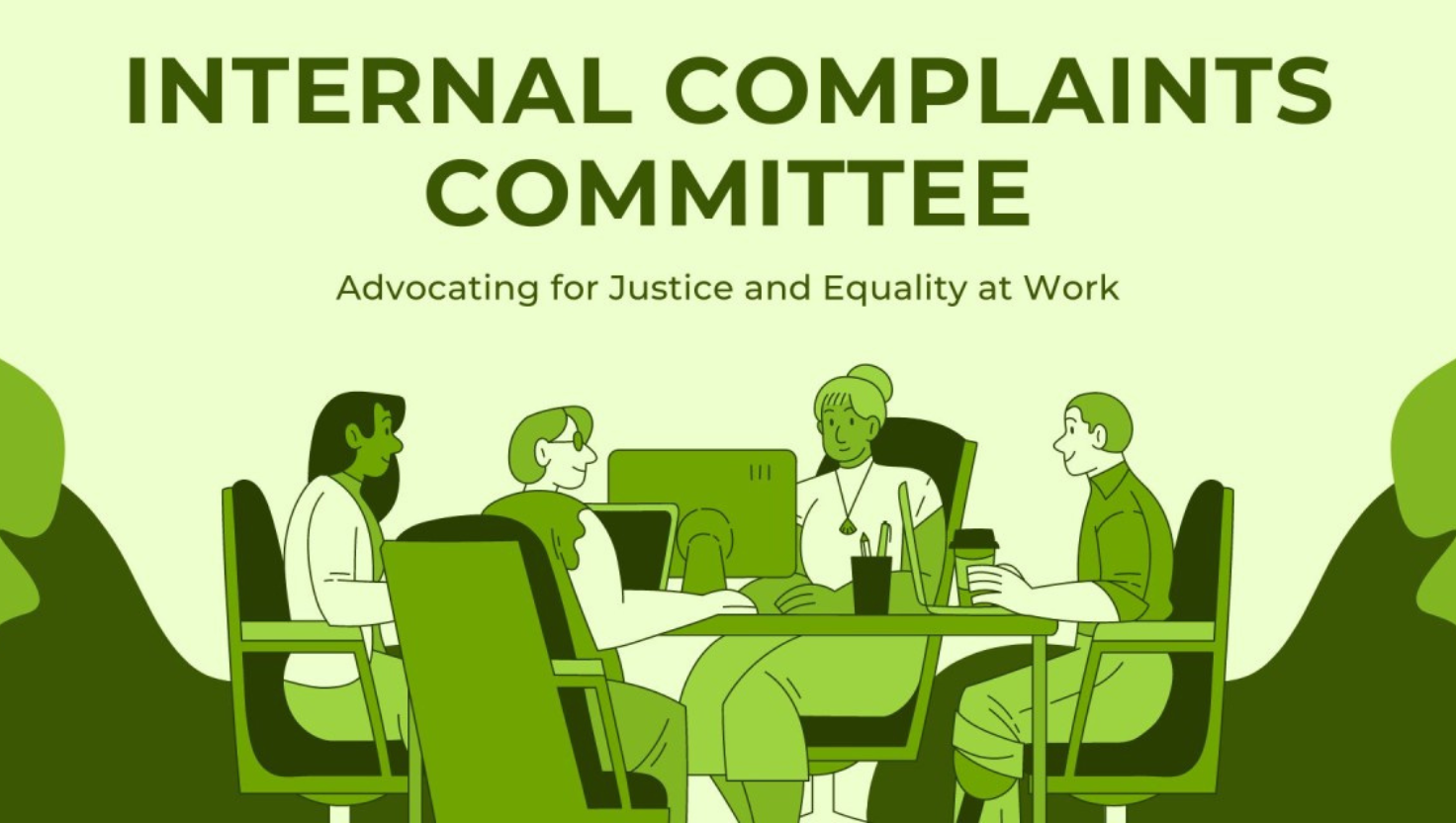
The Internal Complaints Committee under the POSH Act ensures safe, fair, and confidential redressal of workplace sexual harassment cases.
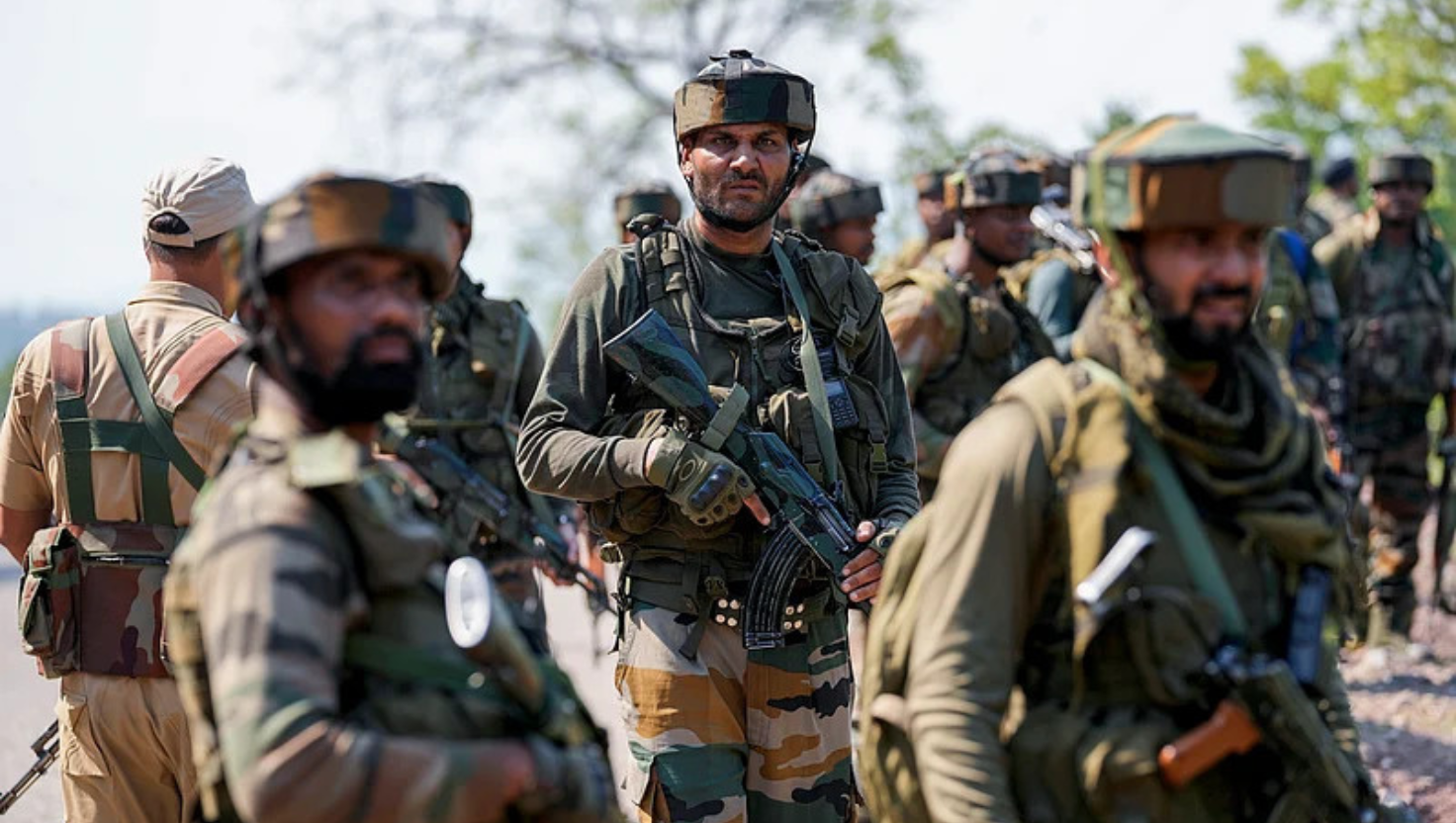
NALSA launches ‘Veer Parivar Sahayata Yojana’ to provide free legal aid to armed forces and families, linking welfare with internal security.
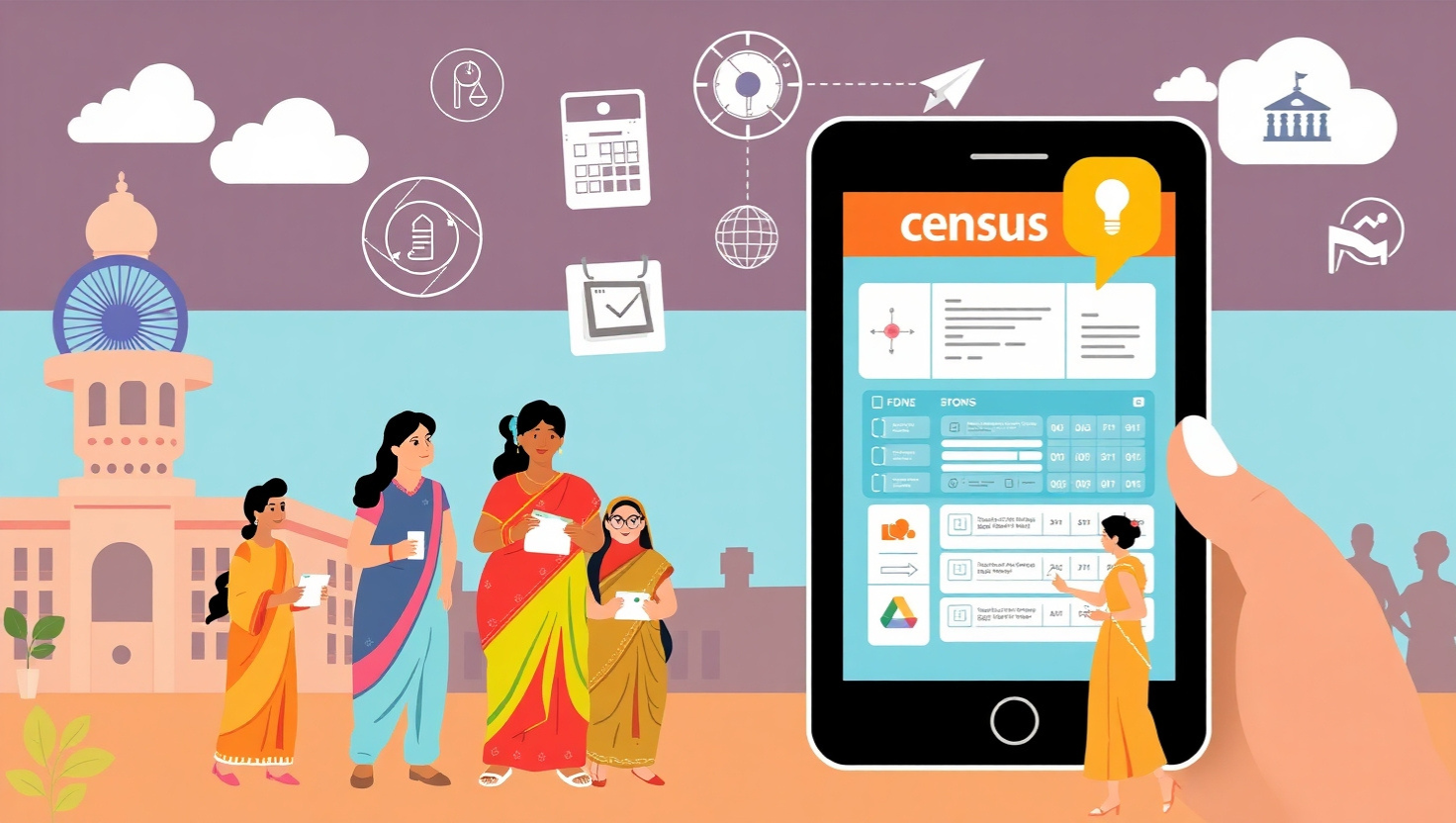
Census 2027 to be India’s first digital and inclusive census, featuring caste data, mobile app-based enumeration, and online self-enumeration.
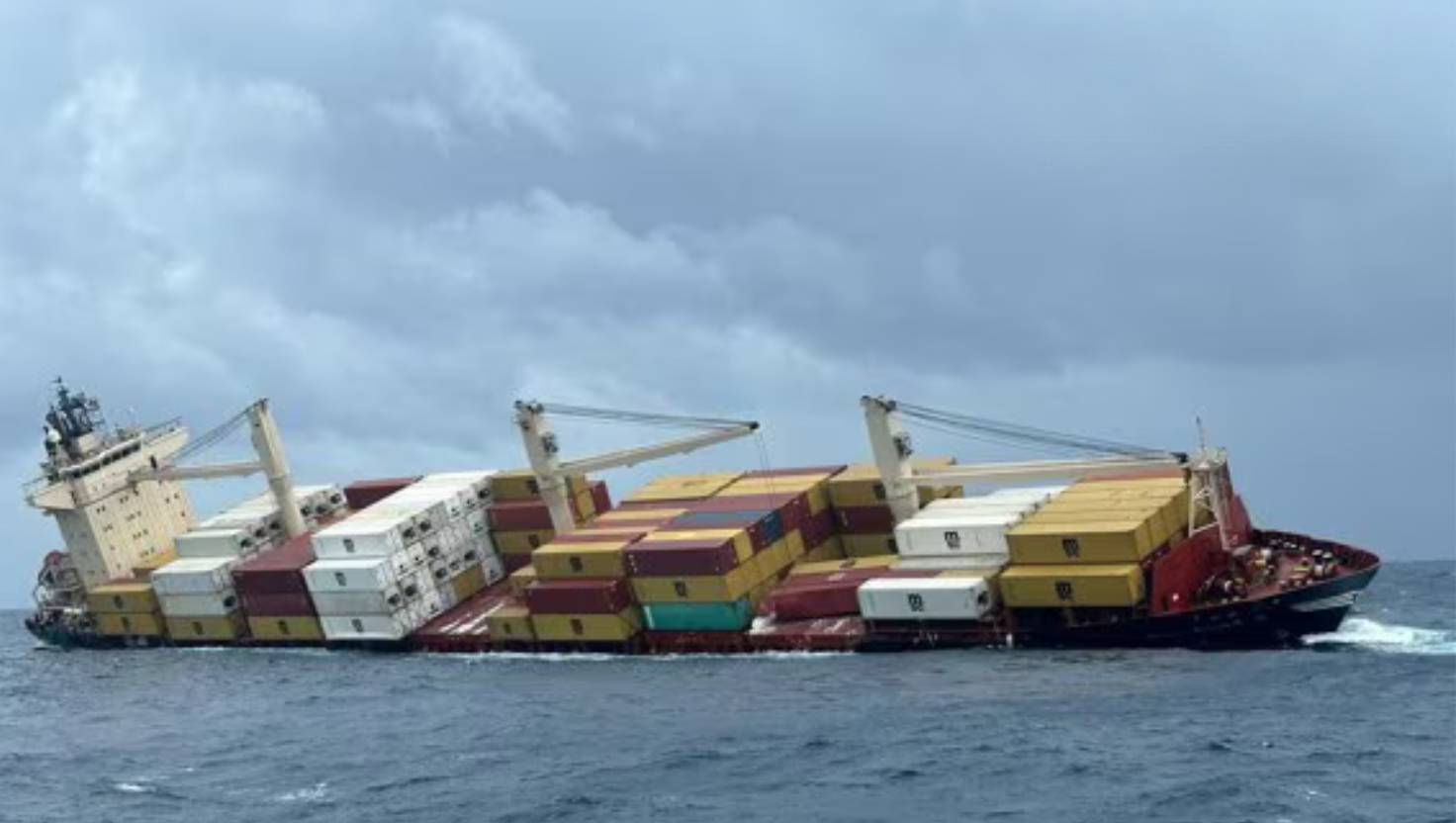
Kerala invoked the Admiralty Act, 2017 to seek ₹9,531 crore for marine damage, marking a rare environmental use of maritime law in India.

India’s Digital Divide reveals a shift from access to empowerment, highlighting gaps in skills, ownership, and gender-inclusive digital growth.
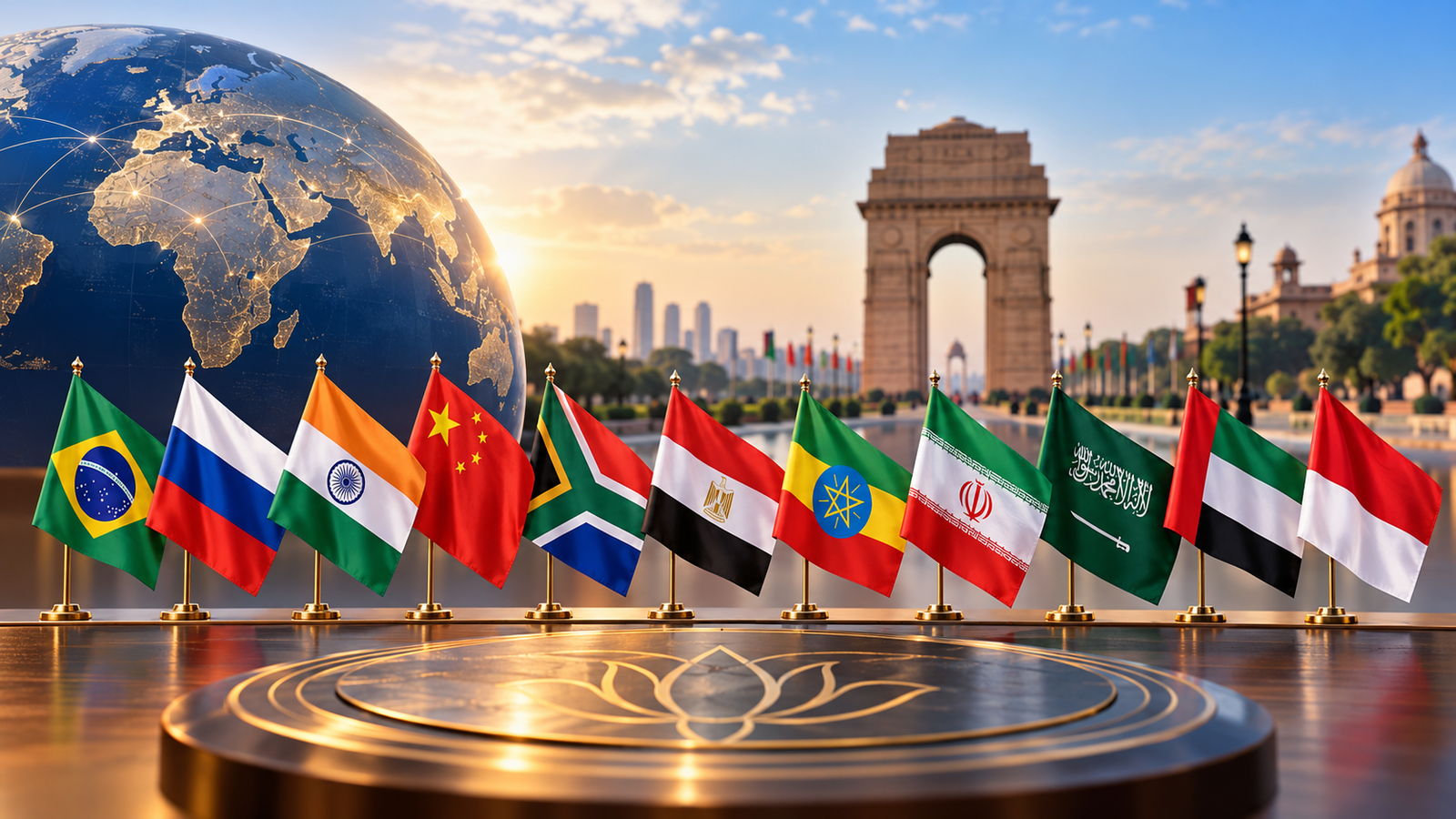
BRICS 2026: Explore the 18th BRICS Summit in New Delhi,
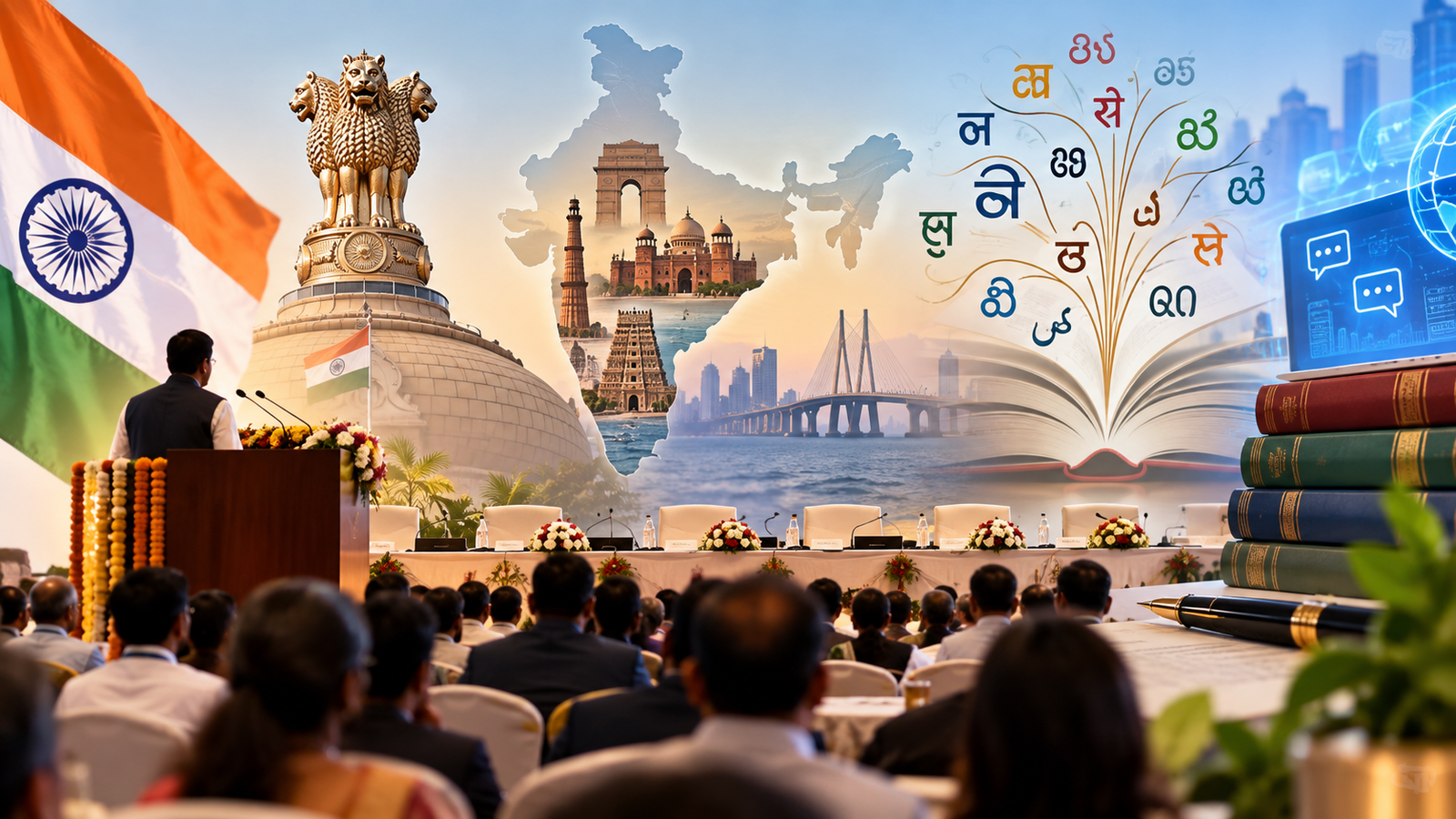
6th All India Official Language Conference 2026 in Navi Mumbai:

Discover how Bay of Bengal low-pressure systems shape India’s monsoon,
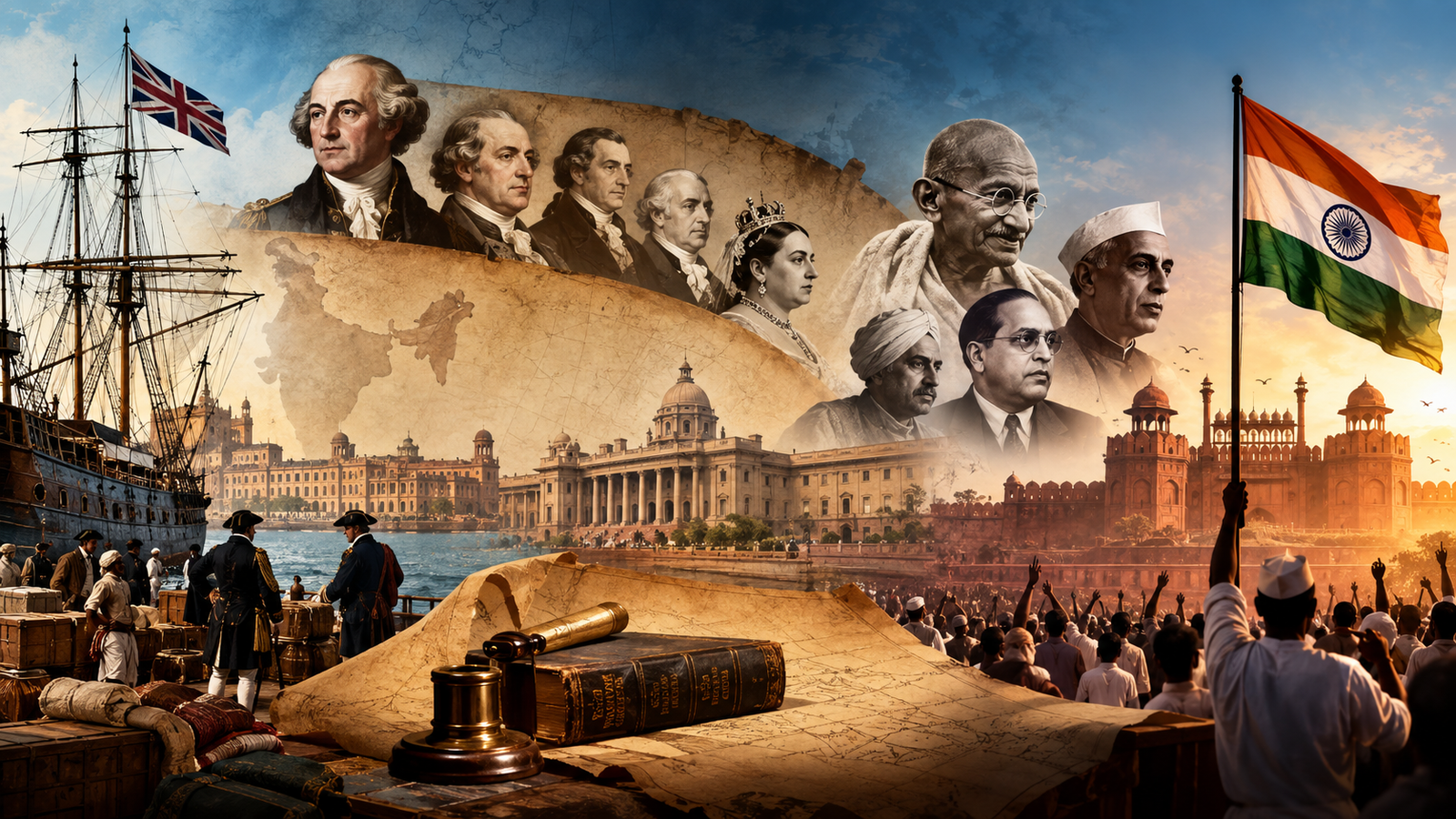
Explore the constitutional evolution of India from East India Company

Yojana June 2026 explores India’s journey towards a Naxal-free Bharat,
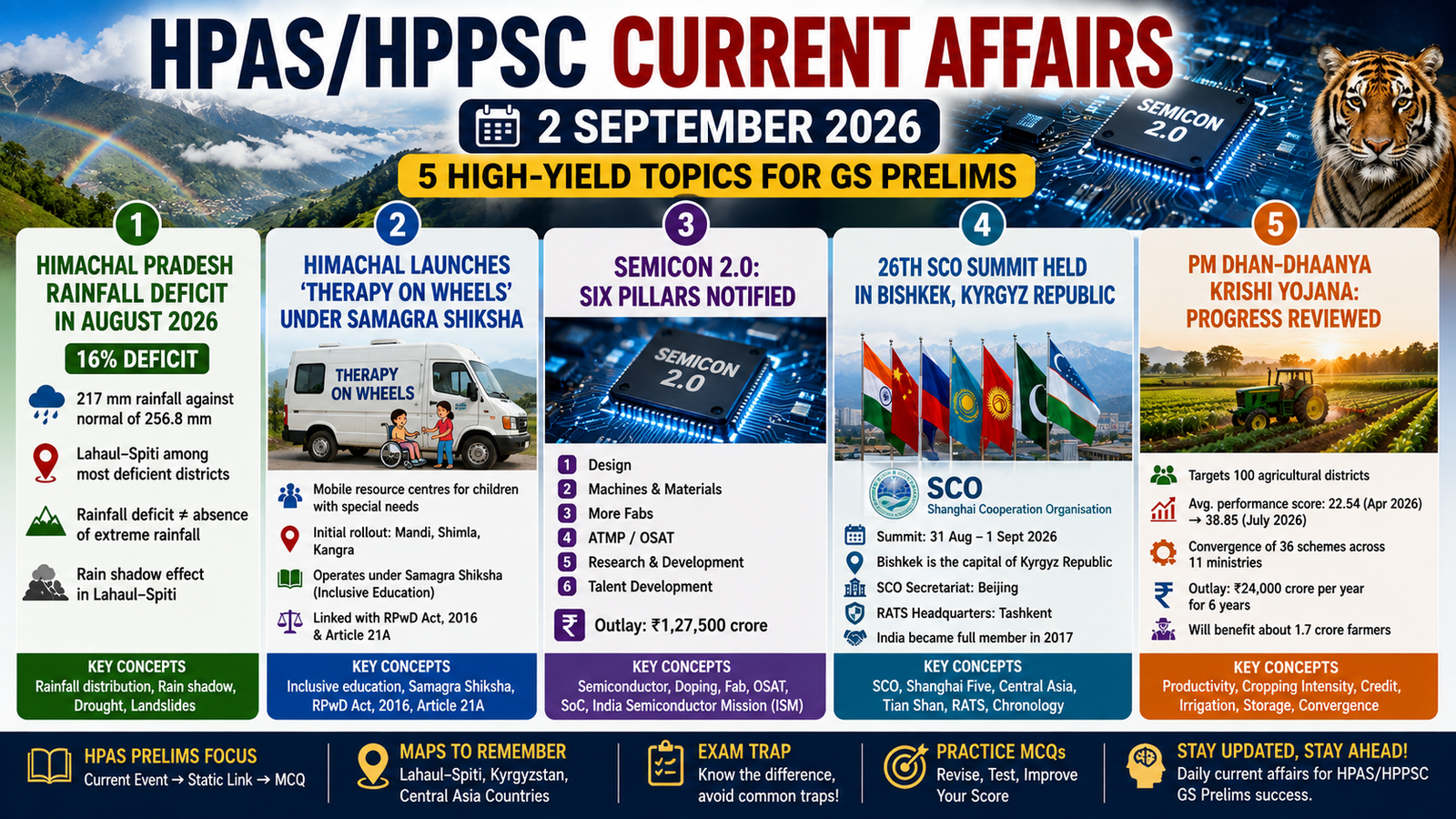
HPAS/HPPSC Current Affairs 2 September 2026: Himachal rainfall deficit, Therapy