

S.P. Mittal vs Union of India (1983)
SC held Sri Aurobindo Society not a religious denomination; upheld Auroville Act, 1980 as valid and non-violative of fundamental rights.
SC held Sri Aurobindo Society not a religious denomination; upheld Auroville Act, 1980 as valid and non-violative of fundamental rights.
Landmark case expanding Article 21; established the Golden Triangle of Articles 14, 19 & 21, ensuring fair, just, and reasonable laws.
The Brij Bhushan case (1950) upheld press freedom, ruling that pre-censorship violates Article 19(1)(a) unless justified by public order.
The 1986 Bijoe Emmanuel vs State of Kerala case upheld the right to freedom of religion and expression, affirming that patriotism cannot be forced.

Bharat Taxi, India’s first cooperative cab service, empowers drivers as owners, ensuring fair income, transparency, and affordable mobility.

RTI Act at 20 shows declining transparency due to vacancies, weak enforcement, and new privacy laws undermining citizens’ right to information.
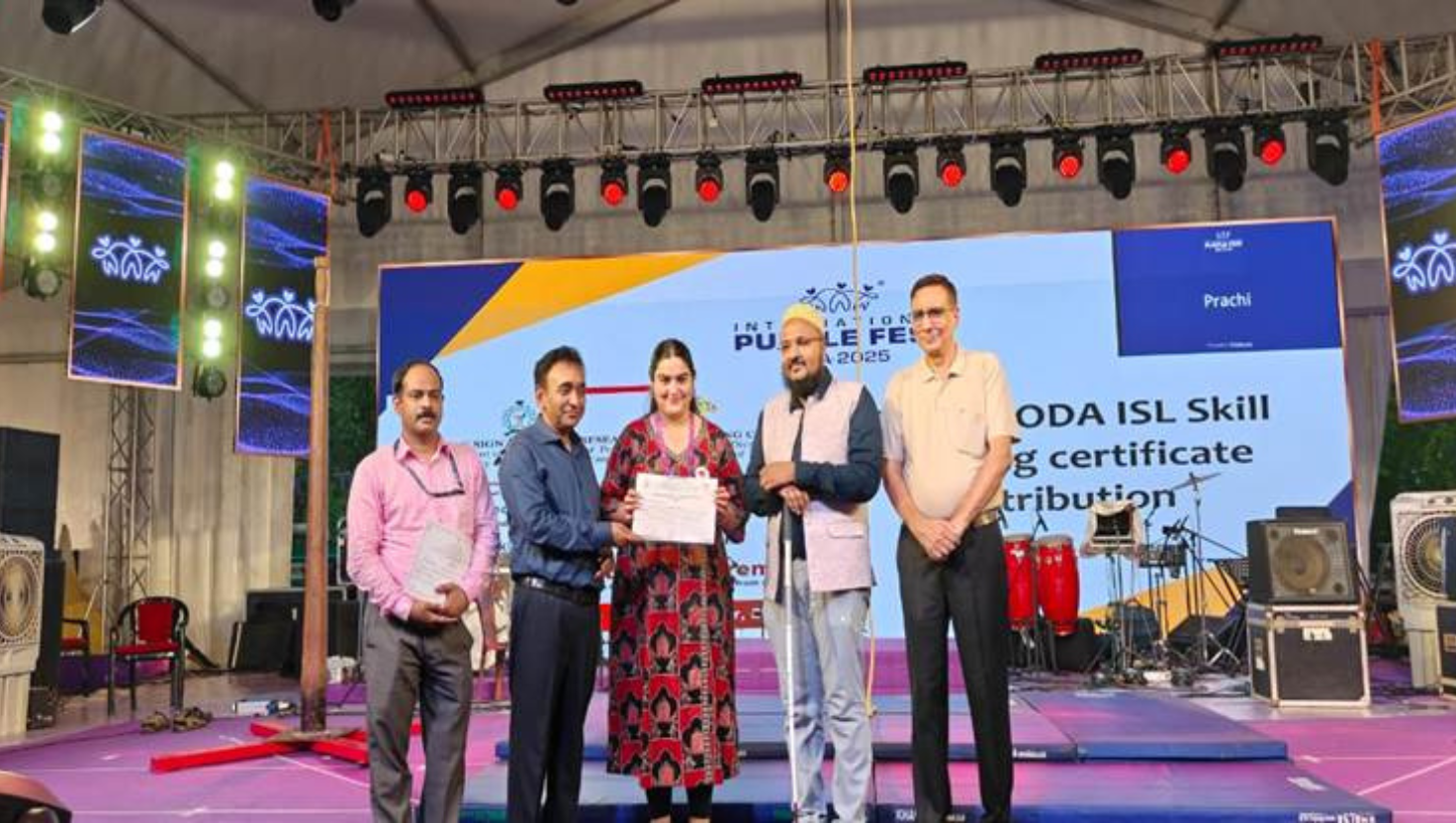
International Purple Fest 2025 in Goa promoted inclusion and accessibility, empowering persons with disabilities through innovation and awareness.
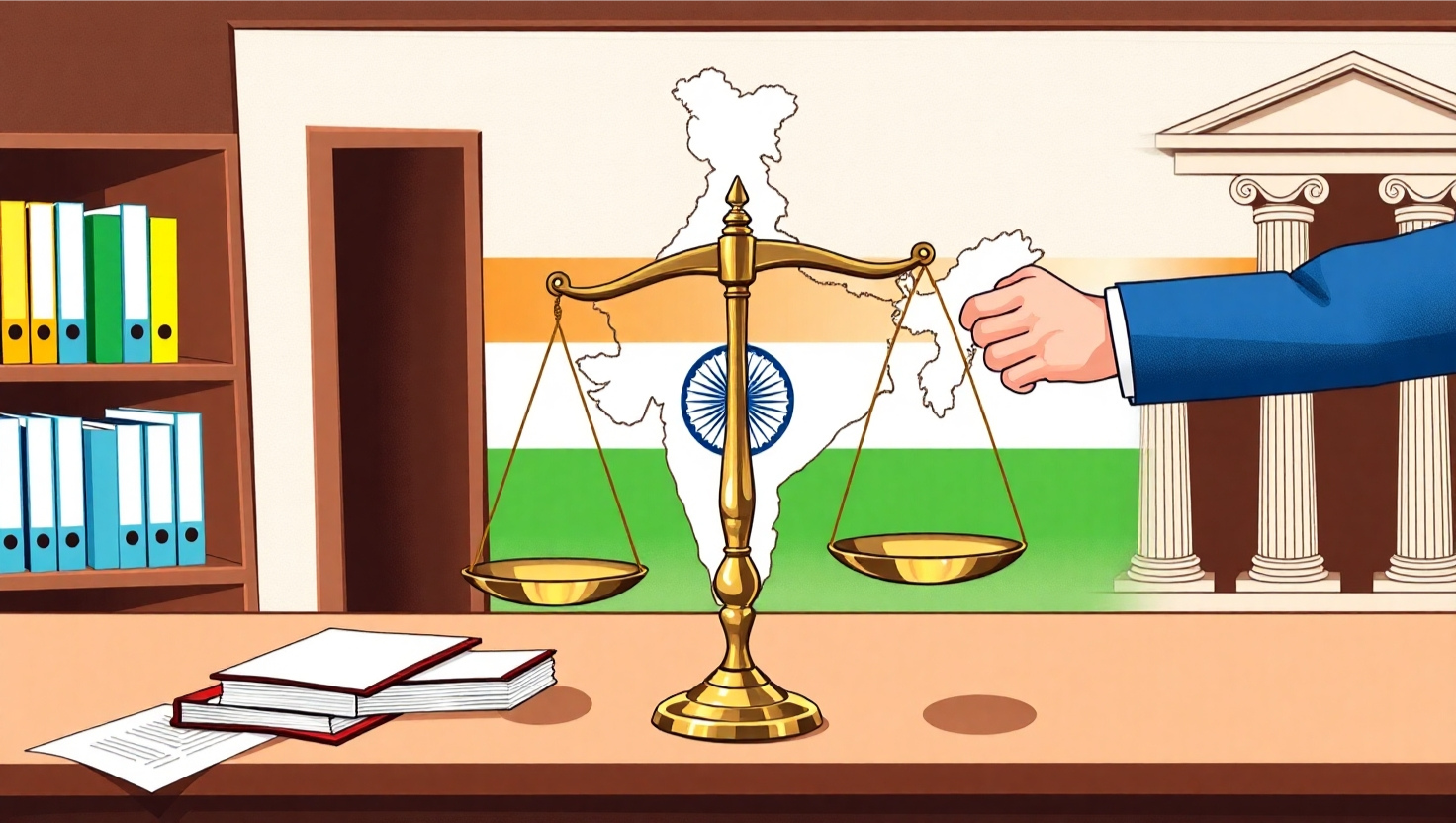
Political interference weakens neutrality, fairness, and public trust, harming good governance and democratic values in administration.

In Union Territory Assemblies, nominated MLAs are appointed by the Centre or LG, unlike States where Governors act on ministerial advice. J&K allows 5 such nominees.

Indian Ports Bill, 2025 Syllabus: Governance (UPSC Prelims)Source: FPJ Context: The Rajya Sabha has passed the Indian Ports Bill, 2025, replacing the colonial-era Indian Ports Act, 1908. What It Is Objectives Key Provisions Institutional Reforms Operational Reforms Environmental & Safety Measures Importance
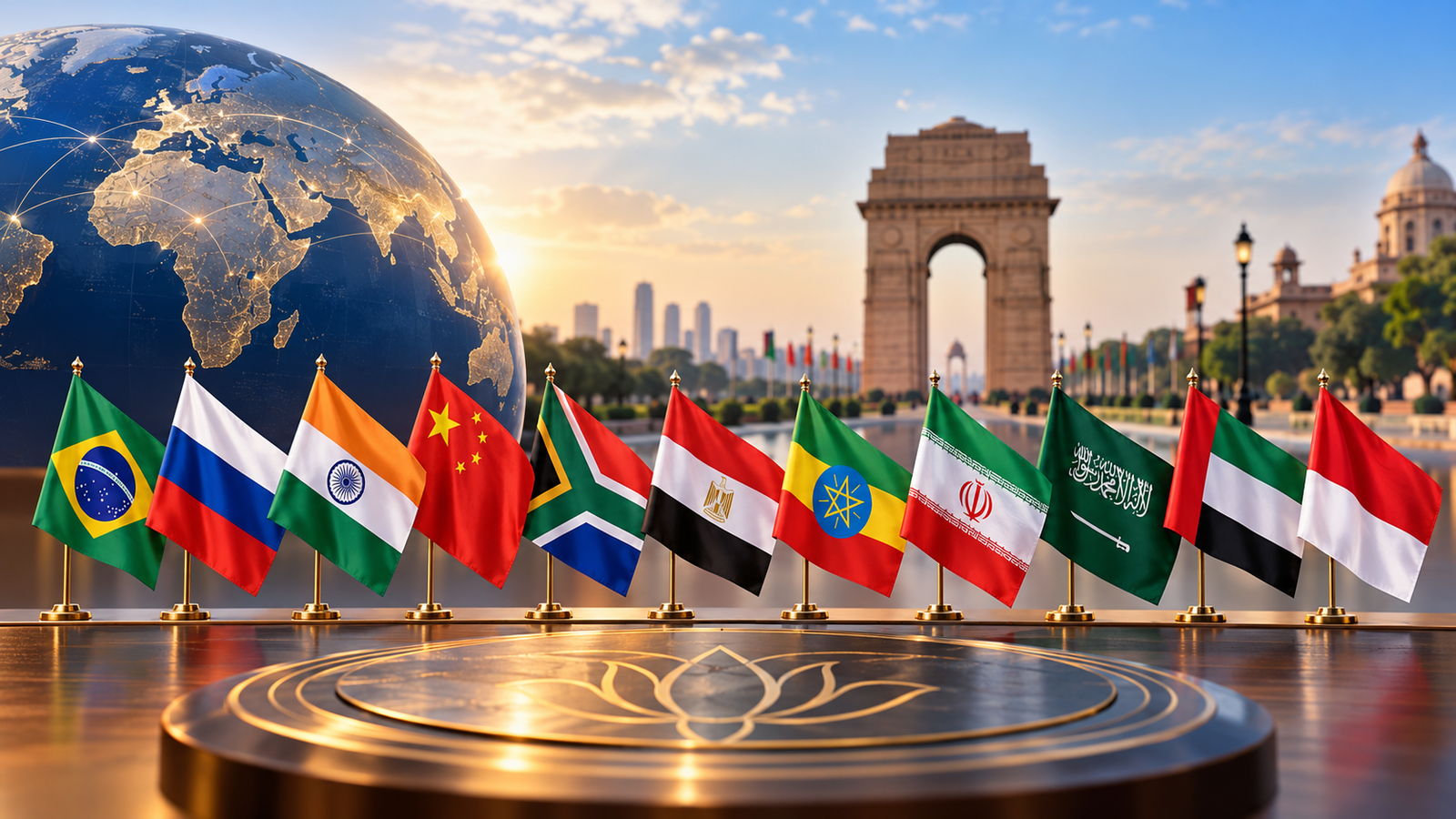
BRICS 2026: Explore the 18th BRICS Summit in New Delhi,
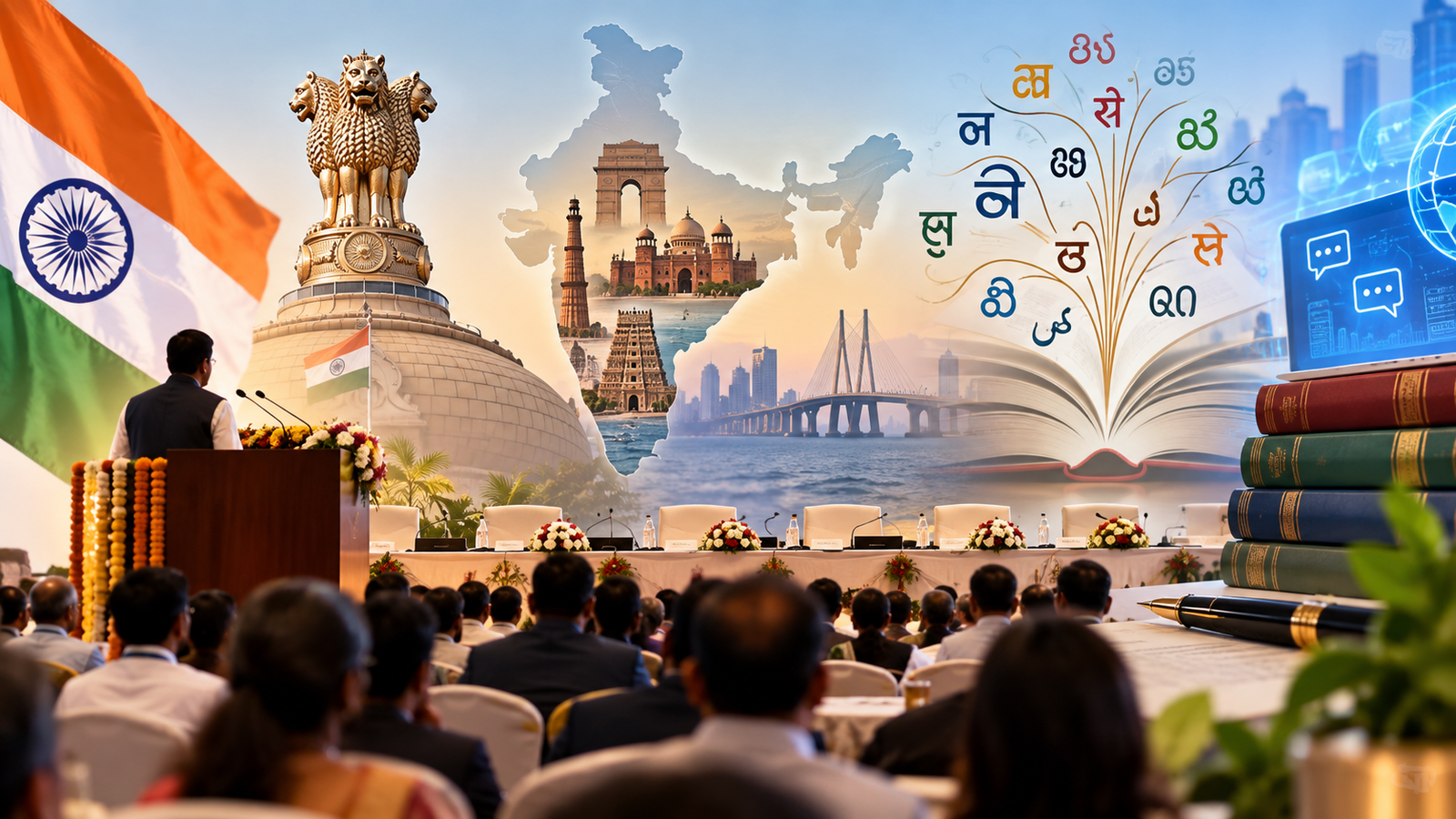
6th All India Official Language Conference 2026 in Navi Mumbai:
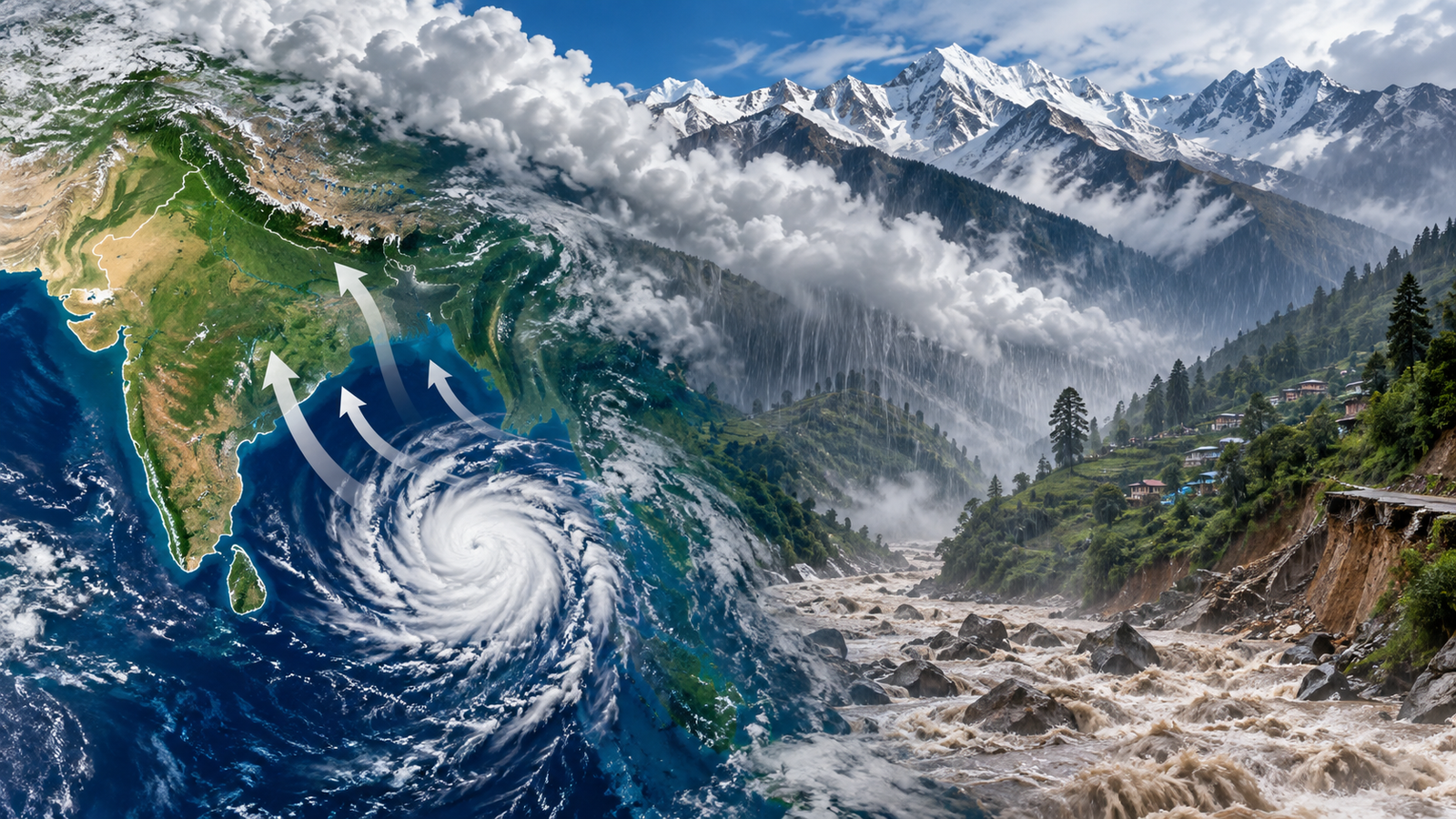
Discover how Bay of Bengal low-pressure systems shape India’s monsoon,
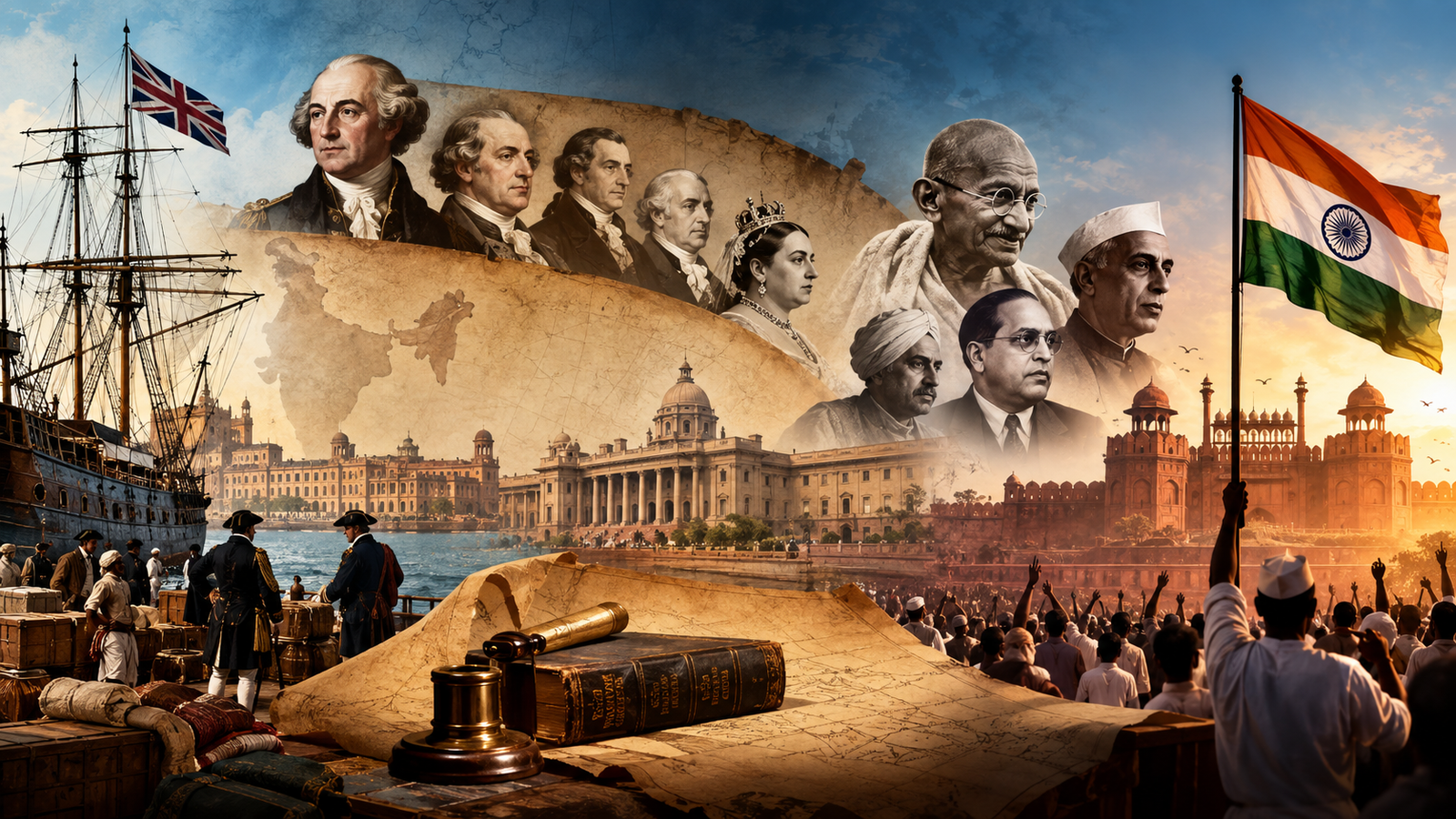
Explore the constitutional evolution of India from East India Company
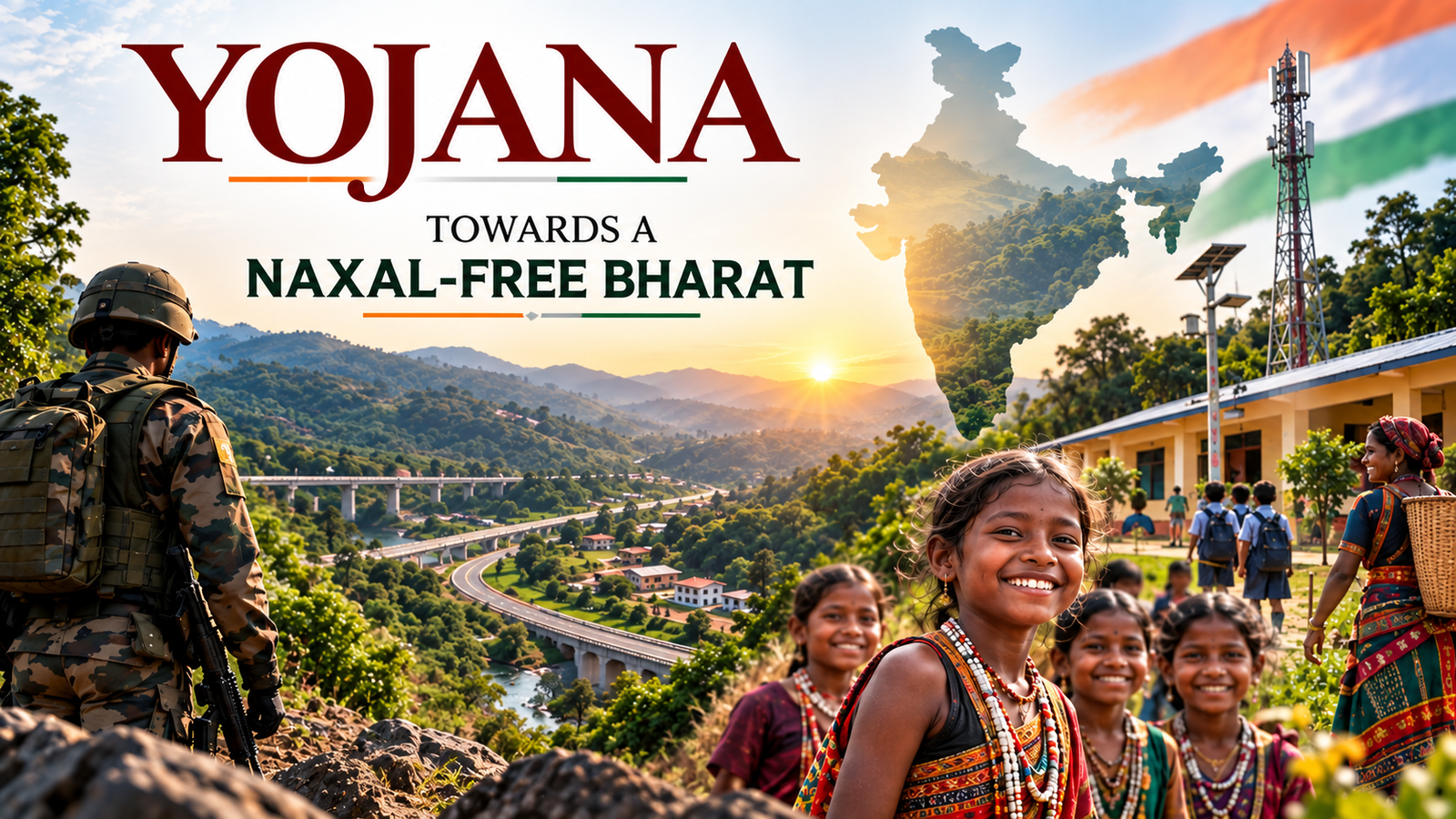
Yojana June 2026 explores India’s journey towards a Naxal-free Bharat,
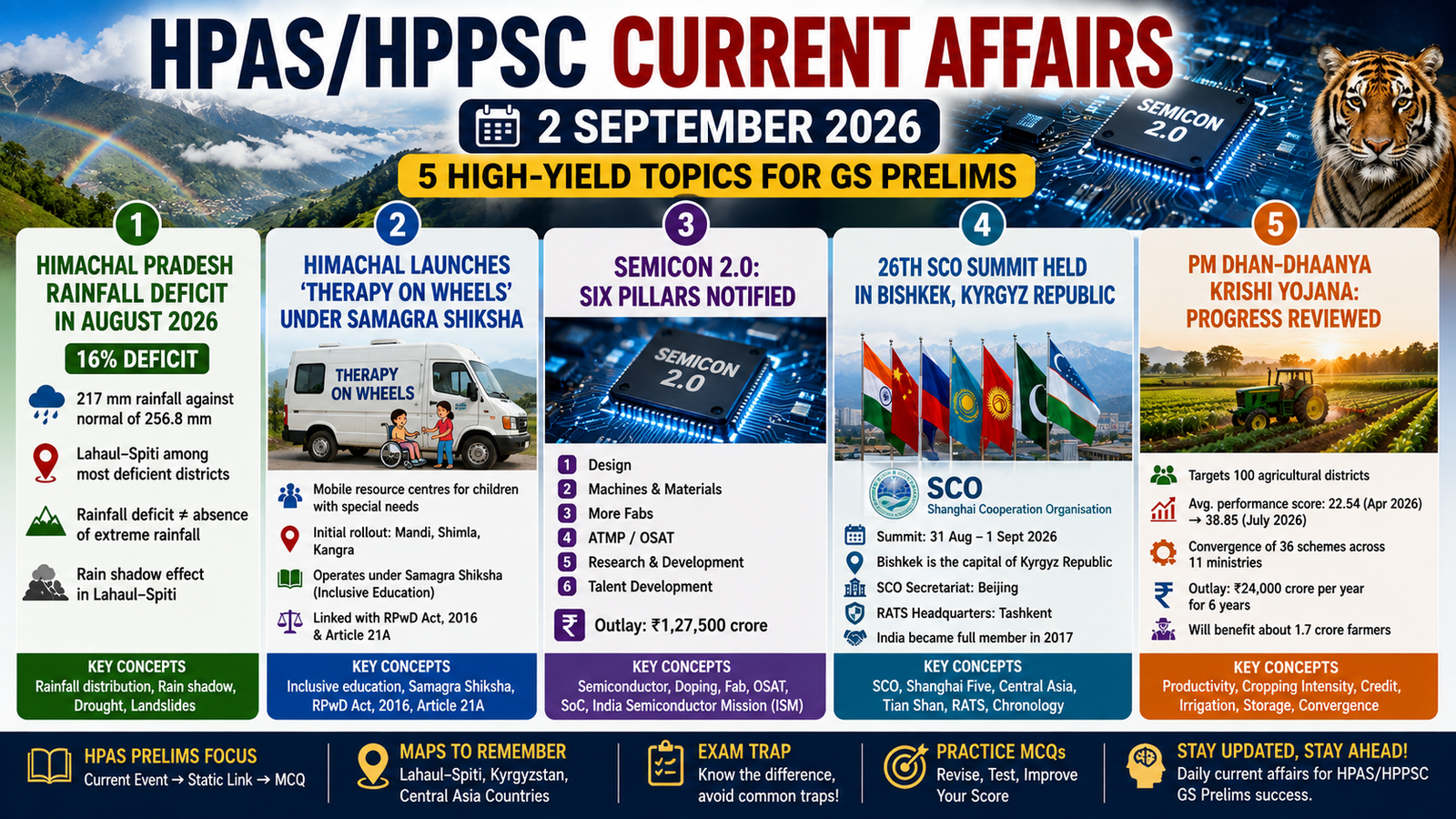
HPAS/HPPSC Current Affairs 2 September 2026: Himachal rainfall deficit, Therapy