
Brij Bhushan vs State of Delhi
The Brij Bhushan case (1950) upheld press freedom, ruling that pre-censorship violates Article 19(1)(a) unless justified by public order.
The Brij Bhushan case (1950) upheld press freedom, ruling that pre-censorship violates Article 19(1)(a) unless justified by public order.
The 1986 Bijoe Emmanuel vs State of Kerala case upheld the right to freedom of religion and expression, affirming that patriotism cannot be forced.

Part I – The Union and Its Territory explains India’s political structure, state formation, and the flexibility of its federal system.
The Supreme Court upheld Article 300A, ruling that the Right to Property is a constitutional and human right requiring due process and compensation.
Article 47 directs the State to improve nutrition, living standards, public health, and restrict harmful substances.
Article 41 directs the State to ensure work, education, and public assistance for citizens in need within economic capacity
Article 39 guides the State on livelihood, resource distribution, equality, worker protection, and child welfare.
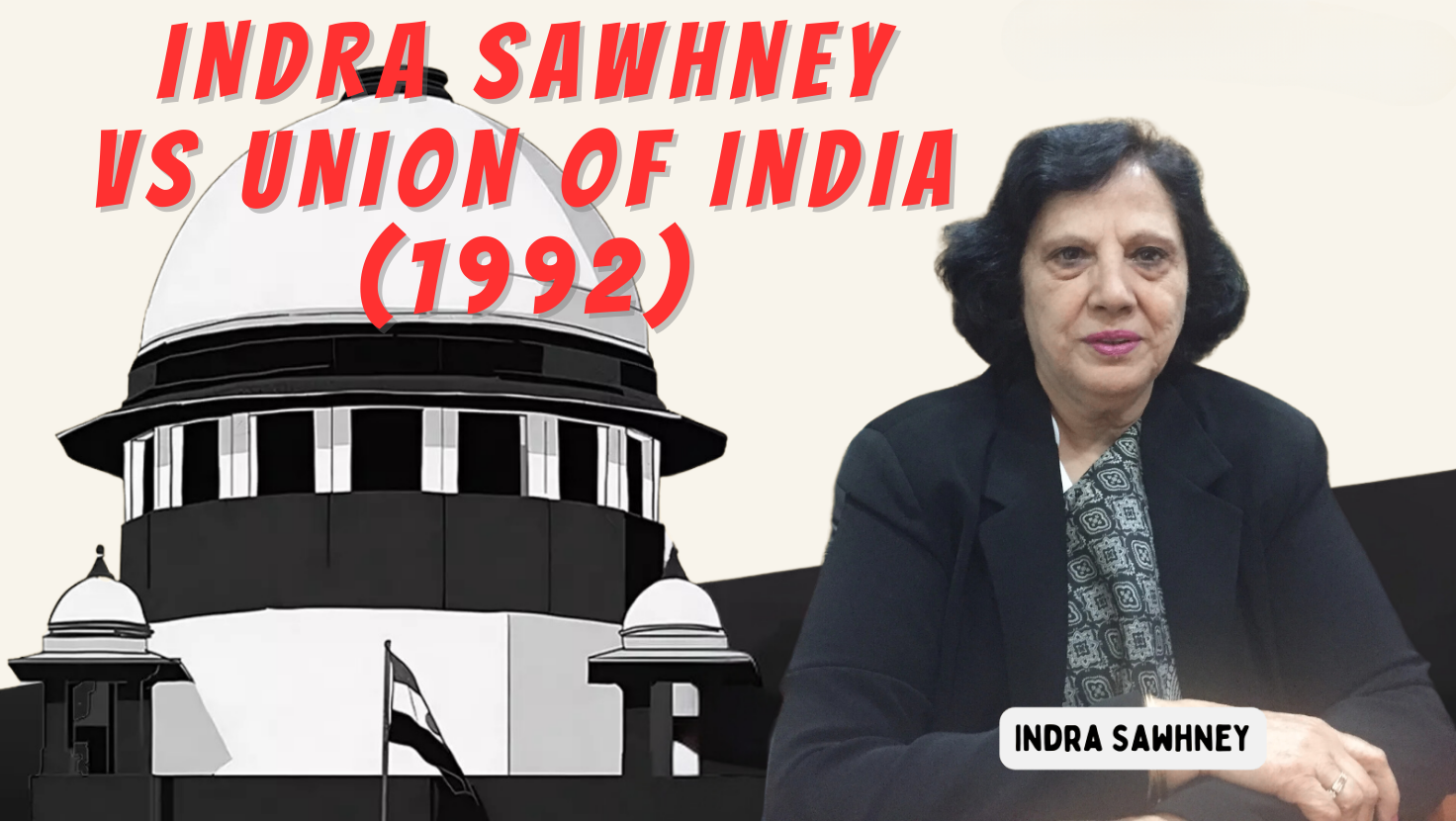
The Indra Sawhney case (1992) upheld OBC reservations, introduced the creamy layer, set a 50% cap, and reshaped India’s quota system.
Article 16 ensures equal job opportunities, allows reservations for SCs, STs, OBCs & EWS, and balances equality with social justice.
Article 21 ensures life & liberty with dignity. Courts expanded it to livelihood, privacy, environment & fair trial.

BRICS 2026: Explore the 18th BRICS Summit in New Delhi,
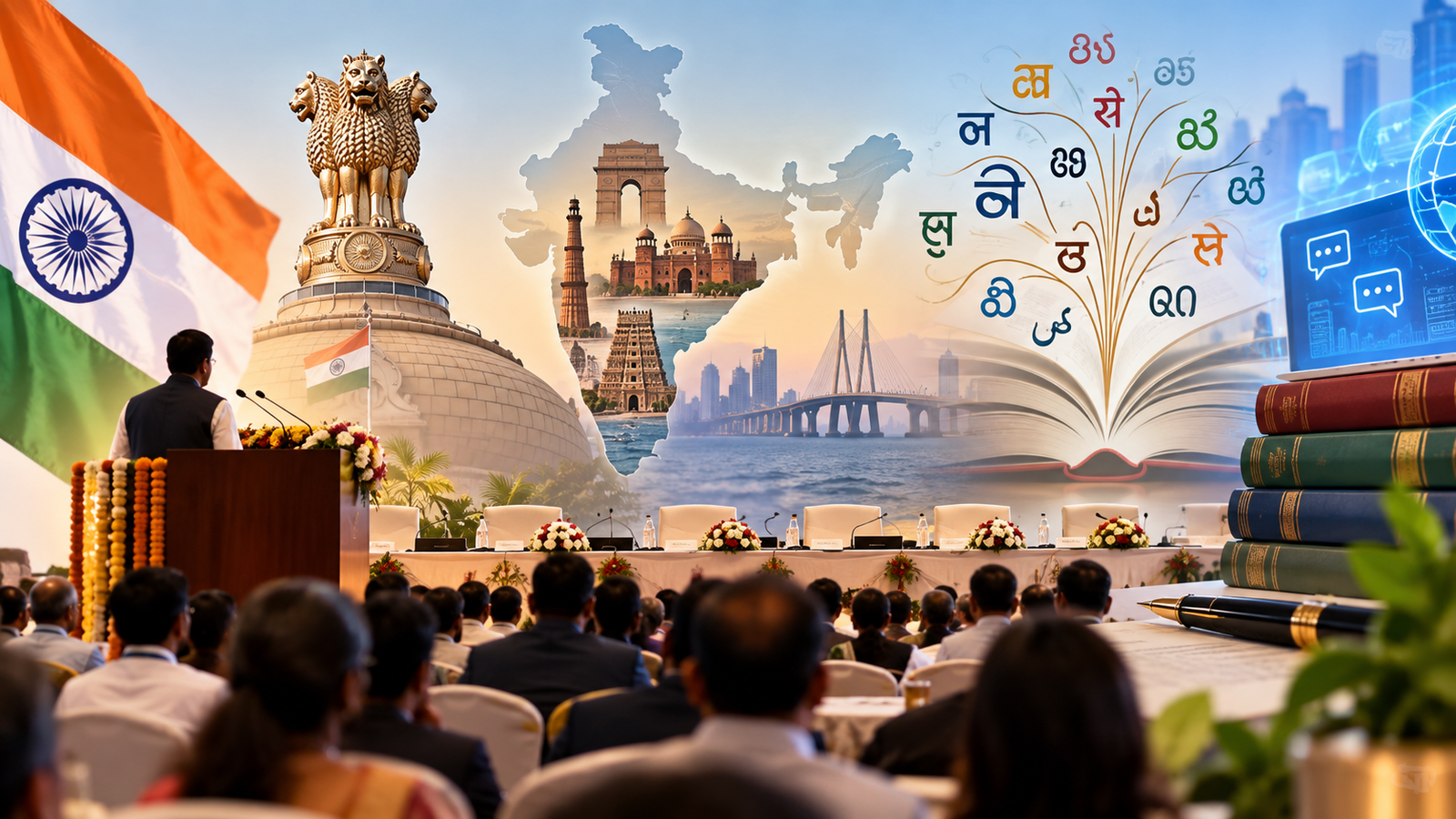
6th All India Official Language Conference 2026 in Navi Mumbai:
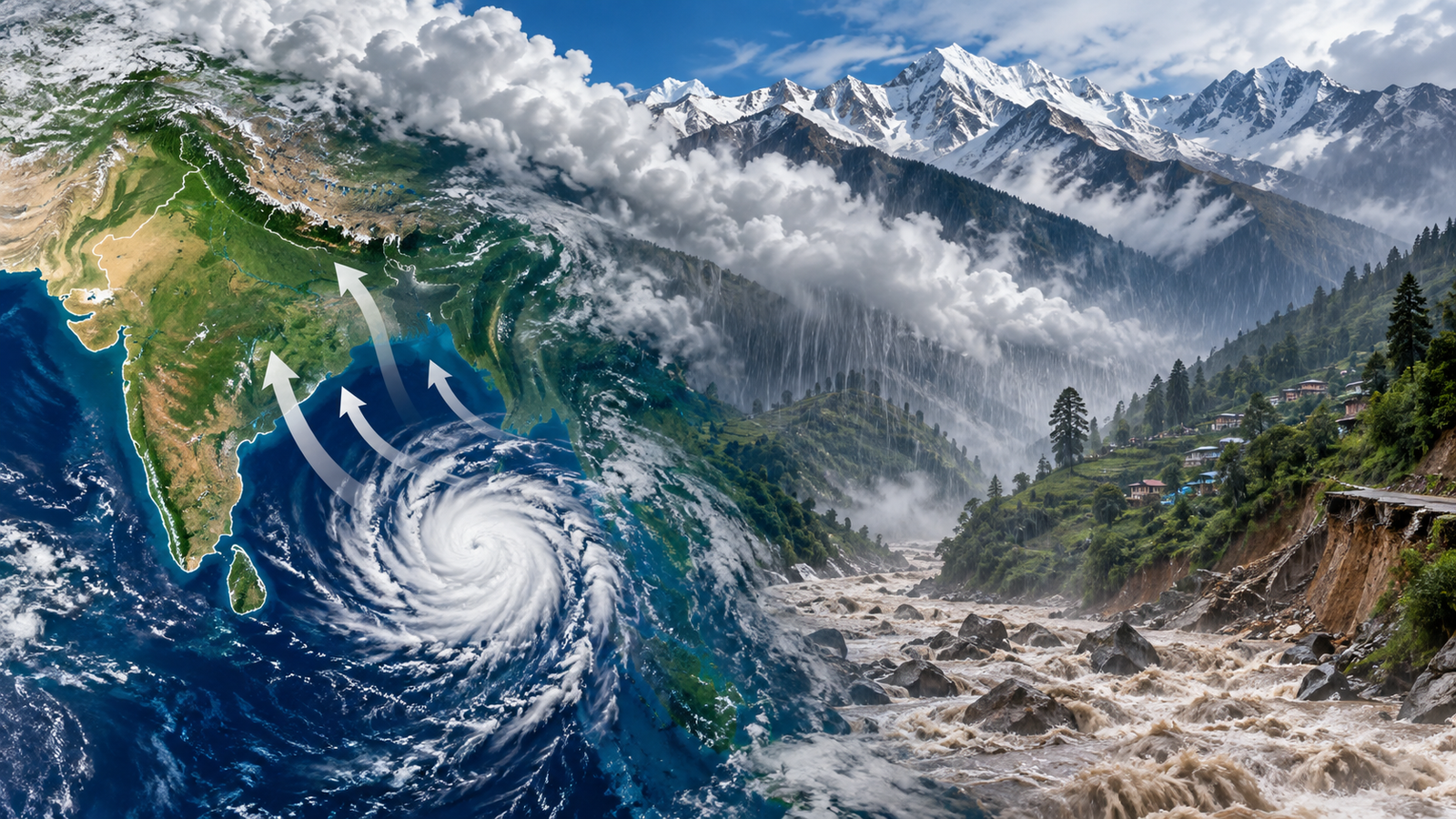
Discover how Bay of Bengal low-pressure systems shape India’s monsoon,
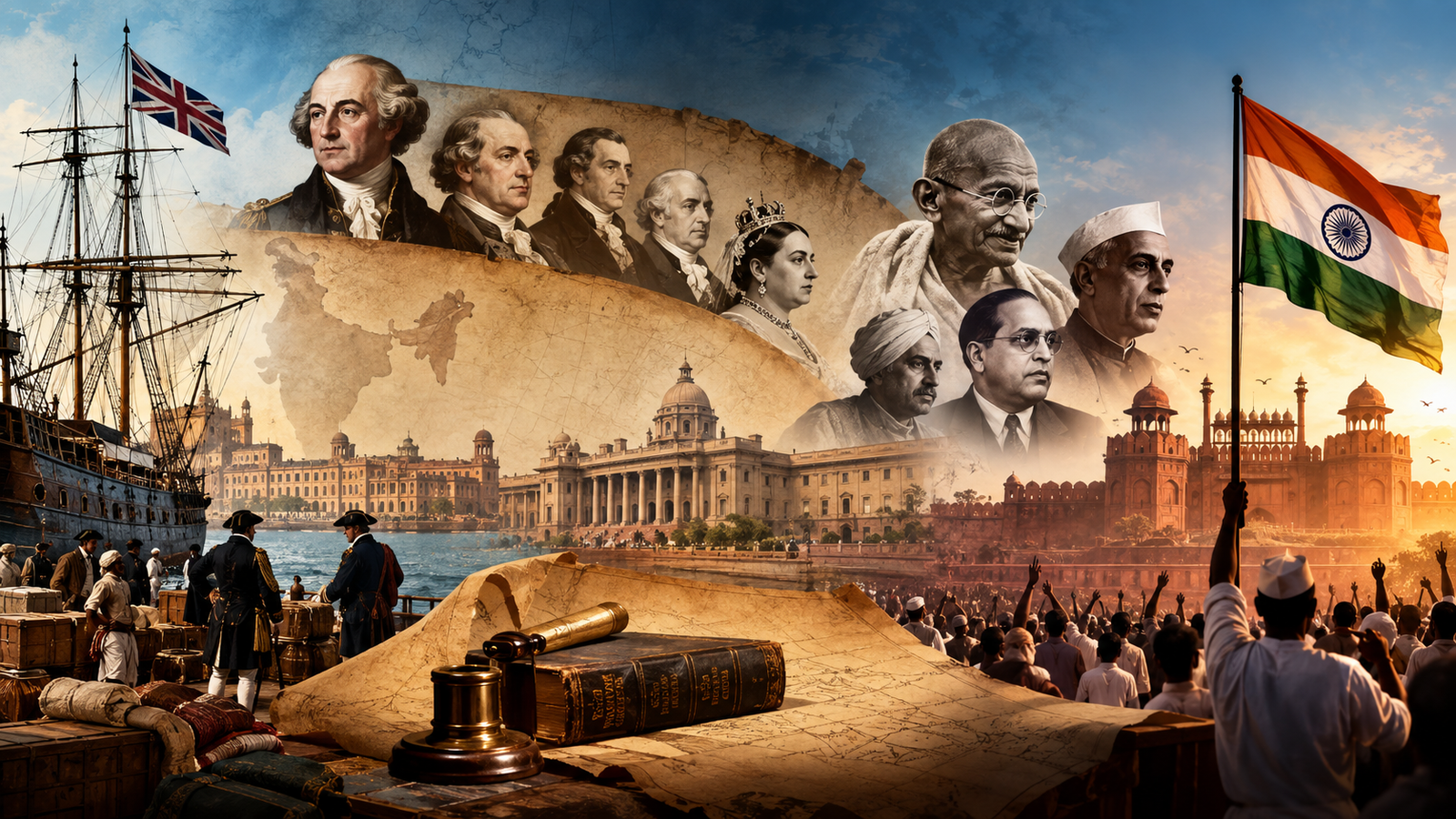
Explore the constitutional evolution of India from East India Company
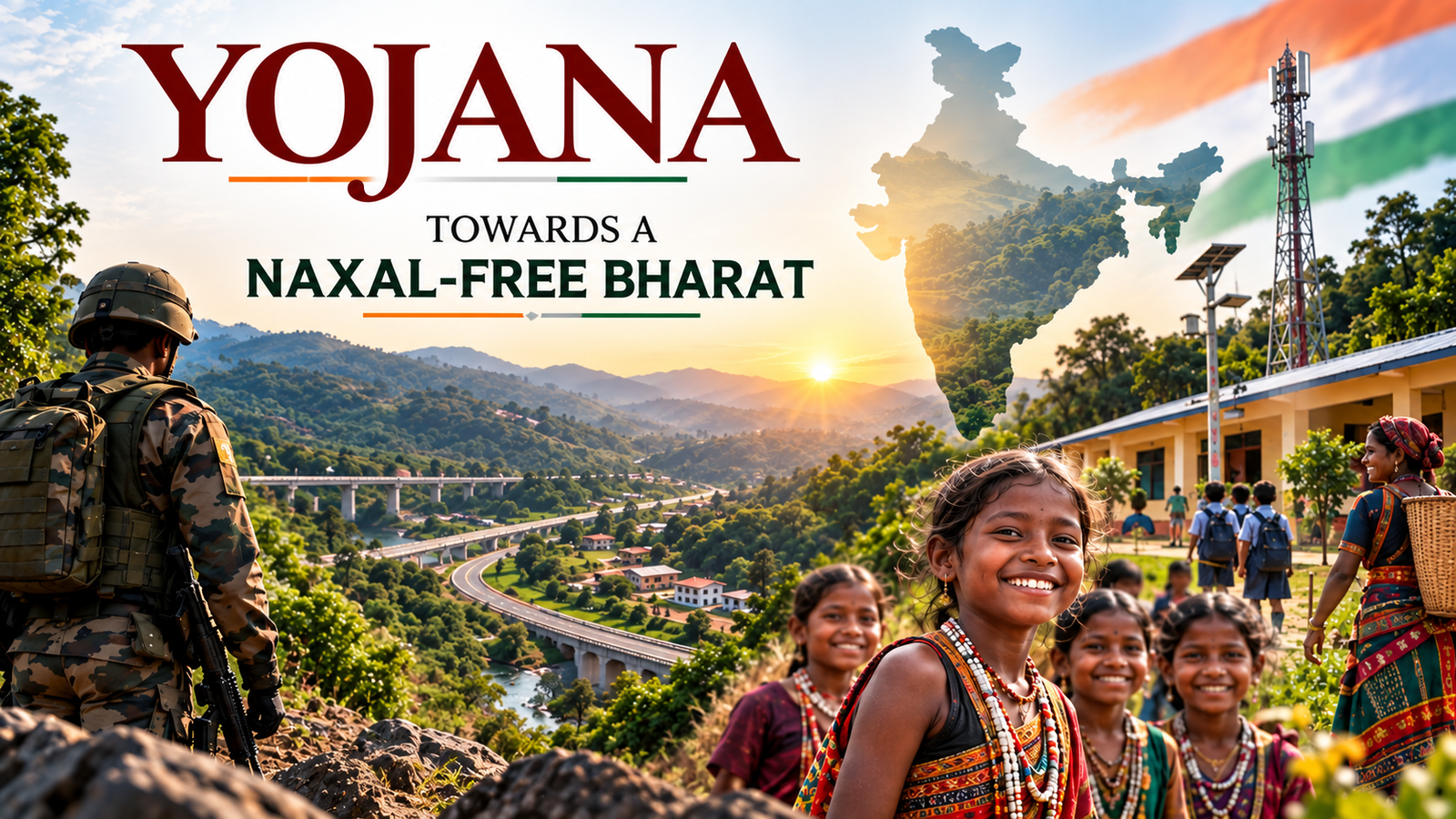
Yojana June 2026 explores India’s journey towards a Naxal-free Bharat,

HPAS/HPPSC Current Affairs 2 September 2026: Himachal rainfall deficit, Therapy