

Aapki Beti Yojana 2025 – Eligibility, Benefits & How to Apply
Rajasthan’s Aapki Beti Yojana provides annual financial assistance to girl students from Class 1–12 to support education of economically weak families.
Rajasthan’s Aapki Beti Yojana provides annual financial assistance to girl students from Class 1–12 to support education of economically weak families.

PM GatiShakti is a digital, GIS-based infrastructure master plan aimed at reducing logistics costs through synchronized, multimodal connectivity.

Ayushman Bharat aims to achieve Universal Health Coverage through Ayushman Arogya Mandirs and PM-JAY, providing ₹5 lakh health cover and nationwide primary care.

PM-KISAN provides ₹6,000 yearly income support to eligible small farmers through DBT, aiming to ease farm costs and strengthen rural livelihoods.

Startup India, launched in 2016, promotes innovation, entrepreneurship, and job creation through funding and policy support.

Atal Pension Yojana, launched in 2015 by the Finance Ministry, ensures pension security for unorganized workers through PFRDA.

The Nutrient Based Subsidy (NBS) Scheme ensures affordable, balanced fertilizer use and sustainable soil health for Indian farmers.
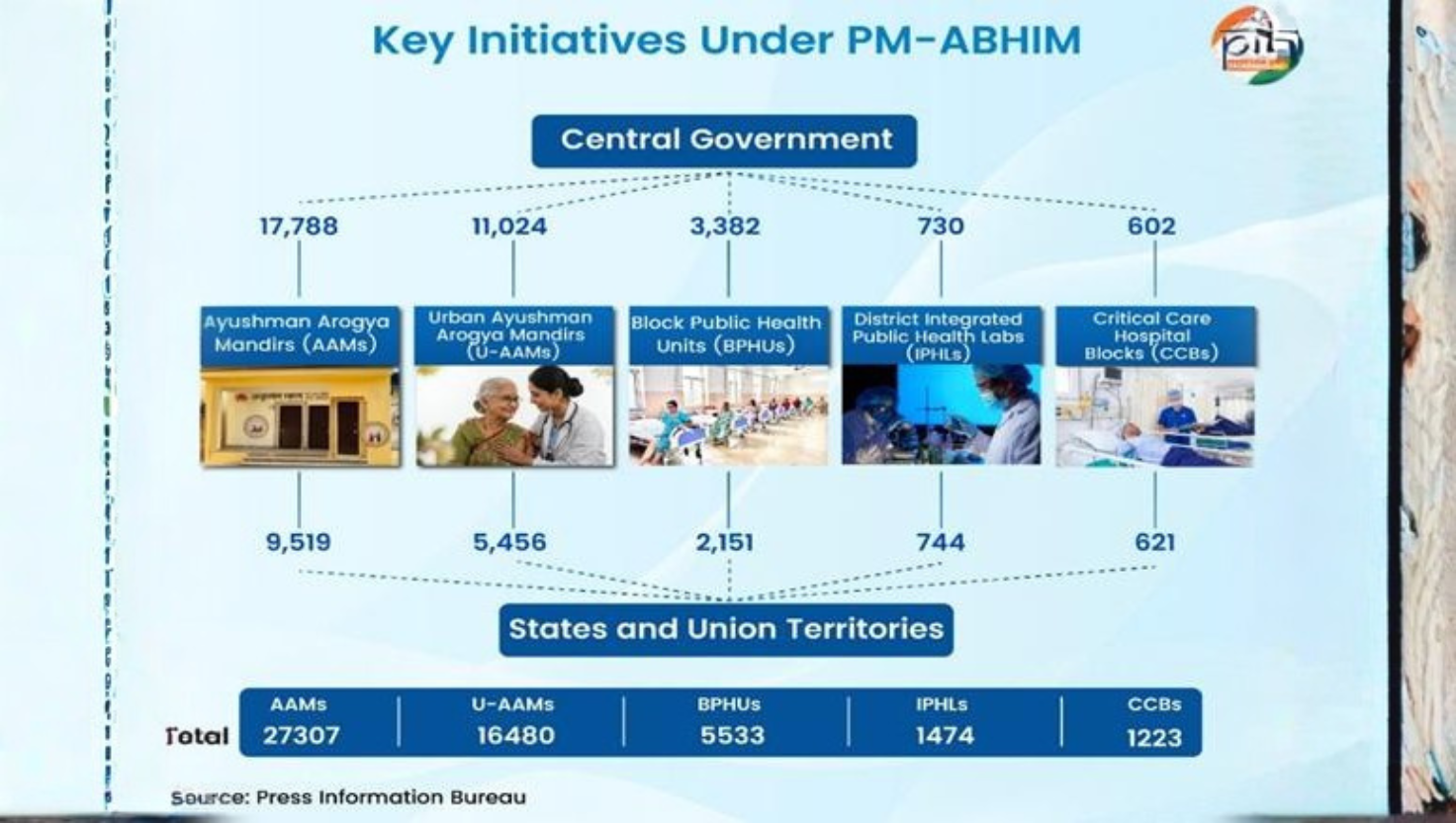
India’s PM–ABHIM strengthens pandemic-ready healthcare by upgrading infrastructure, expanding surveillance, and advancing Universal Health Coverage.

The PM Dhan-Dhaanya Krishi Yojana (PMDDKY) seeks to boost productivity, double farmers’ income, and promote sustainable, tech-driven agriculture.
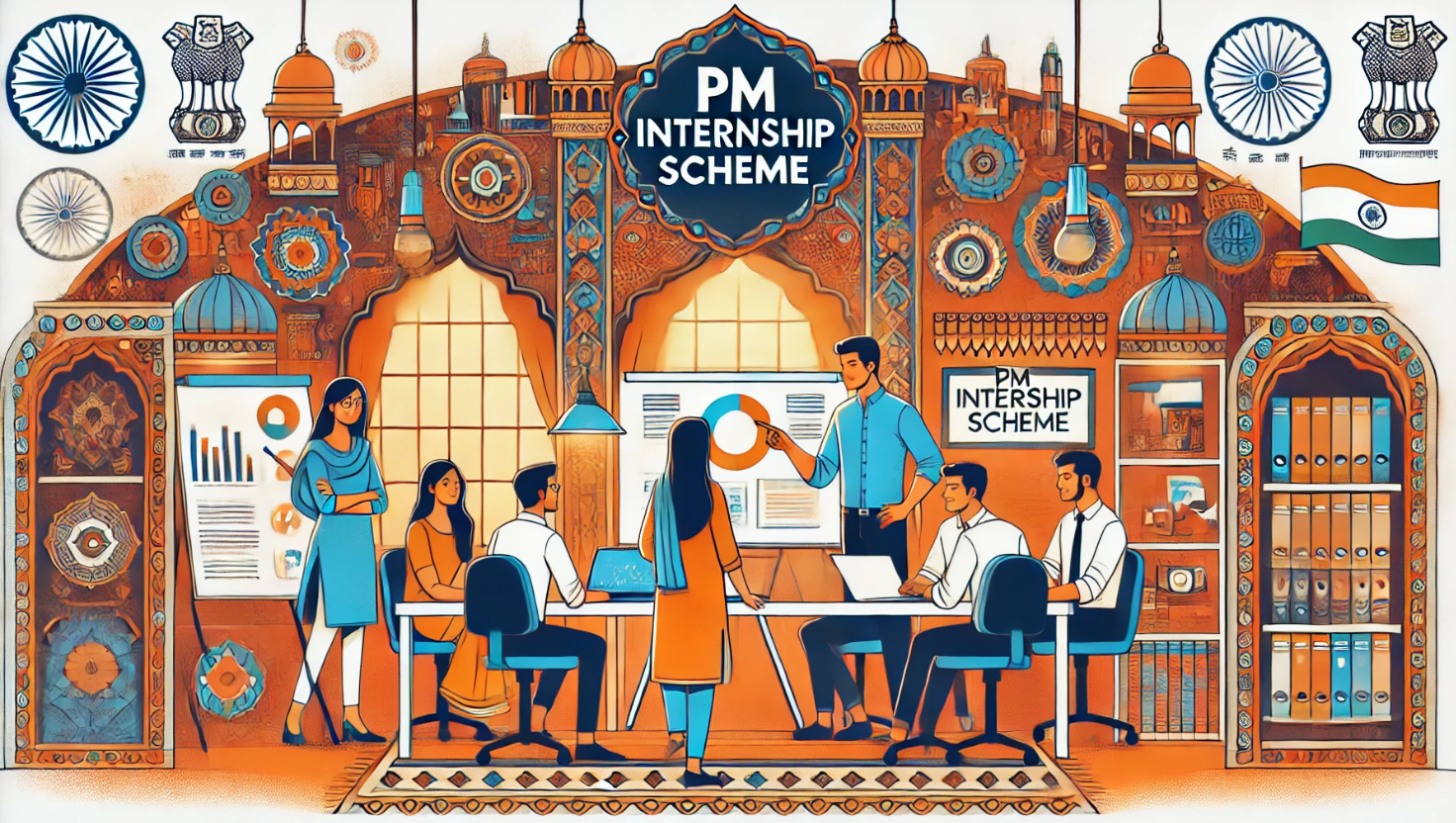
PM Internship Scheme 2025 offers 12-month internships in top firms, empowering youth with skills, experience, and employability.

The geographical setting of ancient India shaped its political and

The Global Conference on Women in Agri-Food Systems (GCWAS-2026) highlights

India is entering a new era of data-driven governance with

Rising tensions in West Asia threaten vital maritime trade routes,

The Strait of Hormuz, the world’s most critical energy chokepoint,

The Israel–United States–Iran War (2026) erupted after joint U.S.–Israeli strikes