
National Demographic Mission
The National Demographic Mission aims to monitor India’s population trends, curb illegal infiltration, and ensure balanced and sustainable development.
The National Demographic Mission aims to monitor India’s population trends, curb illegal infiltration, and ensure balanced and sustainable development.

Maternity reintegration ensures women’s smooth return to work, vital for gender equality and economic growth.

Antifa is a decentralised anti-fascist movement opposing far-right extremism, rooted in 1930s Europe and active in modern protests.
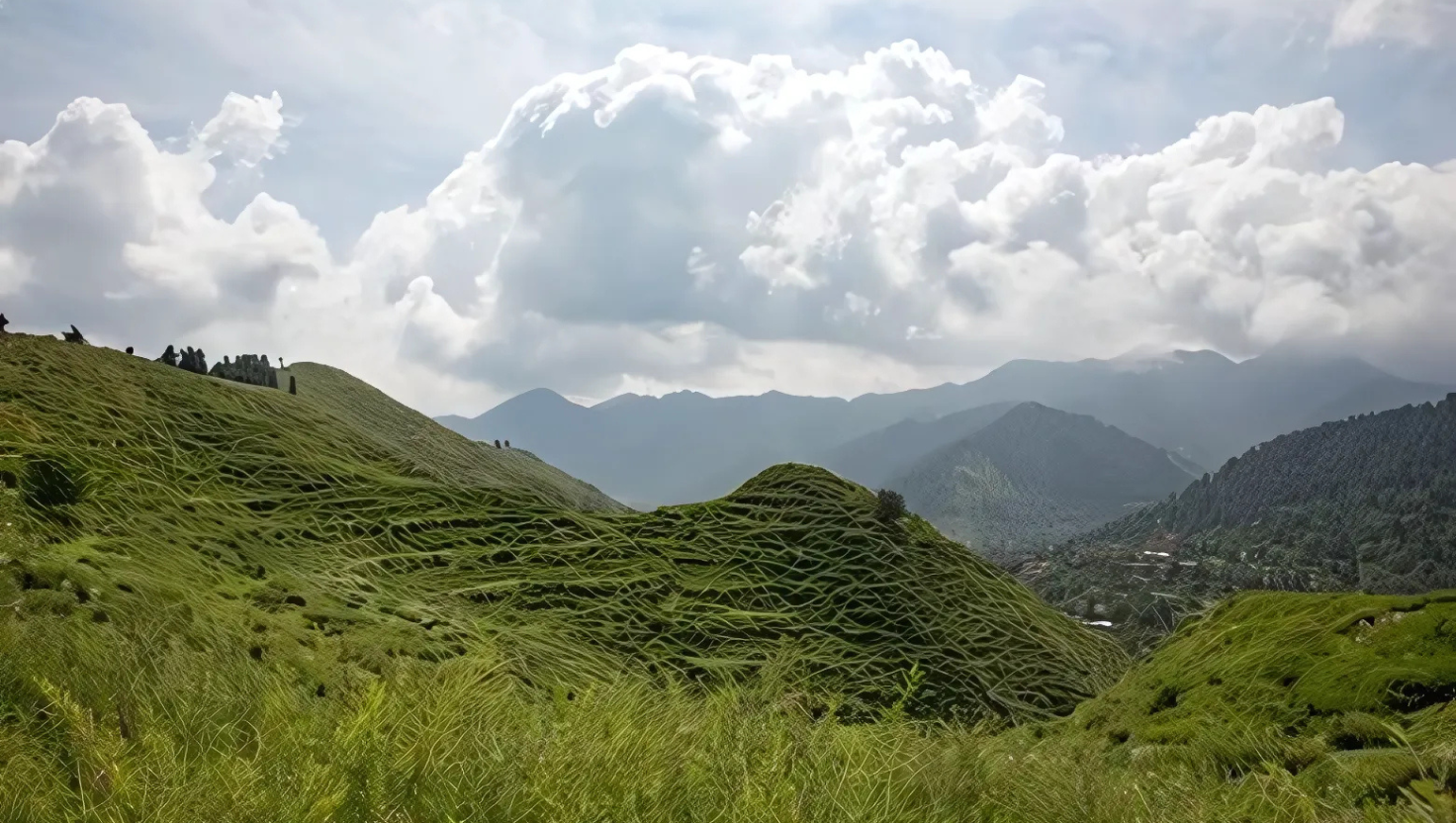
Tirah Valley in Pakistan’s Khyber Pakhtunkhwa is a tribal stronghold, historically resistant and strategically vital near the Afghan border.
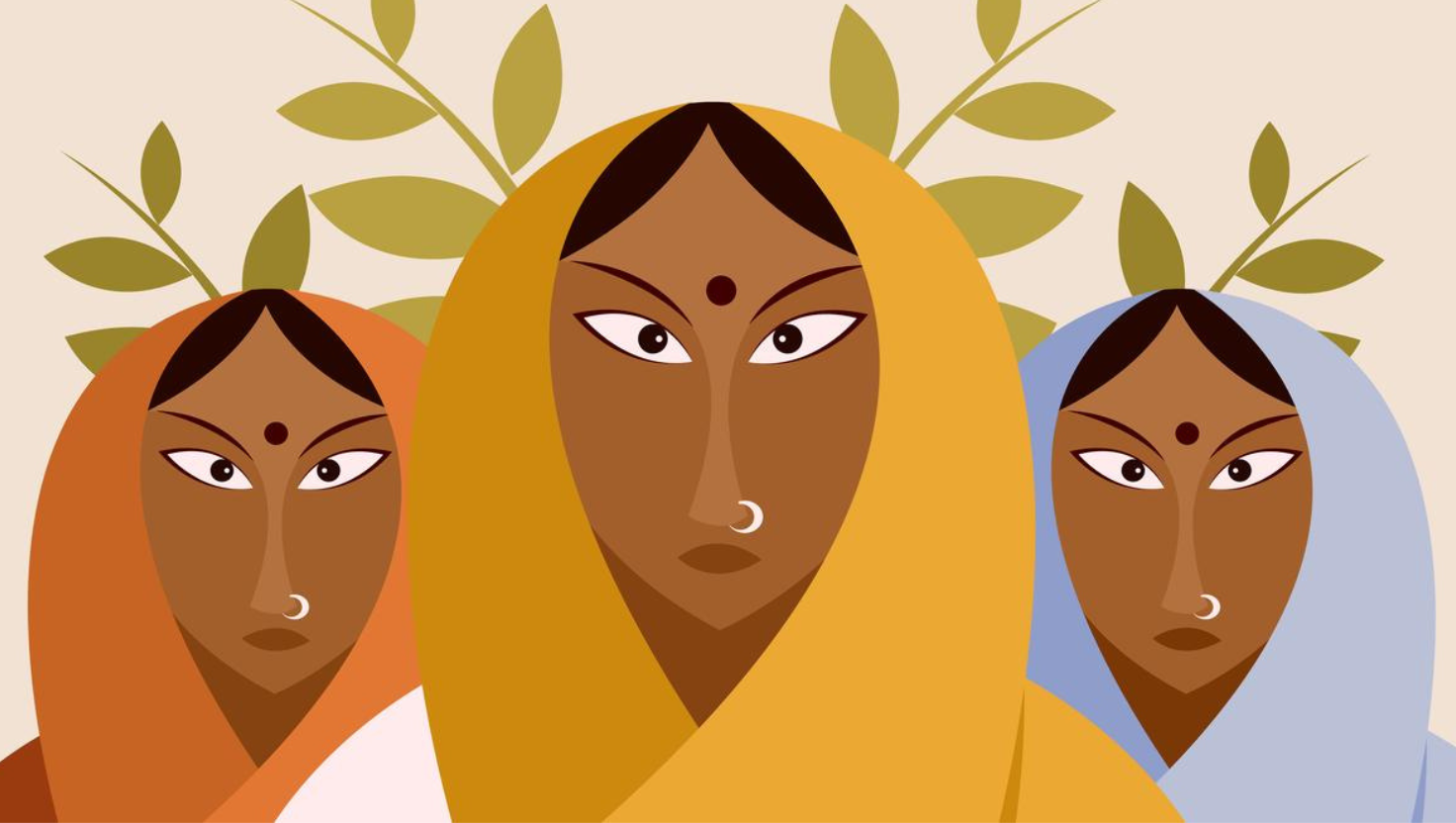
Empowerment of Women means more than tokenism—it requires systemic support, justice, dignity, and rehabilitation for survivors.
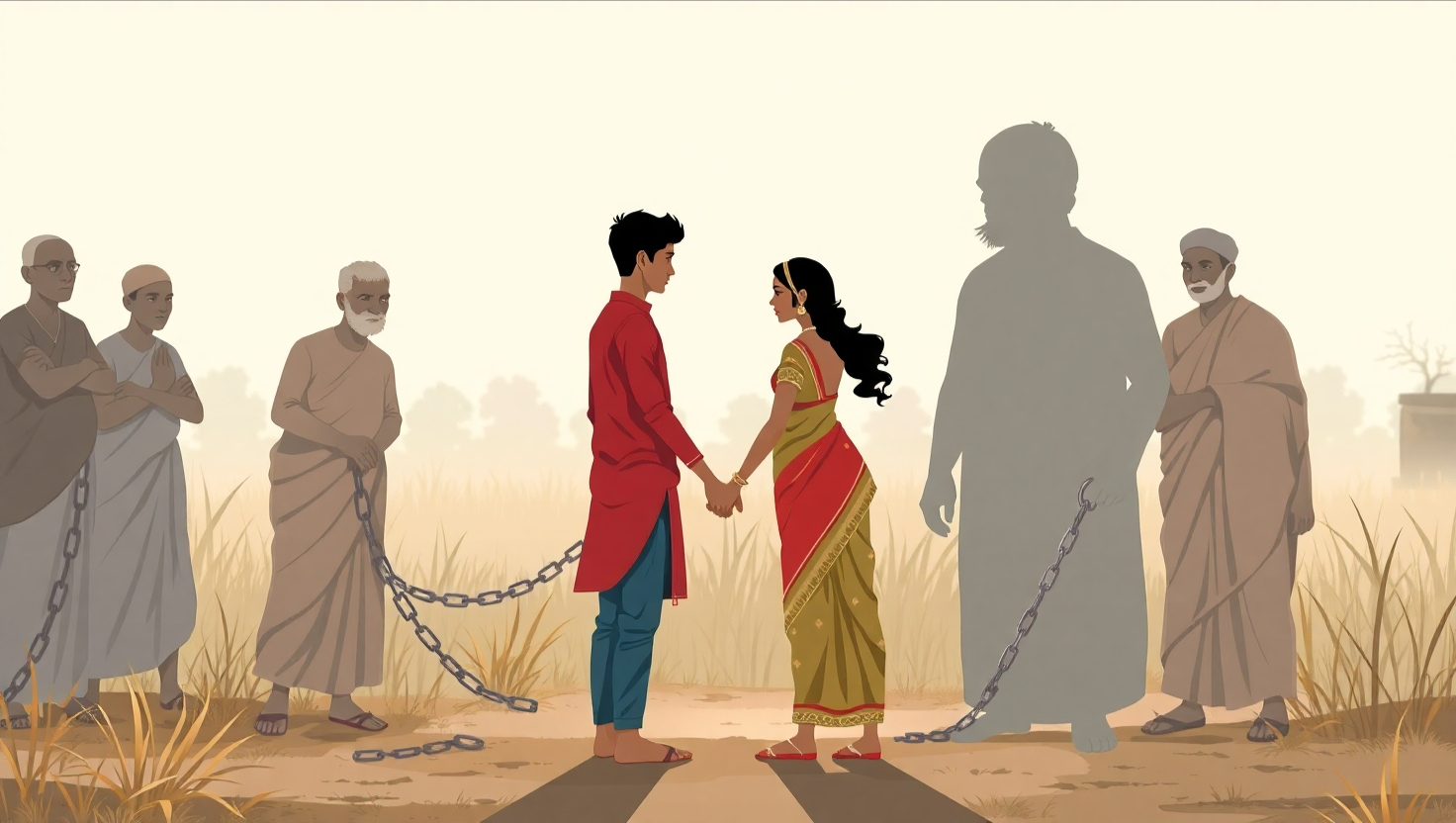
Honour killings in India reflect caste, patriarchy, and social control, violating rights and undermining equality despite legal safeguards.

The 1945 atomic bombings of Hiroshima and Nagasaki ended World War II, began the nuclear age, and reshaped global geopolitics and warfare ethics.

Odisha and Chhattisgarh agree to resolve the Mahanadi River water dispute through dialogue, marking a shift towards cooperative federalism.
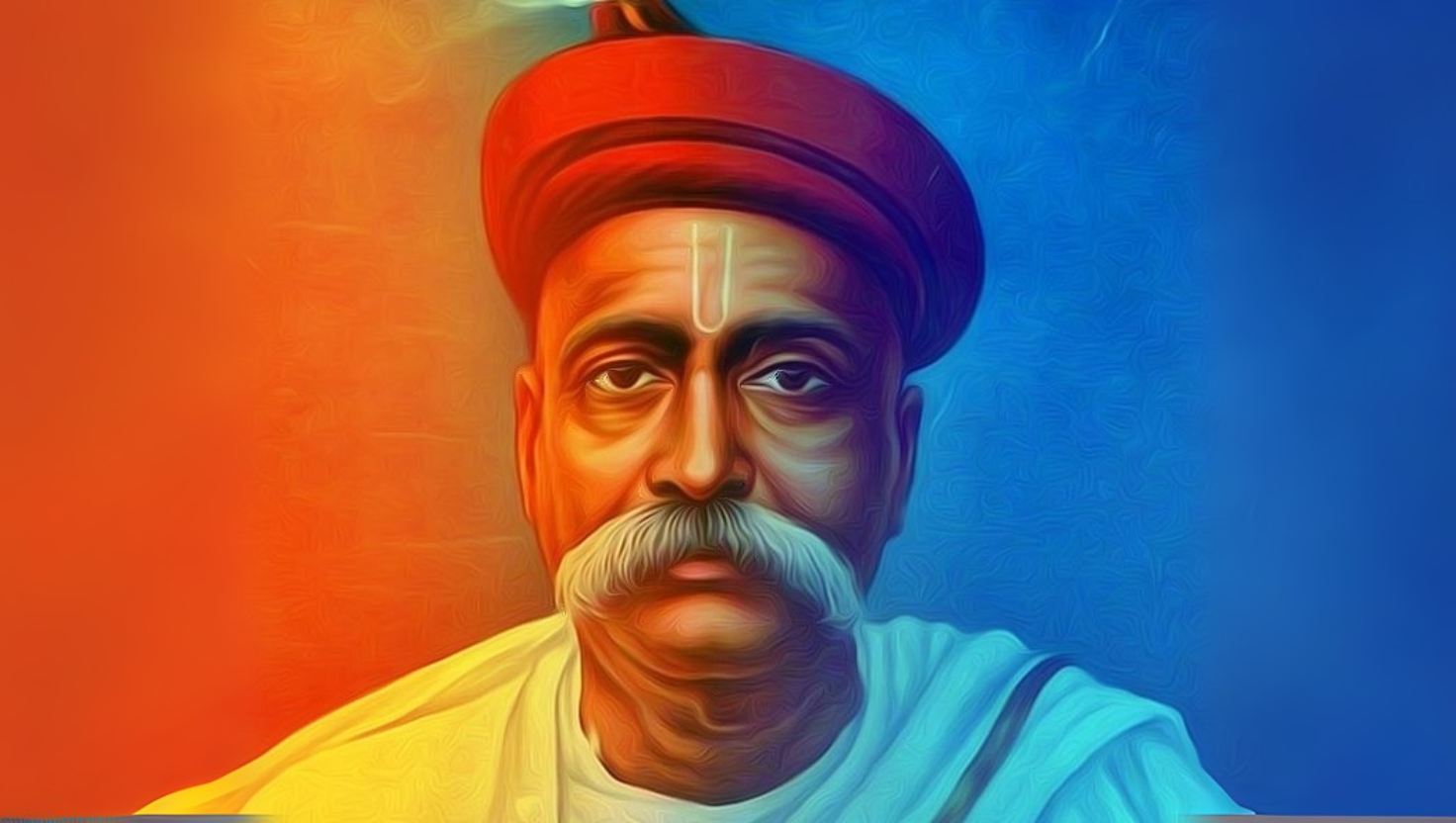
Lokmanya Bal Gangadhar Tilak, a pioneering nationalist leader, transformed Swaraj into a mass movement through bold journalism, cultural revival, and assertive politics.
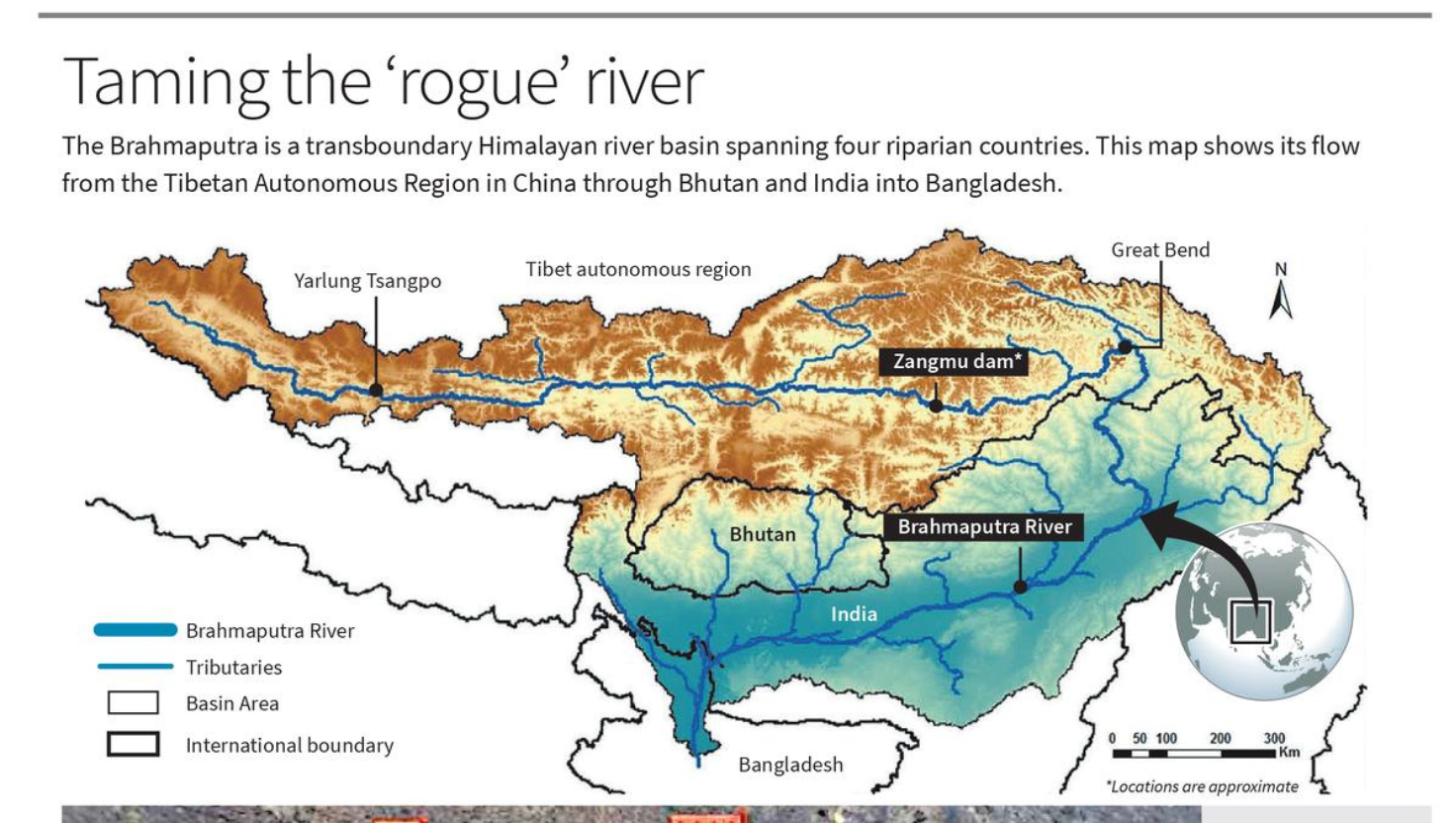
China’s Medog Dam on the Brahmaputra raises ecological, geopolitical, and strategic concerns for India, highlighting risks to downstream regions.

BRICS 2026: Explore the 18th BRICS Summit in New Delhi,
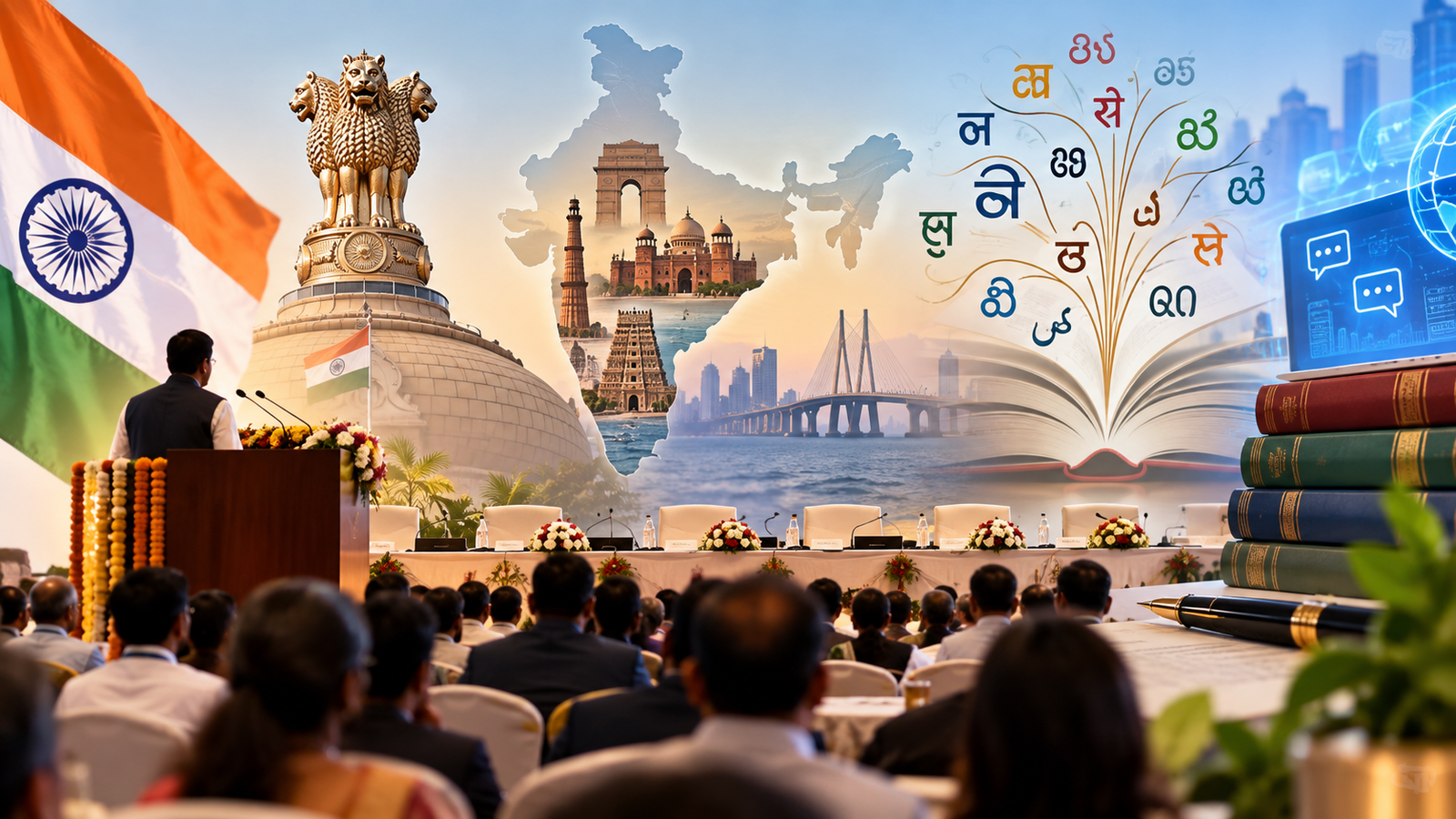
6th All India Official Language Conference 2026 in Navi Mumbai:
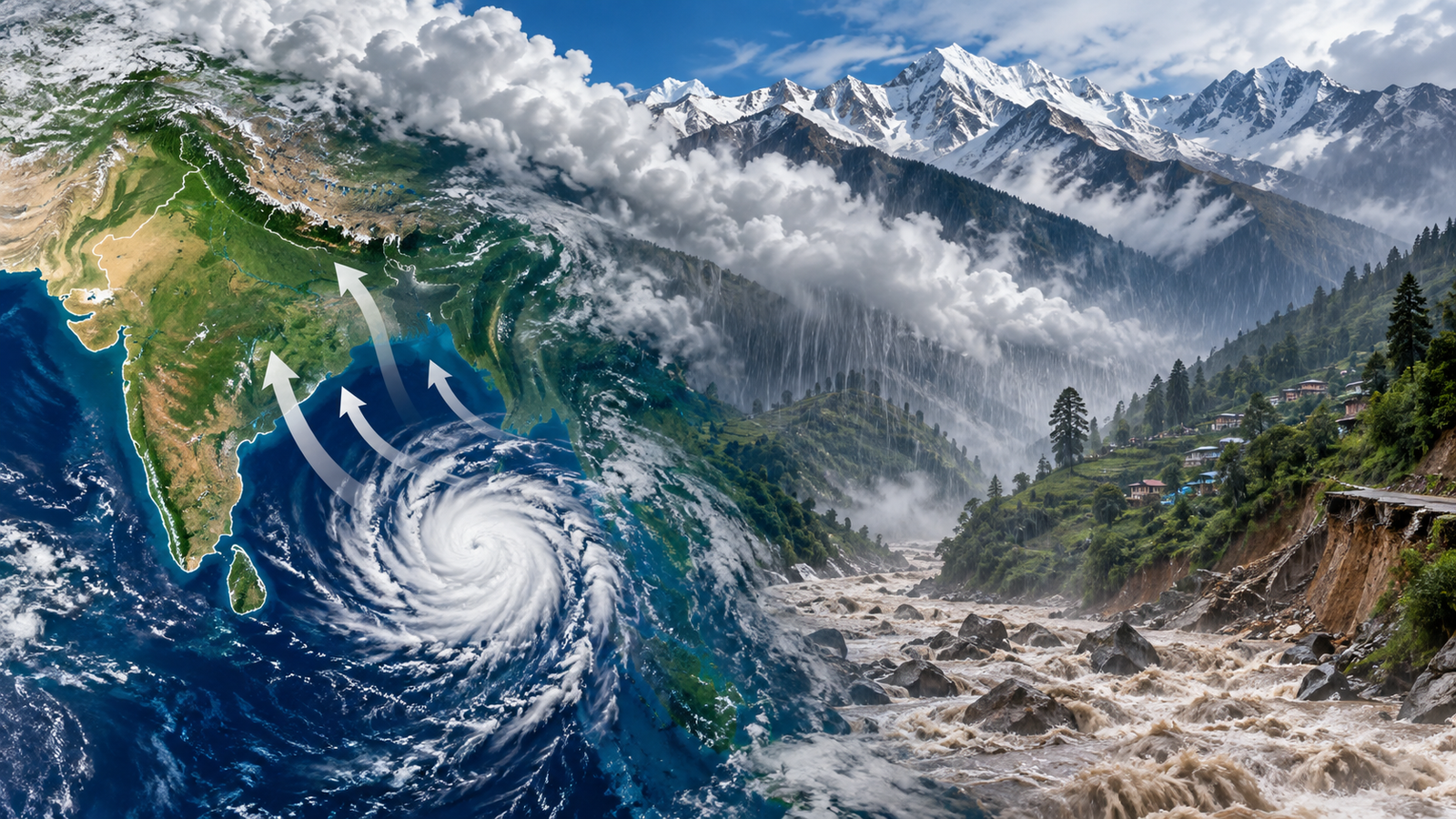
Discover how Bay of Bengal low-pressure systems shape India’s monsoon,
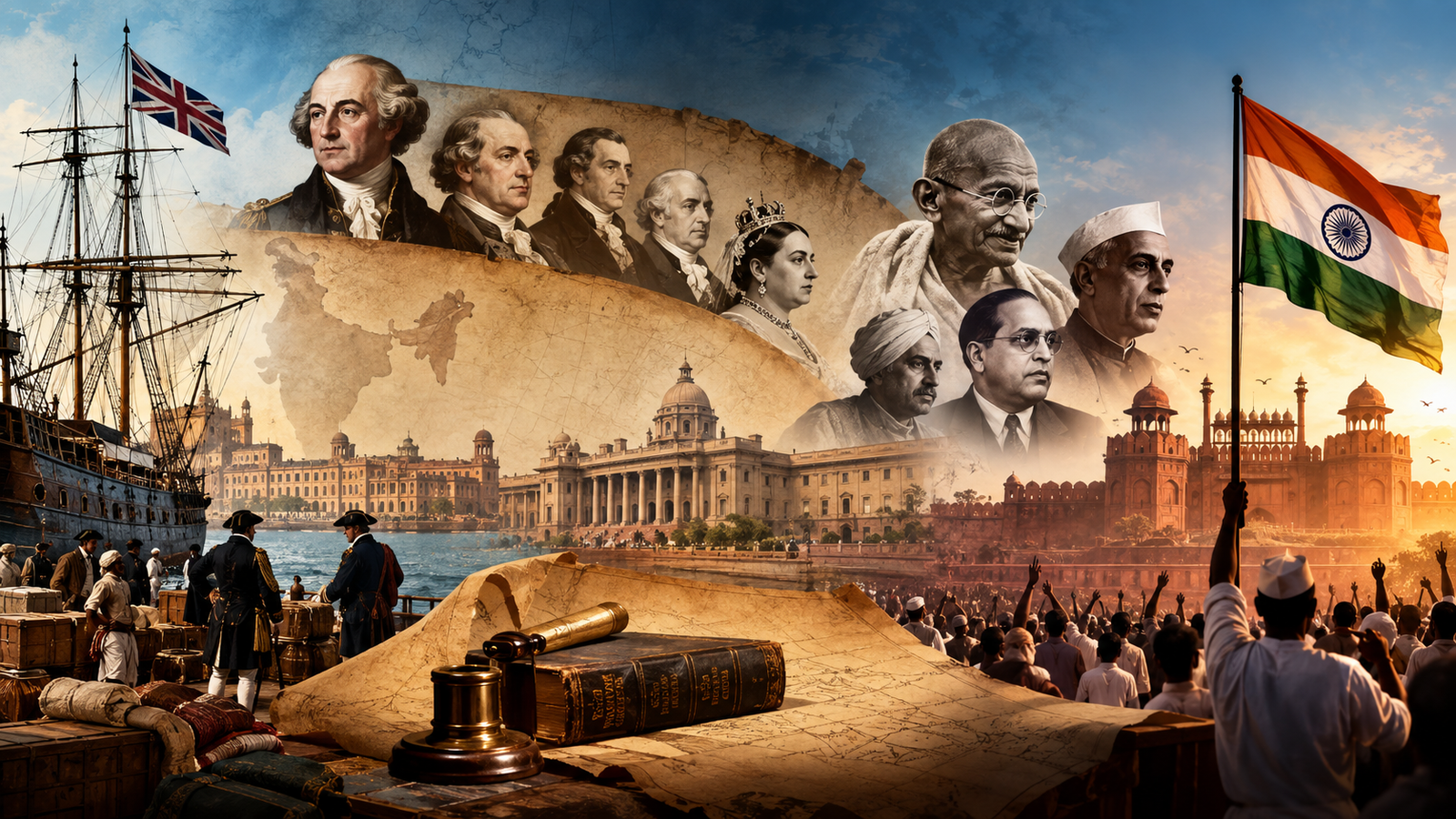
Explore the constitutional evolution of India from East India Company

Yojana June 2026 explores India’s journey towards a Naxal-free Bharat,
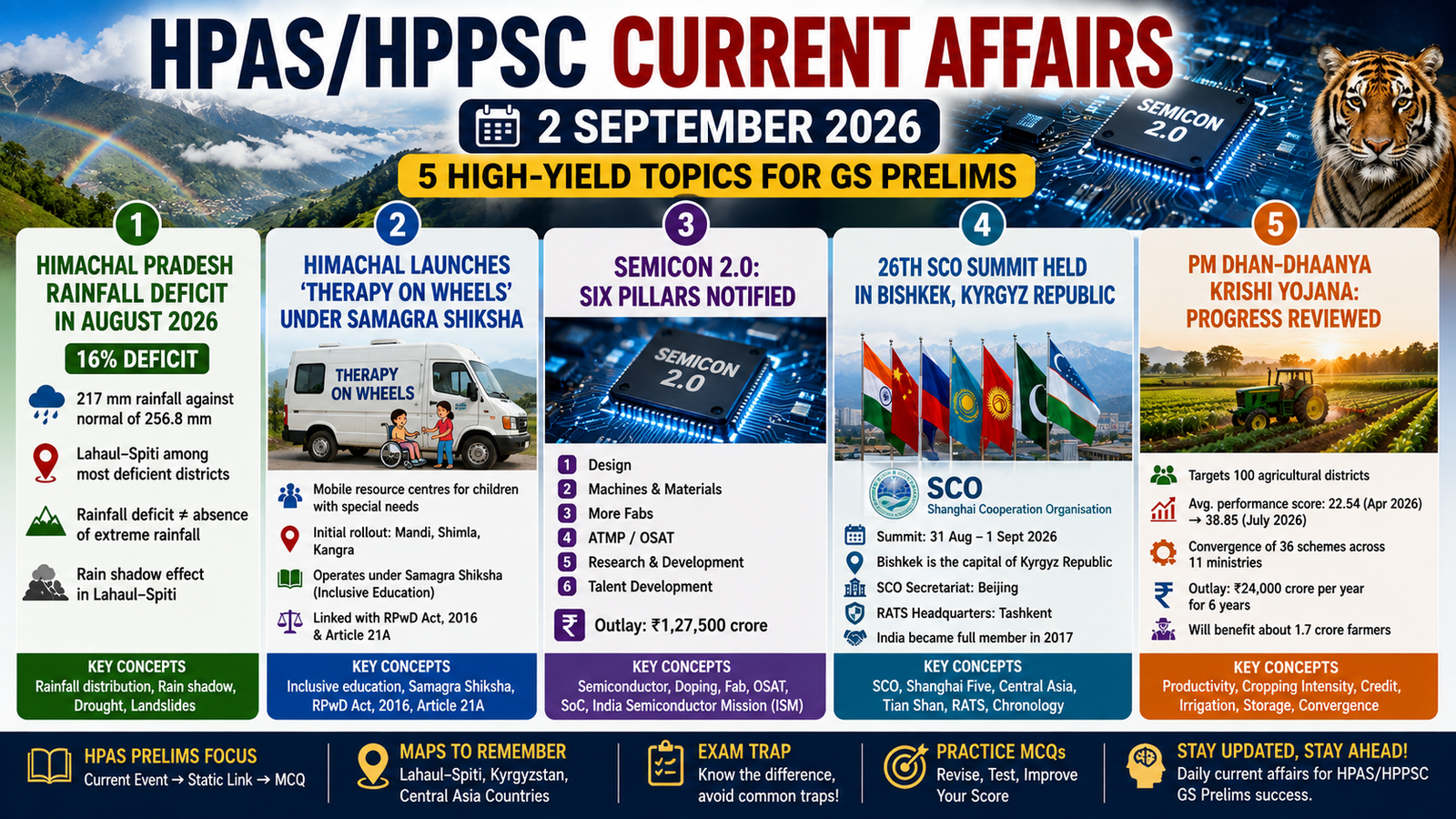
HPAS/HPPSC Current Affairs 2 September 2026: Himachal rainfall deficit, Therapy