
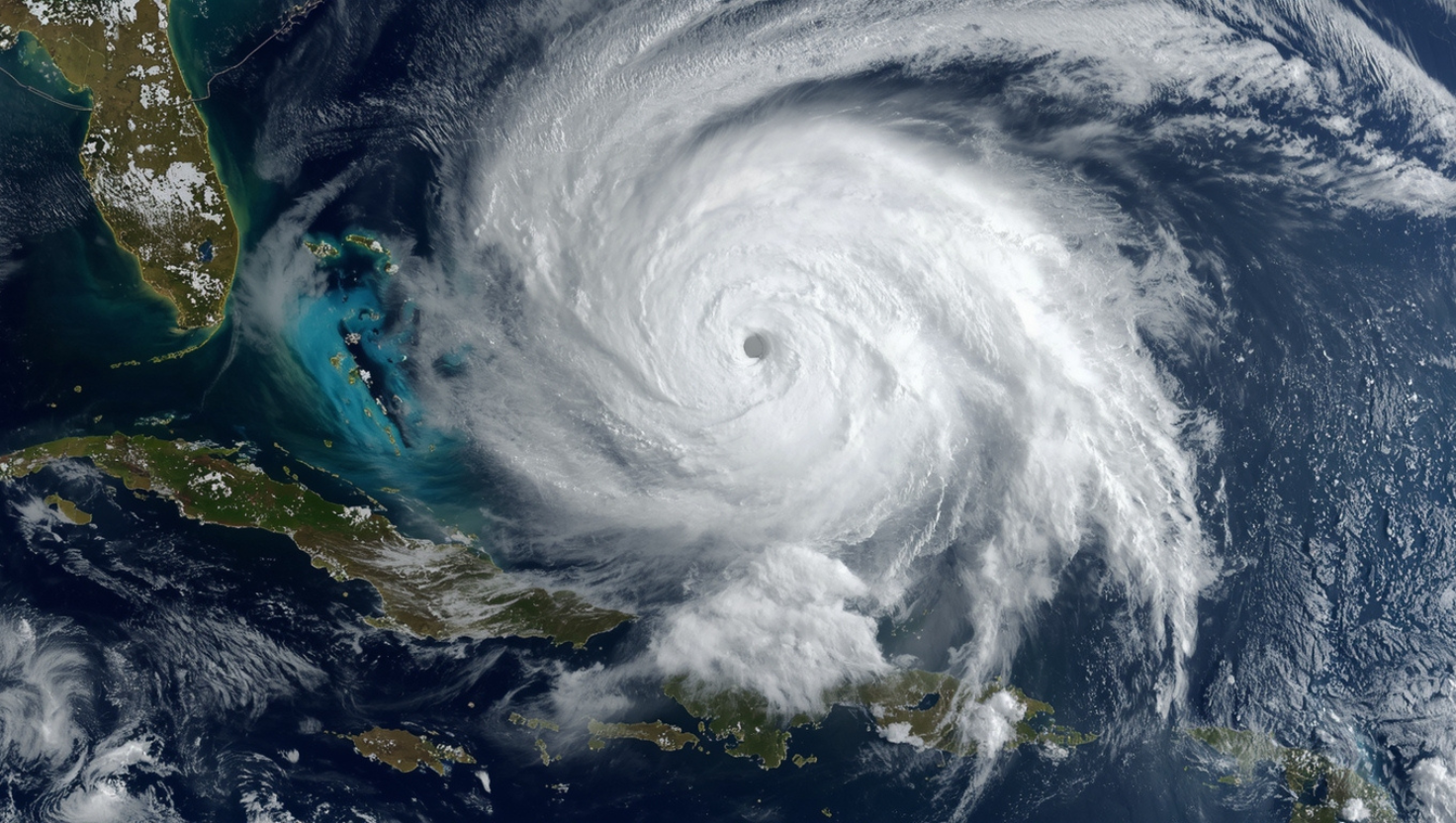
Hurricane Melissa
Hurricane Melissa, Jamaica’s strongest-ever Category 5 storm, hit with 185 mph winds, highlighting rising climate-driven cyclone risks.
Hurricane Melissa, Jamaica’s strongest-ever Category 5 storm, hit with 185 mph winds, highlighting rising climate-driven cyclone risks.

Hurricane Gilbert (1988) devastated Jamaica and Mexico as a Category 5 storm, causing $5.5 billion in damage and over 300 deaths.

Cyclone Montha, forming over the Bay of Bengal, is set to hit Andhra Pradesh and Odisha, stressing the need for strong coastal preparedness.
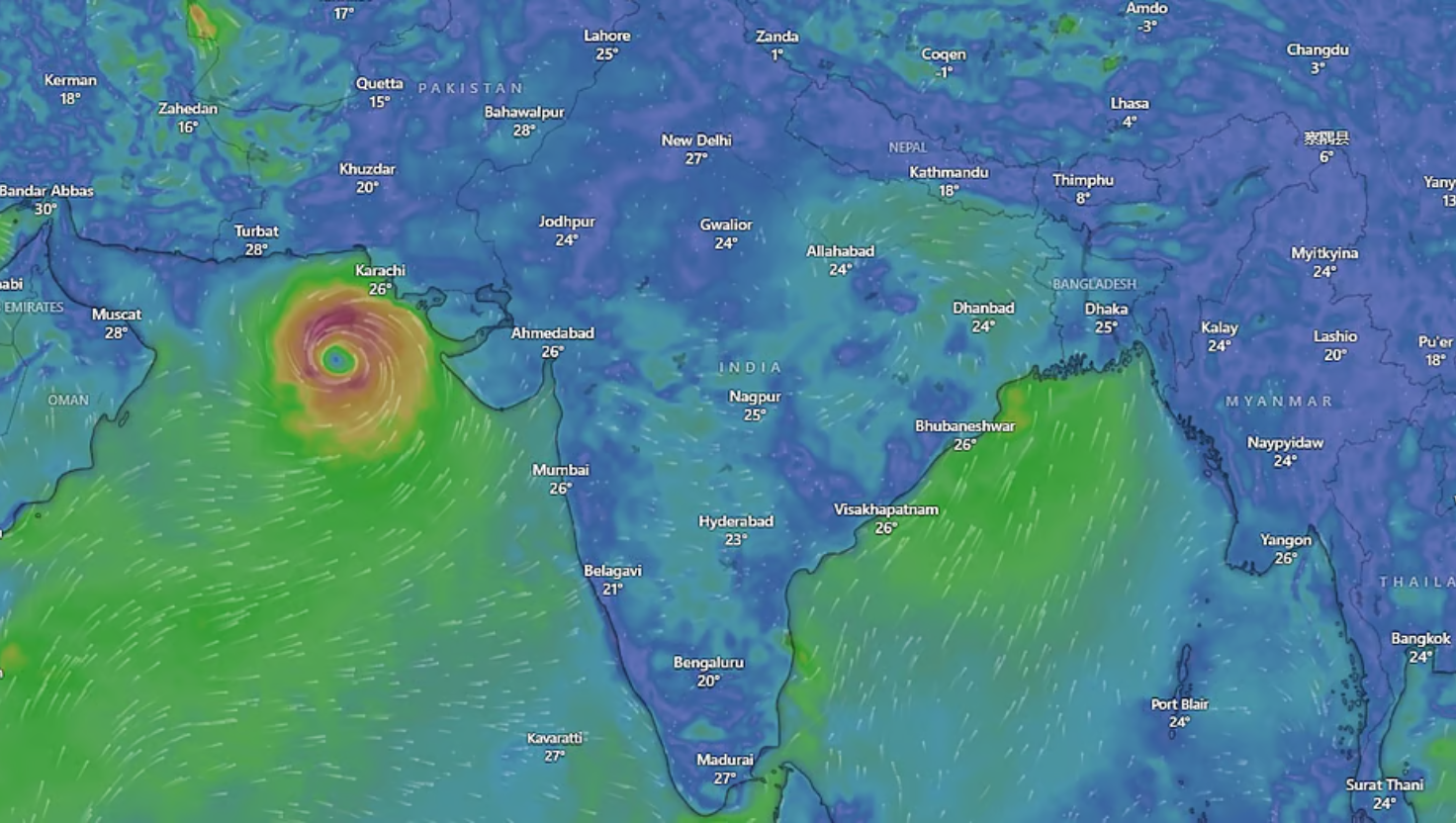
Cyclone Shakhti, forming over the northeast Arabian Sea, highlights rising cyclone risks in western India, emphasizing preparedness and early warning systems.
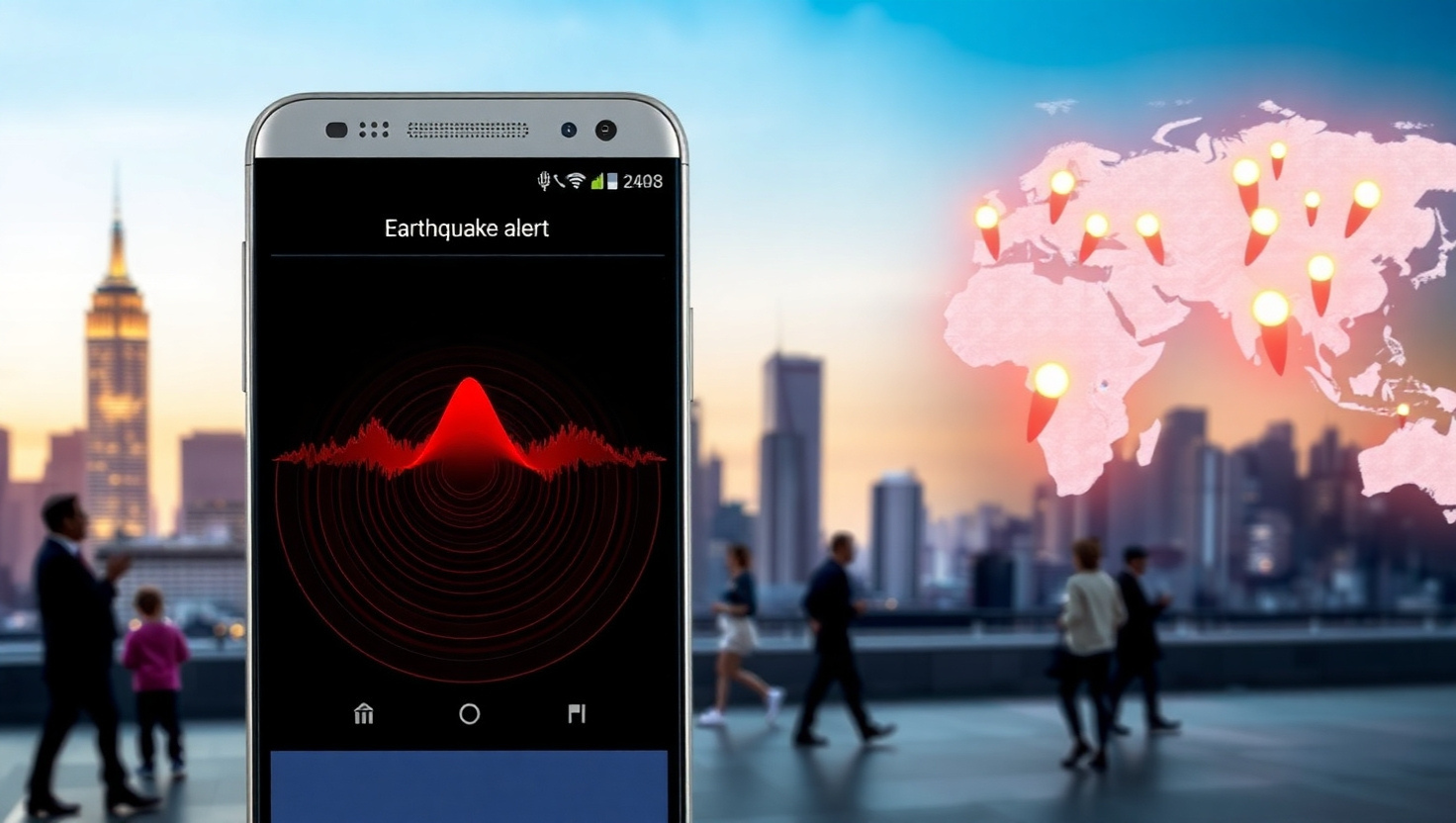
The Android Earthquake Alert System uses smartphone sensors to provide real-time quake warnings, now active in 98 countries globally.

Glacial Lake Outburst Floods (GLOFs) are rising in the Himalayas due to warming, seismic risks, and unplanned development, posing major disaster threats.
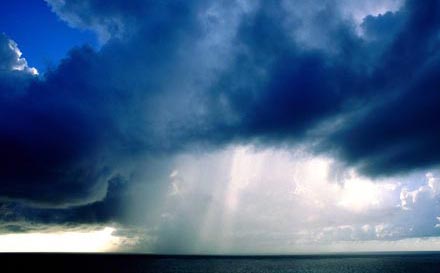
Cloudburst in Himachal Pradesh Syllabus: Geography | Disaster ManagementSource: The Indian Express Why In News: Cloudburst Recent cloudbursts in Kangra and Kullu districts of Himachal Pradesh triggered severe flash floods, resulting in two deaths and over a dozen missing. What is a Cloudburst? Conditions Favouring Cloudbursts: How Do Cloudbursts Occur? Consequences of Cloudbursts: On Disasters: On People: On the Environment: Measures to Manage Cloudburst Risks: National Guidelines: Technological Upgrades: Local Capacity Building: Climate Action: Recent Cloudburst Incidents in India Location

The geographical setting of ancient India shaped its political and

The Global Conference on Women in Agri-Food Systems (GCWAS-2026) highlights
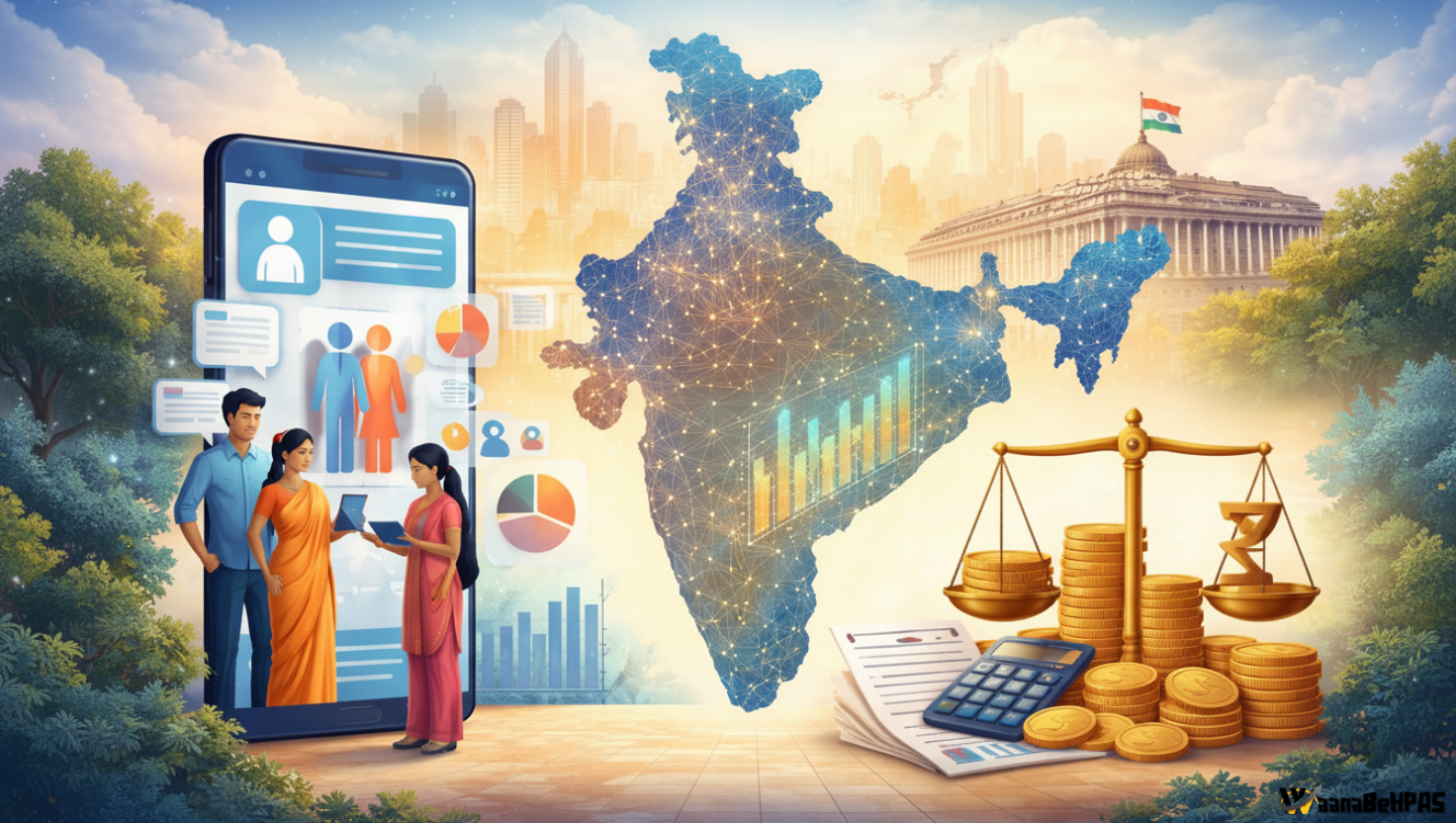
India is entering a new era of data-driven governance with

Rising tensions in West Asia threaten vital maritime trade routes,
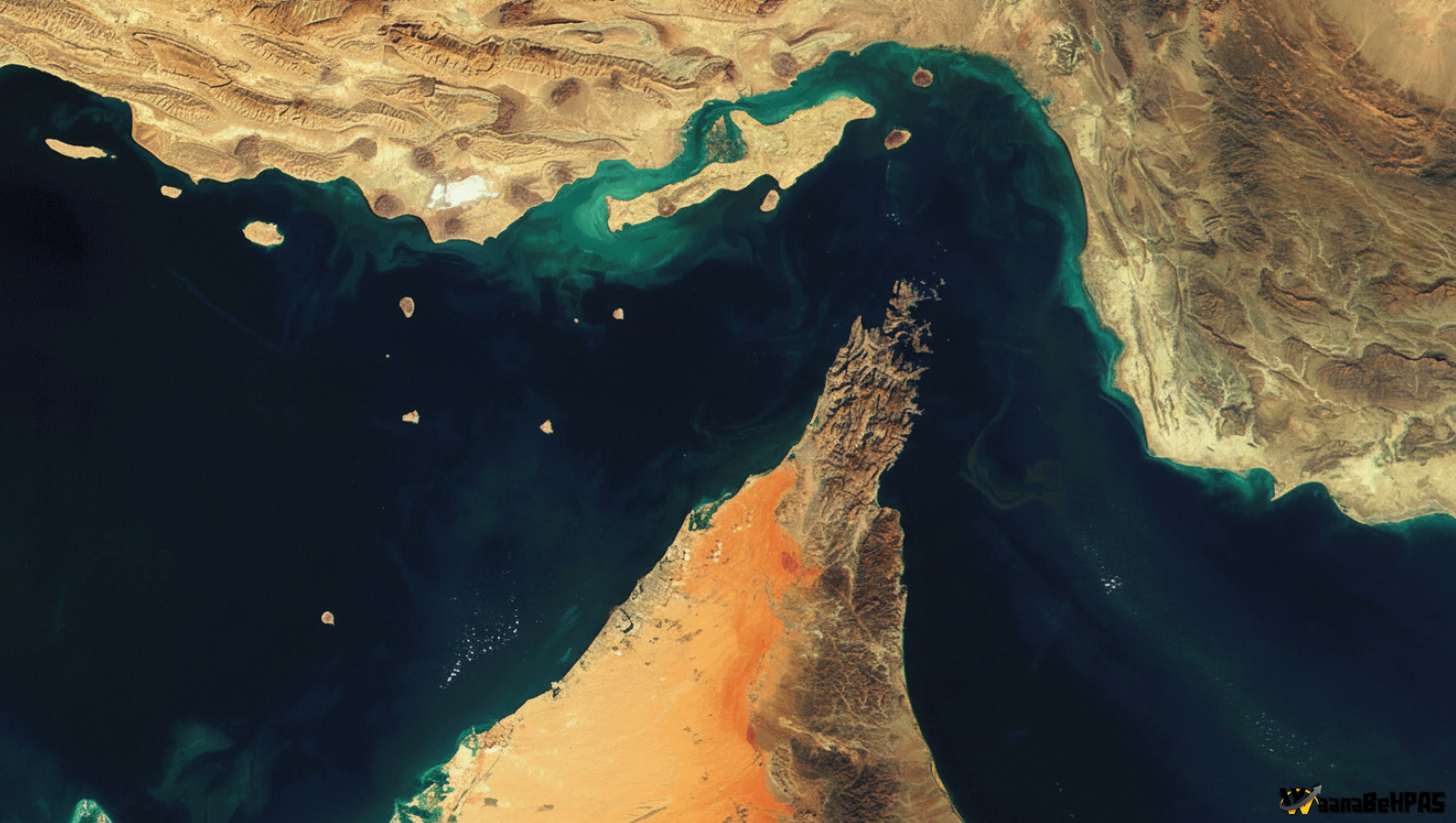
The Strait of Hormuz, the world’s most critical energy chokepoint,

The Israel–United States–Iran War (2026) erupted after joint U.S.–Israeli strikes