
Article 55 of the Constitution
Article 55: President is elected by MPs and MLAs, with vote values based on population to ensure fair representation of states and balance with the Union, using STV and secret ballot.
Article 55: President is elected by MPs and MLAs, with vote values based on population to ensure fair representation of states and balance with the Union, using STV and secret ballot.
Article 54 states that the President is elected by an Electoral College made up of elected members of Parliament and State Legislative Assemblies, including Delhi and Puducherry.
Article 52 states that India shall have a President, the head of the country and the highest authority in the Union executive.
The executive power of India is vested in the President under Article 53, exercised directly or through officers. The President is the Supreme Commander of the armed forces, subject to law, and powers of states remain unaffected.
The 85th Amendment (2001) grants SC/ST employees reservation in promotions with consequential seniority, applied retrospectively from 1995.
The 81st and 82nd Amendments strengthened SC/ST representation by allowing carry-forward of reserved vacancies and relaxing promotion standards.
The 81st Amendment Bill, 1996 proposed one-third reservation for women in Parliament and State Assemblies, building on earlier local body reforms.
The 77th Amendment (1995) restored reservation in promotions for SCs/STs after the Indra Sawhney ruling, ensuring their adequate representation in government services.

Part I – The Union and Its Territory explains India’s political structure, state formation, and the flexibility of its federal system.
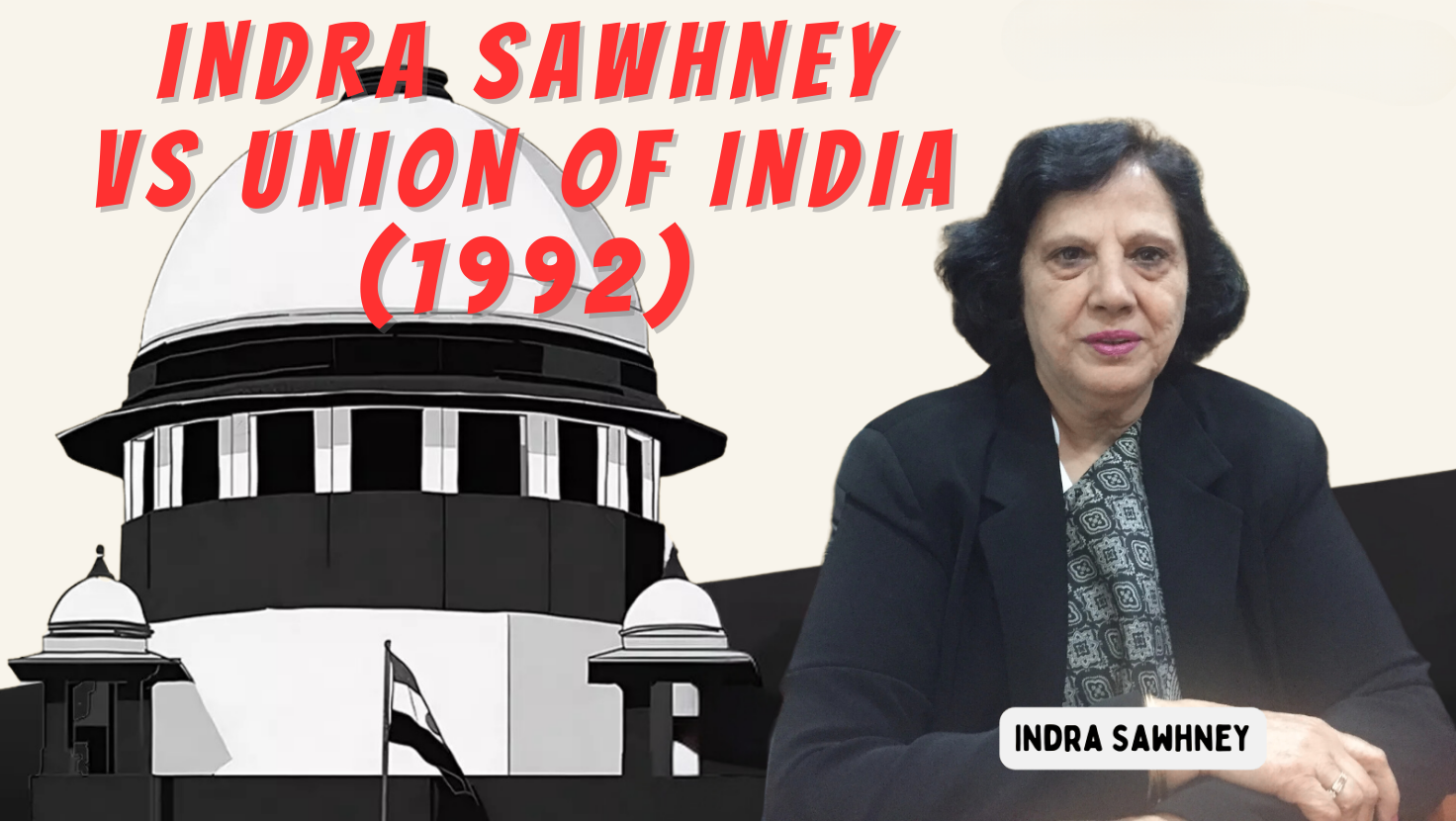
The Indra Sawhney case (1992) upheld OBC reservations, introduced the creamy layer, set a 50% cap, and reshaped India’s quota system.
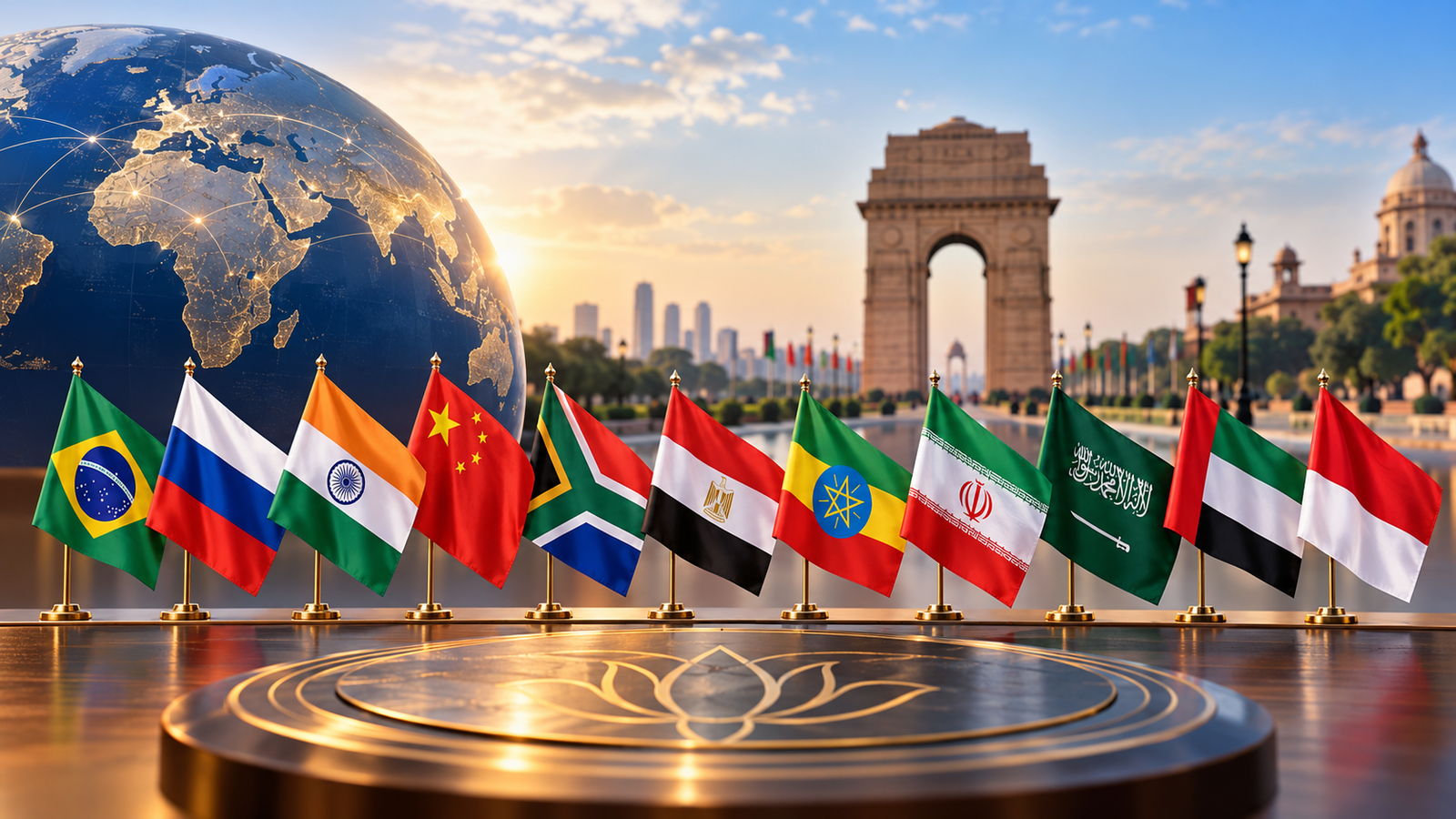
BRICS 2026: Explore the 18th BRICS Summit in New Delhi,
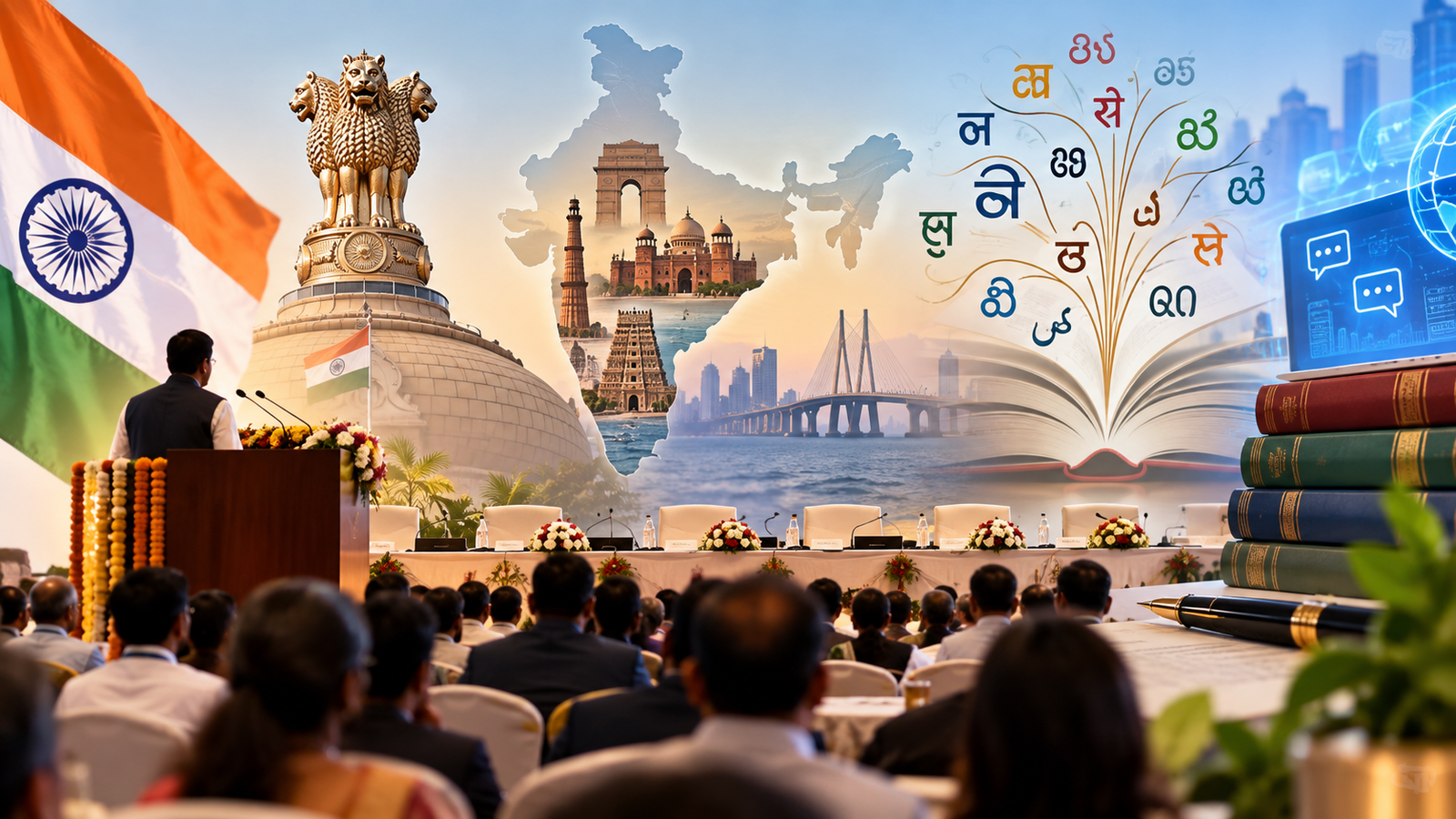
6th All India Official Language Conference 2026 in Navi Mumbai:
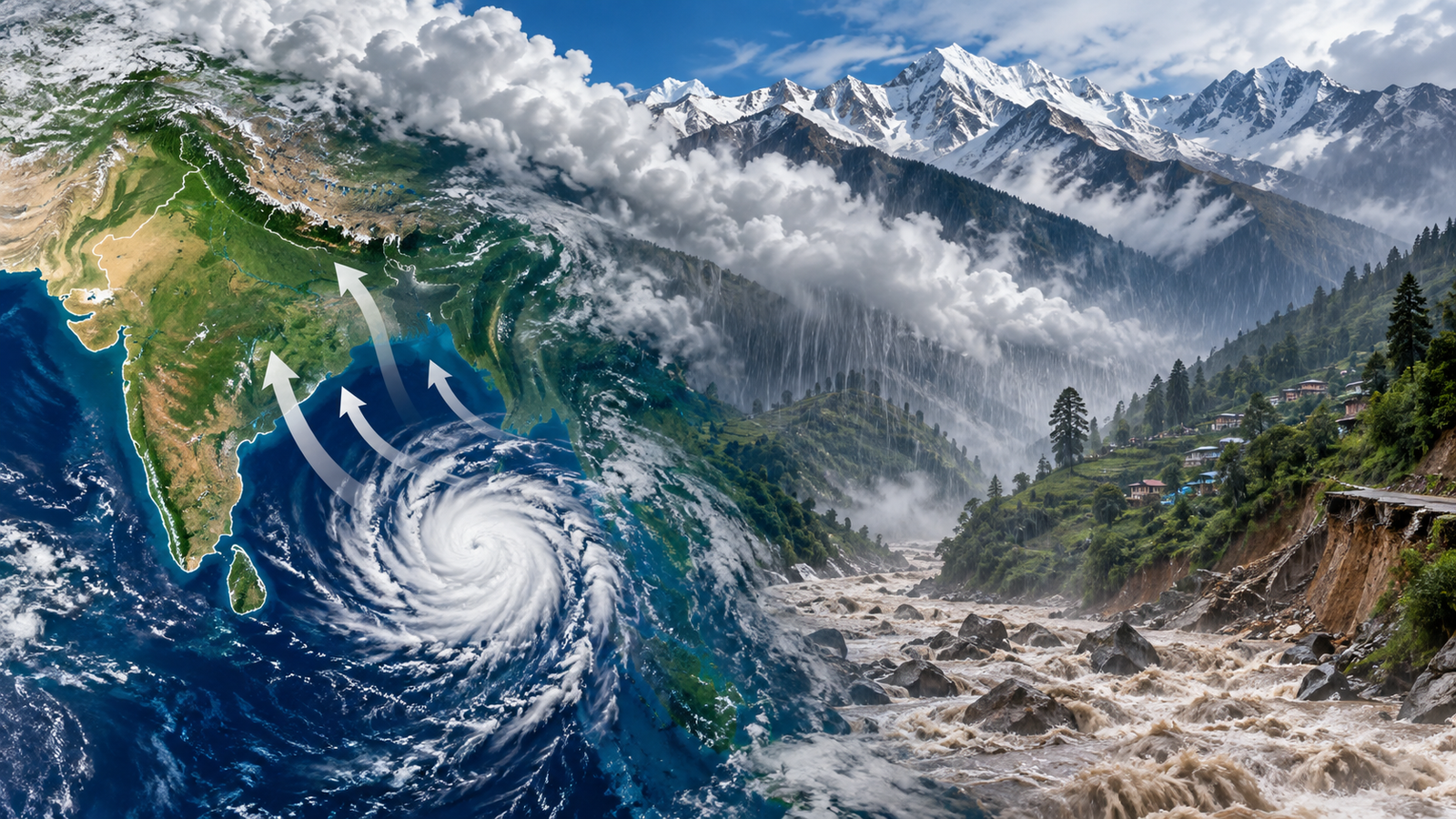
Discover how Bay of Bengal low-pressure systems shape India’s monsoon,
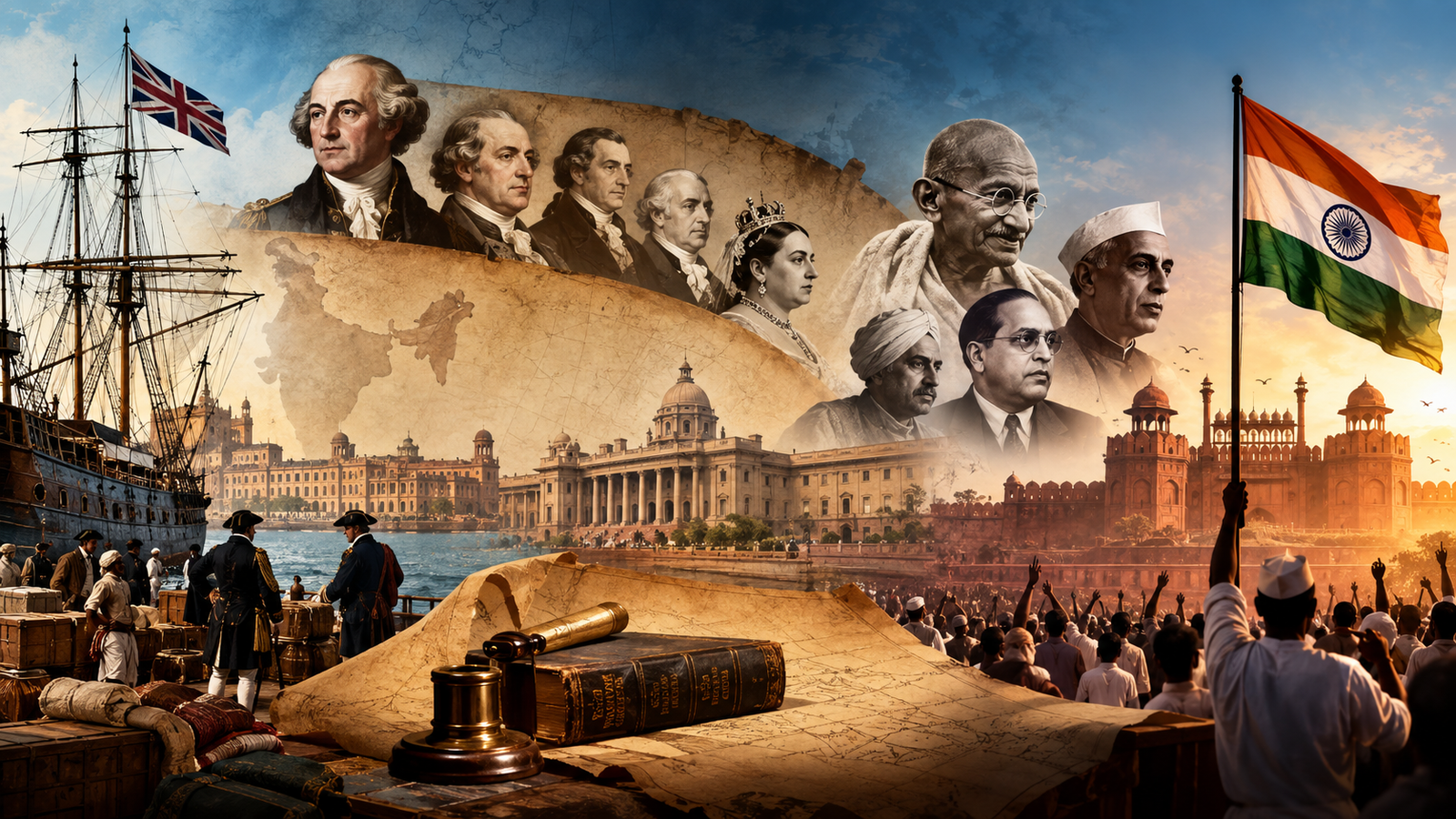
Explore the constitutional evolution of India from East India Company
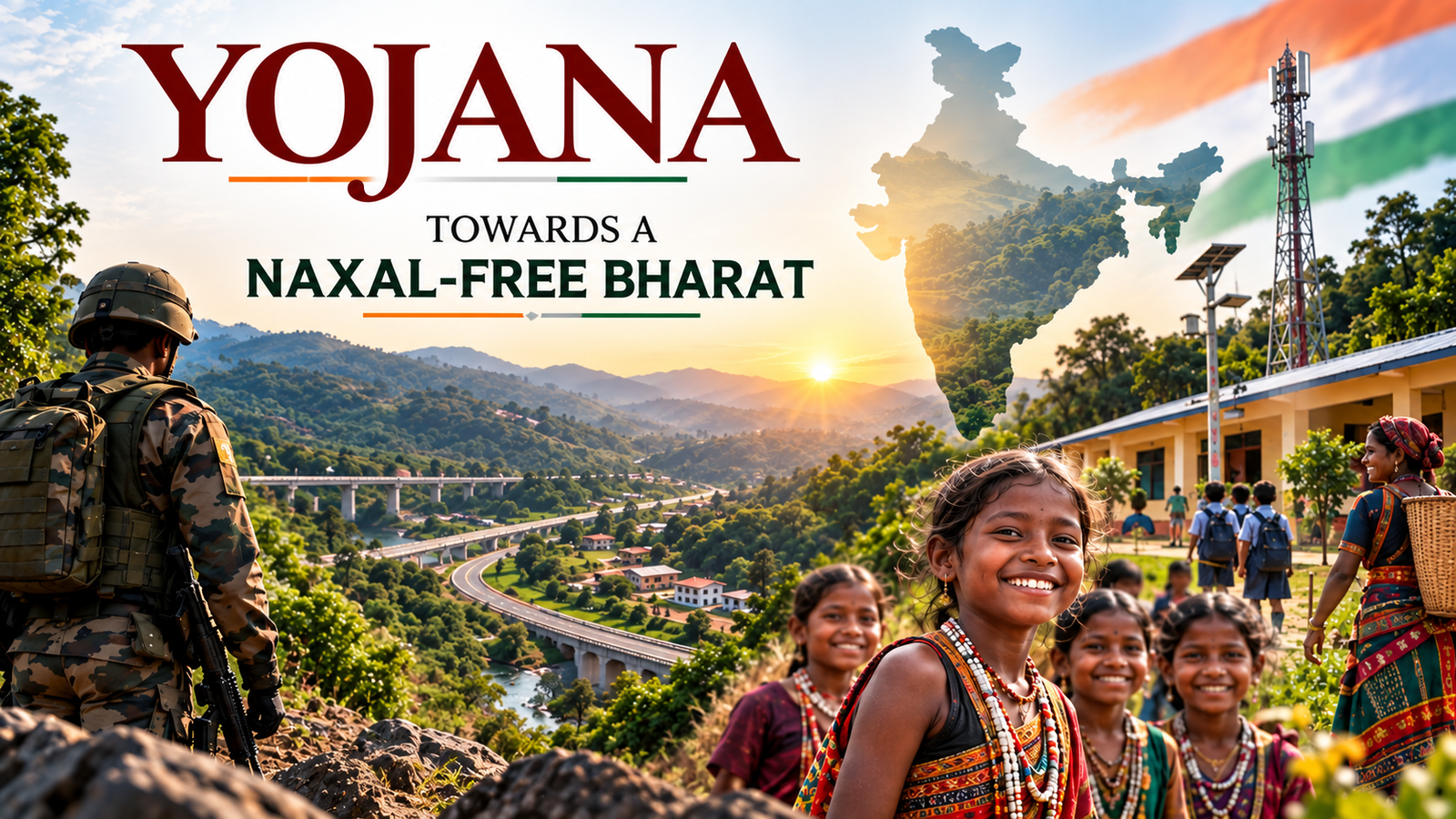
Yojana June 2026 explores India’s journey towards a Naxal-free Bharat,
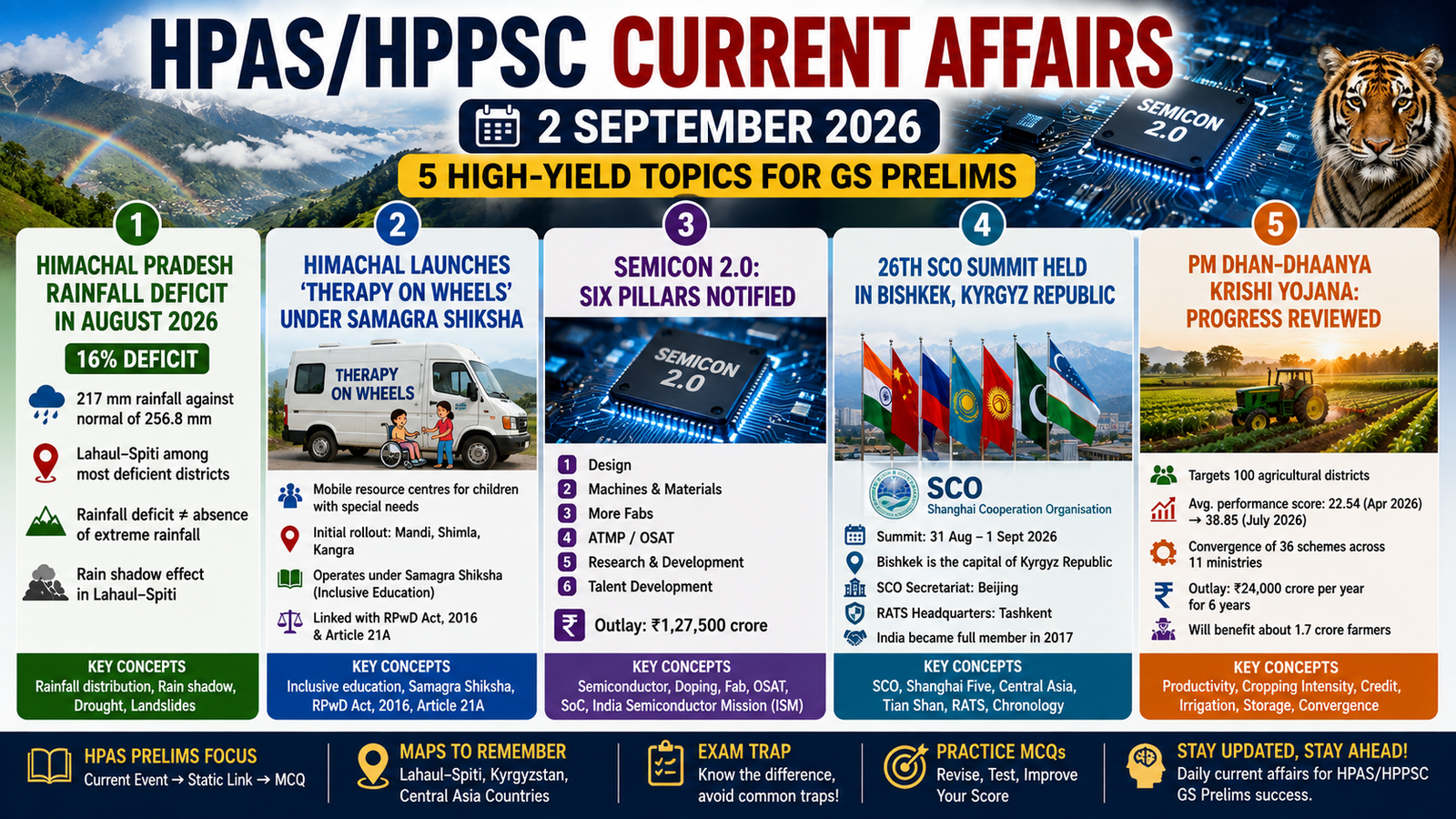
HPAS/HPPSC Current Affairs 2 September 2026: Himachal rainfall deficit, Therapy