
85th Constitutional Amendment Act, 2001
The 85th Amendment (2001) grants SC/ST employees reservation in promotions with consequential seniority, applied retrospectively from 1995.
The 85th Amendment (2001) grants SC/ST employees reservation in promotions with consequential seniority, applied retrospectively from 1995.
The 81st and 82nd Amendments strengthened SC/ST representation by allowing carry-forward of reserved vacancies and relaxing promotion standards.

The 81st Amendment Bill, 1996 proposed one-third reservation for women in Parliament and State Assemblies, building on earlier local body reforms.
The 77th Amendment (1995) restored reservation in promotions for SCs/STs after the Indra Sawhney ruling, ensuring their adequate representation in government services.

Part I – The Union and Its Territory explains India’s political structure, state formation, and the flexibility of its federal system.
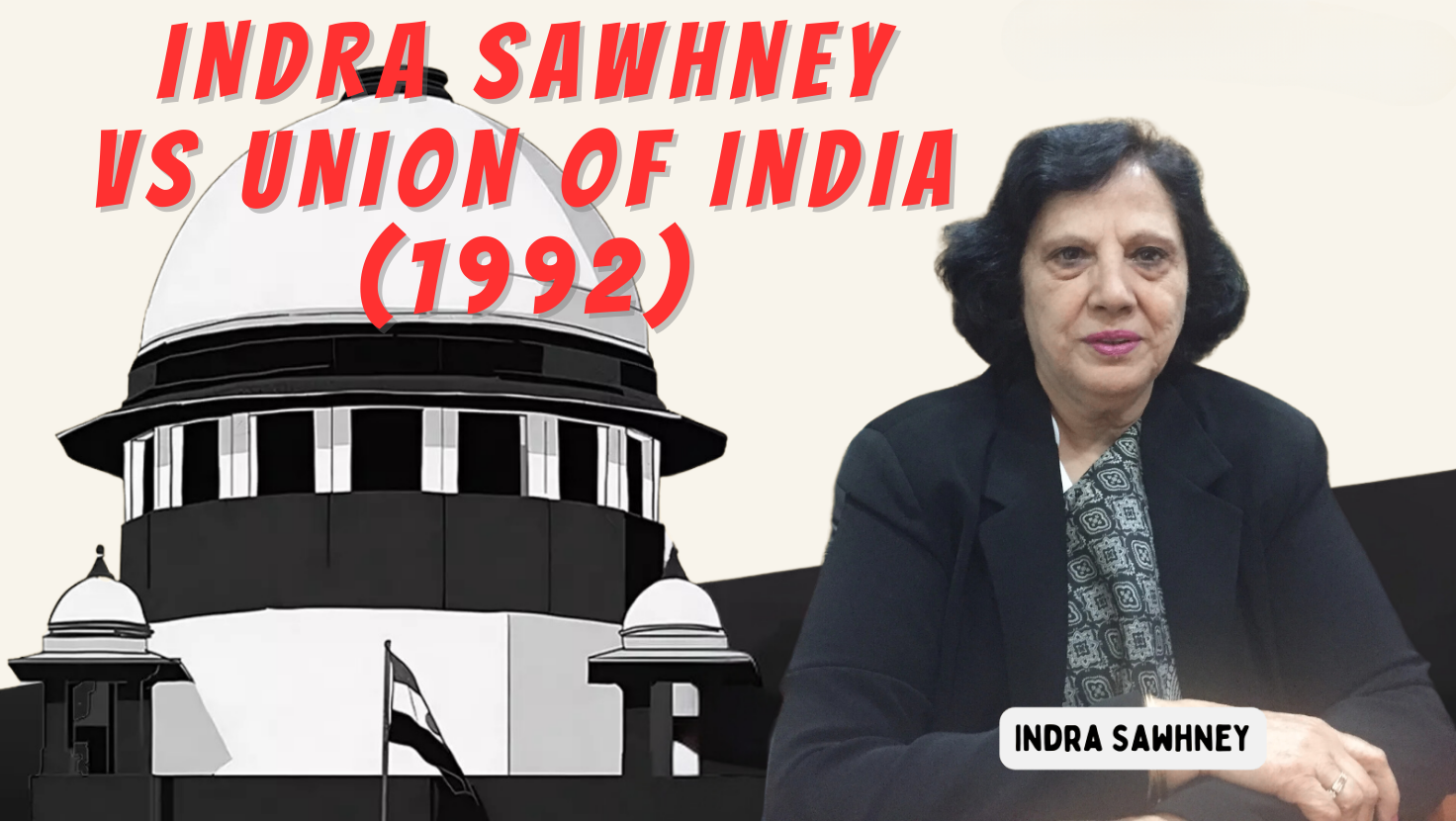
The Indra Sawhney case (1992) upheld OBC reservations, introduced the creamy layer, set a 50% cap, and reshaped India’s quota system.
Article 16 ensures equal job opportunities, allows reservations for SCs, STs, OBCs & EWS, and balances equality with social justice.
Article 21 ensures life & liberty with dignity. Courts expanded it to livelihood, privacy, environment & fair trial.
Article 15 prohibits discrimination on religion, caste, sex, etc., while permitting reservations for women, backward classes & EWS.
Article 14 ensures equality before law & equal protection, expanded by courts to curb arbitrariness and uphold gender justice.

The geographical setting of ancient India shaped its political and

The Global Conference on Women in Agri-Food Systems (GCWAS-2026) highlights
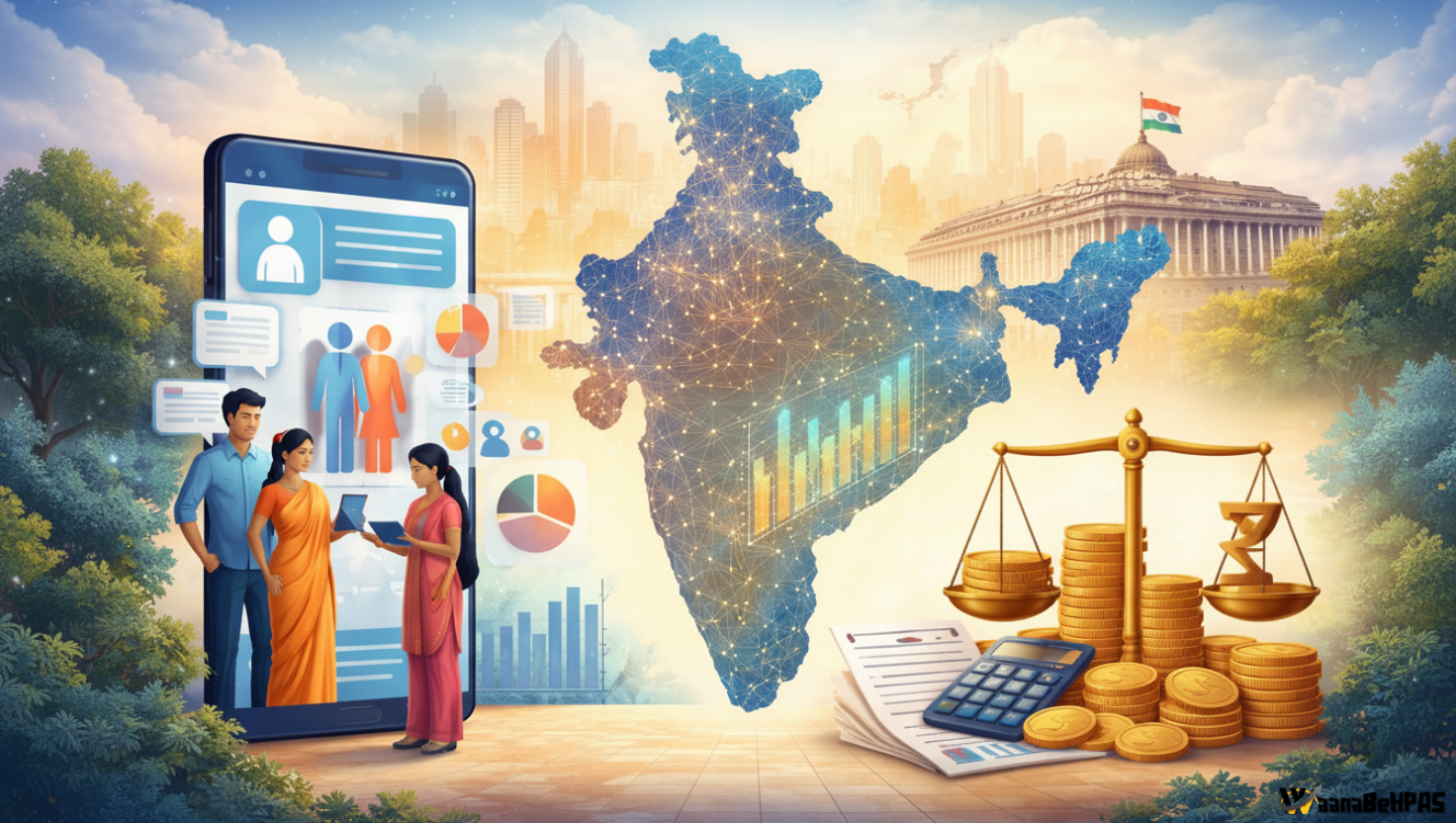
India is entering a new era of data-driven governance with

Rising tensions in West Asia threaten vital maritime trade routes,

The Strait of Hormuz, the world’s most critical energy chokepoint,

The Israel–United States–Iran War (2026) erupted after joint U.S.–Israeli strikes