
Article 300A: Right to Property
The Supreme Court upheld Article 300A, ruling that the Right to Property is a constitutional and human right requiring due process and compensation.
The Supreme Court upheld Article 300A, ruling that the Right to Property is a constitutional and human right requiring due process and compensation.
Article 47 directs the State to improve nutrition, living standards, public health, and restrict harmful substances.
Article 41 directs the State to ensure work, education, and public assistance for citizens in need within economic capacity
Article 39 guides the State on livelihood, resource distribution, equality, worker protection, and child welfare.
Article 16 ensures equal job opportunities, allows reservations for SCs, STs, OBCs & EWS, and balances equality with social justice.
Article 21 ensures life & liberty with dignity. Courts expanded it to livelihood, privacy, environment & fair trial.
Article 15 prohibits discrimination on religion, caste, sex, etc., while permitting reservations for women, backward classes & EWS.
Article 14 ensures equality before law & equal protection, expanded by courts to curb arbitrariness and uphold gender justice.
Article 324 vests the superintendence of elections in the Election Commission, ensuring free, fair, and independent electoral processes in India.
Article 39A ensures free legal aid for the poor and marginalized, promoting equal access to justice as part of the Directive Principles.

The geographical setting of ancient India shaped its political and
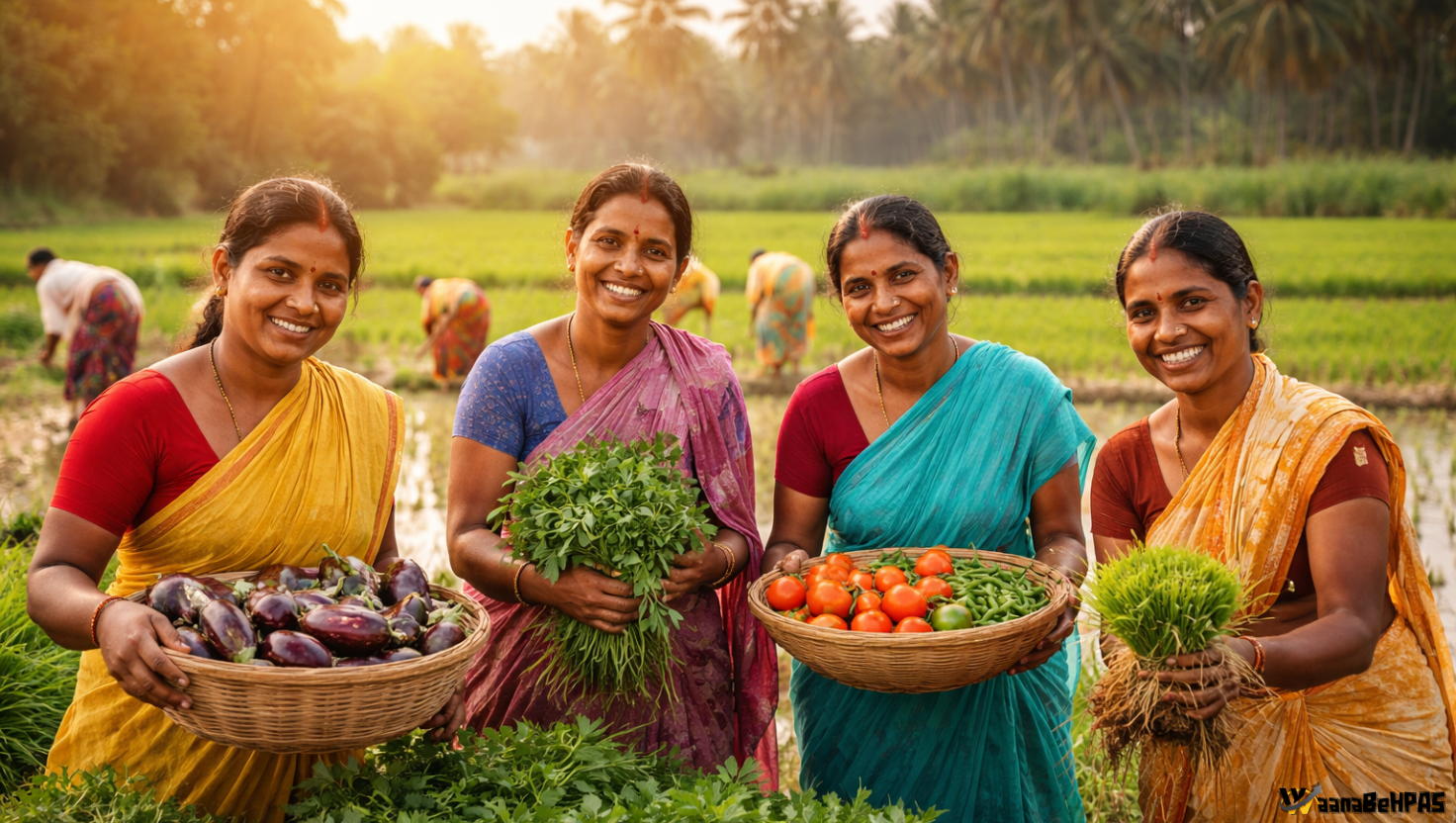
The Global Conference on Women in Agri-Food Systems (GCWAS-2026) highlights
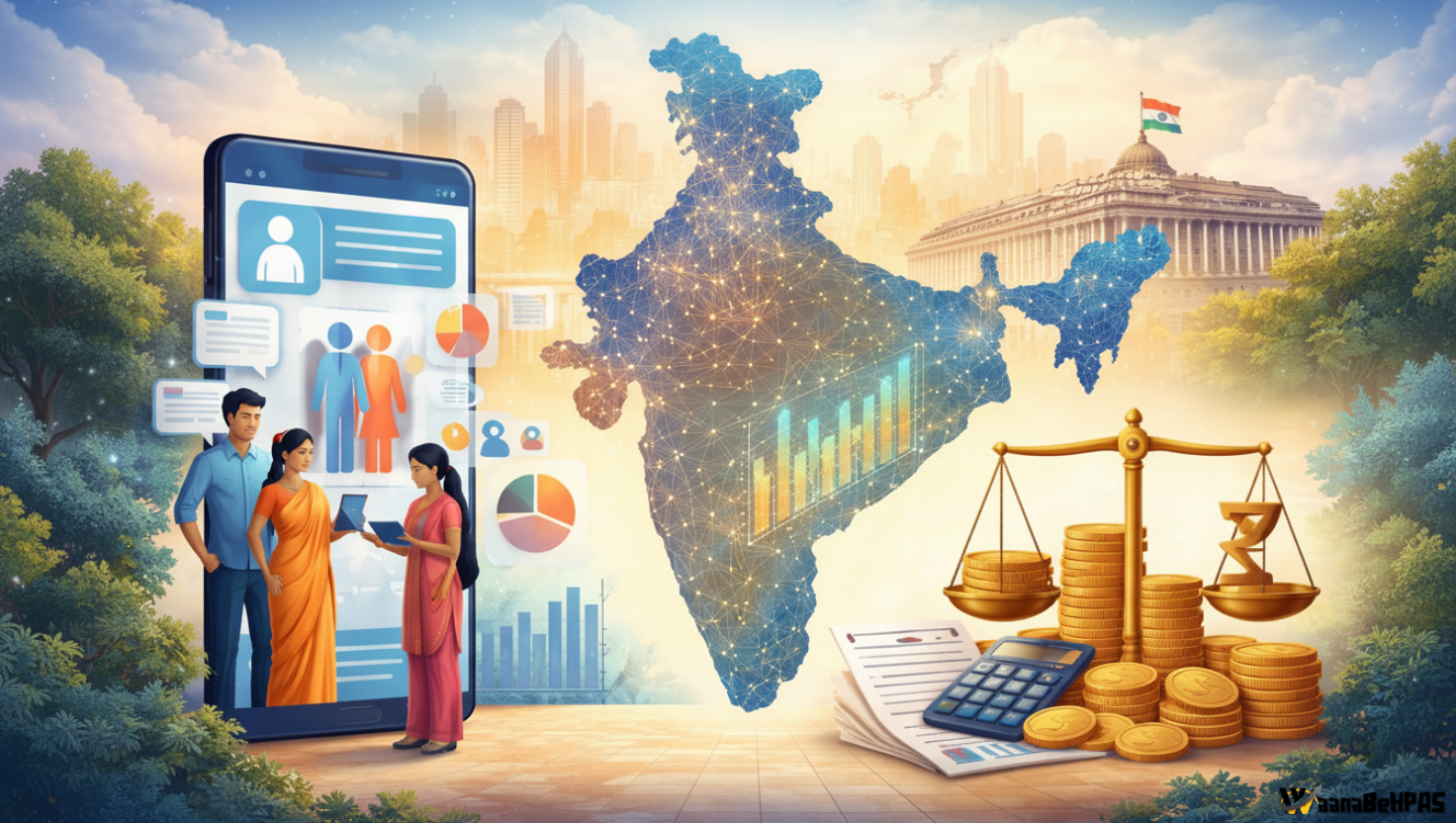
India is entering a new era of data-driven governance with

Rising tensions in West Asia threaten vital maritime trade routes,
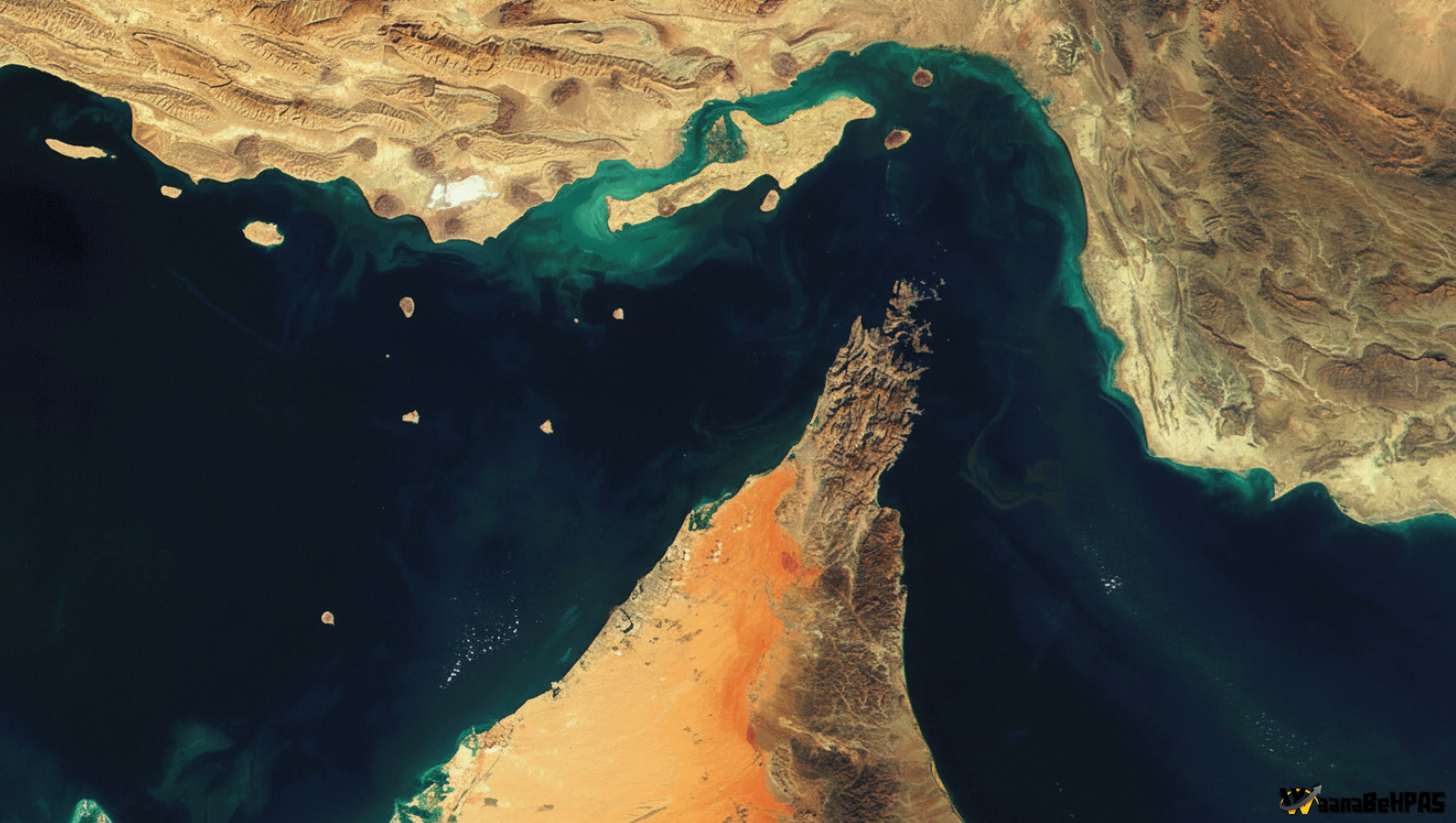
The Strait of Hormuz, the world’s most critical energy chokepoint,

The Israel–United States–Iran War (2026) erupted after joint U.S.–Israeli strikes