No-Confidence Motion (WannaBeHPAS)
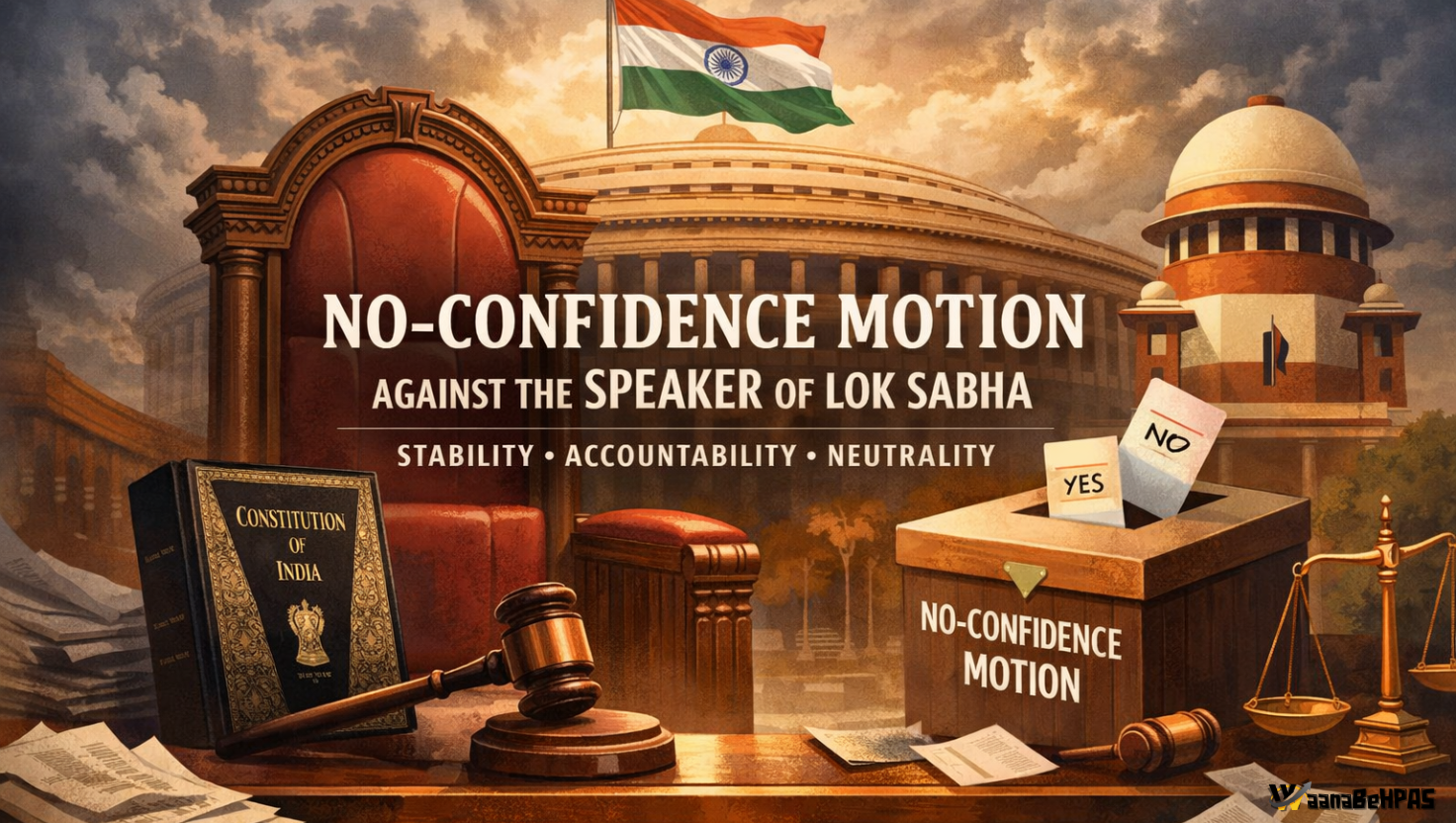
No-Confidence Motion & Removal of the Speaker of the Lok Sabha

A No-Confidence Motion against the Speaker of the Lok Sabha under Article 94 requires an absolute majority of all the then members, ensuring stability of the office while balancing accountability, neutrality, and constitutional morality.

DGCA Fines IndiGo
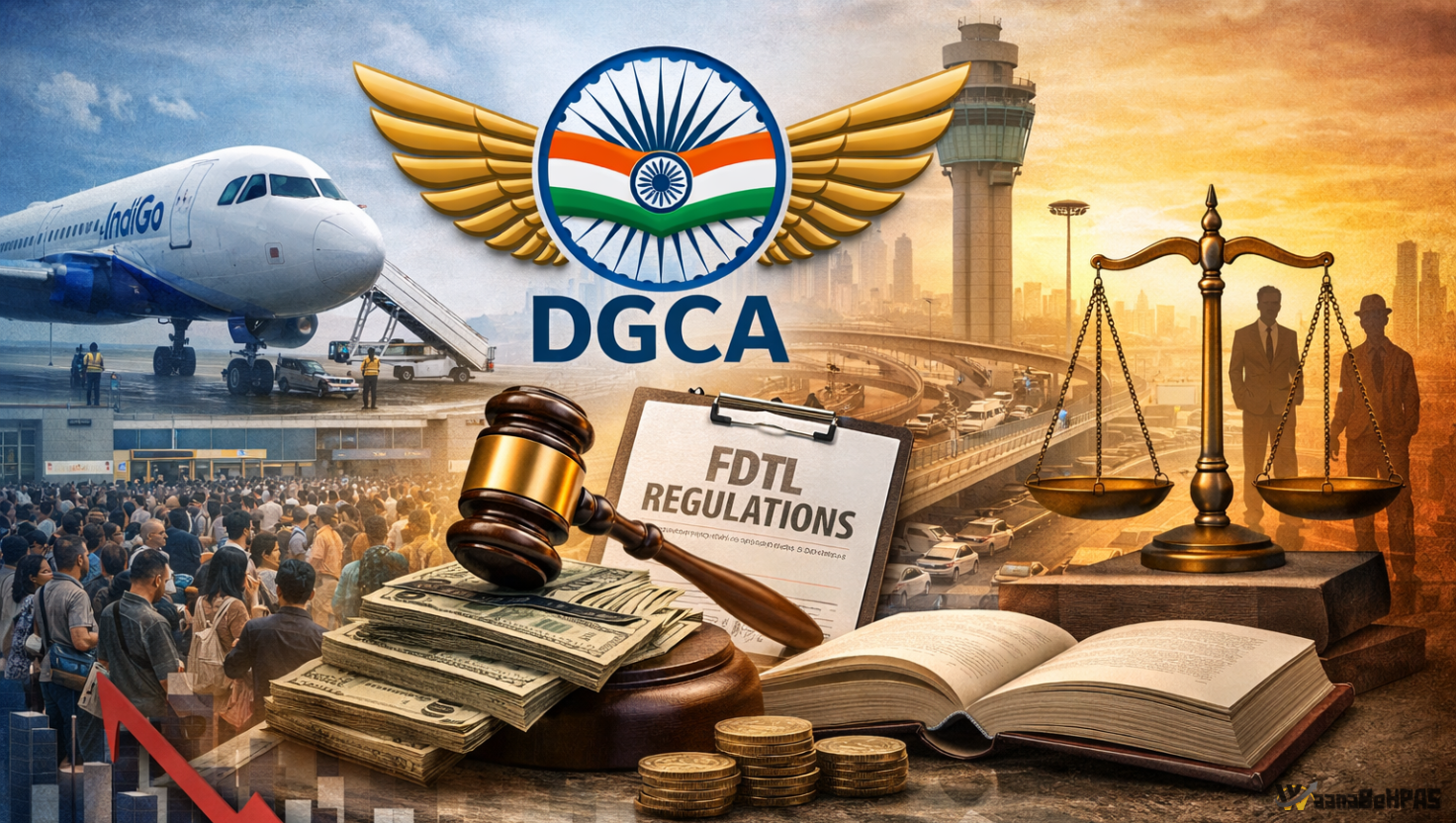
DGCA Fines IndiGo: A Case of Systemic Failure and Consumer Rights

The DGCA’s penalty on IndiGo after the December 2025 meltdown exposed the clash between profit-driven over-utilisation and safety resilience, highlighting FDTL compliance, consumer rights and the need for stronger aviation governance in India.

The 85th Amendment (2001) grants SC/ST employees reservation in promotions with consequential seniority, applied retrospectively from 1995.
85th Constitutional Amendment Act, 2001

The 85th Amendment (2001) grants SC/ST employees reservation in promotions with consequential seniority, applied retrospectively from 1995.

82nd Amendment (2000)

The 81st and 82nd Amendments strengthened SC/ST representation by allowing carry-forward of reserved vacancies and relaxing promotion standards.

The Constitution (81st Amendment) Bill, 1996

The 81st Amendment Bill, 1996 proposed one-third reservation for women in Parliament and State Assemblies, building on earlier local body reforms.

77th Constitutional Amendment Act, 1995
The Constitution (77th Amendment) Act, 1995

The 77th Amendment (1995) restored reservation in promotions for SCs/STs after the Indra Sawhney ruling, ensuring their adequate representation in government services.

S.P. Mittal vs Union of India (1983)

SC held Sri Aurobindo Society not a religious denomination; upheld Auroville Act, 1980 as valid and non-violative of fundamental rights.

Maneka Gandhi vs Union of India (1978)

Landmark case expanding Article 21; established the Golden Triangle of Articles 14, 19 & 21, ensuring fair, just, and reasonable laws.

Brij Bhushan vs State of Delhi (1950)
Brij Bhushan vs State of Delhi

The Brij Bhushan case (1950) upheld press freedom, ruling that pre-censorship violates Article 19(1)(a) unless justified by public order.

Bijoe Emmanuel vs State of Kerala (1986)

The 1986 Bijoe Emmanuel vs State of Kerala case upheld the right to freedom of religion and expression, affirming that patriotism cannot be forced.

Part I – The Union and Its Territory

Part I – The Union and Its Territory explains India’s political structure, state formation, and the flexibility of its federal system.

Article 300A: Right to Property

The Supreme Court upheld Article 300A, ruling that the Right to Property is a constitutional and human right requiring due process and compensation.

Article 47
Article 47

Article 47 directs the State to improve nutrition, living standards, public health, and restrict harmful substances.

Article 41
Article 41

Article 41 directs the State to ensure work, education, and public assistance for citizens in need within economic capacity

Article 39
Article 39

Article 39 guides the State on livelihood, resource distribution, equality, worker protection, and child welfare.

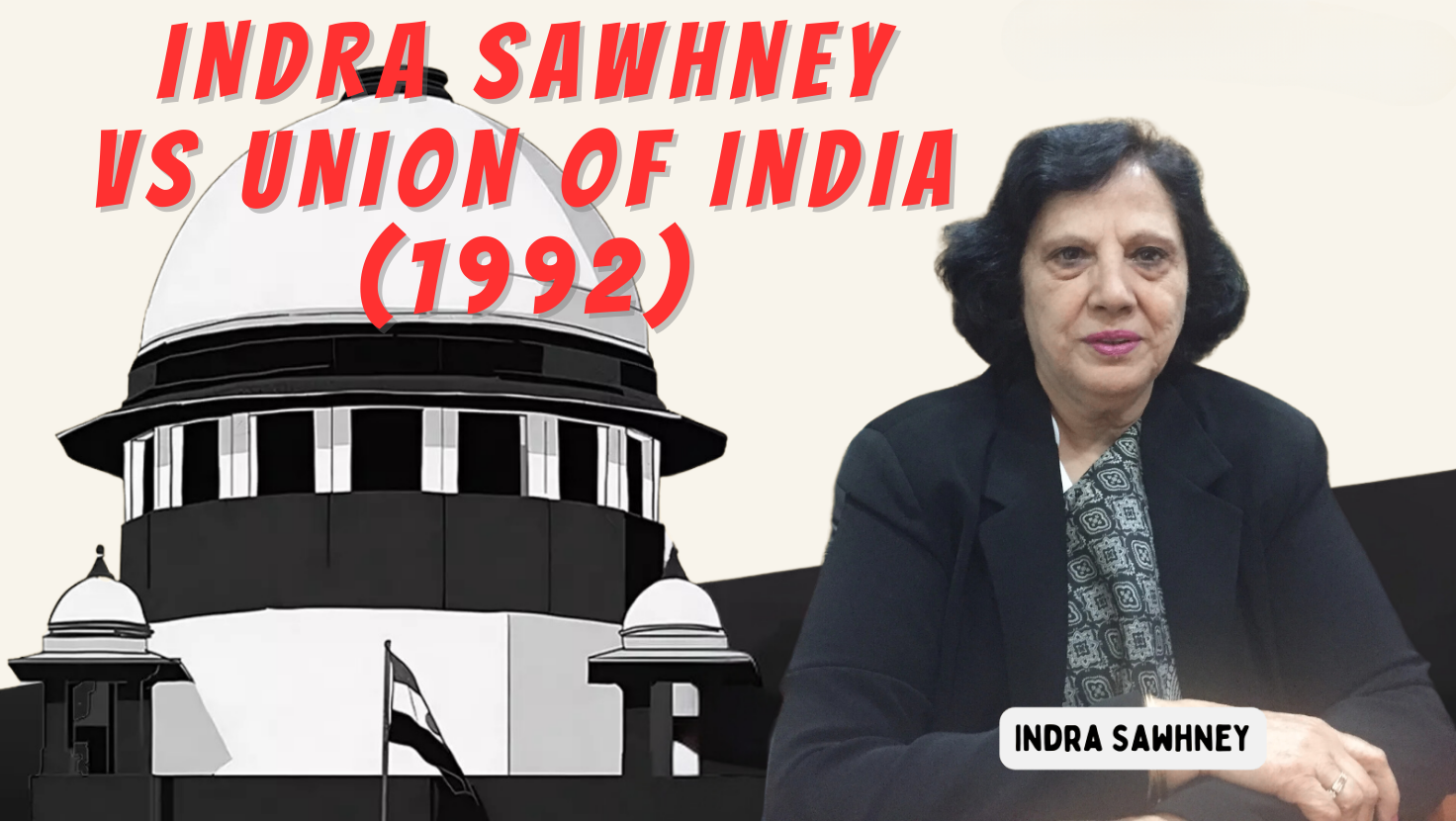
The Indra Sawhney case (1992)
Indra Sawhney Case (1992)

The Indra Sawhney case (1992) upheld OBC reservations, introduced the creamy layer, set a 50% cap, and reshaped India’s quota system.

Article 16
Article 16

Article 16 ensures equal job opportunities, allows reservations for SCs, STs, OBCs & EWS, and balances equality with social justice.

Article 21
Article 21

Article 21 ensures life & liberty with dignity. Courts expanded it to livelihood, privacy, environment & fair trial.

Article 15
Article 15

Article 15 prohibits discrimination on religion, caste, sex, etc., while permitting reservations for women, backward classes & EWS.

Article 14
Article 14

Article 14 ensures equality before law & equal protection, expanded by courts to curb arbitrariness and uphold gender justice.

Preamble of the Indian Constitution

The Preamble declares India as a Sovereign, Socialist, Secular, Democratic, Republic ensuring Justice, Liberty, Equality & Fraternity.

Article 324
Article 324

Article 324 vests the superintendence of elections in the Election Commission, ensuring free, fair, and independent electoral processes in India.

42nd Constitutional Amendment Act, 1976

Known as the Mini-Constitution, the 42nd Constitutional Amendment of 1976 reshaped India’s polity by centralizing power and limiting judicial independence.

Article 39A
Article 39A

Article 39A ensures free legal aid for the poor and marginalized, promoting equal access to justice as part of the Directive Principles.

You May Also Like