

Wholesale Price Index (WPI)
The Wholesale Price Index (WPI) tracks bulk price changes in goods, helping assess wholesale inflation and supply-demand trends in India’s economy.
The Wholesale Price Index (WPI) tracks bulk price changes in goods, helping assess wholesale inflation and supply-demand trends in India’s economy.

Core inflation tracks long-term price trends by excluding volatile food and fuel costs. It helps central banks assess demand pressures and set effective monetary policy.
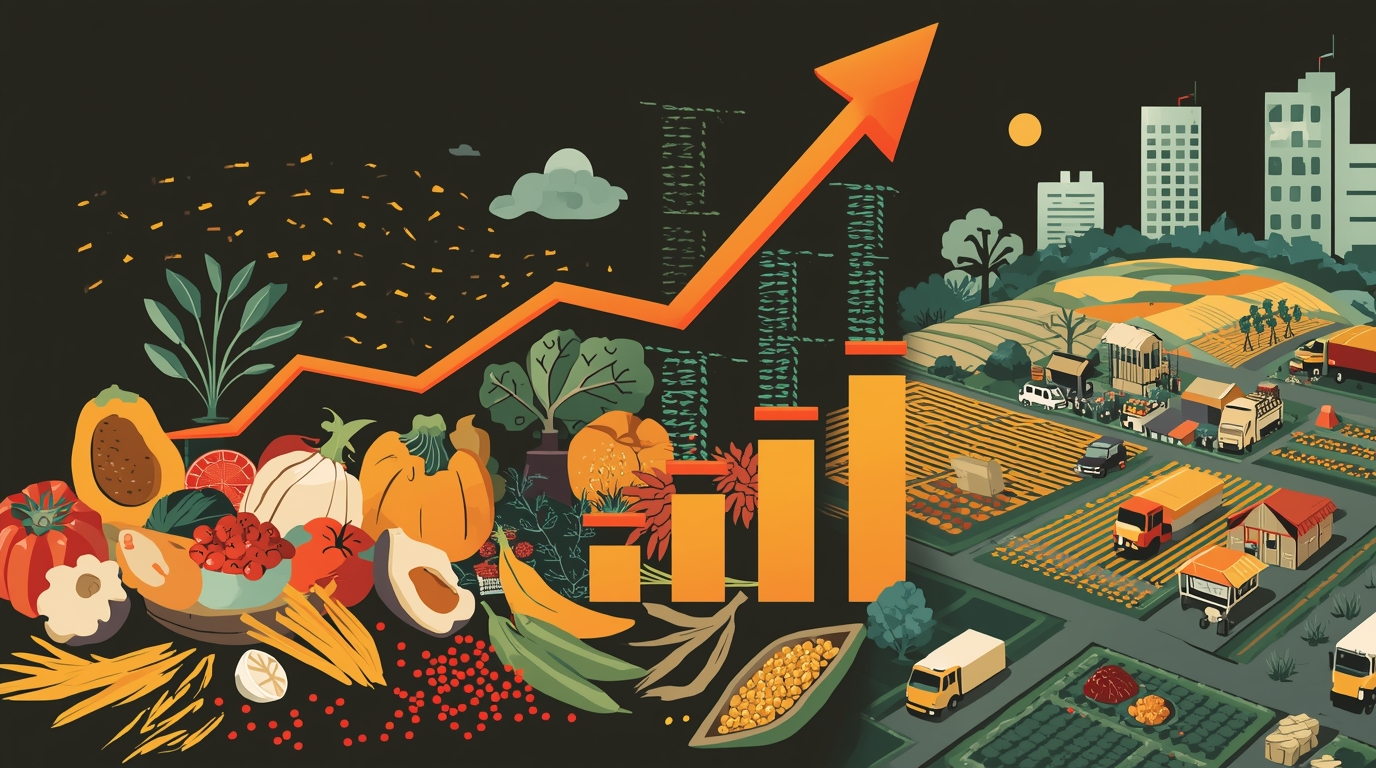
Food inflation in India remains volatile despite easing headline inflation, driven by weather shocks, supply disruptions, and rising costs of key food items.
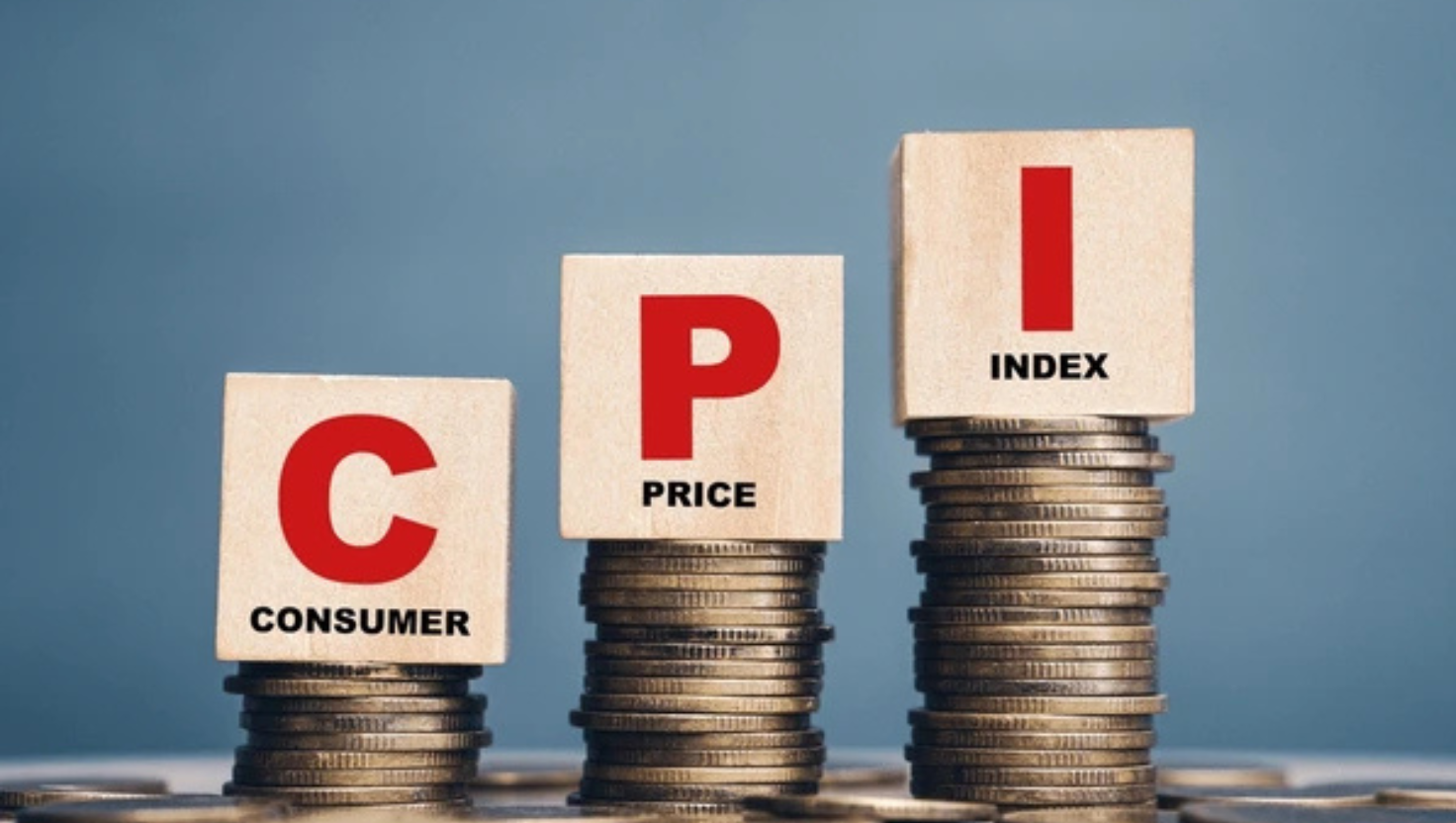
India’s CPI inflation for FY 2024-25 remained moderate, driven by easing core inflation but pressured by food prices, keeping inflation within RBI’s target band.

India’s economy rests on primary, secondary, and tertiary sectors, with growing focus on technology-driven quaternary and policy-led quinary sectors.
FUNDAMENTALS OF ECONOMICS: An easy guide covering systems, growth, poverty, inflation, policies, and key concepts for clear understanding

The geographical setting of ancient India shaped its political and

The Global Conference on Women in Agri-Food Systems (GCWAS-2026) highlights

India is entering a new era of data-driven governance with

Rising tensions in West Asia threaten vital maritime trade routes,

The Strait of Hormuz, the world’s most critical energy chokepoint,

The Israel–United States–Iran War (2026) erupted after joint U.S.–Israeli strikes