

Western Ghats
The Western Ghats are a UNESCO-listed biodiversity hotspot shaping peninsular India’s climate, rivers, and ecology.
The Western Ghats are a UNESCO-listed biodiversity hotspot shaping peninsular India’s climate, rivers, and ecology.

The Satpura Range is a central Indian highland, forming a major physiographic divide between the Narmada and Tapti valleys and the Deccan Plateau.

Aravalli Range is one of Earth’s oldest mountain systems, vital for ecology, water security, biodiversity, and desert-control in western India.

Hurricane Gilbert (1988) devastated Jamaica and Mexico as a Category 5 storm, causing $5.5 billion in damage and over 300 deaths.
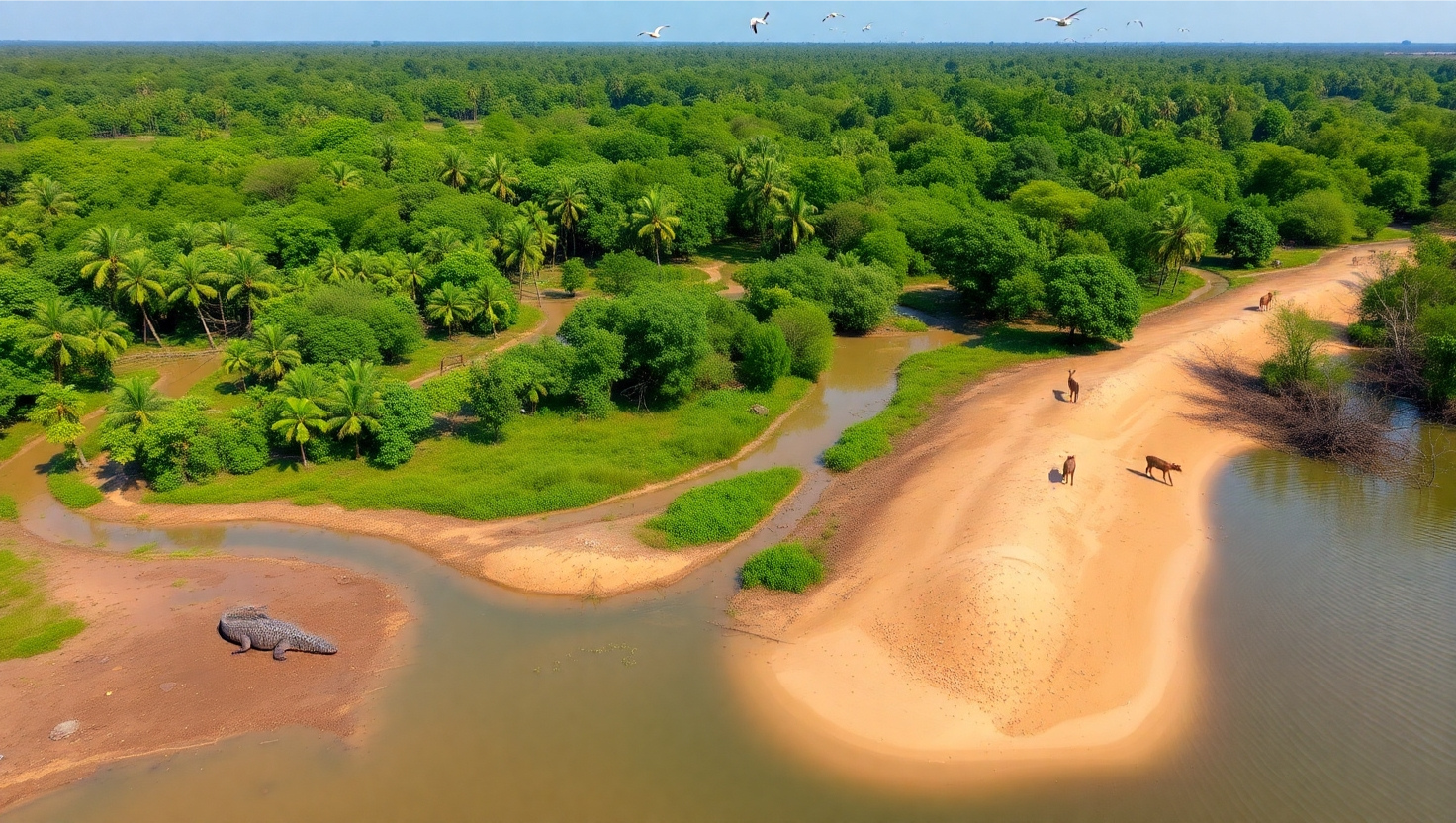
Bhitarkanika National Park, Odisha’s mangrove haven, is home to Saltwater Crocodiles, Olive Ridleys, and diverse wildlife.
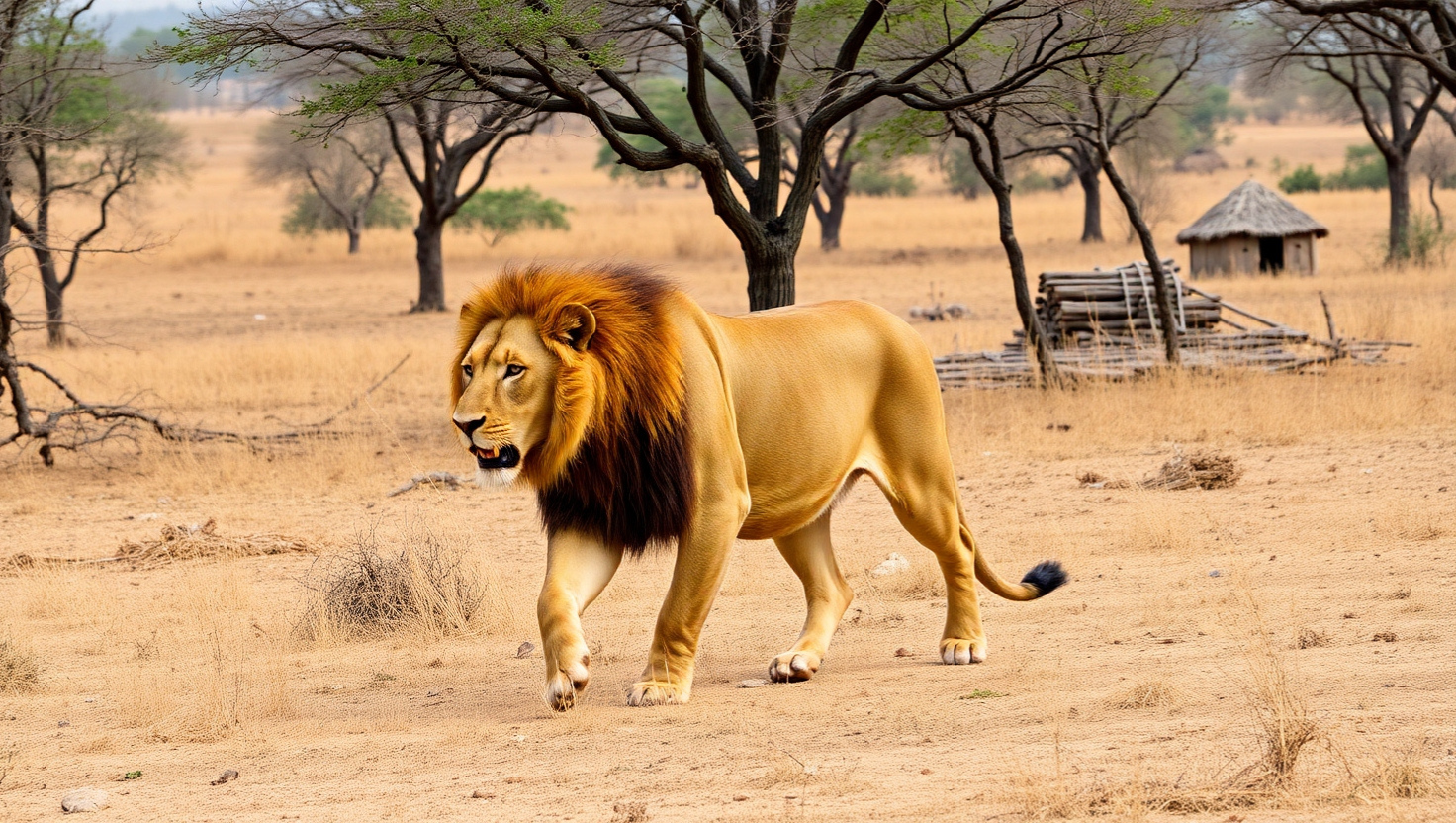
India’s Gir National Park safeguards the last wild population of Asiatic lions amidst growing environmental pressures.
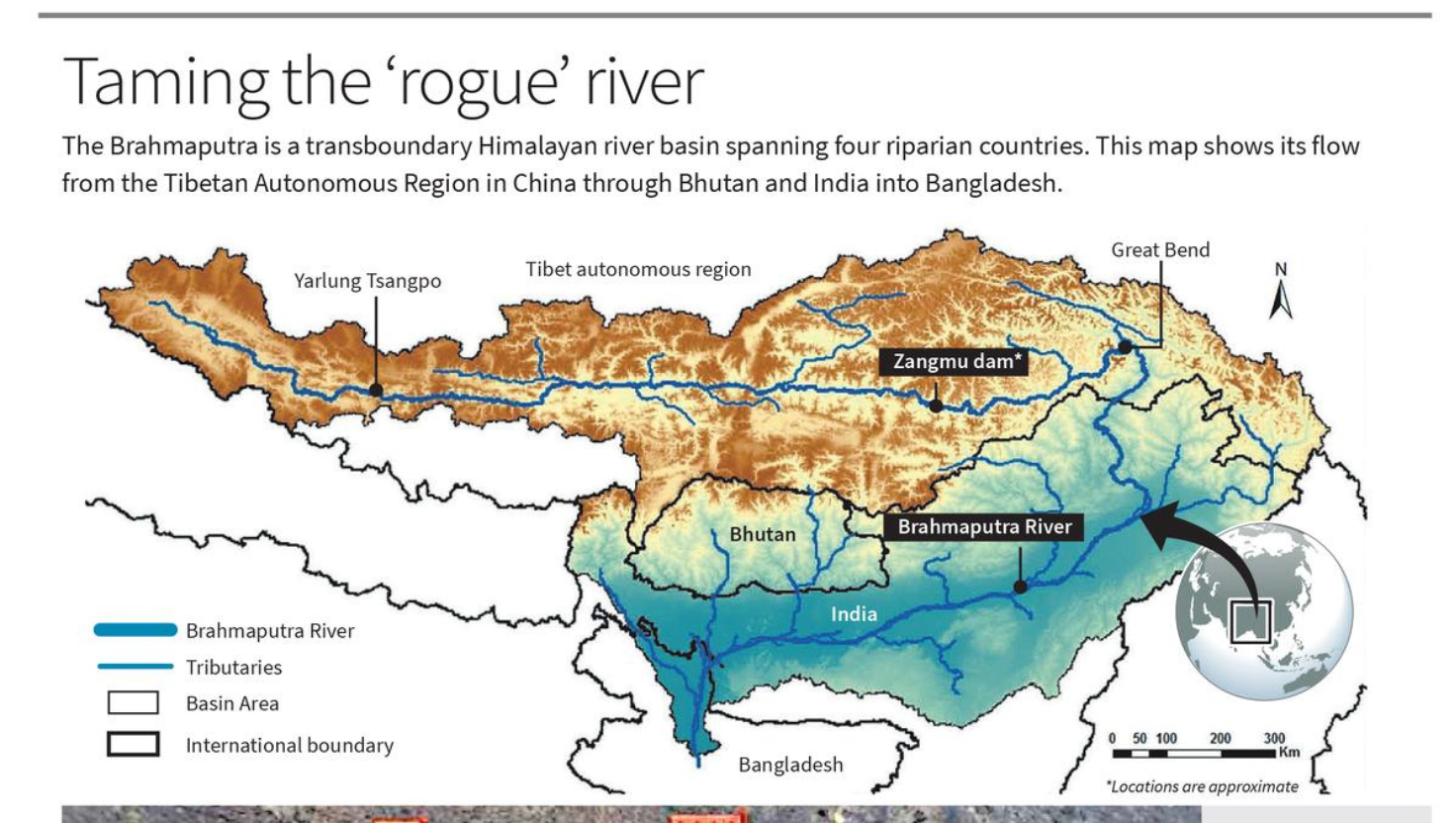
China’s Medog Dam on the Brahmaputra raises ecological, geopolitical, and strategic concerns for India, highlighting risks to downstream regions.
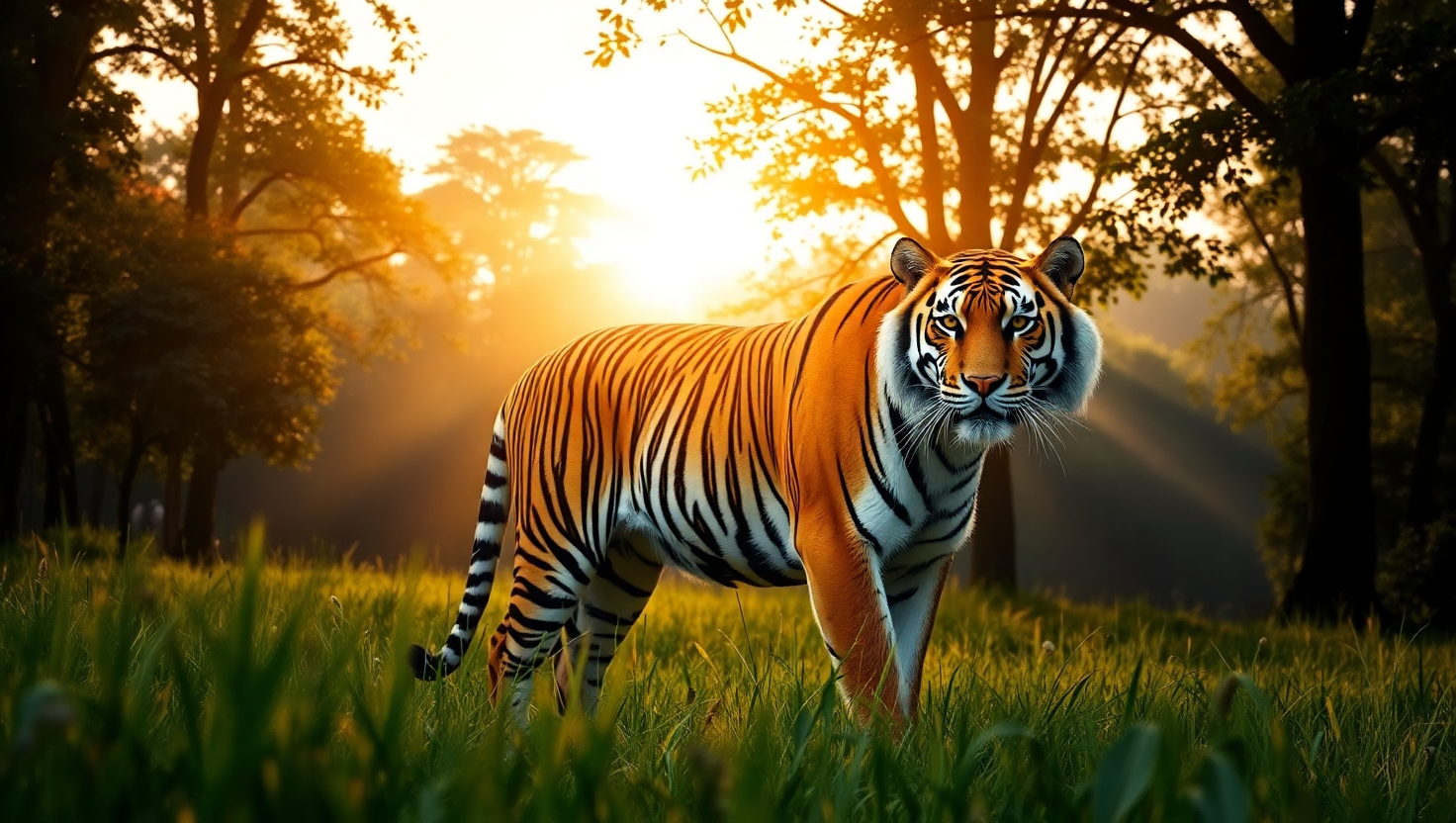
India celebrates International Tiger Day 2025, hosting 75% of the world’s wild tigers and leading global efforts in tiger conservation.
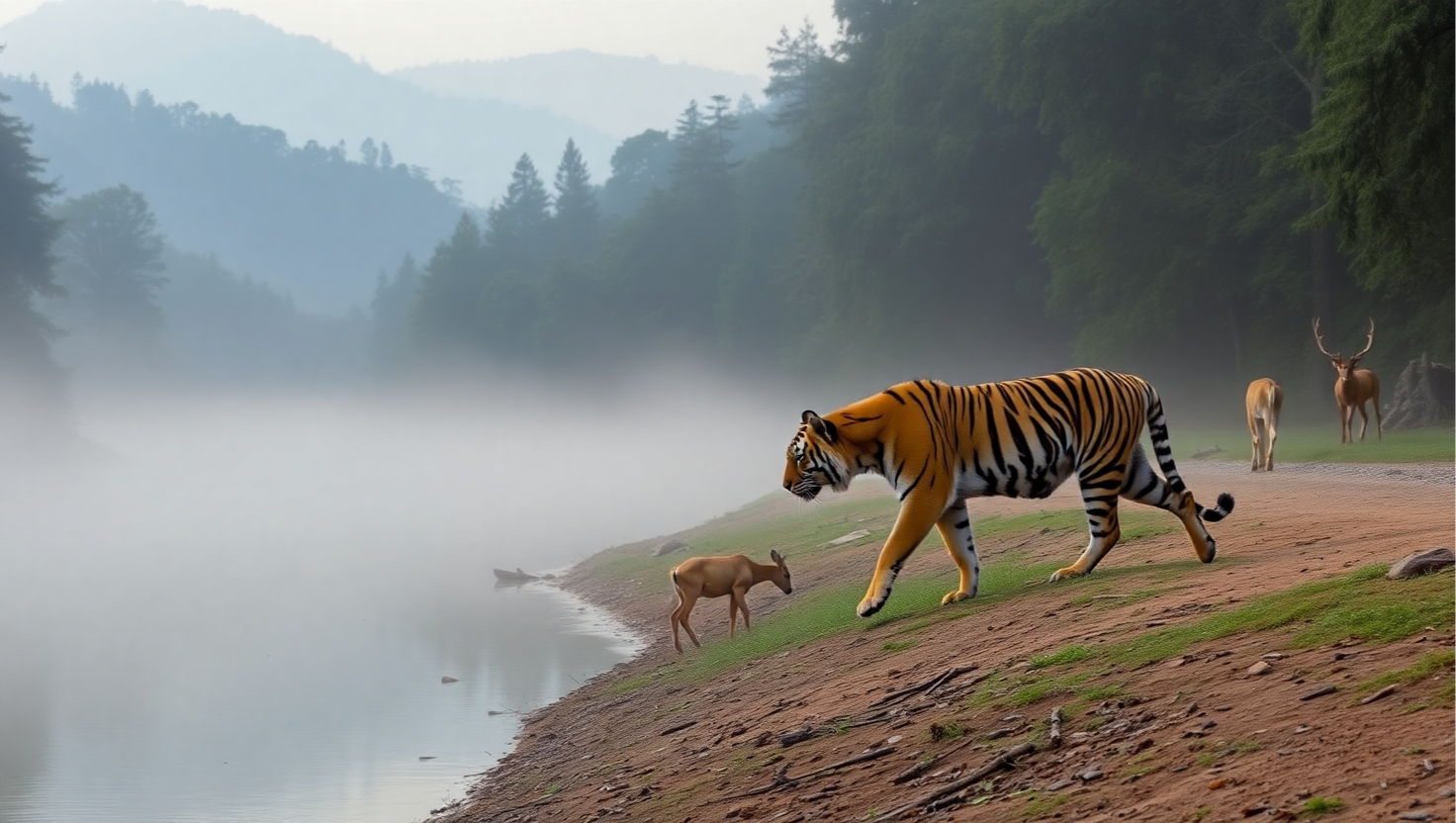
Corbett Tiger Reserve in Uttarakhand, India’s first national park, is a key habitat for tigers, elephants, and diverse Himalayan wildlife.
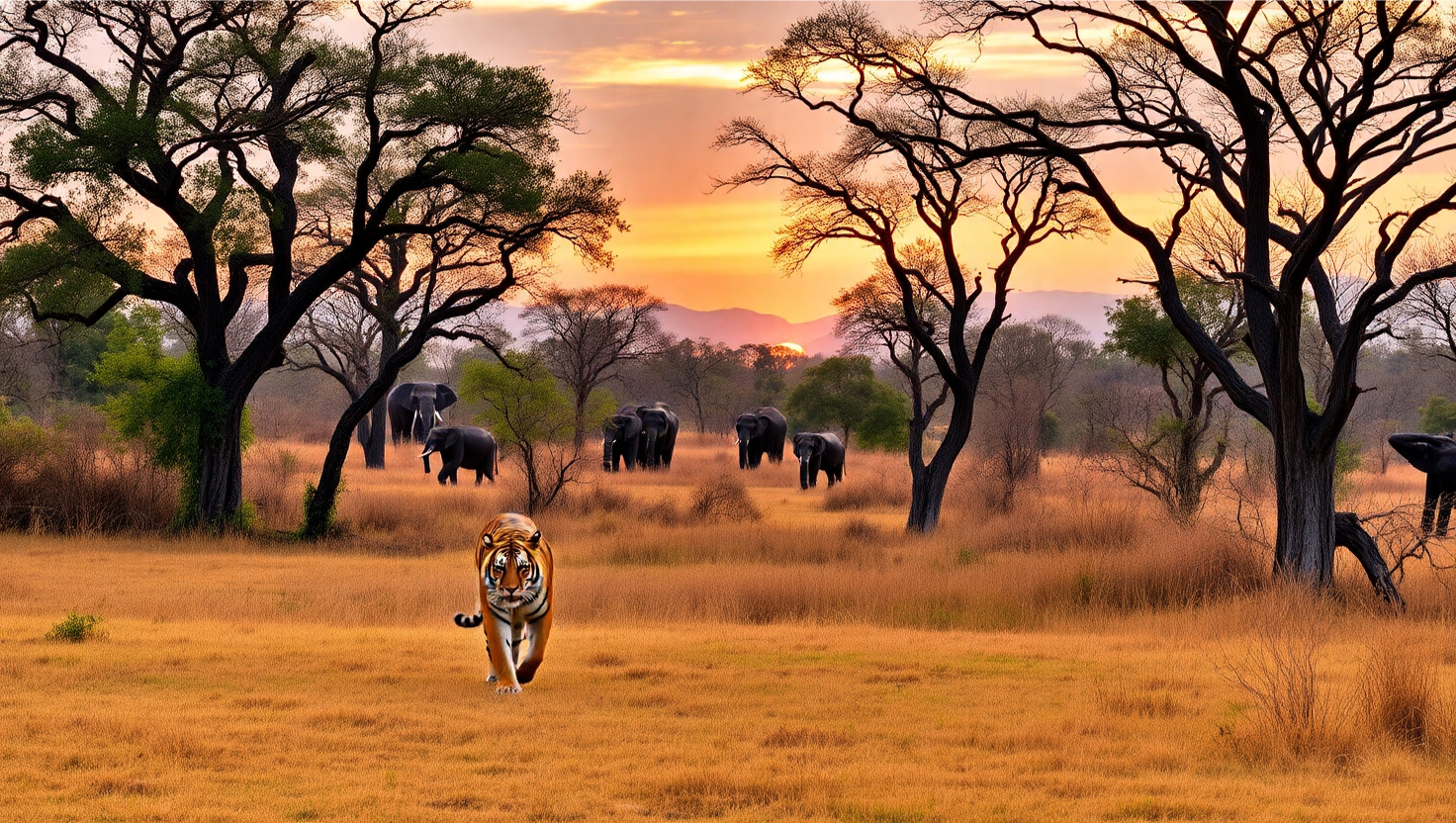
Bandipur National Park in Karnataka is a key tiger and elephant habitat, known for its rich biodiversity within the Nilgiri Biosphere Reserve.

BRICS 2026: Explore the 18th BRICS Summit in New Delhi,
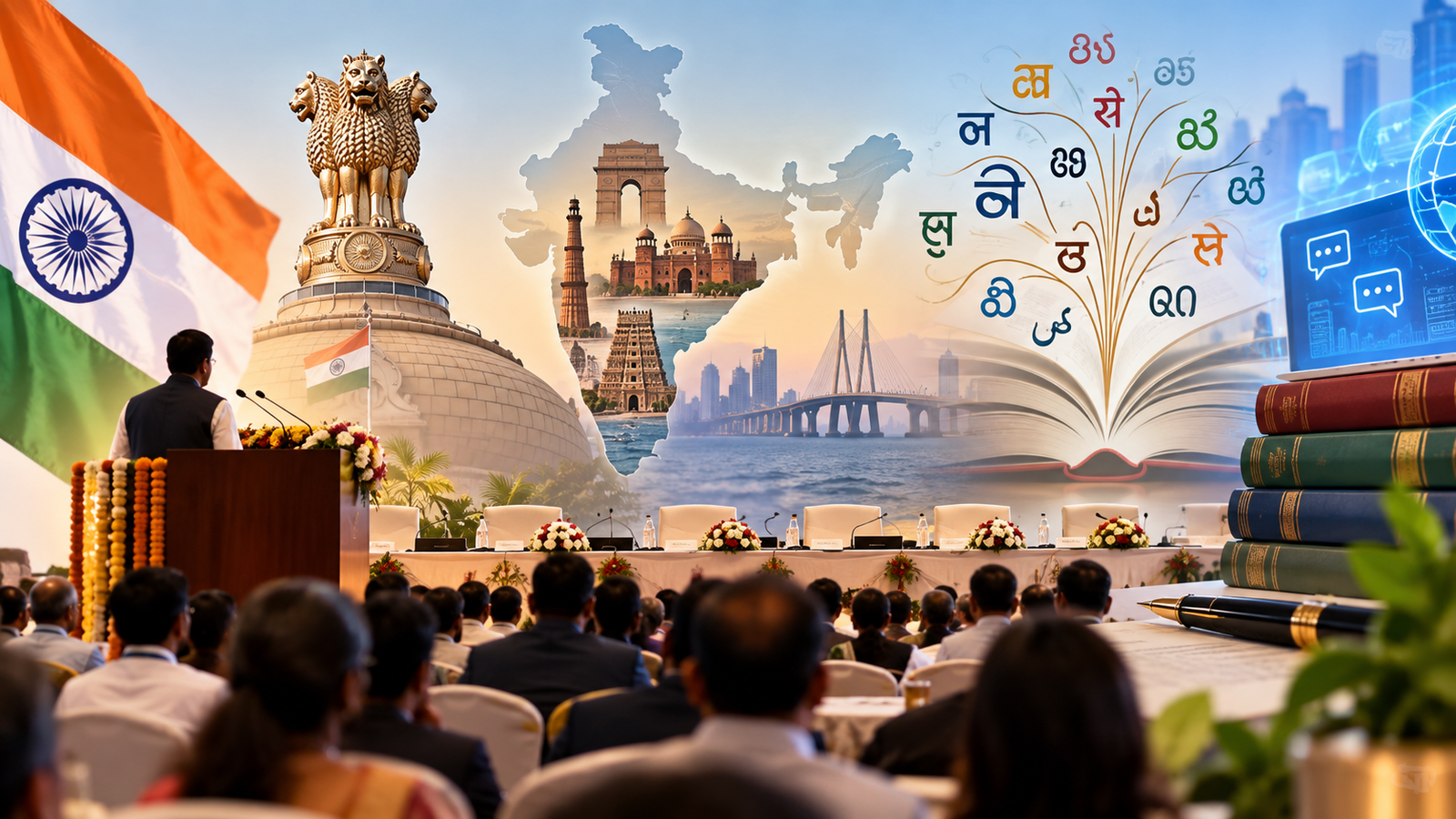
6th All India Official Language Conference 2026 in Navi Mumbai:
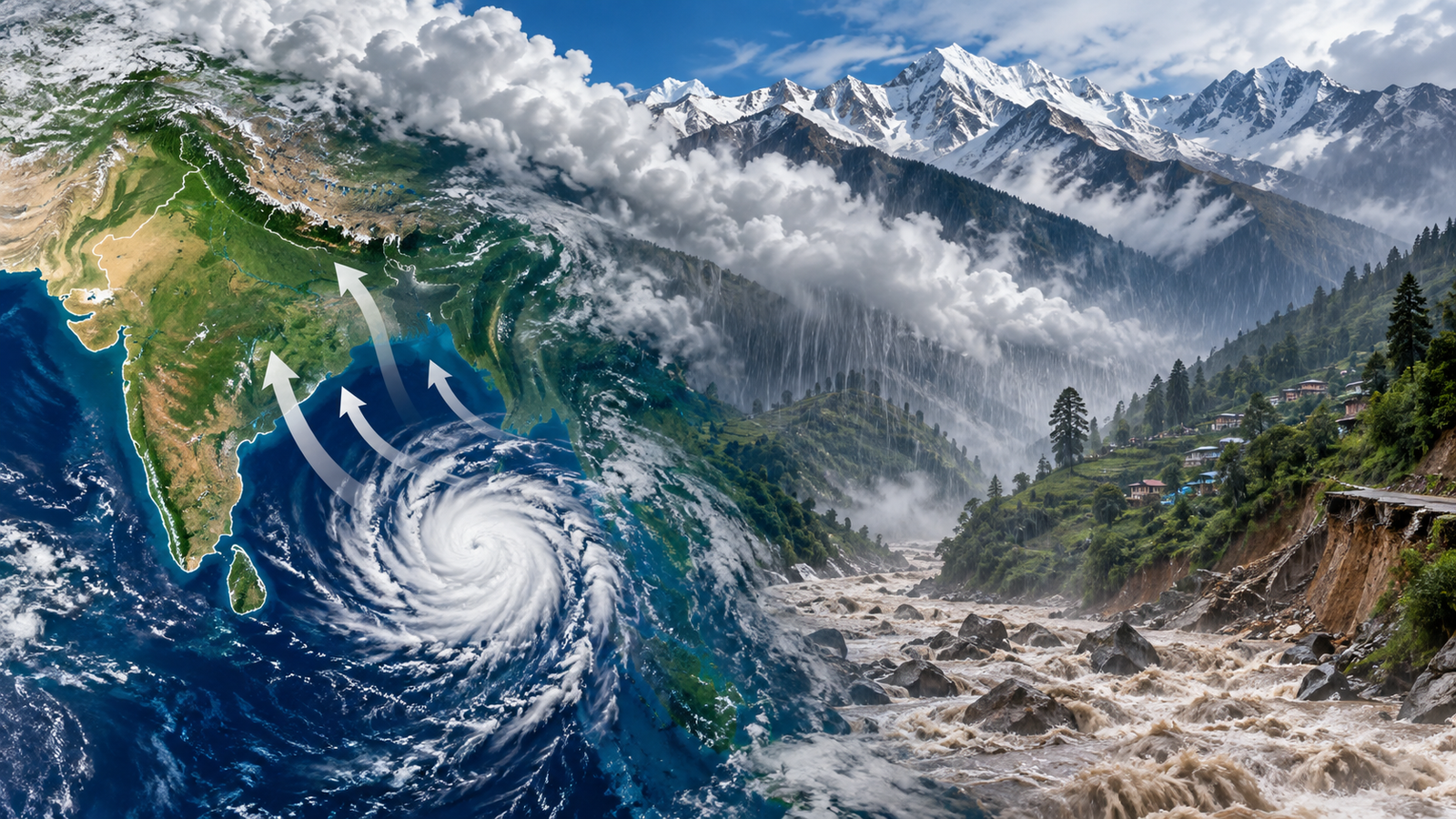
Discover how Bay of Bengal low-pressure systems shape India’s monsoon,

Explore the constitutional evolution of India from East India Company

Yojana June 2026 explores India’s journey towards a Naxal-free Bharat,

HPAS/HPPSC Current Affairs 2 September 2026: Himachal rainfall deficit, Therapy