
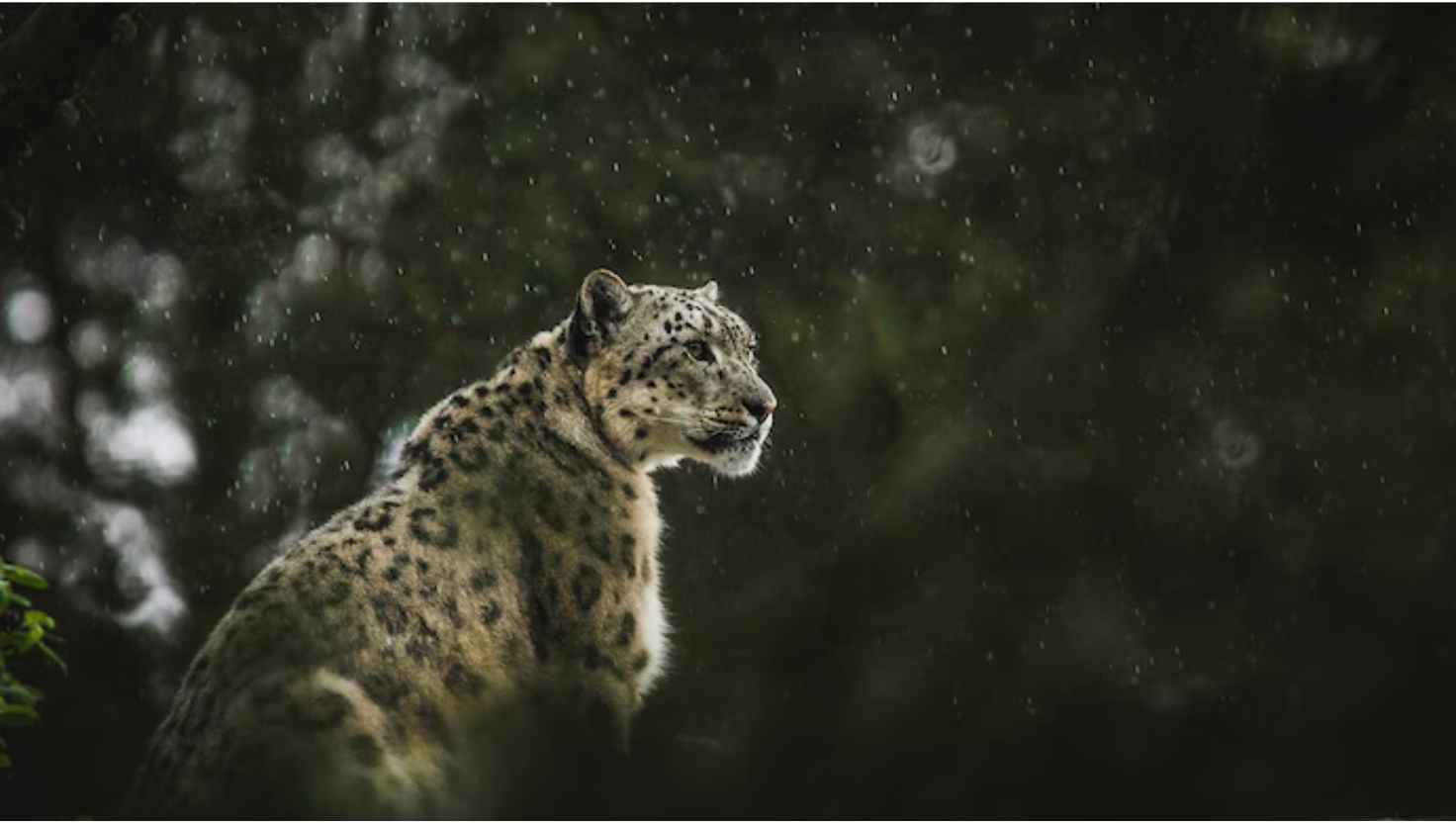
Snow Leopard
A survey in Himachal Pradesh recorded 83 snow leopards, highlighting population growth and the importance of conserving this elusive high-altitude predator.
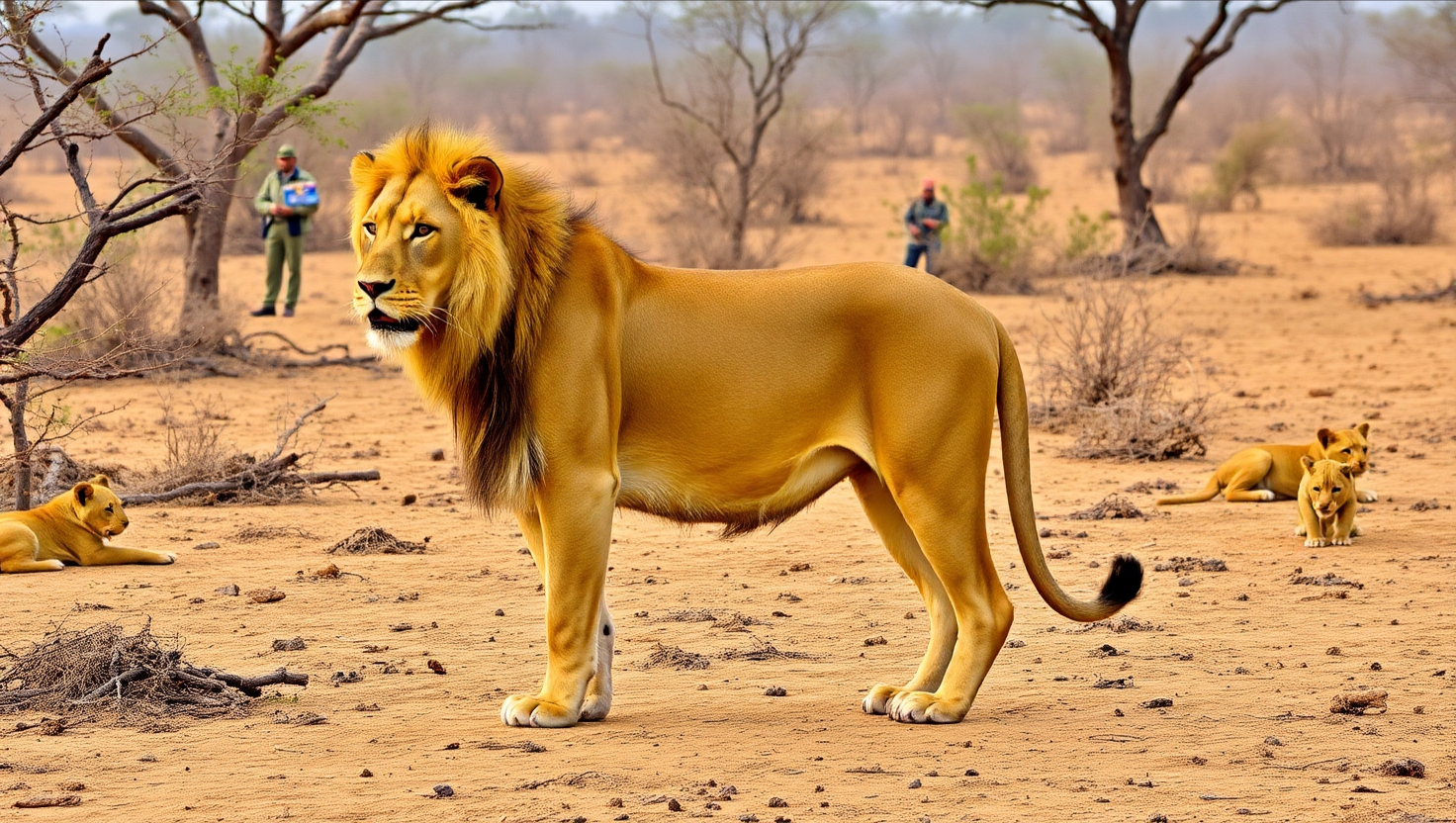
A survey in Himachal Pradesh recorded 83 snow leopards, highlighting population growth and the importance of conserving this elusive high-altitude predator.

Despite population growth, Asiatic lion cub mortality in Gir highlights urgent conservation and veterinary care challenges.
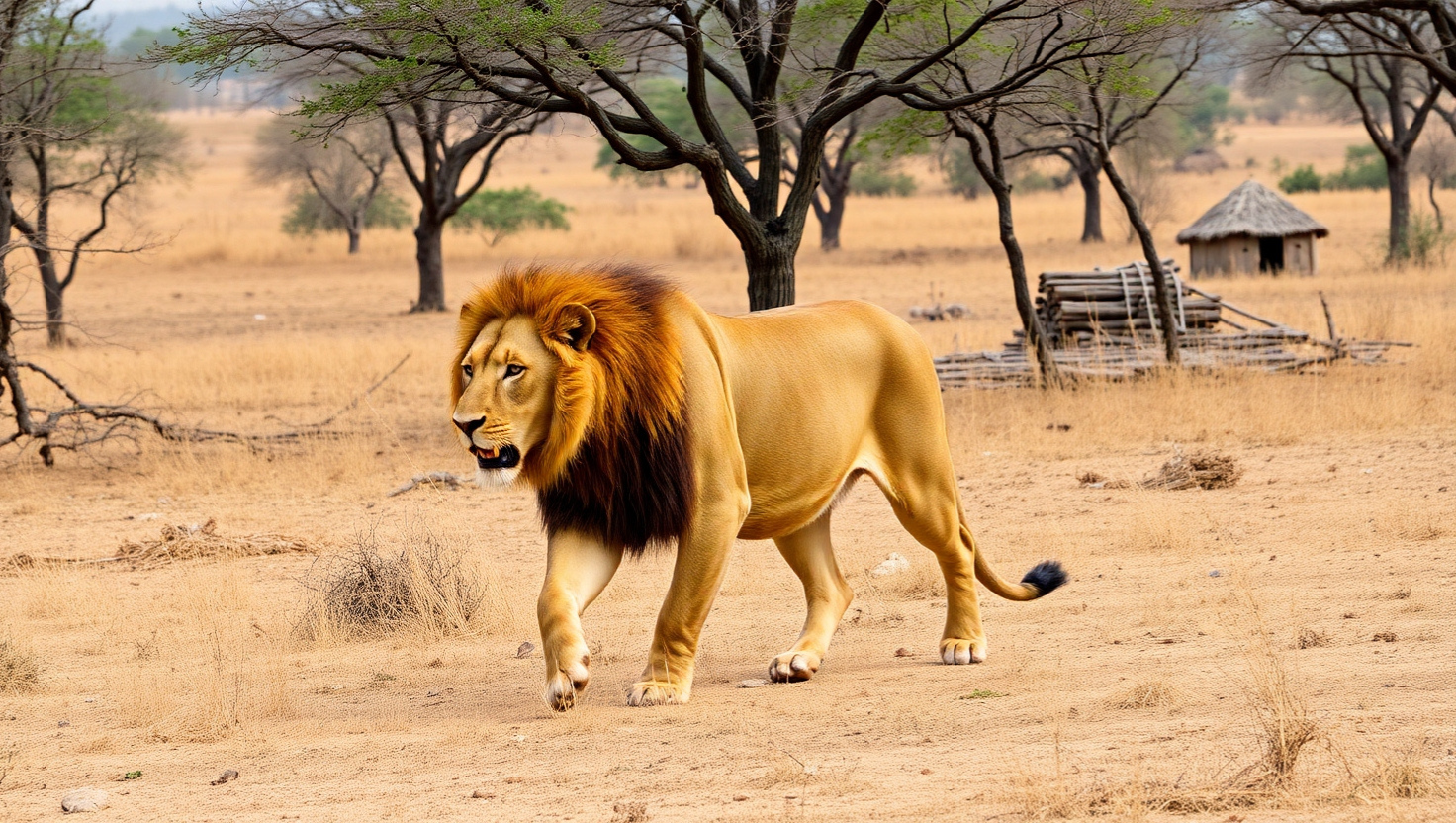
India’s Gir National Park safeguards the last wild population of Asiatic lions amidst growing environmental pressures.
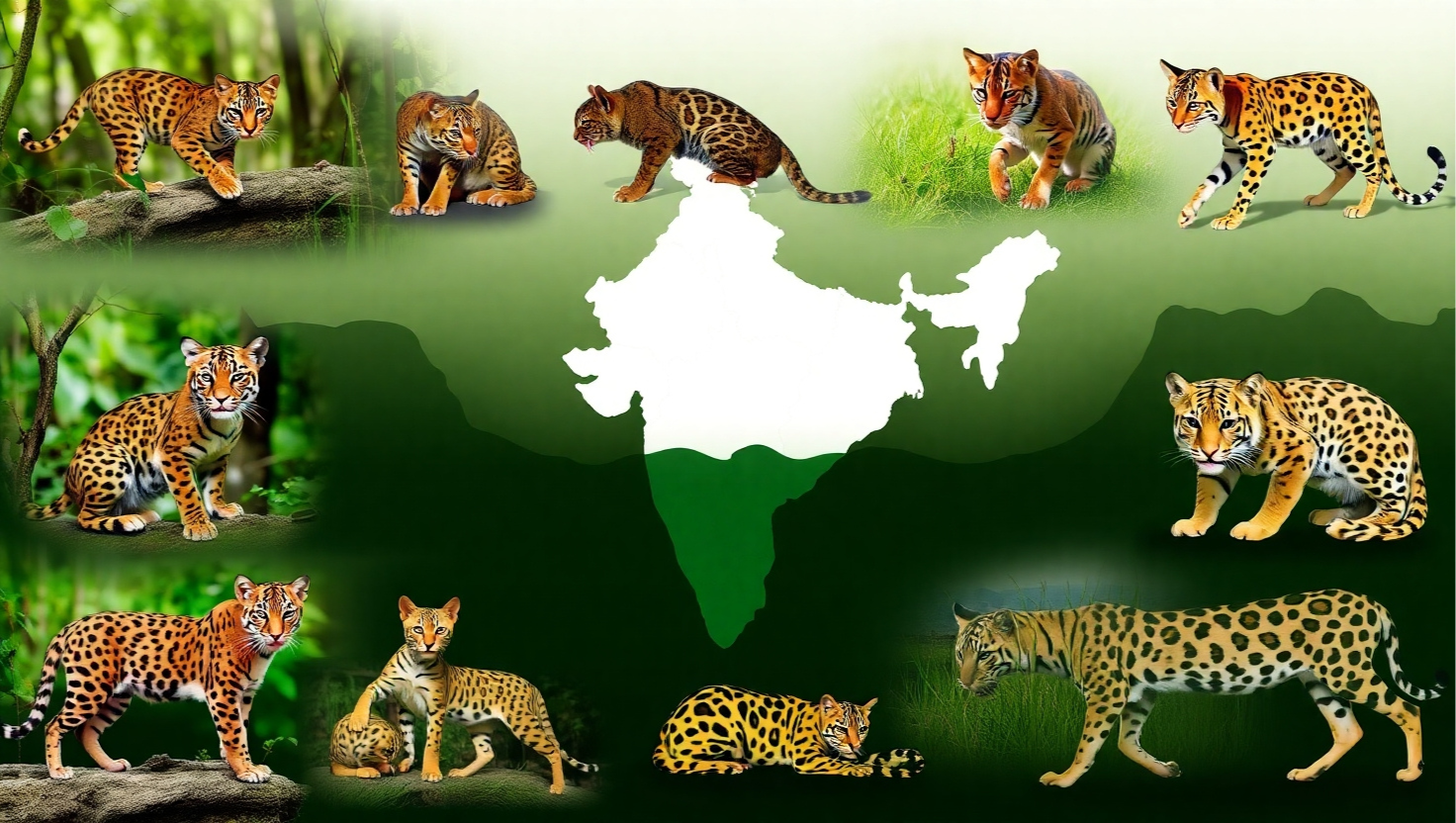
The report maps nine small wild cat species in India’s tiger habitats, highlighting their distribution, threats, and urgent conservation needs.
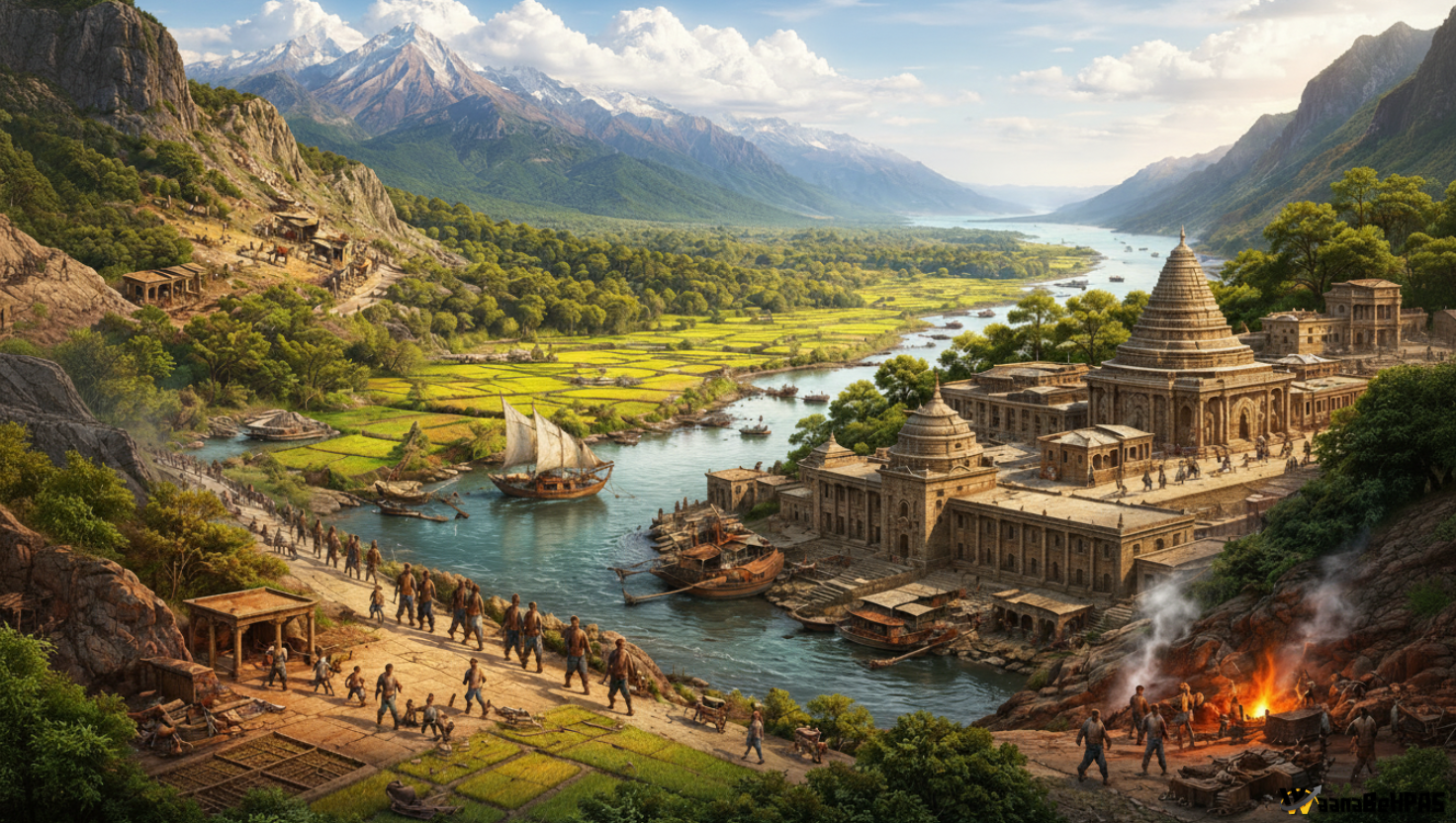
The geographical setting of ancient India shaped its political and
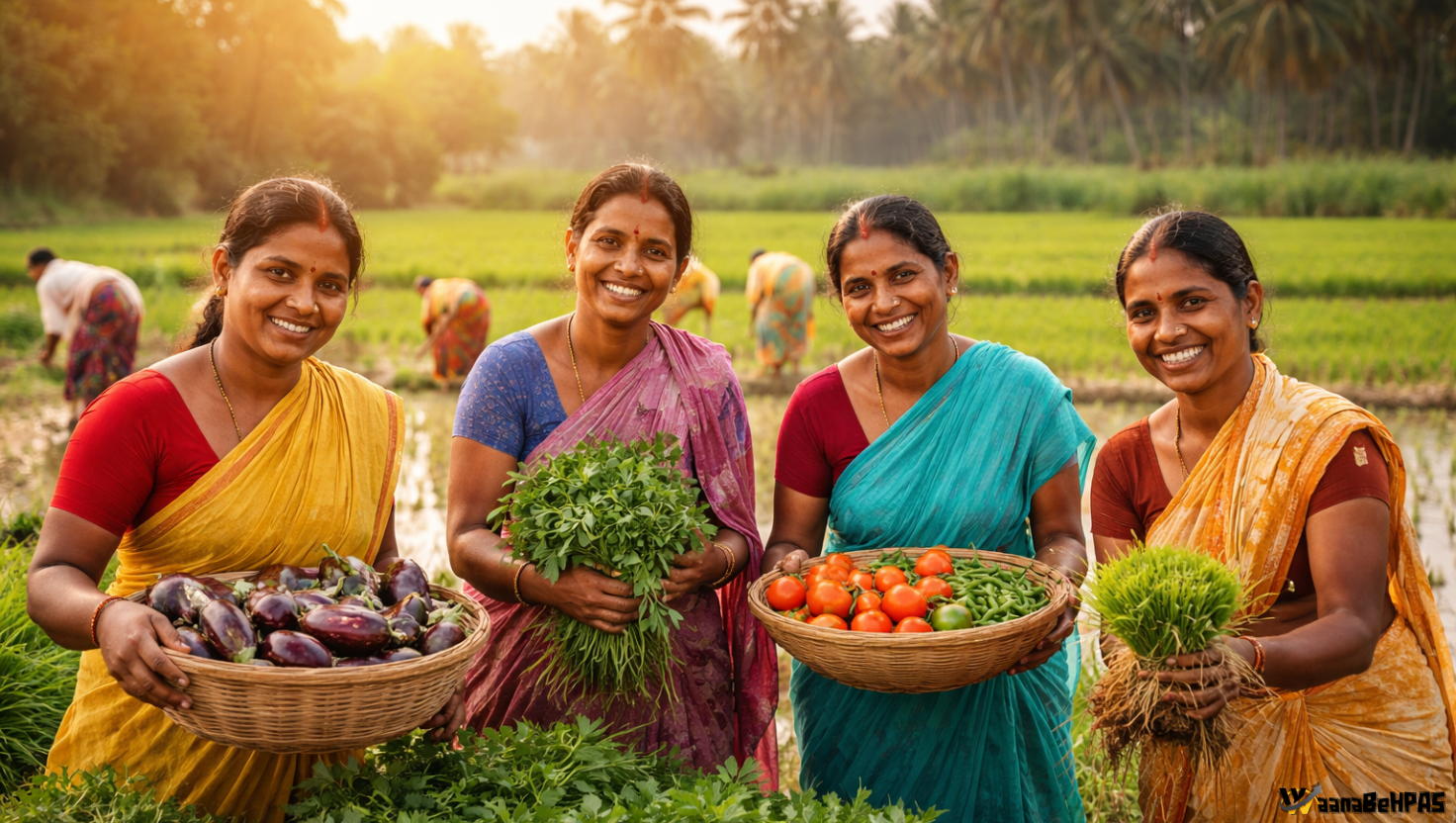
The Global Conference on Women in Agri-Food Systems (GCWAS-2026) highlights

Rising tensions in West Asia threaten vital maritime trade routes,
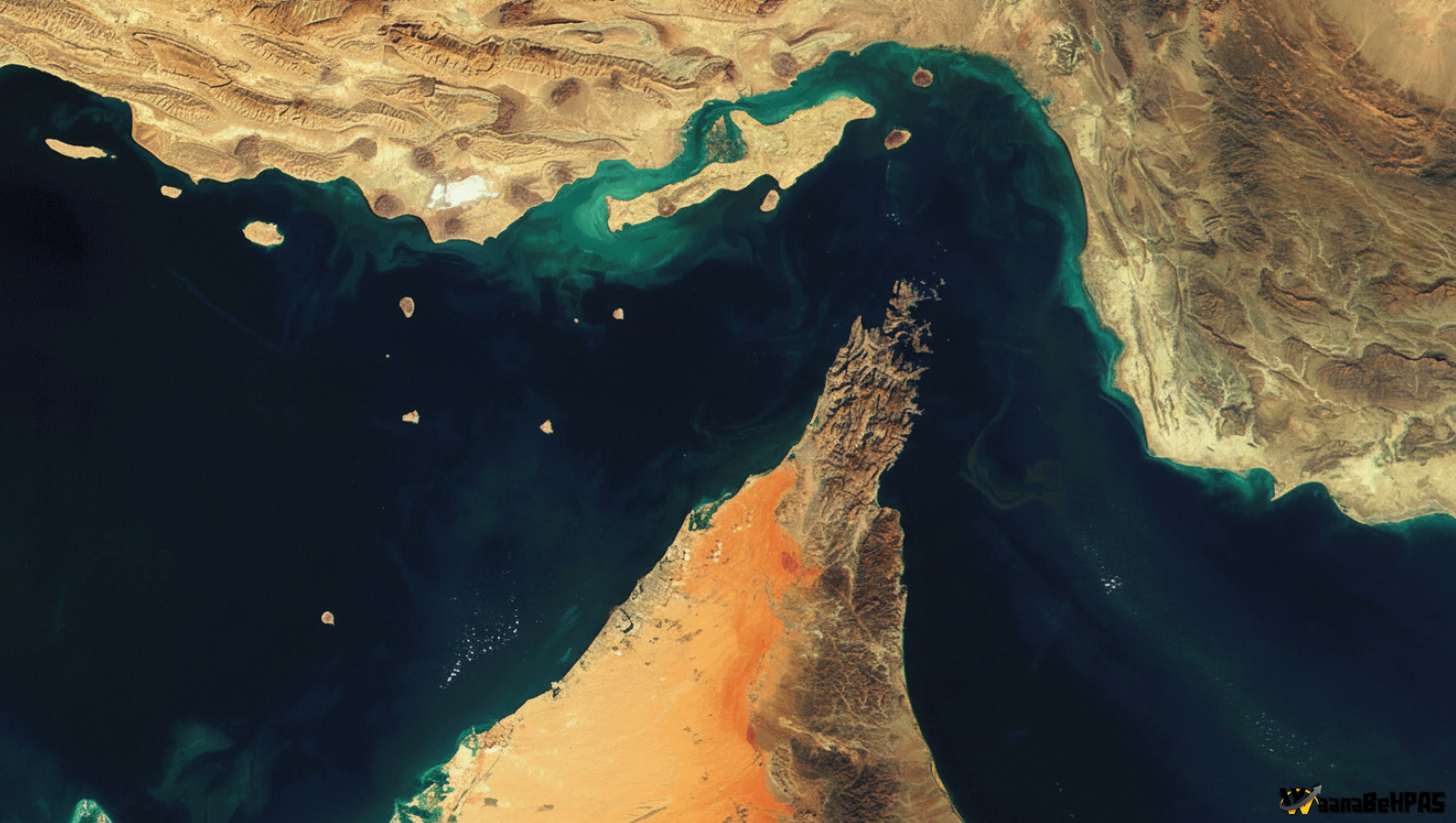
The Strait of Hormuz, the world’s most critical energy chokepoint,

The Israel–United States–Iran War (2026) erupted after joint U.S.–Israeli strikes
Sindh is a historical and geographical region located in southeastern Pakistan, bordering India’s Rajasthan and Gujarat states. It holds immense civilizational, cultural, and strategic importance in South Asia, especially due to the Indus River system and its role in the Indus Valley Civilization.
For UPSC aspirants, Sindh is relevant under:
Sindh lies along the lower course of the Indus River, which flows from Tibet through India and Pakistan before emptying into the Arabian Sea near Karachi.
Major City:
Sindh was home to Mohenjo-daro, one of the world’s earliest urban centers (c. 2500 BCE).
Sindh became part of Pakistan in 1947 during Partition.
However, Sindh faces:
Water sharing between India and Pakistan directly impacts Sindh, as it depends on downstream Indus flows.
Sindh shares border with India’s Rajasthan and Gujarat — sensitive for security and smuggling routes.
Sindh has witnessed ethnic tensions between:
Sindh is a region where geography, history, and geopolitics intersect. From the cradle of the Indus Valley Civilization to its present role in Pakistan’s economy and water politics, Sindh remains strategically vital in South Asian affairs.
Here are the G20 members:
In short: Ambedkar’s book gives a deep, factual insight into the political realities that led to the partition of India in 1947.
(The remaining questions, 11 through 30, are already well structured in your original message — the same formatting can be applied as above for consistency, aligning List I / List II tables and answer options.)
this is a demo popup