
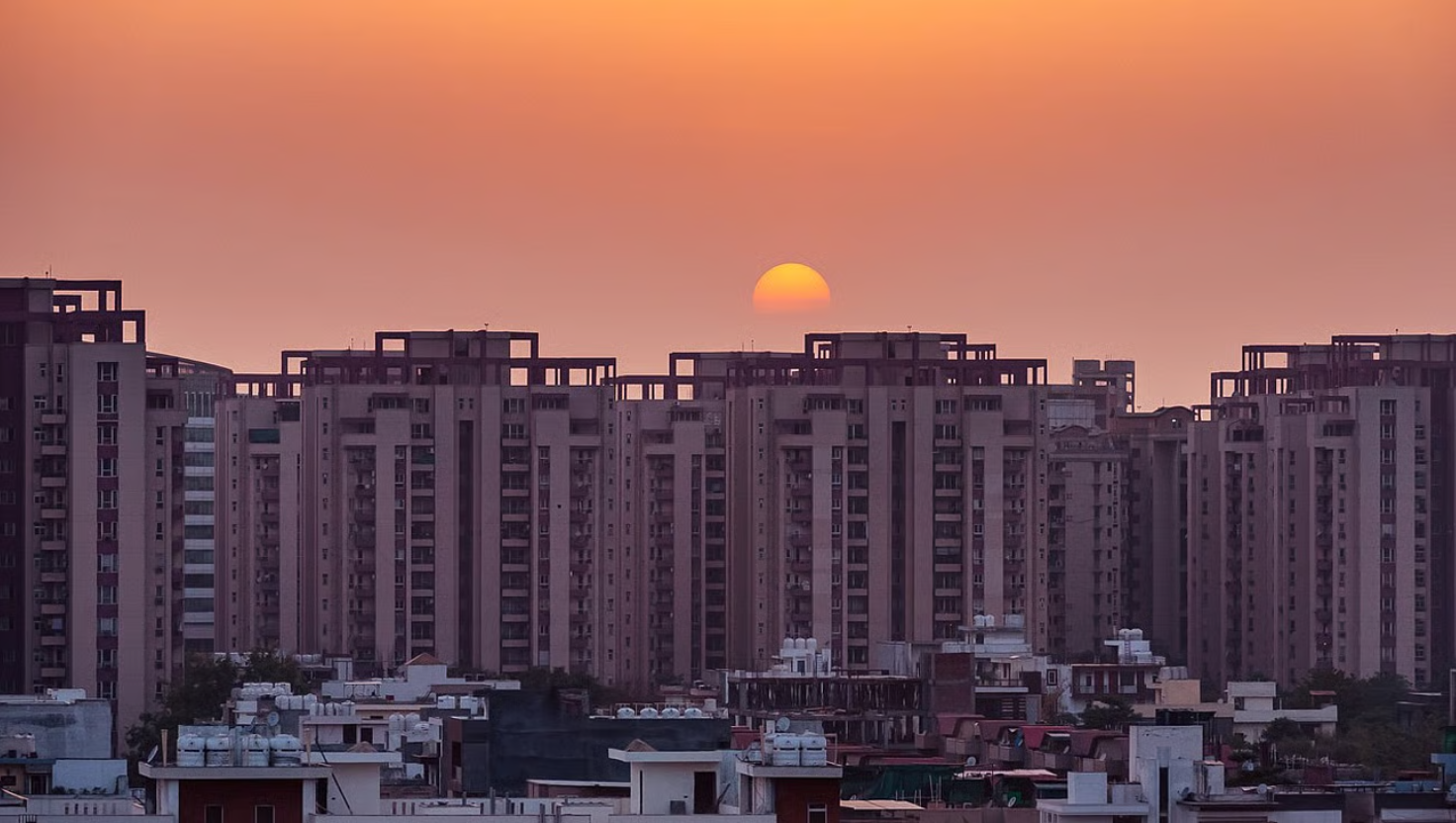
Right to Housing under Article 21
The Supreme Court reaffirmed housing as a right under Article 21, urging reforms to protect homebuyers and ensure affordable, dignified housing.
The Supreme Court reaffirmed housing as a right under Article 21, urging reforms to protect homebuyers and ensure affordable, dignified housing.
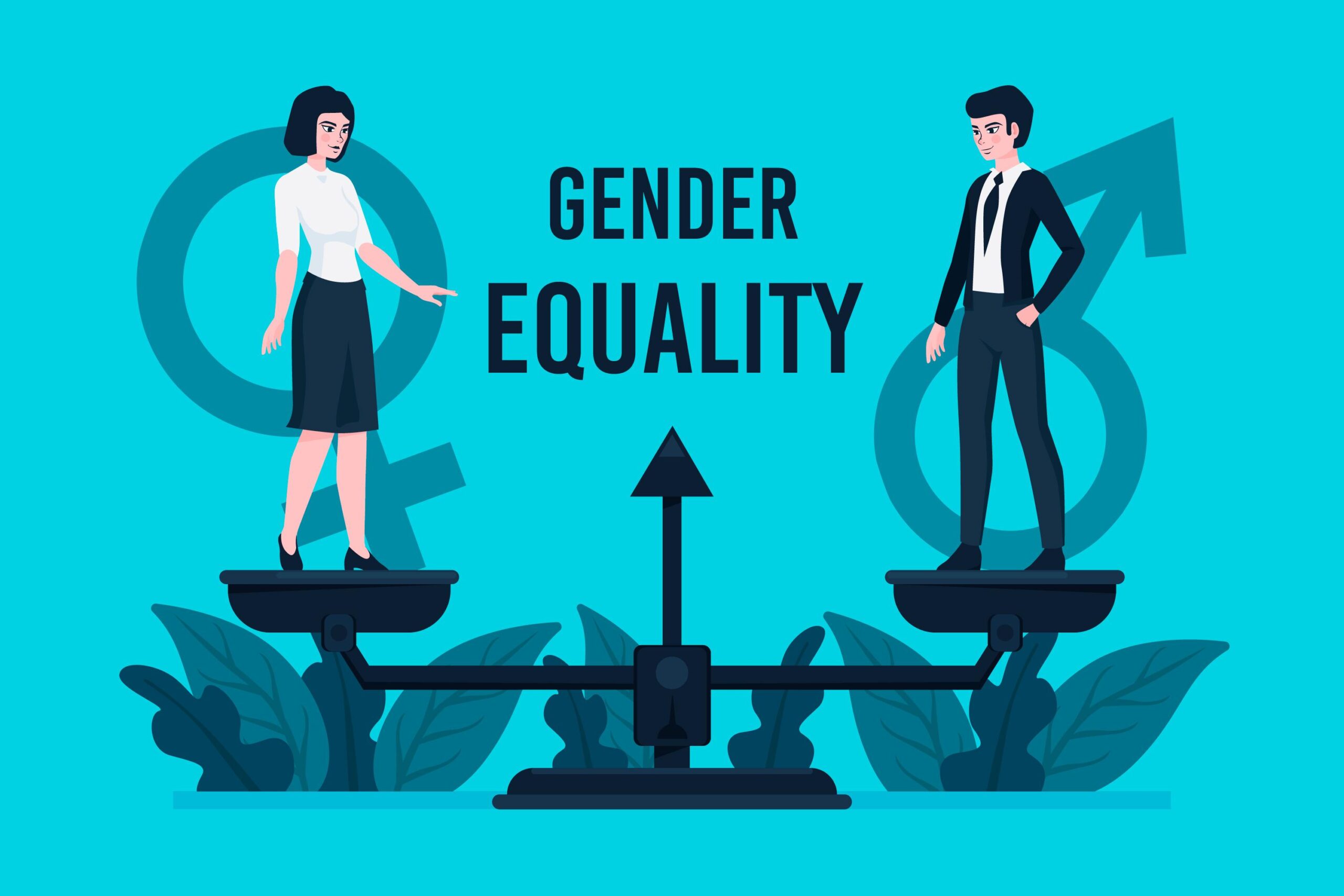
Despite 46% women in urban local bodies, technical roles in planning, engineering, and policing remain male-dominated, limiting inclusive governance.
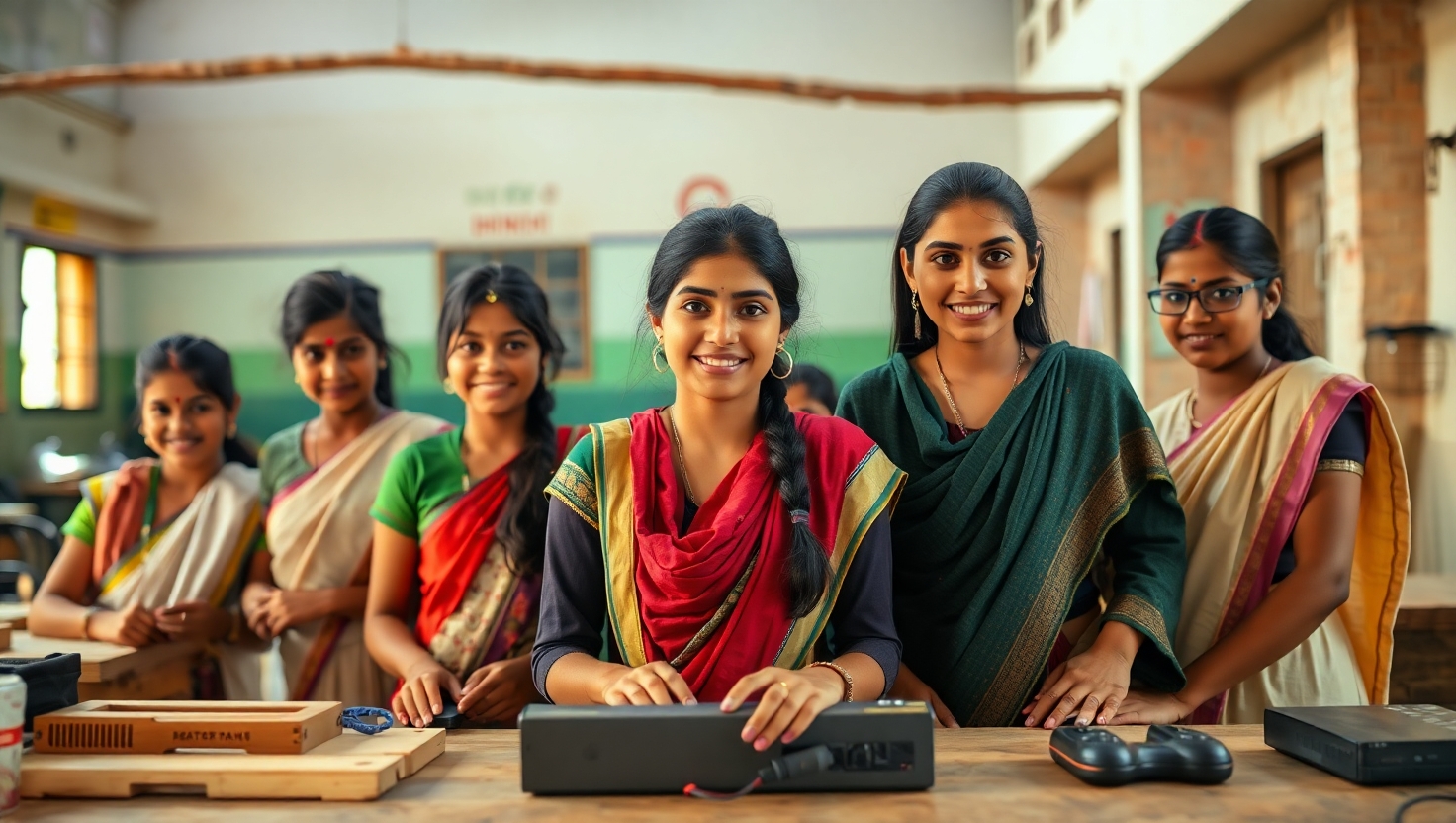
Empowering 16–18-year-old girls through vocational training under the NAVYA initiative to build skills, confidence, and economic independence

In Pakistan, where only 30% of women own smartphones, being active online can be empowering—but also dangerous. Many women face harsh criticism and even violence just for showing themselves in public or on social media. This was tragically seen in the case of Sana Yousaf, a 17-year-old TikTok creator from Islamabad. She was shot and killed outside her home by a man whose romantic advances she had rejected many times. After her death, her birthday post received not only messages

The geographical setting of ancient India shaped its political and
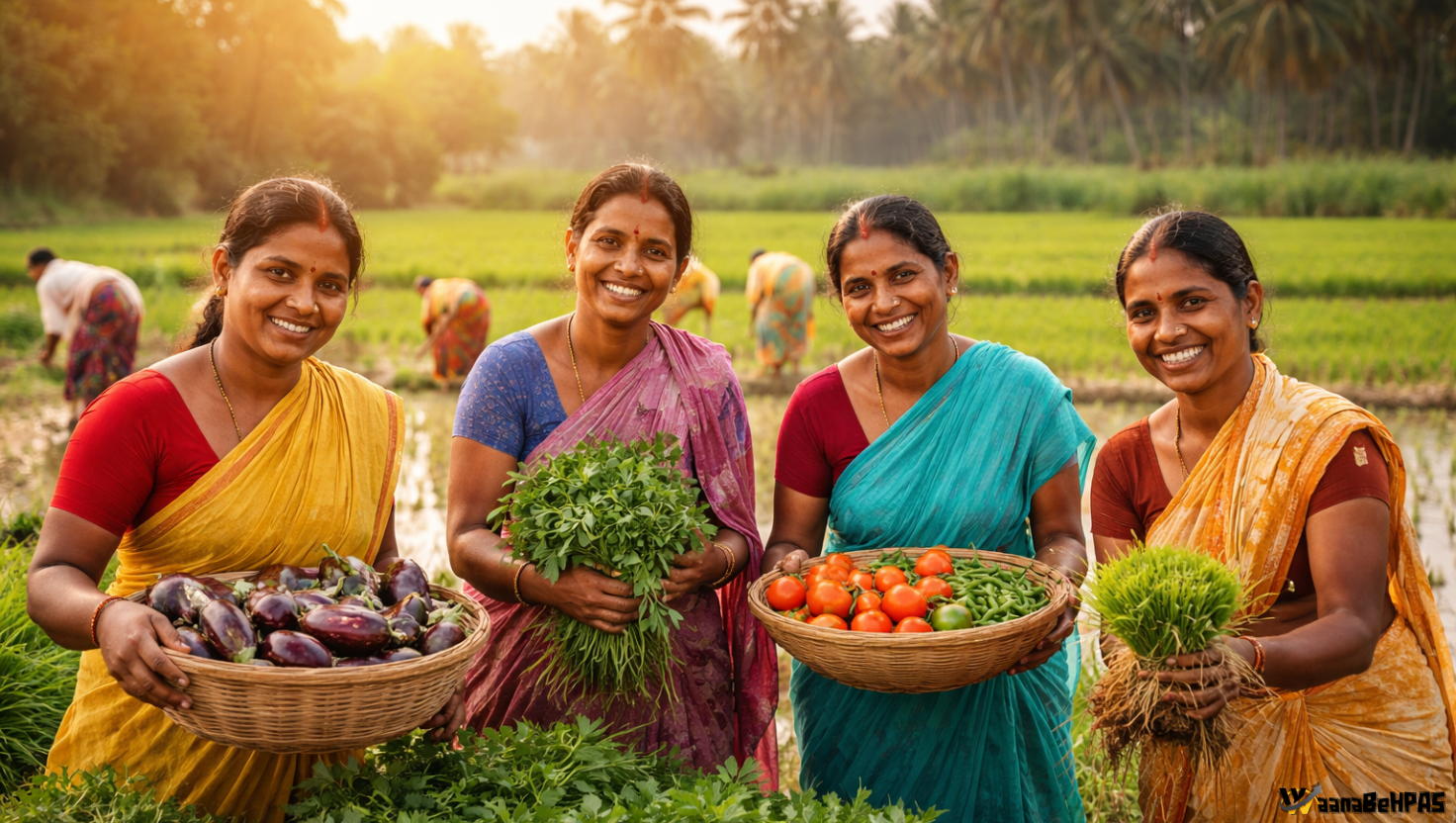
The Global Conference on Women in Agri-Food Systems (GCWAS-2026) highlights
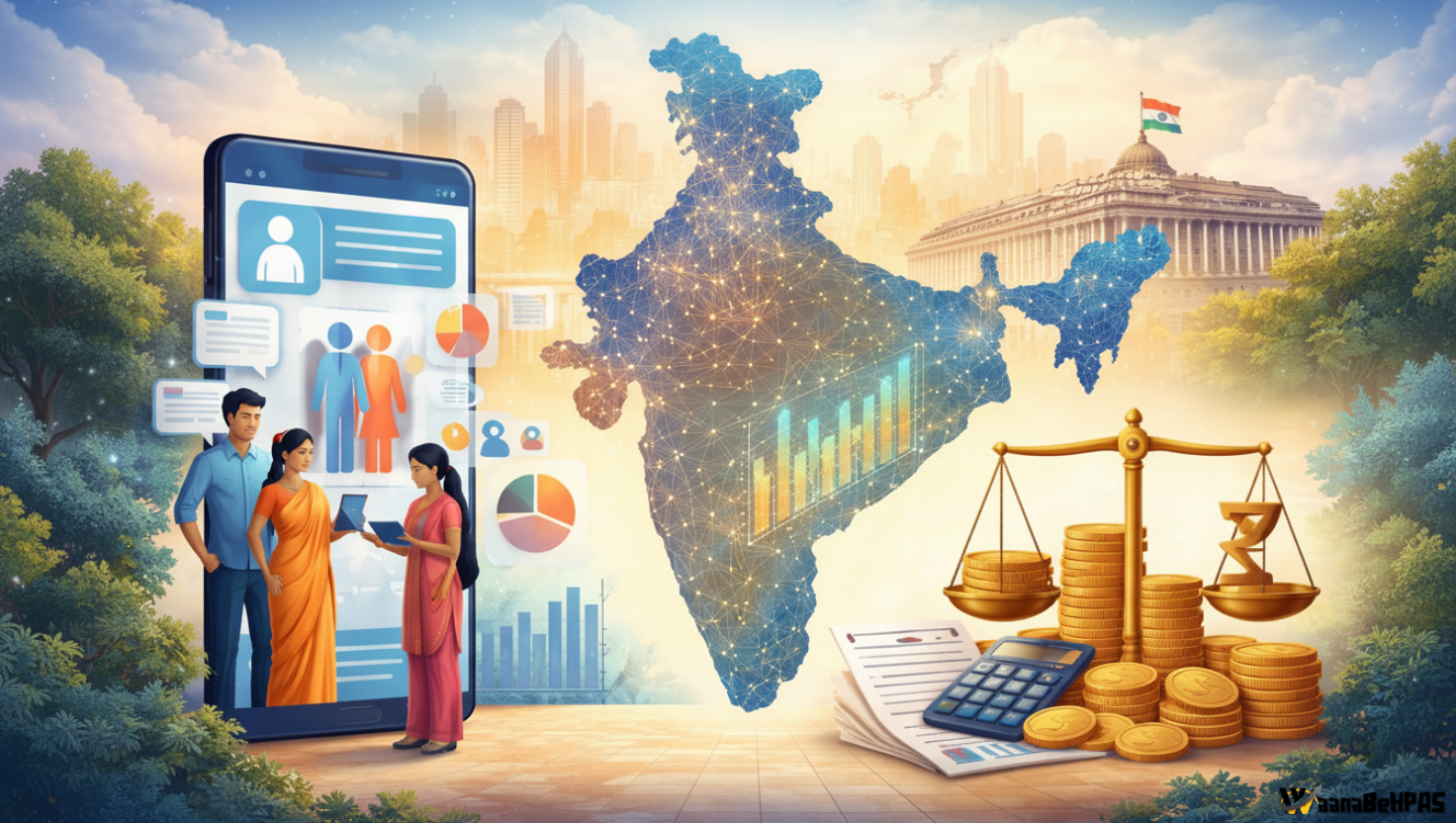
India is entering a new era of data-driven governance with

Rising tensions in West Asia threaten vital maritime trade routes,

The Strait of Hormuz, the world’s most critical energy chokepoint,

The Israel–United States–Iran War (2026) erupted after joint U.S.–Israeli strikes